The Sacred Circuit: Spirituality as Psychological Architecture
The Somatic Echo
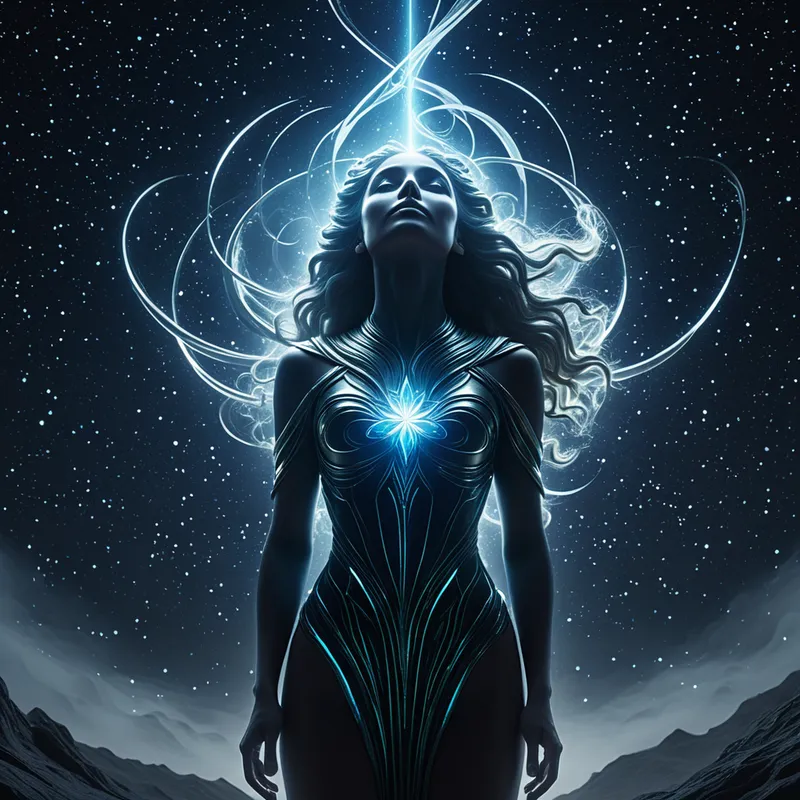
It begins not as a thought, but as a pressure. A hollowing out behind the sternum, a quiet vacuum where certainty used to reside. Or perhaps it’s a subtle hum in the marrow, a vibration so low it’s felt more in the teeth than the ears—a tuning fork struck against the bedrock of your being. This is the somatic echo of the spiritual dream. It is the body’s ancient, pre-verbal recognition of a frontier. The ego, that diligent manager of your daily life, senses a draft from a door it didn’t build. There’s a feeling of being both infinitely small—a single node in a vast network—and paradoxically, the entire network itself. It’s the vertigo of the horizon, felt in the gut.
The Dreamer's Log (Case Vignette)
The dreamer stands in a rain-slicked alley, holding a shattered smartphone. From the cracks in the black glass, not light, but a dense, glowing moss of intricate circuitry begins to grow, its bioluminescent filaments weaving into their fingertips, connecting them to the wet stone of the wall, the falling rain, the distant hum of the city—until there is no boundary between device, self, and world.
This is the alchemical moment: the broken interface of the personal self becomes the living synapse to the transpersonal whole.

The False Lead
This theme is not an endorsement of dogma, nor a call to adopt a specific belief system. The spiritual dream is not your psyche handing you a prepackaged religion. That is often the ego’s first, frantic attempt to contain the experience, to build a doctrinal wall around the vastness. The terror here is not of divine punishment, but of divine unboundedness. It is not about finding an external god to worship, but about enduring the disorienting, glorious discovery that the sacred is the fundamental substrate of your own consciousness, waiting to be recognized. It is the difference between reading a map of the ocean and being thrown into its depths.
Psychological Architecture
The Shadow work of spirituality is the most profound kind: the confrontation with your own insignificance as a separate, special self, in service to discovering your absolute significance as a conscious part of the whole. It is the Individuation process in its most radical phase. You are not just integrating repressed personal traits—the angry child, the needy lover. You are being asked to integrate the impersonal. The psyche is dissolving the final, most cherished illusion: the solidity of the “I” as a standalone entity. This feels like death, because it is. It is the death of the ego as the sole ruler, making way for the Self—Jung’s term for the total, integrated personality that includes both the conscious ego and the boundless unconscious. The architecture of your identity is being retrofitted from a solitary castle to a city with open gates, connected to unseen ley lines of meaning.
Mythic Resonance
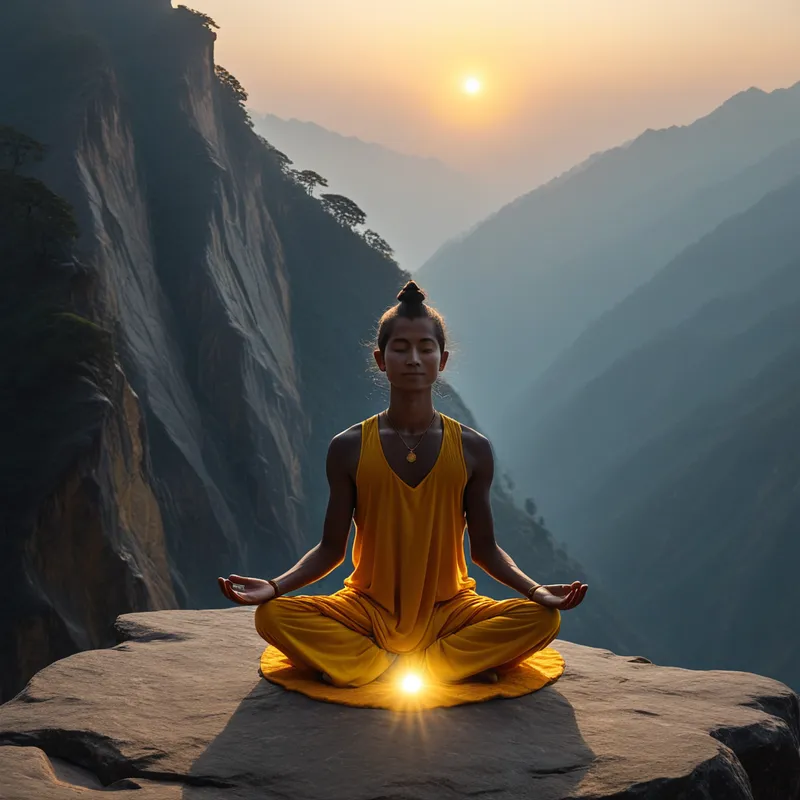
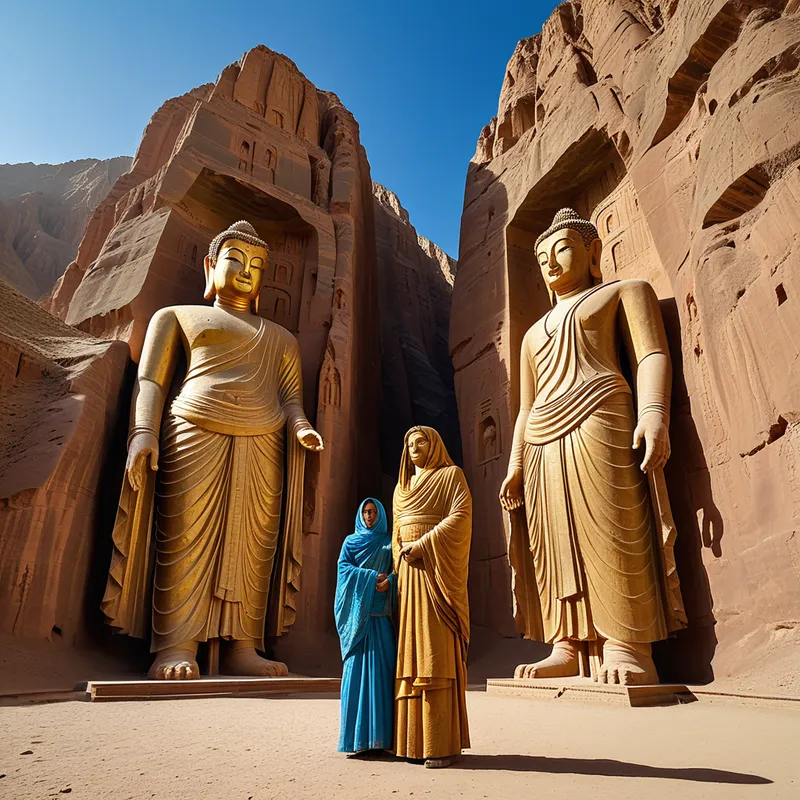
Consider the story of the Buddha under the Bodhi tree. He did not receive a list of commandments from the sky. He sat, and he faced the entire parade of his own psyche—the temptations of Mara, the specters of fear, desire, and doubt. His enlightenment was not a download of divine data, but the ultimate psychological achievement: the stilling of the mind’s compulsive narrative, allowing the underlying nature of reality, dependent origination, to be perceived directly. Similarly, in the Gnostic myth, the spiritual quest is not to ascend to a distant heaven, but to recover the spark of divine light trapped within the material world—and within the human self. It is an inward archaeology of the sacred.
Symbolic Nodes
- Ladders, Staircases, Vines: The axis of connection between realms (personal to transpersonal).
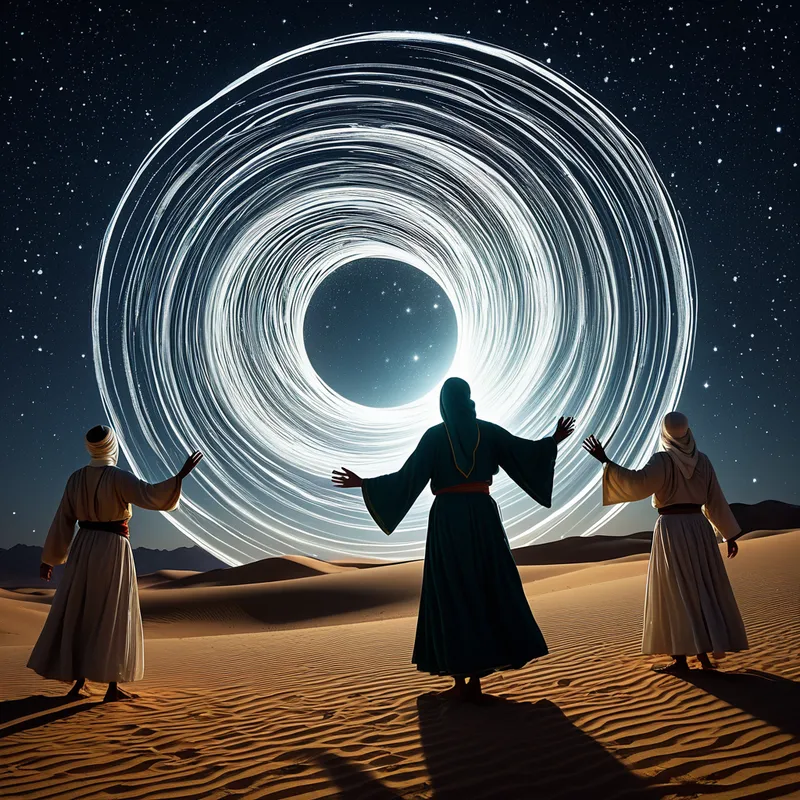
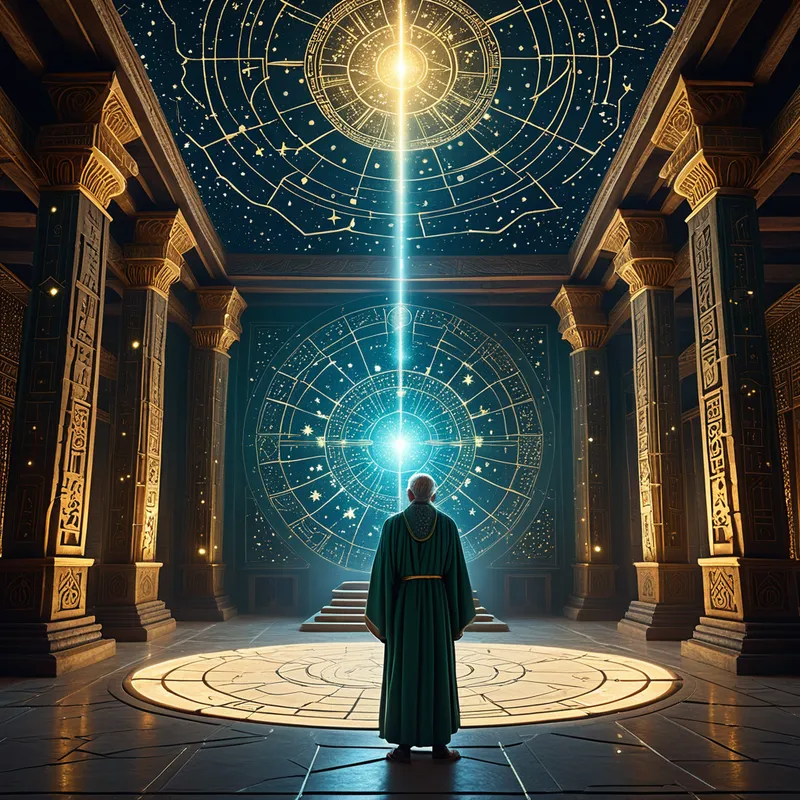
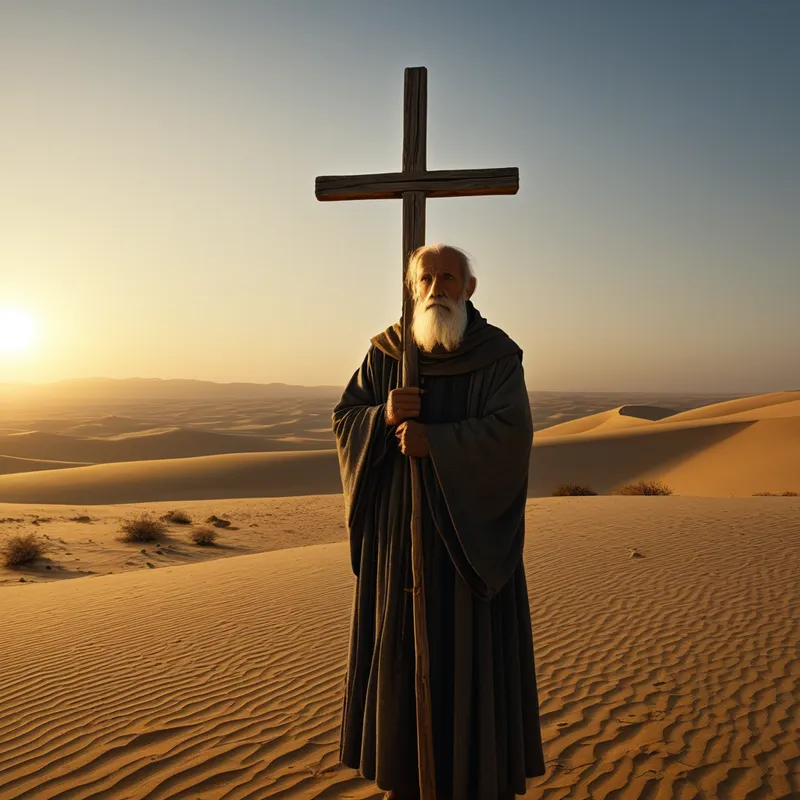
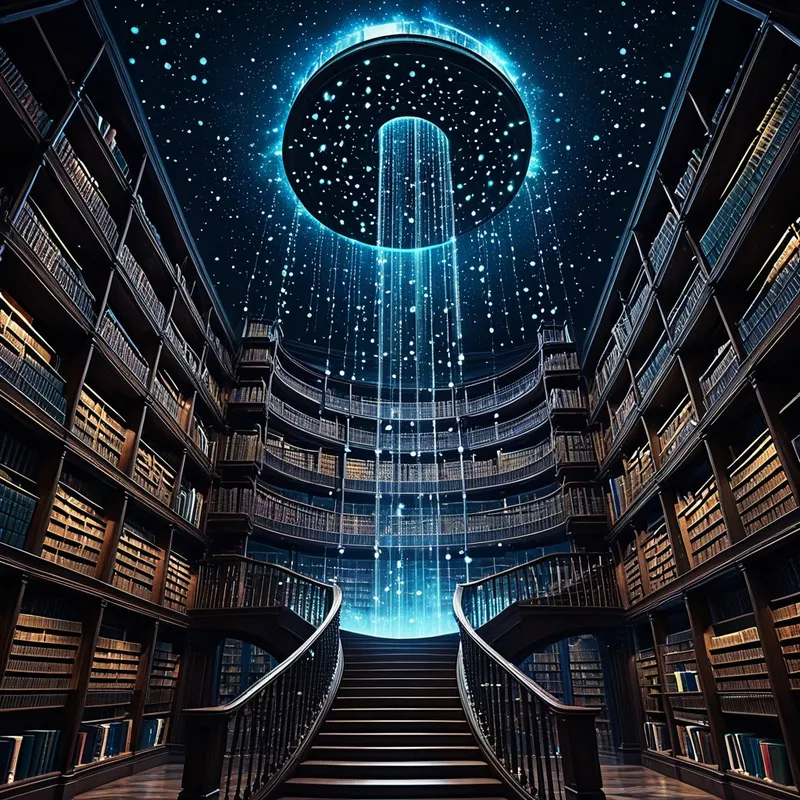
- Empty Rooms, Vast Halls, Deserts: The cleared space, the kenosis or emptying, required for the new consciousness.
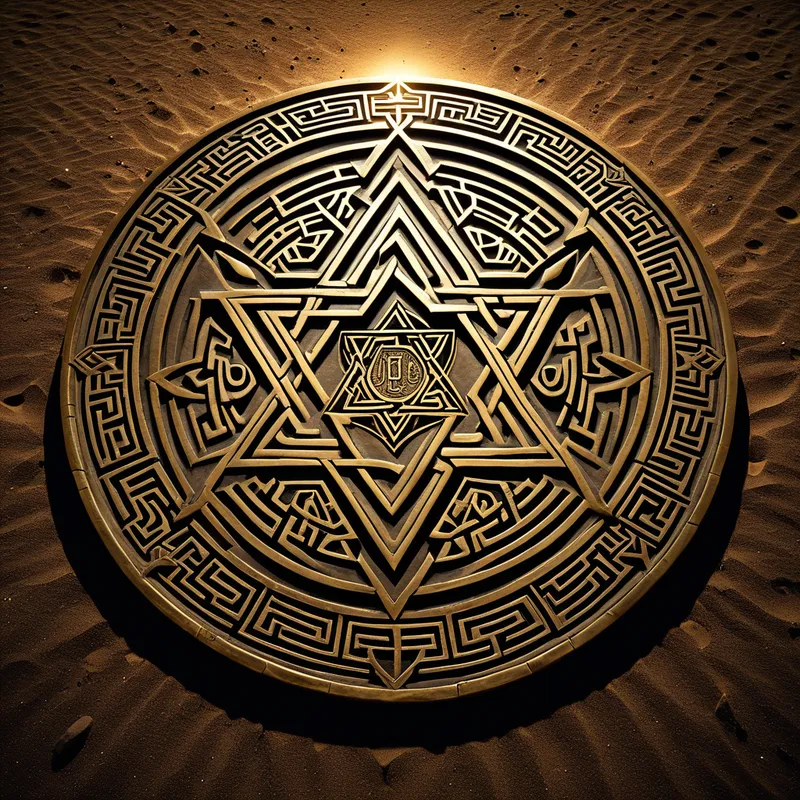
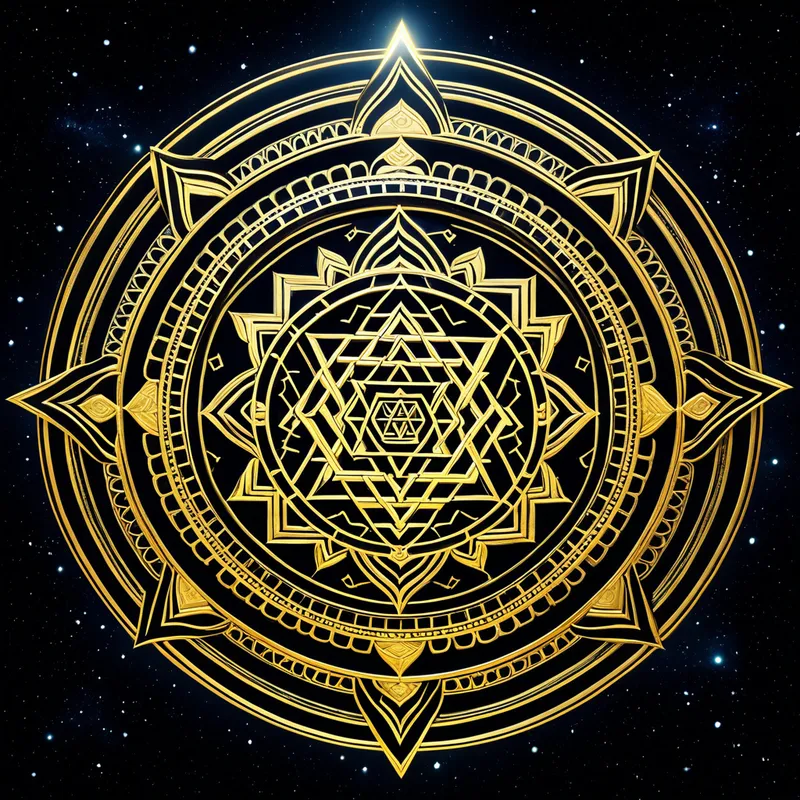
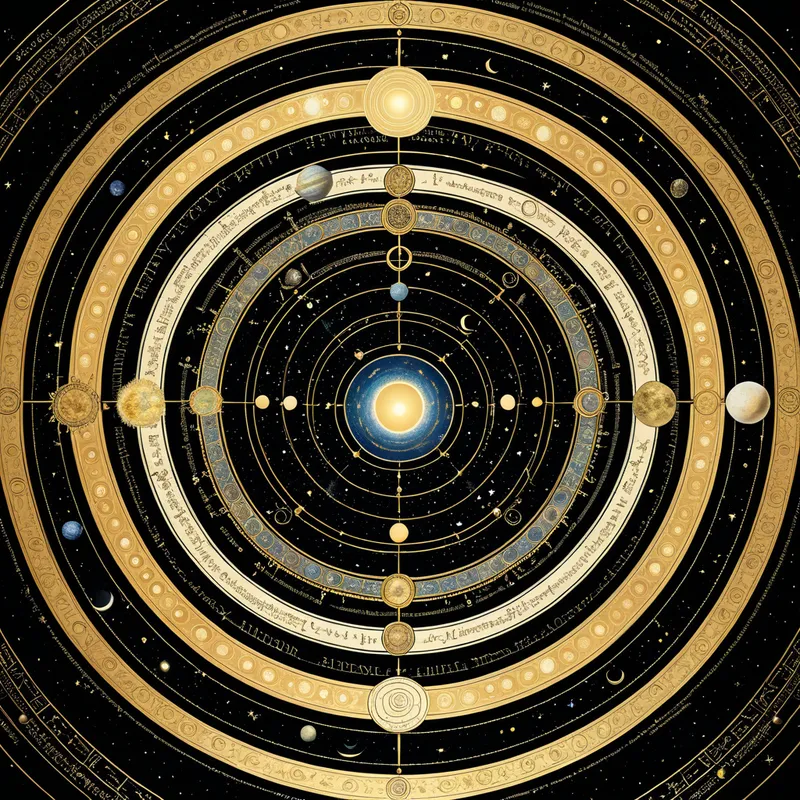
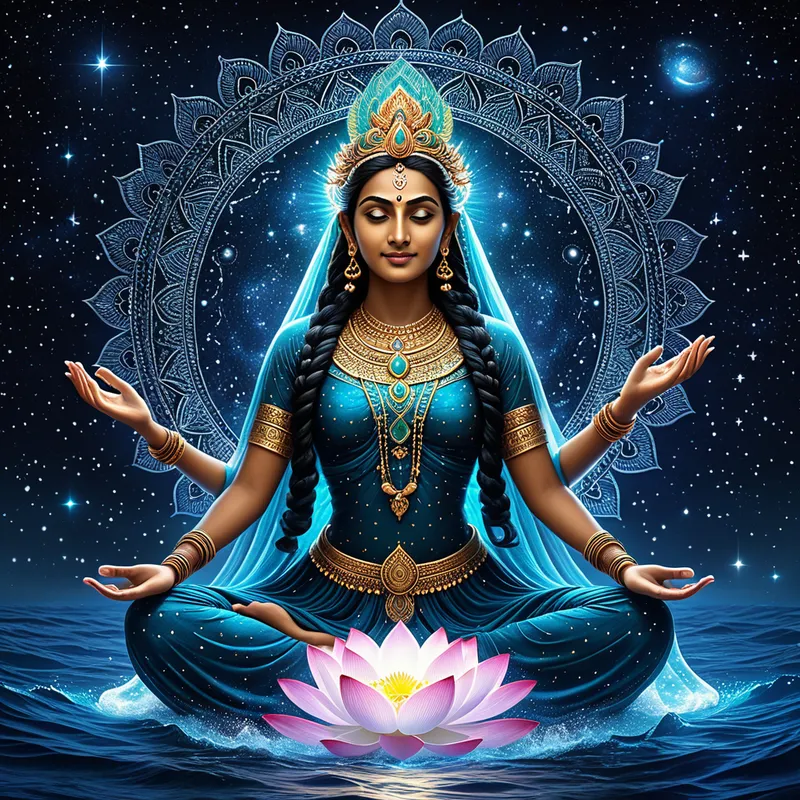
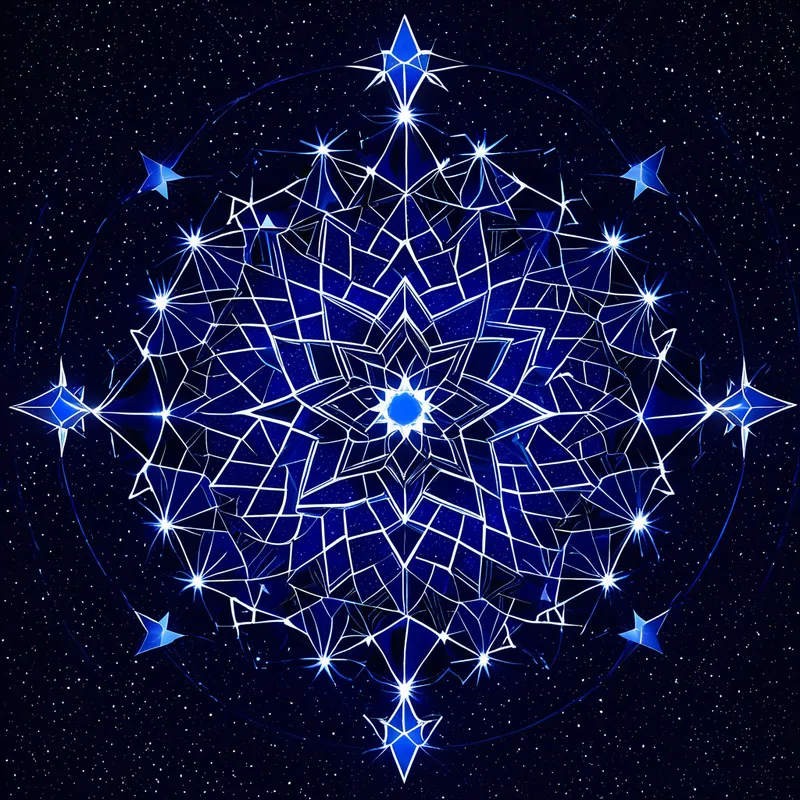
- Mandalas, Intricate Patterns, Fractals: The psyche’s blueprint of wholeness and cosmic order emerging.
- Meeting a Guide (animal, unknown figure, deceased loved one): The Self appearing in symbolic form.
- Flying or Floating (without a vehicle): The experience of consciousness unburdened by egoic weight.
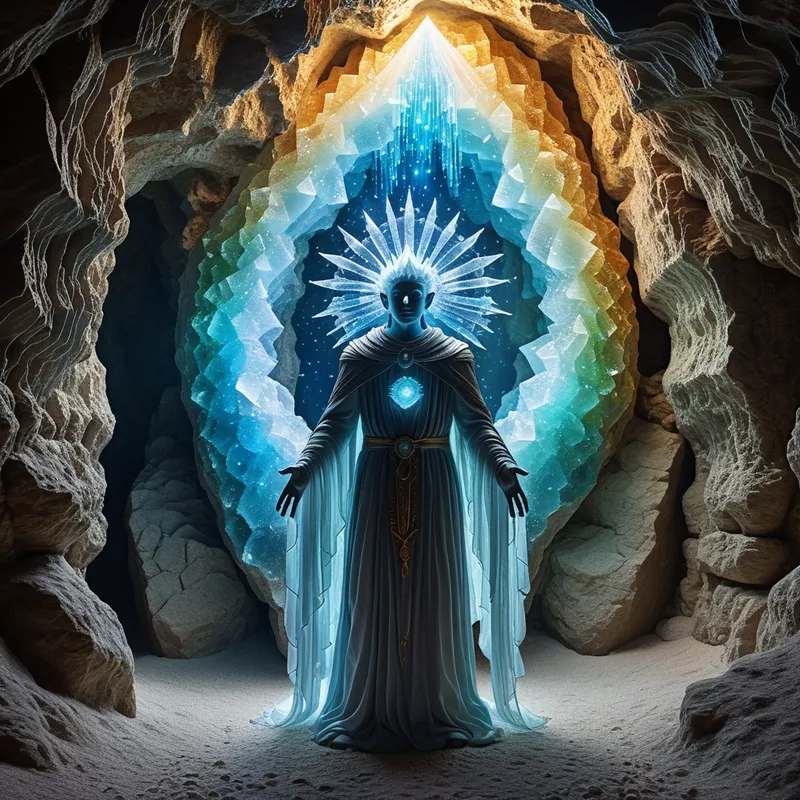
- Transparent Bodies, Bodies of Light: The dissolution of solid physical identity, revealing the energetic substrate.
Archetypal Resonance
The energy of the spiritual dream is most purely that of The Sage Archetype. Not the Sage as a dusty academic, but as the quiet knower, the one who seeks truth not for power or glory, but for liberation. The somatic echo—that hollow hum, that tuning fork—is the Sage’s instrument calibrating to a deeper frequency. Its core question is “What is true?” pushed to the absolute limit: “What is the nature of the self that seeks truth?” The alchemical potential here is the transformation of information (dogma, beliefs) into direct, embodied knowing. The Shadow Sage, dogmatic and judgmental, is the ever-present risk—the mind’s attempt to freeze the flowing experience into a rigid, “correct” system, thereby betraying the very living truth it sought.
The Alchemical Process
The alchemical vessel for this theme is your own awareness, and the heat is applied by sustained, non-judgmental attention to the void, the question, the ache. The prima materia is the raw stuff of your egoic identity—your stories, your wounds, your pride. The process is solutio—dissolution. The pressure comes from holding the tension between two unbearable truths: the profound loneliness of the separate self, and the terrifying intimacy of being everything. You must let the personal narrative soften, not into nothingness, but into a wider story. The lead of existential isolation is transmuted into the gold of participatory belonging. You are not a drop lost in the ocean; you are the ocean, experiencing itself momentarily as a drop. This realization is the philosopher’s stone—it turns the base metal of suffering into the gold of meaning.
The Integration Protocol
Question 1: Where in my waking life do I feel that subtle hum or hollow pressure—not as anxiety, but as a silent, magnetic pull toward something I cannot name?
Question 2: What belief, identity, or story about myself would I have to release to feel truly connected to everything around me? What is the fear that holds it in place?
Question 3: If my consciousness were not mine, but a localized expression of a wider field of awareness, how would that change my relationship to my next thought, my next feeling, my next interaction?
Action 1 (Grounding in the Somatic Field): For five minutes, sit quietly. Ignore your thoughts. Instead, feel for the most alive, vibrating, or spacious sensation in your body—perhaps in the hands, chest, or head. Do not analyze it. Simply rest your attention there, as if listening to a distant, beautiful signal. Let it be enough.
Action 2 (Unstructured Cartography): Take a large piece of paper. In the center, place a word or symbol that represents "I" or "Me." Without thinking, let your hand draw lines, shapes, colors, and words radiating out from it. What connects to this center? Is it bounded or boundless? Let the drawing map the territory of your felt sense of self, not your logical idea of it.
Action 3 (Ritual of Reciprocity): Go into nature—a park, a garden, a window with a view of the sky. Find one small, non-human thing: a stone, a leaf, a patch of moss. Spend a few minutes in silent, respectful observation. Then, perform a simple, non-destructive exchange—place a drop of water on it, or reposition it gently to a spot of sun. Acknowledge, without sentimentality, your participation in a shared field of existence.
Final Validation
This path is the most disorienting because it asks you to release the very handholds—your name, your history, your separateness—that you have always used to climb. The loneliness can be cavernous. Honor that. You are not failing; you are being refined in a fire that burns away everything but essence. The sovereignty that emerges is not over a kingdom, but from no longer needing one. It is the quiet, unshakable authority of a node that knows it is the network, a note that has remembered it is the song. The dream is your psyche’s most elegant proof: you are already home. You are just learning to feel the floor beneath your feet.