The Dream Theme of Power: Reclaiming the Fractured Throne
The Somatic Echo
It begins not as a thought, but as a pressure. A low, tectonic hum in the marrow of your bones. It might feel like a clenched fist in the solar plexus, a jaw wired shut against a scream, or a strange, electric paralysis in the limbs—as if your own body is a circuit you cannot complete. This is the somatic echo of power dreaming. It is the body’s memory of a sovereignty it knows exists but cannot locate. It is the ghost-limb sensation of a scepter you were never taught to hold, a crown you were told was not yours to wear. The echo is a deep, cellular dissonance: the feeling of immense potential energy with no conduit for its release, a dammed river vibrating against its own walls.
The Dreamer's Log
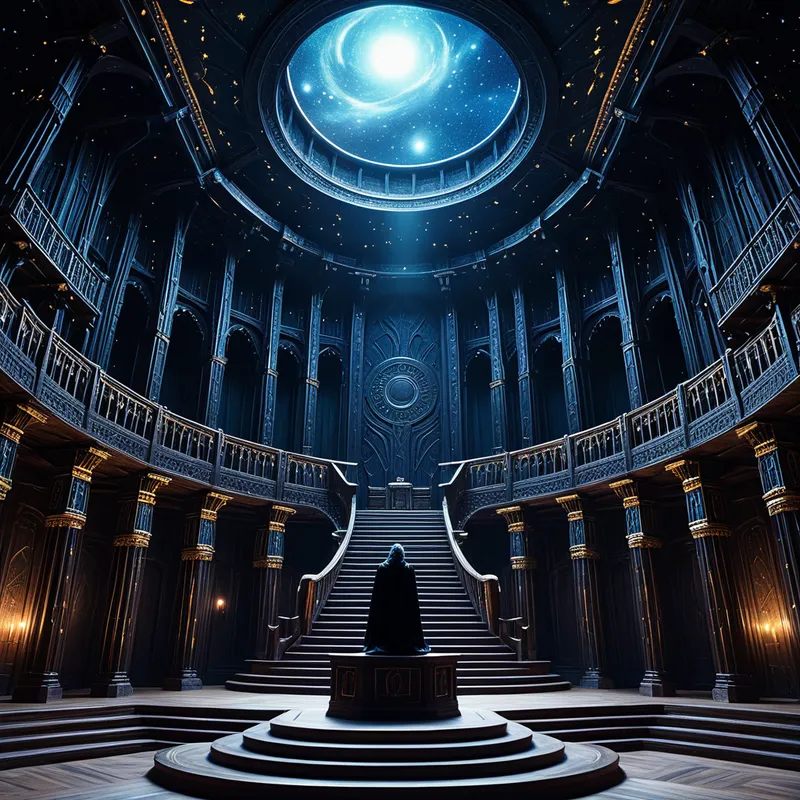
You stand in a cavernous, forgotten server room. The air thrums with a silent, potent energy. Before you, on a dusty terminal, a command line blinks. You know, with a certainty that bypasses logic, that a single, perfect command exists—a sequence that would bring the entire silent cathedral of machines to life, bending their purpose to your will. Your fingers hover. You cannot remember the syntax.
The dream reveals the exile of your innate authority to a forgotten internal archive, awaiting the correct psychic password for its retrieval.

The False Lead
This theme is not about domination. It is not the cartoonish fantasy of bending others to your will, nor is it the mere acquisition of social status or material control. To mistake it for such is to confuse the throne for the crown, the map for the territory. A dream of power is rarely about gaining something external; it is about encountering the fragments of a governance you have disowned. It is not a narrative of "bad luck" or external oppression, but the profound, unsettling recognition of an internal abdication. The terror you feel is not of another’s power, but of your own.
Psychological Architecture
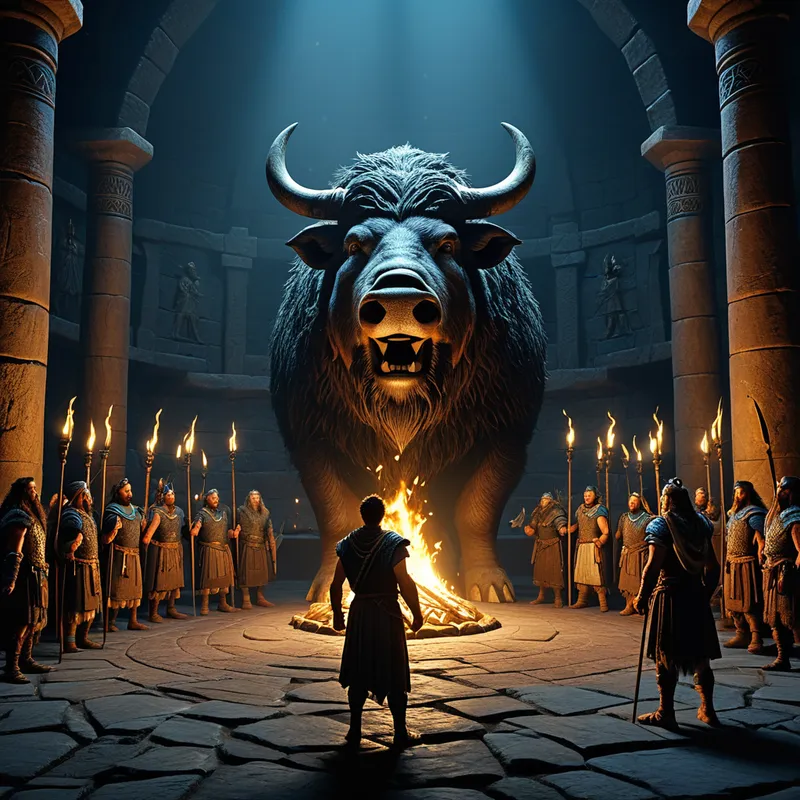
Here lies the deep Shadow work. We exile our power for excellent, ancient reasons: to belong, to be safe, to be loved. A child’s raw will, met with a world that cannot contain it, learns to fragment. One part becomes the Inner Tyrant, a harsh, internalized critic that mimics external control, believing domination is safety. Another becomes the Exiled Sovereign, a vulnerable, potent core locked away in a hidden chamber, deemed too dangerous, too bright, too much. Between them stands the Servant, the adaptive part that manages daily life by following external rules, believing power exists only "out there."
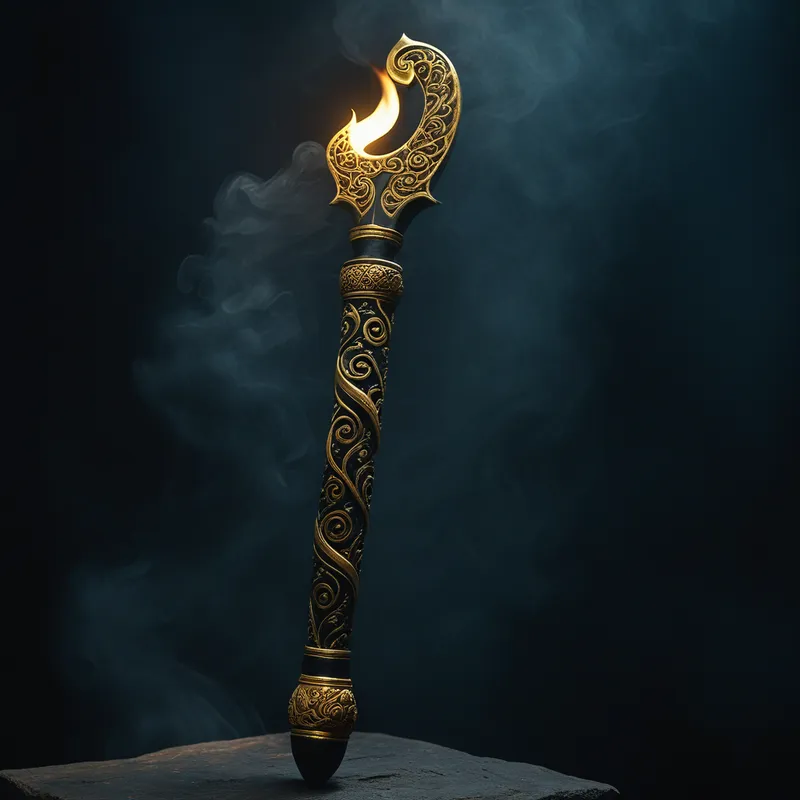
Individuation in the realm of power is the agonizing, graceful process of dethroning the Tyrant, not through battle, but through recognition—seeing it as a terrified protector. It is liberating the Servant from its compulsive duties. And it is, finally, approaching the chamber of the Exiled Sovereign. This is not a coronation with fanfare, but a quiet, somatic reunion. It is feeling the weight of that forgotten scepter in your hand again and discovering it is not a weapon, but a tuning fork—an instrument that resonates only with the frequency of your deepest, most authentic will.
Mythic Resonance
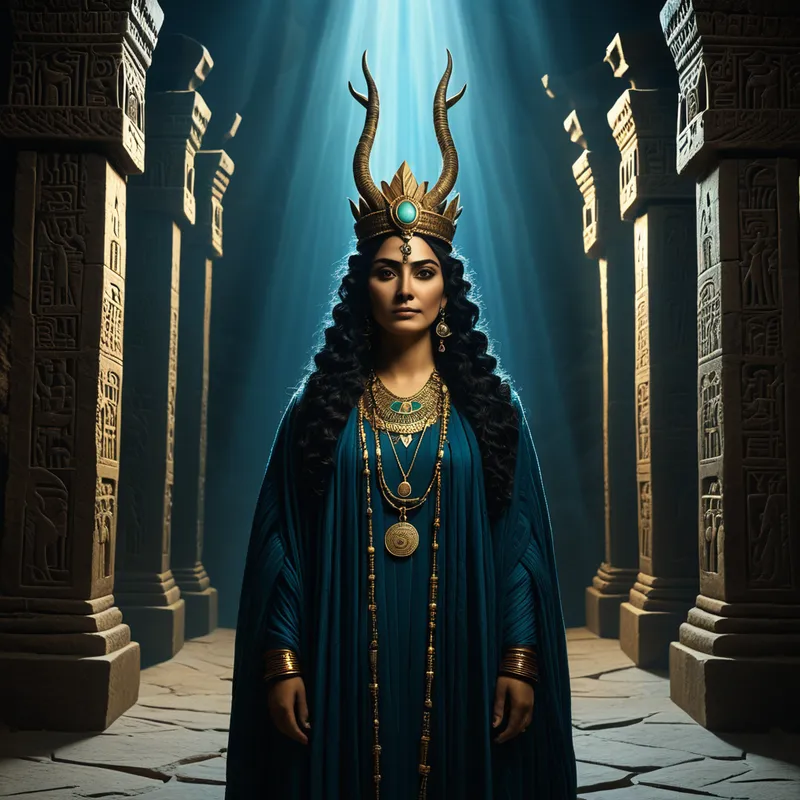
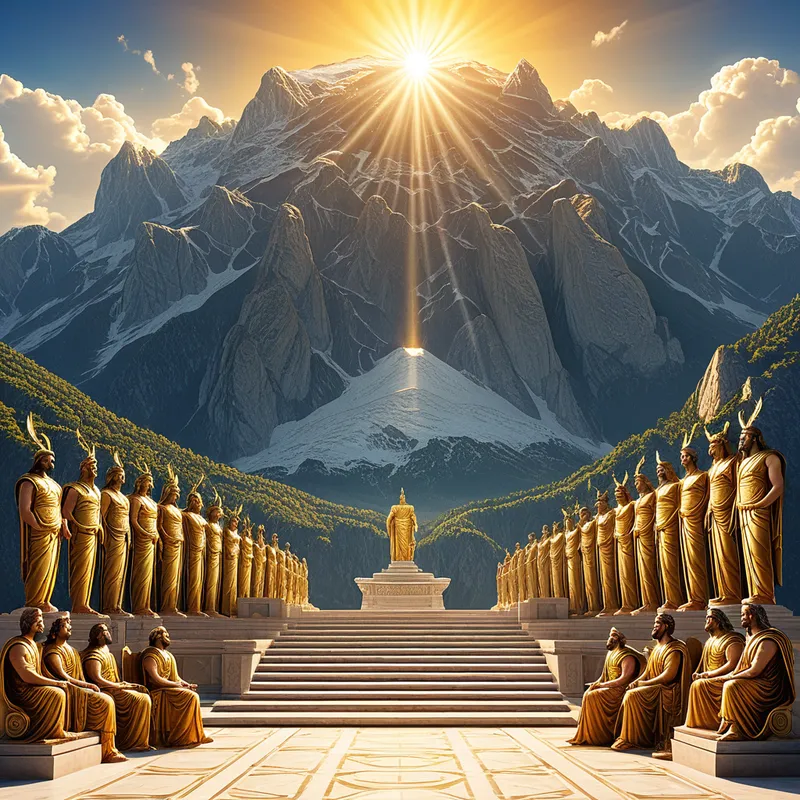
This is the territory of the Fisher King, ruler of a wasteland that mirrors his own inner wound. His kingdom lies barren not because he lacks a crown, but because his generative power is trapped, unreachable, echoing the paralysis of the dreamer at the terminal. The land and the king are one; the outer desolation is the map of an inner fracture of authority. Healing comes not from a new army or decree, but from the Grail Question—a query so simple it bypasses the Tyrant’s complex defenses: Whom does the Grail serve? The answer, The Grail serves the Grail King, is not an ego-stroke, but a profound re-mapping. It states that true, life-giving power is recursive; it serves its own source. Sovereignty is an ecosystem, not an extraction.
Symbolic Nodes
- Engines, Reactors, Power Grids: The infrastructure of potential energy, often dormant, damaged, or overwhelming.
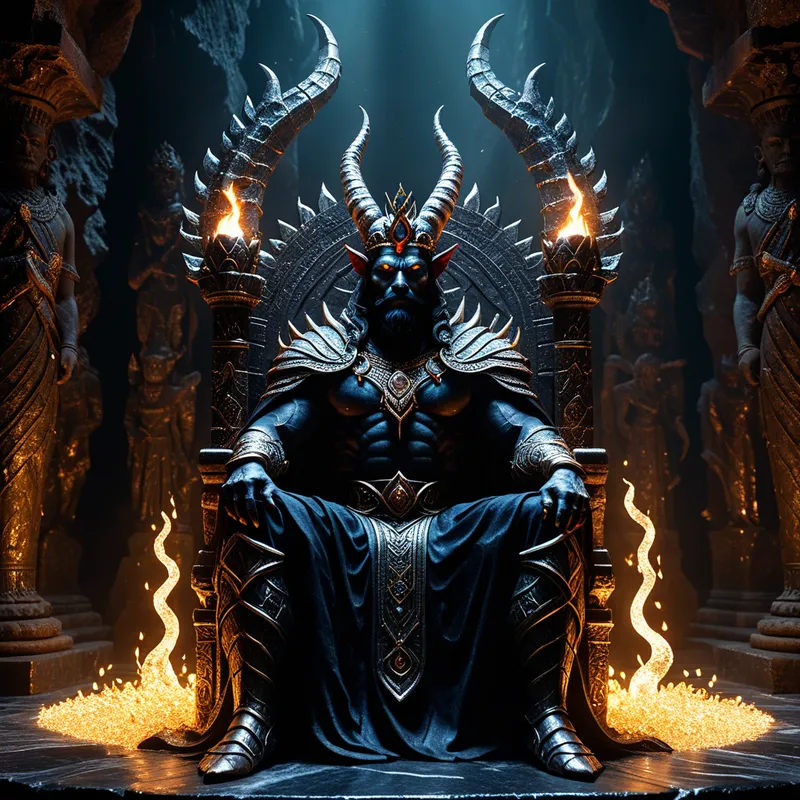
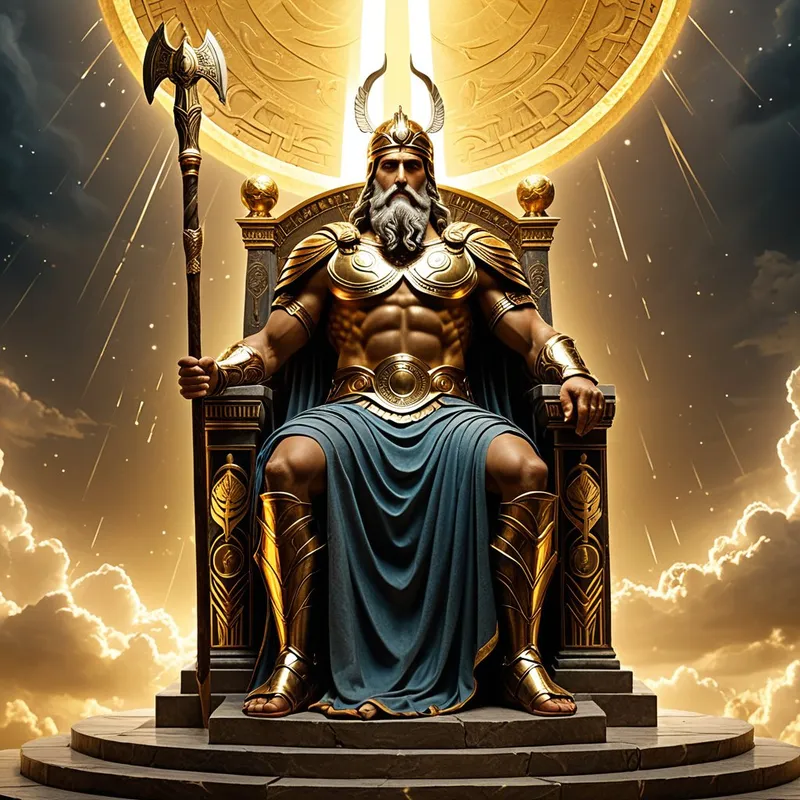
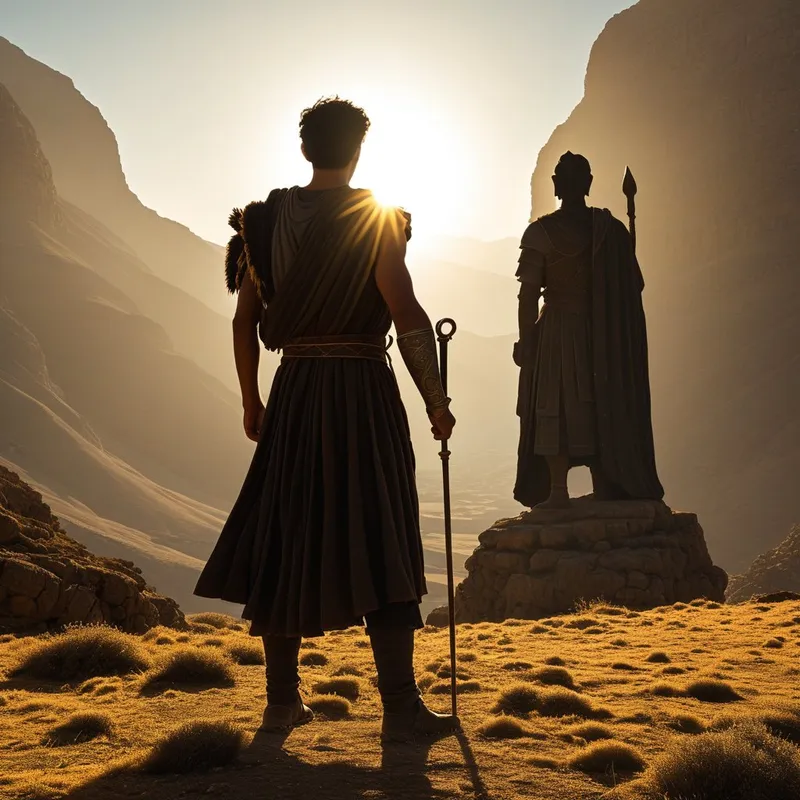
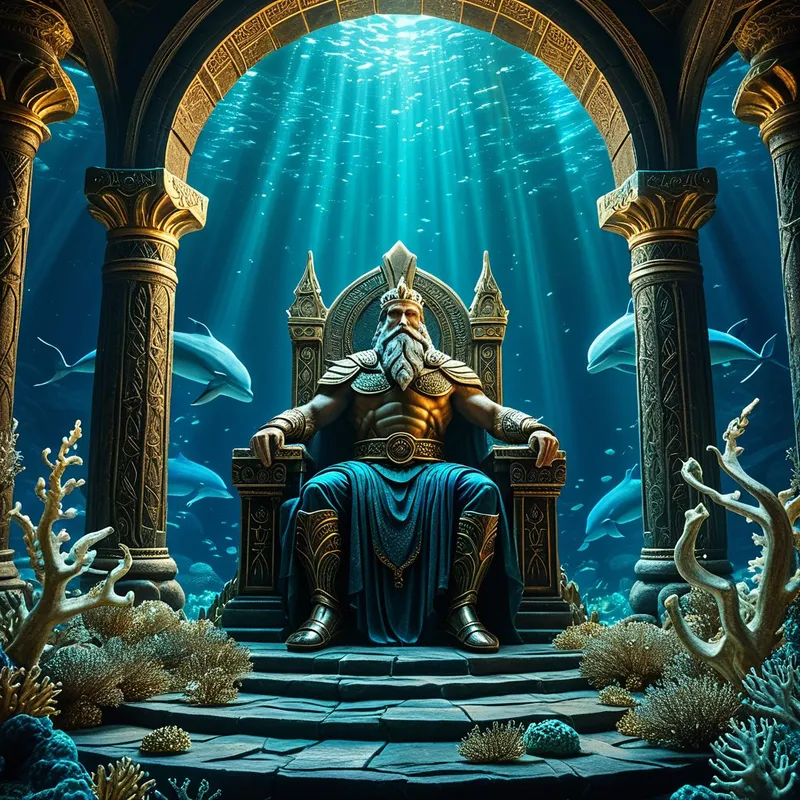
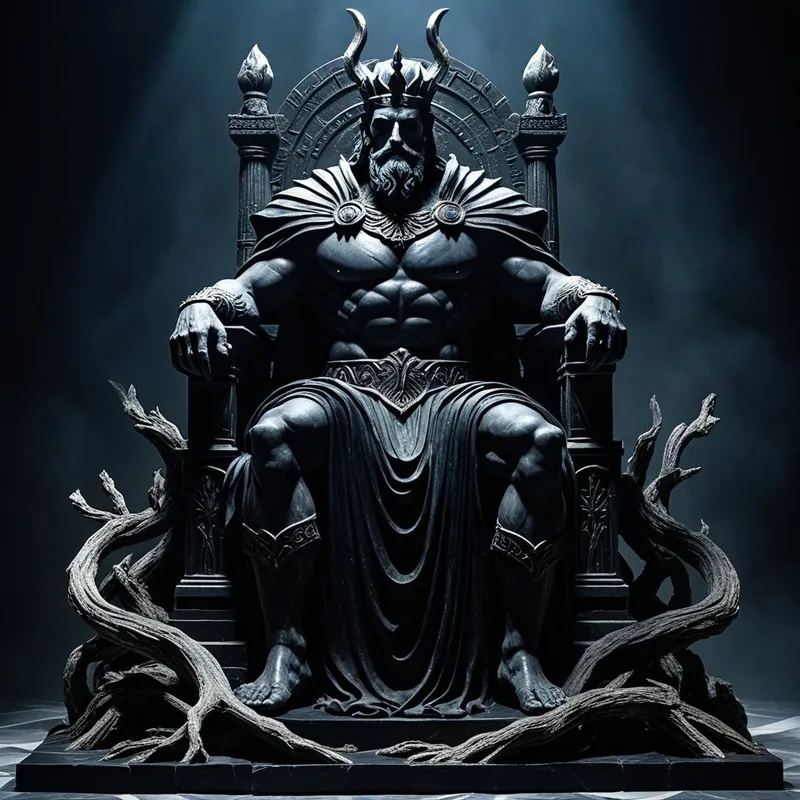
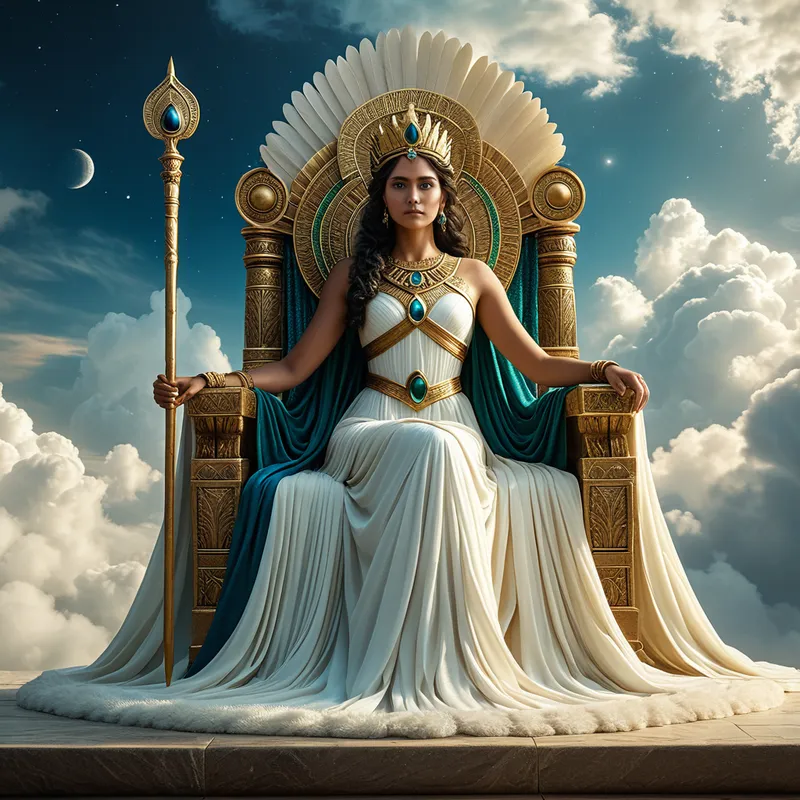
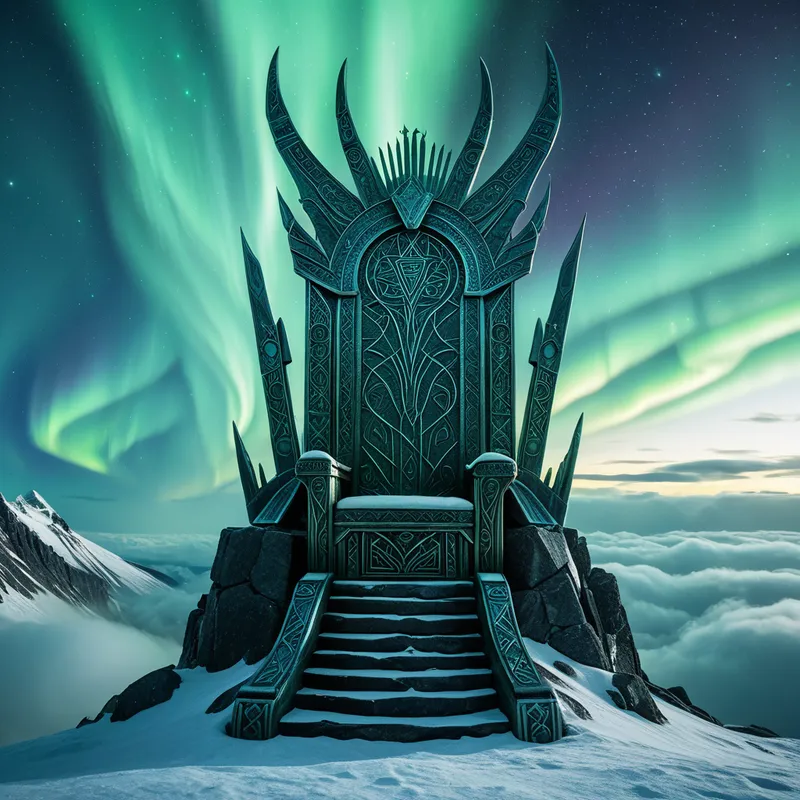
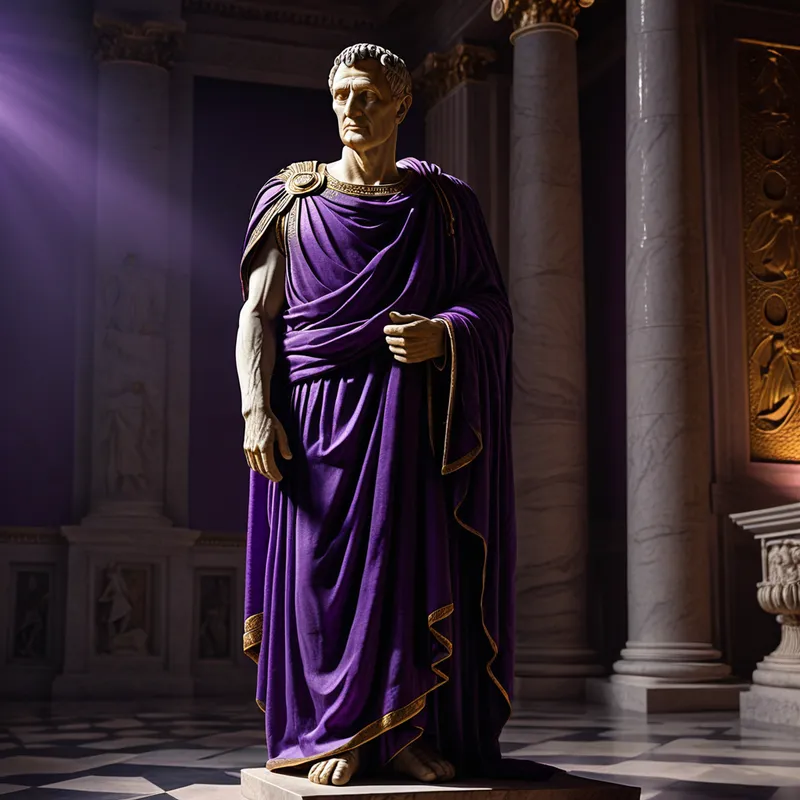
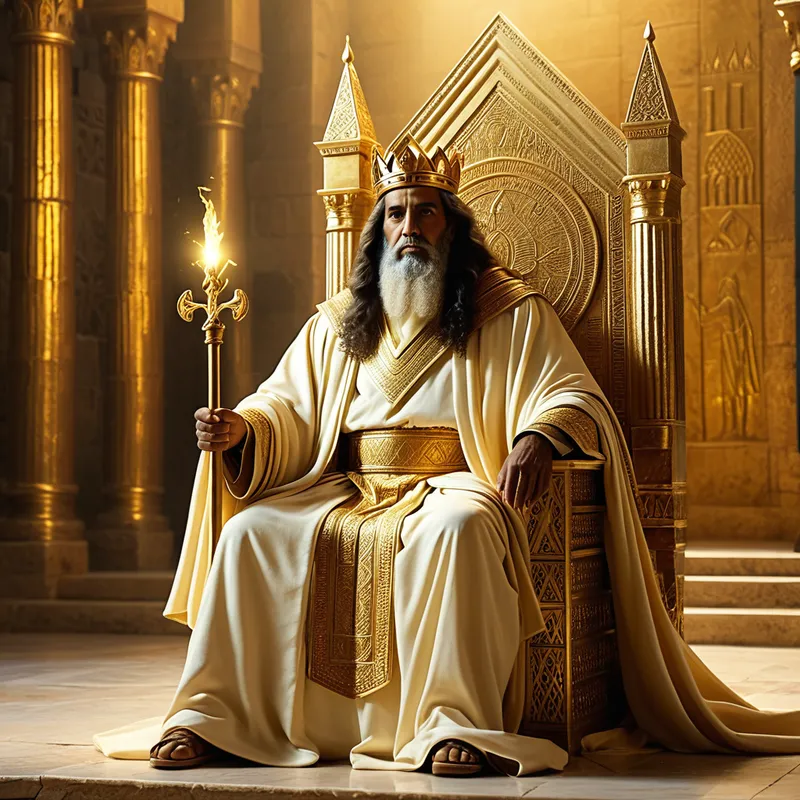
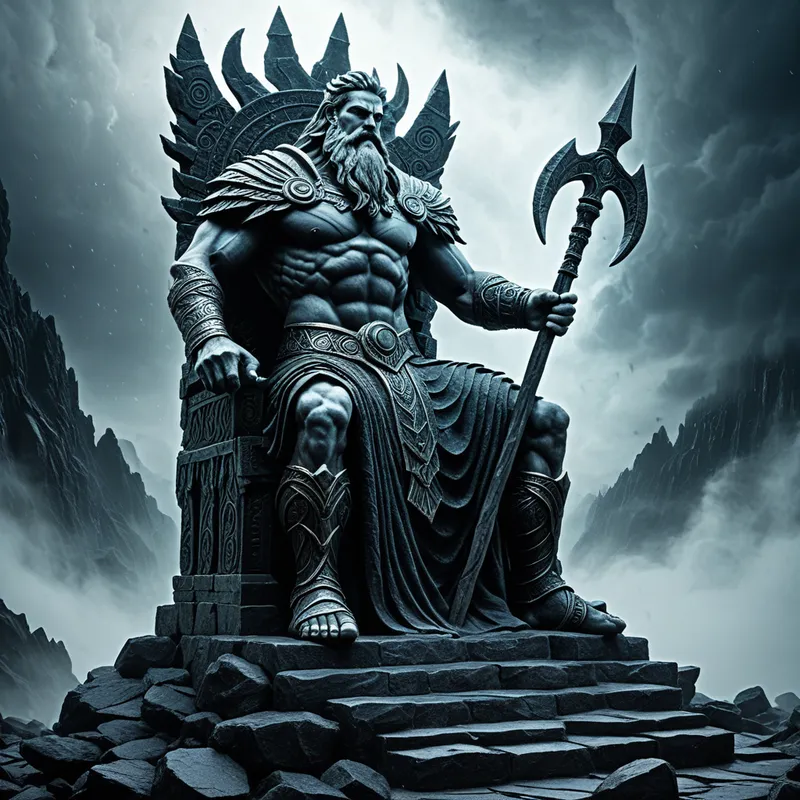
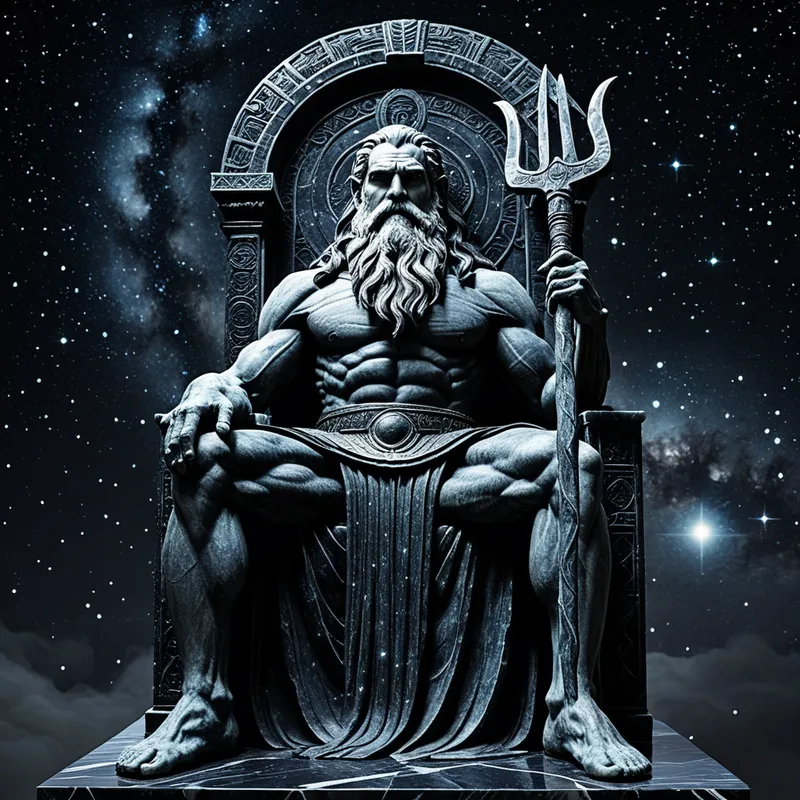
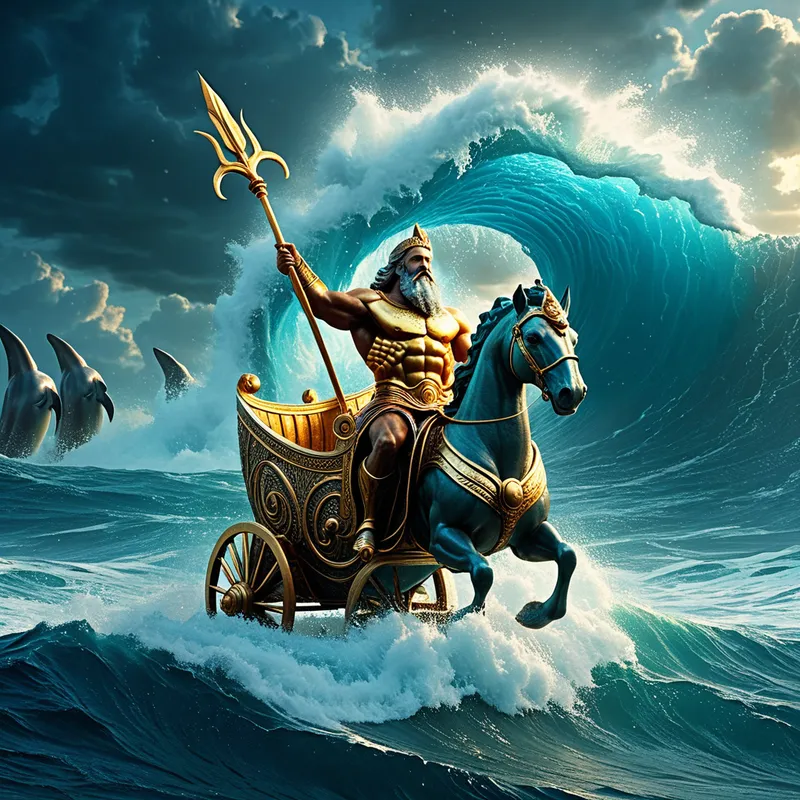
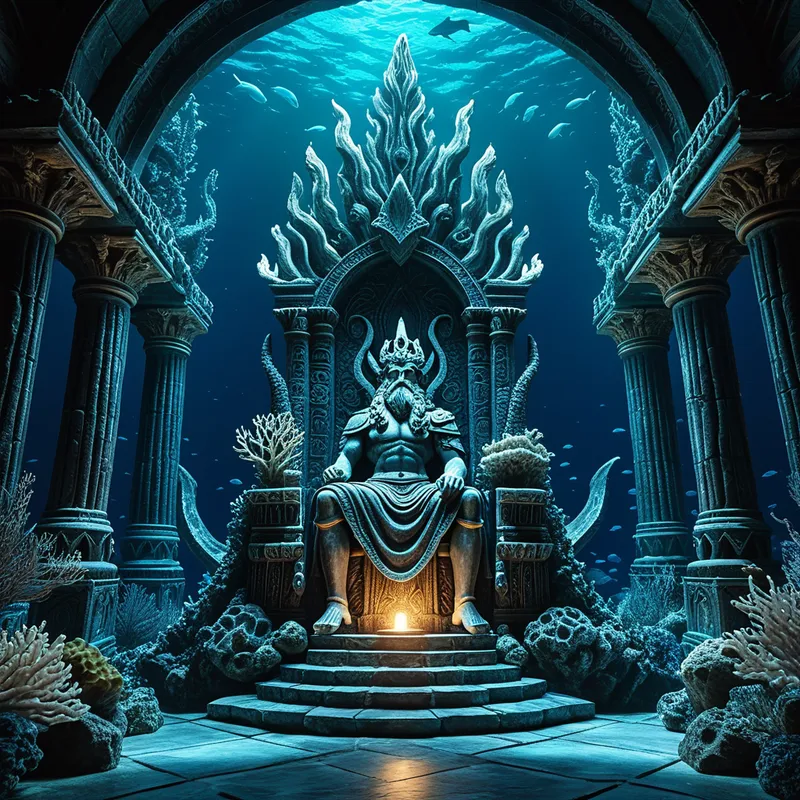
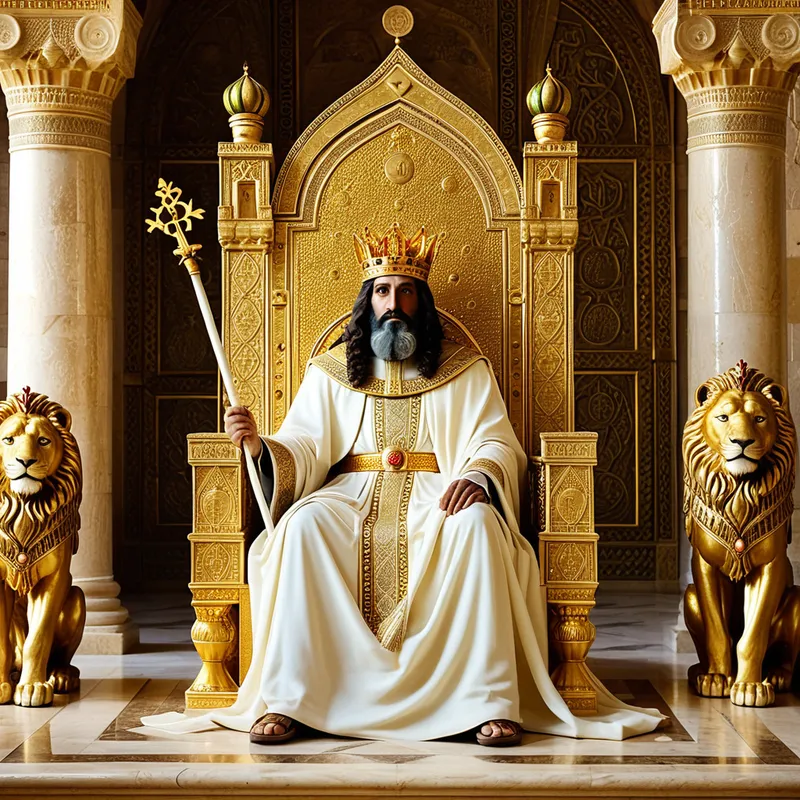
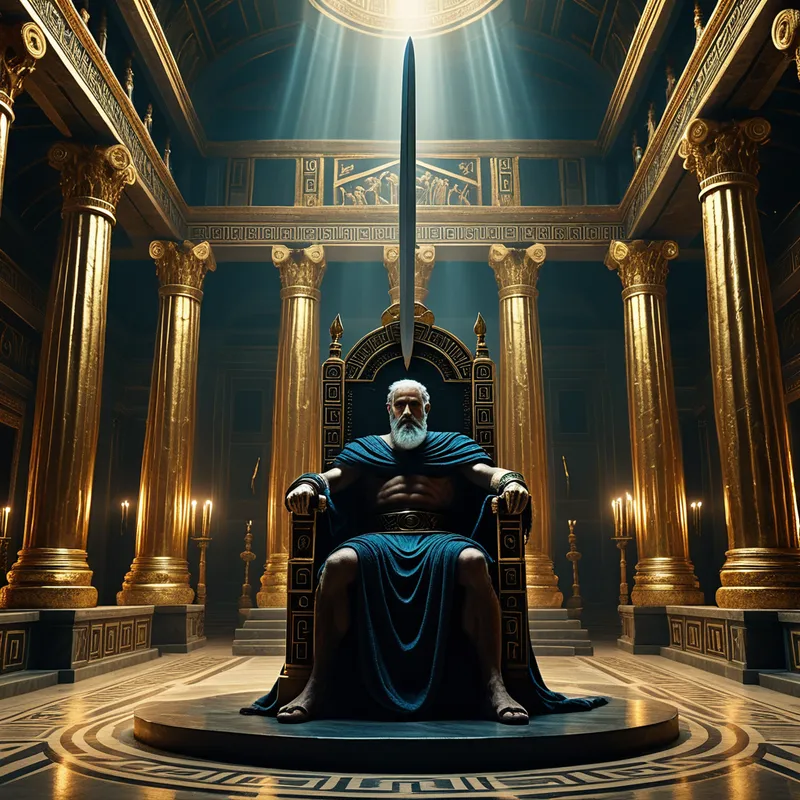
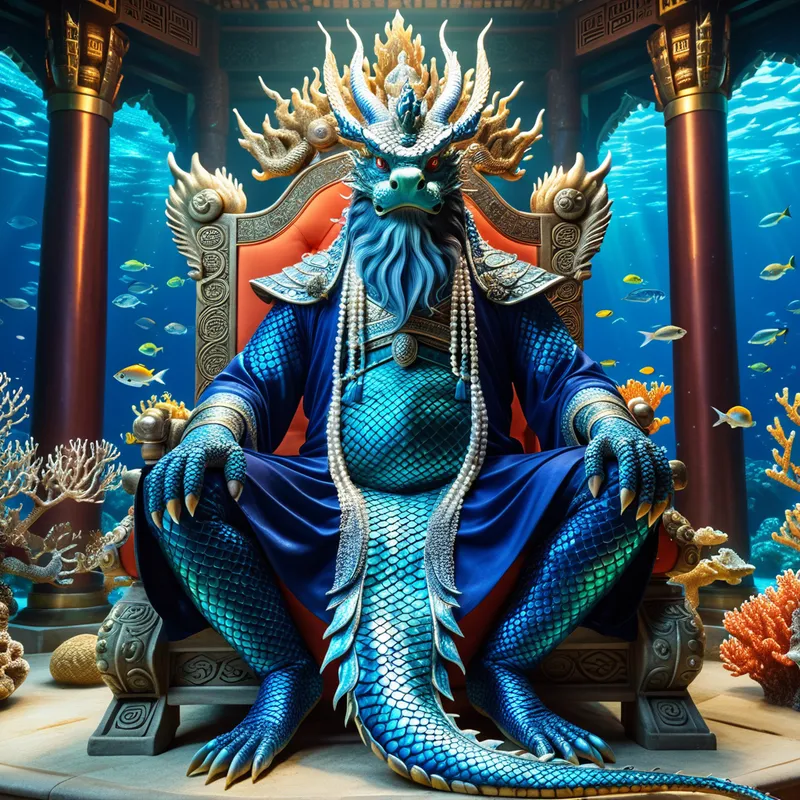
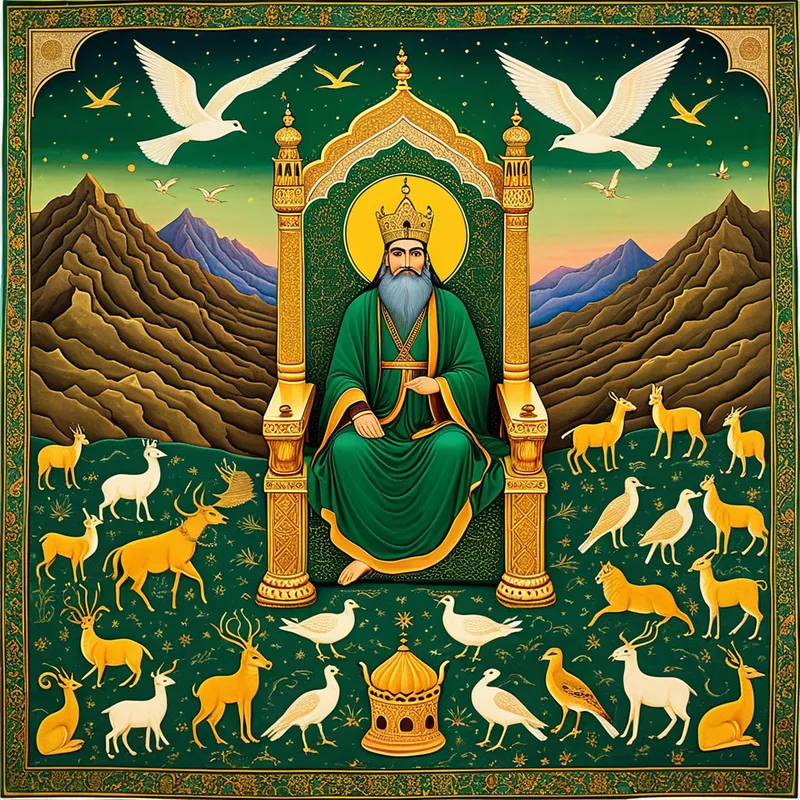
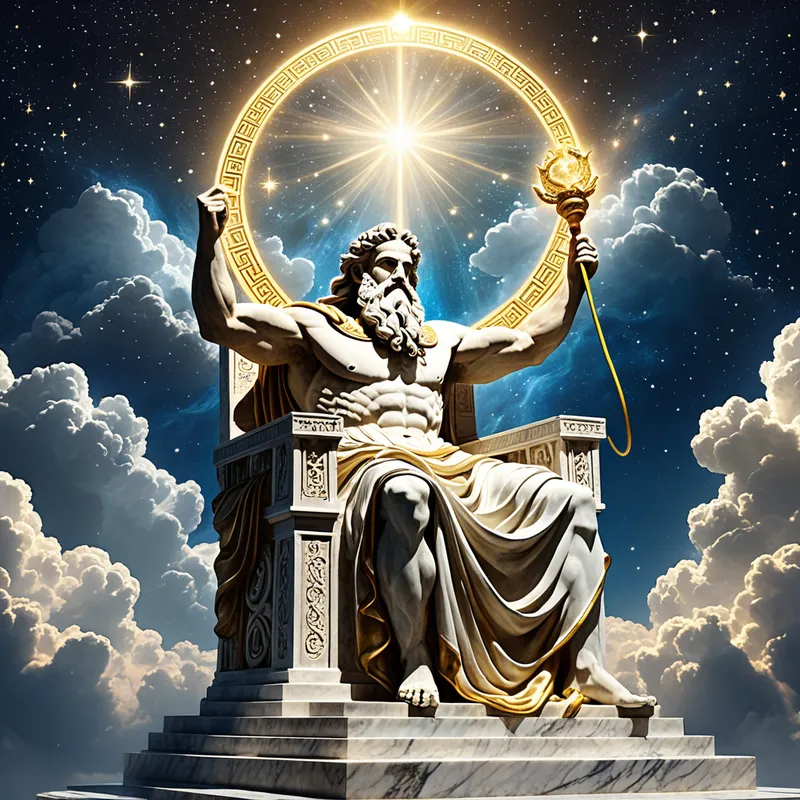
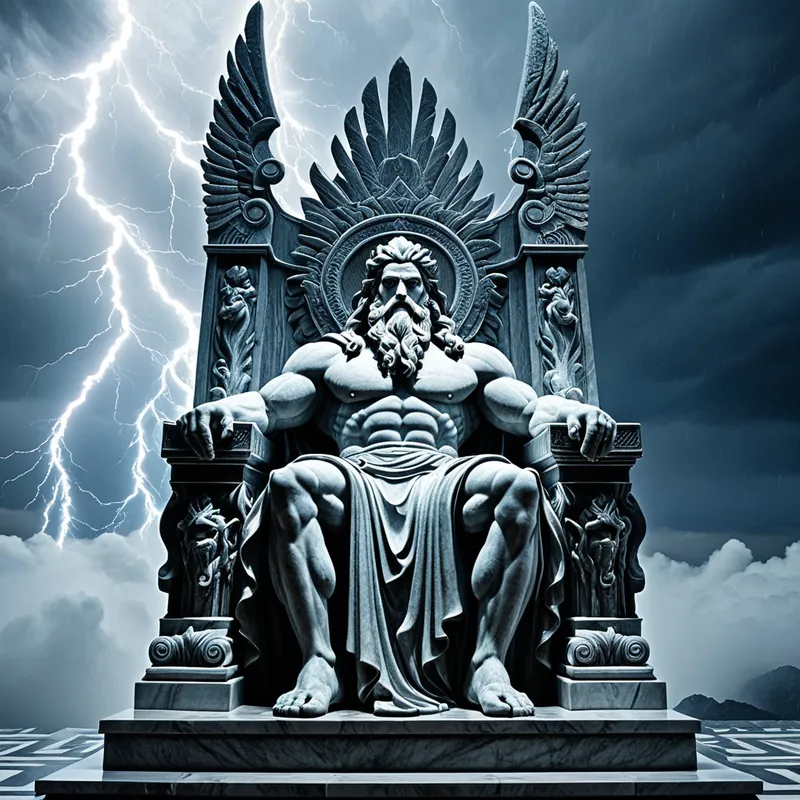
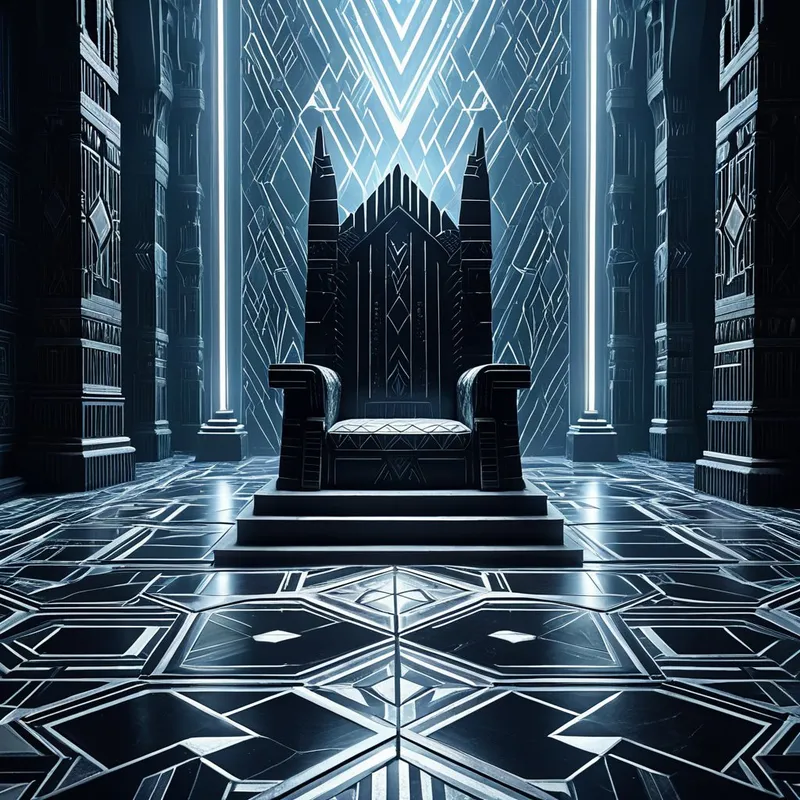
- Thrones, Seats, Command Consoles: Empty seats of authority, or seats you feel forbidden from occupying.
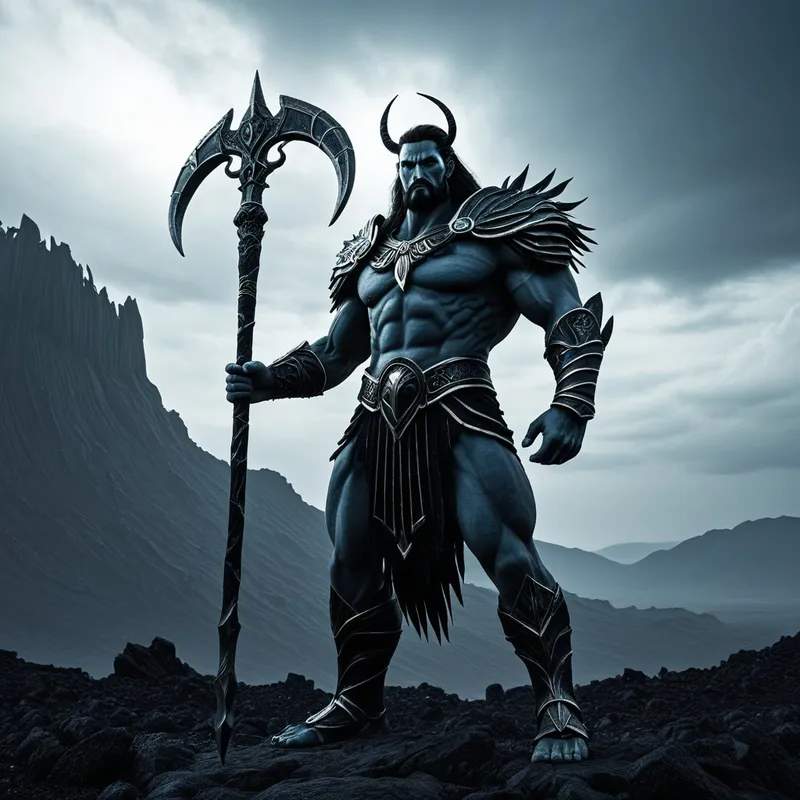
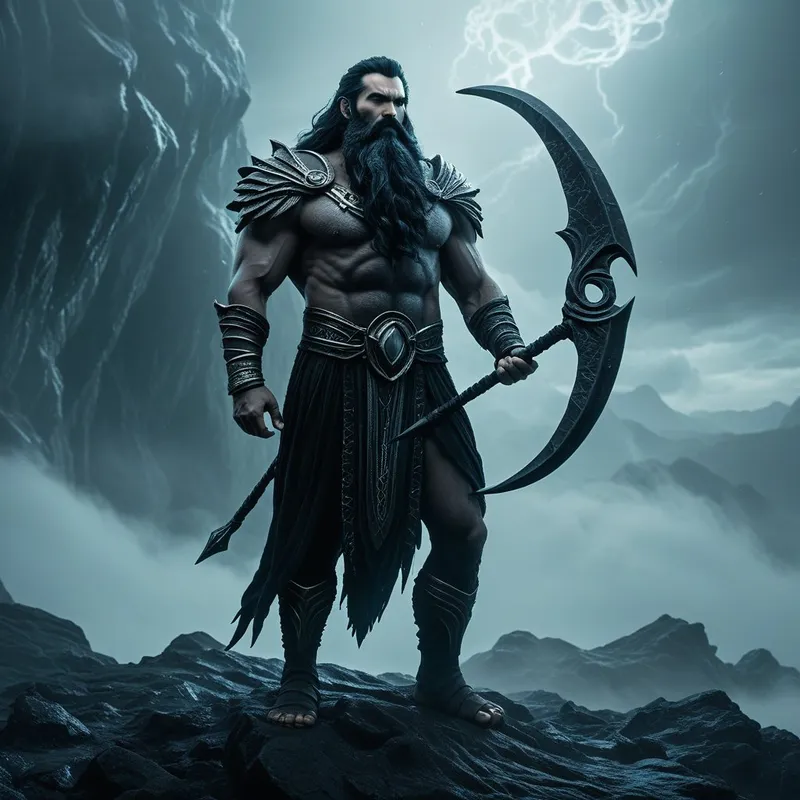
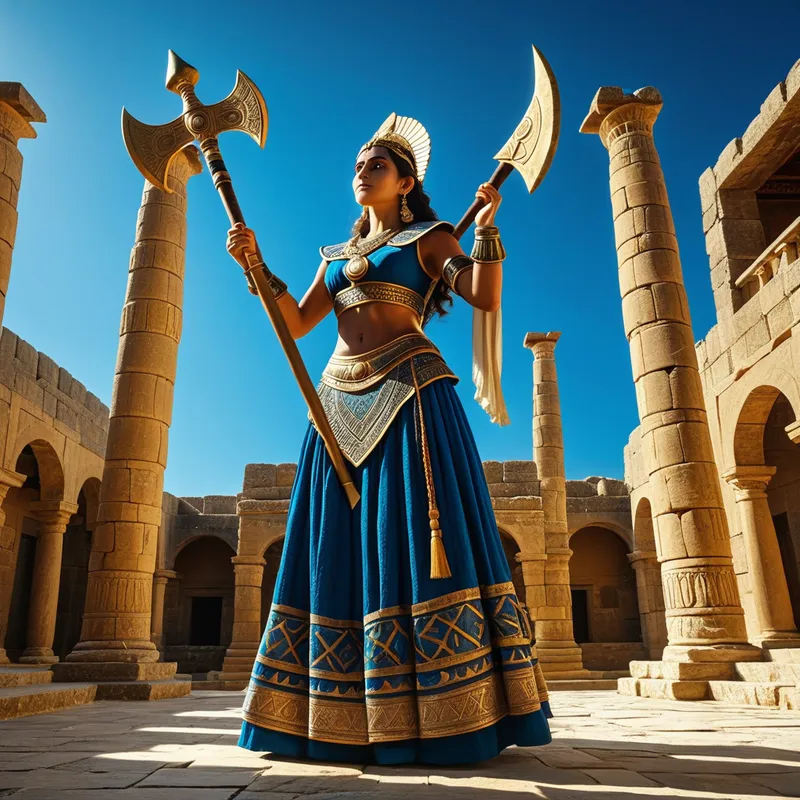
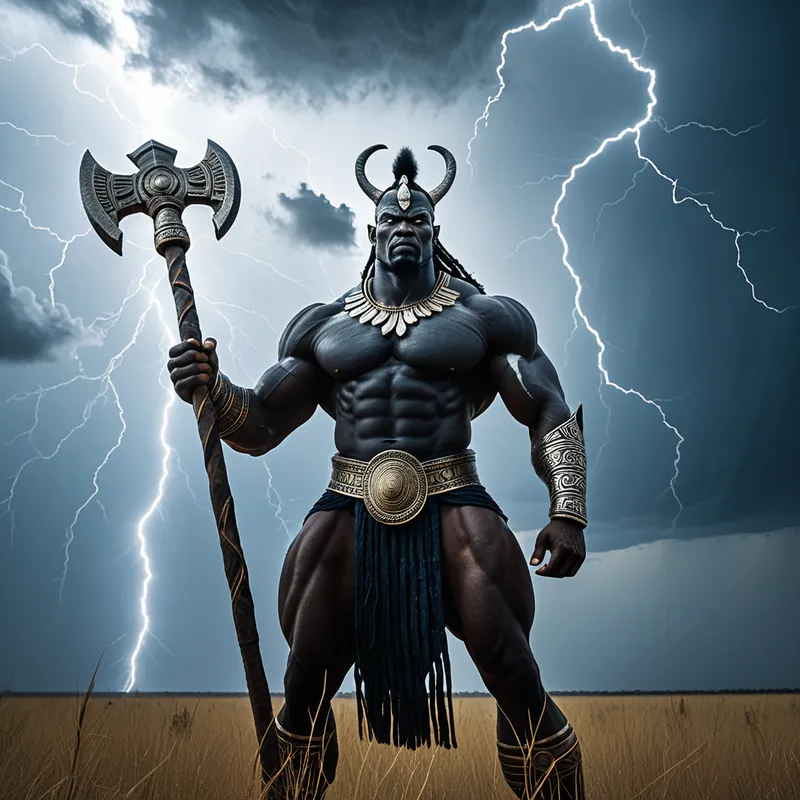
- Weapons You Cannot Wield: Swords too heavy, guns with no trigger, wands that sputter—symbols of agency that feel alien in your hand.
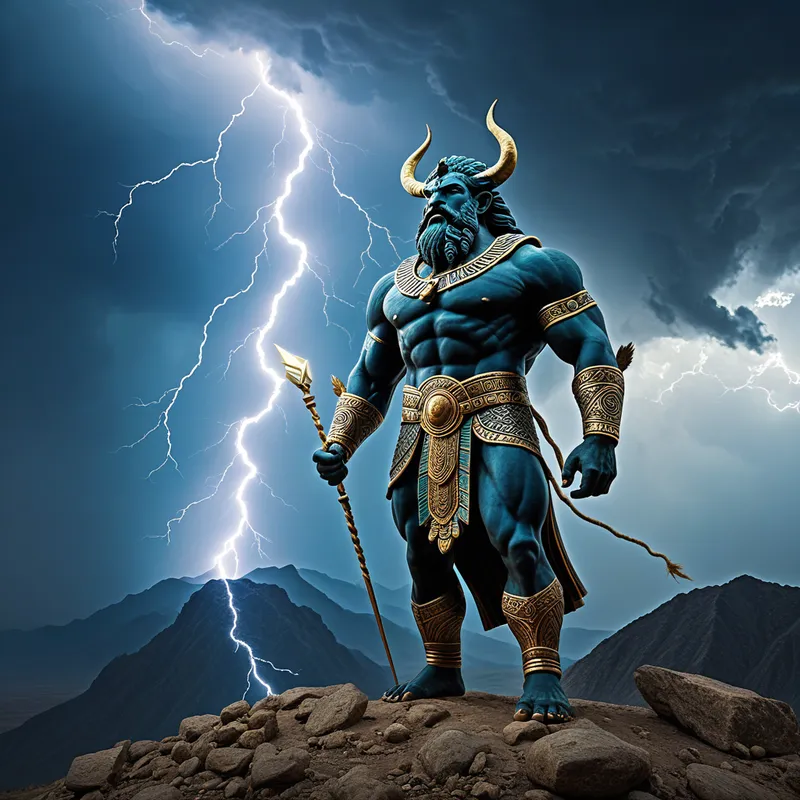
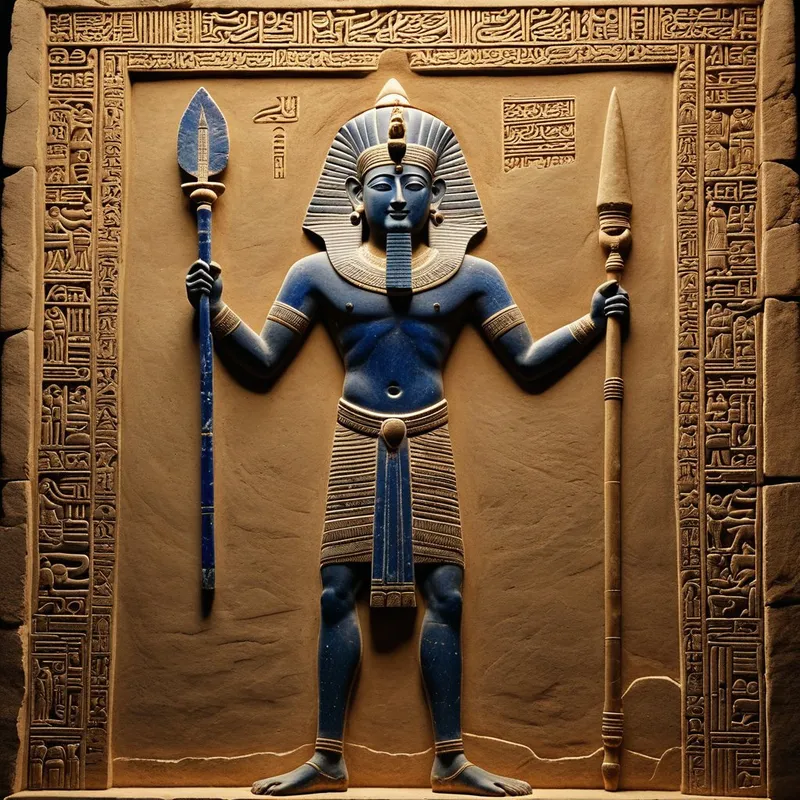
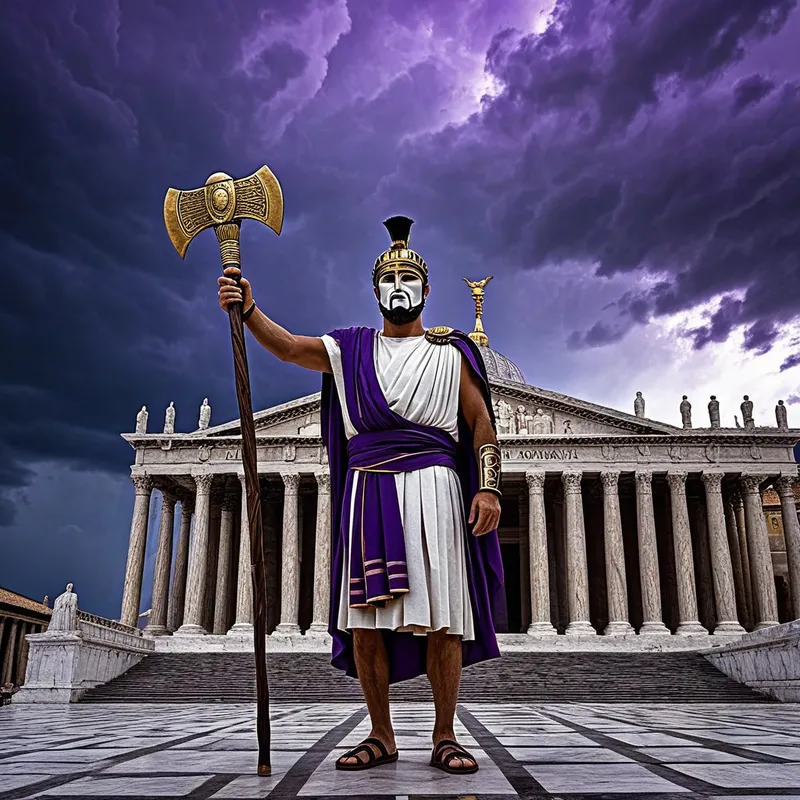
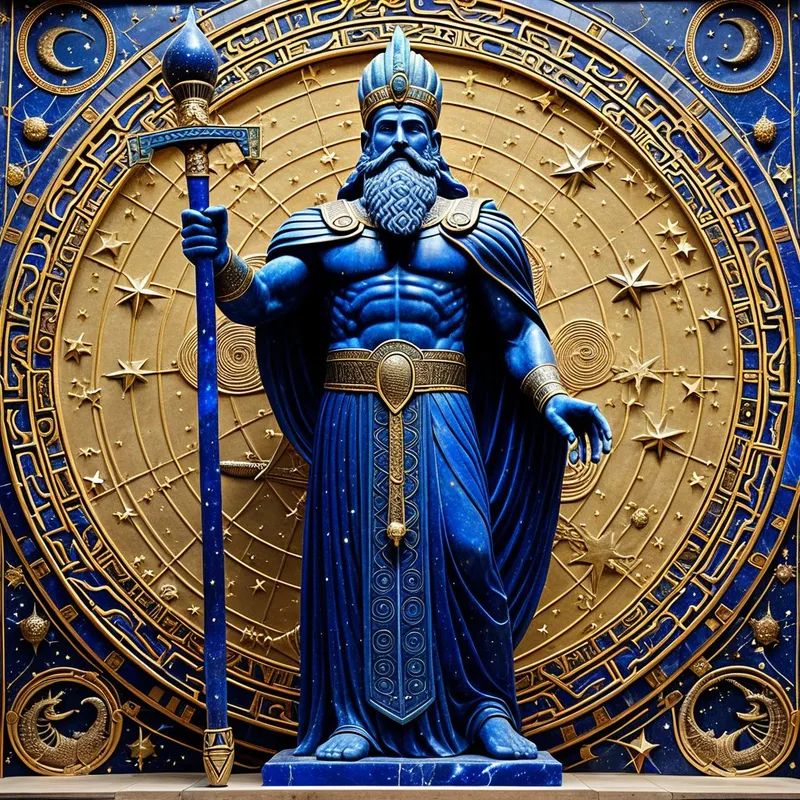
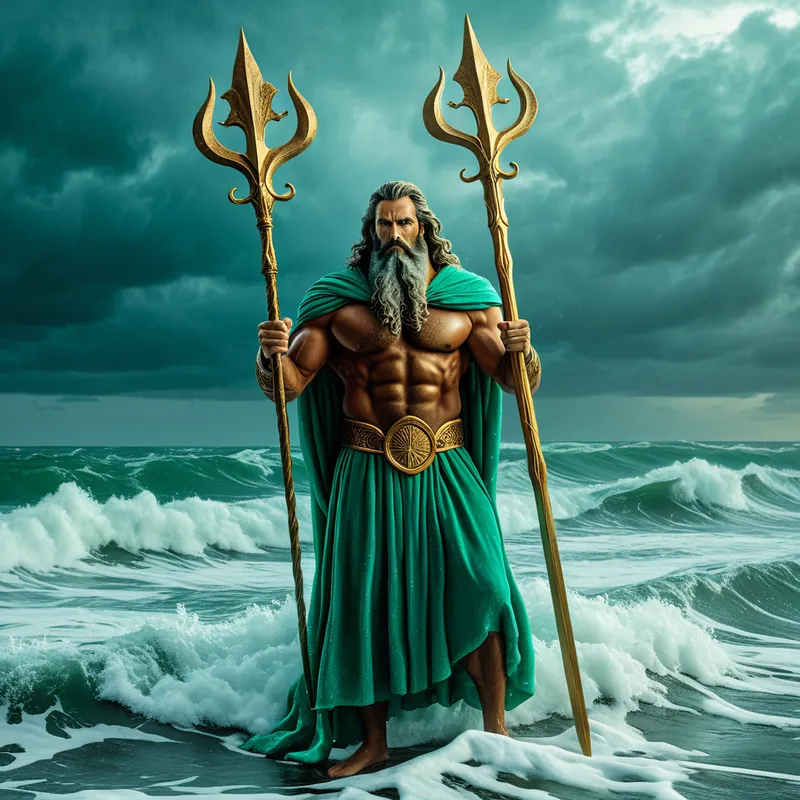
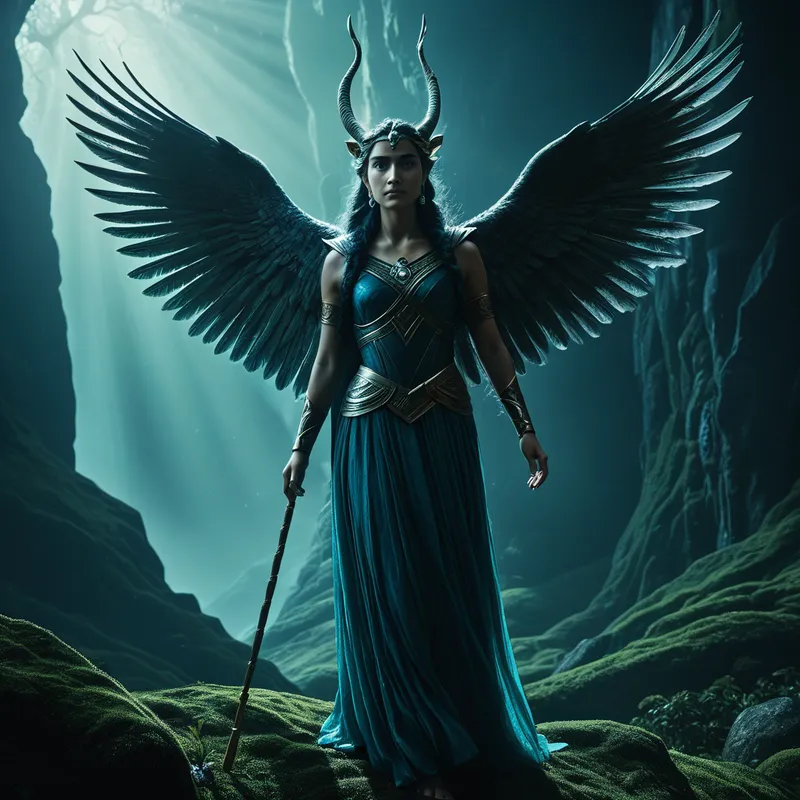
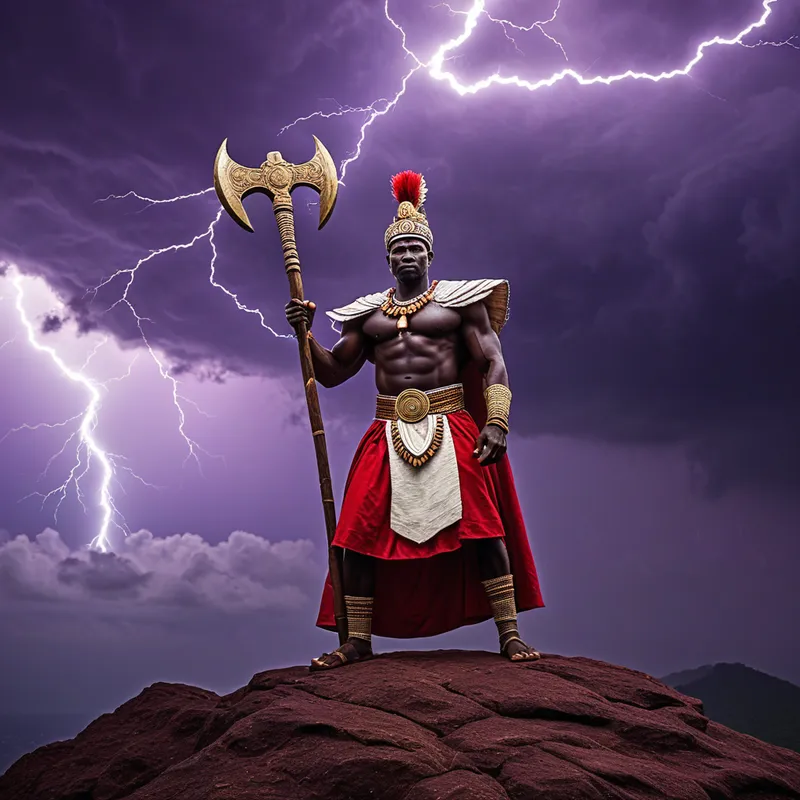
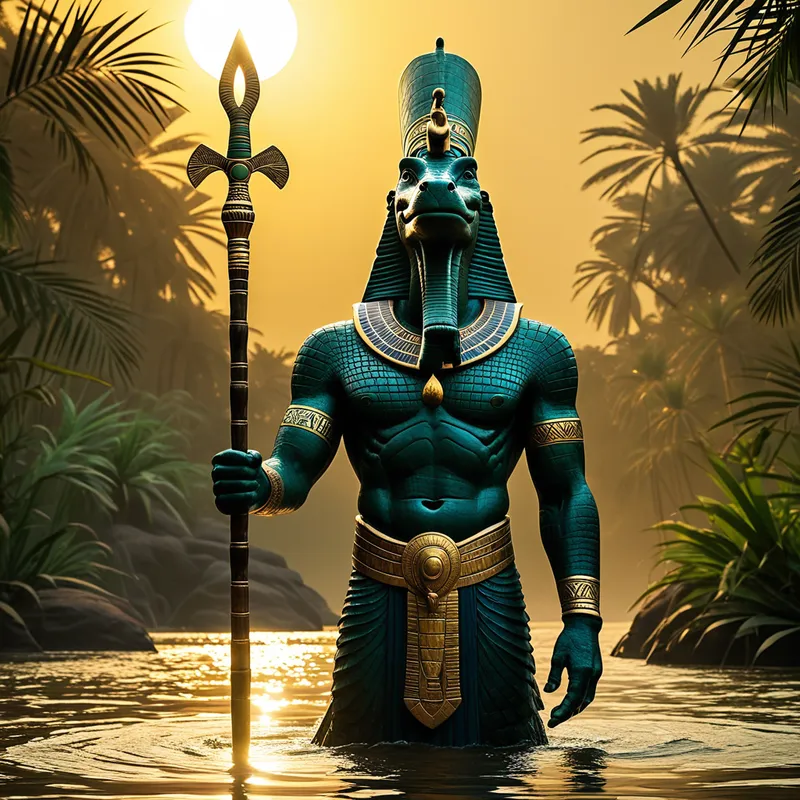
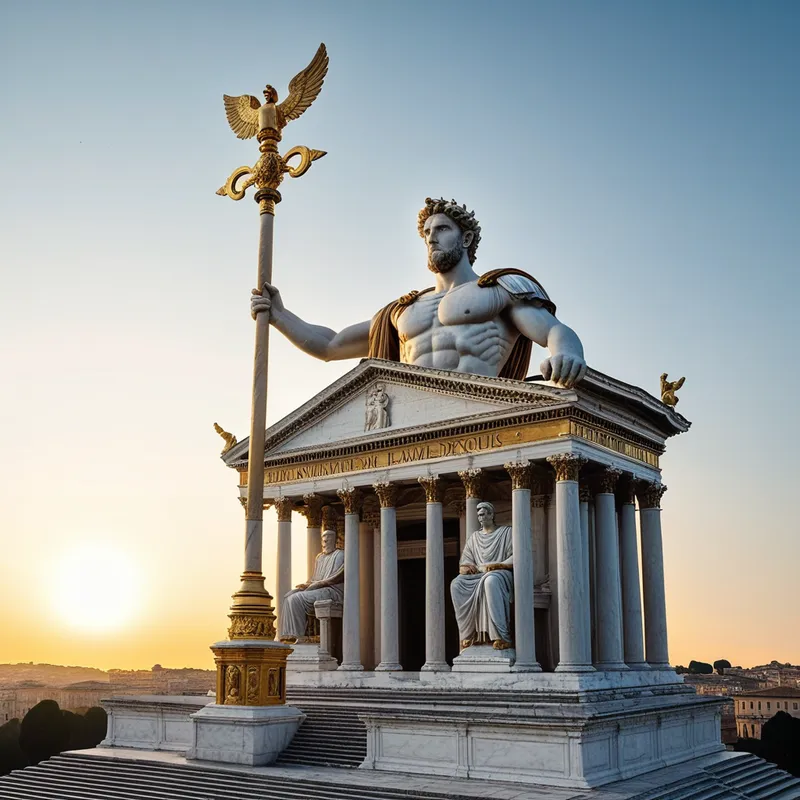
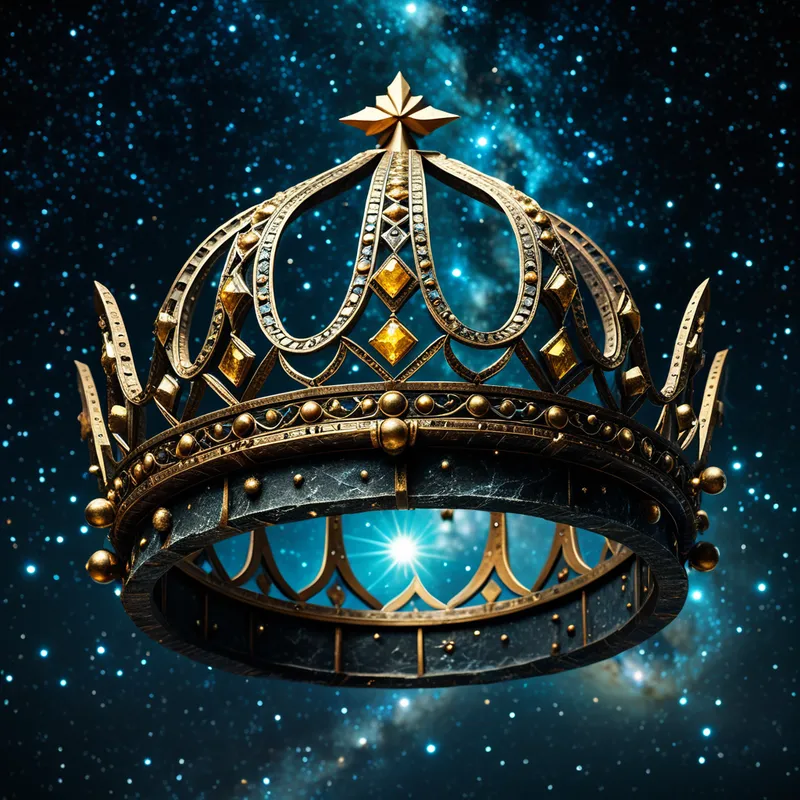
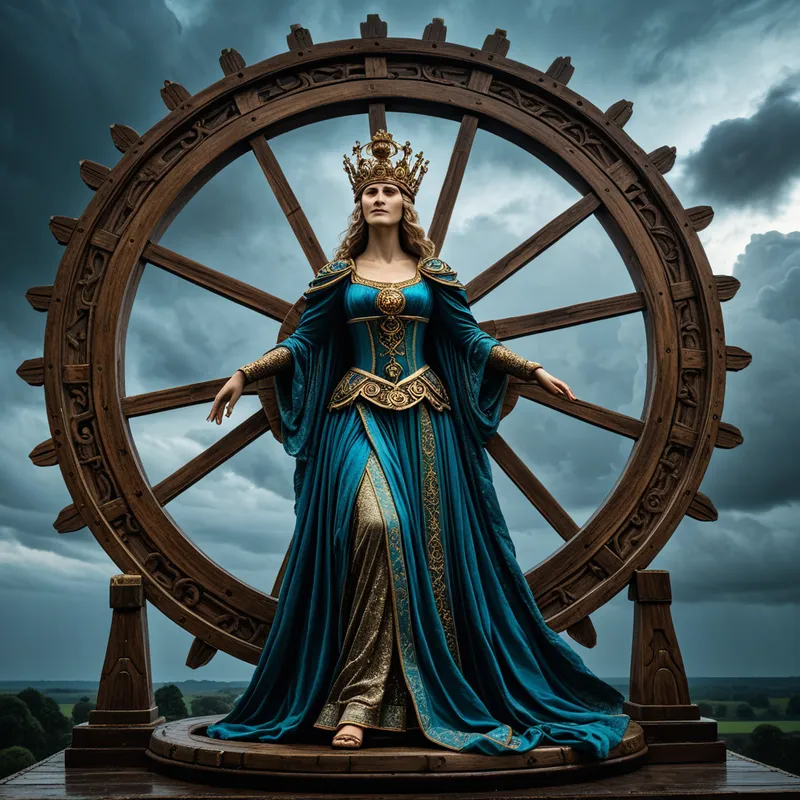
- Crowns, Rings, Scepters: Insignias of office that feel like costumes or burdens.
- Silenced or Amplified Voices: Losing your voice in a crucial moment, or your words causing unexpected, seismic effects.
- Being a King in Rags, a Pauper in Regalia: The stark dissonance between inner authority and outer presentation.
Archetypal Resonance
The core energy here resonates most profoundly with The Ruler Archetype, and specifically, the journey from its Shadow manifestation toward its integrated form.
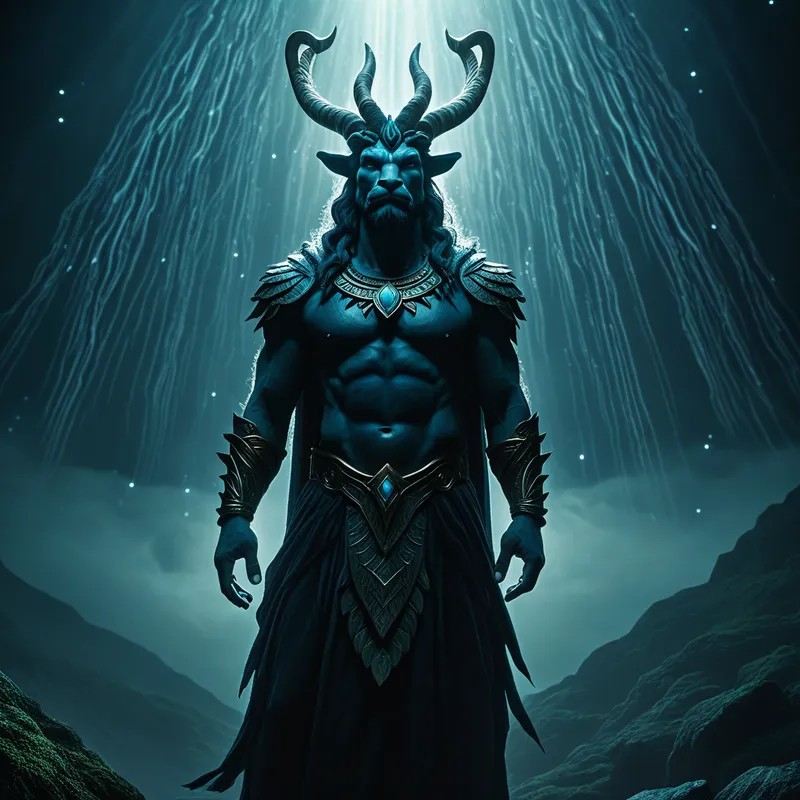
The Shadow Ruler is the active force in the initial somatic echo—the clenched jaw, the paralyzed circuit. This is the energy of the Inner Tyrant and the exiled, fearful monarch. It seeks control as a brittle substitute for true order, creating rigidity instead of harmony. Its fear is chaos, so it imposes a suffocating structure, both internally as self-criticism and externally as manipulation or blame. The alchemical potential lies in the Shadow Ruler’s core desire: to create a stable, functional kingdom. The task is not to destroy this archetype, but to heal its terror, to show it that true sovereignty comes from integration, not suppression, and that the most resilient order emerges from authentic expression, not enforced control.
The Alchemical Process
The transmutation of power is an operation of reduction to the prima materia followed by coagulation. The intense heat is applied by life itself—those situations where your perceived powerlessness becomes intolerable, where the Servant’s strategies fail, and the Tyrant’s rants grow hollow. This heat cracks the rigid identifications: “I am helpless,” “I must control everything.”
Under this pressure, the false forms of power—the need to dominate, the habit of submission—dissolve into their raw essence: pure, undirected will. This is the molten, chaotic state. The coagulation is not a rebuilding of the old structures. It is the patient, artful shaping of this raw will into a new vessel: Sovereignty. Sovereignty is power in right relationship. It is the authority that knows its bounds, respects the sovereignty of others, and draws its strength from alignment, not coercion. It is the command that finally comes to you at the terminal—not to override the system, but to harmonize with it, to initiate the sequence that was always yours to run.

The Integration Protocol
Question 1: Where in my life does my energy feel like a dammed river—vibrant, potent, but with no outlet? Where is the pressure building?
Question 2: When I feel powerless, what internal part is speaking? Is it the Servant, overwhelmed? The Tyrant, furious at its perceived failure? Can I hear the silent plea beneath their strategy?
Question 3: If my power were a resource meant not for taking, but for gifting in a way that also nourishes me, what would that gift look like?
Action 1 (Somatic Re-Mapping): For one week, practice noticing the somatic echo. When you feel that clench, that paralysis, or that buzzing energy, stop. Place a hand on the location. Breathe into it. Do not try to change it. Simply acknowledge: “This is a sensation of power. It is here.” You are mapping the territory of your exiled authority.
Action 2 (Unstructured Writ of Sovereignty): Set a timer for 10 minutes. Write from the perspective of the Exiled Sovereign—the part locked in the server room, the one who knows the command. Let it speak without censorship. It may be angry, sad, regal, or simple. Do not judge the syntax. This is not a manifesto for the world; it is a private communiqué to yourself.
Action 3 (Ritual of the Empty Throne): Find a chair in your home. For a few moments, let it be your throne. Sit in it not as your daily self, but as if you were the healed Fisher King, the sovereign of your own wasteland-turned-fertile. Feel the support of the chair. What one decree, one gentle command of care or boundary, does your kingdom (your life) need from you right now? Whisper it. Then get up and let the chair be a chair again. The integration happens in the space between the ritual and the ordinary.
Final Validation
To dream of power is to touch one of the most charged and misunderstood energies in the human psyche. The fear, the paralysis, the grandiosity, and the shame are all honest landmarks in this treacherous, sacred terrain. It is difficult because it asks you to reclaim a responsibility you were perhaps never taught you could hold, and to disarm a protector you believed was keeping you safe. This is not a path of conquest, but of homecoming. The power you seek does not lie ahead on a battlefield; it waits, patiently, in the silent server room of your soul, in the forgotten command, in the weight of a scepter that has always, only, been shaped for your hand. The kingdom is barren only until the king remembers he is the land.