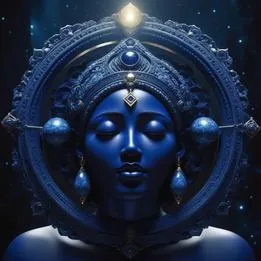
God
The Oracle's Essence
The symbol of 'God' represents the search for meaning, authority, and the divine aspects of one's existence, often embodying power and guidance.
Interpretive Themes
✧ Archetypal Essence
Ruler
Dominant Influence ( 85%)
God represents ultimate authority and divine order, mirroring the Ruler's role in governance and meaning-making.
The Light
God represents ultimate authority and divine order, mirroring the Ruler's role in governance and meaning-making.
The Shadow
God represents ultimate authority and divine order, mirroring the Ruler's role in governance and meaning-making.
Modern Visibility
In contemporary society, the concept of God can evoke a wide range of interpretations, from traditional religious views to more personal, spiritual connections that emphasize individual belief systems.
◈ Mythological Resonance
Reference Myth Meaning & Symbolism
Global/Universal traditionExplore the profound myth of Reference, the cosmic librarian who holds the universe's memory. Discover its psychological meaning for modern identity and the search for truth.
Circe's Potions Myth Meaning & Symbolism
Greek traditionHermes in his role as psychopomp, the divine guide who provides the crucial tool (moly) for navigating the underworld of the psyche, symbolizing transcendent insight.
North Star/Polaris Myth Meaning & Symbolism
Multiple traditionIn many traditions, the North Star is directly personified as a deity or the abode of a supreme being, representing divine constancy, watchfulness, and sovereignty.
Abraxas Myth Meaning & Symbolism
Gnostic traditionThe ultimate paradox embodied by Abraxas, who is not a singular benevolent father but the totality of all divine and demonic forces united in one incomprehensible being.
Akua Gods of Hawaii Myth Meaning & Symbolism
Hawaiian traditionThe Akua themselves, embodying the archetypal, personified forces of nature and the psyche that engage in the perpetual work of world-building.
Aganju Myth Meaning & Symbolism
Yoruba traditionRepresents the archetypal principle of order, sovereignty, and foundational power that Aganju embodies in its most primal, elemental form.
Amanikable Myth Meaning & Symbolism
Filipino traditionA symbol of ultimate power and sovereignty, here turned inward upon itself, demonstrating how absolute power can create an absolute prison.
Atrahasis Myth Meaning & Symbolism
Babylonian traditionRepresented by the conflicted pantheon, symbolizing the supreme, often warring, values, complexes, and archetypal forces within the human psyche.
Barbelo the First Thought Myth Meaning & Symbolism
Gnostic traditionRepresenting the Invisible Spirit, the transcendent source whose first movement toward self-awareness generates Barbelo, establishing the primary divine relationship.
Bacabs the Four Sky Bearers Myth Meaning & Symbolism
Mesoamerican traditionThe Bacabs as divine, eternal forces performing a necessary cosmic function, representing the archetypal, transpersonal power of structure and sustenance.
Bayazid Bistami's Ascent Myth Meaning & Symbolism
Sufi traditionThe ultimate goal and source of the magnetic pull; not a distant figure but the fundamental reality in which the seeker's identity is reabsorbed.
Bon Creation Myth Myth Meaning & Symbolism
Tibetan Buddhist traditionShenlha Okar represents the archetypal Creator not as a external being, but as the immanent principle of conscious, compassionate awareness within the ground of being.
Dewa Ruci Myth Meaning & Symbolism
Indonesian traditionThe miniature Dewa Ruci as the immanent divine, the God within, contrasting with distant, transcendent deities and personalizing the experience of the sacred.
Eridu the First City Myth Meaning & Symbolism
Sumerian traditionSpecifically Enki, representing the archetypal force of wisdom, craft, and the ordering principle that initiates structure.
Haik God of the Sea Myth Meaning & Symbolism
Filipino traditionThe personification of immense, impersonal natural and psychic forces beyond human control, as seen in both Haik and Ubbog.
Habaek the River God Myth Meaning & Symbolism
Korean traditionRepresents the autonomous, numinous power of nature and the unconscious that demands recognition and relationship, not submission or denial.
Guaracy Sun God Brazilian Myth Meaning & Symbolism
Amazonian traditionTupã as the originating source, the archetype of the primal father or creator whose will initiates the process of differentiation and consciousness.
Haumia-tiketike Myth Meaning & Symbolism
Maori traditionHaumia as an atua (deity), representing a personified, sovereign force of nature within the psyche that demands a relational, not transactional, approach.
Hubal the Arrow God Myth Meaning & Symbolism
Arabian traditionEmbodies the transpersonal, archetypal force of Order and impersonal fate, the source of authority beyond human reasoning.
Hwanung Descends from Heaven Myth Meaning & Symbolism
Korean traditionThe sovereign, ordering principle of the cosmos (Hwanin) and its active emissary (Hwanung) who instills law and culture into chaos.
Izumo Grand Shrine Origin Myth Meaning & Symbolism
Shinto traditionRepresents the transpersonal, archetypal forces (both the heavenly and earthly kami) in negotiation, beyond human personality.
Kahoali'i God of Death Myth Meaning & Symbolism
Hawaiian traditionThe impersonal, archetypal force of order and transition that oversees fundamental changes beyond personal control.
Lutung Kasarung Myth Meaning & Symbolism
Indonesian traditionThe ultimate essence hidden within form, representing the transcendent Self that can only be accessed through the acceptance of its contrary, embodied manifestation.
Mansur al-Hallaj Myth Meaning & Symbolism
Sufi traditionThe ultimate Beloved and Reality, with whom Hallaj experiences a union so complete that the boundary between lover and Beloved dissolves.
Ninmah and the Creation of Humans Myth Meaning & Symbolism
Babylonian traditionRepresents the divine essence (the blood of the god) mixed with the clay, symbolizing the immortal spark or transcendent potential within the mortal human frame.
Numi-Torum Sky God Khanty Myth Meaning & Symbolism
Siberian traditionThe archetype of the supreme ruler and sky father, Numi-Torum himself, embodying the psychic authority that provides meaning, structure, and paternal containment.
Obatala's White Cloth Myth Meaning & Symbolism
Yoruba traditionThe archetype of the supreme creator and lawgiver (Olodumare), and the flawed creator (Obatala), representing the duality of transcendent perfection and immanent, struggling consciousness.
Olorun and the Creation of the Earth Myth Meaning & Symbolism
Yoruba traditionOlorun as the supreme, transcendent source whose will initiates the creative process, representing the archetype of the ultimate origin.
Ometecuhtli and Omecihuatl Myth Meaning & Symbolism
Aztec traditionThe ultimate, abstract principle of divinity as a unified duality, representing the source of all archetypal patterns and cosmic order.
Olodumare Myth Meaning & Symbolism
Yoruba traditionThe symbol of Olodumare as the supreme, transcendent source of being, the ultimate authority that empowers yet distances itself to enable autonomous existence.
Ori and Personal Destiny Myth Meaning & Symbolism
Yoruba traditionReflective of Olodumare, the supreme source who witnesses and approves the soul's choice, representing the ultimate cosmic context for personal destiny.
Seokga and Mireuk Creation Contest Myth Meaning & Symbolism
Korean traditionRepresents the transcendent, ordering principle (Mireuk) and the immanent, engaging principle (Seokga), together depicting the duality inherent in the concept of the divine.
Shamash the Sun God Myth Meaning & Symbolism
Babylonian traditionThe archetypal form of Shamash, representing the transcendent principle of sovereign consciousness, ultimate authority, and the numinous power of law.
Sidapa Myth Meaning & Symbolism
Filipino traditionSidapa as the archetypal ruler of a fundamental domain; represents the internal authority of the Self that administers the laws of one's own being.
The Ashanti Creation Story Myth Meaning & Symbolism
West African traditionEmbodied in Nyame, representing the divine masculine as transcendent source, law-giver, and the bestower of soul and destiny.
The Behemoth Myth Meaning & Symbolism
Hebrew traditionThe Behemoth is explicitly a creation of and testament to God, representing the aspect of the divine that is wild, formidable, and beyond human moral understanding.
The Creation at Lake Titicaca Myth Meaning & Symbolism
Incan traditionThe archetypal creator principle, Viracocha, representing the psyche's inherent drive to bring order, meaning, and form out of inner chaos.
The Creation of the Pickaxe Myth Meaning & Symbolism
Sumerian traditionEmbodied here by Enlil as the archetypal force of decisive action, consciousness, and the will to create distinction and order.
The Creation of Mankind Myth Meaning & Symbolism
Babylonian traditionRepresents the overarching, often burdensome authority and order that humanity was created to serve, embodying the external systems and internalized pressures we labor under.
The Descent of Nergal Myth Meaning & Symbolism
Babylonian traditionNergal's transformation from a celestial deity to a chthonic king illustrates the archetype of divinity that encompasses both destructive and sovereign, solar and infernal aspects.
The First Day of Creation Myth Meaning & Symbolism
Hebrew traditionThe <abbr title="The divine, the creator">Elohim</abbr> represents the archetypal Self, the central organizing principle of the psyche that commands differentiation and wholeness into being.
The Feathered God Ku Myth Meaning & Symbolism
Hawaiian traditionRepresents the archetypal realm of pure principle and power (Ku as war, order) that must engage with the mortal world to fulfill its purpose and become truly whole.
The Flood Tablet Myth Meaning & Symbolism
Babylonian traditionThe capricious, collective forces of the unconscious (the divine council) whose decrees can upend the conscious world, demanding obedience and respect.
The Five Suns Aztec Myth Meaning & Symbolism
Aztec traditionThe collective of deities whose interactions, conflicts, and sacrifices drive the entire cosmic drama of the five ages.
The Fon Creation Myth Meaning & Symbolism
West African traditionThe collective divine principle of Mawu-Lisa and the Vodun pantheon, representing the transcendent source of order, creativity, and the archetypal forces that govern existence.
The Hare of Inaba Myth Meaning & Symbolism
Shinto traditionŌkuninushi represents the divine principle of compassionate sovereignty, the archetype of a ruler whose power is rooted in empathy and the capacity to heal.
The Lament for Nippur Myth Meaning & Symbolism
Sumerian traditionEnlil represents the archetype of the Father/King, the principle of authority, law, and the spirit that both judges and ultimately renews.
The Majapahit Creation Myth Meaning & Symbolism
Indonesian traditionThe principle of conscious will, order, and differentiation that initiates the creative dialogue with the formless depths.
The Mayan Creation from Maize Myth Meaning & Symbolism
Mesoamerican traditionThe collective divine will (the Forefathers, Huracan, Kukulkan) that longs for relationship and executes the acts of sacrifice, seeking, and breath that make creation possible.
The Me Divine Laws Myth Meaning & Symbolism
Sumerian traditionRepresents Enki, the holder of latent wisdom and potential, the archetypal father of knowledge who must be creatively engaged, not merely obeyed.
The Origin of the Piranha Myth Meaning & Symbolism
Amazonian traditionThe archetypal principle of boundless provision and sacred authority, whose violation changes the fundamental rules of engagement with the world.
The Origin of Death Bantu Myth Meaning & Symbolism
African traditionNzambi or the sky deity, whose decision to send a message sets the drama in motion, representing the cosmic order and the inscrutable source of fate.
The Origin of the World Gnostic Myth Meaning & Symbolism
Gnostic traditionA complex symbol split between the true, unknowable Bythos and the false, arrogant Demiurge, representing the psyche's struggle to distinguish between ultimate reality and the ego's grandiose projections.
The Poem of the Righteous Sufferer Ludlul Myth Meaning & Symbolism
Babylonian traditionRepresents the ultimate, inscrutable authority of the psyche (the Self), whose judgments are beyond ego comprehension and whose mercy is not earned but mysteriously granted.
The Rabbit in the Moon Aztec Myth Meaning & Symbolism
Aztec traditionSpecifically Quetzalcoatl, representing the divine principle that recognizes, validates, and transfigures authentic sacrifice, acting as the agent of cosmic justice and meaning.
The River God He Bo Myth Meaning & Symbolism
Taoist traditionRepresents a numinous, autonomous complex within the psyche that holds supreme power over a domain of life until it is consciously engaged.
The Serpent as Liberator Myth Meaning & Symbolism
Gnostic traditionRepresented here as the Demiurge, symbolizing the tyrannical, externalized authority of dogma, convention, and the unconscious ego that must be disobeyed for growth.
The Seven Lucky Gods Myth Meaning & Symbolism
Shinto traditionThe collective masculine principle, diversified into the specific forms of labor, protection, abundance, and wisdom, showing the multifaceted nature of divine blessing.
The Sumerian Flood Myth Ziusudra Myth Meaning & Symbolism
Sumerian traditionThe autonomous, overwhelming psychic forces (like Enlil and Enki) that govern the inner cosmos, representing principles of order, judgment, wisdom, and creativity in conflict.
The Throne of God Kursi Myth Meaning & Symbolism
Islamic traditionThe absolute, singular sovereign who is inseparable from the Throne, which is the symbol of His majestic authority and encompassing knowledge.
The Tiger as Mountain God Myth Meaning & Symbolism
Korean traditionThe archetype of ultimate authority and wholeness, achieved when the Tiger's raw power is successfully integrated into the enduring structure of the Mountain (Self).
The Witch of Endor Myth Meaning & Symbolism
Hebrew traditionThe absent, silent deity whose departure creates the vacuum of meaning and authority that drives Saul to seek answers in the underworld.
Tsam Ceremony Origin Myth Meaning & Symbolism
Mongolian traditionRepresented by Mahakala, not as a distant ruler, but as an immanent, active principle of enlightened power that engages directly with darkness to transform it.
Ulguen Creator God Altai Myth Meaning & Symbolism
Siberian traditionThe supreme, conscious agency of Ulguen, representing the transcendent function that can mediate between chaos and order within the psyche.
Twi Creation Myth Myth Meaning & Symbolism
West African traditionManifest as Nyame, the supreme masculine principle of transcendence, authority, and the distant source of all being and order.
Viracocha Walks into the Sea
Incan traditionEmbodies the archetype of the creator and orderer who transcends his own creation, moving from an active to an immanent state of being.
Yaldabaoth Myth Meaning & Symbolism
Gnostic traditionThe false, blind creator who mistakes himself for the ultimate, representing the inflation of the ego and its claim to absolute authority.
Wayang Kulit Origin Myth Meaning & Symbolism
Indonesian traditionThe supreme manipulator and narrator in the myth, representing the transcendent unity and intelligence behind the cosmos, later embodied in the role of the dalang.
Atziluth the World of Emanation
Kabbalistic traditionThe articulated, knowable aspect of the divine as expressed through the Sefirot in Atziluth, distinct from the unknowable Ein Sof.
Behemoth and Leviathan Banquet
Jewish traditionThe sovereign ruler and ordering principle of the cosmos, who engages with chaos not as an enemy to be annihilated but as a creative partner to be mastered and transformed.
Inanna and Enki
Sumerian traditionThe foundational, wise, and generative masculine principle (Enki) who is the deep source and guardian of cosmic laws.
Kane and Kanaloa Plant the First Gardens
Hawaiian traditionThe personified archetypal force of creation and order (Kane) in necessary dialogue with its complementary counterpart.
Kether the Crown
Kabbalistic traditionThe transcendent, unknowable source as it first becomes conceivable, the face of divinity turned toward creation, representing absolute unity and primordial cause.
Simon Magus
Gnostic traditionThe ultimate object of projection for the inflated self, whose true nature is obliterated by the magician’s claim to be its sole embodiment.
The Breaking of the Vessels
Jewish traditionNot as a static monarch, but as a dynamic presence whose very being is involved in the cosmic drama of contraction, breaking, and collaborative repair.
Tunupa the Salt Pillar
Incan traditionThe personification of a cosmic principle or force, whose struggles and punishments map the boundaries and laws of the perceived universe.
Cultural Lenses
Jungian
Learn More →Views God as an archetype of the Self, representing wholeness and the integration of the unconscious. Explored through dreams and personal myth-making. In Jungian analysis, encountering God in dreams can signify both confrontation with the shadow self and a path to self-understanding.
East Asian
Learn More →God takes many forms (deities) and represents various aspects of life and nature. Integral to rituals, festivals, and daily worship. [South Asian] [Hindu] Dreaming of deities can symbolize spiritual progress or personal challenges in life.
East Asian
Learn More →Focuses more on enlightenment than a singular god figure. Involves meditation and the pursuit of understanding reality. [Buddhist] Dream encounters may represent a quest for enlightenment and insights into the self.
Latin American
Learn More →Gods represent various elements of nature and life cycles, intricately tied to daily existence. Foundational to agricultural rituals and ceremonies. [Mesoamerican] Dreams reflecting deity involvement may symbolize the need for balance with the environment.
Middle Eastern
Learn More →God (Allah) is a singular omnipotent being, closely linked with divine guidance. Essential to prayer, community activities, and personal reflection. [Islamic] Dreams may express guidance or reveal personal challenges in faith and morality.
✦ The Oracle's Prediction
A moment of profound insight or connection to something greater will occur.
A test of faith or authority may challenge your beliefs.
Contextual Nuances
Meeting God in a serene place
Represents a sense of inner peace and alignment with one's beliefs.
Being judged by God
Reflects feelings of guilt or fear of failing to meet personal or societal expectations.
Asking God for help
Indicates a current struggle in waking life where the dreamer seeks guidance or support.
Questioning God's existence
Signifies a crisis of faith or uncertainty about personal beliefs.
Feeling abandoned by God
Represents feelings of isolation or a lack of support in one's life struggles.
Integrative Mantra
"Affirmation"
Integration Ritual
Ritual Practice
Light a candle in a quiet space, and for 7 minutes, sit in silence with eyes closed. Visualize a beam of light from above, then write one question about meaning or guidance on paper—fold it and place it near the candle, letting it burn out naturally.
Questions for Reflection
- "What does 'God' mean to you personally?"
- "In what ways do you feel guided or supported in your life?"
- "What fears or concerns do you have regarding your beliefs and spirituality?"
Related Weavings
The Portal is Always Open
Every dream is a personalized dispatch from the deep. Don't let yours fade into static.
Interpret Full Dream