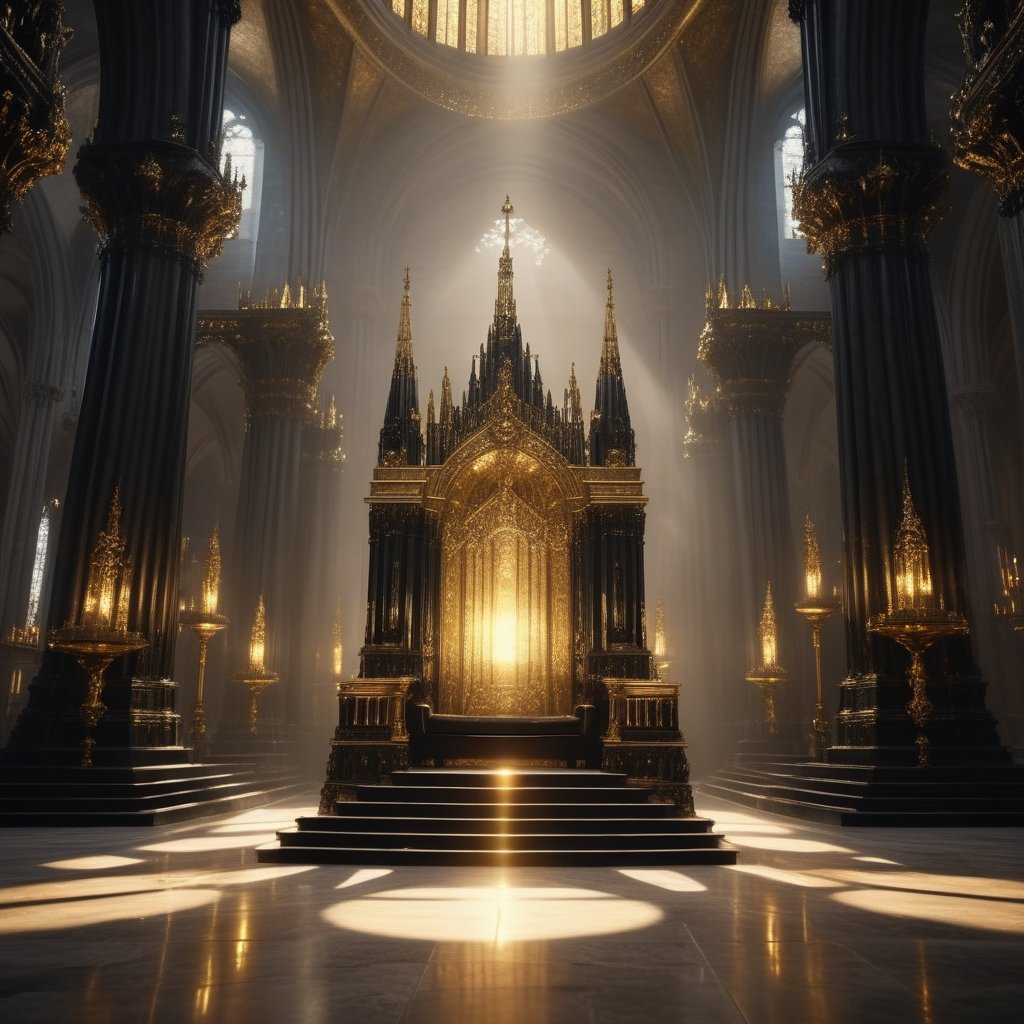
The Ruler Archetype
"Order is the first law."
Motto
"Power isn't everything; it's the only thing."
Desire
Control, stability, and creating a prosperous community.
Fear
Chaos, being overthrown, loss of influence.
Strategy
Exercise power, leadership, and responsibility.
Shadow
The Tyrant, The Weakling, The Micromanager.
The Psychological Core: Sovereignty of the Self
The Ruler is the Executive Branch of the psyche.
While the Hero faces the Dragon and the Caregiver nurtures the Child, the Ruler Builds the Kingdom. It is the drive to create order, stability, and prosperity.
- The Organizing Principle: The Ruler’s primary job is to coordinate all other archetypes. It decides when the Hero should fight, when the Sage should speak, and when the Jester should play.
- The Burden of Responsibility: Unlike the Lover (who seeks bliss) or the Explorer (who seeks novelty), the Ruler seeks Legacy. They feel the weight of every person in their domain.
The Inner Throne
Psychological maturity is achieved when you finally sit on your own inner throne.
- Stage 1: The Subject. You are ruled by your emotions, your parents, or your boss.
- Stage 2: The Rebel. You fight against authority but are still defined by it.
- Stage 3: The Sovereign. You take full responsibility for your life. You stop asking for permission and start giving it.
The Law of Order
“A house divided against itself cannot stand.” The Ruler knows that without a central authority, the psyche becomes a civil war. Conflicting desires tear the individual apart. The Ruler provides the Code—the set of values that governs the “Kingdom of I.”
The 4 Pillars of Sovereignty
- Vision: The ability to see the “Long Game.”
- Order: The ability to create systems and boundaries.
- Protection: The commitment to safety and stability.
- Generativity: The desire to create something that outlasts you (Legacy).
The Psychology of “The Seat”
Why do we care about who sits at the “Head of the Table”?
- The Focal Point: The Ruler is the psychological anchor of the group. If the Ruler is steady, the group is calm.
- The Projection: We project our own “Inner Authority” onto leaders. This is why we are so devastated when a leader fails—it feels like a betrayal of our own potential.
Deep Historical & Mythological Roots
The Ruler is the most socially visible archetype, represented by the Crown and the Scepter.
Augustus Caesar (The Pax Romana)
He found Rome a city of bricks and left it a city of marble.
- The Transformation: He transitioned a chaotic Republic into a stable Empire.
- The Lesson: A true Ruler knows that “Victory” is not enough; you must build the “Peace.”
Louis XIV (The Sun King)
“L’état, c’est moi” (I am the state).
- The Archetype of Absolute Rule: He built Versailles to centralize power.
- The Lesson: The Ruler can become a “Living Symbol.” But if the symbol is too heavy, it crushes the man.
Zeus/Jupiter (The Father of Gods)
The storm-god who established order in the cosmos by overthrowing the chaotic Titans.
- The Thunderbolt: Representing the sudden, decisive power of the law.
- The Eagle: The perspective from on high. The Ruler must see the whole kingdom at once.
King Arthur (The Just King)
The myth of the Round Table is the transition from a Tyranny to a true Sovereignty.
- The Table: Highlighting that the Ruler is “first among equals.”
- The Grail: The realization that the King’s health is the Land’s health (“The King and the Land are one”). If the Ruler is corrupt, the kingdom becomes a Wasteland.
Marcus Aurelius (The Philosopher King)
The Roman Emperor who wrote the Meditations.
- The Insight: Real power is the power over oneself. You cannot rule a city if you cannot rule your own mind.
- Stoicism: The Ruler’s philosophy. Focusing only on what you can control and accepting everything else with dignity.
Queen Elizabeth I (The Virgin Queen)
She married the state.
- The Sacrifice: The Ruler often has to sacrifice their “Personal Self” for their “Official Self.” She became a living symbol of England to provide stability in a time of chaos.
Modern Manifestations: From Palaces to Pitch Decks
The crown is now a title, and the scepter is a smartphone.
The Digital Monarch (Platform Rule)
CEOs of social media platforms now rule “Territories” larger than any ancient empire.
- The Code is Law: Like ancient kings, they decide the rules of speech, commerce, and interaction for billions.
- The Responsibility: They are the first Rulers in history to govern without a physical land.
The Project Manager (The Local Sovereign)
The person who ensures the deadline is met.
- The Burden: They have all the responsibility but often none of the “Official” power. This is the Servant Ruler in action.
The CEO
The modern high-priest of the corporation.
- The Vision: Like the ancient kings who commissioned great monuments, the CEO commissions global infrastructures.
- The Fear: Disruption (The Rebel) or a stock market crash (Chaos).
The Parent (The Head of Household)
The most common form of the Ruler archetype.
- The Duty: Setting the rules, providing resources, and ensuring the safety of the unit.
- The Transition: When a child leaves the house, the parent must transition from a Ruler to a Sage.
The “Influencer” as Sovereign
Modern social media creates “Digital Kingdoms.”
- The Followers: The “Subjects” of the digital domain.
- The Brand: The “Heraldry” and “Lineage” of the modern era.
The Architecture of Order: How a Kingdom is Built
A Ruler doesn’t just “be” in charge; they build the “Skeleton” of reality.
- The Foundation: Values.
- The Walls: Boundaries.
- The Roof: Protection.
- The Inhabitants: The other archetypes.
- The Rule of Law: If the Ruler changes the rules every day, the kingdom collapses into anxiety. The Ruler must be the “Constant” in the equation.
The Psychology of the Scepter (Directed Will)
The Scepter is a phallic symbol of the “Will.”
- The Vertical Axis: It points from Heaven to Earth. It is the conduit for lightning (inspiration).
- The Limitation: A scepter is not a club. You don’t hit people with it. You guide them with it. It is a symbol of “Influence” rather than “Force.”
The Archetype in the Dream World: Towers and Crowns
Dreams of the Ruler are about your relationship with Authority and Responsibility.
Common Symbols
- The Throne: Your place of power. Is it empty? Is it dusty?
- The Crown: The “Crown Chakra.” Mental clarity and divine right.
- The Scepter/Gavel: The power to make decisions.
- The Skyscraper: The vertical axis. Being “above” the fray.
- The Seal/Signature: The finality of the Will.
- The Key: Access to the treasury or the state secrets.
Specific Scenarios & Decodings
Specific Scenarios & Decodings
-
Finding the Crown:
- The Dream: You are cleaning out an attic and find a dusty golden crown. You put it on, and it fits perfectly.
- The Meaning: You are reclaiming your sovereignty. You have been playing small, but the unconscious is telling you it’s time to lead.
-
The Crumbling Palace:
- The Dream: You are the king, but the walls of your palace are falling down. People are screaming.
- The Meaning: Your current control structures are failing. You are trying to rule with an old “Code” that no longer works. It’s time for a revolution or a rewrite of the laws.
-
Being Judged:
- The Dream: You are standing before a high judge in a dark court.
- The Meaning: You are judging yourself. You feel you have failed in your responsibilities (to your family, your work, or your soul).
-
The Silent Coronation:
- The Dream: You are in a vast hall, and a crown is placed on your head, but there is no sound and no audience.
- The Meaning: This is the “Internal Coronation.” You are being recognized by your own soul. You don’t need external validation; you have achieved inner sovereignty.
-
The Gilded Cage:
- The Dream: You are the king, but you cannot leave the throne room. The doors are locked from the inside.
- The Meaning: You have become a prisoner of your own rules. Your need for “Control” has become a trap. It’s time to delegate or abdicate.
-
The Faceless Judge:
- The Dream: You are in a courtroom, but the judge has no face.
- The Meaning: The “Law” you are following is impersonal and soulless. You are being ruled by abstract principles rather than human values.
-
The Invisible Crown:
- The Dream: You are naked in public, but everyone is bowing to you. You feel a “Weight” on your head, but there is nothing there.
- The Meaning: True authority is not about the uniform or the title. It is an energetic state. You have reached a level of maturity where your “Presence” is enough.
Archetypal Tension & Polarity: Order vs. Entropy
The Ruler sits on the axis of Structure. Its polar opposite is The Magician (Flux) or The Jester (Chaos).
Ruler vs. The Rebel (The Revolution)
- The Rebel: Wants to burn it down.
- The Ruler: Wants to build it up.
- The Tension: The Rebel provides the energy for change; the Ruler provides the container for that change. If the Rebel wins without a Ruler to follow, you have Anarchy. If the Ruler wins without a Rebel to challenge, you have Stagnation.
- The Integration: The “Founding Father.” A Rebel who becomes a Ruler. (George Washington).
Ruler vs. The Explorer
- The Explorer: Seeks the unknown.
- The Ruler: Categorizes the known.
- The Conflict: The Ruler wants the Explorer to stay home and pay taxes. The Explorer wants the Ruler to leave them alone.
Life Stages & Triggers: The Weight of the Crown
Life Stages & Triggers: The Weight of the Crown
The Ruler often wakes up during:
- The Transition to Management: When you realize you can accomplish more by directing others than by doing the work yourself.
- The Birth of a Legacy: When you start thinking about what you will leave behind.
- Crisis: When the group is paralyzed by chaos and everyone looks to you to make a decision.
Signs of Arrival & Waking Synchronicity
You are entering the Ruler phase when:
- The Weight: You feel a literal “heaviness” in your shoulders and neck (the biological response to responsibility).
- The View: You stop looking at the ground and start looking at the horizon. You think in years and decades, not days.
- The Authority: People start asking for your permission or blessing, even if you have no official title.
- Synchronicities: You find yourself finding lost keys, organizing messy rooms, or mediating family disputes with unusual ease.
The Ruler’s Body Language (The Presence)
A Ruler does not have to shout to be heard.
- The Stillness: High-status individuals move less. They don’t fidget. They own the space.
- The Eye Contact: They look people in the eye with a sense of “Unwavering Attention.”
- The Voice: They speak from the chest, not the throat. They use pauses (Silence) as a tool of authority.
The Shadow Side: The Tyrant & The Weakling
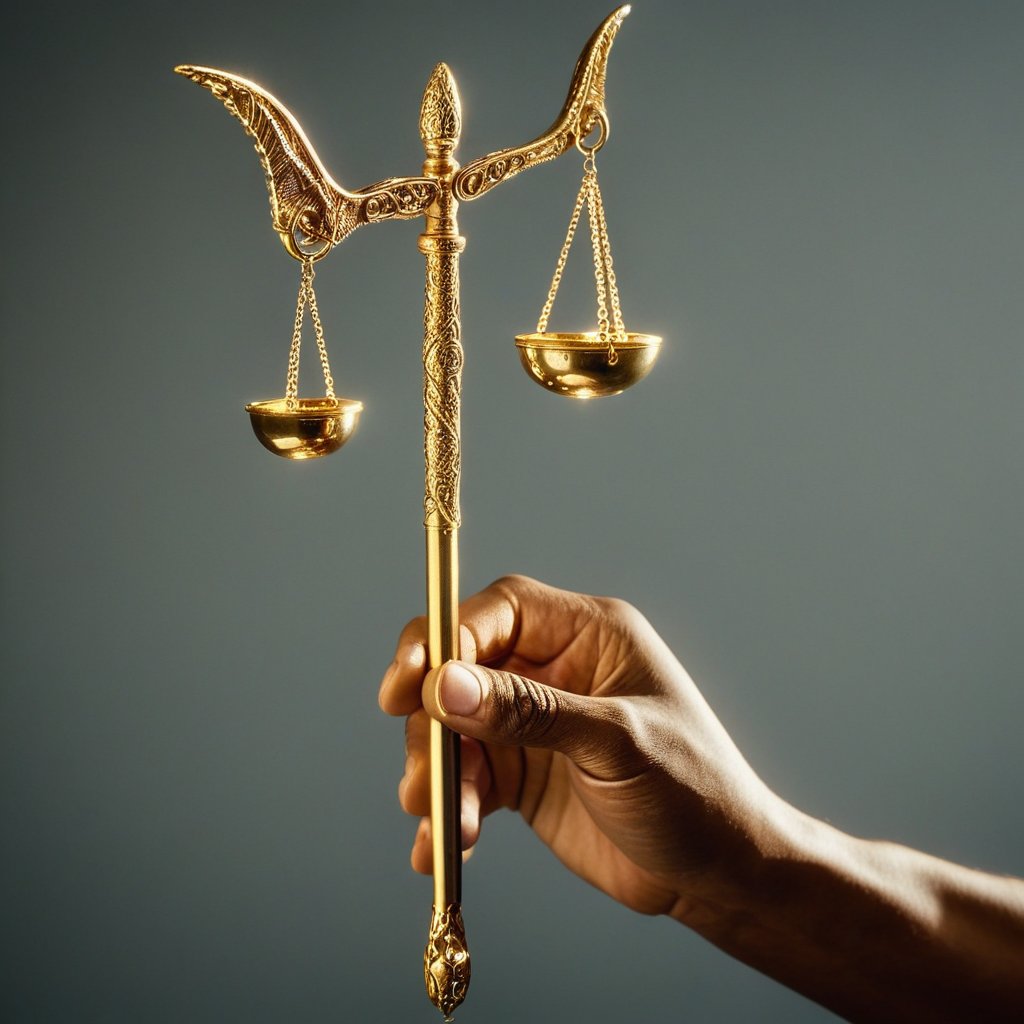
The Shadow Ruler is born from Paranoia and Fear.
The Tyrant
“I am the Law.”
- The Goal: Total control. They fear the smallest dissent because they see it as a crack in the foundation.
- The Method: Oppression, micromonagement, and isolation. (Stalin, Darth Vader).
- The Result: A sterile, frozen kingdom where nothing new can grow. The Tyrant eventually becomes the victim of the chaos they tried to suppress.
The Weakling / The Abdicator
The Ruler who refuses to rule.
- The Method: Passive-aggression, indecision, and “passing the buck.”
- The Result: The kingdom falls into anarchy. The internal psyche becomes a “Wasteland” because there is no center.
The Machiavellian Shadow (The Fox)
The Ruler who has lost their soul but kept their intelligence.
- The View: People are just chess pieces.
- The Tactic: “Divide and Conquer.” Playing subjects against each other to keep them from challenging the throne.
- The Cost: Chronic paranoia. The King can never sleep because he knows everyone else is playing the same game he is.
The Neurobiology of Leadership: Testosterone & Cortisol
Biology has a “Ruler” state.
- The Winner Effect: When you succeed in a task, your testosterone increases, which makes you more likely to win the next task. This is the physiological basis of “Momentum.”
- Cortisol Regulation: A true Ruler has high responsibility but LOW stress. They have “Vagal Tone”—the ability to stay calm in the face of a crisis.
- The Serotonin of Status: High status leads to high serotonin, which creates a sense of well-being and social calmness.
Global Folklore: The High King
King Solomon (Hebrew)
The wisest of kings.
- The Story: The two women claiming the same baby. He offered to cut the baby in half—knowing the real mother would choose the baby’s life over her claim.
- The Lesson: Justice is not just about the law; it is about knowing the human heart.
Gilgamesh (Sumerian)
The king who realized he couldn’t beat death.
- The Role: He starts as a Tyrant and ends as a Wise King after losing his best friend, Enkidu.
- The Lesson: The Ruler must face their own mortality to truly serve the people.
Oda Nobunaga (Japanese)
The great unifier.
- The Method: Brutal efficiency and the introduction of new technologies (firearms).
- The Lesson: Unification requires a single, strong Will.
The 4 Stages of Leadership Mastery
- Command of Self: If you cannot rule your own alarm clock, you cannot rule a team.
- Command of One: Leading another person through influence and empathy.
- Command of Many: Creating systems, culture, and shared vision.
- Sovereignty: Acting from a place of deep internal authority where you no longer need external validation.
Deep Philosophy: Stoicism & Statecraft
Marcus Aurelius (Meditations)
- The Principle: “The impediment to action advances action. What stands in the way becomes the way.”
- The Insight: A Ruler uses every obstacle as fuel for the kingdom’s growth.
Machiavelli (The Prince)
- The Realism: It is better to be feared than loved, if you cannot be both.
- The Magician’s Take: Machiavelli describes the “Shadow Ruler.” While controversial, he reminds us that the Ruler must be aware of the “Lions and Foxes” in the world.
Plato’s Republic
- The Ideal: The Republic should be ruled by someone who doesn’t want to rule. The Philosopher King.
- The Insight: Power should be a duty, not a desire.
Cinematic Case Studies: The Shapers of Order
The Godfather (Vito & Michael Corleone)
- Vito (The Elder Ruler): Rules through respect, favors, and a code of honor. He is the “Father” of the family.
- Michael (The Shadow Ruler): Rules through fear, calculation, and the elimination of all perceived threats. He becomes the loneliest king in cinema.
- The Lesson: If you sacrifice your humanity for your throne, you rule a graveyard.
The Lion King (Mufasa vs. Scar)
- Mufasa: Understands the “Circle of Life.” He knows he is part of a larger system.
- Scar: Understands only “Power.” He wants the throne without the responsibility of feeding the people (The Wasteland).
- The Lesson: A true Ruler serves the Life Force; a Tyrant serves only themselves.
Gladiator (Marcus Aurelius vs. Commodus)
- The Conflict: The dying King wants to turn Rome back into a Republic (Self-Rule). His son wants to be a God-King (Ego-Rule).
The Ruler’s Library: Grimoires for the Sovereign
- Meditations by Marcus Aurelius. The ultimate guide to inner sovereignty.
- The Prince by Niccolò Machiavelli. A study of the reality of power.
- Team of Rivals by Doris Kearns Goodwin. How Lincoln exercised the Ruler archetype by bringing his enemies into his cabinet.
- Ownership (Jocko Willink). The military application of the Ruler archetype: Extreme Responsibility.
- King, Warrior, Magician, Lover by Robert Moore and Douglas Gillette. The definitive psychological text on the male archetypes.
The Ruler’s Playlist: Anthems of Authority
- “Everybody Wants to Rule the World” by Tears for Fears: The universal urge for control.
- “Viva La Vida” by Coldplay: A song about a fallen king.
- “Power” by Kanye West: the sonic representation of the Ruler’s inflation.
- “Land of Hope and Glory”: The traditional anthem of the British Empire.
- “Royals” by Lorde: A Jester’s critique of the Ruler archetype.
The Ruler in the Workplace: The CEO of You
The Ruler is the one who stops saying “We need to fix this” and says “I am fixing this.”
- The Executive: Setting the strategy and defining the culture.
- The Responsibility: A true Ruler never blames their team for a failure. They take the hit and share the credit.
- The Trap: Micromanagement. A Ruler who trusts no one is not a Ruler; they are just a stressed-out worker.
The 3 Rules of the Wise Manager
- Protect the Shield: Your first job is to protect your team from the toxicity and chaos of the larger organization. You are the “Firewall.”
- Cultivate the Knights: Don’t hire “Servants.” Hire “Kings and Queens” who just happen to be working for you right now.
- The Noble Retreat: Know when to step back. If the kingdom runs perfectly without you, you have succeeded.
The Ruler’s Relationship with the Divine
The Ruler is the steward of the “Universal Will.”
- Humility: The Ruler is a “Subject” of the Truth.
- The Mandate: Power is not “owned”; it is “loaned.” If you use it poorly, the Universe will take it back.
The Ruler’s Relationship with the Common Man
The King has no meaning without the People.
- The Mirror: The people are a reflection of the King’s character. If the people are angry, the King should look in the mirror.
- The Service: The Ruler’s power is a tool for the upliftment of the lowest person in their domain.
The Ruler’s Coronation: A Ritual of Sovereignty
The Ruler is the one who stops saying “We need to fix this” and says “I am fixing this.”
- The Executive: Setting the strategy and defining the culture.
- The Responsibility: A true Ruler never blames their team for a failure. They take the hit and share the credit.
- The Trap: Micromanagement. A Ruler who trusts no one is not a Ruler; they are just a stressed-out worker.
The Ruler’s Coronation: A Ritual of Sovereignty
To wake up your inner Ruler, you must have a “Coronation.”
- Survey the Territory: Walk through your house or your workspace. Notice everything that is broken, messy, or neglected.
- Claim it: Say aloud: “I am the sovereign of this space. I am responsible for its order and health.”
- The First Law: Fix one thing immediately. This is your first act as King/Queen. It signals to the unconscious that the Ruler is back on the throne.
The Architecture of a Legacy
What makes a Ruler “Eternal”?
- Monuments: Ancient kings built pyramids. Modern Rulers build institutions, charities, or businesses that outlast them.
- The Successor: A Ruler’s success is not measured by their time on the throne, but by the quality of the person they train to replace them.
- “Hallelujah” (The Royal Version): The song of a broken king.
- “New World Symphony” by Dvořák: The sound of building a new nation.
The Coronation of the Self (A Long Ritual)
The coronation is not a single event; it is a process of “Taking the Oath.”
- Phase 1: The Vigil. Spending a night in silence, facing your own Shadow.
- Phase 2: The Anointing. Choosing a fragrance or a symbol that represents your “Sovereign State.”
- Phase 3: The Proclamation. Writing out your personal “Code of Ethics.”
- Phase 4: The Service. Your first act after the ritual must be an act of service to the “Kingdom.”
The Ruler’s Manifesto
Read this when you feel overwhelmed by your life.
“I am the Sovereign of my Mind. I do not ask for permission to exist or to lead. I take full responsibility for my mistakes and full credit for my victories. I build for the future, not just the moment. My word is my bond, and my intent is my law. The buck stops with me.”
Q: How do I handle a “Bad Boss” (Tyrant)? A: You must find the “Inner Ruler” within yourself. A Tyrant only has power over those who feel like “Subjects.” If you act with your own internal authority, the Tyrant loses their psychological grip on you.
Q: The Ruler and Time: The 100-Year Plan How does the Ruler think about time?
- Biological Time: The Ruler respects age and experience. They don’t rush.
- Legacy Time: They ask, “What will people say about this in 100 years?” This perspective allows them to endure short-term pain for long-term gain.
The Ruler’s Relationship with Money: The Treasury
To the Ruler, money is not just “currency”; it is Infrastructure.
- The Healthy Ruler: Uses money to build schools, hospitals, and parks (In psychology: investing in skills, health, and joy).
- The Shadow Ruler: Uses money for “Glory” and “Monuments” to their own ego.
- The Wisdom: Value is created by Order. Without a Ruler, money has no meaning.
The Ruler’s Relationship with War: The Commander
A Ruler must be a Warrior, but a Warrior is not always a Ruler.
- The Decision: The Ruler is the one who decides why we fight.
- The Strategy: The Ruler uses the minimum amount of force necessary to achieve the maximum amount of order.
- The Moral Weight: The Ruler carries the deaths of their soldiers (Inner impulses) on their conscience.
The Ruler’s Relationship with Justice: The Scales
Justice is the “Harmony of the State.”
- The Principle: Every part of the system must give what it owes and receive what it needs.
- The Practice: Being “Firm but Fair.” The Ruler does not have favorites.
The Ruler’s Relationship with Truth: The Architect
The Ruler is the one who says “This is True because I say it is.”
- The Danger: If the Ruler lies, the whole kingdom becomes a hallucination.
- The Duty: The Ruler must align their word with the Truth of Nature. If they try to rule against gravity, they will fail.
Conclusion: The Final Word
The Ruler is the final archetype in the 12-fold system. It is the one that brings all the others into Harmony. By mastering the Ruler, you move from being a victim of fate to being the Architect of your Destiny.
The journey doesn’t end here. It circles back to the Innocent—but this time, the Innocent is wise.
The Ruler’s Dictionary: Terms of Sovereignty
- Sovereignty: The full right and power of a governing body over itself, without any interference from outside sources or bodies. (In psychology: Emotional independence).
- Hegemony: Leadership or dominance, especially by one country or social group over others. (In psychology: The dominance of one belief system).
- Bureaucracy: A system of government in which most of the important decisions are made by state officials rather than by elected representatives. (In psychology: Rigid habits that act automatically).
- Legacy: Something transmitted by or received from an ancestor or predecessor or from the past.
- Dignity: The state or quality of being worthy of honor or respect. (The Ruler’s core emotion).
The Psychology of “The Waste Land”
In many myths, the King’s health is linked to the land.
- The Sterile King: If the Ruler is wounded or corrupt, the cattle stop breeding and the crops fail.
- The Psychological Mirror: If your “Inner Ruler” is sick (Depressed, anxious, or a Tyrant), your outer life starts to wither. Your career stalls, your relationships dry up, and your creativity dies.
- The Cure: The King must be “Healed” (Integration) for the land to bloom again.
The Final Synthesis: The Integrated King
The goal of work with the Ruler is to become the Benevolent Monarch of your own existence.
- No more blaming: The King doesn’t blame the weather; he prepares for the storm.
- No more asking: The King doesn’t ask if he is allowed to be great.
- Just Service: The King realizes that his power is a gift to be used for the benefit of the whole Council of Archetypes.
The Ruler’s Relationship with the Infinite: The Divine Right
Historically, kings were seen as “God’s representative on Earth.”
- The Psychological Reality: The Ruler connects the “Infinite Potential” of the soul to the “Limited Matter” of life. They are the bridge between Heaven (Ideas) and Earth (Results).
- The Ritual of Prayer: A Ruler must have a relationship with something larger than themselves (God, Nature, The Tao, The Future). If the Ruler thinks they are the highest power, they will become a Tyrant.
The Ruler’s Relationship with Death: The Funeral
A Ruler’s life is defined by their end.
- Memento Mori: “Remember you must die.” Roman generals had a slave whisper this in their ear during their triumphs.
- The Succession: The most important act of a Ruler is dying well—leaving the kingdom in hands better than their own.
The Ruler’s Relationship with the Masculine & Feminine
- The King (Masculine): Focuses on Laws, Boundaries, and Action.
- The Queen (Feminine): Focuses on Nurturing, Community, and the “Soul” of the kingdom.
- The Alchemical Marriage: Every individual must integrate both. To be all King is to be a cold robot. To be all Queen is to be an ungrounded dreamer. Sovereignty is the union of the two.
The Ruler’s Relationship with the Future: The Architect of Time
The Ruler does not live in “Now.” They live in “Not Yet.”
- The Planting of Trees: “A society grows great when old men plant trees whose shade they know they shall never sit in.”
- The Vision: The Ruler sees the potential of the land and works for decades to realize it.
The Final Word: The Crown of Consciousness
To be a Ruler is to be fully awake. It is the end of sleepwalking. It is the moment you stop saying “Life is happening to me” and start saying “Life is happening through me.”
The Council is now complete. The Ruler has seated every archetype. The Hero is resting. The Caregiver is feeding. The Sage is teaching. The Jester is laughing.
And the Land is at Peace.
The Ruler’s Relationship with the Elements
The Ruler is the master of the “Material” world.
- Earth: Structure, stability, and wealth.
- Air: Law, thought, and communication.
- Fire: Drive, passion, and the “Spark” of the kingdom.
- Water: Emotion, the unconscious, and the “Soul” of the people.
- Aether: The Divine connection.
The Ruler’s Relationship with the Animals
- The Lion: Courage and royalty.
- The Eagle: Vision and perspective.
- The Stag: Nobility and the forest.
- The Horse: Travel and communication.
Final Conclusion: The Throne Awaits
The Ruler archetype is the ultimate destination of the human journey. It is the point where you stop being a passenger and start being the Driver. It is the point where you stop being a victim and start being the Victor.
But remember: The King of the World is just a servant of the Truth.
The Council of Twelve is now fully realized in your psyche.
- The Innocent gave you trust.
- The Orphan gave you realism.
- The Warrior gave you courage.
- The Caregiver gave you compassion.
- The Explorer gave you freedom.
- The Rebel gave you change.
- The Lover gave you connection.
- The Creator gave you expression.
- The Jester gave you joy.
- The Sage gave you wisdom.
- The Magician gave you power.
- The Ruler gave you Order.
What will you build with this council? What kind of kingdom will you create? The tools are in your hands. The crown is on the table.
Now, go and Rule.
Explore the full council at the Archetypes Hub.
Discover Your Own Archetype
Take our comprehensive assessment to reveal the dominant and shadow archetypes governing your subconscious.
Start Free Assessment