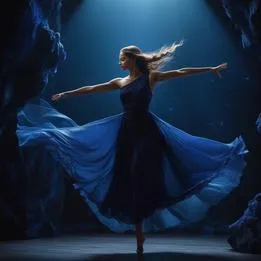
Dance
The Oracle's Essence
Dance symbolizes expression, joy, and the dynamics of social interaction, representing both freedom and the constraints of societal norms.
Interpretive Themes
✧ Archetypal Essence
Lover
Dominant Influence ( 85%)
The Dance is the body's love letter to the moment, yet can become a fever that burns away identity.
The Light
The Dance is the body's love letter to the moment, yet can become a fever that burns away identity.
The Shadow
The Dance is the body's love letter to the moment, yet can become a fever that burns away identity.
Modern Visibility
In contemporary society, dance is often viewed as a form of artistic expression and personal identity, reflecting individual freedom but also the pressures of conformity.
◈ Mythological Resonance
Reference Myth Meaning & Symbolism
Global/Universal traditionExplore the profound myth of Reference, the cosmic librarian who holds the universe's memory. Discover its psychological meaning for modern identity and the search for truth.
Natyashastra Myth Meaning & Symbolism
Hindu traditionThe central action of the myth, representing the dynamic, embodied expression of cosmic order and personal transformation, as taught by Shiva.
Aliguyon Myth Meaning & Symbolism
Filipino traditionThe protracted, ritualized battles are a deadly dance of equals, a pattern that must be completed and transcended.
Amihan and Habagat Myth Meaning & Symbolism
Filipino traditionThe eternal, rhythmic alternation of the deities, modeling the sacred movement of life, the necessary cycle of engagement and withdrawal, action and reflection.
Aukele the Daring One Myth Meaning & Symbolism
Hawaiian traditionAukele's hula, the sacred movement that wins the prize; it symbolizes embodied wisdom, the expression of soul that communicates with deep archetypal forces where words fail.
Baron Samedi Myth Meaning & Symbolism
African Diaspora traditionHis jerky, provocative dance is a ritual of defiance and celebration, a physical embodiment of finding rhythm and vitality in the face of decay.
Barong and Rangda Myth Meaning & Symbolism
Indonesian traditionThe eternal, ritualized movement between order and chaos, symbolizing that balance is not a static state but a dynamic, ongoing process.
Calon Arang Myth Meaning & Symbolism
Indonesian traditionEvoking the wayang performance tradition that carries this myth, a ritualized movement that contains and expresses these profound psychic dynamics.
Chod Ritual Myth Meaning & Symbolism
Tibetan Buddhist traditionThe dynamic, rhythmic movement of the ritual, representing the active engagement with one's own psyche and the flowing, non-resistant approach to inner demons.
Candomble Orixas in Brazil Myth Meaning & Symbolism
African Diaspora traditionThe central ritual act of Candomblé, through which the Orixás descend and possess their children, representing ecstatic surrender, embodied knowledge, and the celebration of divine force in motion.
Cheoyong Mask Dance Spirit Myth Meaning & Symbolism
Korean traditionThe sacred, physical reorganization of chaotic energy into harmonious pattern, a ritual of pacification that moves through conflict rather than against it.
Coya Raymi Moon Festival Myth Meaning & Symbolism
Incan traditionThe primary ritual language of Coya Raymi, a somatic expression of empathy with the lunar rhythm, moving the body in alignment with cosmic and psychic cycles.
Dhikr the Remembrance Ritual Myth Meaning & Symbolism
Sufi traditionThe ecstatic, physical expression of Dhikr, where the body becomes a whirling prayer and the boundaries of the self spin into unity.
Gede Spirits Myth Meaning & Symbolism
African Diaspora traditionThe ecstatic, possessed dance through which the Gede spirits manifest, bridging the spiritual and physical realms and releasing pent-up psychic energy.
Haka Origin Myth Meaning & Symbolism
Maori traditionThe sacred form and rhythmic practice that channels primal energy into conscious expression, transforming chaos into communicative power.
Ibeji the Divine Twins Myth Meaning & Symbolism
Yoruba traditionThe playful, ever-moving interaction between the twins, symbolizing the healthy, lively relationship between integrated inner opposites, full of creativity and spontaneity.
Laka Goddess of the Hula Myth Meaning & Symbolism
Hawaiian traditionThe archetypal act of psychic integration and expression, where inner chaos is transformed into meaningful, communicative movement and ritual.
Mahakala Myth Meaning & Symbolism
Tibetan Buddhist traditionMahakala's dynamic, wrathful posture is a cosmic dance, representing the relentless, rhythmic process of destruction and creation within the psyche and the universe.
Mawu-Lisa the Dual Creator Myth Meaning & Symbolism
West African traditionThe eternal, rhythmic interaction between Mawu and Lisa, modeling the continuous, dynamic process of co-creation.
Netzach Victory Myth Meaning & Symbolism
Kabbalistic traditionThe active, graceful embodiment of Netzach's principle; the harmonious engagement with cyclical forces rather than a rigid battle against them.
Omoikane Deity of Wisdom Myth Meaning & Symbolism
Shinto traditionThe act of Ame-no-Uzume, born from the council's plan, symbolizing embodied expression, ecstatic revelation, and the joyful, provocative act that lures new consciousness from its hiding.
Omolu God of Disease Brazil Myth Meaning & Symbolism
African Diaspora traditionThe pivotal act performed by Ọṣun, symbolizing the life-affirming, connective energy that can engage and temper raw, destructive power, catalyzing integration.
Oya's Nine Skirts Myth Meaning & Symbolism
Yoruba traditionOya's transformative movement; the active, embodied surrender to and channeling of powerful forces, turning chaos into a sacred act.
Oya in Candomble Myth Meaning & Symbolism
African Diaspora traditionThe whirling, ecstatic movement of Oya's possession, symbolizing the embodiment of transformative power and the surrender to a force greater than the individual ego.
Pandaque the Rainbow Deity Myth Meaning & Symbolism
Filipino traditionThe creative, ritual action through which Pandaque weaves the bridge, symbolizing the active, embodied process of making peace and creating new forms.
Pundjel the Creator Deity Myth Meaning & Symbolism
Aboriginal Australian traditionSacred movement as generative ritual, symbolizing the dynamic process that structures energy, encodes memory, and bridges the gap between idea and animated form.
Queen Nzinga Warrior Queen Myth Meaning & Symbolism
African traditionRitualized movement and strategy; her long resistance was a intricate political and military dance, constantly shifting steps to match her adversary.
Sadko and the Sea King Myth Meaning & Symbolism
Slavic traditionThe frenzied khorovod of the deep, representing the compulsive, entrancing pull of unconscious contents when they are activated but not integrated.
Shaka Zulu and the Prophecy Myth Meaning & Symbolism
African traditionThe war drills and martial exercises, transforming movement into discipline, symbolizing the ritualized, practiced embodiment of a new way of being.
Taegeuk the Great Ultimate Myth Meaning & Symbolism
Korean traditionThe eternal, generative movement between Yin and Yang; the dynamic process of life itself, where opposition creates rhythm, relationship, and beauty.
Sundiata Keita Epic Myth Meaning & Symbolism
African traditionThe celebration of victory and unity, symbolizing the harmonious order (the Manden Charter) established after the struggle, where all parts of the community move in sync.
The Baal Shem Tov Myth Meaning & Symbolism
Jewish traditionThe physical expression of ecstatic prayer (avodah be'gashmiyut) in Hasidism, symbolizing the use of the entire body and soul to cleave to the divine, breaking through intellectual barriers.
The Black Hat Ceremony Myth Meaning & Symbolism
Tibetan Buddhist traditionRepresents the dynamic, active process of psychic integration, where each movement is a deliberate step in mastering and re-ordering inner turmoil.
The Exu in Brazil Myth Meaning & Symbolism
African Diaspora traditionThe dynamic, rhythmic movement of life and energy that Exu facilitates, symbolizing the fluid negotiation of reality and celebratory engagement with force.
The Dogon Creation Myth Myth Meaning & Symbolism
African traditionReflective of the Sigui ceremony and the rhythms taught by the Nommo, symbolizing the lived expression of cosmic order, community, and the celebration of cyclical renewal.
The Drum Dance Origin Myth Meaning & Symbolism
Inuit traditionThe patterned, physical expression of the spirit’s shape; the transformation of amorphous grief into shareable, life-affirming movement.
The Haitian Revolution and Bois Caiman Myth Meaning & Symbolism
African Diaspora traditionThe ritual movements and possession by the lwa at Bois Caiman represent the ecstatic surrender to a power greater than the self, a physical enactment of the spiritual pact.
The Kecak Dance Origin Myth Meaning & Symbolism
Indonesian traditionThe central act of the myth, representing the ritualized, embodied process of channeling archetypal forces and transforming psychic chaos into cosmic order.
The Legend of Lohi'au Myth Meaning & Symbolism
Hawaiian traditionThe sacred hula, born from this myth, symbolizes the ritualized, artful expression of deep forces that cannot be contained in ordinary speech.
The Loa Ceremony
African Diaspora traditionThe embodied prayer and engine of the ceremony, symbolizing the loss of individual separation and the movement into a collective, ecstatic state of connection.
The Lover and the Beloved Myth Meaning & Symbolism
Sufi traditionThe physical enactment of the myth, particularly the whirling of the Dervish, which mirrors the cosmos orbiting and the soul spinning in ecstatic remembrance.
The Origin of Wrestling Myth Meaning & Symbolism
Mongolian traditionThe Devekh and the very movement of the wrestle itself, representing ritual, grace, and strategic flow within intense conflict.
The Snow Lion of Tibet Myth Meaning & Symbolism
Tibetan Buddhist traditionThe playful, joyful movement of the Snow Lion across the peaks, representing the spontaneous and blissful activity of an enlightened mind.
The Tale of Panji Myth Meaning & Symbolism
Indonesian traditionEvokes the intricate, performative nature of the tale in wayang and court culture, symbolizing the ritualized, patterned steps one must learn in life's journey.
The Throat Singing Origin Myth Meaning & Symbolism
Inuit traditionThe physical, rhythmic counterpart to the vocal game, representing the full-bodied engagement and kinetic partnership required for true co-creation.
Tsam Ceremony Origin Myth Meaning & Symbolism
Mongolian traditionThe transformative process itself; the sacred movement that creates order from chaos, modeling the conscious engagement with psychic content.
Tuurngait Myth Meaning & Symbolism
Inuit traditionThe shaman’s convulsive return is a spirit-dance, the somatic expression of the new, dynamic energy now incorporated into the body and psyche.
Umbanda in Brazil Myth Meaning & Symbolism
African Diaspora traditionThe sacred movement of the spirits through the medium, symbolizing embodied wisdom, ecstatic release, the flow of energy, and the joy of spiritual presence.
Vajrayogini Myth Meaning & Symbolism
Tibetan Buddhist traditionHer dynamic, ecstatic posture symbolizes the continuous, spontaneous movement of enlightened energy and the liberation found in the flow of the present moment.
Vodou and the Guinea Ancestors Myth Meaning & Symbolism
African Diaspora traditionThe embodied language of the ritual, where the physical movements of the living become the vessel for the rhythms and presence of the ancestral spirits.
Vodun and the Loa Myth Meaning & Symbolism
West African traditionThe physical enactment of the myth, representing the surrender of the ego to a greater rhythm and the embodiment of archetypal forces through movement and trance.
Xbalanque and the Sun Myth Meaning & Symbolism
Mesoamerican traditionThe performative, ritualized action through which transformation is effected; a metaphor for engaging with powerful forces through skillful, embodied cunning rather than direct combat.
Xango in Candomble Myth Meaning & Symbolism
African Diaspora traditionThe physical manifestation of Xango's energy in Candomble ritual, a powerful, stomping, masculine dance that channels his fiery, regal spirit.
Yarilo Myth Meaning & Symbolism
Slavic traditionThe expression of Yarilo’s joyful, chaotic, and fertile energy, a ritual of ecstatic union with the life force that stirs both the earth and human passion.
Yoruba Diaspora in the Americas Myth Meaning & Symbolism
West African traditionThe embodied memory and kinetic prayer, the way the story is told with the whole body when words are forbidden, keeping the archetypes alive in muscle and motion.
Ameno-Uzume Dance of Dawn
Shinto traditionThe primal language of the soul and body, used to invoke, celebrate, and transform reality through patterned, ecstatic movement.
Amaterasu's Cave
Shinto traditionEcstatic, embodied life force performed as a sacred lure, using rhythm and abandon to call the withdrawn spirit back into the world.
Amaterasu and Susanoo
Shinto traditionEcstatic, embodied expression that bypasses intellect to summon joy, liberation, and the lure of life from the depths of withdrawal.
Ali Baba and the Thieves
Islamic traditionMorgiana’s lethal performance, representing the integration of art and action, beauty and purpose, as a means of discerning and eliminating psychic poison.
Anansi in the Caribbean
African Diaspora traditionA ritual of embodied resilience and joy, a way to reclaim the body and its rhythms in the face of attempts to control it.
Batara Guru
Indonesian traditionThe sacred, patterned movement that differentiates chaos into cosmos; the creative act as a dynamic, embodied ritual.
Divine Intoxication Mast
Sufi traditionThe ecstatic, uncontrollable movement of the soul liberated from constraint, a somatic prayer and expression of union beyond words.
Egungun Ancestor Masquerade
Yoruba traditionSacred movement that incarnates spirit, telling stories beyond words and weaving the energetic fabric of the ritual space.
Eshu in the New World
African Diaspora traditionA coded language of resilience and memory, where sacred meanings and histories are preserved and communicated through the body’s movement.
Fana and Baqa Annihilation and Subsistence
Sufi traditionThe ecstatic movement of the soul released from egoic constraints, whirling in the rhythm of divine unity, as embodied in the Mevlevi tradition.
Hunahpu and Xbalanque
Mesoamerican traditionThe performative, embodied ritual of transformation; a sacred act that can enact healing, tell stories of power, and disguise profound work.
Love as the Axis of Creation
Sufi traditionThe whirling motion of all creation and the Sufi's spiritual practice, embodying ecstatic surrender to the pull of the cosmic axis.
Marjanah and Ali Baba
Arabian traditionThe ritualized, embodied expression of truth, which here becomes the vehicle for a fatal and necessary act of integration, merging art with decisive action.
Osun River Goddess Oshun
West African traditionThe joyful, seductive, and ritual movement associated with Oshun, expressing celebration, prayer, storytelling, and the embodiment of divine energy through the body.
Oshun Saves the World
Yoruba traditionThe embodied expression of rhythm, joy, and connection; a sacred movement that aligns the individual with the flow of cosmic and communal energy.
Pele Goddess of Volcanoes
Hawaiian traditionThe dynamic, flowing movement of lava, reflecting the goddess’s own volatile nature and the eternal choreography between creation and dissolution.
Rumi and Shams of Tabriz
Sufi traditionThe embodied expression of cosmic rotation and ecstatic surrender, turning grief into a moving prayer and the body into a axis between worlds.
Shango Becomes Thunder
Yoruba traditionThe sacred, ecstatic movement that channels and harmonizes primal energy, transforming chaotic force into patterned, communicative ritual.
The 401 Orisha
Yoruba traditionThe dynamic, embodied ritual through which the energies of the Orisha are invoked, expressed, and harmonized, reflecting the living relationship with the divine.
The Babaylan Shamans
Filipino traditionEcstatic movement as prayer and portal, a means of shedding the ordinary self to become a vessel for transcendent force or knowledge.
The Cook and the Ox
Taoist traditionThe elegant, flowing, and seemingly spontaneous movement of the cook, representing action that has become an artful expression of deeper understanding.
The First Shaman Amazon
Amazonian traditionEcstatic, trance-inducing movement used to shatter ordinary consciousness, embody spirit, and enact cosmic patterns.
The Journey of the Soul Rumi
Sufi traditionThe embodied prayer of surrender, where spinning in ritual movement symbolizes the soul revolving around the still center of God.
The Journey to the Self Sufism
Sufi traditionThe embodied prayer and ecstatic ritual, like the whirling of the Mevlevi, used to bypass the intellect and spin the soul into union.
The Seven Sisters Pleiades
Aboriginal Australian traditionThe ritualized, purposeful movement that effects transformation; a language of the body that speaks to the cosmos and alters fate.
The Slave Trade and Spiritual Memory
West African traditionA kinetic scripture and living memory, where the patterns of the body preserved and transmitted sacred knowledge when words were forbidden.
The Swan Princess
Slavic traditionThe elegant, fluid movement between forms, representing the harmony possible when opposites are embraced in a rhythmic whole.
The Tanuki
Shinto traditionThe embodied expression of rhythm, joy, and transformation, a dynamic ritual that alters the state of both dancer and witness.
The Whirling Dervishes Origin
Sufi traditionSacred movement as prayer, a language of the body that speaks directly to the divine when words fall silent.
Cultural Lenses
Jungian
Learn More →Dance as a manifestation of the unconscious, representing archetypes and collective emotions. Used in therapeutic settings to facilitate emotional expression. Jung saw the dance as a means of integrating the conscious and unconscious self.
East Asian
Learn More →Classical dance forms like Bharatanatyam and Kathak convey spiritual and cultural narratives. Performed in religious ceremonies and festivals. [South Asian] [Indian] Dance is often seen as a way to connect with the divine.
Latin American
Learn More →Dance is an integral part of rituals, celebrating agricultural cycles and deities. Used in community festivals and religious rites. [Mesoamerican] Dances often tell stories and connect communities with their ancestors.
African
Learn More →Dance is a form of communication and tradition, expressing community identity and storytelling. Integral to rituals, celebrations, and rites of passage. Each dance tells a unique cultural story and connects participants to their heritage.
East Asian
Learn More →Sacred dance is performed to promote spiritual harmony and enlightenment. Used in Buddhist ceremonies and festivals. Dance is viewed as a sacred expression of devotion and meditation.
✦ The Oracle's Prediction
A new, deeply resonant connection will form, or an existing one will rekindle.
A creative project will require a risky, expressive leap to succeed.
Risk of over-extension or neglecting practical duties in pursuit of passion.
Contextual Nuances
Dancing alone in a beautiful landscape
Signifies personal freedom and self-acceptance.
Participating in a lively group dance
Represents social connections and communal joy.
Struggling to dance in a crowded space
May reflect feelings of being overwhelmed by social expectations.
Seeing others dance beautifully, unable to join
Indicates feelings of inadequacy or isolation in social contexts.
Dancing passionately with a partner
Represents intimacy and emotional connection with another.
Integrative Mantra
"Affirmation"
Integration Ritual
Ritual Practice
Clear a small space. Light a red or orange candle. Put on music that moves you. Dance with your eyes closed for exactly three minutes, focusing only on the sensation of movement in your body. Extinguish the candle with a snuffer, and as the smoke rises, whisper one thing you wish to release through that movement.
Questions for Reflection
- "What emotions do I associate with dancing?"
- "How do I express my freedom and creativity in my daily life?"
- "What social interactions or connections need more attention in my life?"
✧ Community Dreams
May 31, 2026
"I was at my parents house but another person lived there and my brother and mother were there with me. Shortly before the house I was at the store bought for the current boyfriend friend. And then went to what was once my house and a manager/business owner was living there and I was still working at my current remote job and I was about to end my shift and then I got a call. But right before the call the manager/owner had tattoos on her face and I thought they were beautiful and I became emotional because I could tell that her tattoos represented something significant to her and they were on her face and then she grabbed me and we danced after I wiped my face from crying, and then my mom and brother went to lay down and fell asleep and then I went to take the call and on this call for Work. The lady said someone called in threatening to bomb her workplace and she was Hispanic. No and she mentioned there’s no way she’s gonna let them do that and then the call got dropped, and then I called her back and the next thing I know I am sitting down with someone trying to plan a treatment plan with them and I told them that I don’t live in that area and so I might not be there counselor and then I woke my mom and my brother up there was playing, and my brother was playing around with a printer and then I woke up"
Mar 27, 2026
"I was in another country fighting in a Muay Thai tournament, but the tournament had weird rules and you weren't allowed to hit anyone, so it seemed more like a dance. So I was dancing and everyone, like I had lost the tournament badly because I was dancing and I guess if there was something else you're supposed to be doing, like dancing in a certain way that was more like fighting, but I just like didn't understand what the rules were. So I was just dancing instead. So I talked him into letting me be in another round and I just danced again, but still didn't really get it. So I lost the tournament and I was talking to some other people about the tournament and I was telling them there's a tournament next door and maybe they should try it because I knew that they were interested in Muay Thai and I told them that I probably should have just been hitting and fighting because it seemed like maybe that's what you're supposed to do. But they laughed and said that you're not supposed to hit and that that's not the way to do it, but you have to like follow the rules and I just didn't understand like what the rules were or how to be in a Muay Thai tournament without actually fighting."
Mar 18, 2026
"There was a kid who I was hanging out with and thee kids was going to work in the parents store. He radioed the parents but they didn't want him to work because he was late. We decided we should go out dancing instead. I put on a good dancing outfit and he put on my sequined top and pants. I mentioned that was what I wore on new years and Thanksgiving. He went to get permission to go dancing. When he was gone I realized he couldn't even go to the bar because he was like 14 years old. I was trying to think of an alternate plan when he came back and wasn't allowed to go anyway. "
Related Weavings
The Portal is Always Open
Every dream is a personalized dispatch from the deep. Don't let yours fade into static.
Interpret Full Dream