The chariot race of Pelops and Myth Meaning & Symbolism
A cursed prince wins a kingdom through a treacherous chariot race, aided by divine favor and betrayal, forging a bloody legacy from broken vows.
The Tale of The Chariot Race of Pelops and Oenomaus
Hear now a tale of a kingdom built on a lie, a throne secured by a curse, and a race where the prize was a crown and the cost was a soul. The air in Elis was thick with the dust of ambition and the salt of despair. King Oenomaus ruled there, a man shackled to a terrible prophecy: he would die by the hand of his son-in-law. So, he devised a savage game. His daughter, Hippodamia, of beauty like the dawn on the mountains, was the prize. The contest? A chariot race from Pisa to the Isthmus of Corinth. But this was no fair sport. Oenomaus, blessed with Ares' own steeds, would give the suitor a head start. Then he would pursue, and when he caught him—as he always did—he would spear the young man through the back and nail his severed head to the palace gate. The line of skulls was long.
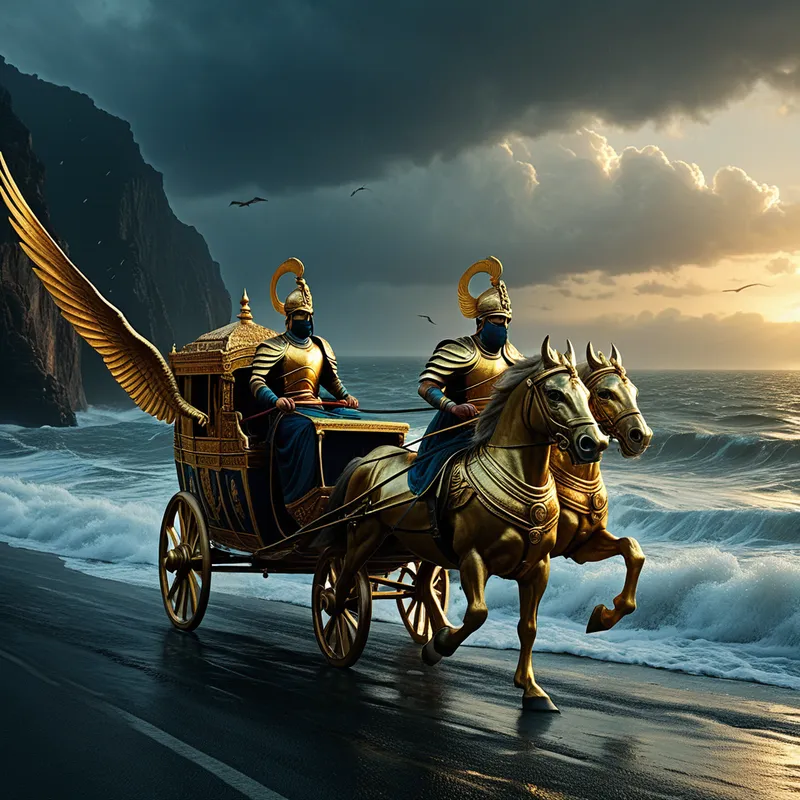
Then came Pelops, a prince with a past as dark as the Underworld itself. He stood on the shore, watching the sun bleed into the sea, and he prayed. Not to Zeus, his grandfather, but to the earth-shaker, Poseidon, who once loved him. The sea grew calm, then foamed. From the waves rose a chariot of gleaming gold, drawn by horses that were not born but fashioned from wind and tide, their hooves striking the water like thunder. This was his answer.
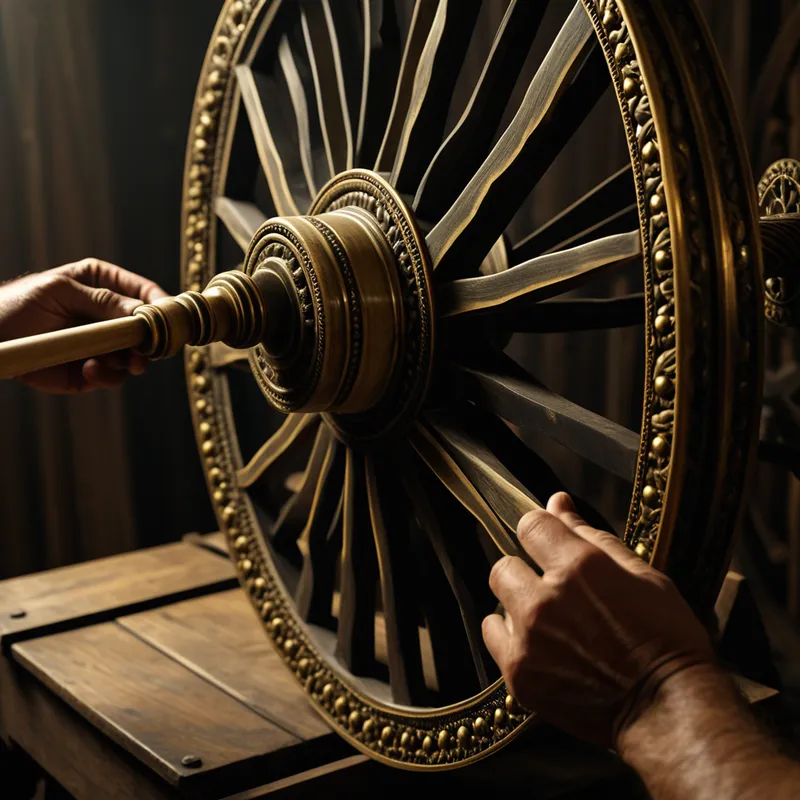
Yet Pelops knew speed alone would not save him. He sought out the king's charioteer, Myrtilus, son of Hermes. In the dark of the stables, amidst the smell of hay and sweat, a bargain was struck. Pelops promised Myrtilus half the kingdom and a night with Hippodamia. For this price, Myrtilus the cunning replaced the king's bronze linchpins with ones carved from wax. The trap was set.
On the day of the race, the crowd was a silent, fearful beast. Hippodamia, her face pale, mounted Pelops's chariot, choosing her fate. The signal was given. The golden chariot shot forward, a bolt of hope against the dusty plain. Oenomaus, laughing a sound like grinding stones, gave chase. His horses, mighty as tempests, closed the gap. The spear in his hand gleamed. But as he leaned for the kill, as his wheels screamed around a bend, the wax linchpins melted and sheared. The axle snapped. Oenomaus was tangled in the reins, dragged and broken by his own divine horses, his prophecy fulfilled in dust and blood.
Pelops returned a victor. But when Myrtilus came to claim his reward, Pelops looked upon the man who had betrayed a king and saw his own reflection. He could not bear it. Driving along a cliff, he cast Myrtilus into the sea. As he fell, the charioteer cursed the house of Pelops with his dying breath, a curse that would echo through generations, from Atreus and Thyestes to the blood-soaked halls of Agamemnon. The kingdom was won, but its foundation was treachery, its cornerstone a broken vow.
Cultural Origins & Context
This myth is a foundational narrative of the Hellenic world, specifically from the region of the Peloponnese, which is named for Pelops himself: "the island of Pelops." It was a charter myth, explaining and legitimizing the rule of the powerful dynasties that claimed descent from him, most notably the Atreids. The story was told and retold by epic poets and tragedians, serving as a crucial prelude to the cycles of the Trojan War and the Oresteia.
Its societal function was multifaceted. On one level, it was an etiological tale, explaining the origin of the Olympic Games, which some traditions say Pelops founded to honor Zeus after his victory. On a deeper level, it served as a grim lesson on the nature of power, succession, and the inescapable weight of ancestral sin. It was a warning that the path to kingship is rarely pure, and that the crimes committed to secure a throne become a poison in the bloodline, a debt the Furies will always collect.
Symbolic Architecture
The chariot race is not merely a contest of speed; it is a profound allegory for the brutal race of life, ambition, and destiny. Pelops, the exiled prince, represents the heroic ego seeking to reclaim a place in the world, to found a new identity and lineage. Oenomaus is the oppressive old order, the tyrannical father-king who hoards power (his daughter) and seeks to destroy all potential successors. The race itself is the perilous journey of individuation, where one must outrun the crushing weight of the past.
The wax linchpin is the fatal flaw hidden within the apparatus of power; it is the unspoken betrayal, the hidden weakness upon which empires and identities pivot.
The horses are crucial. Oenomaus's steeds from Ares symbolize brute, untamed, martial force—power that is destructive and ultimately self-destructive. Pelops's horses from Poseidon represent a different kind of power: fluid, adaptable, born of the unconscious depths (the sea) and divine favor. They suggest that true victory requires aligning with a force greater than one's own will, but this alliance comes with a moral price. Myrtilus, the trickster agent, embodies the necessary shadow—the cunning, amoral intelligence required to defeat a monstrous system. Yet, integrating this shadow is the hero's ultimate failure; he uses it and then discards it, creating the curse. The hero wins the kingdom but loses his integrity, planting the seeds of his dynasty's doom.
The Dreamer's Resonance
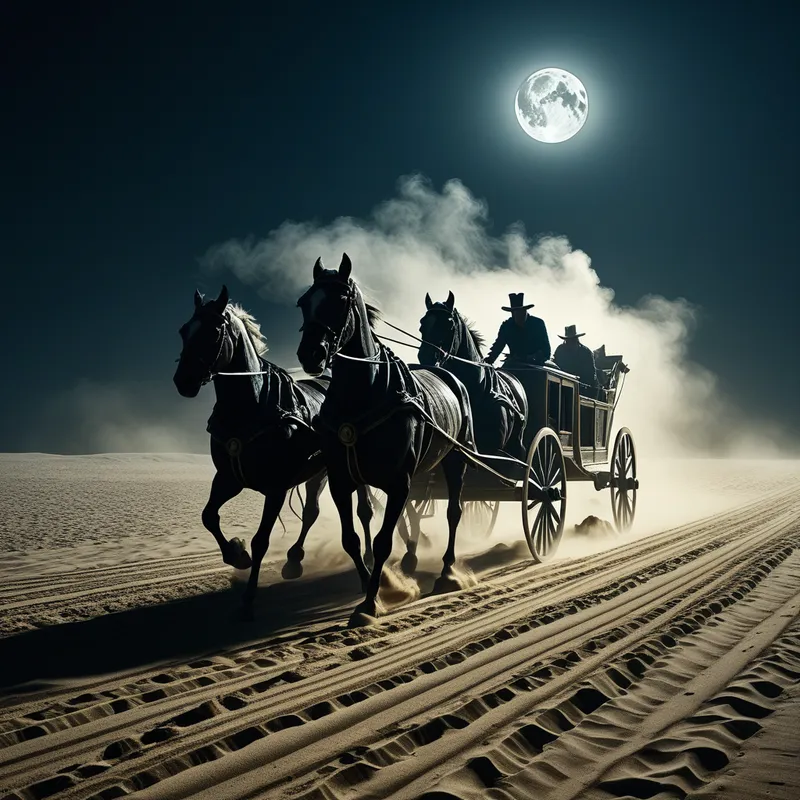
When this myth surfaces in modern dreams, it rarely appears as a literal chariot race. Instead, the dreamer may find themselves in a high-stakes competition where the rules are secretly rigged against them, or they are fleeing a relentless, overpowering pursuer (a boss, a deadline, a past mistake). The somatic feeling is one of desperate exertion, a pounding heart, and the terrifying sensation of something vital—a wheel, a deal, a promise—failing at the crucial moment.
Psychologically, this dream pattern signals a profound engagement with what Carl Jung called the animus (in women) or the heroic ego (in men) in its most extreme, survival-driven form. The dreamer is in a life phase where they feel they must "win" at all costs—secure the promotion, save the relationship, achieve the goal—to establish their place in the world. The dream exposes the hidden cost: the potential betrayal of one's own ethics (the Myrtilus bargain) or the fear that one's success is built on a hidden flaw that will inevitably collapse. It is the psyche's dramatic rehearsal of ambition's perils.
Alchemical Translation
The alchemical process mirrored here is the nigredo, the blackening, the descent into the shadowy realm of necessary corruption to obtain the raw material for transformation. Pelops begins in a state of exile and longing (the materia prima). To achieve his goal—the coniunctio, or sacred marriage, with Hippodamia (symbolizing the integration of a new, life-giving principle)—he must descend. He petitions the deep, unconscious forces (Poseidon) and makes a pact with the trickster-shadow (Myrtilus).
The alchemical gold of kingship is forged in the fire of betrayal, but if the leaden dross of the oath-breaker is not fully transmuted, it taints the entire batch.
The race is the fiery crucible. The destruction of Oenomaus represents the necessary overthrow of an outmoded, tyrannical psychic structure. However, the process is incomplete. The final stage of albedo (whitening, purification) fails. Pelops does not integrate the shadow; he murders it. He throws Myrtilus, the embodiment of his own cunning and moral compromise, into the sea (the unconscious), thinking he can be rid of it. This is the critical error in the individuation process.
The resulting curse is the psychic truth: what we disown and repress does not vanish; it returns with compounded interest, haunting the lineage of the psyche. For the modern individual, the myth models the perilous journey of ambitious self-creation. It warns that achieving one's "throne"—whether in career, creativity, or relationship—often requires navigating ethical grey areas and engaging with one's own shadow. The ultimate triumph, however, lies not in winning the race by any means, but in having the courage to turn and face the Myrtilus within, to offer not murder but integration, lest we build our lives on a foundation of wax, doomed to hear the curse echo in every subsequent victory.
Associated Symbols
Explore related symbols from the CaleaDream lexicon: