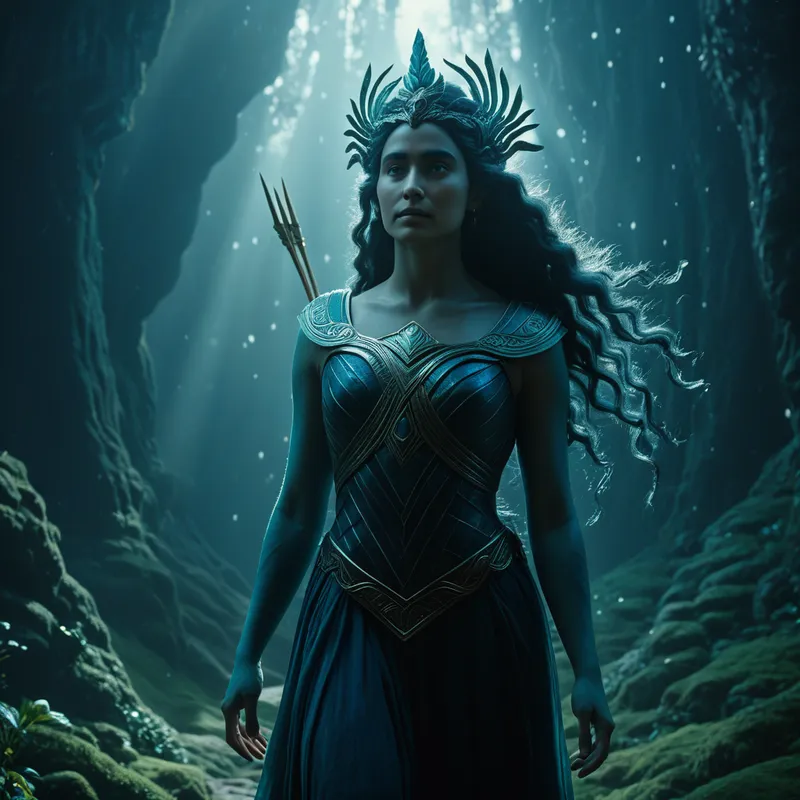
The Lords of Xibalba
The fearsome Mayan underworld gods who ruled Xibalba, challenging souls with treacherous trials and embodying the terror of death.
The Tale of The Lords of Xibalba
In the beginning, before the sun and moon were set in the sky, there was only the silent, watery dark. And within that dark, a deeper place: Xibalba. It was not a kingdom of simple shadow, but a labyrinthine realm of sentient suffering, ruled by a council of dread. These were the Lords of Xibalba, masters of disease, pain, and despair. Their names were their essence: One Death and Seven Death, the supreme rulers; House Corner and Blood Gatherer, who caused bleeding; Pus Master and Jaundice Master, who brought sickness; Bone Scepter and Skull Scepter, who wielded skeletal authority; Trash Master and Stab Master, who presided over filth and violence; and Packstrap and Wing, who brought sudden, crushing pressure.
Their palace was a place of cruel invitations and impossible tests. When the vainglorious hero twins, Hunahpu and Xbalanque, heard their father and uncle had been defeated there, they accepted the Lords’ challenge. The journey itself was the first trial—a steep descent down a thorny path to a river of blood and a river of pus, which they crossed without drinking. They came to a crossroads of colored paths; choosing the black road, the road of the Lords themselves, they arrived at the faceless, silent council hall. There, they were greeted by wooden effigies, a trick to make them greet false rulers and earn instant death. But the twins saw through the deception, addressing the true Lords hidden in the shadows.
The trials began. First, the Dark House, a chamber of absolute blackness. The twins gave fireflies the illusion of a lit cigar, surviving the night. Then the Razor House, where blades swung of their own accord; they charmed the blades into stillness. In the Cold House, they endured the killing frost. In the Jaguar House, they tossed bones to the beasts to sate them. In the Fire House, they remained unscathed. But in the Bat House, Hunahpu’s head was severed by a swooping Camazotz, the death bat. Through cunning and the magic of regeneration—a squash carved as a false head—Xbalanque restored his brother.
Having survived the houses, the twins engaged in the final, sacred ballgame. They allowed themselves to be defeated, sacrificed, and ground into bone dust cast upon a river. From that dissolution, they resurrected as miraculous vagabond dancers and magicians. Returning to Xibalba in disguise, they performed wonders: burning houses and restoring them, sacrificing a dog and bringing it back to life. Entranced, the Lords demanded to be sacrificed and revived, to taste this ultimate power. The twins obliged, but for the Lords, there was no return. Thus did the arrogant powers of the underworld fall to their own hunger for transcendence, and the twins ascended to become the sun and the moon, imposing a new order upon the cosmos. Yet Xibalba remained, its terrors undiminished, awaiting all souls who must walk the black road.
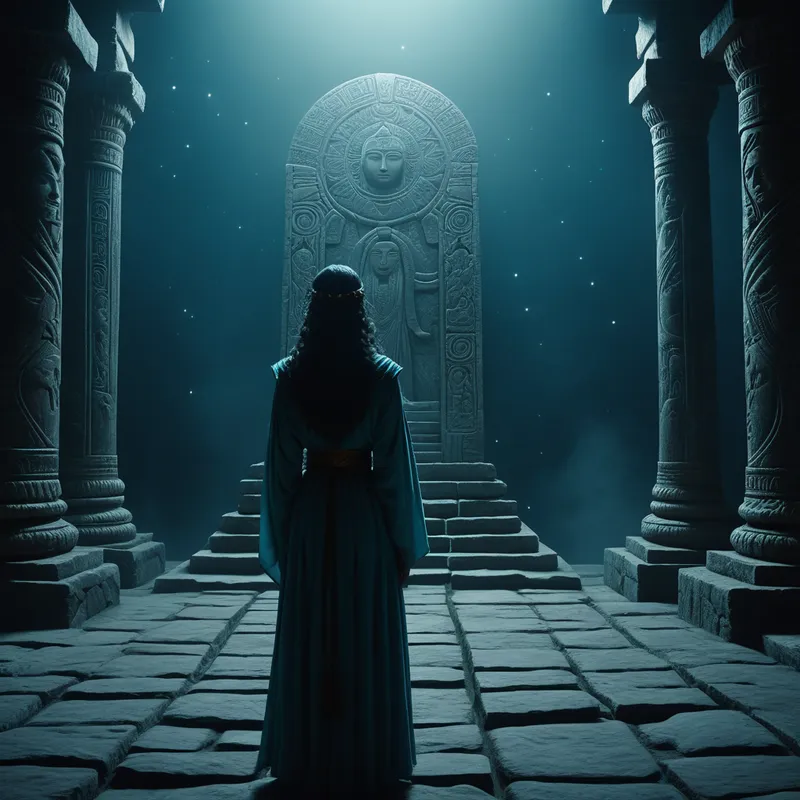
Cultural Origins & Context
The myth of the Lords of Xibalba is preserved in the Popol Vuh, the post-conquest transcription of K'iche’ Maya sacred narrative. It is not merely a story of heroism, but a profound cosmological map. For the Maya, death was not an end but a transition into a complex, hierarchical reality mirroring the world above. Xibalba, often translated as “Place of Fright,” was a definitive component of this reality, a necessary counterbalance to the world of the living.
The Lords represent a systematization of suffering. They are not chaotic demons but bureaucratic administrators of agony, each with a specific portfolio. This reflects a worldview where even the horrors of death—bleeding, swelling, jaundice, putrefaction—are governed by a cold, institutional logic. Their defeat by the Hero Twins does not annihilate the underworld; instead, it establishes a fragile truce and a template for the human condition. It confirms that death is inevitable and terrifying, but that cunning, ritual knowledge, and the acceptance of sacrifice (both literal and symbolic) can navigate its perils. The myth served as an initiatory text, teaching that the path through life and into the afterlife is fraught with deceptive tests that require both purity of heart and strategic intelligence to pass.
Symbolic Architecture
The architecture of Xibalba is psychology rendered in stone and shadow. The descent is not just spatial but moral, a stripping away of worldly pretenses. The colored crossroads represent choices of essence—the black road is the road of truth, however terrible, leading directly to the core of the mystery. The silent council hall with its dummy lords is the ultimate test of perception: can one see through the superficial presentation of power to the true, hidden sources of fear?
The Houses of Trial are not random tortures but alchemical vessels. Each house—Darkness, Razors, Cold, Jaguars, Fire, Bats—corresponds to a specific psychic state or existential fear: the terror of the unknown, the pain of self-dissection, the numbness of despair, the threat of untamed instinct, the crucible of transformation, and the sudden, decapitating shock of fate.
The ballgame is the central metaphor. It was the Mesoamerican ritual par excellence, representing the movement of celestial bodies and the struggle between life and death, order and chaos. To play the game in Xibalba is to engage death on its own terms, using its own sacred language. The twins’ strategic defeat and subsequent grinding into dust is the myth’s deepest insight: total disintegration is the prerequisite for a higher, more powerful reconstitution. One must become nothing to become everything.
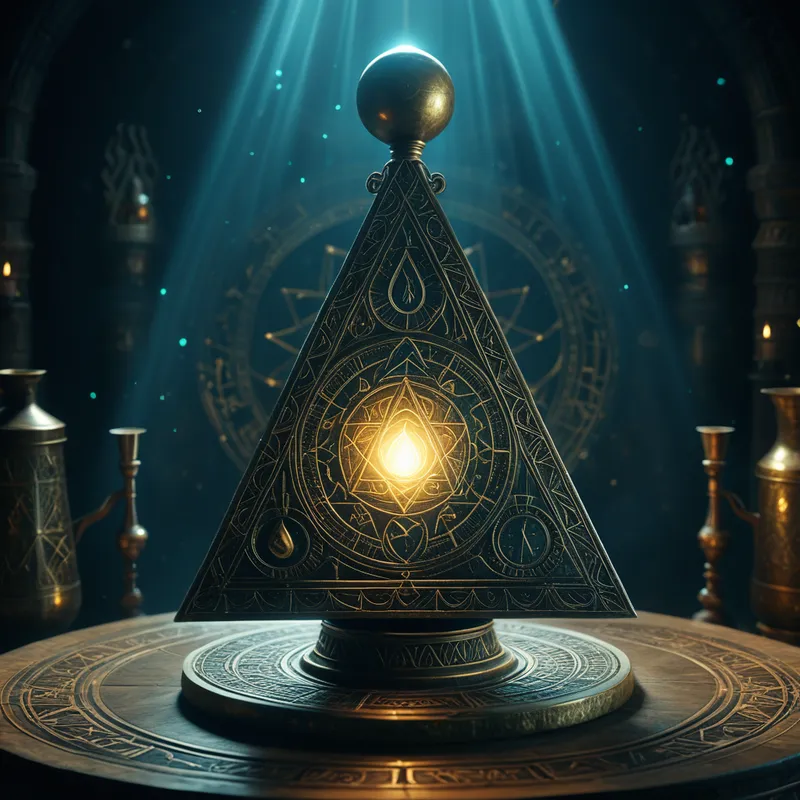
The Dreamer's Resonance
To encounter the Lords of Xibalba in the inner landscape is to meet the assembled council of one’s deepest fears, shames, and sicknesses. They are the personified anxieties that hold court in the midnight psyche, each a specialist in a particular form of suffering. The Pus Master presides over festering, unhealed wounds of guilt; the Trash Master over feelings of worthlessness and self-loathing; One Death over the existential dread of non-being.
The dreamer’s journey through their trials mirrors the process of confronting what psychologist Carl Jung termed the Shadow—not just personal failings, but the collective, archetypal underbelly of existence. We are all invited to Xibalba, not at the end of life, but in moments of crisis, depression, and profound loss. The myth teaches that to simply flee or fight these lords directly is to fail. One must, like the twins, employ metis (cunning intelligence), illusion, and a willingness to be broken apart. The psyche’s healing often requires a symbolic death, a surrender to the grinding process, trusting in a latent capacity for rebirth that the conscious ego cannot fathom. The Lords are ultimately defeated by their own nature—their curiosity and hunger for the very magic (transformation) they cannot tolerate. In our inner work, our darkest parts can also be integrated not through brute force, but by engaging their logic and transforming it from within.
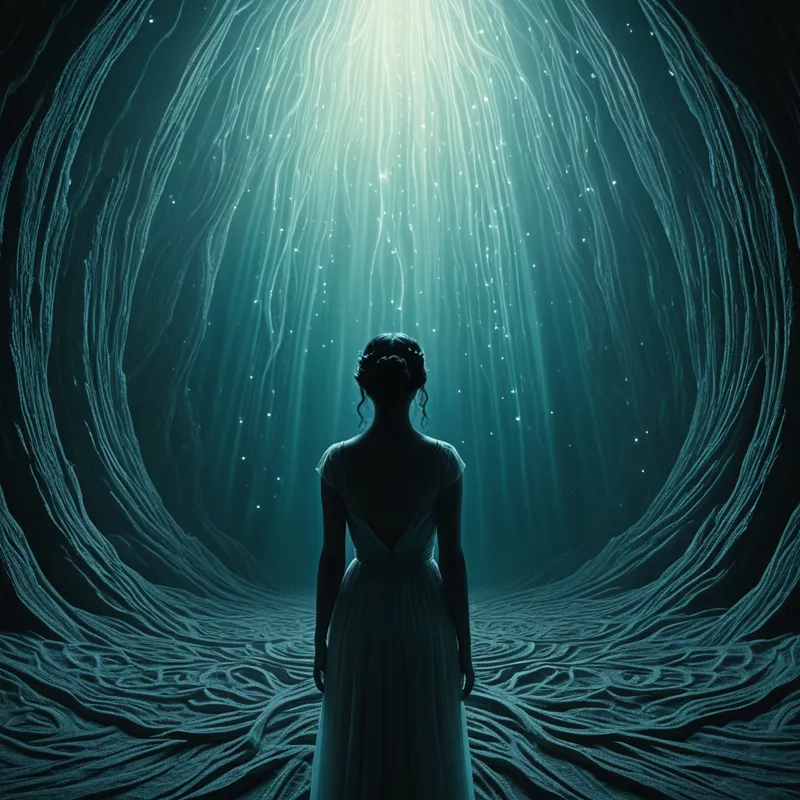
Alchemical Translation
In the alchemical opus, the journey is one of dissolution (nigredo) and coagulation (albedo, rubedo). Xibalba is the vessel for the nigredo, the blackening, the descent into primal matter. The Lords are the corrosive agents—the acids and fires—that break down the impure ego. The Hero Twins are the dual principles of spirit and soul, consciousness and unconsciousness, working in tandem to undergo the process.
The ballgame sacrifice is the mortificatio, the killing of the old king. The grinding of bones upon the river is the solutio, reduction to essential, incorruptible substance (the lapis, or philosopher’s stone). The resurrection as dancers is the sublimatio, the ascent in a new, spiritualized form.
This is not a bypassing of darkness but a full immersion and transmutation of it. The power of the Lords—their absolute reign over decay and suffering—becomes the very fuel for enlightenment. The alchemical lesson is that the “stone of power” is not found on the mountain of achievement, but in the muddy river of the underworld, fashioned from the bones of our deepest defeats. To integrate the Lords is to gain sovereignty over the inner kingdom, not by banishing fear and death, but by understanding their necessary, transformative role in the cycle of being.
Associated Symbols
Explore related symbols from the CaleaDream lexicon:
- Underworld — The realm of the dead and the unconscious, a necessary landscape of dissolution and potential rebirth where all that is repressed or feared holds court.
- Death — The great transformer and initiator, not as final end but as a passage through the terrifying trials that purify the soul.
- Trickster — The cunning intelligence embodied by the Hero Twins, which uses illusion, strategy, and adaptability to navigate rigid systems of oppressive power.
- Sacrifice — The voluntary surrender to disintegration, the essential act that unlocks the cycle of death and regeneration, fooling the powers of stagnation.
- Rebirth — The emergence from the grinding mill of suffering into a new, more luminous form of being, as the sun and moon are born from underworld ash.
- Darkness — The fertile, terrifying void of the Dark House, a state of not-knowing that precedes the spark of consciousness and the facing of one's true form.
- Mirror — The reflective surface of Xibalba’s deceptions, revealing not one's face but the true nature of the powers one faces, demanding perfect perception.
- Journey — The steep, thorny descent along the black road, an archetypal voyage into the depths that is both external pilgrimage and internal confrontation.
- Ritual — The formalized actions of the ballgame and the magical dances, the sacred performances that manipulate the fabric of reality and destiny itself.
- Bone — The indestructible essence that remains after the flesh of ego is stripped away, the core material from which the new self is reconstructed.
- Labyrinth — The complex, deceptive architecture of Xibalba, representing the convoluted pathways of the psyche one must navigate to reach the center of one's fear.
- Shadow — The collective embodiment of the denied, feared, and malignant aspects of existence, given form and name as the ruling council of the deep.