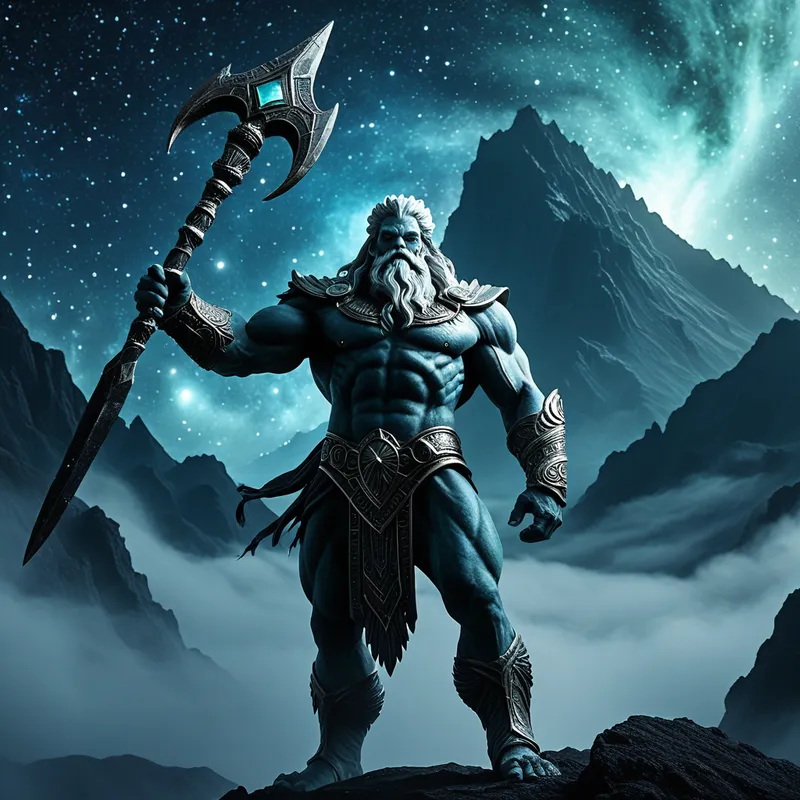
The Greek Titan Cronus (Father Myth Meaning & Symbolism
The Titan Cronus, fearing prophecy, swallows his newborn children, until his son Zeus escapes and forces him to disgorge the past, ushering in a new age.
The Tale of The Greek Titan Cronus (Father
In the beginning, before the gods of Olympus learned to laugh, the world was a groaning, heaving place of raw force. The sky, Ouranos, lay heavy upon the earth, Gaia, in a suffocating embrace, pinning her children—the monstrous Hecatoncheires and the one-eyed Cyclopes—deep in her dark womb. Their cries were the tremors of earthquakes, unheard in the heavens.
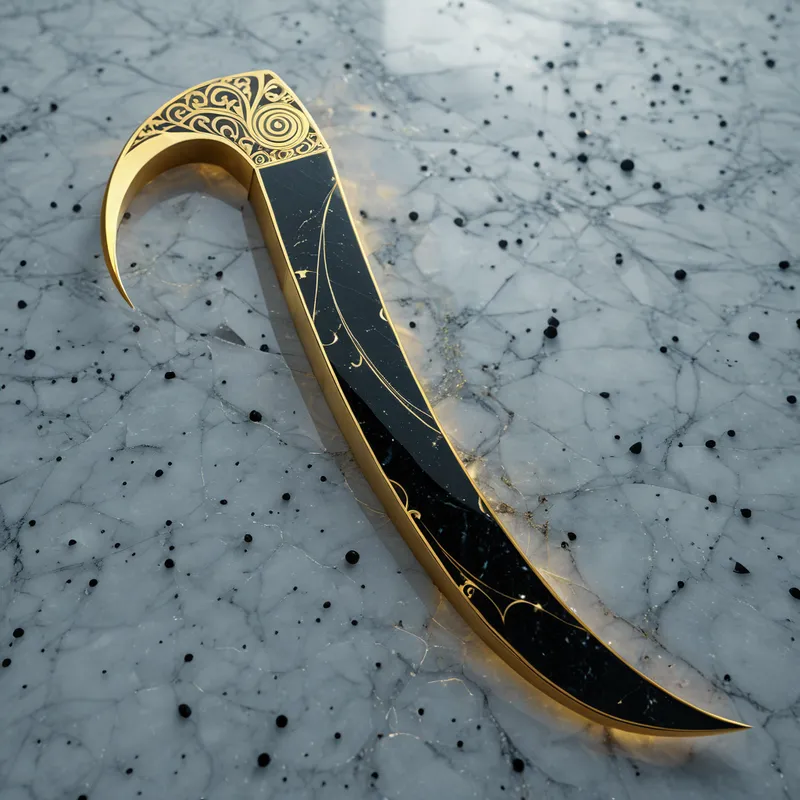
From Gaia’s fury and cunning was born her last, most formidable brood: the Titans. And the youngest of these, the most ruthless and clear-eyed, was Cronus. Gaia placed in his hand a sickle of adamant, its edge sharpened on her own whispered grievances. “Free me,” she implored, “and free your siblings.” When Ouranos next descended to cover the earth, Cronus struck. With a single, terrible sweep, he severed the Sky from the Earth. The blood that rained upon the land gave birth to Furies and Giants, and from the foam of the severed flesh, cast upon the sea, rose Aphrodite. Thus did Cronus become King, casting his father into the void and freeing the world from that first tyranny.
He took his sister Rhea</ab title> as his queen, and a golden age was proclaimed. But the silence after his act was not peace; it was the quiet of dread. For Gaia and Ouranos had spoken a prophecy: just as he had overthrown his father, so too would Cronus be overthrown by his own child. This truth coiled around his throne like a serpent.
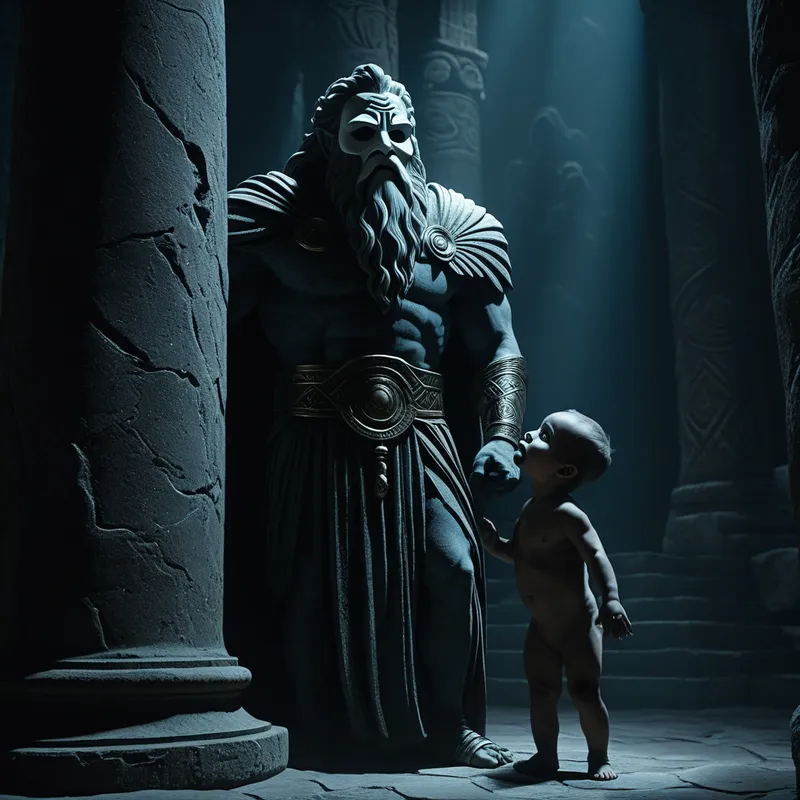
So, when Rhea bore their first glorious child—Hestia—Cronus did not rejoice. He asked to hold the babe, his eyes not of a father but of a king assessing a threat. And then, opening his maw not to kiss but to consume, he swallowed the infant whole. The same fate befell Demeter, and Hera, and Hades, and Poseidon. Each newborn divinity vanished into the dark, silent prison of their father’s belly, where time stood still. Rhea’s grief became a mountain, her tears a hidden spring.
When she was heavy with her sixth child, her desperation forged a plan. As her time came, she fled to a secret cave on Crete. There, attended by dancing Curetes who clashed their spears to mask the infant’s cries, she gave birth to a son. She named him Zeus. Wrapping a stone in swaddling clothes, she returned to Cronus and presented the bundle. Without a glance, the Titan King took it and consumed it, believing the line of succession was once more safely entombed within him.
But Zeus grew strong on the milk of the goat Amalthea in his hidden Cretan cave. When he came of age, guided by the wisdom of the Titaness Metis, he presented himself to Cronus as a cupbearer. Into his father’s drink, he poured not wine, but a powerful emetic. Cronus convulsed. He vomited forth first the stone, then, in reverse order, his children: Poseidon, Hades, Hera, Demeter, Hestia—whole, divine, and burning with a fury nurtured in darkness. The war that followed, the Titanomachy, shook the cosmos. With the freed Cyclopes forging thunderbolts for Zeus, the Titans were finally cast down, imprisoned in the deepest pit of Tartarus. Cronus, the devouring king, was dethroned. Time, which he had sought to stop by consuming the future, began to move forward once more.
Cultural Origins & Context
The myth of Cronus is a foundational stratum in the complex geology of Greek mythology, primarily preserved in the epic poetry of Hesiod’s Theogony (c. 700 BCE). This was not mere entertainment; it was a sacred narrative explaining the origins of cosmic order (cosmos) from primal chaos (chaos). Performed orally by bards, it served a critical societal function: legitimizing the new Olympian order of Zeus by detailing the necessary, if brutal, overthrow of the preceding regime. The story encodes a deep cultural anxiety about succession, power, and the inevitable conflict between generations. It reflects a worldview where sovereignty is never absolute but is always contingent, won through cunning and force, and perpetually under threat from the very lineage it creates. The myth also likely contains echoes of pre-Hellenic, possibly Near Eastern, influences concerning divine kingship and generational conflict, filtered through the Greek lens to explain their own understanding of time (chronos) and rightful rule.
Symbolic Architecture
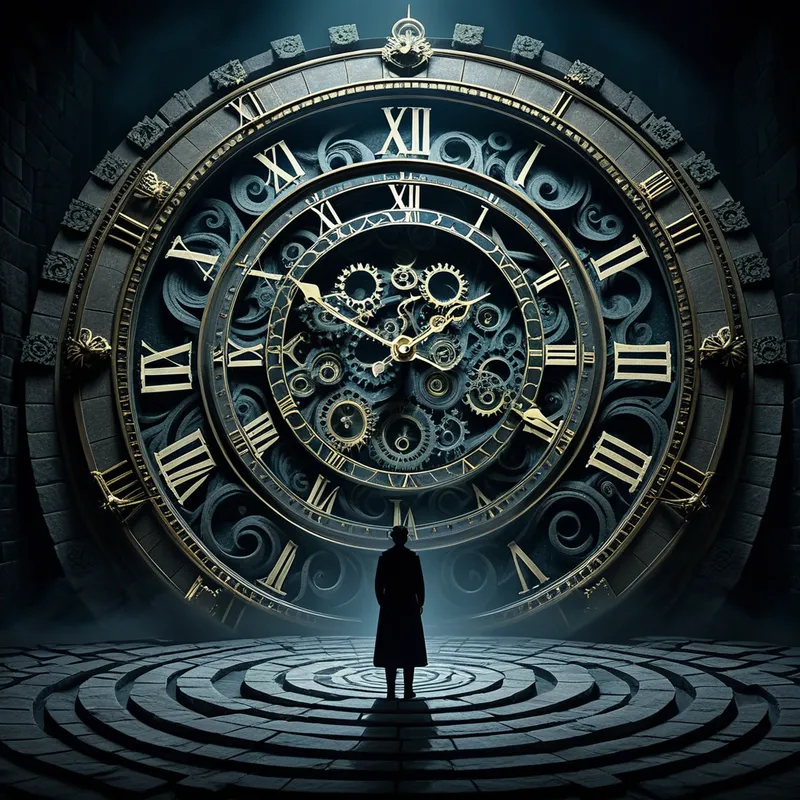
Cronus is not merely a cruel father; he is the archetypal embodiment of the status quo that refuses to yield, of Chronos—Time itself—that consumes all things. His act of swallowing his children is the ultimate symbolic paradox: a attempt to preserve the present by annihilating the future.
The devouring king represents the psyche’s tendency to internalize and neutralize potential, to keep new life, new ideas, and new growth trapped in the darkness of the unconscious, lest they disrupt the established order of the ego.
The swallowed children symbolize nascent potentials, creative drives, and future selves that are not allowed to develop. They exist in a state of suspended animation within the “belly” of the old identity. Rhea represents the creative, generative principle that ultimately rebels against this stagnation, employing cunning (metis) instead of direct confrontation. The stone given to Cronus is a profound symbol of the literal, dead weight of deception that the old consciousness accepts in place of living truth. Zeus’s act of forcing the disgorgement is the catalytic moment of crisis and release—a psychic revolution where what was repressed must be confronted and integrated, not as infants, but as powerful, fully-formed forces (the Olympians).
The Dreamer's Resonance
To dream of a Cronus figure—an authority that consumes, a system that stifles, or a personal habit that devours one’s vitality—is to encounter the psyche’s own tyrannical governance. Somatic sensations may include a feeling of constriction in the throat or gut, a weight on the chest, or a pervasive sense of being trapped in a cycle.
Psychologically, this dream pattern signals a critical impasse in development. The dreamer may be “swallowing” their own voice, ambitions, or emotional needs to maintain a fragile peace (in a family, job, or internal self-image). The dream is an expression of the Self demanding a “Titanomachy”—an inner war for liberation. The appearance of a hidden child (a Zeus figure) or a helping trickster (a Metis figure) in the dream points to the emerging resource that will engineer the upheaval. The process is rarely gentle; it involves the nausea of forced release, the convulsive vomiting forth of old, undigested patterns and potentials that can no longer remain internalized.
Alchemical Translation
The myth of Cronus is a brutal but precise map for the alchemical process of individuation, specifically the stage of nigredo—the blackening, the confrontation with the shadow, and the dissolution of the old, rigid personality structure (the Saturnine, Cronian rule).
The goal is not to destroy the Titan, but to depose him from absolute authority, transforming his raw, cyclical, devouring energy into a structured principle of limitation and maturity.
First, one must recognize the “Cronus within”: the internalized critic, the fear-based controller, the part that says “this new growth is a threat to who I am” and seeks to consume it. This is the necessary separatio, identifying the oppressive force. The “Rhea’s cunning” is the development of a new psychological function—often introverted intuition or feeling—that works in secret to nurture the nascent Self (Zeus) outside the old system’s awareness. The “swallowed children” are all the disowned talents, emotions, and identities we have ingested. The alchemical work is to drink the “emetic of truth”—perhaps through therapy, crisis, or profound self-reflection—and actively, painfully, retrieve these parts. They do not return as helpless infants, but as powerful, autonomous complexes (the inner Olympians) that must be integrated into a new, more complex psychic polity. The deposed Cronus, bound in Tartarus, becomes the accepted principle of necessary limits, the ring-pass-not of the psyche, and the sober awareness of time’s passage, now in service to a more conscious, sovereign Self.
Associated Symbols
Explore related symbols from the CaleaDream lexicon: