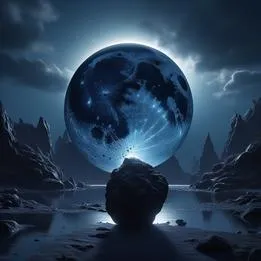
Moon
The Oracle's Essence
The Moon symbolizes intuition, emotional depth, and the cyclical nature of life, often reflecting the inner self and subconscious desires.
Interpretive Themes
✧ Archetypal Essence
Lover
Dominant Influence ( 85%)
The Moon is the Lover's mirror, reflecting the soul's tides, the pull of deep feeling and the beauty of cyclical devotion.
The Light
The Moon is the Lover's mirror, reflecting the soul's tides, the pull of deep feeling and the beauty of cyclical devotion.
The Shadow
The Moon is the Lover's mirror, reflecting the soul's tides, the pull of deep feeling and the beauty of cyclical devotion.
Modern Visibility
In contemporary culture, the Moon is often associated with femininity, creativity, and spiritual guidance, frequently depicted in art, literature, and media as a source of mystery and reflection.
◈ Mythological Resonance
Reference Myth Meaning & Symbolism
Global/Universal traditionExplore the profound myth of Reference, the cosmic librarian who holds the universe's memory. Discover its psychological meaning for modern identity and the search for truth.
Alignak the Moon God Myth Meaning & Symbolism
Inuit traditionThe central symbol of Alignak himself, representing cold reflection, cyclical time, the unconscious mind, and the governance of hidden tides.
Fenghuang Myth Meaning & Symbolism
Chinese traditionRepresents the yin aspect of the Fenghuang, embodying receptive wisdom, intuition, cyclical renewal, and empathic grace.
Aningaaq and Malina Myth Meaning & Symbolism
Inuit traditionThe celestial embodiment of Aningaaq, representing the reflective, shadowy, and intuitive self marked by a primal shame, forever fleeing the light of full consciousness.
Apolaki Myth Meaning & Symbolism
Filipino traditionThe reflective, unconscious psyche and the principle of receptive intuition that Mayari embodies, governing dreams, tides, memory, and the hidden self.
Aswang Myth Meaning & Symbolism
Filipino traditionThe celestial body that governs the Aswang’s power, representing the cyclical, nocturnal, and feminine dominion of the unconscious and instinctual world.
Bakunawa the Sea Serpent Myth Meaning & Symbolism
Filipino traditionThe celestial object of desire and beauty, representing consciousness, cyclicality, and the fragile light of the ego that is periodically threatened by the unconscious.
Bulan the Moon God Myth Meaning & Symbolism
Filipino traditionThe central symbol of reflected consciousness, gentle illumination, and cyclical presence within darkness, directly embodying Bulan's essence and sacrifice.
Chukwu Creator God Igbo Myth Meaning & Symbolism
African traditionSymbolizes Ala, the principle of the unconscious, reflection, feminine energy, receptive fertility, and the hidden, cyclical world of spirit and mystery.
Coatlicue Earth Mother Myth Meaning & Symbolism
Aztec traditionThe beautiful but rigid order of Coyolxauhqui, symbolizing a pristine, static identity that must be broken apart for true transformation to occur.
Coniraya and Cavillaca Myth Meaning & Symbolism
Incan traditionThe celestial body representing Coniraya, symbolizing cyclical change, reflection, the unconscious, and the cunning, transformative power that works in shadows.
Coyolxauhqui Moon Goddess Myth Meaning & Symbolism
Aztec traditionThe fragmented, reflective light of Coyolxauhqui, representing the emotional body and cyclical nature of the psyche after its unifying ego-structure is broken.
Coya Raymi Moon Festival Myth Meaning & Symbolism
Incan traditionThe central deity and symbol of reflective consciousness, borrowed light, cyclical time, and the reconciliation of brilliance with inherent shadow.
Daebyeol and Sobyeol Sun and Moon Myth Meaning & Symbolism
Korean traditionThe reflective, unconscious wisdom born from sacrifice, representing intuition, cycles, and the receptive principle that governs the night of the soul.
Dewi Ratih Myth Meaning & Symbolism
Indonesian traditionThe primary symbol of Dewi Ratih, representing reflective consciousness, cyclical time, the rhythm of Eros, and the enduring light that returns after every period of darkness.
Gumiho the Nine Tailed Fox Myth Meaning & Symbolism
Korean traditionThe celestial body governing transformation, illusion, and the unconscious, under whose light the Gumiho performs her shape-shifting rites.
Gereltei the Radiant One Myth Meaning & Symbolism
Mongolian traditionThe reflective shard of Gereltei, symbolizing the intuitive, receptive function that illuminates the inner night and governs the cyclical nature of the unconscious.
Iemanja in Brazil Myth Meaning & Symbolism
African Diaspora traditionOften associated with Iemanja as a ruler of tides and cycles, governing the ebb and flow of emotions, fertility, and intuitive knowing.
Hou Yi the Divine Archer Myth Meaning & Symbolism
Taoist traditionThe destination of Chang'e and the symbol of separated Yin, representing the soul, reflection, cold beauty, and the eternal, longing counterpart to the solar hero's grounded existence.
Ix Chel Moon Goddess Myth Meaning & Symbolism
Mesoamerican traditionThe primary body of Ix Chel, representing her cyclical nature, the rhythm of time, the reflective unconscious, and the process of periodic wholeness and retreat.
Jaci Moon Goddess Myth Meaning & Symbolism
Amazonian traditionThe primary symbol of Jaci herself, representing cyclical time, gentle influence, reflective consciousness, and the rhythmic pull on the waters of the unconscious.
Kapre Myth Meaning & Symbolism
Filipino traditionThe celestial body governing the time of the Kapre’s activity, symbolizing the reflective, non-rational, and shadowy realm of intuition, dreams, and the cyclical nature of the psyche.
Kongji and Patji Myth Meaning & Symbolism
Korean traditionReflects the cyclical nature of Kongji’s fate, the feminine intuition that guides her, and the celestial body that often oversees magical transformations in the myth.
Leak Myth Meaning & Symbolism
Indonesian traditionThe crescent moon is the Leak’s celestial ally, governing its cycles of activity and symbolizing the reflective, often deceptive, and transformative power of the unconscious.
La Sirene Myth Meaning & Symbolism
African Diaspora traditionGoverns the tides and La Sirene’s power; symbolizes the reflective, intuitive, feminine principle that rules the nocturnal and emotional depths.
Lakapati Myth Meaning & Symbolism
Filipino traditionThe cyclical, reflective body governing tides and growth, symbolizing the rhythms of fertility, the unconscious, and the gentle, receptive power that guides organic development.
Lakambini Myth Meaning & Symbolism
Filipino traditionThe celestial body associated with femininity, cycles, and reflection, mirroring Lakambini's gentle, illuminating, and cyclical presence as a witness to the mortal world.
Libulan Myth Meaning & Symbolism
Filipino traditionThe ultimate symbol of Libulan’s transformed state: reflective, cyclical, governing tides and emotions, a light born of sacrifice and connection.
Manananggal Myth Meaning & Symbolism
Filipino traditionGoverns the cycle of the Manananggal's transformation, representing the pull of the unconscious, cyclical compulsions, and the illumination of hidden, nocturnal aspects of the psyche.
Mangkukulam Myth Meaning & Symbolism
Filipino traditionThe cyclical, reflective light that illuminates the shadowy realms, governing intuition, the unseen, and the feminine principle of deep, transformative magic.
Marama the Moon Myth Meaning & Symbolism
Maori traditionThe central symbol of cyclical death and rebirth, the guiding light in darkness, and the rhythmic, feminine principle of time and the unconscious.
Mawu-Lisa the Dual Creator Myth Meaning & Symbolism
West African traditionRepresents the Mawu principle: intuition, the unconscious, cyclical time, receptivity, dreams, and the gentle, formative power of night.
Metztli the Moon Myth Meaning & Symbolism
Aztec traditionThe central symbol of reflected light, cyclical death and rebirth, and the governance of hidden, intuitive, and fluid aspects of reality, directly embodying Metztli’s transformed state.
Mayari Myth Meaning & Symbolism
Filipino traditionThe primary symbol of Mayari herself, representing cyclical time, reflective consciousness, the feminine principle, and the gentle light that guides through darkness.
Nana Buluku the Primordial Creator Myth Meaning & Symbolism
West African traditionThe celestial body of Mawu, symbolizing the feminine, receptive, cool, intuitive, and mysterious aspects of creation.
Nana Buruku in Candomble Myth Meaning & Symbolism
African Diaspora traditionGoverning the tides, intuition, and the cyclical, reflective qualities associated with Nana's still waters and feminine mystery.
Nanahuatl the Humble Sun Myth Meaning & Symbolism
Aztec traditionThe symbol of the hesitant ego; a reflective, derivative light that follows the true source, representing incompletion and belated action.
Nana Buruku Myth Meaning & Symbolism
Yoruba traditionReflecting her passive, receptive, and cyclical nature, governing the hidden tides of the unconscious and the process of psychic gestation.
Pre-Islamic Arabia Al-Jahiliyya Myth Meaning & Symbolism
Arabian traditionThe crescent that lights the night journeys and gatherings, a symbol of cyclical time, fleeting beauty, and the reflective, poetic consciousness that emerges in the dark.
Qamar al-Zaman and Princess Budur Myth Meaning & Symbolism
Arabian traditionThe central symbol for both protagonists, representing cyclical destiny, reflected beauty, the unconscious, and the guiding light in the darkness of separation.
Raven Steals the Light Myth Meaning & Symbolism
Inuit traditionThe reflective, intuitive, and emotional light stolen alongside the sun, governing the tides of feeling and the unseen realms.
Sin the Moon God Myth Meaning & Symbolism
Babylonian traditionThe primary symbol of Sin, representing cyclical time, reflective consciousness, the rhythms of nature, and the illuminated unconscious.
The Angel of Forgetfulness Myth Meaning & Symbolism
Jewish traditionThe reflective, subconscious mind that holds the memory of the soul's divine light, now seen indirectly, in phases and glimpses.
The Boto the River Dolphin Seducer Myth Meaning & Symbolism
Amazonian traditionThe celestial trigger for the Boto's emergence, governing the tides of emotion, intuition, and the nocturnal realm where hidden desires surface.
The Celestial Hunt Myth Meaning & Symbolism
Siberian traditionThe celestial body born from the Elk's wound, representing the cyclical, reflective light of the unconscious that guides the night-time journey of the soul.
The Descent of the Moon God Myth Meaning & Symbolism
Sumerian traditionThe central deity and symbol of cyclical time, conscious light, and the ego’s journey through phases of visibility and integration with the unconscious.
The Dragon King of the Sea Myth Meaning & Symbolism
Korean traditionThe reflective, feminine luminary that rules the tides, intimately connected to the Dragon King's domain and the cyclical, emotional nature of the unconscious.
The Drum Dance Origin Myth Meaning & Symbolism
Inuit traditionSymbolizes the cold, reflective realm of the dead, the unconscious, and the place where lost essences reside in their pure, remembered form.
The First Eclipse Myth Meaning & Symbolism
Inuit traditionThe reflective, instinctual, and hungry aspect of the self that pursues wholeness, operating in cycles of need, pursuit, and replenishment.
The Fon Creation Myth Meaning & Symbolism
West African traditionEmbodied by Mawu, representing the unconscious, receptive fertility, feminine energy, intuition, and the power to shape and moisten.
The Iara River Maiden Myth Meaning & Symbolism
Amazonian traditionGoverning the tides and the feminine cyclical nature, it illuminates Iara's appearances, connecting her to intuition, madness, and reflected, illusory light.
The Island of the Moon Myth Meaning & Symbolism
Incan traditionThe central archetype of reflective consciousness, cyclical time, the feminine, and the soul’s inner light, embodied by Mama Killa’s retreat to claim her sovereignty.
The Kojiki Creation Myth Meaning & Symbolism
Shinto traditionTsukuyomi-no-Mikoto, born alongside the sun, representing reflection, the cyclical nature of the unconscious, and the receptive, illuminating quality of introspection.
The Night of Power Sufi Myth Meaning & Symbolism
Sufi traditionA symbol of reflected light and the receptive, feminine principle, often associated with the cyclical nature of spiritual insight and the holy month of Ramadan.
The Moon's Lover Myth Meaning & Symbolism
Mongolian traditionThe central symbol of the numinous, the unconscious feminine, reflective beauty, and cyclical change, whose wounding by mortal desire sets the entire cosmic drama in motion.
The Owl and the Raven Myth Meaning & Symbolism
Inuit traditionThe celestial body associated with Owl, reflecting the passive, receptive, and intuitive wisdom that complements the sun's active light.
The Pink River Dolphin Encanto Myth Meaning & Symbolism
Amazonian traditionThe celestial body governing tides, intuition, and enchantment; its light triggers the Boto’s transformation and illuminates the path to the river.
The River of Milk Myth Meaning & Symbolism
Amazonian traditionThe celestial body that governs cycles, fluids, and the feminine, often seen as a reflector of the River of Milk's light and a regulator of its tidal flow within the soul.
The Rabbit in the Moon Aztec Myth Meaning & Symbolism
Aztec traditionThe eternal canvas and witness, symbolizing the reflective unconscious mind where acts of true spirit are permanently recorded as archetypal patterns.
The Sun Stone Calendar
Aztec traditionThe transformed pride of Tecciztecatl, representing reflective light, hesitation, and the secondary, marked consciousness that follows the primary act of courage.
The Throne of God Kursi Myth Meaning & Symbolism
Islamic traditionA symbol of reflected light and measured time, governing cycles within the stable order established by the eternal, unchanging Throne.
The Tortoise Trickster West African Myth Meaning & Symbolism
African traditionThe celestial body under which such tales were often told, associated with cycles, trickster energy, intuition, and the revealing of hidden deeds.
The Wheel of Life Myth Meaning & Symbolism
Tibetan Buddhist traditionThe cool, reflective symbol of liberation and enlightenment that the Buddha points to, representing the clarity of mind that lies beyond the wheel's turmoil.
Tlazolteotl Myth Meaning & Symbolism
Aztec traditionSpecifically the crescent moon Tlazolteotl rides, representing cyclical cleansing, the waning of the old self, and the feminine principle of transformation.
Vodyanoy Myth Meaning & Symbolism
Slavic traditionThe celestial body governing the Vodyanoy's power, linking him to cycles, tides, reflection, and the non-rational, nocturnal side of existence.
Vodun and the Loa Myth Meaning & Symbolism
West African traditionThe aspect of Mawu, representing the feminine, receptive, intuitive, and cyclical nature of consciousness, the cool light that illuminates the depths of the night psyche.
Womba the Mad Moon Myth Meaning & Symbolism
Aboriginal Australian traditionThe central entity, representing the cyclical, receptive, and emotional psyche, which here undergoes a catastrophic fracture and transformation.
Al-Miraj the Horned Rabbit
Arabian traditionThe celestial body governing cycles, the unconscious, reflection, and the hidden, receptive aspects of nature mirrored in the rabbit’s essence.
Batara Kala
Indonesian traditionAs Dewi Uma, the luminous, reflective mother perpetually pursued and eclipsed, symbolizing the soul’s rhythmic cycles vulnerable to time’s ravages.
Chang'e Flies to the Moon
Taoist traditionThe celestial body of reflection, cycles, and the unconscious, becoming a palace of exile and eternal, cool contemplation.
Grim Reaper Jeoseung
Korean traditionThe cold, illuminating light that reveals the landscape of the soul in the absence of the sun’s vitality, akin to the Reaper’s pale, revealing presence.
Hina Moon Goddess Hawaiian
Hawaiian traditionThe celestial body that is Hina’s manifested form and domain, governing cycles, intuition, and the reflective, feminine principle.
Huitzilopochtli Defeats the Four Hundred Stars
Aztec traditionThe reflective, dismembered counterpart to the sun, representing the fate of the old ruling complex, now subdued and integrated into the new hierarchy of light.
Hunahpu and Xbalanque
Mesoamerican traditionThe companion light, representing reflective wisdom, cyclical change, and the intuitive, instinctual power that complements solar consciousness.
Izanagi's Purification
Shinto traditionThe reflective, measuring counterpart to the sun, born from complementary purification, governing cycles, intuition, and the unseen realms.
Lilith First Wife of Adam
Hebrew traditionThe celestial body governing cycles, the unconscious, and the dark, potent feminine, a counterpoint to the sun’s rational light.
Lilith in Jewish Folklore
Jewish traditionThe celestial body governing the night, intuition, and the cyclical, wild feminine; a luminary for what is reflected, dark, and untamed.
Mama Cocha Sea Goddess
Incan traditionThe celestial body governing tides and cycles, intimately connected to the sea’s rhythms and the feminine principles of reflection, intuition, and periodic renewal.
Mama Quilla
Incan traditionThe celestial body of reflection, cycles, intuition, and the feminine principle, governing the rhythms of time and the hidden depths of the unconscious.
Nanna the Moon God
Sumerian traditionThe primary celestial body of reflective light, governing cycles, tides, and the unconscious rhythms of time and dream.
The Amazon River Creation
Amazonian traditionThe celestial body governing reflection, the unconscious, cycles, fertility, and the hidden, receptive aspects of nature that defy solar order.
The Bamboo Cutter Kaguya-hime
Shinto traditionThe celestial homeland and the source of transcendent consciousness; it represents the pull of the unconscious, cyclical time, and an unattainable, perfect wholeness.
The Creation at Teotihuacan
Aztec traditionThe reflective light born from hesitation and pride, a reminder that not all transformations yield primary brilliance, yet it remains essential to the cosmic balance.
The First Pulque
Aztec traditionOften associated with pulque and Mayahuel, governing fluids, cycles, fermentation, and the dark, intuitive knowledge that intoxicants reveal.
The Feminine Divine Shekhinah
Kabbalistic traditionThe celestial mirror, reflecting the sun’s light; a symbol of the Shekhinah’s receptive, cyclical, and illuminating presence in the darkness.
The Fox Kitsune
Shinto traditionThe celestial body governing illusion, intuition, and the hidden aspects of life, whose light empowers the Kitsune’s magical transformations.
The Light and Dark Worlds Manichaean
Gnostic traditionThe "ship of light" or intermediate vessel that gathers liberated light particles from the earth, symbolizing the cyclical process of collection and reflection on the path to wholeness.
The Sacred Cross Roads
African Diaspora traditionThe luminary of the night, governing cycles, intuition, and the unseen, casting its transformative light on the choices made at the crossroads.
The Shaman's Drum Journey
Inuit traditionThe reflective, cyclical light in the darkness governing intuition, the soul’s journey, and the hidden rhythms of life.
The Shekhinah
Hebrew traditionSymbolizes the Shekhinah’s receptive, reflective nature, governing cycles, intuition, and the illuminated darkness where her comfort is most felt.
The Shaman's Underworld Descent
Inuit traditionThe celestial body governing tides, cycles, and the hidden, reflective realm of the unconscious, lighting the path through darkness with indirect, borrowed light.
The Swan Princess
Slavic traditionThe celestial body governing cycles, change, intuition, and the feminine principle that guides the princess’s transformations.
The Tanuki
Shinto traditionThe celestial body governing cycles, flux, reflection, and the hidden, shape-shifting aspects of nature and psyche.
The Three Worlds of the Amazon
Amazonian traditionThe mistress of Hanan Pacha, governing cycles, water, intuition, and the reflective, feminine aspect of the celestial realm.
The Twin Heroes of the Xingu
Amazonian traditionThe reflective principle of the unconscious, intuition, passive reception, and nocturnal mystery, governing cycles, dreams, and the hidden depths.
Yemoja's Great River
Yoruba traditionThe celestial body governing tides and waters, reflecting the cyclical, intuitive, and reflective nature of the feminine divine.
Yesod Foundation
Kabbalistic traditionThe celestial body that perfectly mirrors the sun's light, governing cycles, tides, the unconscious, and the receptive, formative principle of Yesod.
Yemoja
Yoruba traditionGoverning the tides of Yemoja’s oceans and the cycles of the body, representing intuition, rhythm, cyclical time, and the reflective, feminine principle.
Cultural Lenses
East Asian
Learn More →The moon links Mid-Autumn festivals, Chang’e, and constancy in poetry. Lanterns, mooncakes, and communal gazing around a round table mark reunion and longing. Moon symbolism is seasonal; avoid conflating with unrelated lunar fears.
European
Learn More →The Moon was associated with Artemis, the goddess of the hunt and the moon, representing the protective and nurturing aspects of femininity.
North American
Learn More →Many tribes revered the Moon as a guide for planting and harvesting, embodying cycles of life and the connection to nature.
South Asian
Learn More →The Moon (Chandra) is often linked with emotions and is depicted as a calming influence, representing the mind and creativity.
East Asian
Learn More →In Shinto beliefs, the Moon symbolizes purity and is associated with spiritual insight and the beauty of nature.
Jungian
Learn More →The Moon represents the unconscious mind, intuitive wisdom, and the feminine aspect of the psyche, embodying the archetype of the Great Mother.
European
Learn More →The Moon is seen as a dynamic aspect of time and change, symbolizing femininity and the cycles of life.
Latin American
Learn More →The Moon was important in their calendar and rituals, symbolizing timekeeping and the agricultural cycle.
Middle Eastern
Learn More →The Moon was associated with the god Khonsu and was viewed as a symbol of regeneration, rebirth, and the measurement of time.
East Asian
Learn More →The Moon is linked with the concept of Yin, representing stillness, beauty, and the nurturing aspect of life.
Middle Eastern
Learn More →The Moon has significant religious and cultural symbolism, marking the months in the Islamic calendar and symbolizing guidance and enlightenment.
African
Learn More →In various African cultures, the Moon is often seen as a source of light in darkness, associated with fertility, guidance, and ancestral connections.
✦ The Oracle's Prediction
A powerful intuitive insight or prophetic dream will visit you.
An emotional bond will deepen under the influence of shared vulnerability.
A cycle of emotional depletion will culminate in renewal.
Contextual Nuances
Full Moon
Experiencing clarity and heightened emotions or realizations about one's life.
New Moon
Representing new beginnings or opportunities, indicating a time for setting intentions.
Moonlight
Finding peace and illumination in dark times, suggesting guidance and clarity in personal matters.
Eclipsed Moon
Indicating feelings of uncertainty or blockage in one's emotional life or intuition.
Crescent Moon
Signifying growth and exploration, encouraging the dreamer to move forward in their emotional journey.
Integrative Mantra
"Affirmation"
Integration Ritual
Ritual Practice
Fill a dark bowl with water. Place it where moonlight (or a single candle's reflection) can shine on its surface. Gaze into the shimmering reflection for three minutes in silence. Then, dip your fingertips in the water and touch them to your forehead, throat, and heart, whispering, 'I know what the night knows.'
Questions for Reflection
- "Where in my life am I feeling a deep emotional response that I need to explore?"
- "What hidden aspects of myself may be coming to light during this phase of my life?"
- "How do my feelings about the Moon reflect my current life situation or challenges?"
✧ Community Dreams
Jan 23, 2026
"to start, my dream began with me being in a remote location where there was no light pollution or anything and I was surrounded by forest. I remember looking up at the moon in admiration and specifically thinking how detailed and bright and beautiful it looked in that moment. Then suddenly, the moon started to explode and screaming from people around me began (no clue who it was as I didn’t see anyone only heard them). I remember being mesmerized by the whole thing and I wasn’t scared but accepting that death was surely to follow. I watched the moon break apart slowly and as it crashed to earth I closed my eyes and waited for the explosion. When my eyes were closed my dream went from dark to super bright and I could feel the heat from the explosion. I knew I was transitioning from life to death but I felt no pain or panic just peace as I felt the heat and light taking me. After the explosion I woke up in what I assume was the afterlife. There were a lot of other people there and it was set up as a system of rooms and hallways. Some rooms had a lot of people in them, some had none. Some rooms were brightly lit and some were dark with no lights at all. I remember going to one room where it was set up almost like a movie theatre and other people were sitting and watching the screen but it was black with nothing on it. I didn’t stay and I kept navigating the hallways. I eventually came to this dark hallway that had an ominous feeling to it but I was drawn to it and it was as if I knew that was the direction I needed to go. I felt scared but also I knew it would be okay? I’m not sure how to explain it. I imagine it as the same feeling you’d get when you’re about to jump out of an airplane and skydive for the first time. I don’t remember much after I got to that specific hallway and I woke up shortly after. The whole thing felt very real and had me shaken up when I woke up."
Jan 16, 2026
"Last night I had a dream that this person was pitching a show idea to Disney (im very rarely myself in dreams so that doesn’t concern me) and I want to pitch a show idea so assume it’s something like that. The dream was These witches are like 12 and every year the year 6s (last year of primary school in Australia) are taken to look at northern lights and then it causes the ocean to create a whirlpool in the air (don’t ask why). When it does those who see it make a wish and if when it comes true they don’t need “training wheels” anymore like a broom to fly for example. This girl, the main character wishes to marry another girl but when the teacher asks she’s too embarrassed to admit so she says she wants to become a famous basketball player. Then she grows up and is still using a broom etc and her parents don’t understand then her childhood best friend says something like “ok im done with watching we’re going to this girl right” and the main girl protested but gets flown out the room. The show cuts to credits or something I assume because then I woke up And would y’all watch this?? Hahaha"
Related Weavings
The Portal is Always Open
Every dream is a personalized dispatch from the deep. Don't let yours fade into static.
Interpret Full Dream