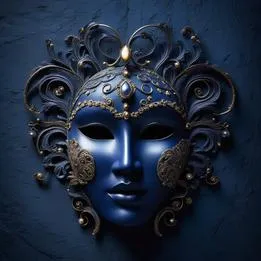
Mask
The Oracle's Essence
A mask symbolizes the pretense or facade that individuals present to the world, reflecting the duality between one's true self and the identity projected in social contexts.
Interpretive Themes
✧ Archetypal Essence
Orphan
Dominant Influence ( 70%)
The mask is a shield worn by the lonely self, hiding the face it fears to show.
The Light
The mask is a shield worn by the lonely self, hiding the face it fears to show.
The Shadow
The mask is a shield worn by the lonely self, hiding the face it fears to show.
Modern Visibility
In contemporary society, masks can symbolize both the literal masking of identities in performance art and the metaphorical masks people wear to hide their vulnerabilities or true emotions.
◈ Mythological Resonance
Reference Myth Meaning & Symbolism
Global/Universal traditionExplore the profound myth of Reference, the cosmic librarian who holds the universe's memory. Discover its psychological meaning for modern identity and the search for truth.
Berserkers Myth Meaning & Symbolism
Norse traditionThe animal pelt as a sacred interface, a tool for shape-shifting and becoming the other, allowing the human to channel the archetype.
Natyashastra Myth Meaning & Symbolism
Hindu traditionThe fundamental tool of the actor in Natyashastra, symbolizing the archetypal roles we all play and the art of revealing truth through persona.
Aswang Myth Meaning & Symbolism
Filipino traditionThe perfect human disguise of the Aswang symbolizes the persona we wear by day, which can hide a radically different, unconscious truth.
Baron Samedi Myth Meaning & Symbolism
African Diaspora traditionHis skull-face is the ultimate mask, revealing the truth beneath social personas and reminding us that identity itself is a performance before the void.
Barong and Rangda Myth Meaning & Symbolism
Indonesian traditionThe sacred masks of Barong and Rangda are not disguises but vessels, representing the archetypal forces that wear us as much as we wear them.
Bora Initiation Ceremony Origin Myth Meaning & Symbolism
Aboriginal Australian traditionRepresented by the painted designs and embodied performance of the elders, symbolizing the assumption of an ancestral identity and the revelation of hidden, archetypal truths.
Candomble Orixas in Brazil Myth Meaning & Symbolism
African Diaspora traditionRepresenting the historical syncretism where Orixás were hidden behind Catholic saints, symbolizing adaptation, survival, the persona, and the hidden truth behind appearances.
Cheoyong Mask Dance Spirit Myth Meaning & Symbolism
Korean traditionThe solidified symbol of the transformed self, a benevolent face carved from confrontation that serves as a protective ward and a reminder of a sacred covenant.
Chunhyang Myth Meaning & Symbolism
Korean traditionMongryong's disguise as a beggar, representing the necessary descent and concealment of the conscious ego to perceive truth and enact transformation from a place of humility.
Dorje Shugden Myth Meaning & Symbolism
Tibetan Buddhist traditionThe transformed visage of the deity, symbolizing how a personal wound (the tulku's betrayal) becomes an impersonal, archetypal force of protection.
Esther the Queen Myth Meaning & Symbolism
Hebrew traditionThe dual identity of Esther/Hadassah, representing the necessary persona for survival and the potent power that resides in what is consciously concealed and later revealed.
Hafez and the Beloved Wine Myth Meaning & Symbolism
Sufi traditionThe social and religious persona that Hafez must remove or see through to recognize the Beloved and to offer his true, naked face.
Gede Spirits Myth Meaning & Symbolism
African Diaspora traditionThe Gede wear the metaphorical mask of the dead and use literal face paint (white powder, sunglasses), representing the fluid identity between spirit and human, and the revealing nature of concealment.
Gumiho the Nine Tailed Fox Myth Meaning & Symbolism
Korean traditionThe beautiful human visage worn by the Gumiho, symbolizing the persona, deception, and the painful divide between inner truth and outer appearance.
Helena and the Lost Soul Myth Meaning & Symbolism
Gnostic traditionThe human body, personality, and social identity, which are the garments of exile worn by the soul, mistaken for its true face.
Hong Gildong Myth Meaning & Symbolism
Korean traditionThe social identity of the illegitimate son (seoeol) that Gildong is forced to wear, and which he must ultimately shatter to reveal his true kingly nature.
Juha the Wise Fool Myth Meaning & Symbolism
Islamic traditionJuha himself is a mask worn by the culture, allowing taboo truths to be spoken; he also reveals the masks worn by the pompous and powerful.
Jurupari Myth Meaning & Symbolism
Amazonian traditionThe sacred flutes and the ritual secrecy act as a mask, hiding the mystery of transformation and creating a boundary between the profane and the sacred worlds.
Leak Myth Meaning & Symbolism
Indonesian traditionThe Leak’s ability to shapeshift represents the ultimate mask, where identity becomes a series of deceptive facades hiding a core of emptiness and hunger.
Mansur al-Hallaj Myth Meaning & Symbolism
Sufi traditionThe social persona or ego that Hallaj utterly shatters with his declaration, revealing the true face of the Self beneath.
Malin Kundang Myth Meaning & Symbolism
Indonesian traditionThe constructed persona of wealth and status that Malin Kundang wears, which he mistakenly believes can replace his authentic, rooted identity.
Omolu God of Disease Brazil Myth Meaning & Symbolism
African Diaspora traditionThe raffia straw covering of Omolu, which acts as a sacred mask that both conceals his full power and mediates its presence, protecting both deity and devotee.
Qamar al-Zaman and Princess Budur Myth Meaning & Symbolism
Arabian traditionPrincess Budur's disguise as King al-Ma'mun, representing the persona we wear to navigate the world, which can both hide and ultimately reveal our true nature.
Queen Nzinga Warrior Queen Myth Meaning & Symbolism
African traditionThe persona adopted for survival and strategy; Nzinga expertly wore the masks of diplomat, king, and Jaga ally to protect her core purpose.
Rostam and Sohrab Myth Meaning & Symbolism
Persian traditionThe disguised identity Rostam wears into battle, representing the ego’s defensive persona that prevents true recognition and leads to catastrophic error.
Semar the Clown Sage Myth Meaning & Symbolism
Indonesian traditionThe comical, humble appearance Semar wears, which both conceals and reveals his true divine nature, teaching that identity is fluid and essence is beyond form.
Si Kabayan Myth Meaning & Symbolism
Indonesian traditionThe face of foolishness and simplicity that Si Kabayan wears, a deliberate disguise that protects his cunning intelligence and disarms the vigilance of authority.
Sivka-Burka Myth Meaning & Symbolism
Slavic traditionThe transformed identity Ivan wears when he emerges from the horse—a glorious facade that is nonetheless a true expression of his inner reality.
Srikandi Myth Meaning & Symbolism
Indonesian traditionThe societal expectations of princess and woman that Srikandi transcends, not by removing a mask, but by integrating it into a larger, truer face.
Sulayman's Ring Myth Meaning & Symbolism
Islamic traditionWorn by Sakhr to impersonate the king, it symbolizes the false persona that seizes control when the authentic self is in exile.
Tengu Myth Meaning & Symbolism
Shinto traditionRepresents the transformative power of adopting a role or facing a hidden aspect of the self; the Tengu's face is itself a mask of fearsome wisdom.
The Black Hat Ceremony Myth Meaning & Symbolism
Tibetan Buddhist traditionThe wrathful visage of Mahakala, which is not a disguise but a revelation of the true, transformative face of compassion that engages directly with suffering and evil.
The Boto the River Dolphin Seducer Myth Meaning & Symbolism
Amazonian traditionEmbodied by the Boto's human form and white hat, representing the persona we wear to navigate society, which can both conceal and reveal our true, instinctual nature.
The Exu in Brazil Myth Meaning & Symbolism
African Diaspora traditionA symbol of Exu's many facets and the persona, representing the necessary roles we play, the ambiguity of identity, and the interface with the world.
The Garden of Truth Sanai Myth Meaning & Symbolism
Sufi traditionThe provisional identities (scholar, lover, ascetic) the seeker wears and must remove in each successive stage of the journey.
The Frog Princess Myth Meaning & Symbolism
Slavic traditionThe frog skin operates as a magical mask, both concealing the true nature of Vasilisa and serving as the crucial, temporary identity that must be honored until its time is complete.
The Gnostic Ascent of the Soul Myth Meaning & Symbolism
Gnostic traditionThe garments of the flesh or false identities (persona, ego attachments) that the soul must remove and leave behind at each stage of its ascent.
The Loa Ceremony
African Diaspora traditionThe metaphorical "face" worn by the Loa when mounting a servant, representing the archetypal persona that temporarily overlays the individual identity.
The Pink River Dolphin Encanto Myth Meaning & Symbolism
Amazonian traditionThe transformative guise of the Boto as a handsome stranger, symbolizing the persona and the seductive faces the unconscious wears to engage the ego.
The Seven African Powers Myth Meaning & Symbolism
African Diaspora traditionThe necessary guise of syncretism, where the faces of saints concealed the orishas, representing the survival of inner truth through adaptive outer forms.
The Sethians Creation Myth Myth Meaning & Symbolism
Gnostic traditionThe physical body and psychic personality, the garment fashioned by the Archons to conceal and contain the luminous inner human.
The Signifying Monkey Myth Meaning & Symbolism
African Diaspora traditionRepresents the personas and false narratives the Monkey crafts and the Lion wears; the myth is about seeing behind the mask of power.
The Sleeper Awakened Myth Meaning & Symbolism
Arabian traditionThe ornate persona of the Caliph that is placed upon Abu al-Hasan, symbolizing the social and psychological roles we wear and mistake for our true face.
The Spirit Possession Ceremony Myth Meaning & Symbolism
African Diaspora traditionThe transformed visage and demeanor of the possessed, which both conceals the individual and reveals the spirit, a symbol of sacred role and revelation.
The Tale of Panji Myth Meaning & Symbolism
Indonesian traditionThe many disguises of Panji represent the provisional identities the ego must wear and shed on the path to discovering the authentic self beneath the social persona.
The Tavern of Love Myth Meaning & Symbolism
Sufi traditionThe constructed identity of the traveler—scholar, merchant, king—which must be removed or dissolved in the tavern to see the true face beneath.
The Tortoise Trickster West African Myth Meaning & Symbolism
African traditionThe borrowed feathers the tortoise wears symbolize the persona, the deceptive or adaptive identity constructed to navigate the world and gain access to power.
Tsam Ceremony Origin Myth Meaning & Symbolism
Mongolian traditionThe central artifact of the Tsam, representing the act of giving a conscious, ritualized form to unconscious, chaotic energies so they may be safely witnessed and integrated.
Tuurngait Myth Meaning & Symbolism
Inuit traditionThe Tuurngait often appear in animal forms, masks of the raw archetypal energies; integrating one is like learning to wear a new mask of capability.
Umbanda in Brazil Myth Meaning & Symbolism
African Diaspora traditionSymbolizing the ritual of incorporation, where the medium dons the "mask" of the spirit, representing the archetypal persona, sacred performance, and the fluidity of identity.
Vodun and the Loa Myth Meaning & Symbolism
West African traditionThe vessel or "face" assumed by a Loa when riding a devotee, symbolizing the persona through which an archetype manifests, both concealing and revealing its true nature.
Wayang Kulit Origin Myth Meaning & Symbolism
Indonesian traditionThe articulated puppet, representing the persona or the archetypal form worn by the psyche, a fixed identity that performs on the stage of life.
Yoruba Diaspora in the Americas Myth Meaning & Symbolism
West African traditionThe necessary disguise adopted by the gods and the self for survival, symbolizing syncretism, the protective persona, and the archetype's ability to wear different forms while retaining its core power.
Ameno-Uzume Dance of Dawn
Shinto traditionA persona donned for transformation, performance, or protection, allowing hidden aspects of the self to be expressed or deities to be invoked.
Al-Miraj the Horned Rabbit
Arabian traditionA representation of the persona or the concealed true self; Al-Miraj wears the "mask" of a rabbit while bearing the "truth" of the horn.
Ali Baba and the Thieves
Islamic traditionThe disguises employed by the captain of the thieves, representing the deceptive personas worn by unconscious complexes to infiltrate and sabotage conscious life.
Anansi the Trickster Spider
African traditionThe strategic face worn to navigate a dangerous world, representing the fluidity of identity and the performative nature of survival and social interaction.
Anansi in the Caribbean
African Diaspora traditionA tool for transformation and protection, allowing the wearer to adopt a new identity to navigate danger or perform a sacred role.
Ashe Life Force in Yoruba Diaspora
African Diaspora traditionThe necessary disguise of Ashe in hostile environments; representing both the strategic syncretism that protected the tradition and the transformative “mask” of the Orisha in possession.
Batara Kala
Indonesian traditionThe ritual face of the wayang puppet, behind which the divine and demonic are channeled, allowing for the safe enactment and confrontation of terrifying cosmic truths.
Egungun Ancestor Masquerade
Yoruba traditionThe sacred interface that conceals the individual to reveal the archetype, transforming a person into a portal for forces greater than themselves.
Eshu in the New World
African Diaspora traditionThe embodiment of the necessary personas worn for survival, communication, and ritual transformation within oppressive contexts.
Eshu at the Crossroads
Yoruba traditionGuru Rinpoche's Eight Manifestations
Tibetan Buddhist traditionThe donning of specific forms for specific purposes, representing the Guru’s skillful means and the idea that all manifestations are compassionate appearances.
High John the Conqueror
African Diaspora traditionA persona worn for protection, performance, or survival, which can both conceal the true self and reveal deeper truths about adaptation.
Guan Yu God of War
Taoist traditionThe fixed, formidable persona of the hero; the stern, red-faced visage that both reveals his righteous fury and conceals his human vulnerabilities.
Hunahpu and Xbalanque
Mesoamerican traditionThe tool of deception and transformation, allowing the true self to operate unseen, to perform, and to navigate hostile realms.
Ijiraq the Shape Shifter
Inuit traditionThe persona or false face presented to the world; a tool for transformation that can both conceal true identity and reveal deeper truths.
Jangseung Guardian Totem Poles
Korean traditionA face presented to the outer world, often possessing apotropaic power to ward off evil or to mediate between different realms of existence.
Legba the Trickster
West African traditionThe persona or disguise that conceals true nature, allowing for deception, performance, and the revelation of truths that cannot be spoken plainly.
Ogun in Cuba
African Diaspora traditionThe necessary disguise for survival, representing the dual identity of the orisha and the saint, and the protective interface between the sacred and the profane world.
Oni Demons of Japan
Shinto traditionThe terrifying face of the Oni, a constructed identity that both reveals and conceals the true, often divine, nature of the force behind it.
Papa Legba
African Diaspora traditionThe persona or guise worn by the divine, especially the trickster, concealing infinite potential behind a specific, approachable face.
Samael the Accuser
Hebrew traditionThe persona or false innocence that Samael’s accusations strip away, revealing the authentic, flawed face beneath.
Santeria and the Orishas
African Diaspora traditionThe saintly image worn by the Orisha, a necessary veil that protects the sacred core while allowing it to communicate in a foreign tongue.
Srivijaya Maritime Kingdom
Indonesian traditionThe sophisticated diplomatic and syncretic face Srivijaya presented to the world, adeptly wearing Hindu-Buddhist and indigenous guises to facilitate its role as the universal intermediary.
The 401 Orisha
Yoruba traditionThe specific form, attribute, or manifestation through which the formless divine essence is perceived and engaged, as each Orisha is a "mask" of Olodumare.
The Babaylan Shamans
Filipino traditionA face that conceals and reveals; representing the necessary doubleness and protective syncretism employed to preserve tradition under persecution.
The Bear Cult Rites
Siberian traditionThe shaman’s adopted persona of the bear, representing the deliberate assumption of another identity to channel its power and wisdom, blurring the line between self and other.
The City of Brass Arabian
Arabian traditionA false face or persona worn for protection or deception; the city’s inhabitants are literally hollow masks, perfect social facades with no inner life.
The Dragon Kings of the Four Seas
Taoist traditionThe personified face worn by the vast, impersonal forces of nature, making them intelligible and capable of relationship, as the Dragon Kings mask the sea.
The Forty Thieves
Islamic traditionThe facade of identity worn for deception or protection; the thieves and their captain use literal and social disguises to infiltrate and attack.
The Goblin Club Dokkaebi Bang
Korean traditionThe persona or shifting facade, representing the playful or deceptive concealment of one’s true nature, as used by trickster figures.
The Fox Wife
Inuit traditionThe assumed form of the Fox Wife, representing the necessary personas that mediate between the raw, wild self and the social or conscious world.
The Griot and Sacred Memory
West African traditionThe griot’s ability to channel multiple voices and personas, becoming a vessel for forces greater than his individual self.
The Jinn in Islamic Cosmology
Islamic traditionThe assumed forms of the jinn, representing deception, the many faces of the psyche, and the persona behind which true nature—both benevolent and malevolent—can be hidden.
The Mayan Underworld Xibalba
Mesoamerican traditionThe false face or identity, like the wooden mannequins on the thrones, used to deceive and ensnare the unwary.
The Shaman's Drum Journey
Inuit traditionThe mediating face worn to interface with spirit forces, representing the adoption of a sacred role or the many selves within.
The Shaman's Soul Journey
Siberian traditionThe ritual persona adopted by the shaman, a conduit for spirit forces and a protective boundary that allows the ordinary identity to step aside for the sacred work.
The Slave Trade and Spiritual Memory
West African traditionThe necessary guise of compliance or conversion worn to protect the hidden, authentic core of spiritual identity and practice.
The Storytelling Griot
African traditionThe persona of the performer, which allows both the griot and the audience to safely encounter profound and sometimes dangerous truths.
The Tanuki
Shinto traditionThe persona adopted for a specific role or interaction, representing both concealment and revelation of different facets of the self.
The Thirty Six Lamed Vavniks
Hebrew traditionThe ordinary face worn by the Lamed Vavnik, concealing their cosmic function even from themselves; the anonymity that is essential to their purity.
The Three Apples
Arabian traditionThe false face of presumption that the husband wears, seeing a betrayer in his wife, and the disguises worn by all characters that hide their true roles.
Tlaloc Rain God
Aztec traditionThe goggle-eyed visage of Tlaloc, representing the personified face of an impersonal natural force, the form we give to the formless powers that govern existence.
Vucub Caquix the False Sun
Mesoamerican traditionThe glittering, jade-encrusted identity of Vucub Caquix, a dazzling facade that conceals a mortal fragility and must be shattered for truth to emerge.
Zhong Kui Demon Slayer
Taoist traditionZhong Kui’s fearsome face is his true face, yet it also functions as a ritual mask, a sacred visage meant to perform a specific spiritual function of awe and protection.
Cultural Lenses
Jungian
Learn More →Masks represent the 'persona', the social mask one wears in public, which can obscure the true self. Used in analysis to understand the conflict between inner self and societal roles. Jung believed that individuals must integrate the shadow self and the persona for true psychological harmony.
African
Learn More →Masks used in rituals and ceremonies symbolize connections to ancestors and spiritual realms. Essential in cultural storytelling and communal rites. Masks are often seen as vessels for spirits, playing a vital role in maintaining cultural heritage.
Latin American
Learn More →Masks were used in ceremonies, symbolizing the connection between the living and the dead. Commonly worn during rituals to honor deities or ancestors. [Mesoamerican] Masks often represent animals, gods, or ancestors and serve to communicate messages between realms.
✦ The Oracle's Prediction
A social encounter where true intentions or identities are revealed.
A risk of being misled by appearances or your own pretense.
Contextual Nuances
Dreaming of wearing a mask in a crowd.
This may indicate feelings of social pressure or a desire to conform.
Finding a mask in an old box.
This suggests revisiting past identities or roles that were once significant.
Removing a mask to reveal a smiling face.
This signifies the joy of authenticity and embracing one’s true self.
Seeing others wear masks but not yourself.
This may reflect feelings of isolation or alienation in social situations.
Being chased while wearing a mask.
This may indicate fear of being exposed or facing confrontations about one's true feelings.
Integrative Mantra
"Affirmation"
Integration Ritual
Ritual Practice
Take a blank paper plate or piece of cardboard. On one side, draw or collage an image of the 'face' you show the world. On the other, depict your hidden or true self. Place it on a table, light a candle between you and it, and spend three minutes gazing at each side, acknowledging both.
Questions for Reflection
- "What aspects of your identity do you feel you need to hide?"
- "How do you feel when you are presenting a certain facade to the world?"
- "What fears arise when you think about revealing your true self?"
✧ Community Dreams
Related Weavings
The Portal is Always Open
Every dream is a personalized dispatch from the deep. Don't let yours fade into static.
Interpret Full Dream