The Primordial Terrain: Nature as the Psyche's Somatic Map
The Somatic Echo
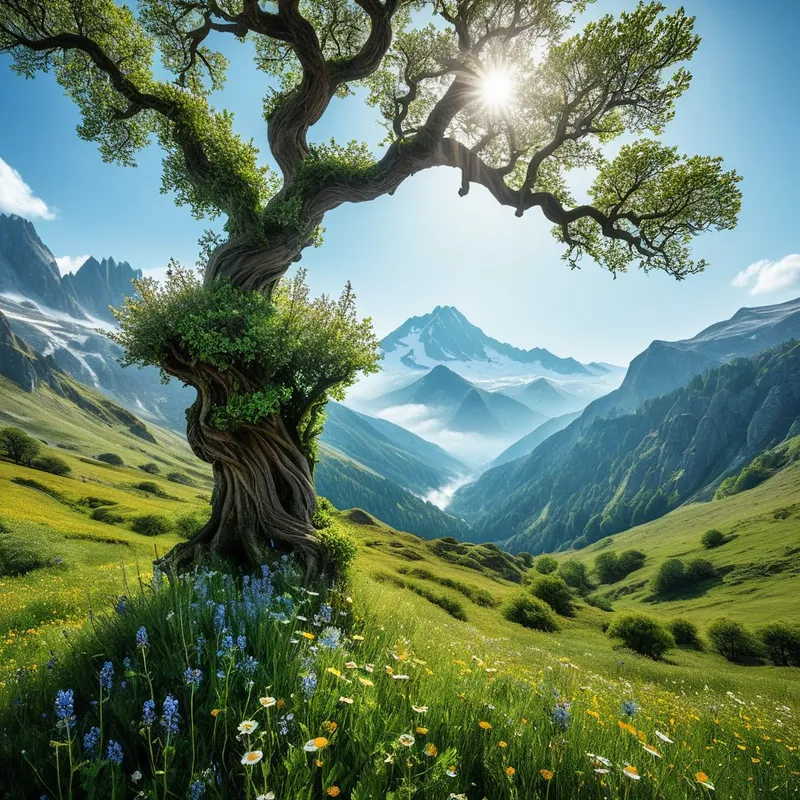
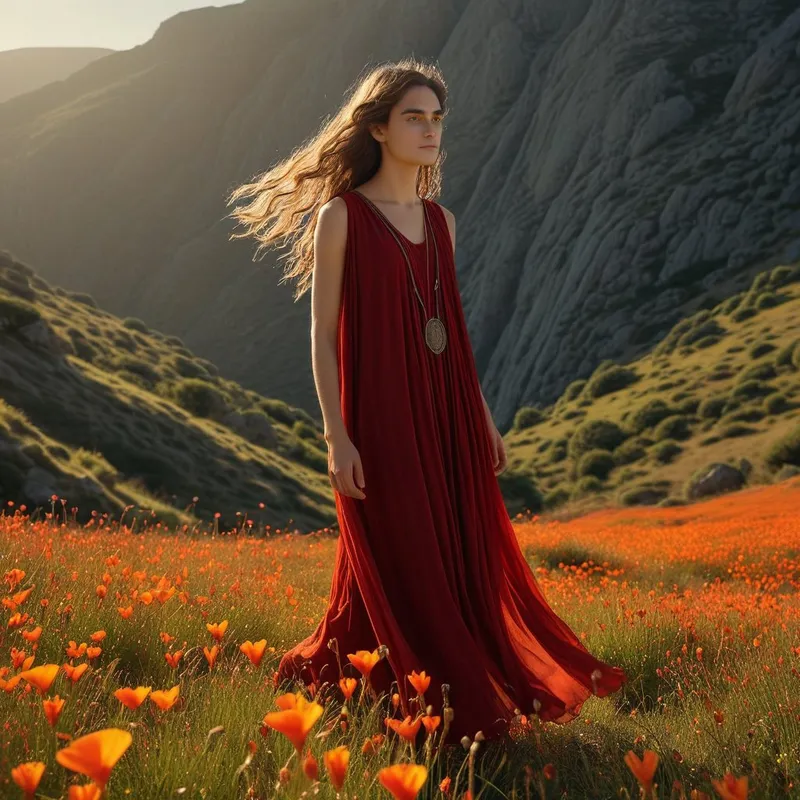
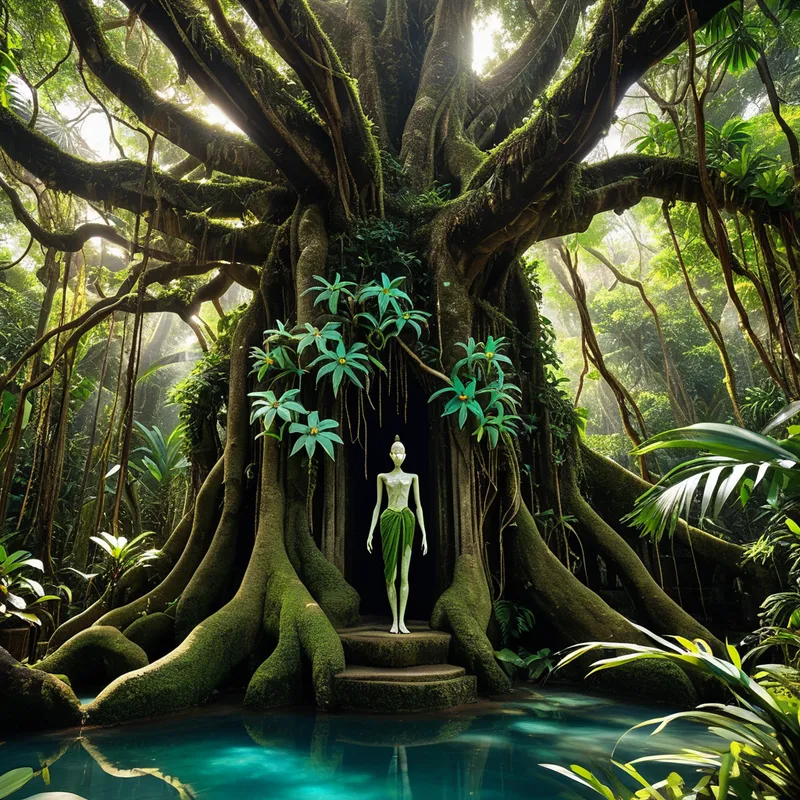
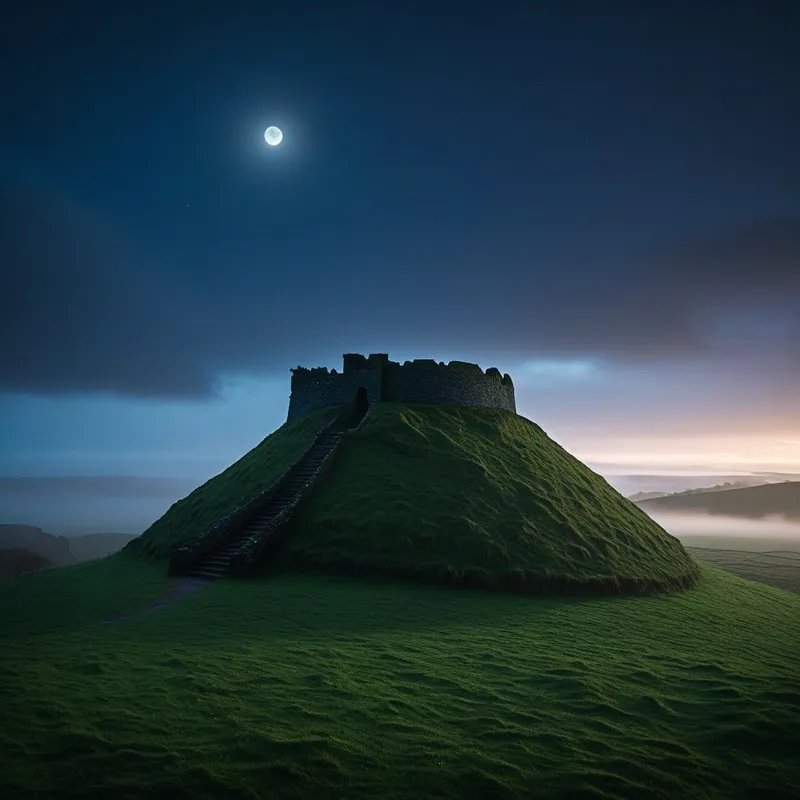
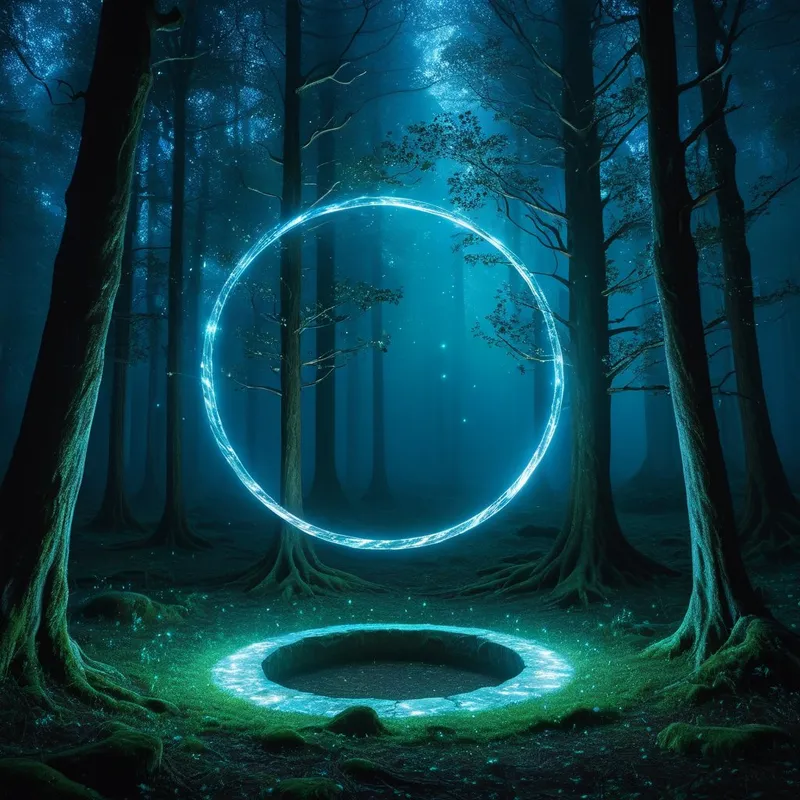
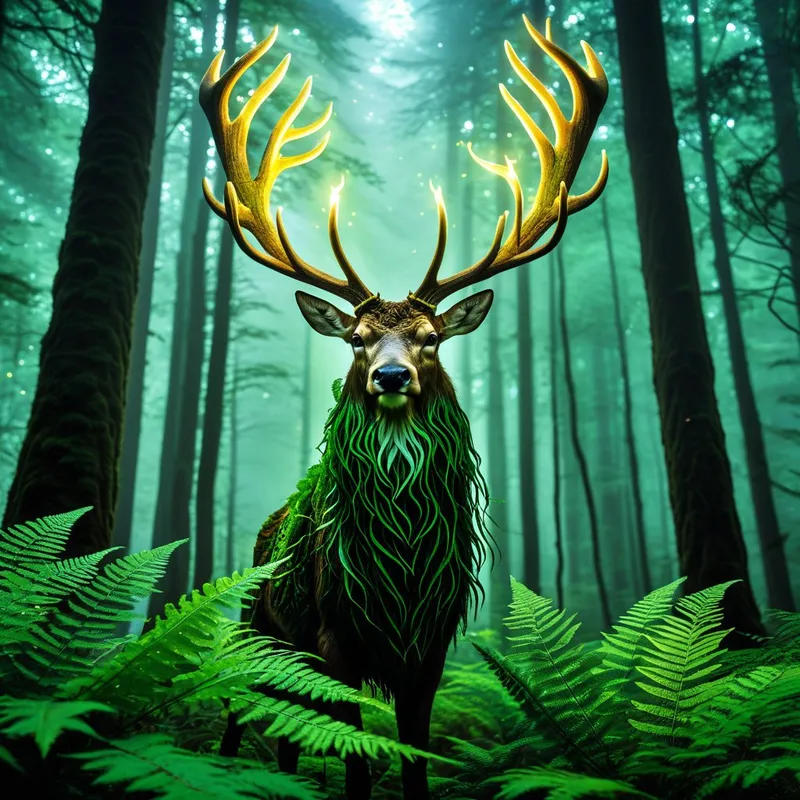
Before the image of a forest, the roar of an ocean, or the scent of rain on dry earth, there is a feeling. It is a cellular memory, a vibration in the marrow. It is the deep, resonant hum of soil, the silent scream of a falling leaf, the electric tingle before a storm that has nothing to do with the weather outside your window. This is the somatic echo of Nature in dream. It is not a postcard from a vacation you wish you took; it is the ground truth of your own being, reporting in. Your body, in sleep, becomes a seismograph for the tectonic plates of the psyche. A dream of climbing a mountain may first announce itself as a burning in the thighs and a tightness in the chest—not as fatigue, but as a profound yearning for ascent. A dream of sinking into a swamp is felt as a cold, dense weight in the abdomen, a gravity of unresolved emotion. The mind will later dress these sensations in symbols—trees, animals, elements—but the first language is purely visceral. To dream of Nature is to feel the landscape of your soul before you see it.
The Dreamer's Log (Case Vignette)
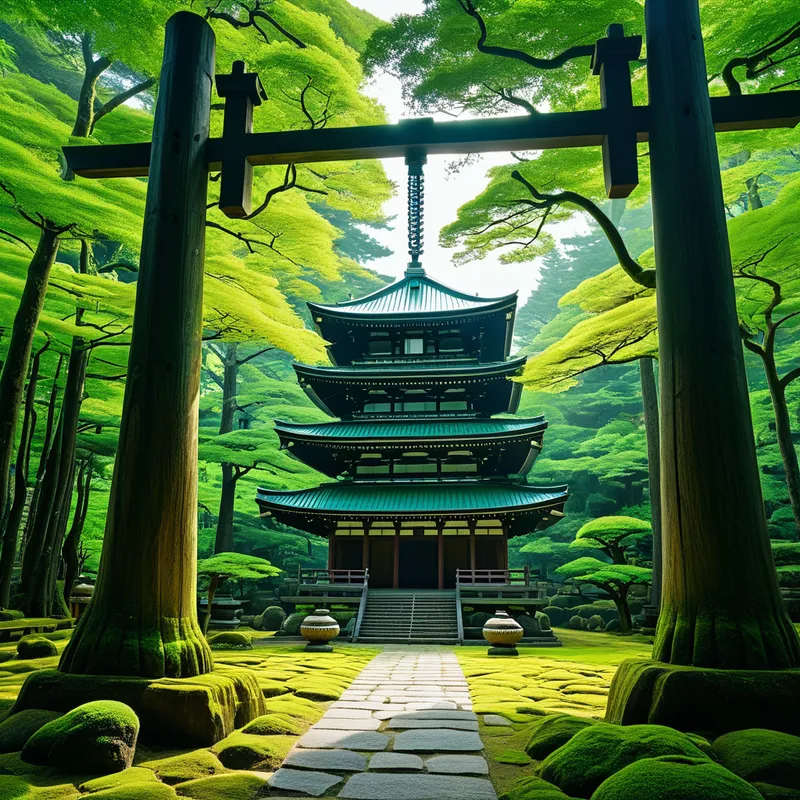
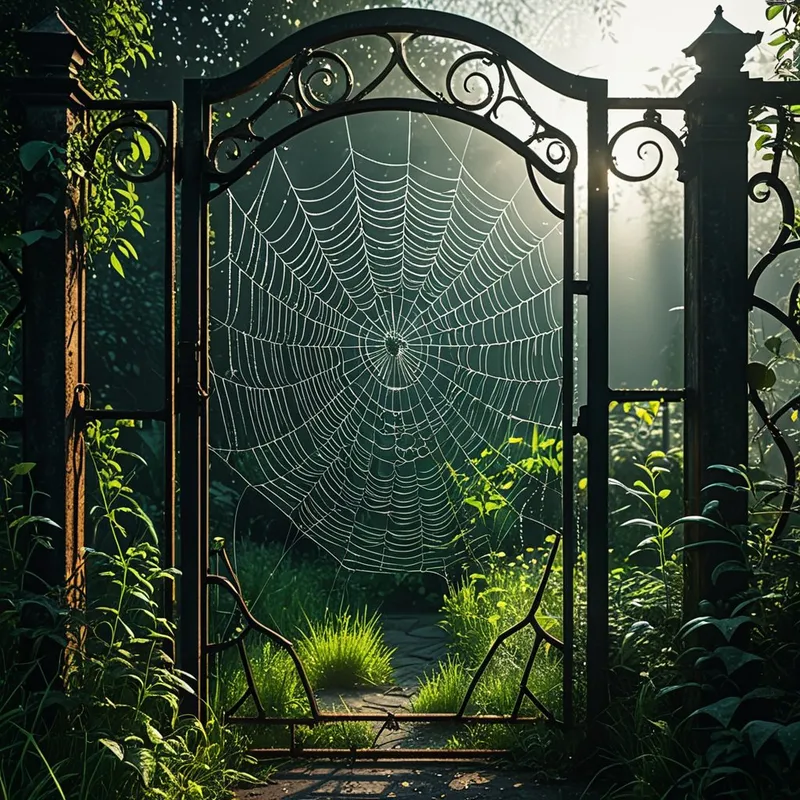
I am standing before an old, overgrown garden gate, rusted shut. From the other side, I hear the distinct, rhythmic sound of a heartbeat, but it is too slow and deep to be human. A single, perfect spiderweb glistens with dew across the bars, and I know I must not break it to enter.
Alchemical Interpretation: The dreamer’s psyche presents a boundary (the gate) that protects a vital, autonomous life-force (the non-human heartbeat), with the fragile, intricate web representing the conscious mind’s delicate understanding that must be honored, not forced.
The False Lead
The most common misinterpretation of the Nature dream is to take it literally, as a simple desire for escape or a commentary on environmental concerns. While these may be surface reflections, they are the signposts, not the territory. A dream of a dying forest is not primarily about climate anxiety; it is about a systemic withering within—perhaps of creativity, intuition, or emotional vitality. A dream of a tranquil meadow is not merely a wish for peace; it is the psyche revealing a state of inner harmony already achieved or desperately needed. To reduce these dreams to escapism or activism is to commit a profound error: it mistakes the map for the terrain. The Nature dream is not an allegory for the world outside; it is the direct experience of the world within. The storm, the root, the predator, the bloom—these are internal family systems, parts of the self in dynamic, often wild, relation.
Psychological Architecture
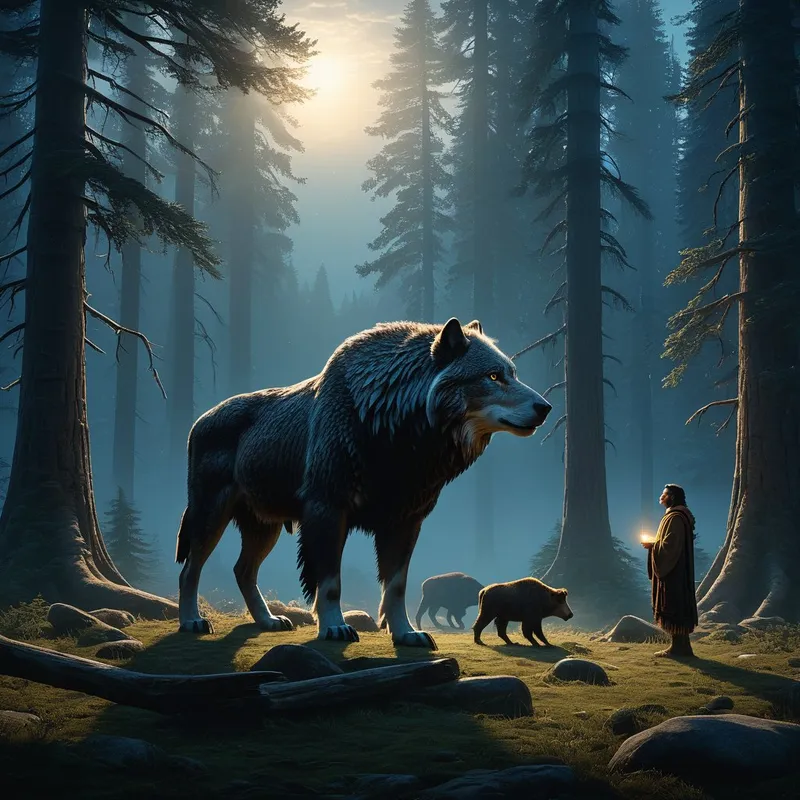
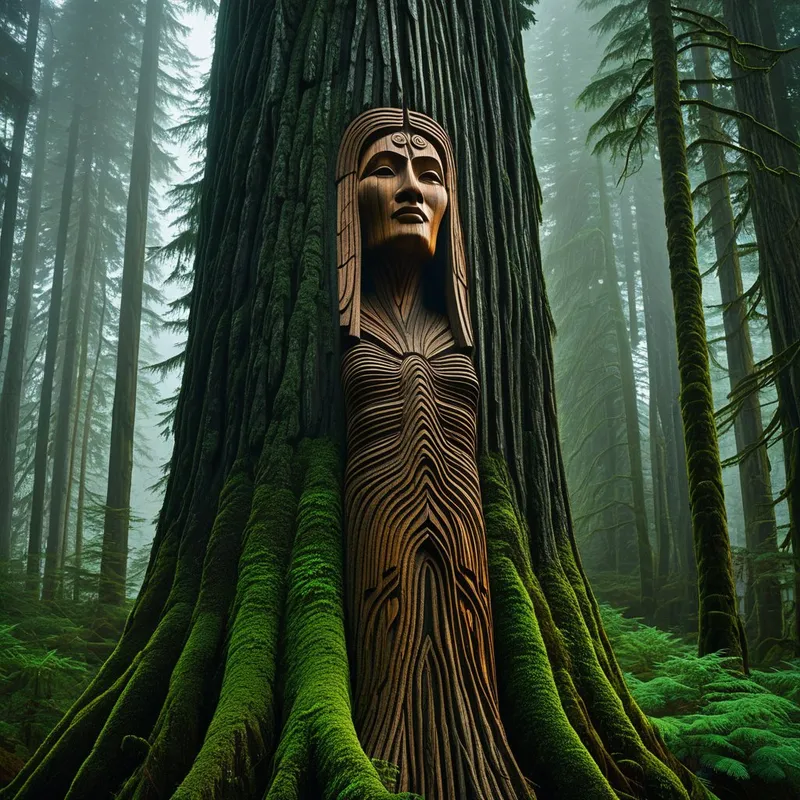
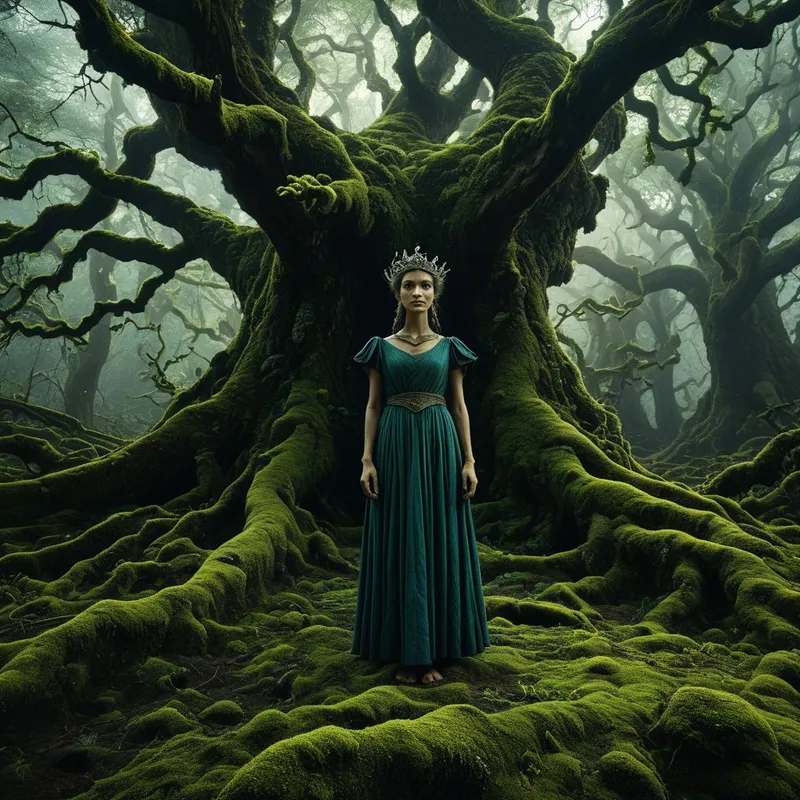
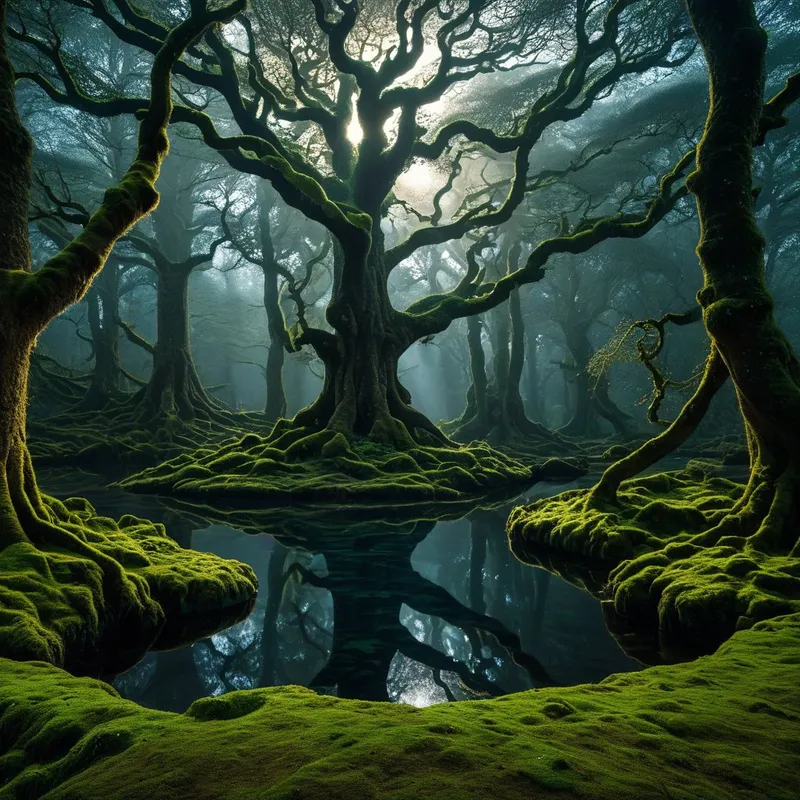
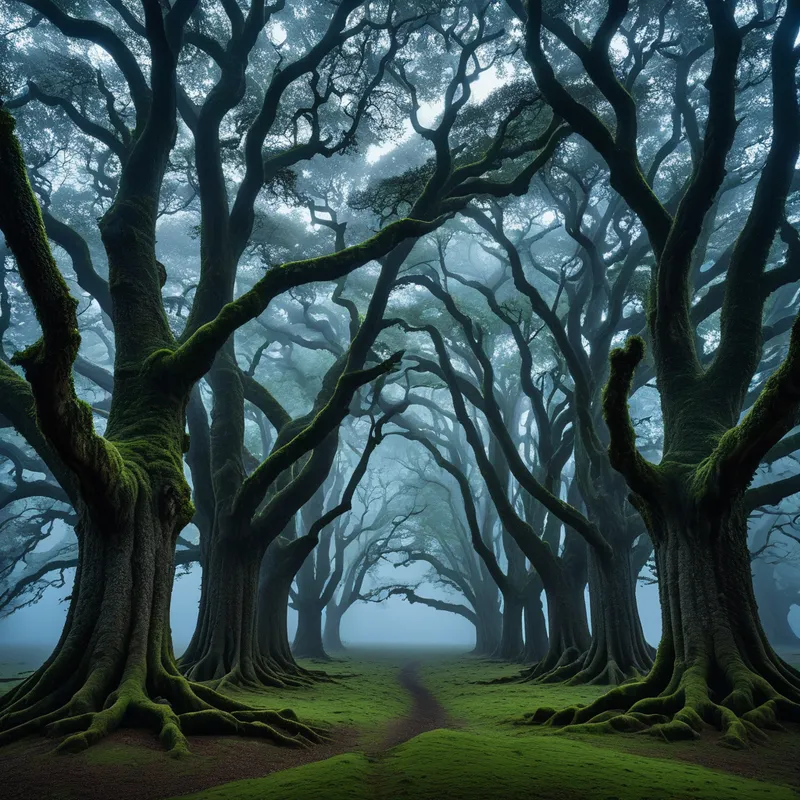
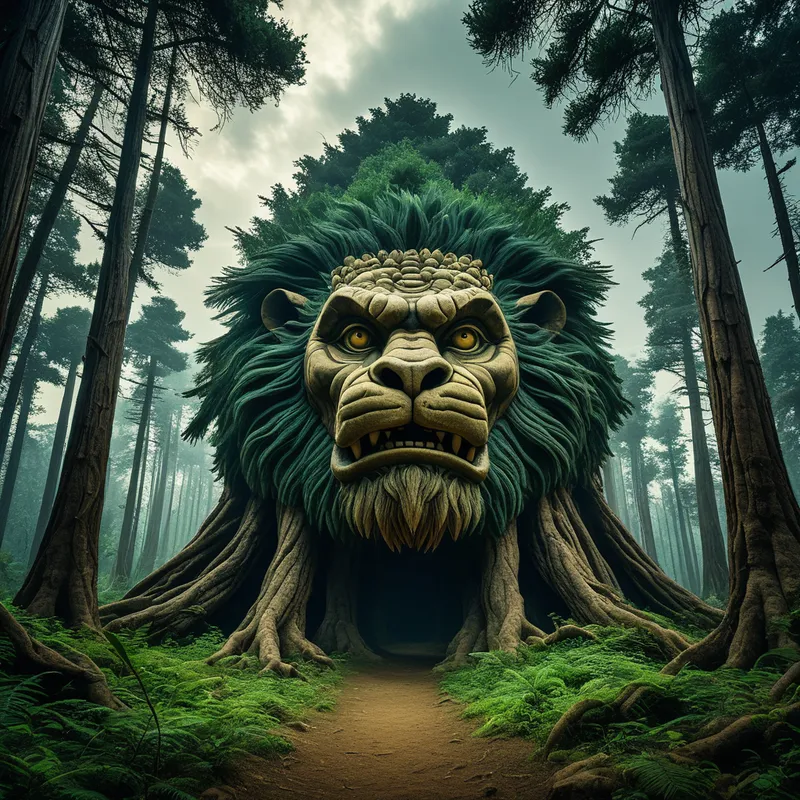
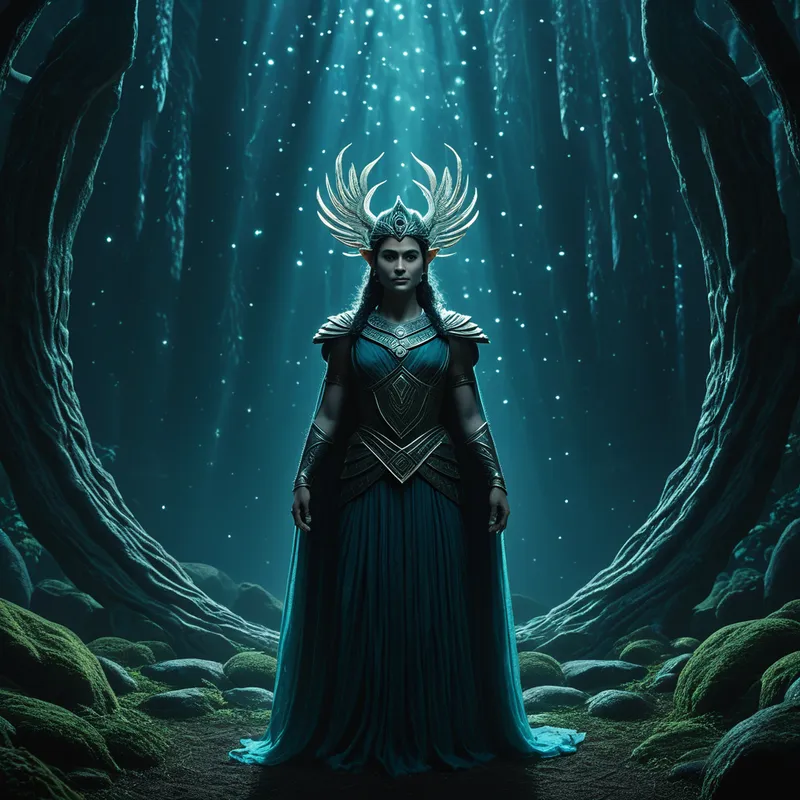
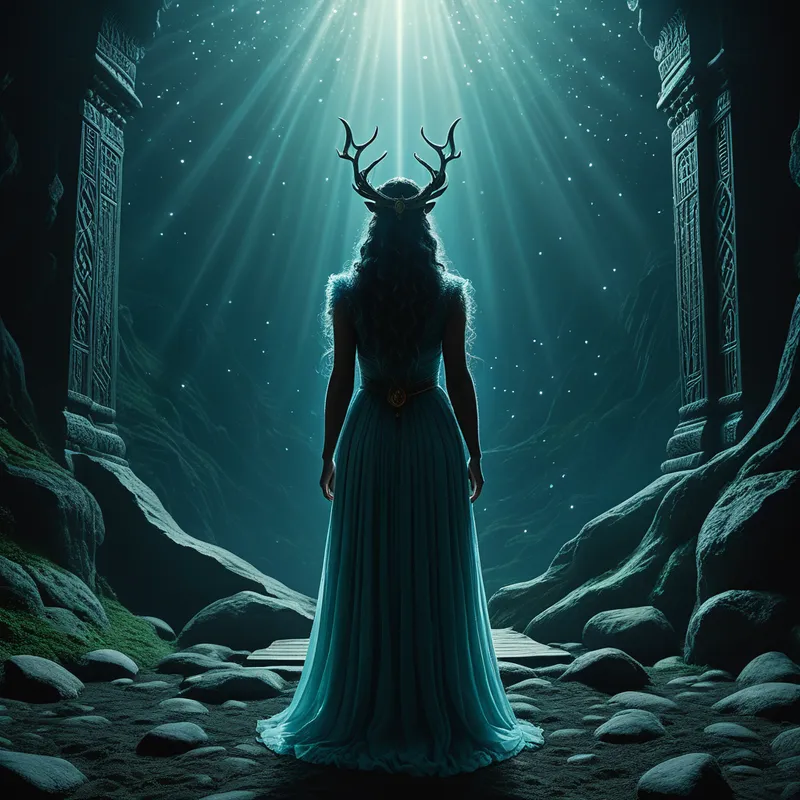
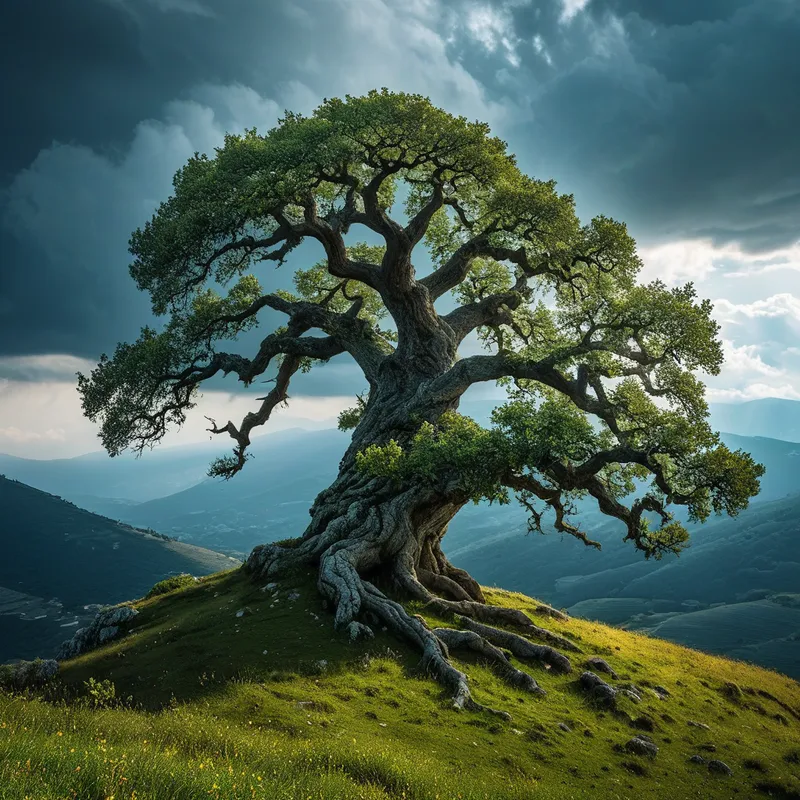
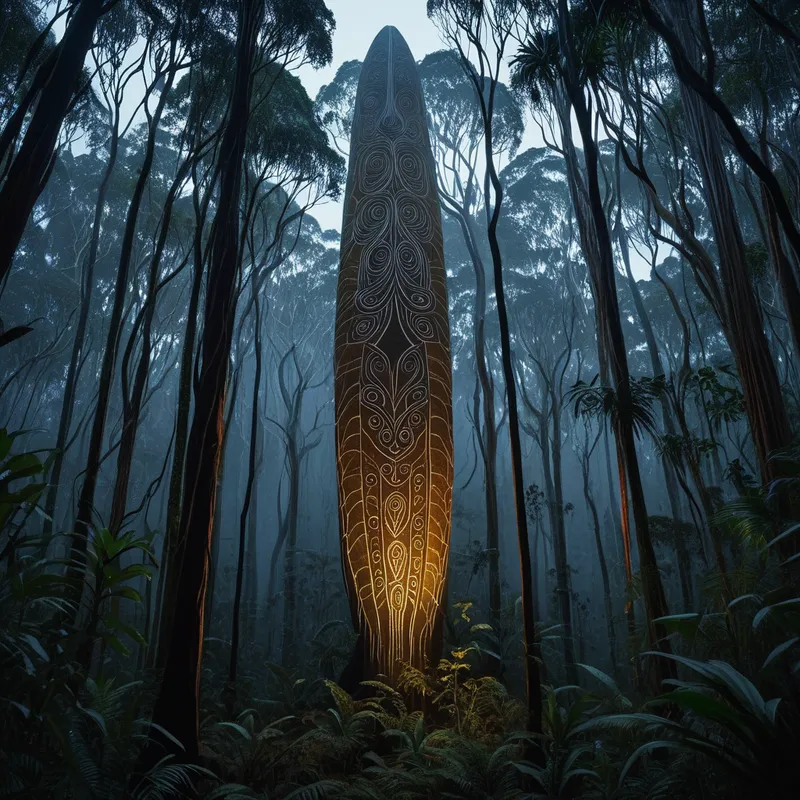
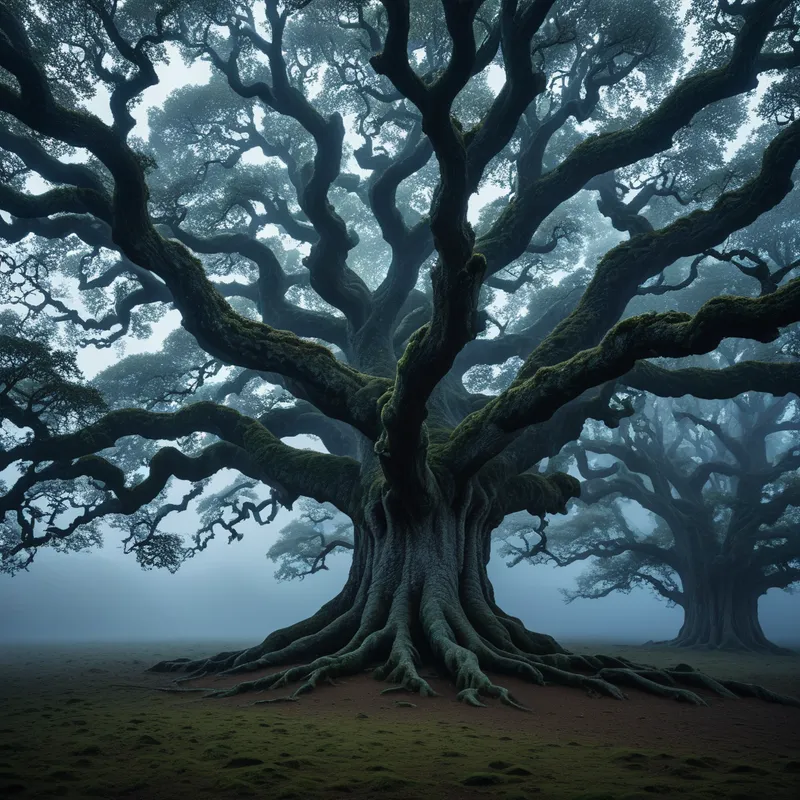
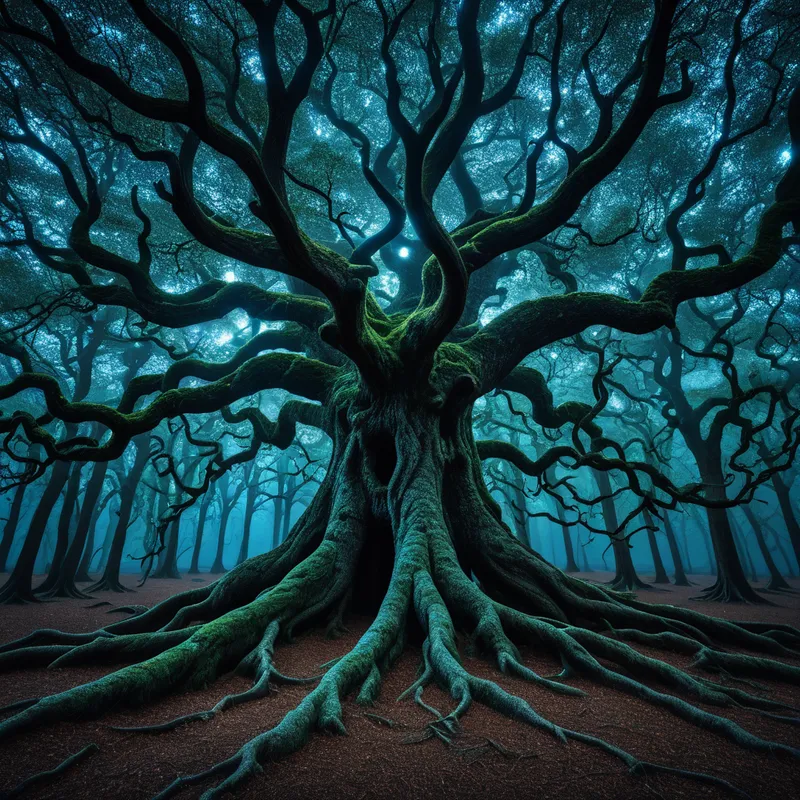
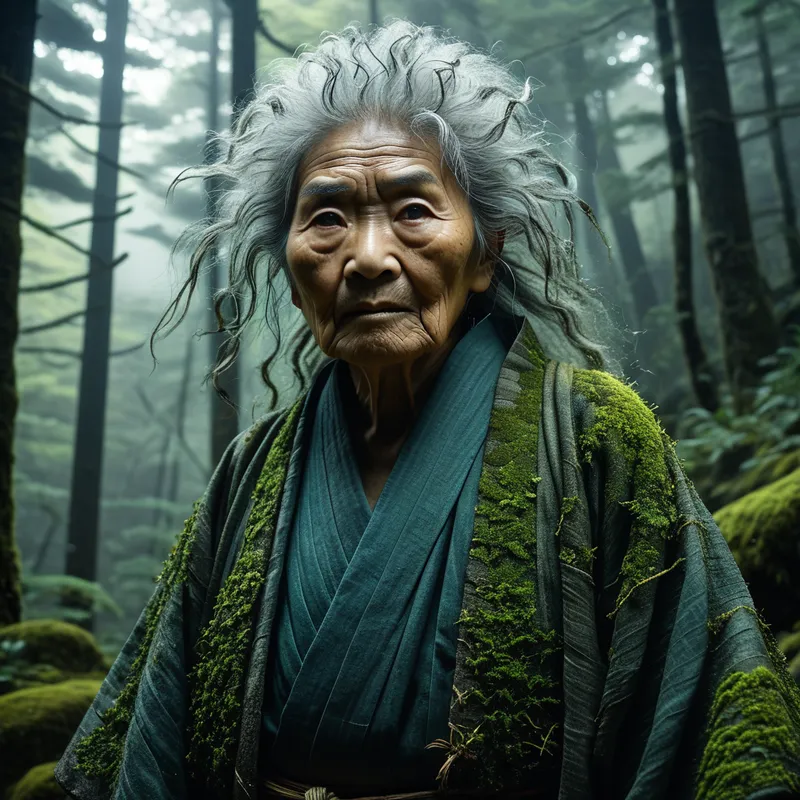
When Nature erupts into dream, it signals a movement in the deep substrata of identity. This is Shadow work of the most ancient kind. The civilized ego, with its straight lines and managed schedules, is being confronted by the untamed biosphere of the unconscious. That snarling wolf at the edge of the dream-clearing? It may be a repressed fury, a loyalty to the self so fierce it has been deemed unacceptable. The tangled, impenetrable thicket? A network of old decisions and inherited beliefs that now blocks the path forward. The individuation process here is a re-wilding. It is not about becoming more "natural" in a simplistic sense, but about reclaiming the full spectrum of one’s organic being—the decomposer and the pollinator, the patient stone and the sudden lightning. It is to recognize that the orderly garden of the persona is maintained only by constantly uprooting the native "weeds" of instinct, emotion, and primal truth. The dream asks: What have you walled off? What ecosystem within you have you declared a swamp, and drained? The work is to cease being the landscaper of your soul and become its respectful inhabitant.
Mythic Resonance
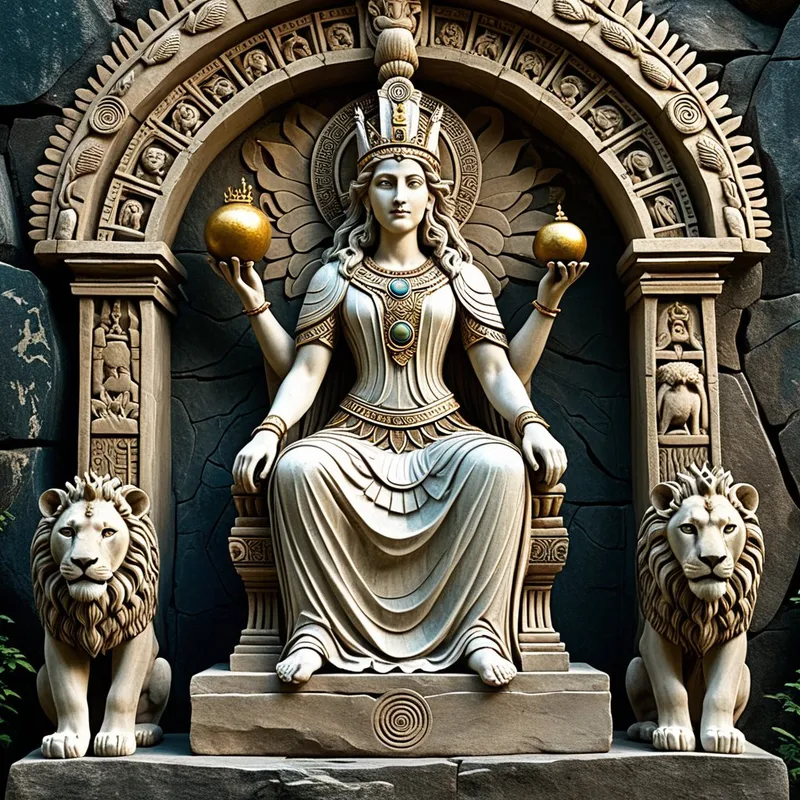
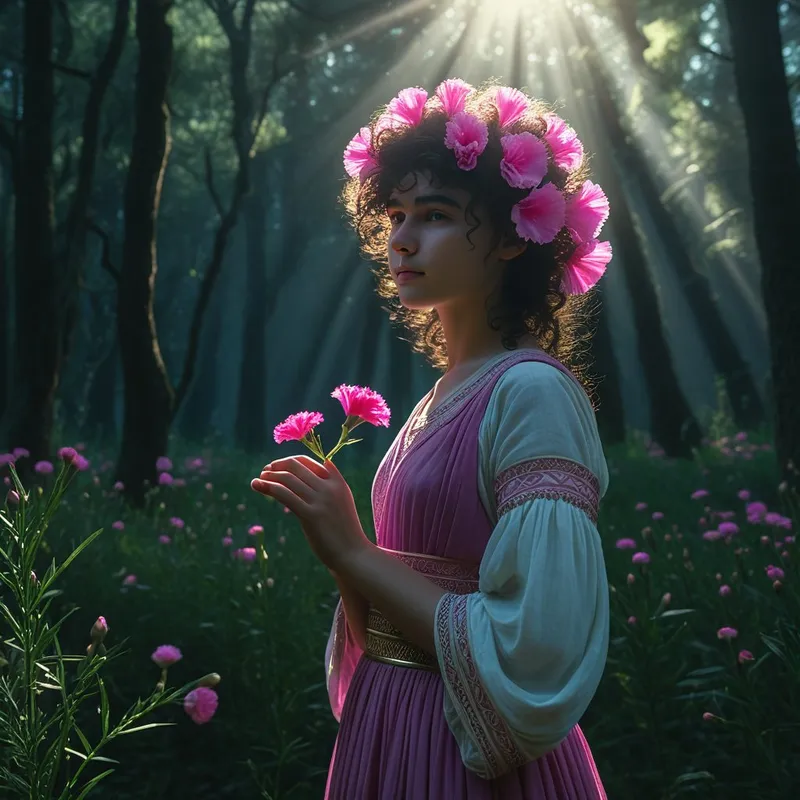
We see this universal firmware in the myth of Persephone. Her descent into the underworld is not a tragedy but a necessary seasonal cycle enacted within a single soul. The lush, naive world of her mother Demeter (the conscious, cultivated life) must be fractured by the abduction into Hades’ realm—the rich, fertile darkness of the unconscious. Her return is not to her old self, but as a Queen who has integrated the depth, giving us the rhythm of winter and spring. Similarly, the Arthurian legend of the Wasteland shows a kingdom where the ruler (the ego) is wounded or impotent, and the land itself (the psyche) becomes barren and infertile, reflecting the internal state. The healing of the king and the greening of the land are one and the same process. The myth tells us: the sovereignty of the self and the vitality of the inner world are inextricably linked.
Symbolic Nodes
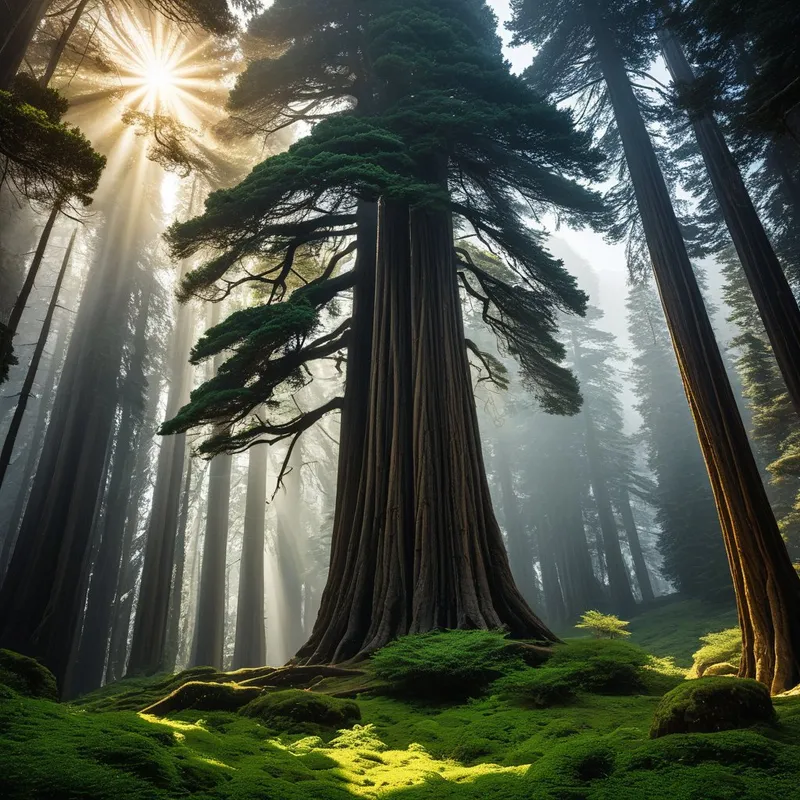
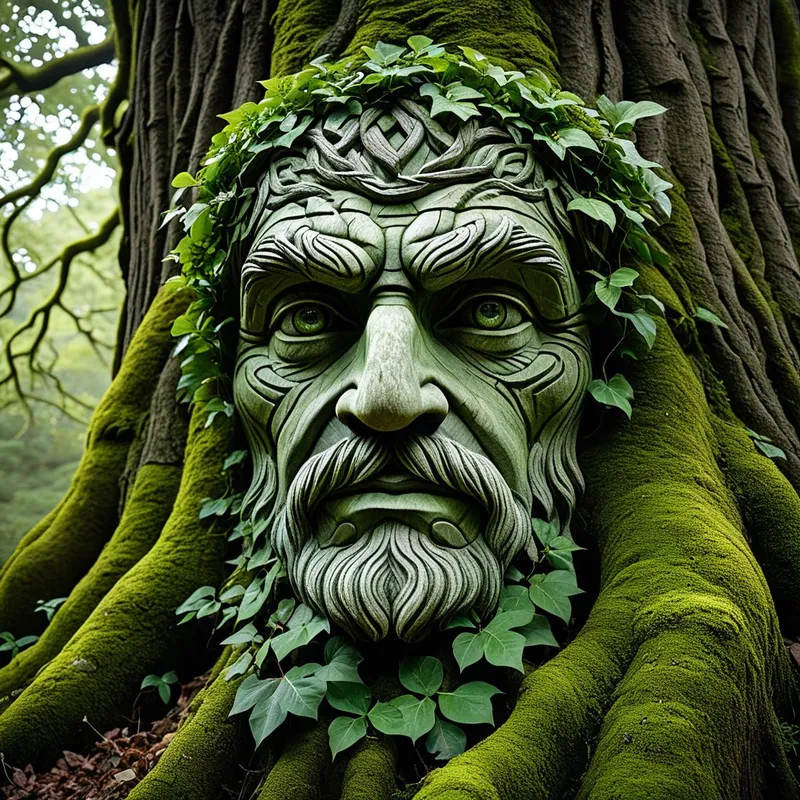
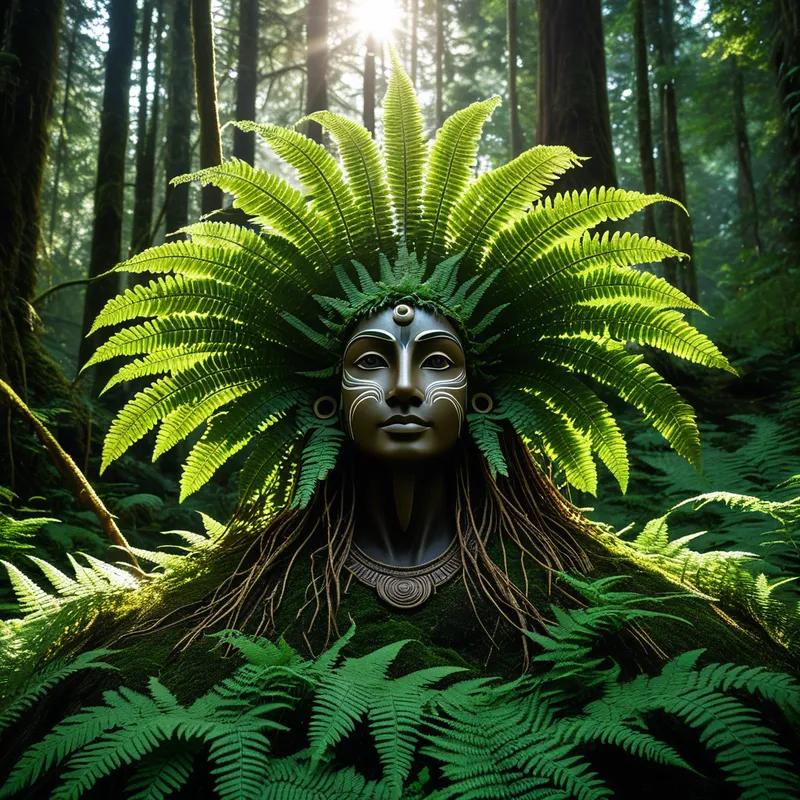
- Forests: The unconscious, mystery, the unknown, complexity.
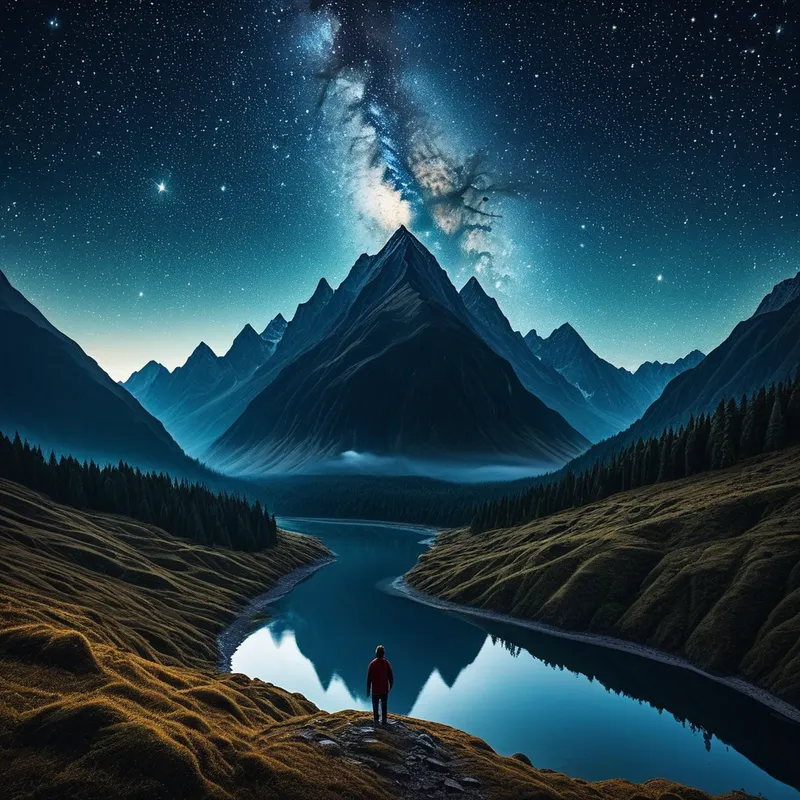
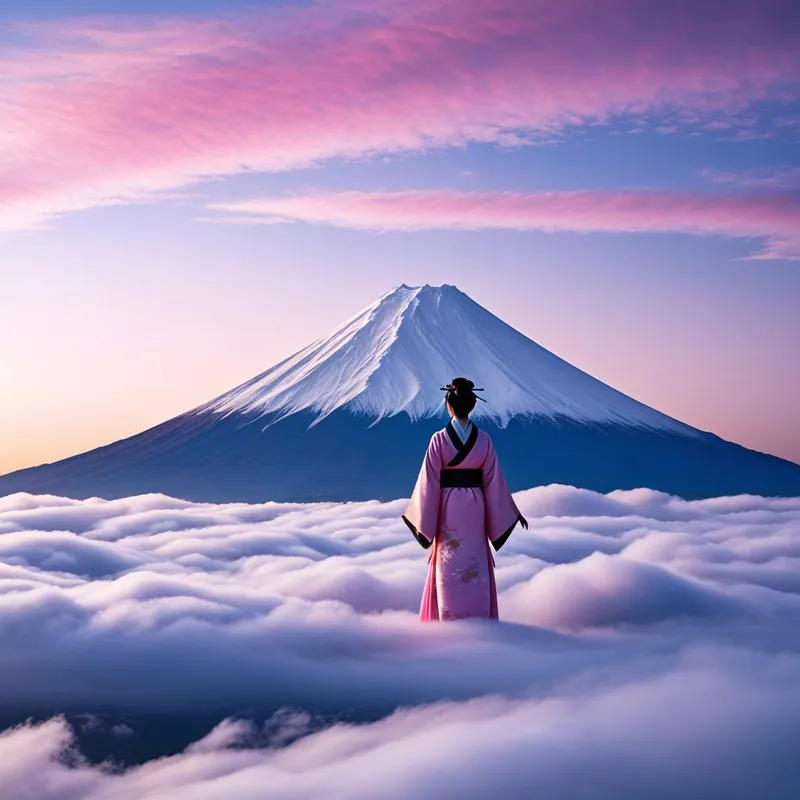
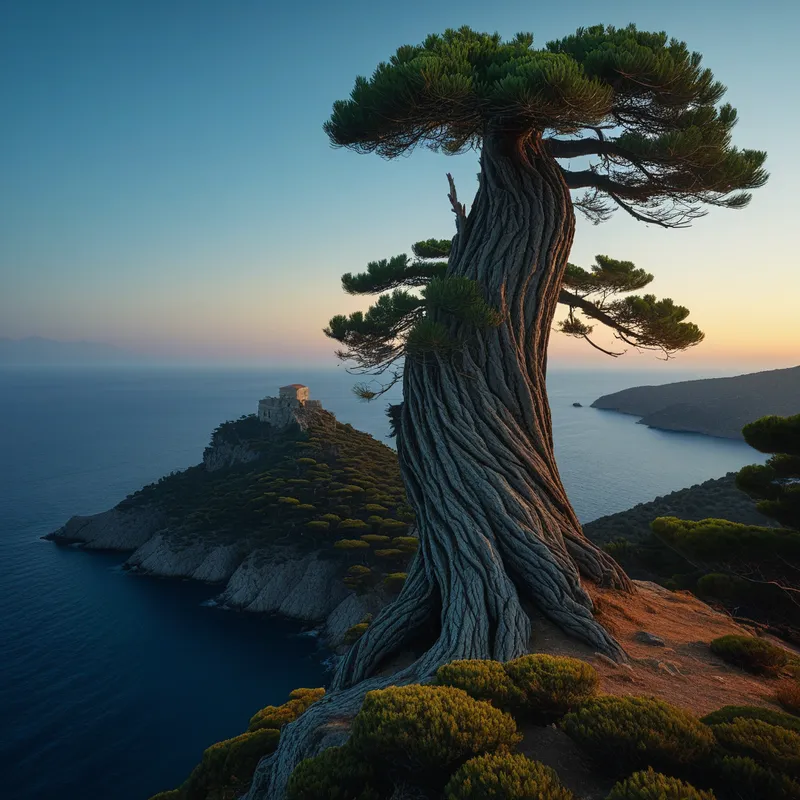
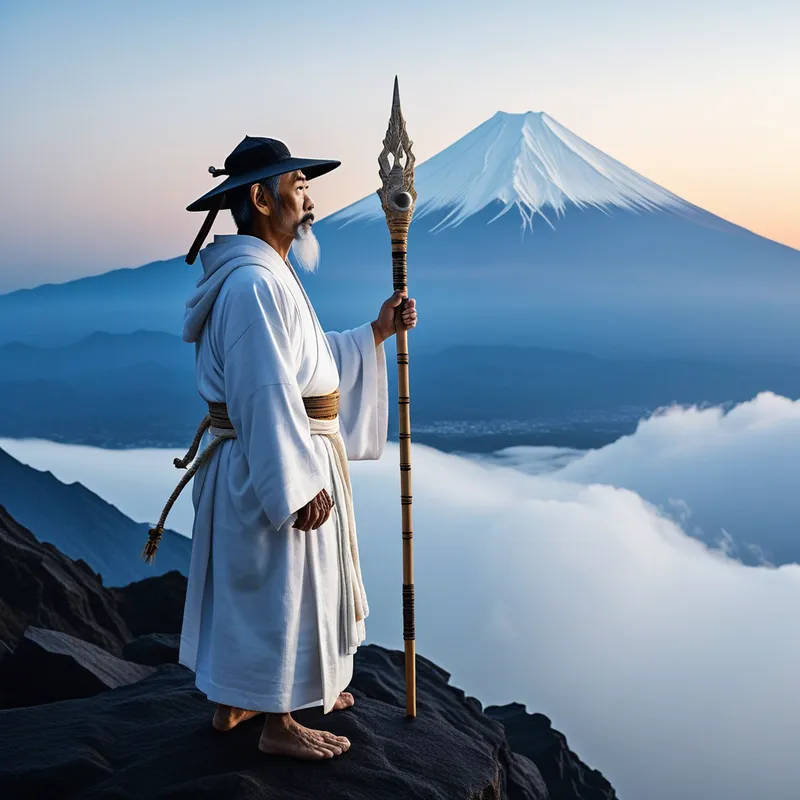
- Mountains: Ambition, obstacles, perspective, spiritual ascent.
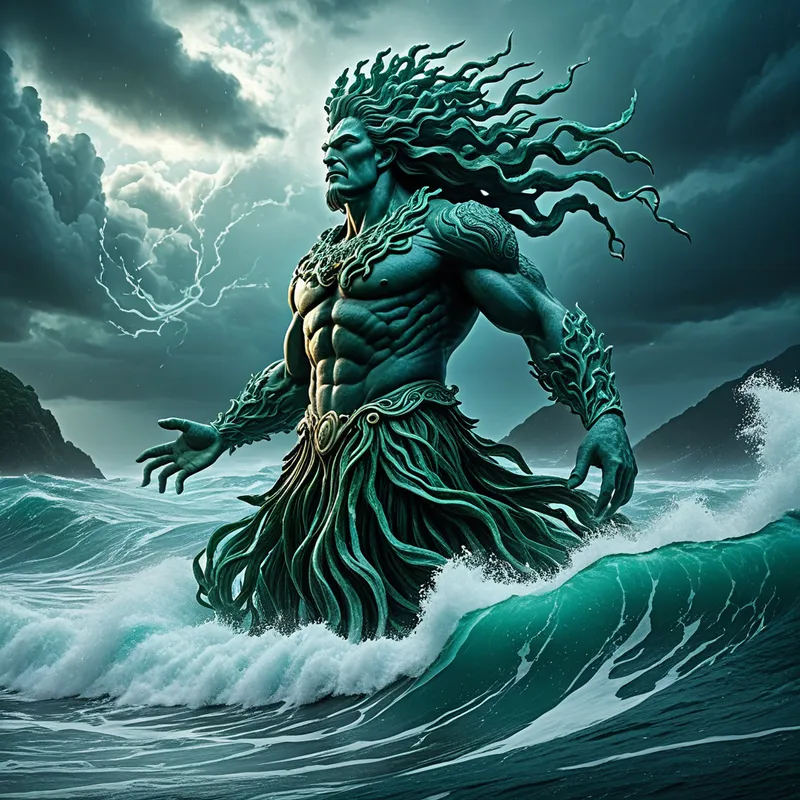
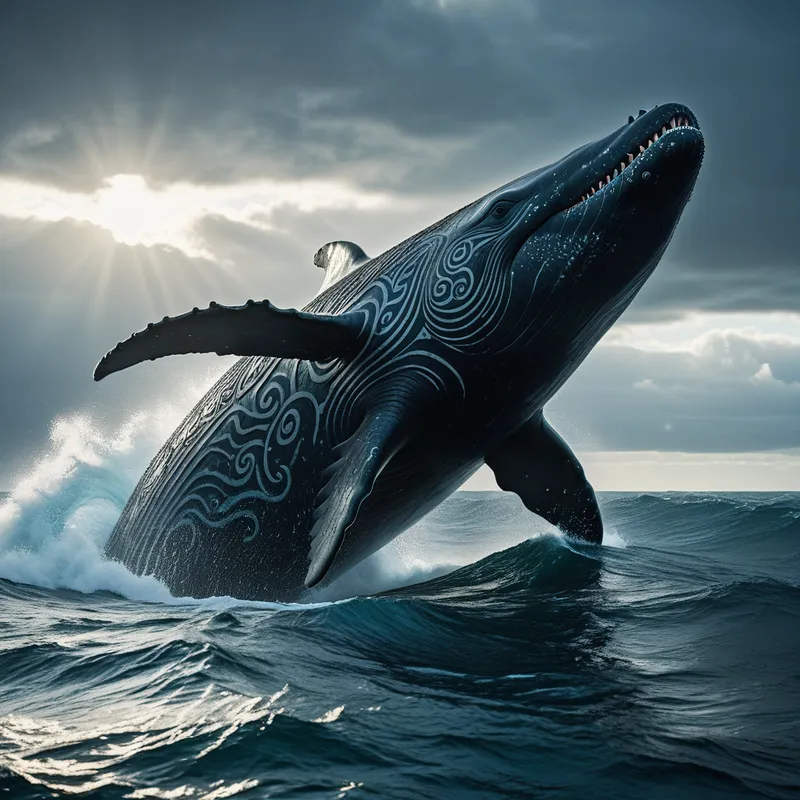
- Oceans/Water: Emotion, the unconscious, depth, fluidity, birth.
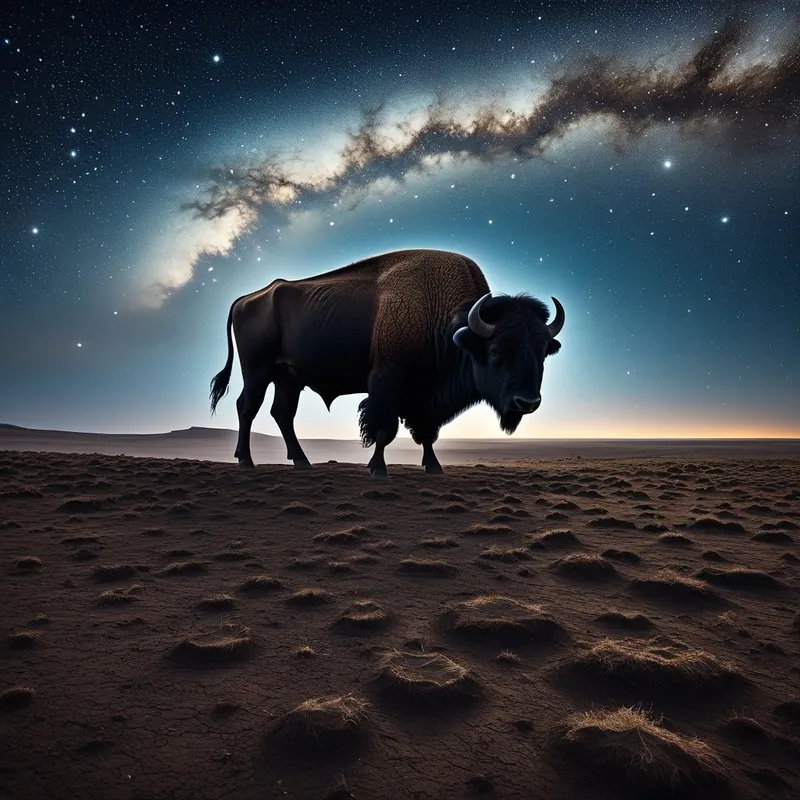
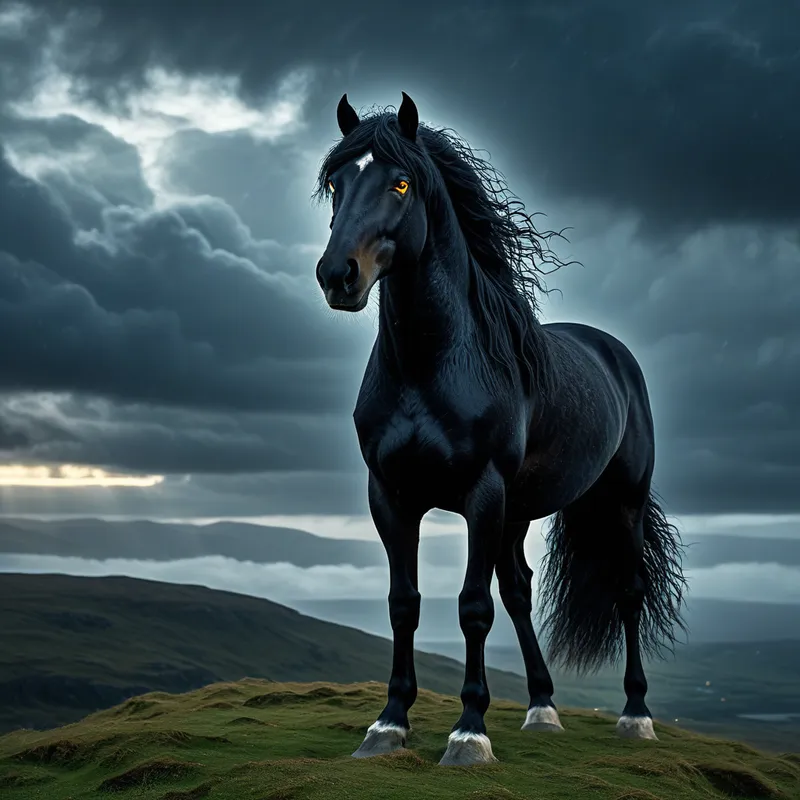
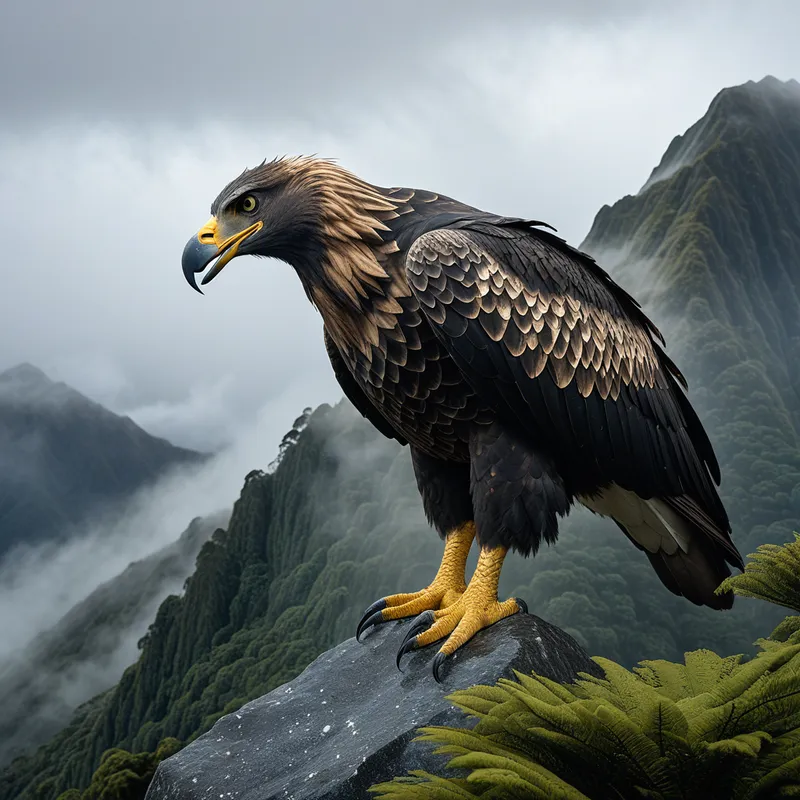
- Animals: Instincts, drives, and specific qualities (fox/cunning, bear/solitude, bird/spirit).
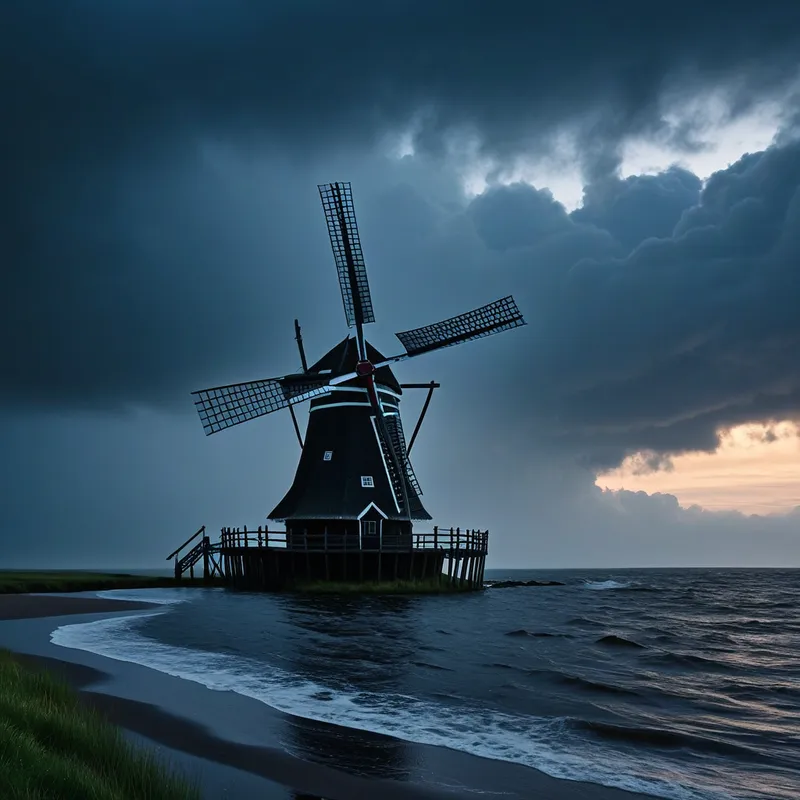
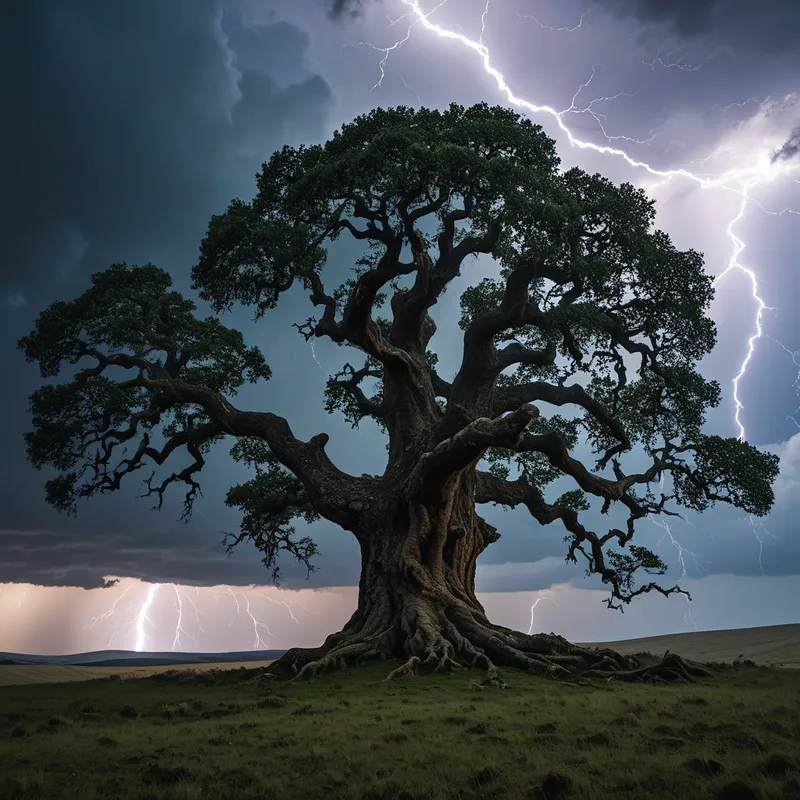
- Weather Systems: Emotional climates and transformative forces.
- Gardens: Cultivated aspects of the self, potential, growth.
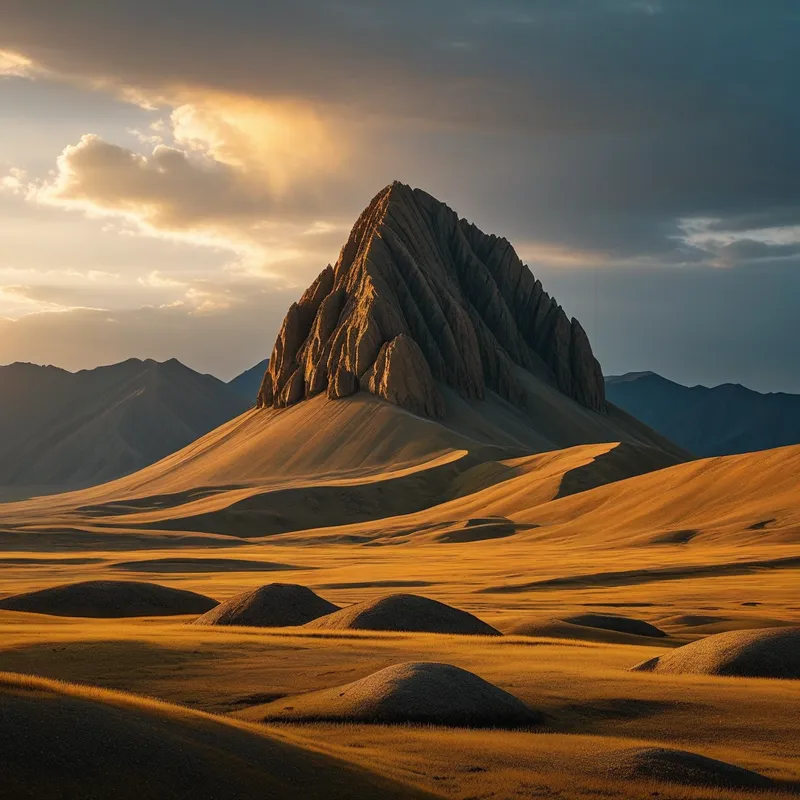
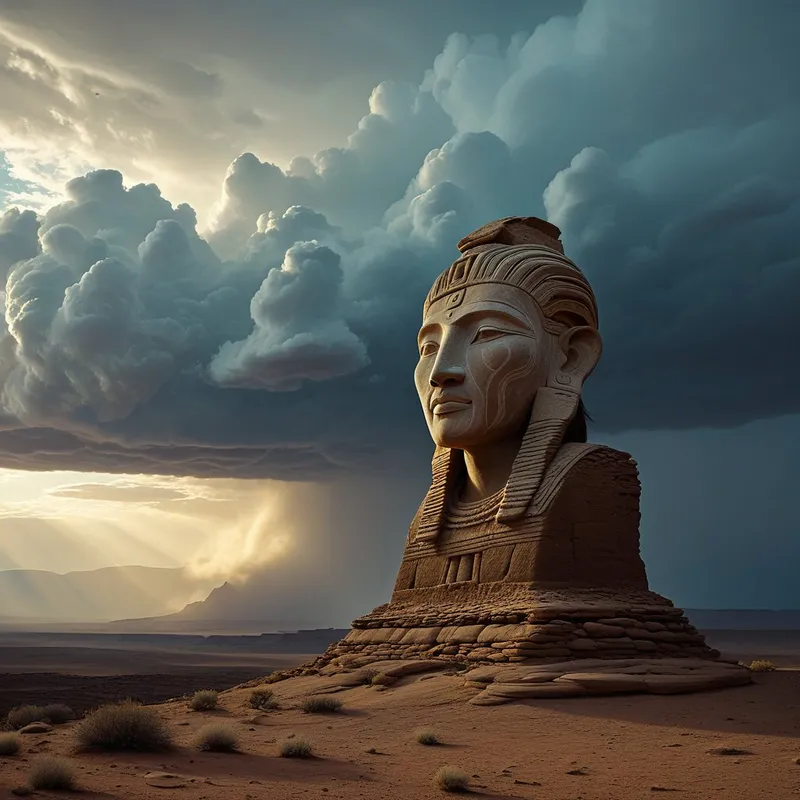
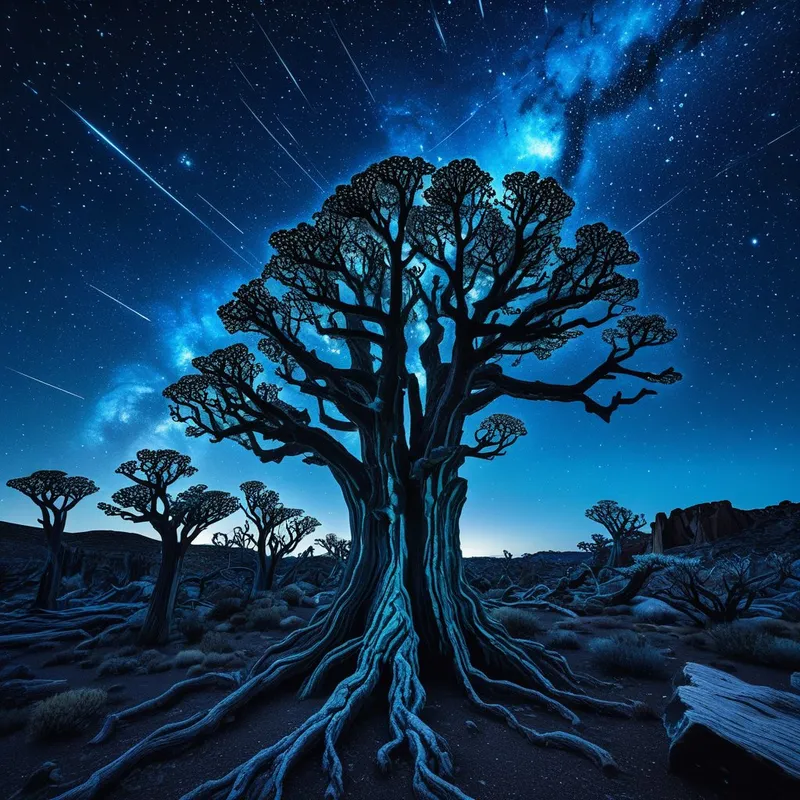
- Deserts: Aridity, spiritual or emotional drought, purification.
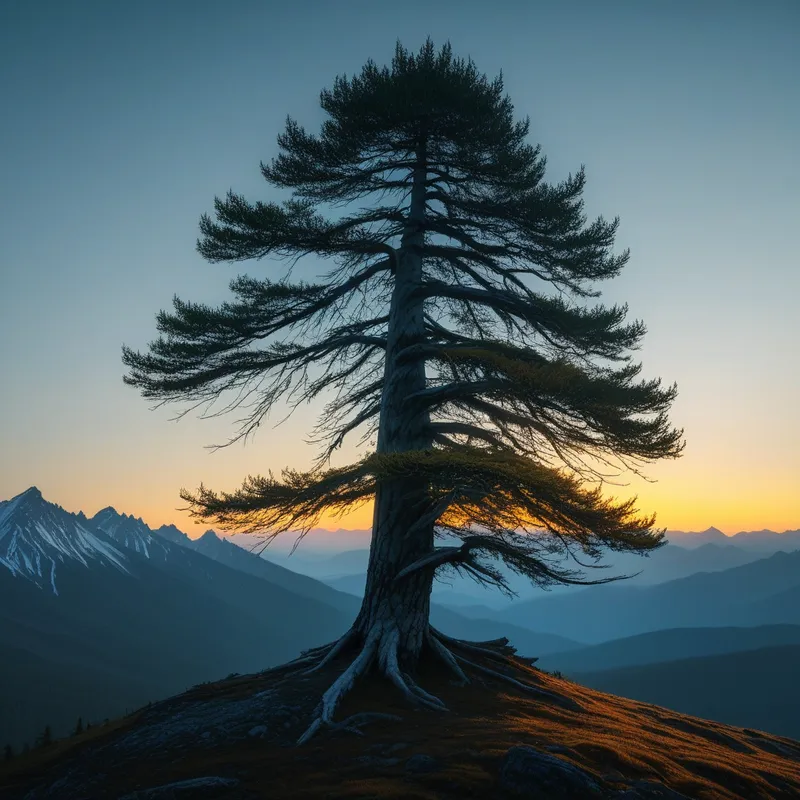
- Roots & Seeds: Foundations, potential, hidden beginnings, ancestry.
Archetypal Resonance
The Explorer Archetype is the primary navigator of the Nature dream. This is not the Explorer as tourist, but as the fundamental seeker who leaves the known village of the conscious mind to map the wilderness of the interior. The somatic echo—that pull in the gut, that expansion in the chest—is the Explorer’s compass, calibrated to true north of the authentic self. Its alchemical potential lies in its willingness to be lost, to follow the animal track instead of the paved road, and to value the journey of discovery over the security of the familiar. The Shadow Explorer manifests as the feeling of being perpetually alienated and aimless, wandering without purpose, mistaking motion for meaning—a dream of endless, featureless moors. The core energy here is curiosity as a spiritual discipline, the drive to make the unknown known, and in doing so, to vastly expand the borders of the self.
The Alchemical Process
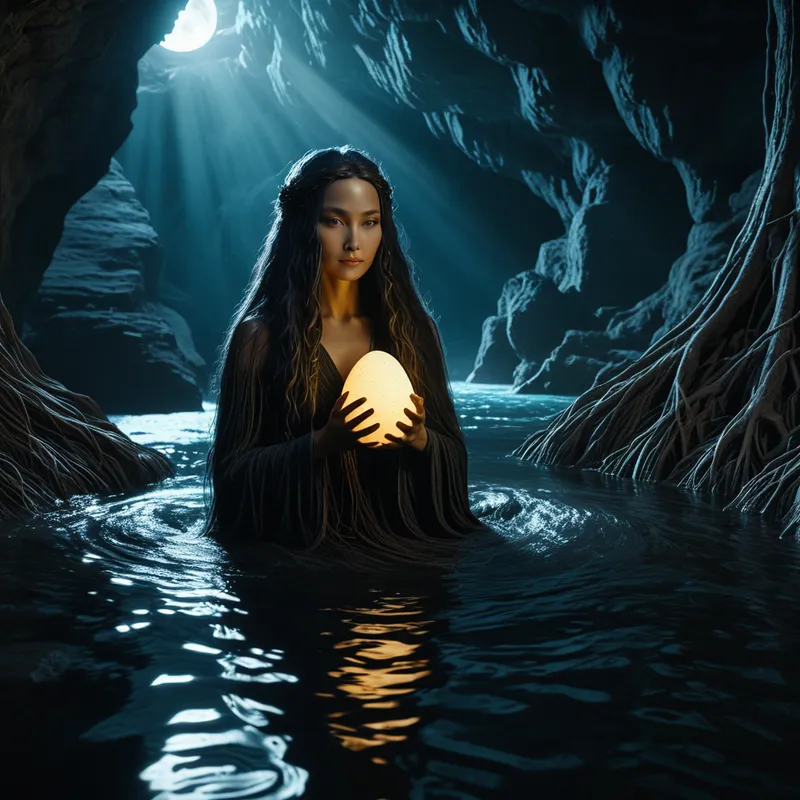
The alchemical transmutation in Nature dreams is Photosynthesis. The intense psychological heat and pressure required is the full, conscious immersion into the shadowed, "compost" aspects of the self—the grief, rage, fear, and decay we instinctively avoid. One must consent to be buried in this dark, rich soil. This is the nigredo, the blackening. The process demands you stay present with the visceral echo, the discomfort of the swamp, the terror of the predator's gaze, without fleeing into mental interpretation. Through this sustained attention—this psychological sunlight—a miracle occurs. The very material that seemed like waste is metabolized. Grief becomes depth of feeling. Rage becomes potent boundaries. Fear becomes heightened awareness. The inert matter of trauma is transformed into the active energy of wisdom. The sovereign self that emerges is not a conqueror of this inner landscape, but a fluent participant in its ecology. You do not command the weather; you learn to read the sky. You do not exterminate the wolf; you learn its territory and its language.
The Integration Protocol
Question 1: Where in my waking life do I feel the same somatic echo I felt in the dream—the tightness, the expansion, the chill, the pull? What situation is my body mapping as a landscape?
Question 2: If the dream landscape (forest, desert, ocean) were a part of my own psyche, what function does it serve? Is it protecting something, hiding something, or growing something?
Question 3: What "civilized" rule or structure in my life is currently in conflict with a more wild, instinctual, or organic need within me?
Action 1 (Somatic Grounding): For one week, upon waking, do not recall the dream images. Instead, feel for the dominant physical sensation left by the dream. Spend five minutes simply breathing into that area of your body, without judgment or story, allowing the sensation to be fully present.
Action 2 (Creative Cartography): Draw a map of your dream landscape. Do not aim for artistic skill. Use symbols, colors, and textures to represent features. Where are the boundaries? The hidden places? The sources of water or danger? Title the map as if it were a region of your own being.
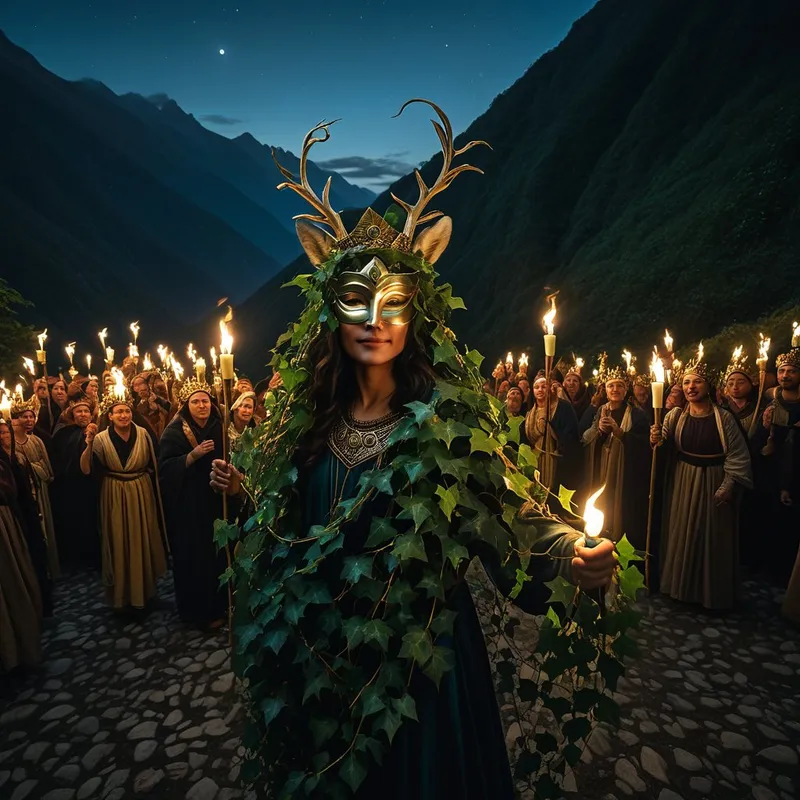
Action 3 (Elemental Ritual): Choose the dominant element from your dream (earth, water, air, fire). Perform a simple, respectful action to connect with it in waking life. For earth, plant something or walk barefoot on soil. For water, visit a body of water or consciously drink a glass. For air, fly a kite or breathe deeply at a high vantage point. For fire, safely light a candle and watch the flame. Before you begin, state silently: "I honor you within me."
Final Validation
To dream of Nature in its raw, untamed, or unsettling forms is to be called to a frontier that can feel vast and intimidating. It is not a gentle call to a picnic. It is the call of the wild within, and it can shake the foundations of a carefully constructed life. This difficulty is real, and it is the measure of the transformation at hand. Yet, this call is the soul’s most profound act of faith in you. It would not show you the storm if it did not believe you could learn to sail. It would not lead you into the forest if it did not trust you to find the path. Your psyche is not trying to frighten you; it is trying to re-member you—to put you back in touch with the ancient, intelligent, and utterly resilient ecosystem that you are. The sovereignty offered is not one of control, but of belonging. You are being invited home, not to a house, but to a living, breathing territory. Your only task is to step across the threshold.