The Somatic Echo
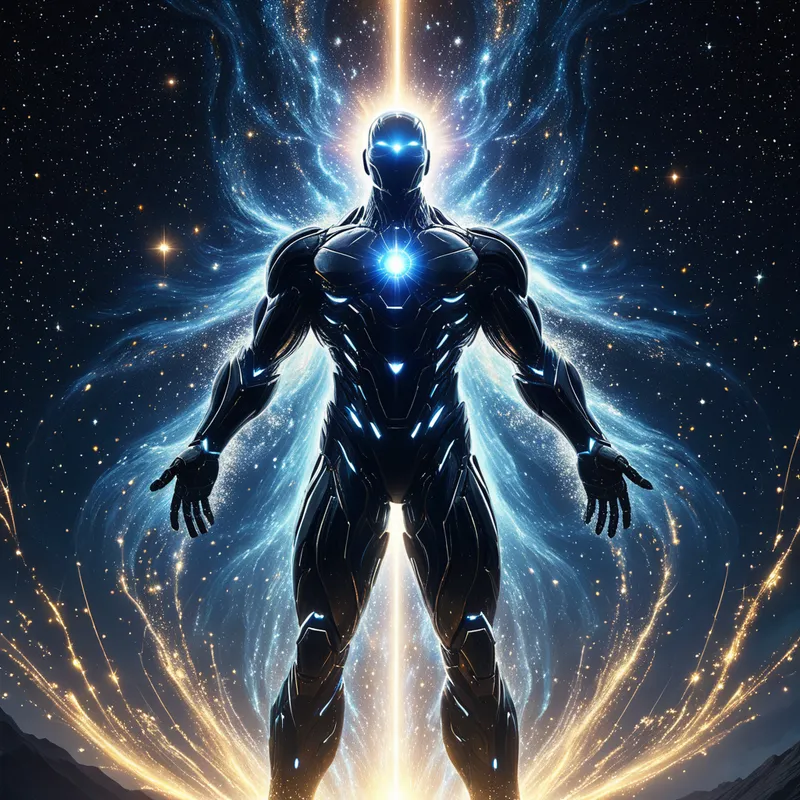
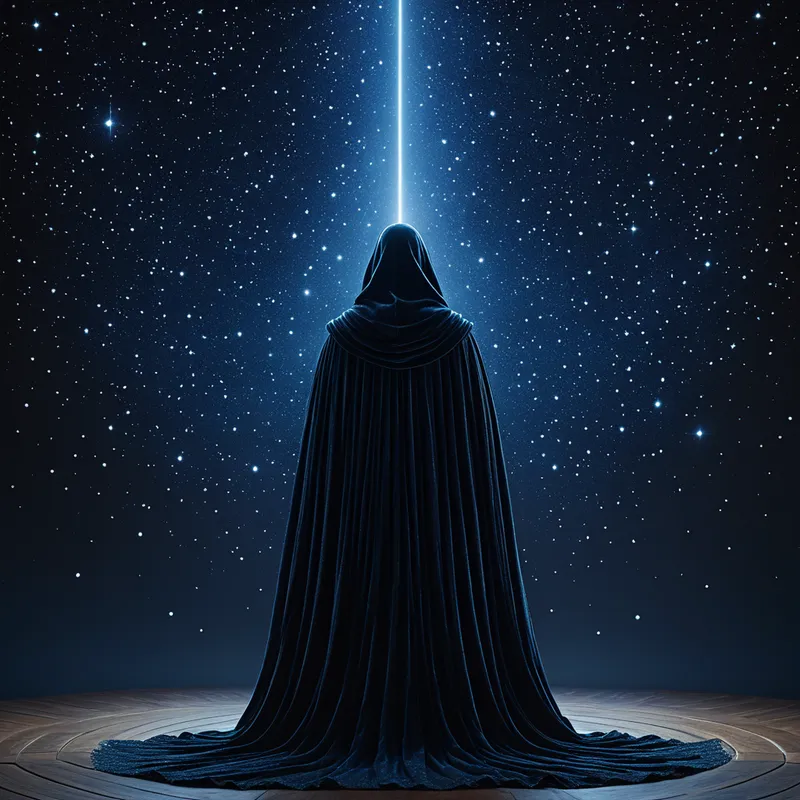
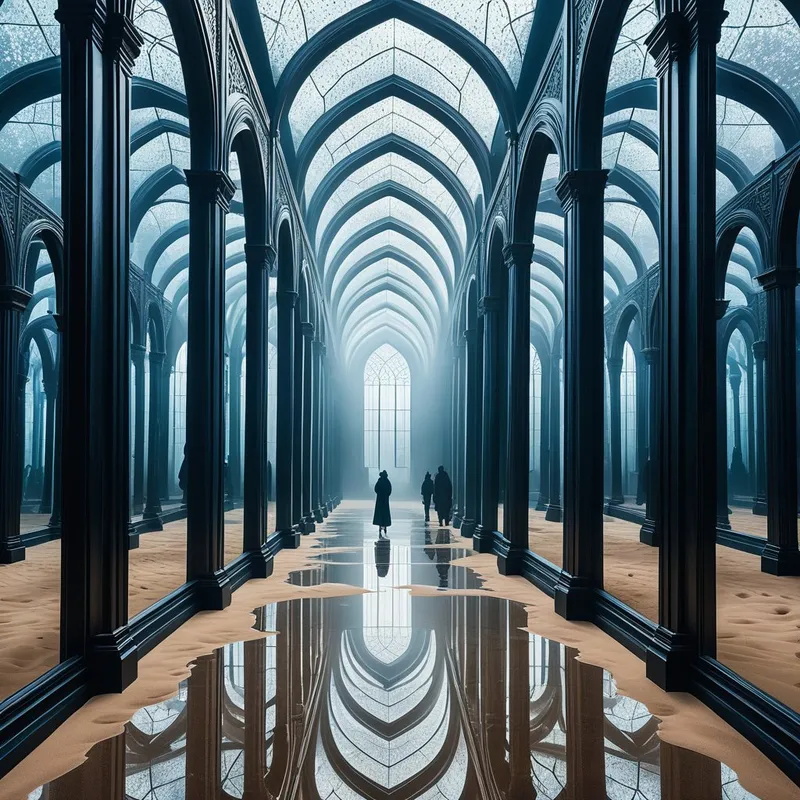
Before the image forms, the body knows. It is a hollowing out behind the sternum, a subtle vertigo as if the floor of the self has become glass. There is a cold, metallic taste at the back of the tongue—the flavor of an unfamiliar signature. The hands might feel too large or too small, clumsy prosthetics operated by remote control. This is the somatic prelude to the dream of identity: a deep, cellular sense of unhooking. The old anchors—the name, the face, the story you tell at parties—have slipped their moorings, and for a terrifying moment, you are adrift in your own interior sea. It is not panic, but a profound and eerie stillness, the quiet of a command center awaiting new orders.
The Dreamer's Log
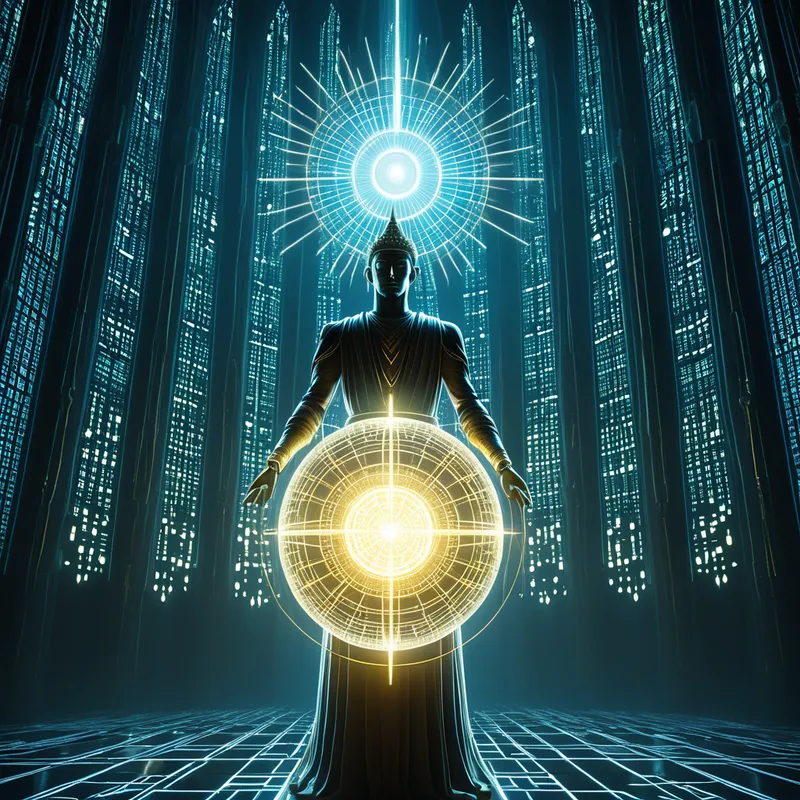
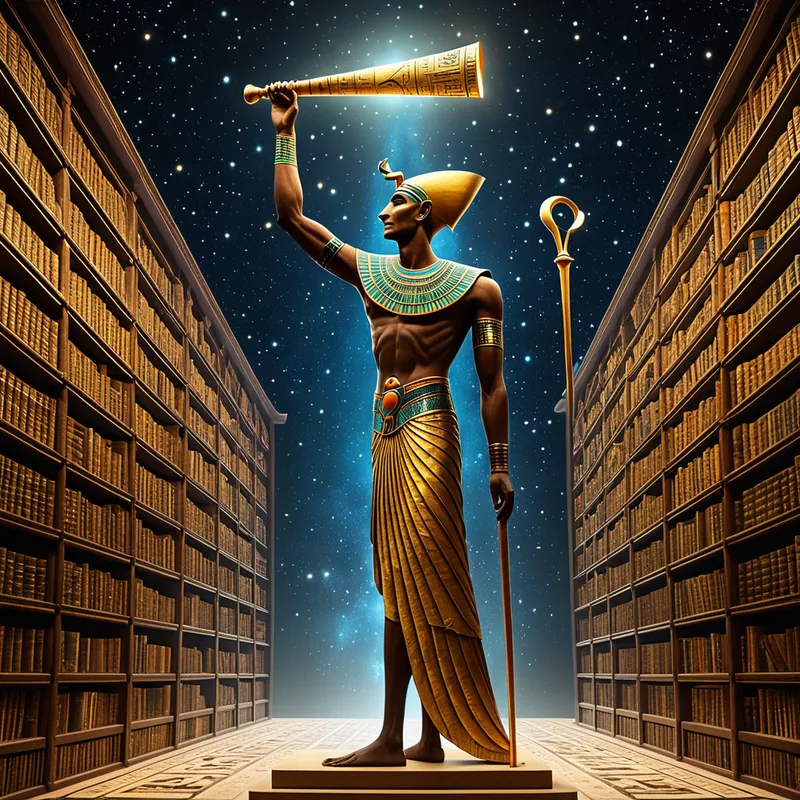
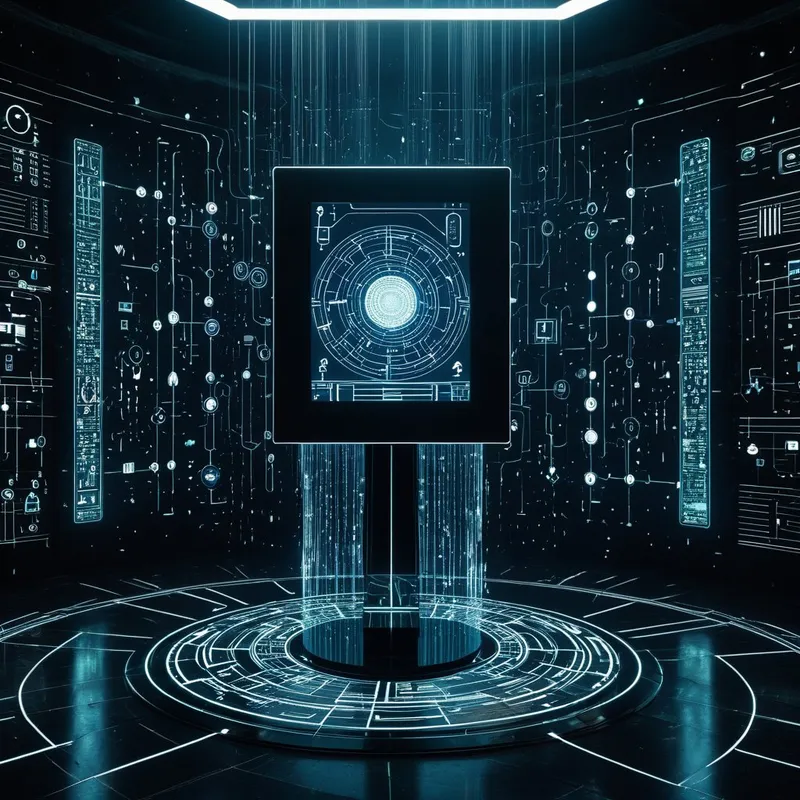
I am standing before a terminal in a vast, silent archive. My reflection in the dark screen is not my own. I type my name, but the characters that appear are glyphs I cannot read. A calm, synthetic voice states: "Authentication failed. Proceed to recalibration."
This dream is not a failure, but a successful initiation into the system’s core protocol: the deconstruction of a user profile that has become a prison.
The False Lead
This theme is not about mere insecurity or a "bad day" for the ego. It is not the fleeting worry of whether you are liked or competent. Those are surface tremors. The dream of identity speaks to a far deeper seismic event: the dissolution of the very architecture you believed was bedrock. To mistake this for simple anxiety is to hear the first note of a symphony and call it noise. The terror here is not of being inadequate, but of being unmade—a necessary horror that precedes any true creation.
Psychological Architecture
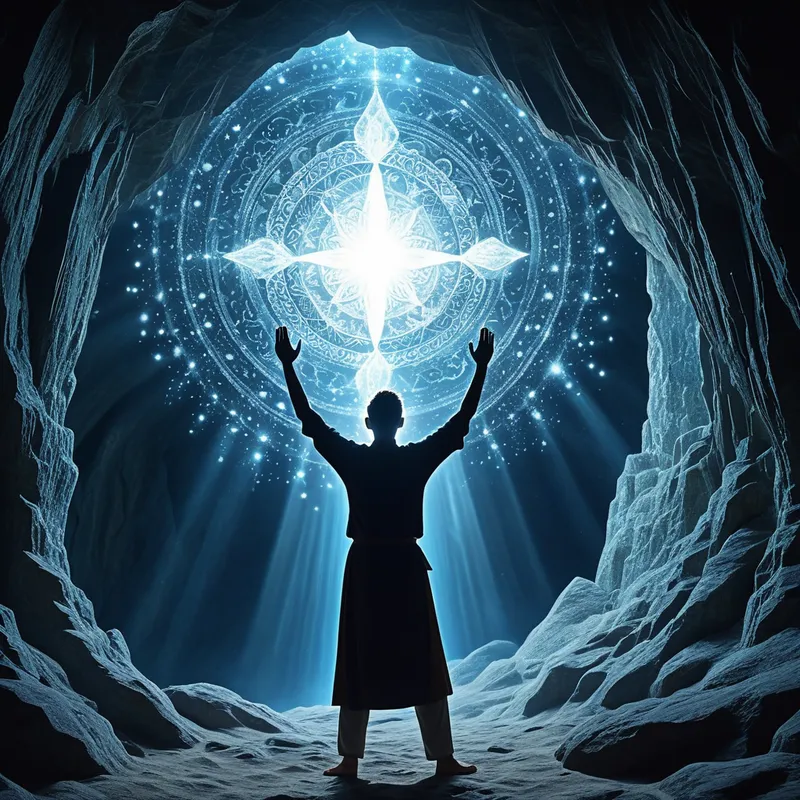
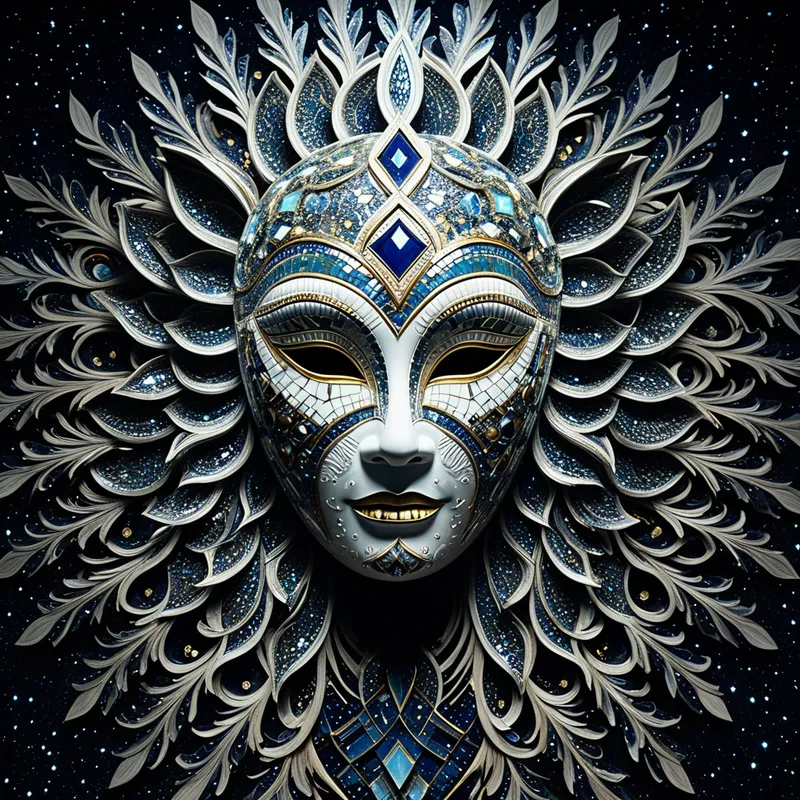
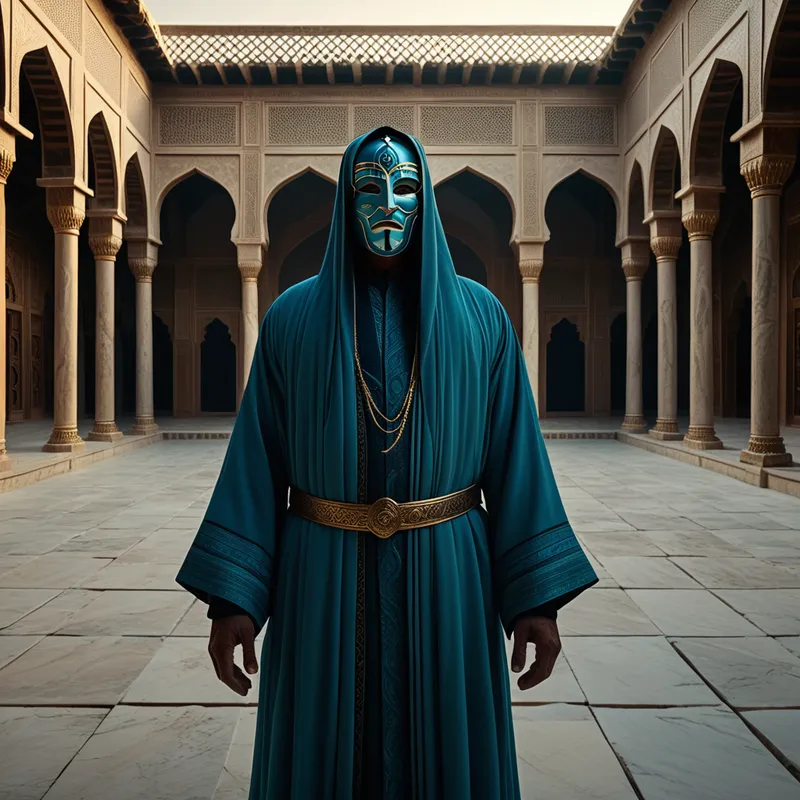
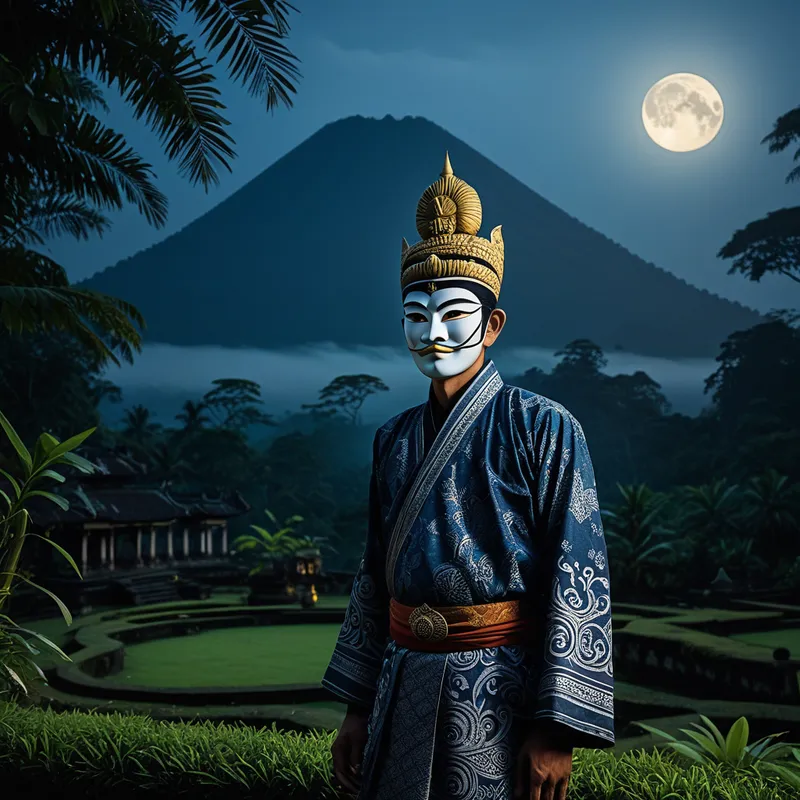
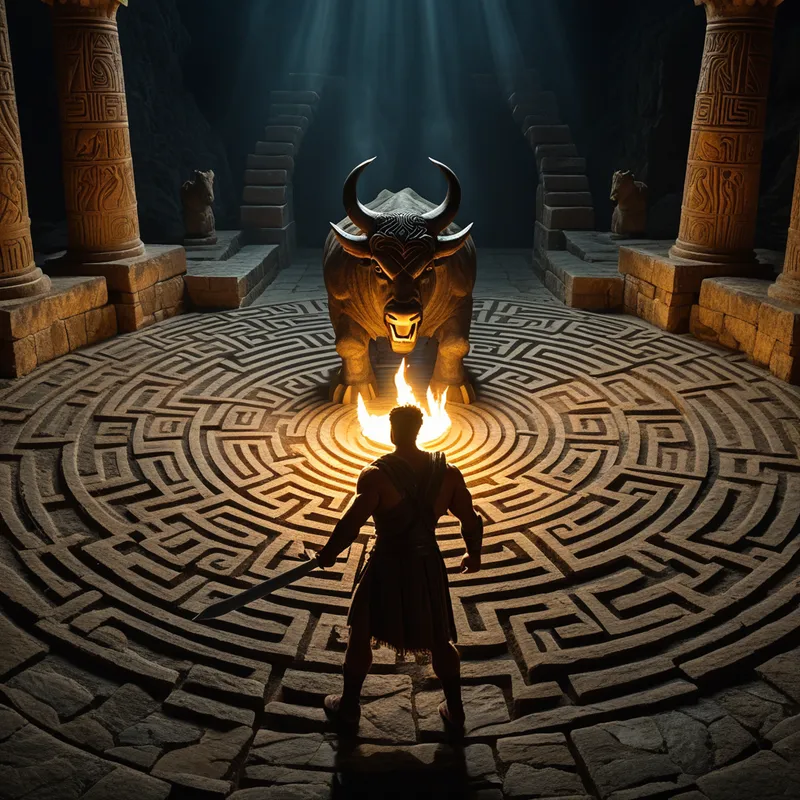
Here, Shadow work is not about battling monsters in a dark cave, but about sitting quietly in the cave as it dissolves around you. The process of individuation, in these terms, is a radical act of dis-identification. You are not integrating lost parts so much as you are discovering the one who does the integrating. The psyche, in its infinite intelligence, begins to dismantle the persona—the well-crafted mask of "you" that navigates the world. It unscrews the nameplate from the office door, empties the drawers of their familiar contents, and paints over the murals on the walls. This feels like death because it is. It is the death of the constellation, so the individual stars can be seen in their own, sovereign light. The grief is for the loss of a coherent map. The potential is the discovery that you are not the map, but the territory—vast, unmapped, and alive.
Mythic Resonance
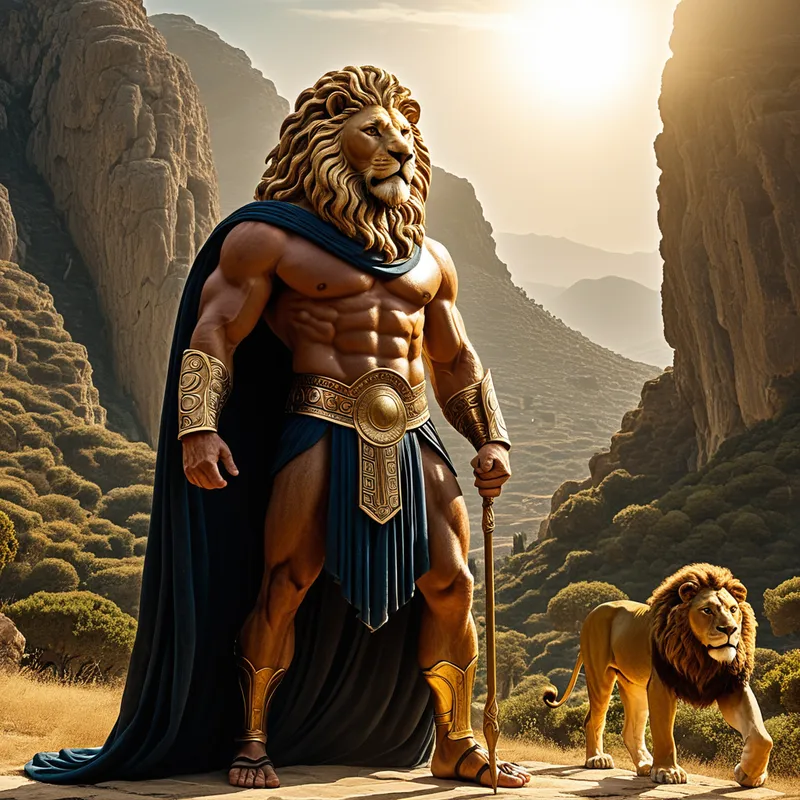
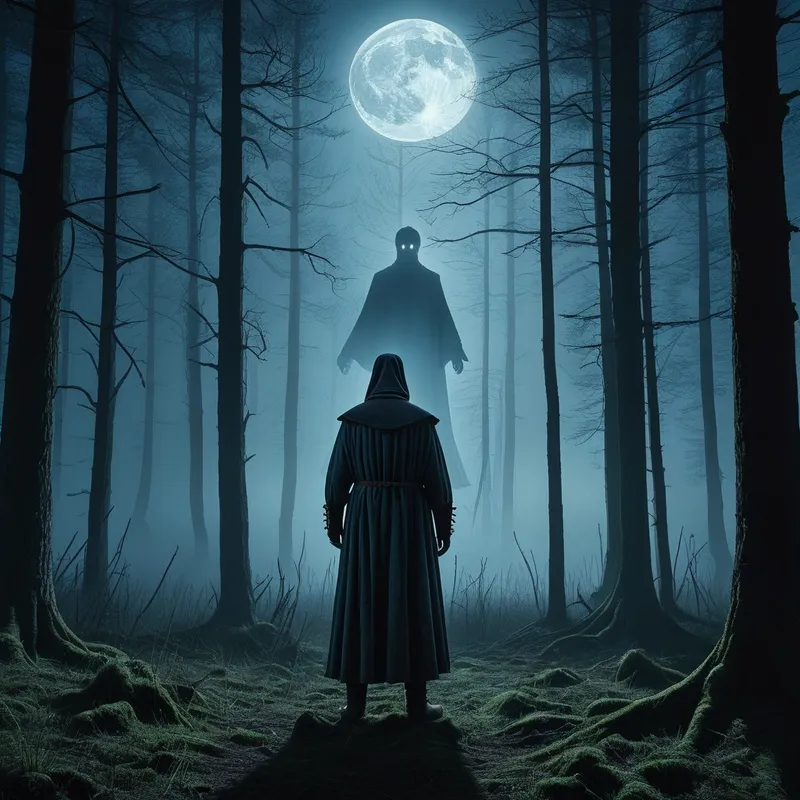
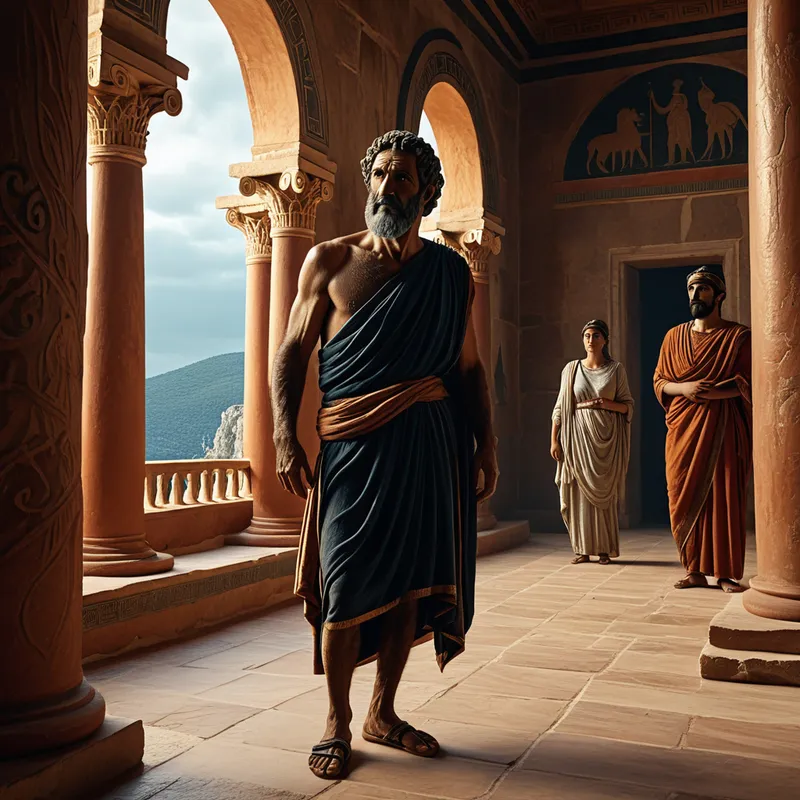
Consider the story of Dionysus, the god who arrives from the east, unrecognizable, to his own homeland. He is captured, bound, and driven mad by those who cannot see his divinity. His identity is fluid, shifting between man and beast, ecstasy and terror. He is the stranger at the gates, and the gates are your own senses of self. To meet him is to have every category of "known" shattered. In a more modern firmware, we see this in the tale of the cyborg or the replicated—figures like Roy Batty in Blade Runner, whose entire quest is for a memory, a story, a context to grant meaning to his existence. His famous "tears in rain" monologue is the lament of an identity that knows its own source code is borrowed, yet feels its reality with unbearable poignancy. The myth is always the same: you must lose the story you were given to find the one you are.
Symbolic Nodes
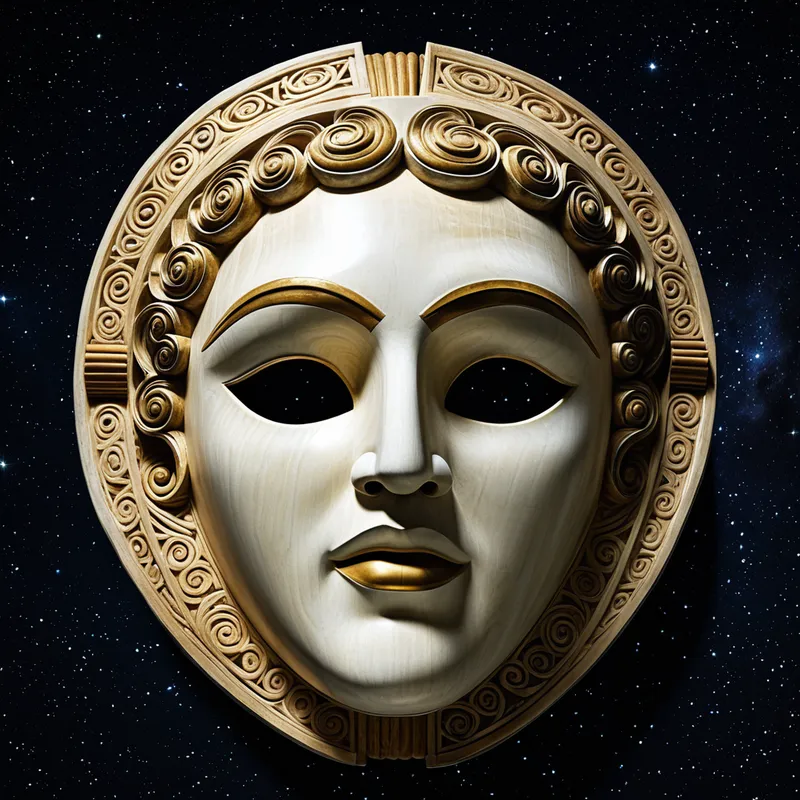
- Shifting or Missing Faces/Reflections: The persona is in flux.
- Unknown Rooms in Your Own House: Unexplored chambers of the self.
- Lost Identification (Passport, Keys): A revoked license to operate in the old world.
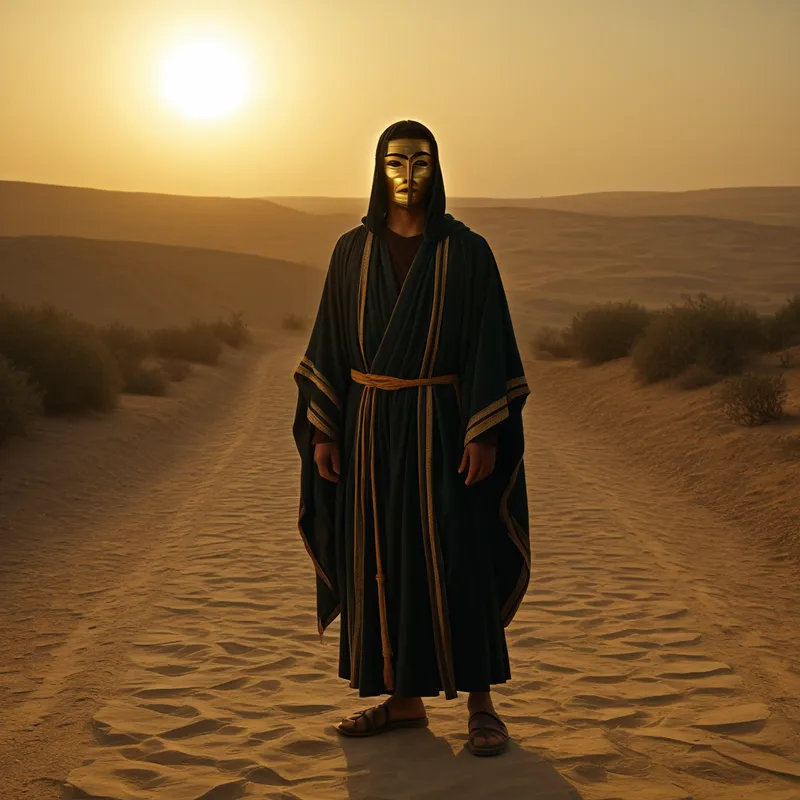
- Being an Imposter or Spy: The feeling of performing a self that is not your own.
- Changing Clothing, Especially into Uniforms or Costumes: Trying on new roles at a foundational level.
- A Voice That is Not Your Own Speaking Through You: A more authentic, or deeply buried, part attempting communication.
Archetypal Resonance
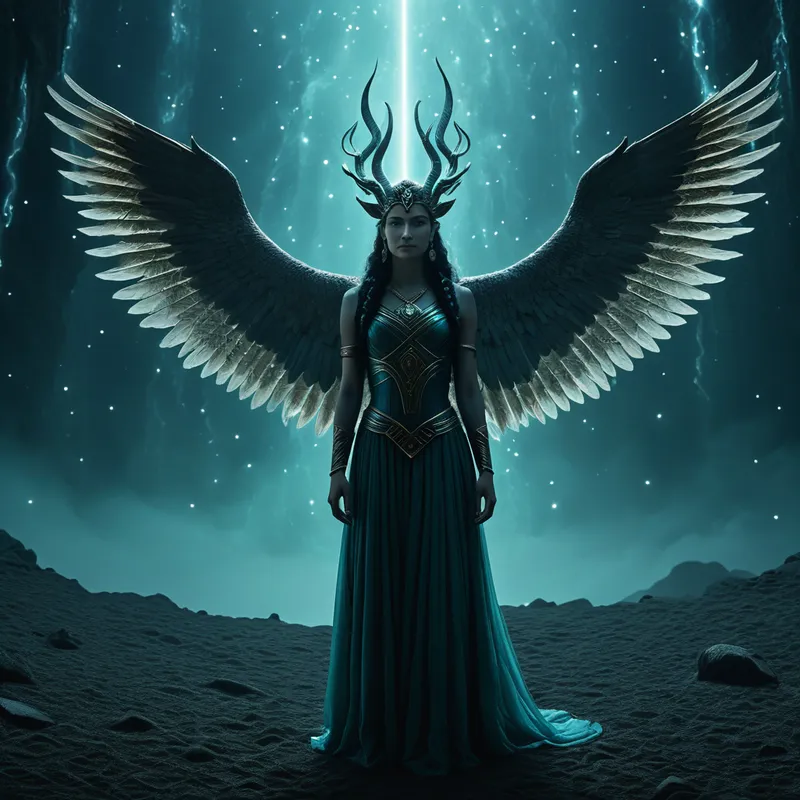
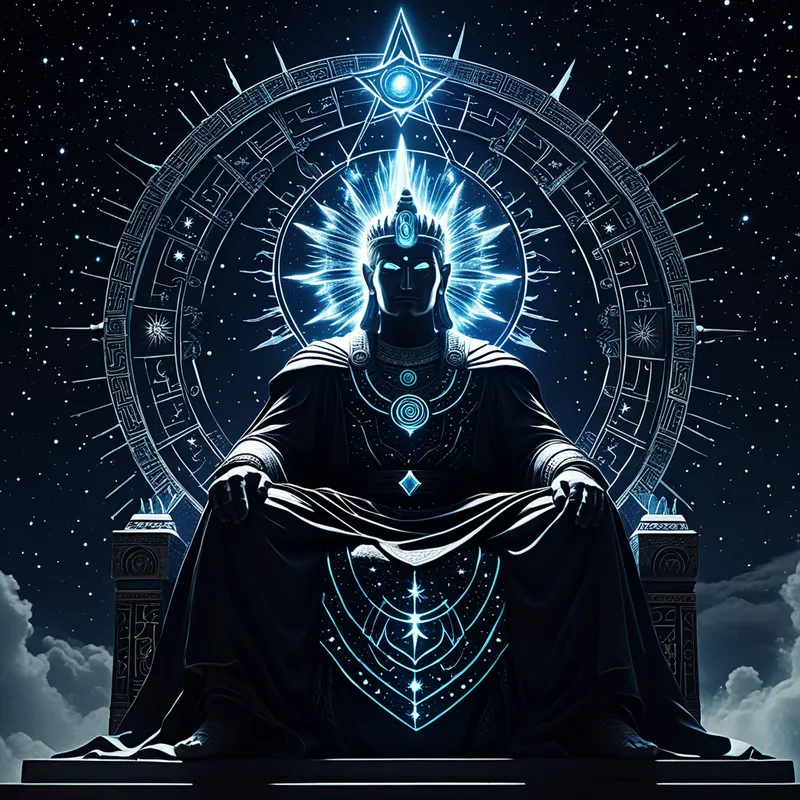
The Magician Archetype is the master of this domain. Not the stage illusionist, but the deep alchemist. The somatic echo of hollowing is the Magician’s sacred vessel being emptied. The failed authentication at the terminal is the old spell breaking down. This archetype understands that identity is not a fixed object, but a dynamic verb—a continuous act of transformation and manifestation. Its shadow, the Manipulator or Illusionist, is what we fear: the sense that we are a fake, a constructed puppet. The alchemical potential lies in moving from being spelled (by culture, trauma, expectation) to being the one who spells—who chooses the symbols, speaks the words, and transmutes the base material of experience into the gold of authentic being. The Magician does not seek a stable identity, but a fluent and sovereign relationship with the power of change itself.
The Alchemical Process
The transmutation here is from form to force, from noun to verb. The required heat is the unbearable tension of the liminal—the extended moment when you are neither who you were, nor who you will be. This is the psychological crucible. The pressure is applied by life itself: a major loss, a sudden liberation, an illness, a success that dismantles your old self-concept. In this heat, the solid elements of your identity—your roles, your narratives, your perceived flaws and strengths—begin to soften, melt, and lose their distinct edges. This feels like madness. The alchemical secret is to not rush to recast the metal into a new, familiar shape. The goal is to remain in the liquid state, to become comfortable with the flow, until you realize you are not the metal at all, but the fire that transforms it. Sovereignty is born when you identify with the transformative process itself, not with any temporary solid it produces.

The Integration Protocol
Question 1: In the dream, when you realized you were not who you thought, what was the primary emotion? Was it fear, curiosity, relief, or a blank void? Follow that emotion like a trail of breadcrumbs back into your waking life.
Question 2: What is one story you tell about yourself—a "I am the kind of person who..." statement—that, if it were suddenly erased, would create the most space (even if that space is frightening)?
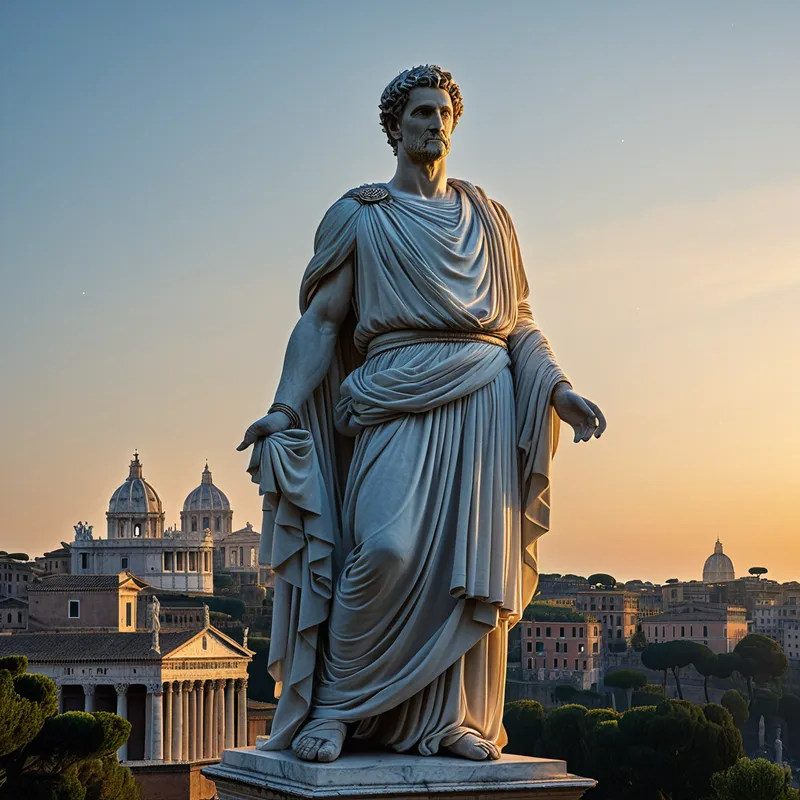
Question 3: If your identity were not a statue, but a weather system, what would it be? A still, high-pressure zone? A gathering storm? A mist that obscures and reveals?
Action 1 (The Unnamed Walk): Go for a walk with the explicit intention of not being yourself. Do not perform your usual thoughts, judgments, or observations. Perceive the world as a sensor array would—simply receiving light, sound, and texture without the filter of your personal narrative. Notice what sensations arise when the internal commentary is suspended.
Action 2 (Glyph Journal): For one week, keep a journal where you are forbidden to use words. Instead, when you feel a shift in your sense of self, draw a small, abstract glyph, symbol, or shape that captures the energy of that moment. Let it be unintelligible to the logical mind. The goal is not to decode them, but to build a non-verbal map of your interior weather.
Action 3 (Ritual of Erasure & Illumination): Write a list of the top five labels that define you (e.g., "caregiver," "professional," "perfectionist," "the responsible one"). Safely burn the paper, focusing on the release of the constriction these labels create, not their value. Then, in the dark, light a single candle. Sit with this question, not seeking an answer: "What exists in me before and after any name?"
Final Validation
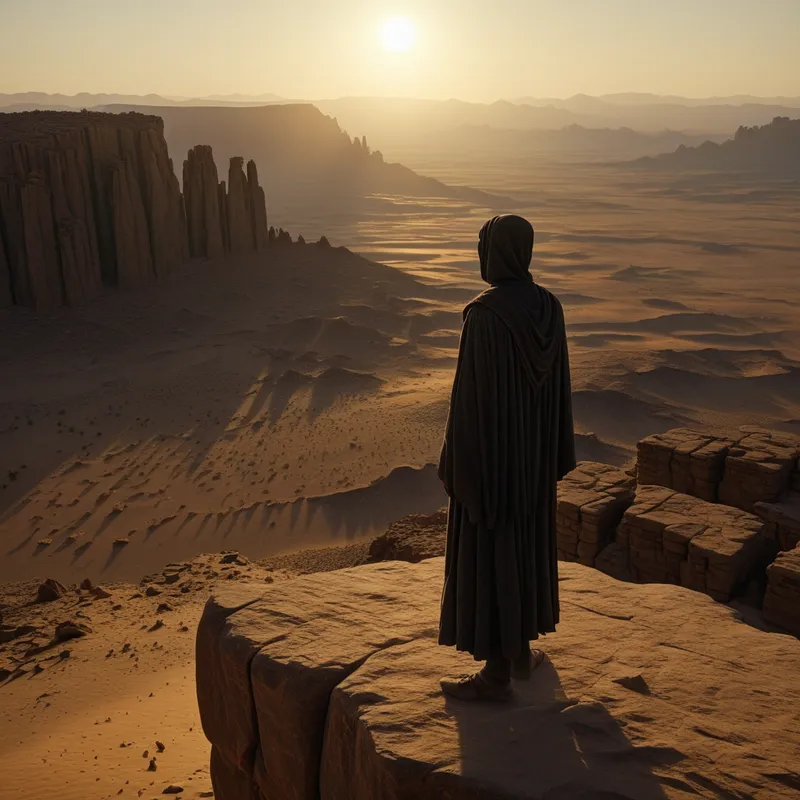
It is terrifying to feel the walls of the self become fluid. To wonder, in the deep night, if you are anyone at all. This terror is not a sign of breaking, but of a profound and courageous awakening. The psyche only dissolves what has become too small to contain the life force moving through you. You are not falling apart. You are being invited—with the most severe kindness imaginable—to stop being a portrait, and to become the living, breathing, ever-changing landscape.