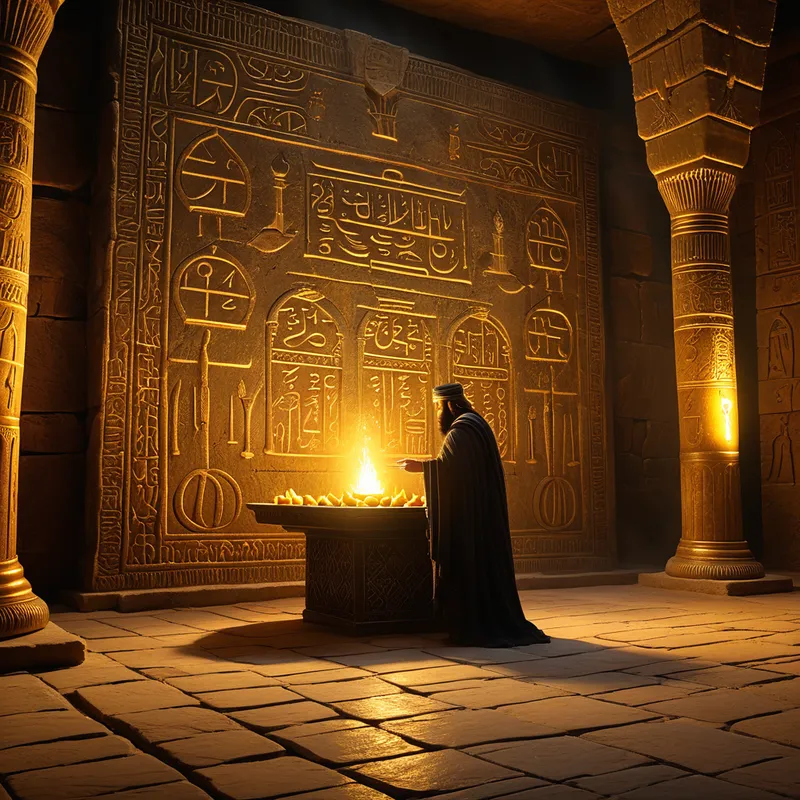
The Somatic Echo
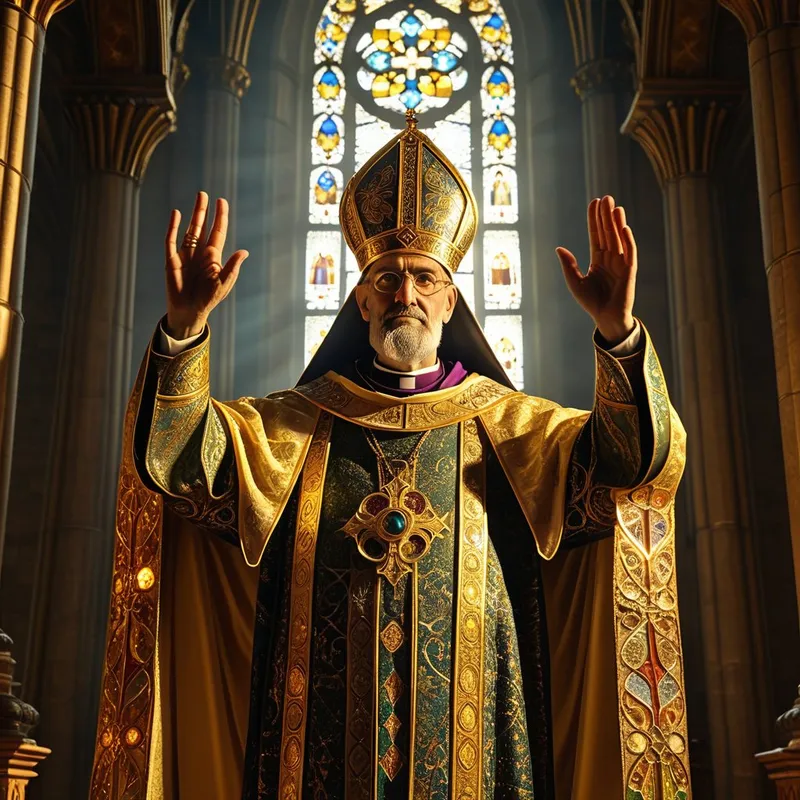
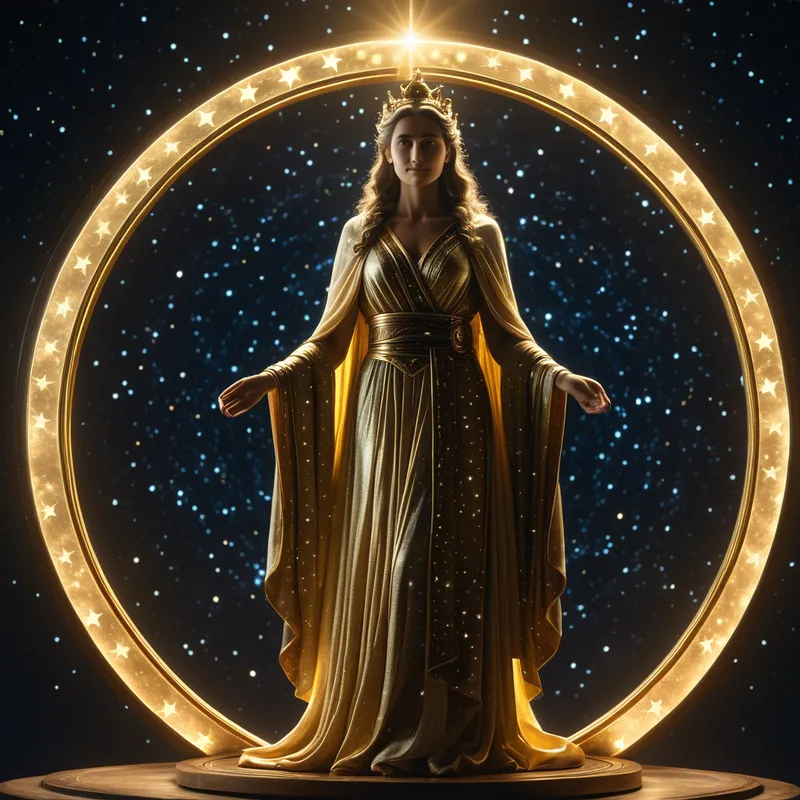
Before the dream-image forms, the body knows. It is not a fear of falling, but the vertigo of having built too high. A metallic taste at the back of the tongue, the ghost of a crown grown too heavy for the skull. The shoulders ache with the phantom weight of a cape you never asked for, a mantle of assumed authority that has fused to the skin. The breath becomes shallow, held in the upper chest, as if the lungs themselves are afraid to descend to the humble diaphragm. This is the pre-verbal architecture of hubris: a body holding itself aloft, suspended by the sheer tension of its own narrative, every muscle braced for the inevitable grounding it secretly craves but outwardly denies. It is the somatic signature of a psyche that has mistaken its map for the territory, its lighthouse for the shore.
The Dreamer's Log (Case Vignette)
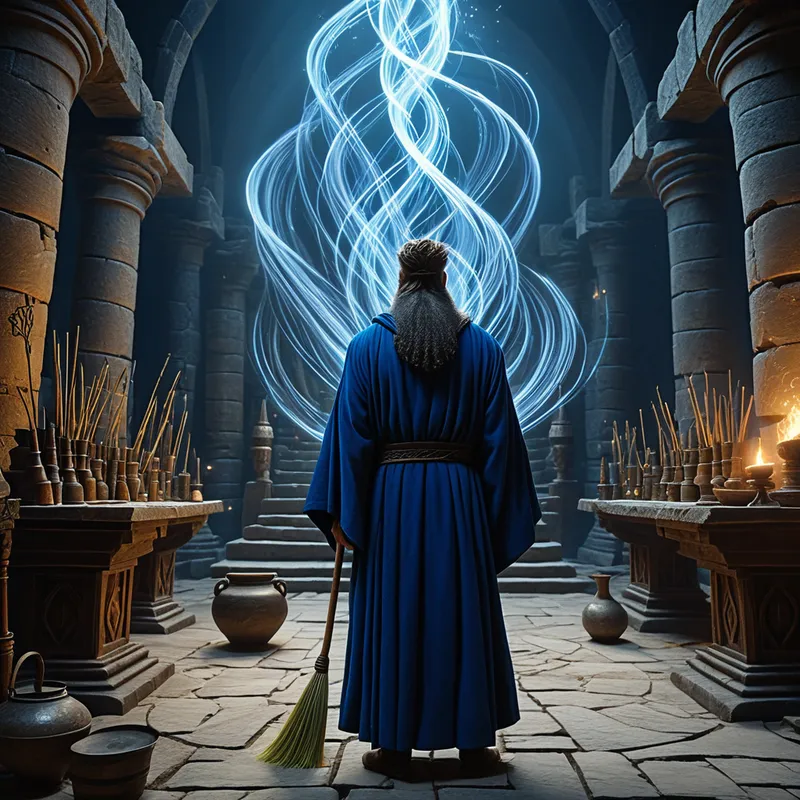
You stand in the heart of a silent, monolithic control center, a cathedral of your own design. Banks of screens display the intricate, beautiful patterns of a world you believe you command. You reach for a lever to adjust a fundamental frequency—a simple, god-like tweak—and the entire console goes dark. Not with a bang, but a hollow click. The screens die. The hum of power ceases, leaving only the deafening proof of your own irrelevance in the sudden, absolute quiet.
The alchemy here is the failure of the lever: the moment the illusion of control is severed, revealing the vast, ungovernable system that was always operating just beyond the user interface.

The False Lead
This is not a dream of mere failure or bad luck. To mistake it for such is to remain in the ego’s defense ministry, filing the event under "external circumstances." The terror of hubris is not that the world turned against you, but that you finally perceive how little of it you ever truly commanded. It is the structural failure of a personal mythology, not the vandalism of fate. It is the difference between a ship hitting a storm and a captain realizing the helm was never connected to the rudder. The grief is not for a lost battle, but for the spent years of saluting a flag you yourself sewed in an empty room.
Psychological Architecture
Hubris is the shadow work of the sovereign. It is the psyche’s necessary, brutal correction when the conscious ego—often a competent, achieving part—has been secretly deputized as the entire governing body. This part, let’s call it The Architect, does magnificent work. It builds towers of success, frameworks of identity, systems of meaning. But in its fervor, it bricks over the windows. It forgets the cellar where the older, wilder parts dwell: the Orphan who knows need, the Rebel who scorns blueprints, the simple Human who requires soil, not marble, underfoot.
The individuation process here is a controlled demolition. It is not about destroying The Architect, but dethroning it. The dream of hubris is the soul’s demolition order, served when the tower threatens to block the sun for all other inner citizens. The ensuing collapse feels like annihilation, but it is the liberation of space. The shadow of hubris is not evil, but a forgotten wholeness—the humility of being a citizen within your own psyche, not its sole autocrat. The work is to descend from the penthouse and reacquaint yourself with the foundations, to feel the damp earth and hear the rumors of the roots you’ve long ignored.
Mythic Resonance
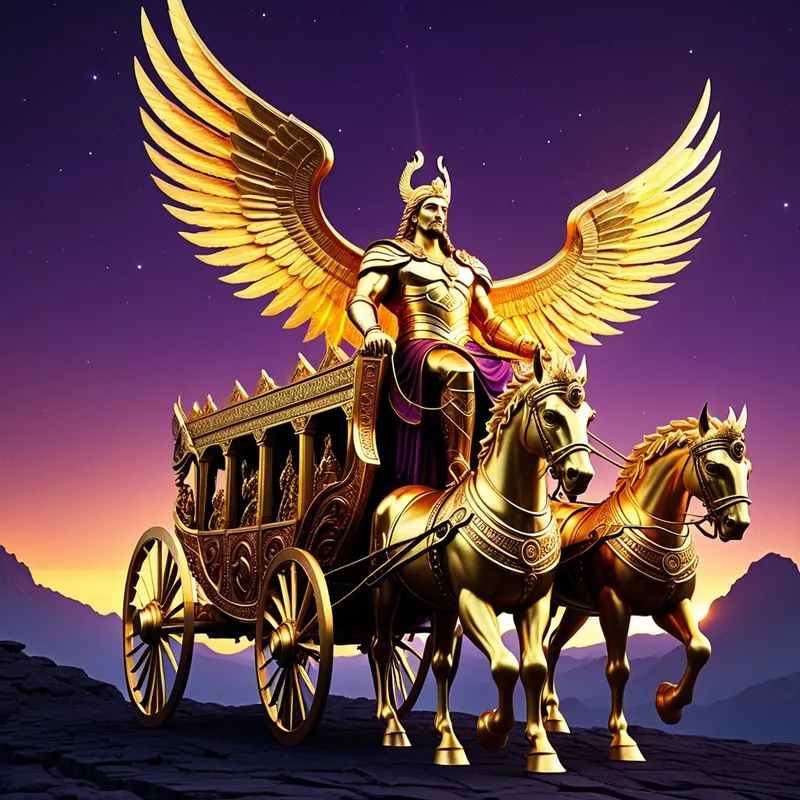
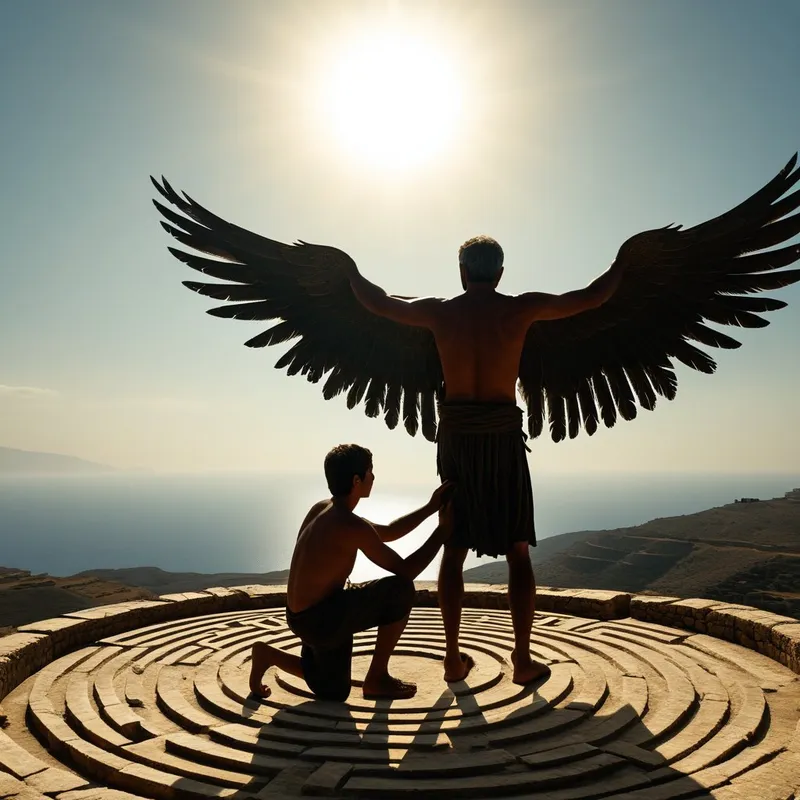
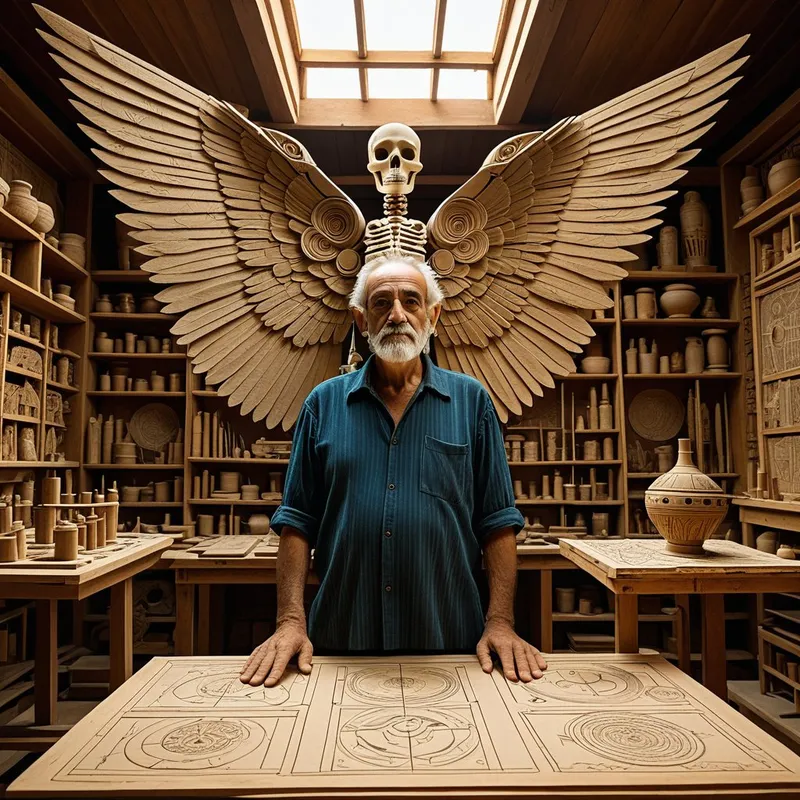
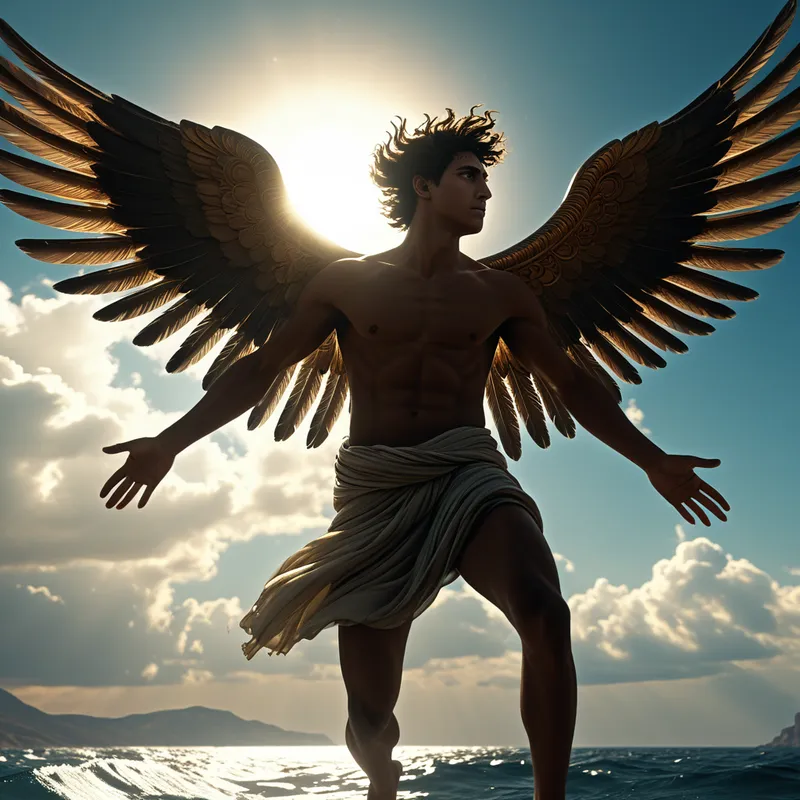
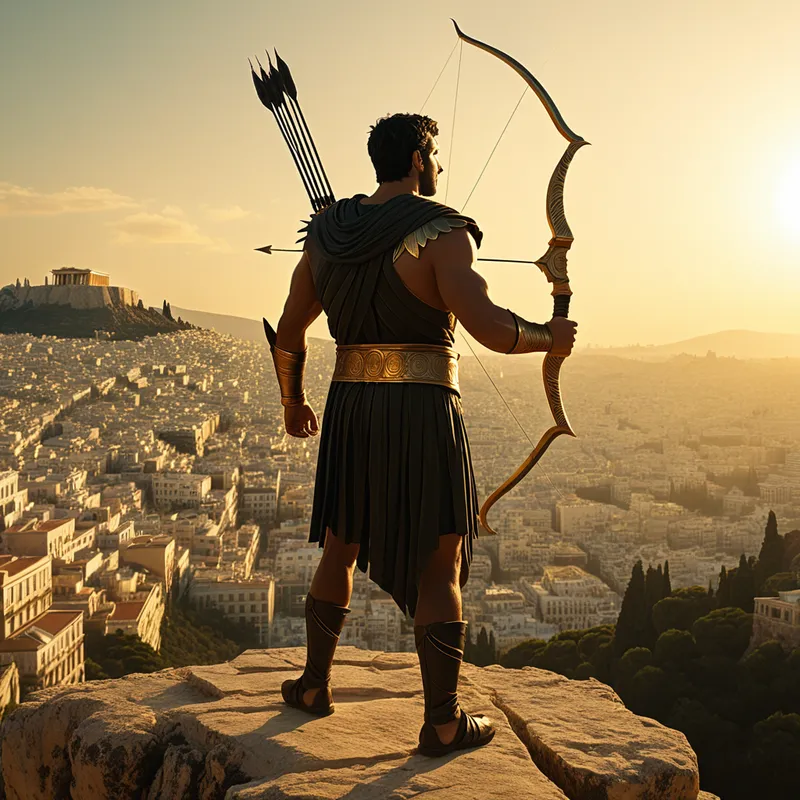
We see this in the story of Icarus, but often misunderstand its heart. The tragedy is not the flying, nor the ambition of the sun. It is the forgotten warning of the middle course—the paternal wisdom to navigate between the extremes of oceanic oblivion and solar conflagration. Hubris is the abandonment of that middle, relational path. It is the defiant, lonely vector straight upward, severing the tether to the human, the earthly, the fatherly (which here symbolizes inherited wisdom and natural law).
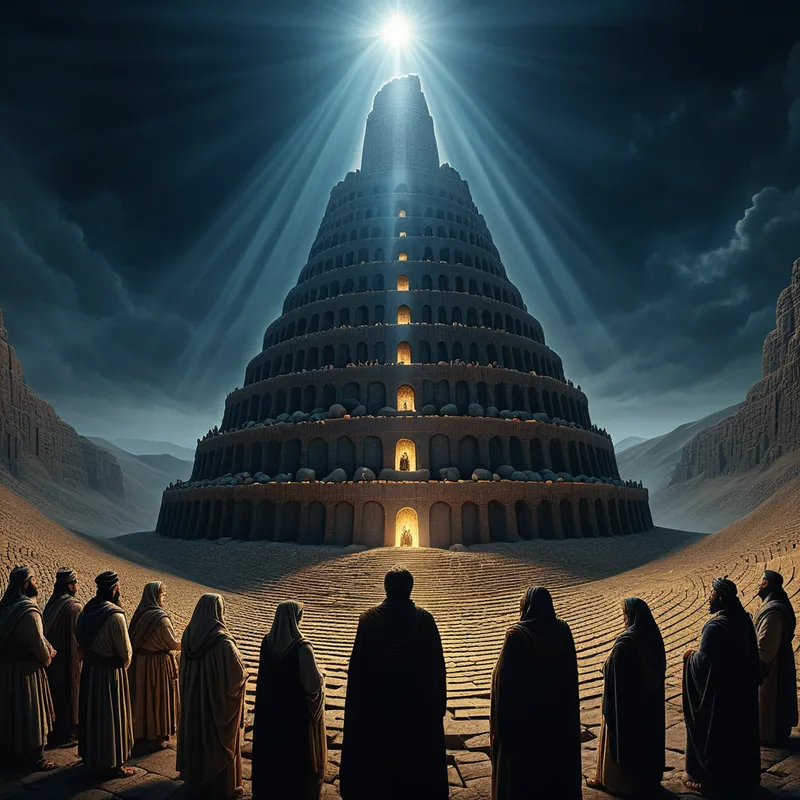
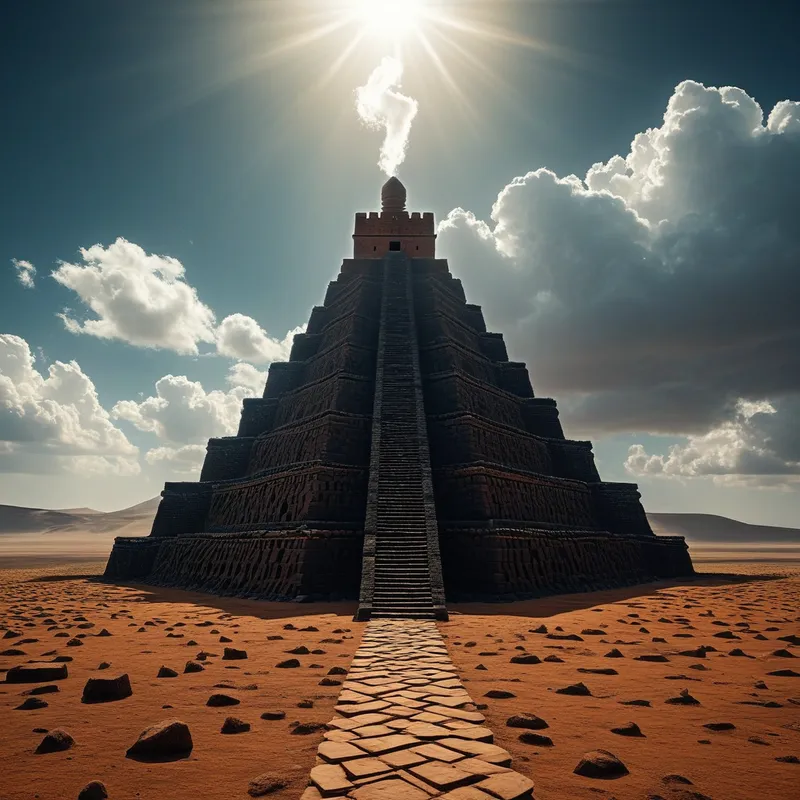
Similarly, the tale of the Tower of Babel is not merely about divine punishment. It is about the fragmentation that occurs when a collective ego builds only upward, seeking a name for itself in the heavens, while neglecting the horizontal, connective language of the heart. The resulting babble is the internal state of hubris realized: a psyche where the parts can no longer communicate, because all energy and language was spent on the vertical ascent. The tower’s ruin is the necessary return to a smaller, more humble, and more communicable scale.
Symbolic Nodes
- Crumbling Edifices: Skyscrapers with fissured foundations, grand staircases that lead to brick walls, ceilings that begin to rain plaster.
- Failed Systems: Levers that detach in the hand, control panels that spark and die, master keys that snap in the lock.
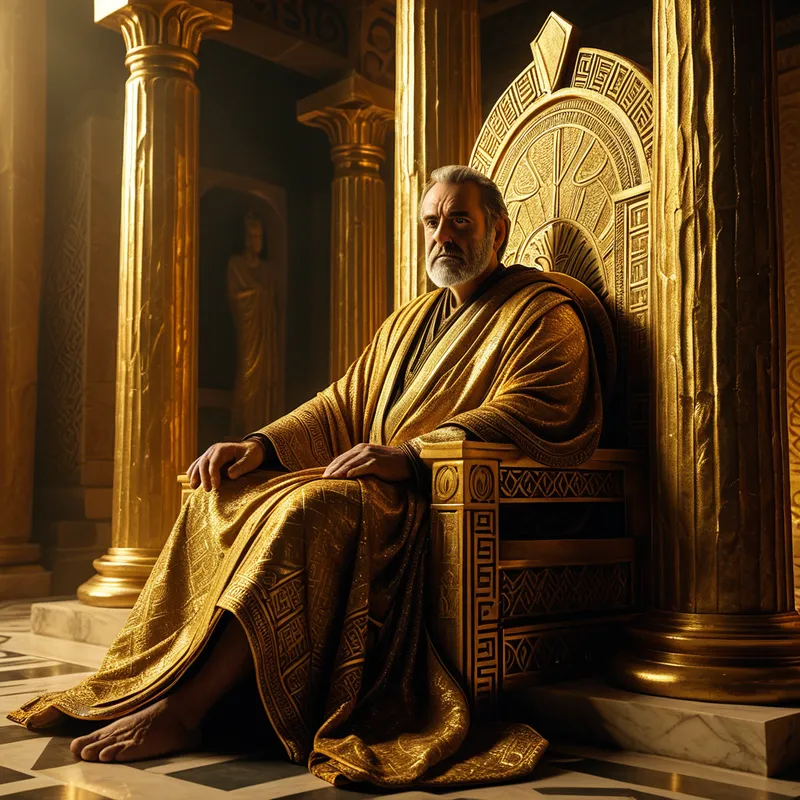
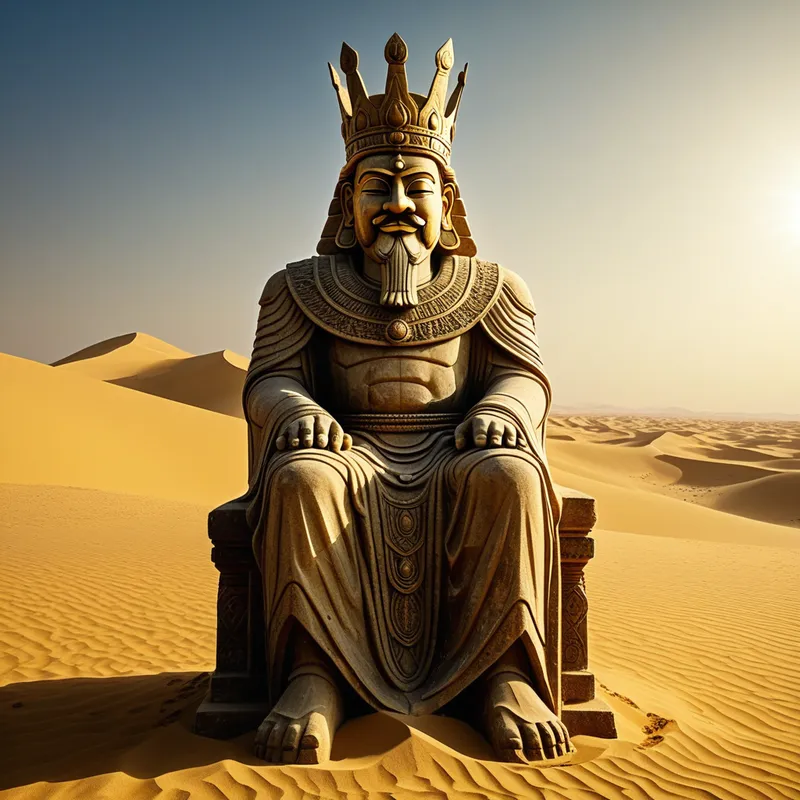
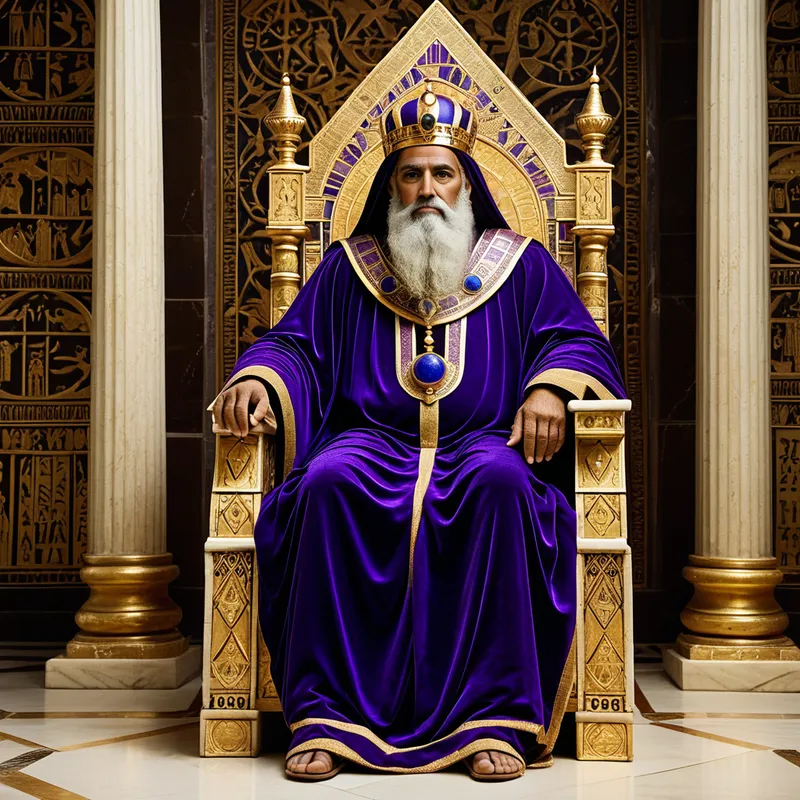
- Empty Grandeur: A throne room devoid of subjects, a vast banquet with spoiled food, a championship trophy tarnished and covered in dust.
- Muted or Mocking Audiences: A crowd whose applause is silent, portraits whose eyes look away in disdain, statues that weep stone tears.
- The Sudden Descent: An elevator plunging past its floor, a graceful leap that turns into a fall, the ground opening up beneath a podium.
Archetypal Resonance
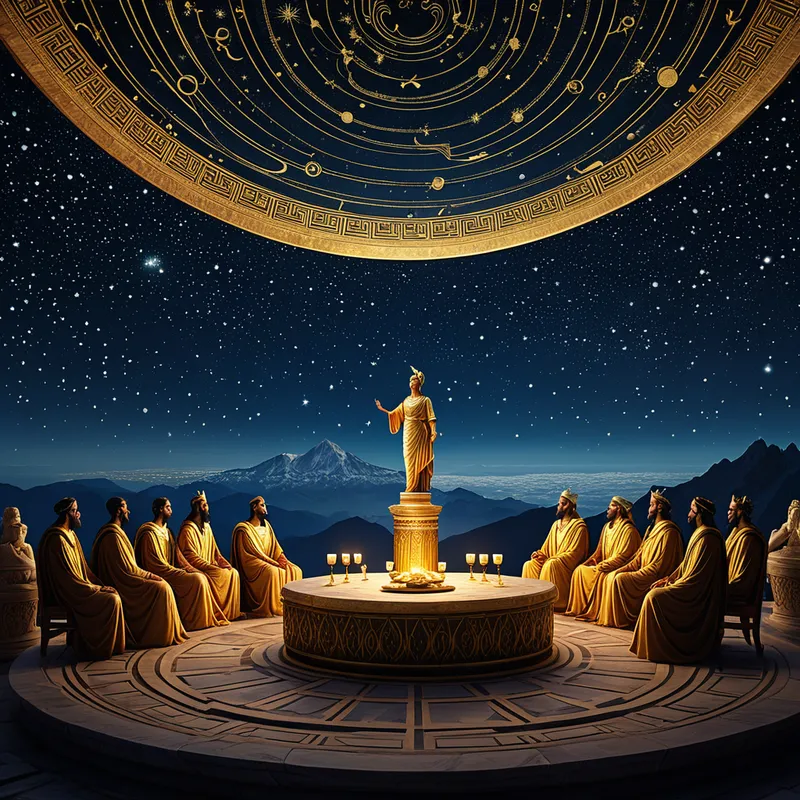
The energy of hubris is most potently channeled through The Shadow Ruler. The core Ruler archetype seeks to create order, structure, and a legacy of stability—a healthy inner governance. Its shadow, however, is the Tyrant or Control-Freak, the part that mistakes dominion for sovereignty. This Shadow Ruler’s somatic echo is that rigid, chest-puffed tension, the jaw clenched in the effort of maintaining absolute control. Its alchemical potential lies in its genuine desire for order; the transformation requires this part to surrender its isolated dictatorship and learn the art of council, to exchange control for true sovereignty—which is the wise stewardship of all one’s inner realms, not the suppression of them.
The Alchemical Process
The transmutation of hubris is an alchemy of descent and dissolution. The initial matter is the brittle, crystalline structure of the inflated ego-identity. The required heat is the unbearable humiliation of the fall, the searing exposure of one’s limits. The pressure is the weight of reality itself, the gravity of truth that finally asserts its law.
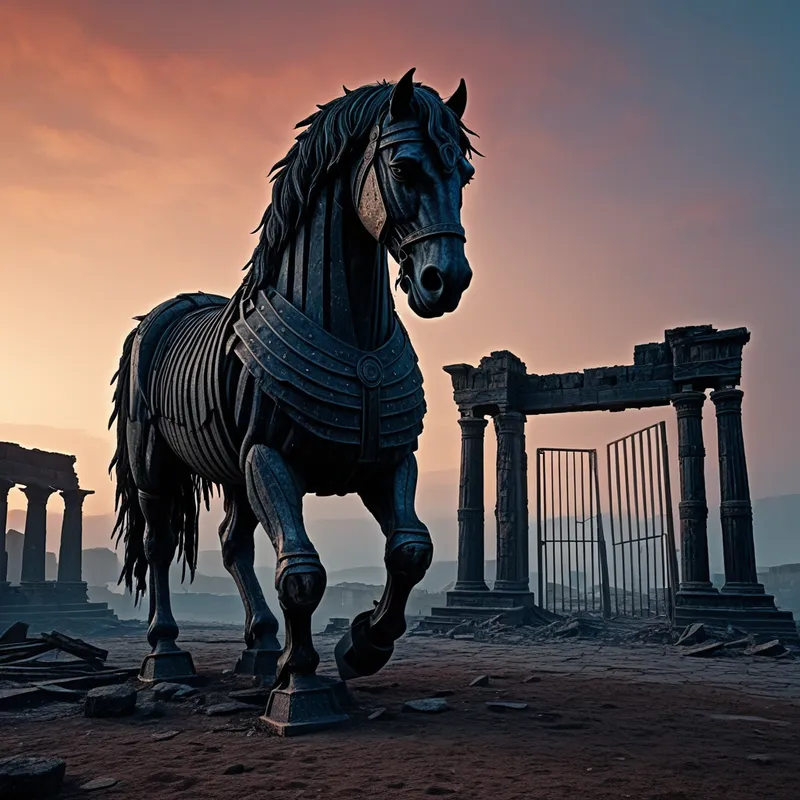
This is the nigredo, the blackening. The tower must crack. The crown must tarnish. In this dark night, the psyche learns it is not the architect of the universe, but a participant within it. The alchemical fire burns away the arrogance of ownership, leaving behind the raw, vulnerable ore of simple being. From this dissolution, a new compound can form: not a weaker identity, but a more resilient and porous one. Sovereignty is born from this process—not the power to command all, but the authority that comes from knowing your true domain, your authentic limits, and your place in a vast, interconnected system. You move from playing god in a dollhouse to becoming a conscious citizen of the cosmos.

The Integration Protocol
Question 1: Where in my waking life have I constructed a "control panel" for a situation or relationship that is, in truth, fundamentally wild, unpredictable, and ungovernable?
Question 2: What humble, earthly, or "unimpressive" part of myself or my daily reality have I been systematically ignoring or devaluing in my ascent?
Question 3: If my recent success or competence is the tower, what is the forgotten, damp soil it was built upon? Can I thank that soil?
Action 1 (Grounding Descent): For five minutes, lie flat on the floor. Do not use a bed or couch. Feel the unyielding support of the ground. Breathe deeply into your lower belly, consciously releasing the held breath in your upper chest. This is a somatic ritual of surrender to gravity, to the foundational plane you cannot control.
Action 2 (Council of Parts): Engage in an unstructured writing dialogue. Let the voice of your inner "Architect" or "CEO" (the part that builds and manages) speak first. Then, deliberately invite a voice from the "cellar"—perhaps the tired part, the confused part, the part that just wants to play. Record their conversation without judgment. Do not force resolution.
Action 3 (Ritual of Fragmentation): Find a small, discardable object that symbolically represents a "lever of control" (an old key, a broken tool, a toy). Take it to a natural body of water or a crossroads. Acknowledge its former purpose and its ultimate limitation. Then, leave it there. Walk away without looking back, physically enacting the release of a false tool.
Final Validation
To dream of hubris is to be invited into a profound and terrifying grace. It means your soul is too intelligent to let you live forever in a lie, however impressive that lie may appear. The fall is not a condemnation of your height, but a fierce mercy—a recall to your true size and your rightful place in the order of things. The integration of this dream does not make you small; it makes you real. And there is an authority in that reality, a grounded sovereignty, that no tower could ever hope to reach.