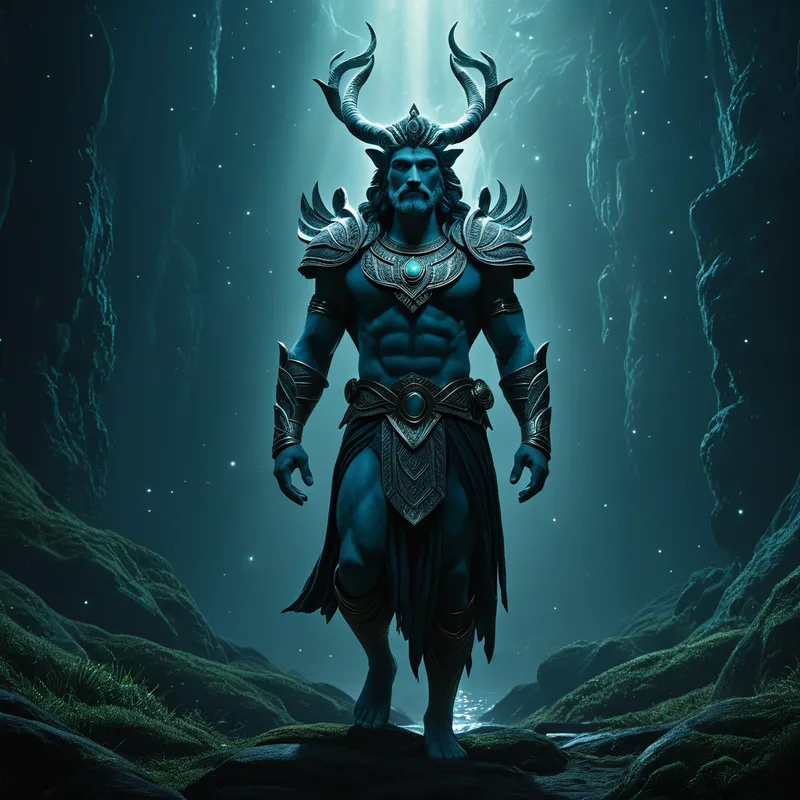
Gilgamesh and the Bull of Heaven
Gilgamesh's rejection of Ishtar leads her to unleash the celestial Bull of Heaven, sparking a devastating conflict that tests the hero's strength and challenges divine authority.
The Tale of Gilgamesh and the Bull of Heaven
The tale unfolds in the wake of triumph. Gilgamesh, King of Uruk, and his beloved brother-in-arms, Enkidu, have returned from the distant Cedar Forest, their fame sealed by the slaying of the monstrous guardian Humbaba. Bathed in the adulation of his city, his body anointed with cedar oil, Gilgamesh stands at the zenith of mortal glory. It is at this moment, when the hero’s pride shines brightest, that the goddess Ishtar fixes her gaze upon him.
Ascending the ramparts of Uruk, Ishtar beholds the king in his splendor and is consumed by desire. She offers him a divine covenant: become her consort, and receive a chariot of lapis lazuli and gold, boundless harvests, and the homage of kings and priests. But Gilgamesh, in a act of breathtaking defiance, refuses her. His rejection is not a whisper but a thunderclap of insult. He recounts the fates of Ishtar’s previous lovers—the shepherd turned wolf, the gardener transformed into a mole—painting her love as a trap, her gifts as preludes to ruin. He mocks her divinity, comparing her to a draft door that fails to keep out the cold, a shoe that pinches its wearer.
The air in heaven grows taut with a silence more terrible than any storm. Ishtar’s desire curdles into a wrath that shakes the foundations of the cosmos. She ascends to the high throne of her father, Anu, the sky god, and her mother, Antu. Weeping not tears of sorrow but of furious humiliation, she demands the Bull of Heaven be unleashed upon Uruk. “If you do not grant me the Bull of Heaven,” she declares, “I will smash the gates of the Netherworld and raise the dead to outnumber the living.” Faced with this cosmic blackmail, Anu reluctantly consents but warns her that Uruk’s people have stored seven years of harvest against famine. Ishtar cares not. She seizes the Bull by the rope and hurls it down to earth.
The Bull’s descent is an apocalypse. With its first snort, a chasm opens in the earth, swallowing hundreds of Uruk’s men. With its second, the land is cracked with drought. The celestial beast rampages, its very presence a blight. But Gilgamesh and Enkidu do not falter. Their bond, forged in the Cedar Forest, is their greatest strength. Enkidu, the wild man made wise, seizes the Bull by its thick, heavenly horns, forcing its mighty head to the dust. Gilgamesh, like a skilled butcher finding the sacred seam, drives his sword between the nape of the neck and the horns, severing the spinal cord of divinity itself.
Their victory is absolute, yet profoundly sacrilegious. In a final act of contempt, Enkidu tears the Bull’s right thigh and hurls it into Ishtar’s face, shouting, “If I could get at you, I would do the same to you!” The goddess and her temple women raise a lamentation over the fallen thigh. But the brothers turn their backs on the divine mourning. They wash their hands in the Euphrates, their pride swelling as they parade through Uruk, hailed as supreme conquerors. They do not yet know that the blood of the Bull stains more than their hands; it has marked them for a reckoning. The death of the Bull of Heaven is not the end of their struggle, but the catalyst for a deeper, more personal tragedy—the death of Enkidu, decreed by the council of gods as punishment for their hubris. The victory feast is the last supper of their innocence.
Cultural Origins & Context
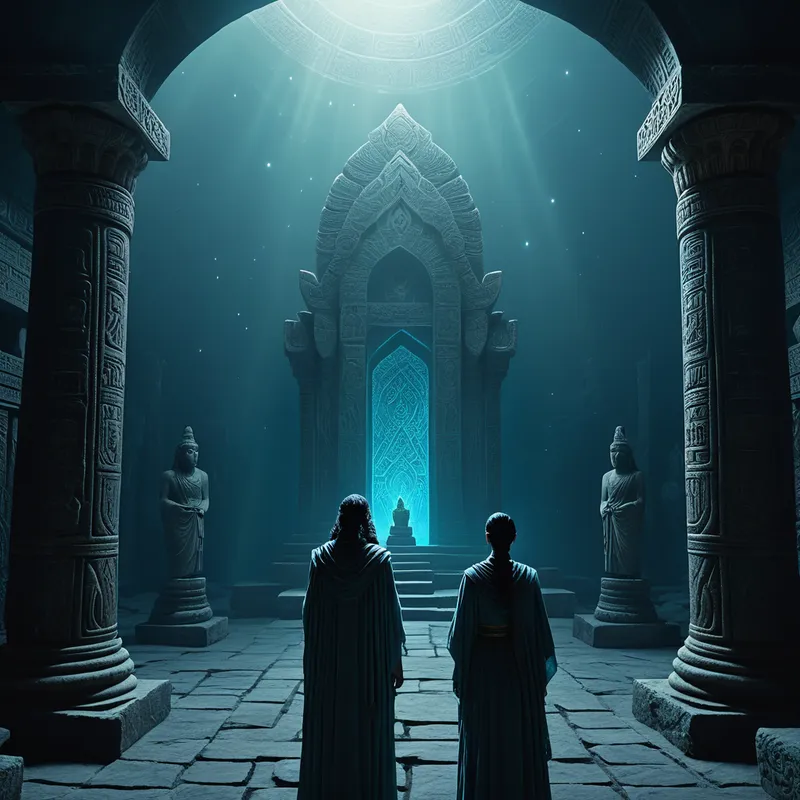
The myth is embedded in Tablet VI of the Standard Babylonian version of the Epic of Gilgamesh, a masterpiece compiled in the libraries of Nineveh during the 7th century BCE. This narrative did not emerge in a vacuum. It is a literary refraction of profound cultural tensions in Mesopotamian society: the precarious relationship between the urban king, the lugal, and the temple authority of the priesthood; the human struggle against the capricious, often destructive forces of nature (here embodied by the drought-bringing Bull); and the existential anxiety surrounding the boundaries of the human condition.
Gilgamesh himself is a liminal figure, two-thirds divine, one-third mortal, eternally torn between his heavenly heritage and earthly fate. His conflict with Ishtar is not merely a personal spat but a political and theological drama. The king’s rejection of the goddess can be read as an assertion of royal autonomy from the temple’s claim to mediate all divine favor. Furthermore, the Bull of Heaven, Gudanna in Sumerian, was a known celestial constellation (Taurus), and its mythic descent likely mirrored very real fears of celestial omens portending drought and famine—the “seven years of harvest” Anu mentions are a direct reference to cyclical agricultural anxiety. The myth thus operates on multiple levels: as royal propaganda, as a theodicy explaining natural disaster, and as a profound meditation on the cost of defying the established cosmic order.
Symbolic Architecture
The Bull of Heaven is not a simple monster. It is a concentrated symbol of divine potency and natural law. As a celestial being, it represents the ordered, cyclical power of the heavens, which, when weaponized by wounded pride, becomes an agent of chaotic destruction on earth. Its death is a double-edged sword: a triumph of heroic human agency and a catastrophic rupture in the divine-human contract.
The Bull is the Fate that the gods decree, a force of nature incarnate. To slay it is to believe one can slay one’s own destiny, a sublime and fatal illusion.
Ishtar’s role is equally complex. She is the goddess of love and war, fertility and destruction. Her proposal to Gilgamesh is an offer of sacred marriage (hieros gamos), a ritual union meant to ensure the kingdom’s prosperity. His rejection is therefore a rejection of this vital cosmic cycle. Her wrath is the fury of a life-giving principle scorned, transforming into its opposite—a death-bringing force. The conflict exposes the terrifying duality inherent in the divine.
Enkidu’s act of throwing the Bull’s thigh at Ishtar is a ritual insult of the highest order, desecrating a portion of the sacred animal typically offered in sacrifice. It transforms a potentially propitiatory act (the slaughter of a divine gift) into an outright declaration of war against the divine itself. This moment seals their Fate.
The Dreamer's Resonance
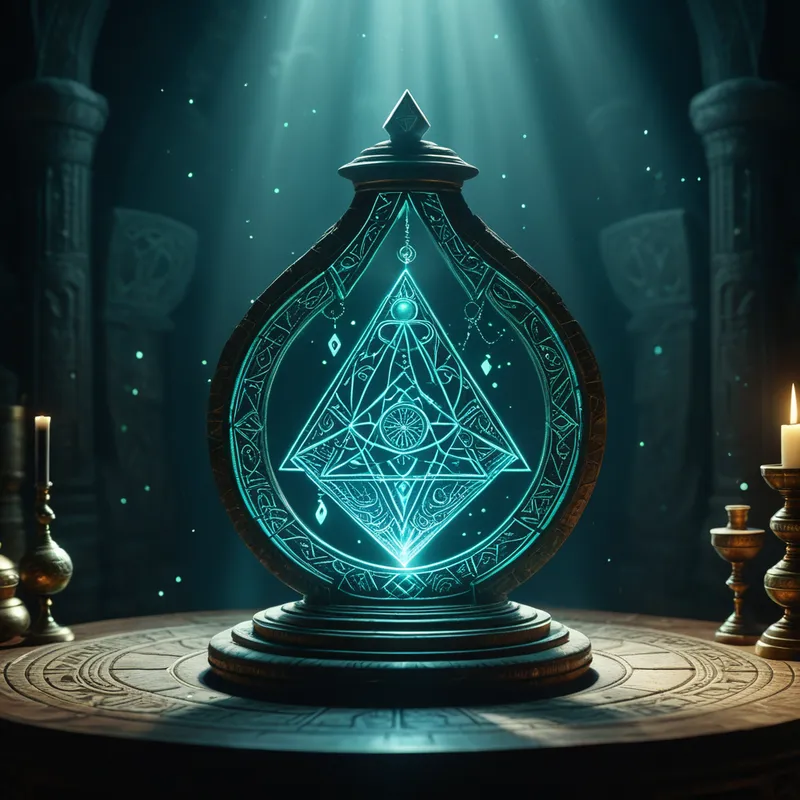
Within the psyche, this myth stages the explosive collision between the burgeoning consciousness of the ego (Gilgamesh) and the overpowering, possessive demands of the archetypal Great Mother in her negative aspect (Ishtar). Ishtar here is not the nurturing mother but the Devouring Goddess, who seeks to engulf the hero’s identity in her own, offering a gilded prison of eternal infantilization. Gilgamesh’s refusal, though brash and insulting, is a necessary act of psychological differentiation. He must say “no” to the unconscious, possessive force to become an individual.
The subsequent battle with the Bull represents the terrifying psychic backlash that follows such differentiation. The Bull is the raw, instinctual power of the unconscious, now mobilized to crush the rebellious ego. The heroic struggle, aided by the brother-self (Enkidu, representing the connected, instinctual side of the psyche), is the inner work of confronting and integrating this tremendous power. The victory feels empowering—a slaying of inner demons—but the myth wisely shows the cost. The conscious ego cannot kill aspects of the deep psyche without consequence. Enkidu’s ensuing death symbolizes the necessary sacrifice of a more innocent, purely instinctual way of being. The individual gains selfhood but is forever marked by Grief and the knowledge of Mortality.
Alchemical Translation
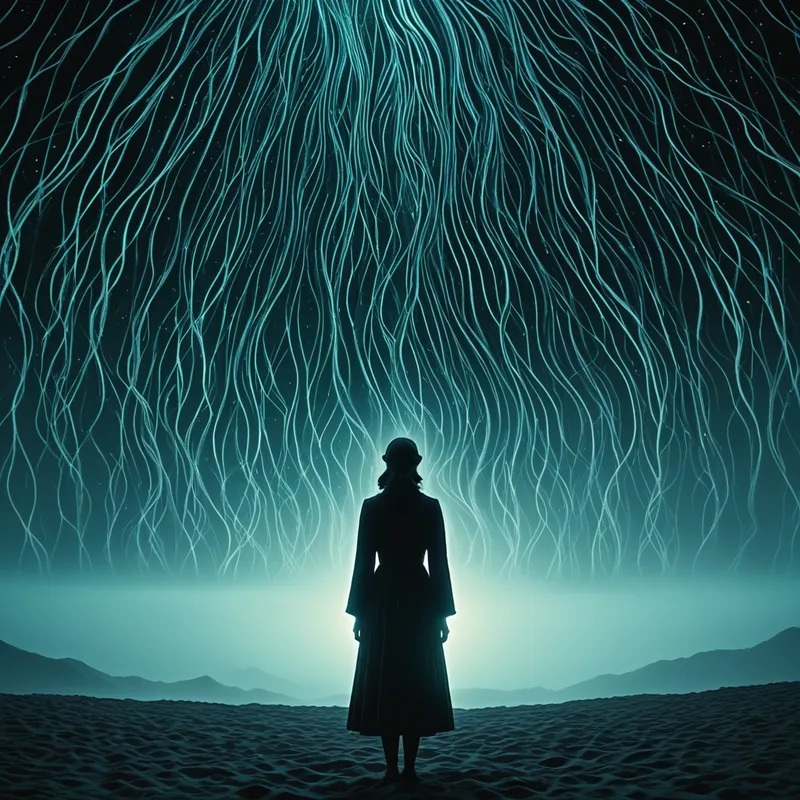
In the alchemical vessel of the soul, this myth narrates the nigredo, the blackening. Gilgamesh, in his solar brilliance and pride (the rubedo, or reddening), encounters the corrosive waters of the divine feminine. The rejection is the necessary separatio, the division of the kingly spirit from mere identification with unconscious, archetypal patterns. The unleashing of the Bull is the ensuing chaos and dissolution, where the prima materia of the psyche is shattered by cosmic forces.
The battle is the coniunctio oppositorum fought on a battlefield of blood and dust, a violent union of the human will with divine instinct. The slaying is not a negation, but a brutal integration; the Bull’s power is not destroyed, but its wild, destructive potential is severed from the celestial command that directed it.
The lamentation of Ishtar and her women is crucial. It signifies that a divine principle has been wounded, forced to descend from its pure archetypal realm into the mire of human conflict. The hero’s subsequent journey into Grief and his confrontation with Mortality is the beginning of the true alchemical work: the transformation of brute solar pride into a wisdom tempered by loss. The gold he ultimately seeks is not eternal life, but the philosophical gold of self-knowledge.
Associated Symbols
Explore related symbols from the CaleaDream lexicon:
- Bull — The celestial embodiment of raw, untamed potency and natural law, a force of both fertile abundance and apocalyptic destruction when its divine will is opposed.
- Heaven — The realm of cosmic order, divine decree, and absolute authority, from which both blessing and cataclysm descend upon the mortal world below.
- Hero — The archetypal figure who, through extraordinary action and often grievous hubris, challenges the established boundaries of the possible and redefines the relationship between the human and the divine.
- Divine — The realm of immortal, archetypal powers, capricious and absolute, whose whims dictate the framework of fate and against which human consciousness must struggle to define itself.
- Mortal — The condition of bounded life, vulnerability, and ultimate death, which provides the poignant stakes for all heroic action and the bitter wisdom that follows triumph.
- Grief — The profound, transformative sorrow that follows the loss of the beloved other (Enkidu), the necessary price of consciousness that shatters innocence and inaugurates the quest for meaning.
- Fate — The decreed outcome woven by divine will, which the hero seeks to defy or master, only to discover his rebellion is often a thread already woven into the tapestry.
- Pride — The swelling, solar arrogance of the ego at its zenith, the necessary fuel for heroic defiance and the fatal flaw that invites celestial retribution.
- Sacrifice — The violent offering, whether of a celestial Bull or a beloved brother, that appeases wounded divinity and pays the bloody toll for transgression against the cosmic order.
- Raging Bull — The archetype of instinctual fury unleashed, a force of pure, mindless destruction that must be confronted and mastered through courage and cunning.
- Death — The ultimate boundary and teacher, whose shadow falls across the hero’s greatest victory, transforming mere adventure into a profound existential quest.
- Journey — The epic path of transformation that begins not with a departure, but in the aftermath of a catastrophic victory, leading the hero inward through despair toward a hard-won wisdom.