The Alchemy of Chaos: When Your Dreams Dissolve the World
The Somatic Echo
It begins not as an image, but as a tremor in the deep tissue of being. A low-grade hum of wrongness in the marrow. The stomach is a void, not of emptiness, but of a gravitational pull towards some unseen center of collapse. The skin feels porous, as if the boundary between self and world is thinning, threatening to admit a tide of formless static. There is a pressure behind the eyes, a sense of the mind’s scaffolding—those familiar categories of this and that, safe and unsafe—beginning to buckle. This is the somatic prelude to chaos: the body’s ancient, wordless knowing that the ground is about to give way. It is the visceral recognition that the map you have been using is about to be declared null and void by the territory itself.
The Dreamer's Log
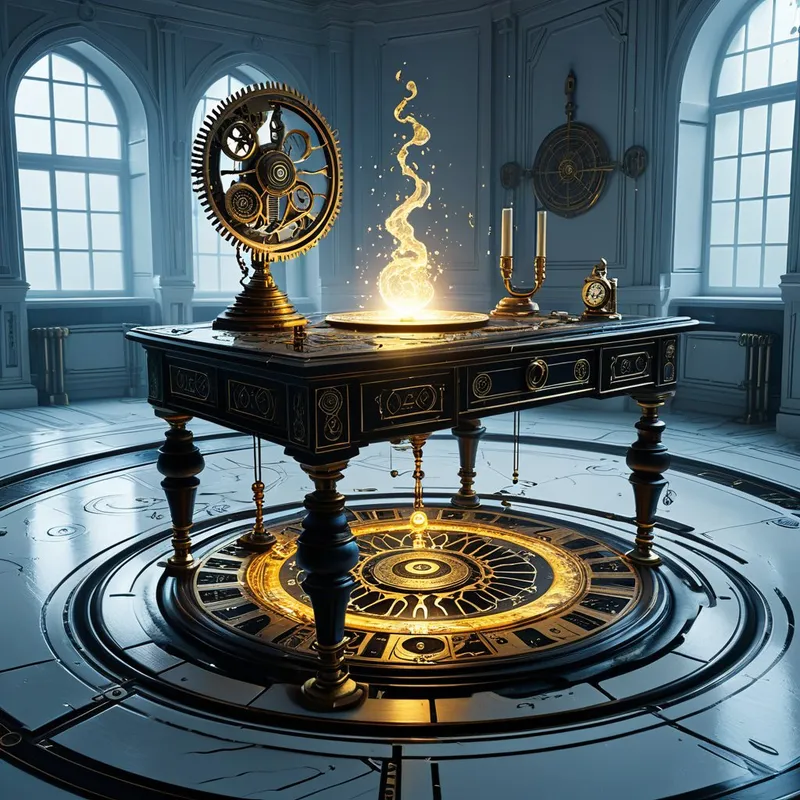
The dreamer stands in a room of pure, sterile white—a library or a laboratory. On a vast oak desk rests an intricate brass astrolabe, its gears and symbols gleaming with precise purpose. As they reach to adjust it, the device begins to melt. Not with heat, but with a silent, gravitational decay. Molten brass drips onto the floor, which is no longer solid but a swirling, iridescent pool of oil and shattered light. The walls of the room remain starkly white and upright, framing this central, impossible collapse of order.
Alchemical Interpretation: The conscious mind’s prized tool of navigation (the astrolabe) is being dissolved by a deeper, unconscious process (the oil-slick floor), forcing a surrender of intellectual control to make way for a more fluid, intuitive form of knowing.
The False Lead
Chaos is not misfortune. It is not a simple sequence of bad luck, a stressful week, or a random nightmare. To mistake it for such is to pathologize a sacred process. The chaos dream is not the psyche breaking down; it is the psyche breaking open. It is the difference between a system in failure and a system in transformation. Mere disorder is entropy—things falling apart. The chaos we speak of is potential—the necessary, fertile dissolution that must precede any genuine creation. It is the shadow of genesis, not the ghost of catastrophe.
Psychological Architecture
To encounter chaos in the dreamscape is to be summoned to the most profound kind of Shadow work: the confrontation with the Unformed. Our ego, that diligent manager of identity, spends its life constructing a coherent narrative—a “I” that is consistent, predictable, and bounded. Chaos dreams are the demolition crew sent by the Self, the total psyche. They dismantle the ego’s tidy city not out of malice, but out of necessity. The old structures—the roles we’ve over-identified with, the beliefs that have become cages, the emotional patterns that are now dead ends—have grown too small for the soul seeking wholeness.
This is the Individuation process in its raw, volcanic phase. It feels like dying because a version of you is. The terror is the terror of the orphaned part, the “I” that clings to the known shore, watching the only boat burn. But in the depths of that dissolution, something else stirs. When every plan is ash and every category is fluid, you are paradoxically returned to your most fundamental state: pure, undifferentiated awareness. From this void, free from the constraints of the old personality, new patterns can coalesce. The psyche is not random; it seeks order, but a higher, more complex, more authentic order. The chaos is the fire that burns away the dross of a false self, leaving only the essential, malleable gold of potential.
Mythic Resonance
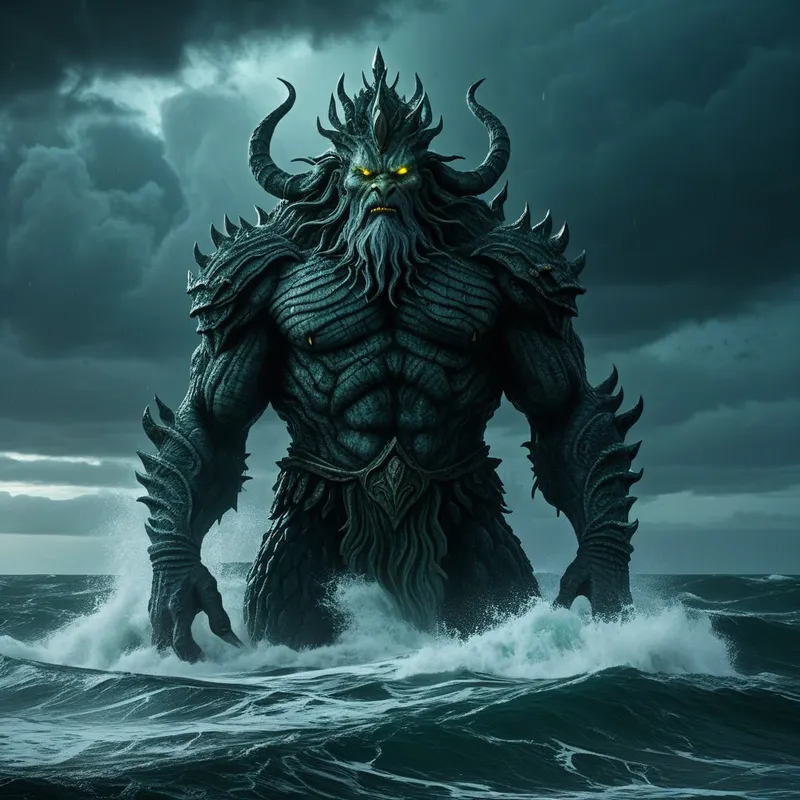
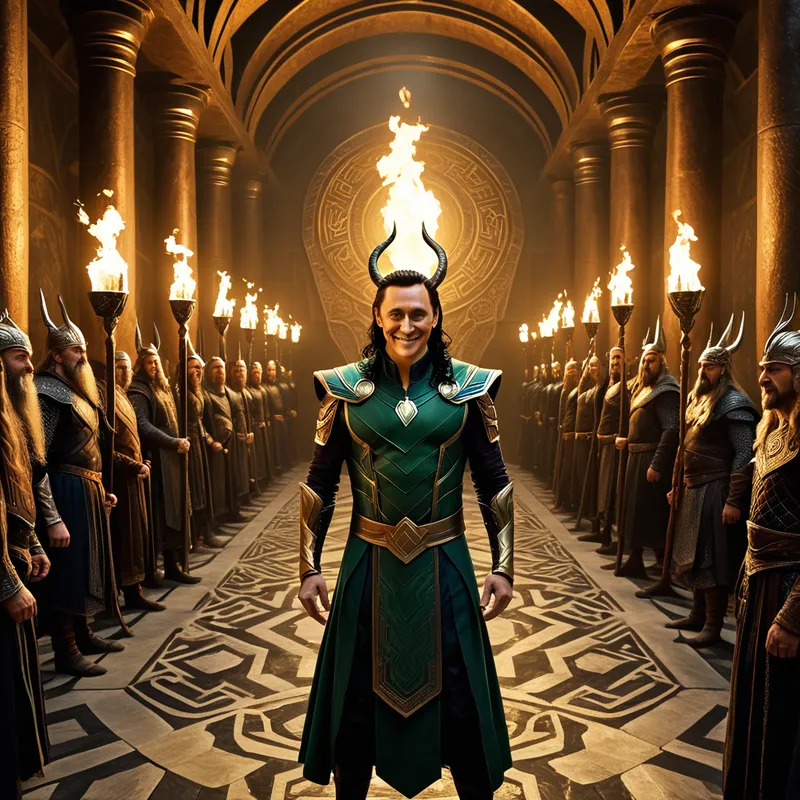
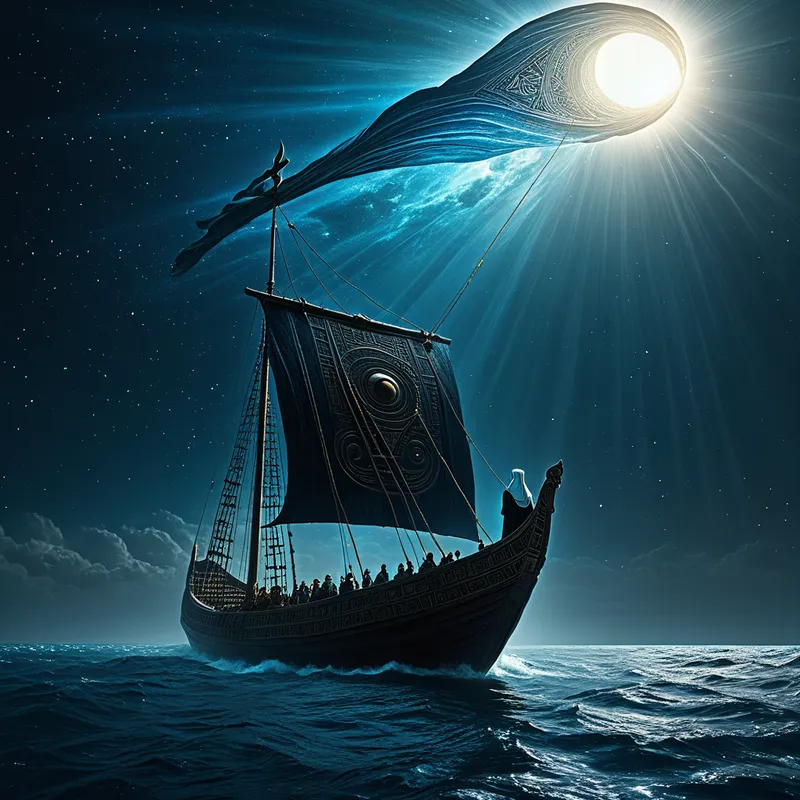
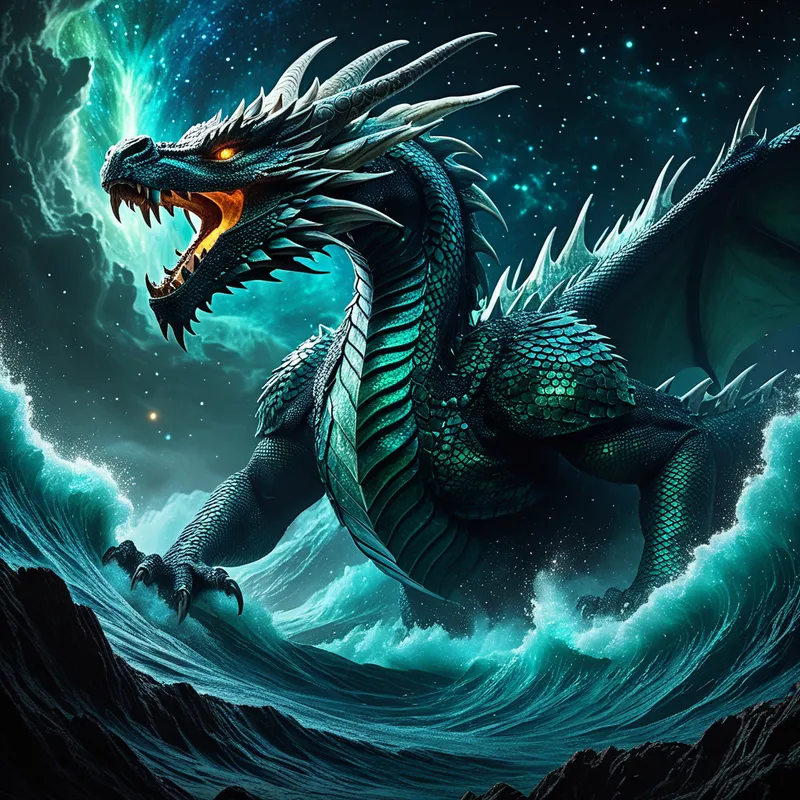
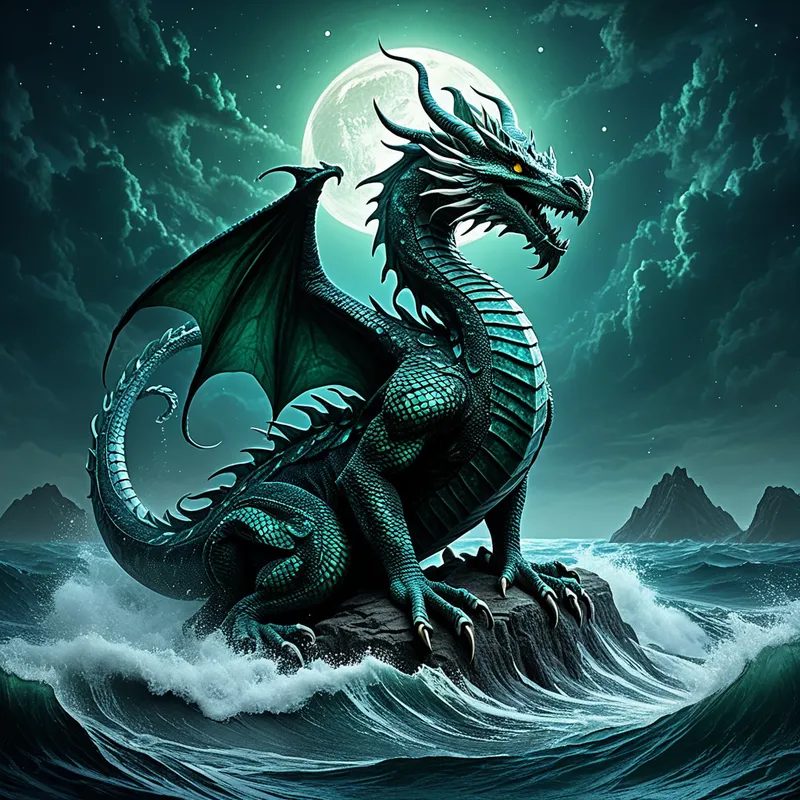
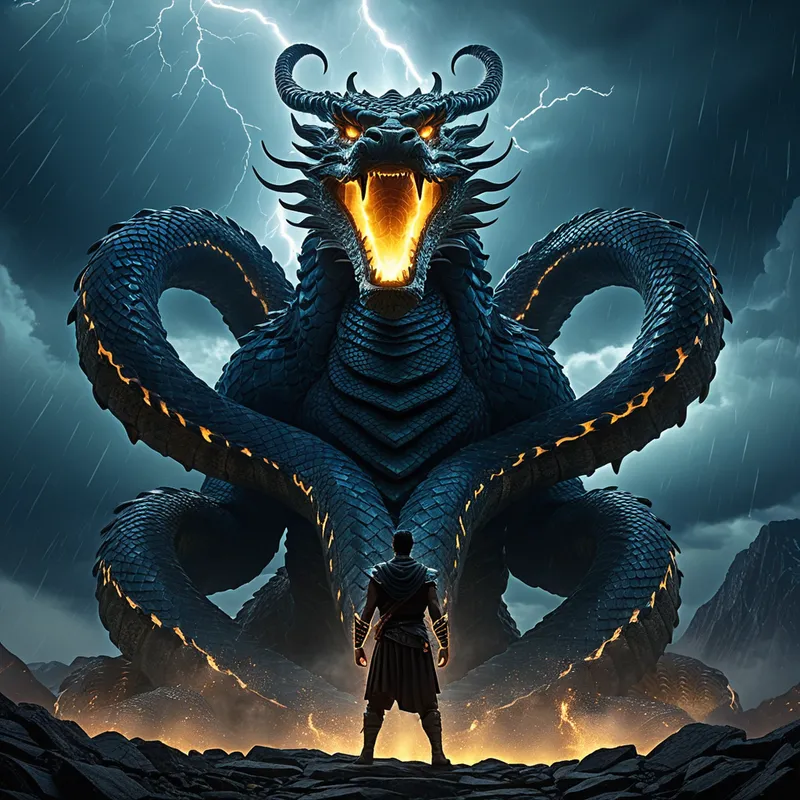
We see this eternal process in the Norse myth of Ragnarök, often misread as a simple apocalyptic ending. It is, in truth, a chaos dream writ large for a culture. The world serpent, Jörmungandr, releases its tail—a symbol of cyclical, bounded time—and rises from the ocean, the primal chaos. The gods fall, the great tree Yggdrasil shakes, and all creation is consumed in fire and flood. Yet, from the waters, a new world emerges, green and fresh, and a new generation of gods arises. The old order, grown rigid and fraught with strife, required the chaotic flood to be cleansed and renewed. The myth does not glorify the destruction but acknowledges its terrifying, non-negotiable role in the cosmic cycle of death and rebirth.
Symbolic Nodes
- Collapsing Architecture: Buildings, bridges, or familiar rooms dissolving, melting, or folding in on themselves.
- Unnatural Elemental Mixtures: Earth becoming liquid, fire burning cold, water acting like stone.
- Failing Tools & Machines: Clocks melting, engines turning to sand, maps blurring into blankness.
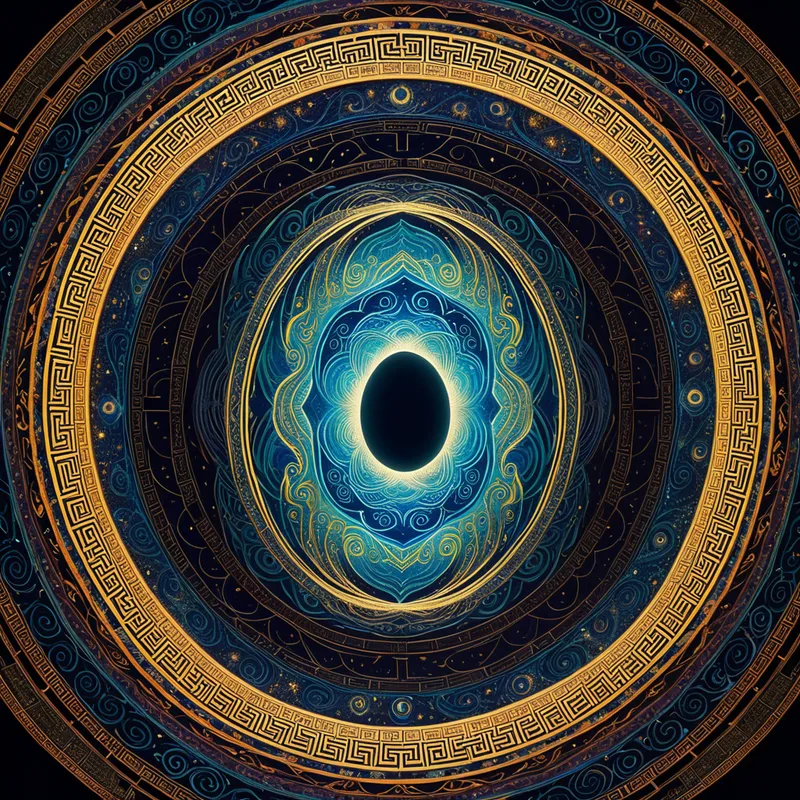
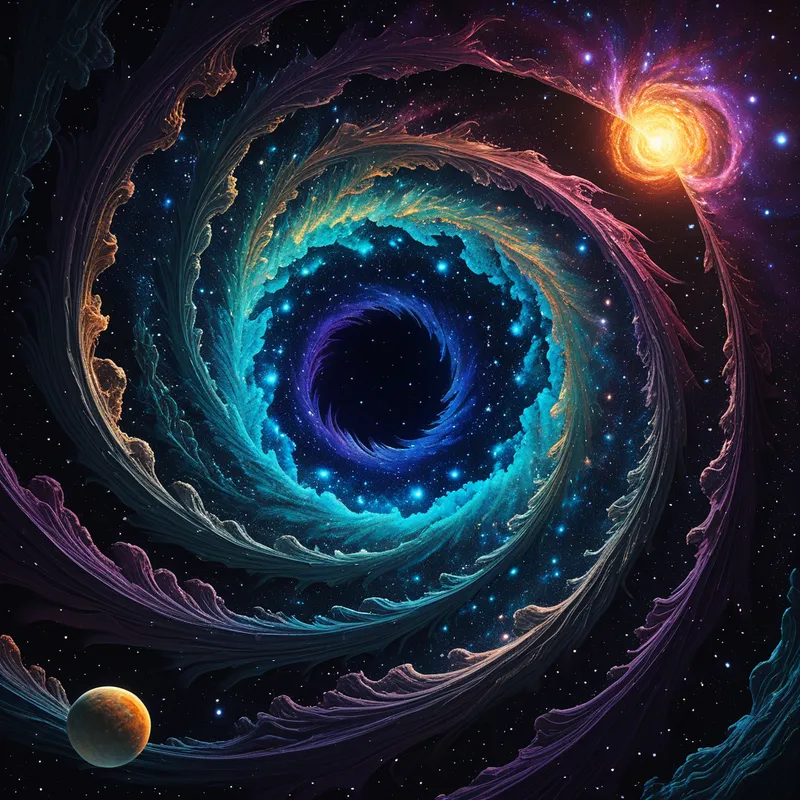
- Formless Vortexes: Whirlpools, swirling mists, or black holes at the center of a stable scene.
- Incomprehensible Entities: Beings of pure geometry, shifting light, or aggregated objects with no fixed form.
Archetypal Resonance
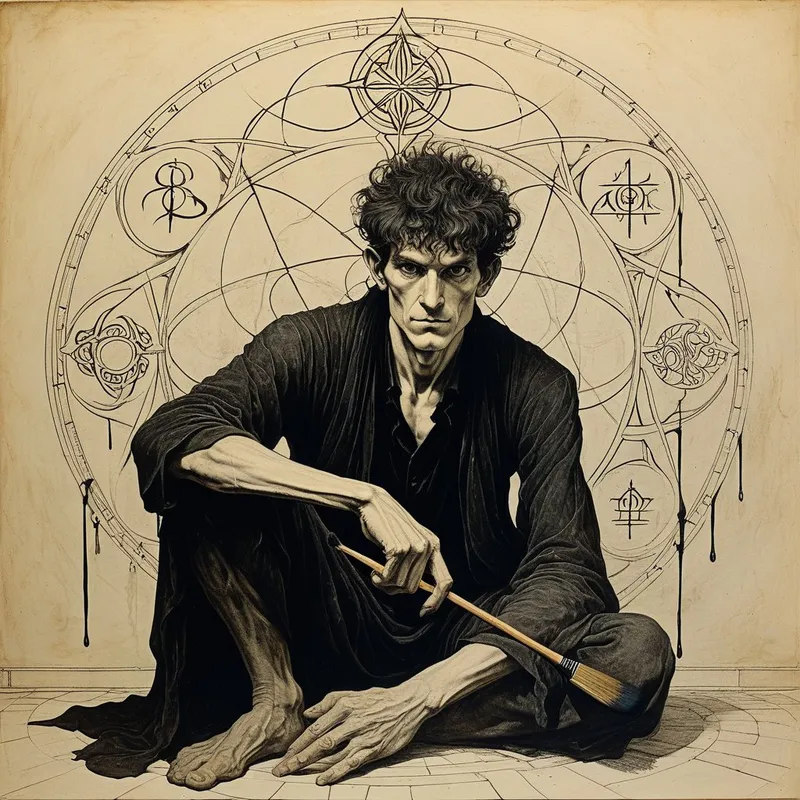
The energy of the chaos dream is most potently embodied by The Shadow Magician. The Magician archetype governs transformation, the application of knowledge to alter reality. Its shadow emerges when the will to transform becomes a frantic, fear-based need to control. In the somatic echo, we feel the Shadow Magician’s panic as its spells—our cognitive frameworks and coping mechanisms—fail. The dream images are its laboratory in revolt, its tools betraying it. Yet, within this catastrophic failure lies the alchemical potential. The heat of the chaos dream forces the Shadow Magician to surrender its manipulative will. In doing so, it clears the space for the true Magician to arise: not as a controller of reality, but as a humble witness and participant in a transformation orchestrated by the deeper Self. The chaos is the Shadow Magician’s breakdown, which becomes the true Magician’s breakthrough.
The Alchemical Process
The transmutation of chaos follows the ancient formula: Solve et Coagula—Dissolve and Coagulate. The Solve is involuntary; the dream delivers it. It is the intense heat and pressure of watching your inner world’s foundations liquefy. The terror and grief are the fuels in this furnace. The alchemical work lies in the Coagula—the conscious, courageous act of allowing a new form to emerge from the formlessness, without forcing the old shape back onto it.
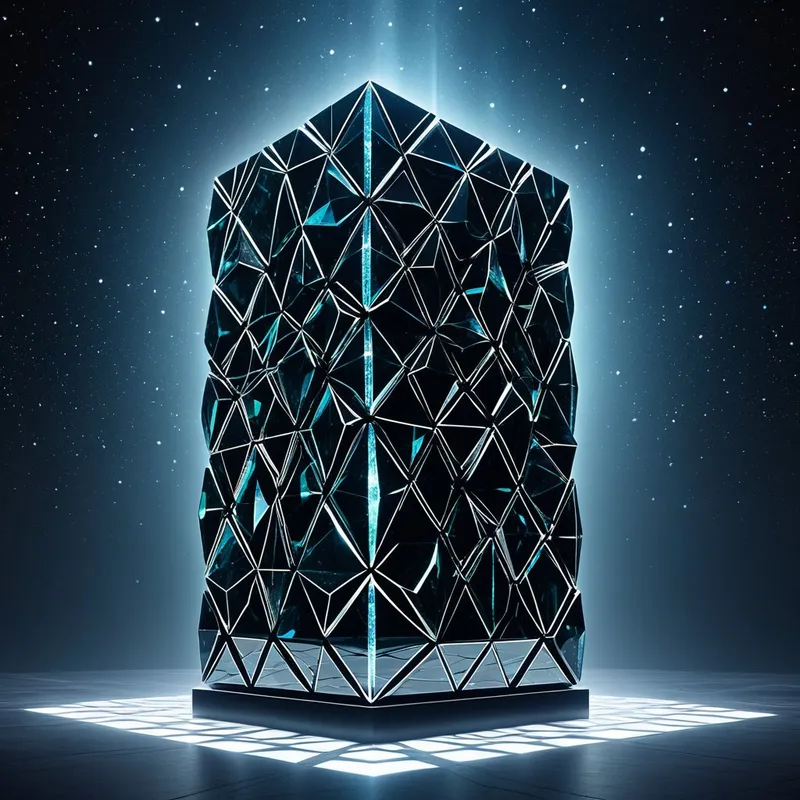
This requires a radical passivity that is not weakness, but the deepest strength. It is the will to not-will. You must sit in the ruins of your cognitive city and resist the urge to be the frantic architect, immediately rebuilding on the same, now-faulty, plans. Instead, you become the geologist, observing what the quake has revealed about the bedrock below. You listen for the new pattern wanting to birth itself. The transmutation is complete when the energy that was bound up in maintaining the old order is released and becomes available for creating anew. The shattered mirror reassembles, but now it reflects a truer, more expansive face.
The Integration Protocol
Question 1: In the dream, what was the last thing to hold its shape or function before the chaos consumed it? What does that object or idea represent in your waking life?
Question 2: If the chaos in the dream had a texture, a temperature, and a sound, what would they be? Describe the feeling of the dissolution without using narrative.
Question 3: What is one small, rigid rule or identity you have been clinging to that, if released, might create a space for something new to flow in?
Action 1 (Grounding in the Unformed): For five minutes upon waking, do nothing to "make sense" of the dream. Simply lie still and feel the residual somatic echo—the dizziness, the pressure, the void. Breathe into those physical sensations without labeling them as good or bad. Let your body know it can contain this tremor.
Action 2 (Chaos Mapping): Take a large sheet of paper and inks or paints. Without planning, pour, drip, and smear the media onto the page in a way that physically mimics the dream's feeling of collapse and mixture. Do not create an image. Create a record of the process. Let it dry. Then, from the abstract mess, find one emergent shape, line, or color relationship that feels strangely coherent. Circle it lightly. This is the seed of the new pattern.
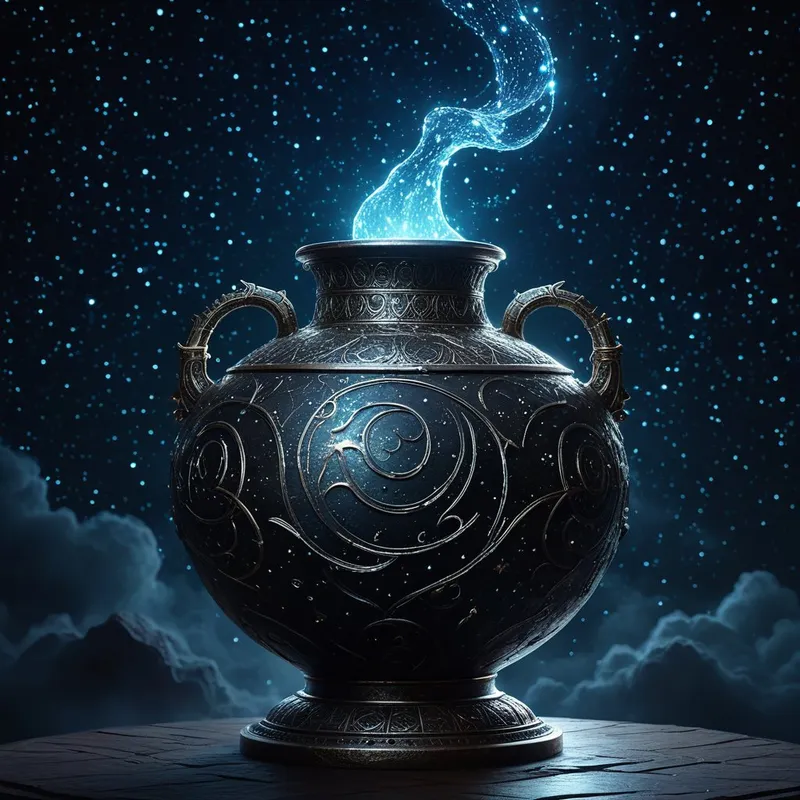
Action 3 (Ritual of the Vessel): Find a small, durable container—a stone bowl, a metal box. Into it, place a token representing something that feels "melted" or dissolved in your life (a faded ticket, a broken piece of jewelry, a word written on paper). Seal it. Acknowledge this container now holds not a corpse, but a nutrient—the raw material from which your psyche will, in its own time, rebuild.
Final Validation
To dream of chaos is to be chosen for a difficult grace. It is a testament not to your fragility, but to your psyche’s robust, insistent drive towards greater wholeness. The disorientation is real, the fear is valid—you are navigating the dissolution of a world you once called home. But remember: the cosmos itself was born from a chaotic flare. The forest requires a fire to clear the deadwood for new growth. Your dream is not a report on your failure to hold things together. It is an invitation, written in the language of collapse, to stop holding so tightly. To let the old world fall, so you can discover, in the fertile silence that follows, the first faint, sovereign pulse of the world that is waiting to be born—in you.