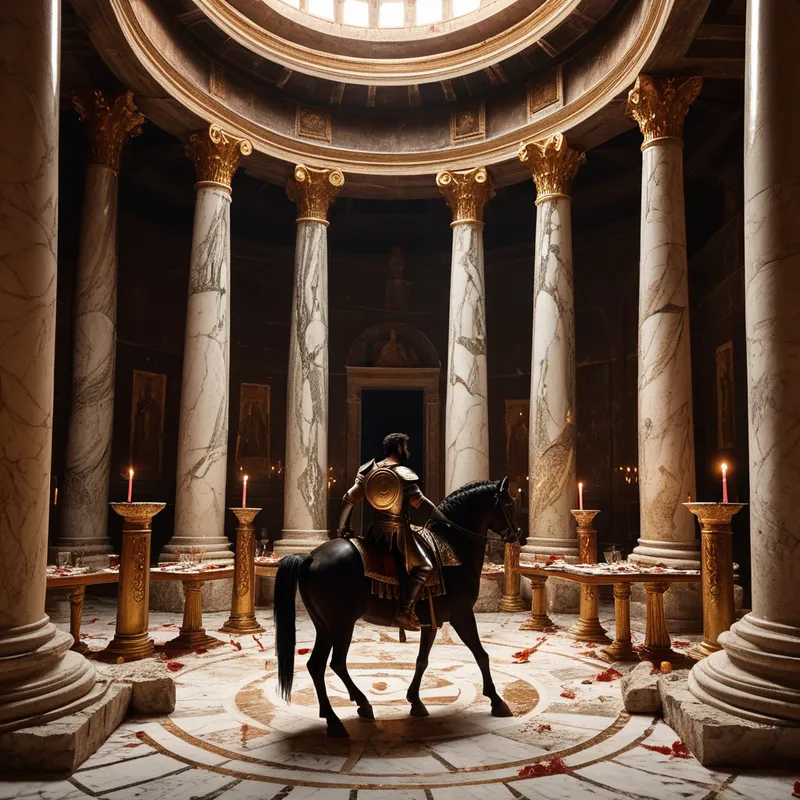
The Feast of the Lapiths Myth Meaning & Symbolism
A wedding feast descends into cosmic war when centaurs, intoxicated by wine, attempt to abduct the bride, forcing a brutal defense of civilization against primal chaos.
The Tale of The Feast of the Lapiths
Hear now of the day the mountain roared into the hall, and the boundary between guest and beast was drowned in wine.
It began with a union, as such tales often do. Pirithous, son of Zeus himself, took to wife the radiant Hippodamia. The halls of his Thessalian palace groaned under the weight of celebration—the scent of roasting meat, the glint of honeyed wine in polished kylixes, the woven brilliance of guests from across the known world. Among them, a people both familiar and strange: the Centaurs, wild sons of the cloud and the rock, neighbors from the pine-dark slopes of Mount Pelion. They were kin, after a fashion, and so they were invited, a gesture of diplomacy from civilization to the untamed earth.
But the gift of Dionysus was their undoing. Wine, that civilizing draught, was unknown to the centaurs. They drank the unmixed, dark wine as they would water from a mountain stream. The fire in the grape entered their blood, and the ancient wildness, momentarily leashed by ceremony, awoke. The scent of the feast became the scent of prey. The graceful movements of the women became a provocation. The music of the lyre was drowned by the thunder of their hooves on the stone floor.
The centaur Eurytion, his eyes reflecting the chaos of a storm, was the first to break. With a roar that shook the garlands from the pillars, he lunged across the table, his great hands closing not around a cup, but around the bride herself. He dragged Hippodamia by her veil, her scream slicing through the revelry. It was the signal. As if a single beast with a hundred limbs, the centaurs fell upon the feast. They seized women, dashed tables, and swung great jars of wine like clubs. The hall, a moment ago a testament to order and covenant, became a churning pit of primal hunger.
Then rose the hero. Pirithous, and his dearest friend, the Athenian Theseus, became a wall of fury. Theseus, with a shout that carried the authority of the city, struck the first blow, wrenching Hippodamia from Eurytion’s grasp with a force that shattered the centaur’s jaw. What followed was not a battle of armies, but a catastrophic brawl of cosmos against chaos. Heroes wrestled with beings of muscle and hoof. Centaurs, tearing up the very floor, hurled stones and broken columns. Some seized the sacred offerings from the altars and used them as missiles. It was a war of the hearth, fought with the wreckage of the peace it destroyed.
The conflict spilled from the human hall into the centaurs’ own domain—the wild. Through the sacred groves and down the rocky slopes the struggle raged, until finally, driven and broken, the centaurs were scattered to the four winds, exiled from the lands of men. The feast had ended. What remained was not the joy of union, but the solemn, hard-won silence that follows the defense of a world. The boundary had been drawn anew, in blood and resolve.

Cultural Origins & Context
This myth, immortalized in the metopes of the Parthenon and in the verses of poets like Ovid, was not merely an exciting story for the ancient Greeks. It was a foundational narrative about identity. The Lapiths were considered ancestral Greeks, representing the forces of civilization, law (nomos), and the city-state (polis). The centaurs, by stark contrast, embodied the untamed, pre-cultural state of nature (physis).
The telling of this myth served a crucial societal function: it dramatized the eternal and precarious struggle to maintain civilized order. The wedding feast itself is a supreme symbol of that order—a contract, a ritual, a communal celebration. Its violent desecration by the centaurs represented the ever-present threat of chaos bubbling up from within (through intoxication, passion, or the unintegrated wildness in one's own nature) and from without (from the "barbaric" world beyond the city walls). For a Greek citizen, hearing this tale reinforced the necessity of vigilance, self-control (sophrosyne), and the heroic defense of the cultural values that separated them from the beast.
Symbolic Architecture
At its heart, the Feast is a masterful depiction of the psyche's structure. The wedding represents a desired state of psychic integration—a harmonious marriage of different parts of the self. The centaurs are not simply external monsters; they are the invited shadow.
The shadow is not the enemy at the gate; it is the guest who was given a seat at the table. The catastrophe begins not with its arrival, but with its intoxication by the unmediated contents of the unconscious.
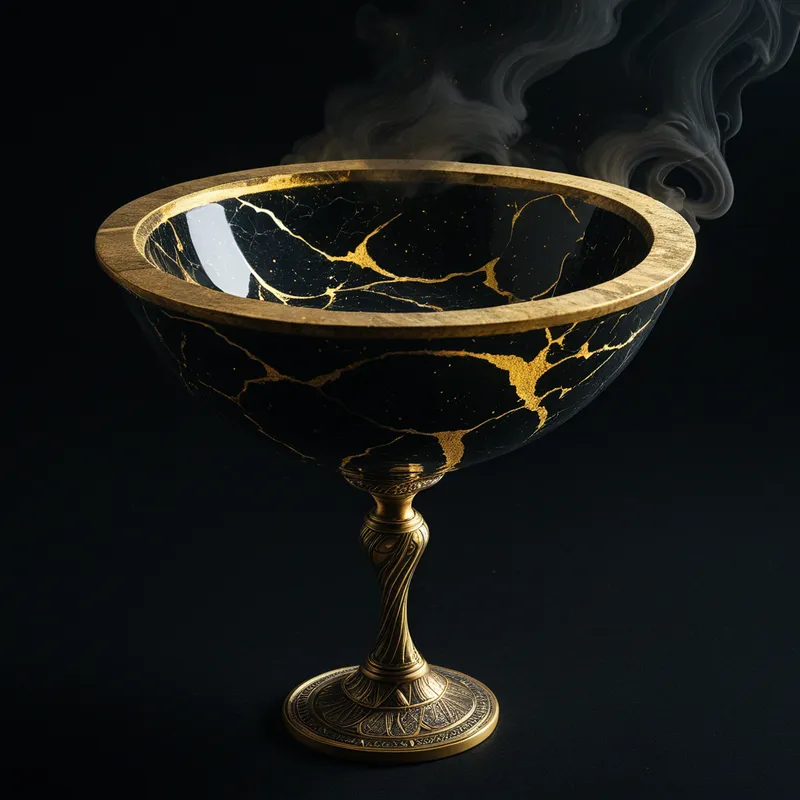
The wine, the gift of Dionysus, symbolizes the raw, potent, and undifferentiated energy of the unconscious itself. The centaurs, creatures of instinct, cannot "metabolize" it. They lack the civilizing vessel—the mixed wine, the ritual, the form. Thus, the potent libido (the wine) activates not creativity or ecstasy, but a regressive, possessive, and destructive frenzy. The attempted abduction of Hippodamia ("horse tamer") is the shadow's attempt to seize and possess the anima, the soul-image, dragging it back into an unconscious, instinctual state.
The heroic battle, then, is not about annihilation, but about differentiation. Theseus and Pirithous do not seek to exterminate the centaur-nature—that would be impossible, for it is part of the landscape of the soul. They seek to drive it back, to establish a firm boundary between the realm of conscious identity and the chaotic realm of untamed instinct. The victory is the establishment of a stable ego, capable of containing and relating to the wildness within, without being consumed by it.
The Dreamer's Resonance
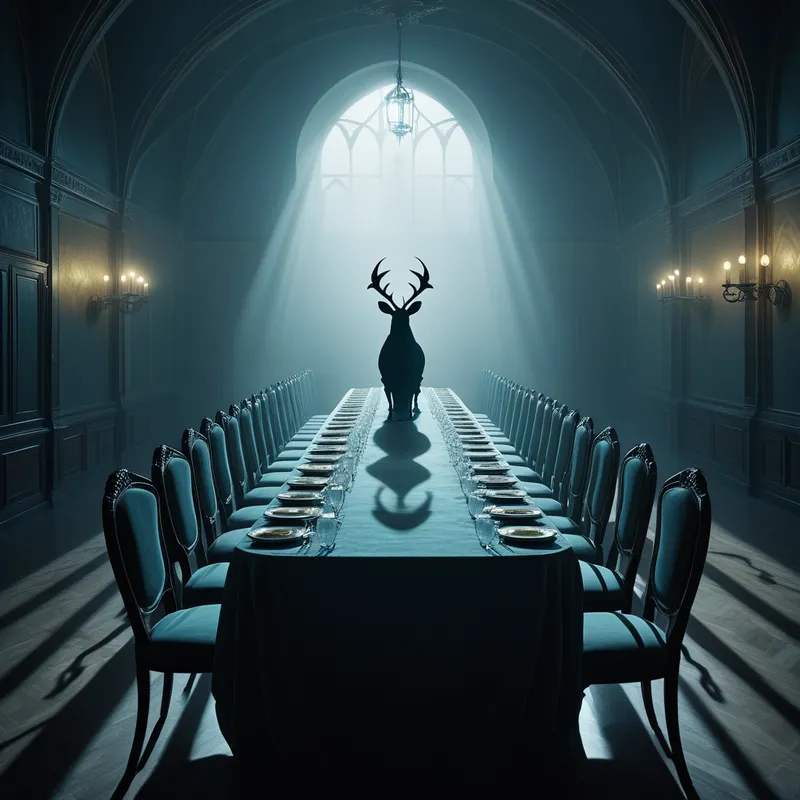
When this myth stirs in the modern dreamer, it often signals a critical moment of initiation through violation. One may dream of a celebration—a wedding, a party, a family dinner—that suddenly erupts into chaotic violence. The aggressors are often familiar figures transformed by a bestial hunger, or they are literal animal-human hybrids.
Somatically, this can feel like a sudden surge of adrenaline, a feeling of violation in a space that should be safe, or a terrifying loss of control. Psychologically, it marks the point where repressed, instinctual content (often around sexuality, rage, or raw desire) has become too potent to ignore. The "wine" of the unconscious has been served, and the dream-ego's usual defenses are intoxicated and failing.
The dream is not a prophecy of doom, but a stark depiction of an internal process. The "feast" is a new psychological position—perhaps a new relationship, job, or stage of life—that requires a more mature consciousness. The erupting chaos shows that the old, naive way of being cannot contain the energies now activated. The dreamer is being shown, in the most visceral terms, that a part of them must now "become Theseus," and actively, courageously engage in the messy, brutal work of setting boundaries and defending their nascent psychic integrity.
Alchemical Translation
The alchemical journey mirrored in the Feast is the Nigredo—the blackening, the chaotic first matter, the descent into utter conflict. The wedding represents the Coniunctio, the sacred marriage of opposites we aspire to. But before that higher union can be achieved, the raw, undifferentiated components must be violently separated.
Individuation does not begin in the library or the temple, but in the wreckage of the banquet hall. The first gold is forged in the act of separating oneself from the inner mob.
For the modern individual, the myth models the process of psychic transmutation thus: First, we must invite our whole nature to the feast. We must acknowledge the wild, instinctual, "centaur" aspects of ourselves that we have exiled to the mountains. Denial only makes them more potent when they inevitably crash the party.
Second, we must learn to mix the wine. This is the development of consciousness—the ability to take the raw, potent drives (libido) and temper them with reflection, ethics, and form. It is the difference between being drunk on an emotion and being able to consciously work with its energy.
Finally, we must be prepared to fight for the bride. The "bride" is the soul's own potential for relatedness, beauty, and meaning (the anima/animus). When chaos erupts—in the form of a life crisis, a surge of shadow material, or a profound betrayal—we are called to the heroism of Pirithous and Theseus. This is not a fight for destruction, but for distinction. It is the arduous, often ugly work of saying, "This is me, and that is not. This feeling belongs to my consciousness, and that impulse belongs to the wildness I must relate to, but not be ruled by." The triumph is the scattered centaurs—the instincts no longer in control, but known, named, and held at a conscious distance. From the cleared space of that hard-won hall, the true work of building a durable self can begin.
Associated Symbols
Explore related symbols from the CaleaDream lexicon: