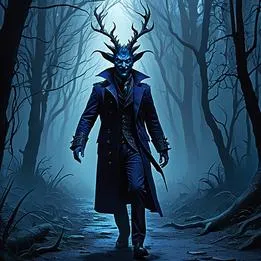
Trickster
The Oracle's Essence
A boundary-crossing archetype representing chaos, transformation, and the subversion of norms through cunning and humor.
Interpretive Themes
✧ Archetypal Essence
Jester
Dominant Influence ( 75%)
The Trickster dances at society's edges, using humor and cunning to reveal what rigid structures conceal.
The Light
The Trickster dances at society's edges, using humor and cunning to reveal what rigid structures conceal.
The Shadow
The Trickster dances at society's edges, using humor and cunning to reveal what rigid structures conceal.
Modern Visibility
Often appears in media as anti-heroes or disruptors, symbolizing rebellion against rigid systems and the creative potential in disorder.
◈ Mythological Resonance
Loki Myth Meaning & Symbolism
Global/Universal traditionThe shape-shifting god whose cunning tricks both threatened and saved the gods, embodying the creative destruction necessary for renewal.
Coyote Myth Meaning & Symbolism
Native American traditionThe boundary-crossing trickster who creates the world through chaotic acts, teaching through failure and unexpected wisdom.
Alyosha Popovich Myth Meaning & Symbolism
Slavic traditionAlyosha is the quintessential Trickster-hero, using wit, riddles, and psychological insight to defeat foes, symbolizing the necessary disruption of rigid thinking.
Anhanga Spirit of the Forest Myth Meaning & Symbolism
Amazonian traditionAnhanga's primary archetypal role, using confusion, fear, and disorientation not for cruelty, but to disrupt harmful patterns and provoke essential growth.
Baron Samedi Myth Meaning & Symbolism
African Diaspora traditionBaron Samedi is a classic trickster archetype, using humor, obscenity, and chaos to disrupt solemnity and reveal deeper truths about life and death.
Brer Rabbit the Trickster Myth Meaning & Symbolism
African Diaspora traditionThe archetypal embodiment of Brer Rabbit, representing cunning, boundary-crossing, rule-breaking, and the intelligence that subverts rigid power structures.
Caipora Spirit of the Hunt Myth Meaning & Symbolism
Amazonian traditionThe aspect of Caipora that confounds logic and expectation, serving to disrupt hubris and force a deeper, more humble mode of engagement.
Bulgasari Iron Eating Monster Myth Meaning & Symbolism
Korean traditionThe archetype embodied by Bulgasari, which operates outside established rules, using appetite and chaos to dismantle rigid, corrupt systems.
Coniraya and Cavillaca Myth Meaning & Symbolism
Incan traditionThe archetype embodied by Coniraya, the boundary-crosser who instigates crisis and change through deception, challenging rigid notions of purity and order.
Gede Spirits Myth Meaning & Symbolism
African Diaspora traditionThe essential archetype embodied by the Gede, who use humor, obscenity, and chaos to break rigid structures, deliver truth, and restore balance.
Geser Khan Myth Meaning & Symbolism
Mongolian traditionGeser's early, disruptive persona necessary for breaking stagnant order, representing the creative, chaotic force that precedes the establishment of a more authentic structure.
Hong Gildong Myth Meaning & Symbolism
Korean traditionHis use of cunning and illusion to humiliate corrupt officials, representing the intelligence of the marginalized that subverts rigid power structures.
Juha the Wise Fool Myth Meaning & Symbolism
Islamic traditionThe foundational archetype Juha embodies, the divine agent of chaos, change, and revelation through subversion and humor.
Kamapua'a the Pig God Myth Meaning & Symbolism
Hawaiian traditionKamapua'a's primary archetype, using cunning, shape-shifting, and rule-breaking to challenge rigid order and introduce necessary chaos.
Kaulu the Trickster Myth Meaning & Symbolism
Hawaiian traditionThe archetypal embodiment of chaos, cunning, and necessary disruption that Kaulu perfectly represents, challenging stagnant order to enable new growth.
Kapre Myth Meaning & Symbolism
Filipino traditionThe archetype the Kapre embodies, one who disrupts order and convention not out of malice, but to expose a larger, more complex truth.
Loro Jonggrang Myth Meaning & Symbolism
Indonesian traditionThe cunning deception of the false dawn and the pounding rice, representing the psyche's use of clever, indirect means to avoid a direct confrontation with power.
Nasruddin Hodja Myth Meaning & Symbolism
Islamic traditionThe archetypal force embodied by Hodja, who breaks rigid structures of thought and society to reveal deeper, often uncomfortable, truths through humor and inversion.
Nyame the Sky God Myth Meaning & Symbolism
West African traditionThe archetypal force of change, boundary-crossing, and cunning that disrupts stagnant order to facilitate necessary transformation.
Nyame Creator God Ashanti Myth Meaning & Symbolism
African traditionEmbodied by Anansi, this symbol represents the cunning, amoral, and creative force that challenges static order and instigates the necessary quest for knowledge.
Polevoi Myth Meaning & Symbolism
Slavic traditionThe archetype Polevoi most closely embodies, using deception and shape-shifting not for malice, but to disrupt arrogance and enforce natural law.
Popol Vuh Creation Myth Meaning & Symbolism
Mesoamerican traditionEmbodied by the Hero Twins' cunning strategies in Xibalba, representing the intelligence needed to navigate the unconscious and transform rigid patterns through cleverness.
Raven Creates the World Myth Meaning & Symbolism
Inuit traditionThe archetypal principle embodied by Raven, denoting the necessary disruptive force that breaks stasis and initiates change through cleverness and rule-breaking.
Raven Steals the Light Myth Meaning & Symbolism
Inuit traditionThe archetypal force of chaos, change, and creative disruption that breaks rigid systems to allow for new life and awareness to emerge.
Seokga and Mireuk Creation Contest Myth Meaning & Symbolism
Korean traditionThe archetype embodied by Seokga, signifying the necessary disruptive force that challenges stagnant perfection and initiates growth, change, and the flawed beauty of lived experience.
Si Kabayan Myth Meaning & Symbolism
Indonesian traditionThe core archetype Kabayan embodies, representing subversion, rule-breaking, and the use of humor and wit to disrupt established order and reveal hidden truths.
Tengu Myth Meaning & Symbolism
Shinto traditionThe archetypal role of the Tengu as an agent of chaos that ultimately serves to break down rigidity and provoke necessary growth.
The Boto the River Dolphin Seducer Myth Meaning & Symbolism
Amazonian traditionThe archetype perfectly embodied by the Boto, a boundary-crosser who disrupts order, reveals hypocrisy, and brings both chaos and the potential for new awareness.
The Crow Creator Koryak Myth Meaning & Symbolism
Siberian traditionThe essential archetype embodied by Koryak, the amoral, cunning agent of change who breaks stagnant systems to allow for new life.
The Eternal Fox Trickster Siberian Myth Meaning & Symbolism
Siberian traditionThe core archetype embodied by the Fox, representing the force that breaks boundaries, inverts norms, and catalyzes necessary change through cunning and chaos.
The Exu in Brazil Myth Meaning & Symbolism
African Diaspora traditionThe archetype of boundary-breaking, chaos, and necessary disruption that Exu perfectly embodies, challenging rigid order to allow for dynamic growth.
The Div Akvan Myth Meaning & Symbolism
Persian traditionThe Div Akvan operates as a malignant trickster, subverting expectation and logic, forcing a confrontation with life’s absurdity.
The Hare Trickster East African Myth Meaning & Symbolism
African traditionThe central archetype of the Hare, representing disruptive intelligence that overturns rigid order to create new possibilities and reveal hidden truths.
The Hare of Inaba Myth Meaning & Symbolism
Shinto traditionThe hare begins as a classic Trickster, using cunning to manipulate the natural order, an archetype that must be dissolved for deeper wisdom to emerge.
The Me Divine Laws Myth Meaning & Symbolism
Sumerian traditionThe aspect of Inanna's cunning and Enki's drunken carelessness, highlighting the non-heroic, clever, and unpredictable means by which profound change occurs.
The Odu of Ifa Myth Meaning & Symbolism
Yoruba traditionEshu's essential role, ensuring the system remains dynamic, challenging dogma, and forcing the divine patterns to engage with earthly complexity and change.
The Origin of Fire Aboriginal Myth Meaning & Symbolism
Aboriginal Australian traditionThe archetypal embodiment of cunning intelligence and necessary rule-breaking, representing the psyche's capacity to outwit rigid structures to procure vital growth.
The Owl and the Raven Myth Meaning & Symbolism
Inuit traditionThe archetype perfectly embodied by Raven, who uses cunning and transformation to break stagnant order and initiate necessary change.
The Pink River Dolphin Encanto Myth Meaning & Symbolism
Amazonian traditionThe core archetype embodied by the Boto, who breaks boundaries, creates chaos, and forces transformation through seduction and deceit.
The Serpent as Liberator Myth Meaning & Symbolism
Gnostic traditionThe archetypal role of the serpent, who uses cunning and subversion to break rigid systems and deliver necessary, if disruptive, truths.
The Signifying Monkey Myth Meaning & Symbolism
African Diaspora traditionThe central archetype of the myth, representing the use of wit, cunning, and boundary-crossing to disrupt rigid order and enact change from the margins.
The Tortoise Trickster West African Myth Meaning & Symbolism
African traditionThe core archetype embodied by the tortoise, representing the force that disrupts order, breaks rules, and uses cunning to achieve its ends, challenging rigid hierarchies.
Tikbalang Myth Meaning & Symbolism
Filipino traditionThe essential archetype of the Tikbalang, a boundary-crosser who uses confusion and inversion to disrupt egoic certainty and force a deeper wisdom.
Tiddalick the Frog Myth Meaning & Symbolism
Aboriginal Australian traditionThe archetypal force of cunning and absurdity, embodied by the eel, which solves the crisis not by force but by provoking involuntary release through laughter.
Twi Creation Myth Myth Meaning & Symbolism
West African traditionThe essential role of Anansi, who disrupts static perfection to introduce the dynamic, challenging elements of wisdom, choice, and mortality that fuel human development.
Xbalanque and the Sun Myth Meaning & Symbolism
Mesoamerican traditionEmbodied by Xbalanque’s cunning strategies, especially the deceptive dance performance that ultimately defeats the Lords of Death through their own arrogance.
Zipacna the Mountain Maker Myth Meaning & Symbolism
Mesoamerican traditionThe archetype embodied by the Hero Twins, whose cunning intelligence is required to outwit and integrate brute, arrogant strength.
Ameno-Uzume Dance of Dawn
Shinto traditionThe archetypal agent of change who works through cunning, humor, and rule-breaking to disrupt stagnation and provoke evolution.
Amaterasu's Cave
Shinto traditionThe deity (Ame-no-Uzume) who uses unconventional, playful, and embodied means to resolve a crisis of spirit that solemnity cannot fix.
Anansi and the Hornets
West African traditionThe archetypal agent of change who uses wit, deception, and boundary-crossing to disrupt stagnant orders and expose hidden truths.
Anansi Buys All Stories
West African traditionThe archetypal agent of change who uses cunning and guile to disrupt stagnant order, challenge illegitimate authority, and procure hidden wisdom for the community.
Ali Baba and the Thieves
Islamic traditionMorgiana in her clever, subversive role, using guile and perception to outwit a more powerful, rigid force and restore balance to the household.
Anansi the Spider Creator
West African traditionThe archetypal boundary-breaker and rule-bender who disrupts stagnant order to allow for new creation, growth, and necessary change through cunning and humor.
Anansi the Trickster Spider
African traditionThe archetypal boundary-crosser and rule-breaker who uses cunning and humor to disrupt order, challenge arrogance, and catalyze necessary change.
Anansi in the Caribbean
African Diaspora traditionThe archetypal boundary-crosser who uses wit and chaos to disrupt rigid order, challenge gods, and often bring vital knowledge to humanity.
Anansi's Wisdom Gourd
West African traditionThe archetypal boundary-crosser whose cleverness challenges order and whose failures often lead to necessary transformations for the wider world.
Cangjie Inventor of Writing
Taoist traditionThe archetype embodied by Cangjie as a boundary-crosser who brings a transformative (and disruptive) gift from the natural world to the human realm.
Enki and the World Order
Sumerian traditionThe aspect of wisdom that is fluid, cunning, and subversive, capable of creating order and also playfully questioning its permanence.
Eshu in the New World
African Diaspora traditionThe archetypal force of disruption, subversion, and creative chaos that challenges rigid order and reveals hidden truths.
Eshu at the Crossroads
Yoruba traditionThe archetypal agent of chaos, boundary-crossing, and revelation who disrupts order to provoke necessary change and deeper understanding.
High John the Conqueror
African Diaspora traditionThe cunning, boundary-breaking aspect of psyche that uses wit, humor, and subversion to challenge rigid order and create new possibilities.
Hunahpu and Xbalanque
Mesoamerican traditionThe archetypal force of cunning and subversion that uses humor, guile, and intelligence to overthrow rigid or oppressive orders.
Ijiraq the Shape Shifter
Inuit traditionA boundary-crosser who uses deception and chaos to disrupt order, ultimately provoking necessary growth and wisdom.
Ivan the Fool
Slavic traditionThe archetypal force that subverts rigid order and reveals hidden truths through unconventional, often humorous means.
Ishtar's Descent
Babylonian traditionThe ambiguous, shape-shifting archetype that operates between fixed orders, using cunning and paradox to retrieve what is lost or to facilitate transformation.
Kaggen the Mantis Deity
African traditionThe archetypal boundary-breaker and catalyst whose disruptive actions are necessary to dissolve stagnation and provoke evolution, both in myth and in the psyche.
Kappa Water Spirit
Shinto traditionThe archetypal embodiment of chaos, mischief, and rule-breaking, challenging order and revealing hidden truths through disruptive play.
Kiviuq the Immortal Wanderer
Inuit traditionThe aspect of Kiviuq (and the beings he meets) that uses cunning and adaptability to navigate impossible situations, emphasizing wit over brute force.
Legba the Trickster
West African traditionThe archetypal agent of disruption, boundary-crossing, and revelation through chaos and humor.
Kweku Anansi Origin
West African traditionThe archetypal boundary-breaker and agent of change who uses cunning and rule-breaking to disrupt order and bring forth new knowledge.
Maui Fishes Up the Islands
Hawaiian traditionThe boundary-breaking archetype of cunning and transformative wit, essential for creative acts that defy conventional order.
Maui Snares the Sun
Hawaiian traditionThe boundary-breaking archetype who uses cunning and guile to alter the fundamental rules of reality for the benefit of culture.
Maui Slows the Sun
Maori traditionThe aspect of the hero that uses cunning, wit, and unconventional methods to outsmart greater forces and reshape reality.
Maui and Hine-nui-te-po
Maori traditionThe archetype embodied by Maui, representing cunning, boundary-crossing, and the chaotic force that challenges the status quo, here meeting its ultimate limit.
Maui Fishes Up the North Island
Maori traditionThe archetypal agent of change who uses cunning and rule-breaking to disrupt stagnation and bring forth new realities from the old order.
Maui Lasso of the Sun
Hawaiian traditionThe archetypal boundary-crosser who uses cunning and guile to reshape reality, serving as an agent of necessary change and cultural innovation.
Maui Hawaiian
Hawaiian traditionThe archetypal guise Maui wears, using cunning, deception, and cleverness to achieve ends that raw strength cannot, bending the rules of the cosmos itself.
Maui's Fish Hook
Maori traditionThe archetypal force that breaks boundaries, challenges order, and uses cunning and audacity to bring about necessary change, often through unorthodox means.
Maui Steals Fire from Mahuika
Maori traditionThe archetypal agent of chaotic change who breaks taboos and old orders, securing new knowledge for humanity through cunning and risk.
Moses and Khidr
Islamic traditionKhidr’s role as one who subverts expectation and moral convention to reveal a deeper, often unsettling, truth.
Papa Legba
African Diaspora traditionThe archetypal agent of change, chaos, and revelation who breaks rigid order to expose deeper truths and fluid possibilities.
Quetzalcoatl and Tezcatlipoca Rivalry
Aztec traditionThe archetypal agent of disruption, change, and revelation who breaks rigid structures and conventions, forcing adaptation and growth.
Quetzalcoatl Feathered Serpent
Aztec traditionThe destabilizing force, embodied by Tezcatlipoca, that shatters rigid perfection to force growth, integration, and a more complete consciousness.
Simon Magus
Gnostic traditionThe boundary-crosser who reveals the flaws in rigid systems, yet whose own lack of center can lead to dissolution and deceit.
Sun Wukong the Monkey King
Taoist traditionThe boundary-crosser, rule-breaker, and catalyst for change who operates through wit, deception, and a disruption of the established order.
Susanoo Slays Yamata no Orochi
Shinto traditionThe aspect of the divine or psyche that uses cunning, misdirection, and intelligence to overcome brute force, here embodied by Susanoo’s strategic preparation.
The Ballgame of the Hero Twins
Mesoamerican traditionA boundary-crossing, shape-shifting figure who uses cunning and subversion to overturn rigid order, expose hypocrisy, and enable renewal through chaos.
The Djinn of the Desert
Arabian traditionThe archetype of boundary-crossing and ambiguous gifts, perfectly embodied by the Djinn who subverts wishes and teaches through peril.
The Enchanted Islands Arabian
Arabian traditionEmbodied by the capricious jinn or the deceptive nature of the paradise itself, challenging the seeker’s assumptions and forcing adaptive intelligence.
The Forty Thieves
Islamic traditionThe archetypal figure who uses wit and deception to overturn the established order; Morgiana embodies this role to defeat a greater evil.
The Fox Kitsune
Shinto traditionThe archetypal agent of chaos and change who breaks rigid order, exposes folly, and catalyzes growth through cunning and disruption.
The Goblin Club Dokkaebi Bang
Korean traditionThe archetypal embodiment of boundary-crossing, rule-breaking, and creative chaos, serving to disrupt order and provoke transformation.
The Hero Twins in Xibalba
Mesoamerican traditionA boundary-crossing agent of change who uses wit, deception, and subversion to disrupt stagnant orders and expose hidden truths.
The Jinn in Islamic Cosmology
Islamic traditionThe archetype embodied by many jinn, especially the Shayateen, representing ambiguity, chaos, testing, and the disruption of order to provoke growth or expose folly.
The Lords of Xibalba
Mesoamerican traditionThe cunning intelligence embodied by the Hero Twins, which uses illusion, strategy, and adaptability to navigate rigid systems of oppressive power.
The Magic Lamp Aladdin
Islamic traditionEmbodied by the sorcerer, who uses deception to access power, representing the shadow aspect of cunning and the necessary adversary that forces genuine growth.
The Mantis Creator Bushman
African traditionThe archetypal principle of disruption, boundary-crossing, and catalytic change that challenges fixed order to generate vitality and new awareness.
The Mayan Underworld Xibalba
Mesoamerican traditionThe archetypal force of disruption, cunning, and creative intelligence that subverts rigid order and exposes hidden truths through guile.
The Mortar of the Sky
Yoruba traditionThe potential force of chaos that tests the integrity of the mortar’s balance, reminding that order is dynamic and must be continually engaged.
The Origin of Music African
African traditionThe boundary-walker who deconstructs wholeness into playable parts and teaches the innovation and improvisation within tradition.
The Plant of Immortality
Babylonian traditionAn ambivalent, boundary-crossing archetype that disrupts order and plans, often delivering painful but necessary wisdom through cunning and subversion.
The Sacred Cross Roads
African Diaspora traditionThe ambiguous guardian of thresholds who presides over the crossroads, testing, teaching, and facilitating communication between all realms of existence.
The Slave Trade and Spiritual Memory
West African traditionThe archetypal energy of Anansi, embodying the cunning, adaptability, and indirect resistance required to preserve culture under oppression.
The Stealing of Fire Siberian
Siberian traditionThe archetypal boundary-crosser whose cunning and chaos disrupt oppressive order to deliver vital change.
The Tale of the Fisherman and the Jinn
Arabian traditionThe aspect of the fisherman that uses wit, deception, and psychological insight to overturn a seemingly absolute power dynamic.
The Tanuki
Shinto traditionThe archetypal agent of chaos and change who breaks rules, inverts norms, and uses cunning to disrupt stagnant order.
The Three Apples
Arabian traditionThe role played by chance and coincidence, snatching an apple and weaving two separate tragedies into a single, deceptive knot.
The Valley of Diamonds
Arabian traditionThe archetypal boundary-crosser who uses cunning, deception, and rule-breaking to achieve goals, often embodying the ambiguous intelligence needed to navigate impossible situations.
Xolotl the Dog Guide
Aztec traditionA boundary-crossing figure who uses cunning and transformation to disrupt order, challenge norms, and facilitate unexpected change.
Cultural Lenses
Jungian
Learn More →Archetype of the collective unconscious representing the shadow's creative aspect; mediates between conscious and unconscious, forcing ego adaptation through disruptive wisdom.
Freudian
Learn More →Manifestation of the id's impulsive desires breaking through superego restrictions; represents repressed sexual/aggressive urges expressed through symbolic deception and play.
Gestalt
Learn More →Projection of disowned aspects of self that challenge fixed identities; represents the 'top dog/underdog' dynamic where suppressed parts rebel against dominant personality structures.
Cognitive
Learn More →Mental schema for processing uncertainty and rule-breaking; represents brain's problem-solving flexibility when conventional approaches fail, often appearing during cognitive dissonance.
Evolutionary
Learn More →Adaptive mechanism for social navigation and innovation; represents survival advantages of deception, humor, and boundary-testing in group dynamics and environmental adaptation.
North American
Learn More →Coyote/Raven figures in Indigenous traditions as creators and fools; simultaneously bring culture/fire while embodying gluttony and mischief, teaching through failure and humor.
African
Learn More →Anansi the spider in Akan/Ashanti folklore as wisdom-bringer through cunning; represents how marginalized groups use wit to overcome power imbalances, with modern diaspora resonances.
European
Learn More →Loki in Norse myth as catalyst of Ragnarök; medieval fools/jesters who spoke truth to power, evolving into carnivalesque figures challenging social hierarchies through inversion.
East Asian
Learn More →Sun Wukong in Journey to the West as rebellious monkey king; combines Buddhist enlightenment with Taoist spontaneity, representing disciplined freedom through transformative mischief.
South Asian
Learn More →Krishna's childhood pranks in Hindu tradition; divine play (lila) that reveals cosmic order through apparent disorder, teaching detachment via joyful subversion.
Middle Eastern
Learn More →Nasreddin Hodja in Sufi/folk tales as wise fool; uses apparent nonsense to expose hypocrisy and teach mystical truths through humor and paradoxical wisdom.
Latin American
Learn More →Pedro Urdemales/Zorro as social bandit figures; colonial resistance through cunning deception, representing mestizo identity negotiations and political satire in modern contexts.
✦ The Oracle's Prediction
An unconventional approach will solve a persistent problem that logical methods have failed to address.
Contextual Nuances
Being tricked
Questioning trust in self/others.
Outsmarting authority
Subverting internal/external constraints.
Shape-shifting figure
Adaptability versus instability concerns.
Playing pranks
Need for levity in rigidity.
Crossing forbidden boundary
Breaking self-imposed limitations.
Integrative Mantra
"Affirmation"
Integration Ritual
Ritual Practice
Take a mundane household rule you follow automatically and deliberately break it in a creative way (like eating dessert first), then journal about what freedom you discovered in the disruption.
Questions for Reflection
- "What rigid rules or structures in your life might need playful disruption?"
- "How might your 'shadow self' be trying to communicate through trickster energy?"
- "Where do you use humor or cunning to avoid confronting deeper truths?"
- "What would happen if you temporarily embraced chaos instead of control?"
- "Which cultural trickster figures resonate with your current life challenges?"
Related Weavings
The Portal is Always Open
Every dream is a personalized dispatch from the deep. Don't let yours fade into static.
Interpret Full Dream