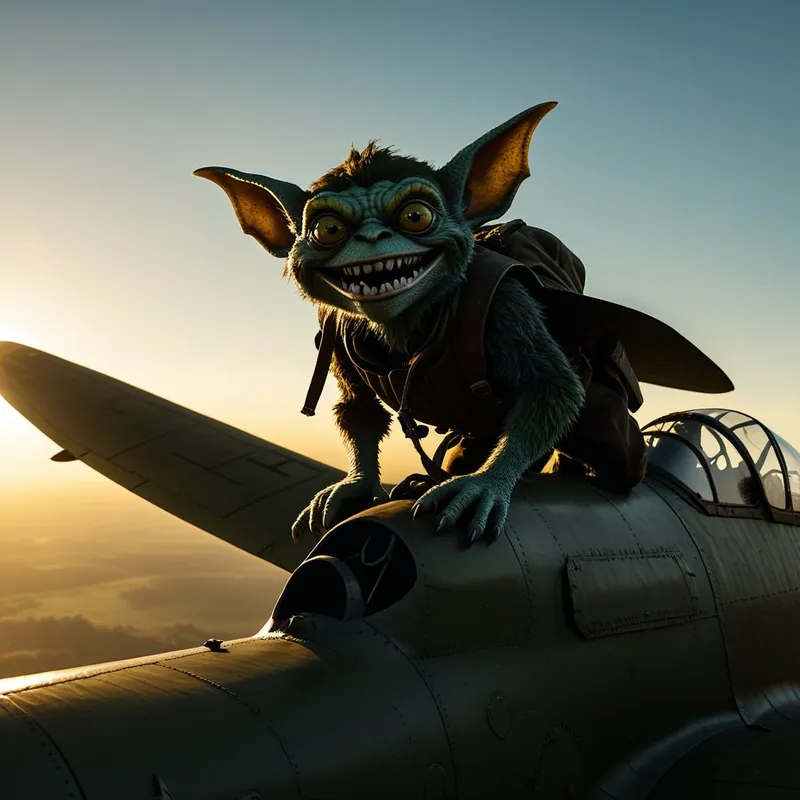
Gremlins Myth Meaning & Symbolism
Mischievous spirits of the machine age, gremlins embody the chaos of complex systems and the human psyche's confrontation with its own creations.
The Tale of Gremlins
Listen, and I will tell you of the spirits born not of ancient forests or deep seas, but of the very breath of our ambition. They are the children of the machine, the whispers in the wires, the gremlins.
In the time of great thunder, when men took to the sky in roaring metal birds, a new kind of shadow was cast. It was not the shadow of night, but the shadow of complexity itself. High above the clouds, where the air was thin and cold, pilots fought battles of steel and will. But they were not alone. A new presence stirred in the riveted joints and fuel lines. At first, it was a feeling—a prickle on the neck, a sense of being watched by the very craft that carried you. Then came the sounds: a faint, mischievous giggle from the radio static, a tiny, metallic ping from a panel that was secure moments before.
They were the gremlins. Small, wiry, and impossibly clever, with skin like oil-stained leather and eyes that sparkled with chaotic intelligence. They made their homes in the labyrinthine guts of the aircraft. One, they called Fifinella, would dance along the wings, her tiny fingers finding the precise spot to induce a worrying vibration. Another, a brutish sort named The Widget, would heave on control cables when least expected.
Their great sport was the test of human nerve. A pilot, relying on his gauges, would find the altimeter spinning wildly, a gremlin clinging to its needle. A perfectly tuned engine would cough and sputter for no reason, only to clear as suddenly as it began, leaving behind the echo of laughter in the manifold. They unscrewed bolts by the thinnest of threads, siphoned fuel drop by precious drop, and wrote cryptic, oily messages on clean windshields.
They were not malevolent, not in the way of demons. Their mischief was a law of this new, mechanical realm. They were the embodied "why not?" that answered every "it cannot fail." The pilots learned. They spoke of them not with terror, but with a weary, superstitious respect. Some would leave out tiny offerings—a drop of whiskey on an engine cowling, a crumb of chocolate on the instrument panel. A pact was formed, not of worship, but of wary acknowledgment. To fly was to invite the gremlins. To master flight was to learn their tricks, to listen for their presence in every unexplained groan and shudder, and to carry on despite them. They were the price of touching the sky, the chaotic soul of the machine made manifest.
Cultural Origins & Context
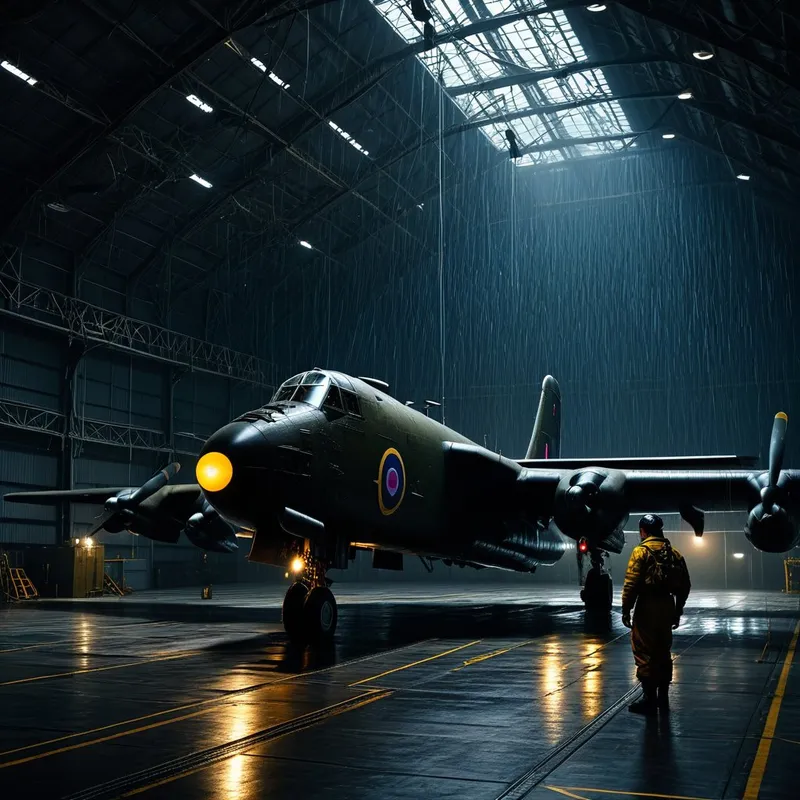
The gremlin is a uniquely modern folklore entity, born in the crucible of the early 20th century, most famously among British Royal Air Force pilots during World War II. Unlike myths passed down through millennia, this one emerged from the lived, terrifying experience of operating incredibly complex, yet fragile, machinery in life-or-death situations. The stories were not told around ancient hearths but in barracks, mess halls, and debriefing rooms.
The tellers were not shamans or bards, but mechanics and airmen—practical men facing an unpredictable enemy not just in the sky, but in their own aircraft. The gremlin myth served a critical psychological and social function. It gave a name, a face, and a personality to the terrifying, random mechanical failures that could mean death. It transformed abstract, systemic chaos into a manageable, almost familiar adversary. Blaming a "gremlin" was preferable to blaming a comrade's maintenance or admitting the terrifying fragility of their technology. It was a coping mechanism, a way to externalize fear and maintain morale and camaraderie through shared, darkly humorous stories. The myth spread rapidly through Allied forces and into popular culture via cartoons and stories, becoming the definitive folk explanation for the inherent unreliability of complex systems.
Symbolic Architecture
The gremlin is a pure archetype of the Shadow, specifically the shadow of our technological prowess. It represents the return of the repressed—the chaos, unpredictability, and agency we deny in the systems we build to control our world.
The gremlin is the laughter of the universe at the blueprint, the reminder that every system contains the seed of its own delightful malfunction.
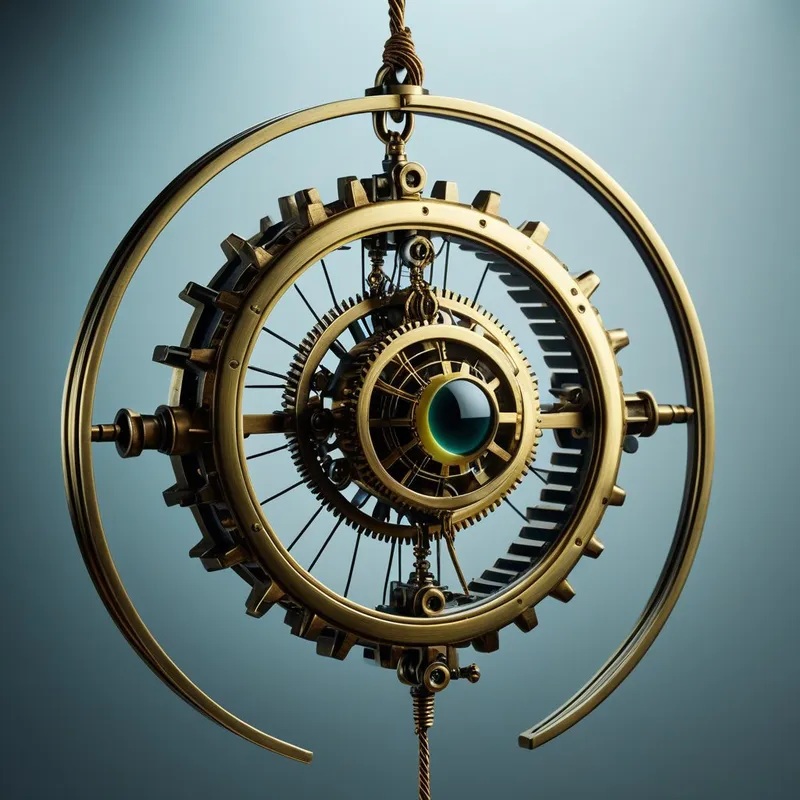
Psychologically, it embodies the projection of personal fallibility. When a pilot cannot find a fault, the gremlin becomes the carrier of his own unconscious fear of error or oversight. More broadly, it symbolizes the autonomy of the created object. We build machines to be extensions of our will, but in their complexity, they develop a kind of "life"—unintended consequences, emergent behaviors, and quirky failures. The gremlin is this nascent autonomy, perceived as mischievous and personal. It is the trickster god of the machine age, enforcing humility, demanding attention to detail, and punishing hubris. It tells us that control is always an illusion, and that interacting with any complex system is a dialogue, not a command.
The Dreamer's Resonance
To dream of gremlins is to dream of systemic sabotage from within. It is a dream of the psyche in a state of technological or personal overwhelm. The dreamer is often navigating a complex "system" in waking life—a new job, a intricate project, a relationship dynamic, or their own internal psychological framework.
Somatically, this dream may be preceded by feelings of anxiety about things going wrong in tiny, cascading ways—the dread of the missed email, the forgotten step, the minor error that snowballs. In the dream, the gremlins manifest as glitches in this system: keys sticking on a keyboard, roads that suddenly dead-end, faces of loved ones that pixelate and distort. The psychological process at work is one of confronting delegated anxiety. The gremlins are the dream's way of picturing the countless small, unnamed fears and responsibilities that feel outside of one's direct control, yet threaten to undermine a larger structure. The dream invites the dreamer to stop searching for a single, logical cause for their unease, and instead to acknowledge the pervasive, playful, and chaotic nature of the pressure they are under. It is a call to make peace with imperfection and the inherent unpredictability of complex engagements.

Alchemical Translation
The individuation journey modeled by the gremlin myth is not one of slaying a dragon, but of integrating the trickster. The modern individual, striving for perfection, efficiency, and seamless control (the prima materia of the conscious ego), is inevitably confronted by the gremlin—the shadow of mess, error, and chaos.
The first stage is projection: we see the fault "out there" in the machine, the institution, or other people. The alchemical work begins with the withdrawal of the projection. We must recognize the gremlin as a part of our own psyche—our own capacity for error, our repressed mischief, our unconscious desire to see orderly systems break down. The heroic act here is not extermination, but recognition and dialogue.
The transmutation occurs when we stop trying to purge the glitch and instead learn its language, understanding that the flaw is often the very thing that reveals the system's true nature.
The pilot who leaves an offering is performing this alchemy. He is acknowledging the autonomous life of the system he is part of, sacrificing his illusion of total control (the nigredo), and entering into a respectful relationship with the chaotic element. The resulting "gold" is not flawless operation, but resilient competence—the ability to operate within uncertainty, to troubleshoot with humor, and to hold one's plans lightly. The integrated self is not the perfect, gremlin-free machine; it is the skilled pilot who knows the gremlins are aboard, listens for their laughter, and flies on anyway, wiser and more humble for their chaotic company. The gremlin, integrated, becomes the source of adaptability, ingenuity, and the humility that prevents technological hubris.
Associated Symbols
Explore related symbols from the CaleaDream lexicon: