The Alchemy of Equilibrium: When Dreams Call for Balance
The Somatic Echo
It begins not as a thought, but as a tremor in the foundation. A low-grade hum of unease, a subtle vertigo that has nothing to do with height. You feel it in the solar plexus—a hollow, spinning sensation, as if your internal gyroscope has lost its true north. The body knows imbalance long before the mind can name it. It’s the tightness in the jaw from unspoken words, the restless leg of suppressed action, the shallow breath of a held-back cry. This is the somatic echo: a visceral, wordless knowing that the internal systems are straining under opposing pressures. The psyche is a tensegrity structure, and when one cable is pulled too taut, the entire form groans, seeking a new point of stillness.
The Dreamer's Log
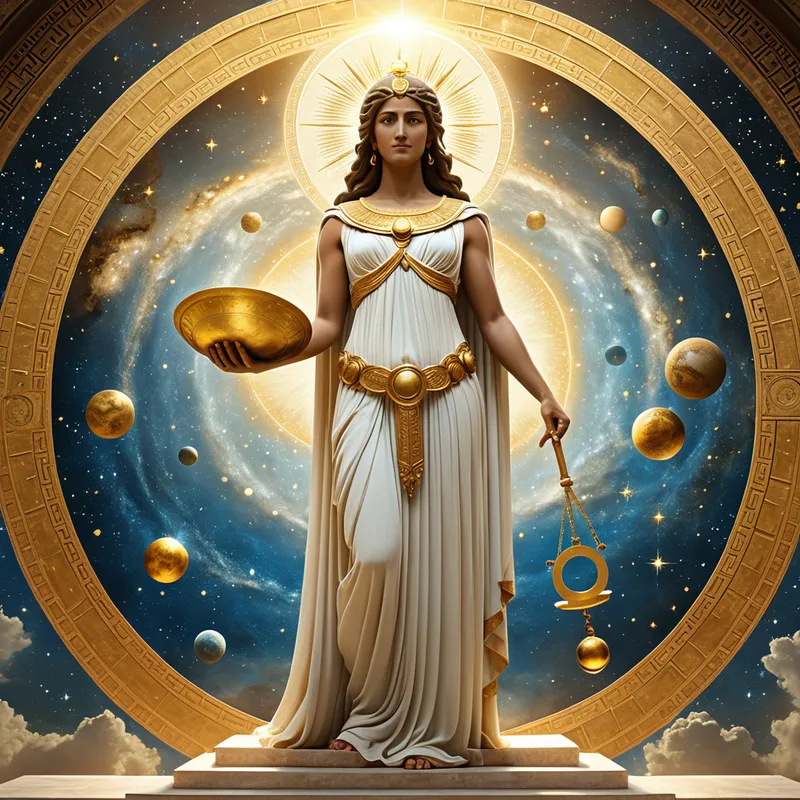
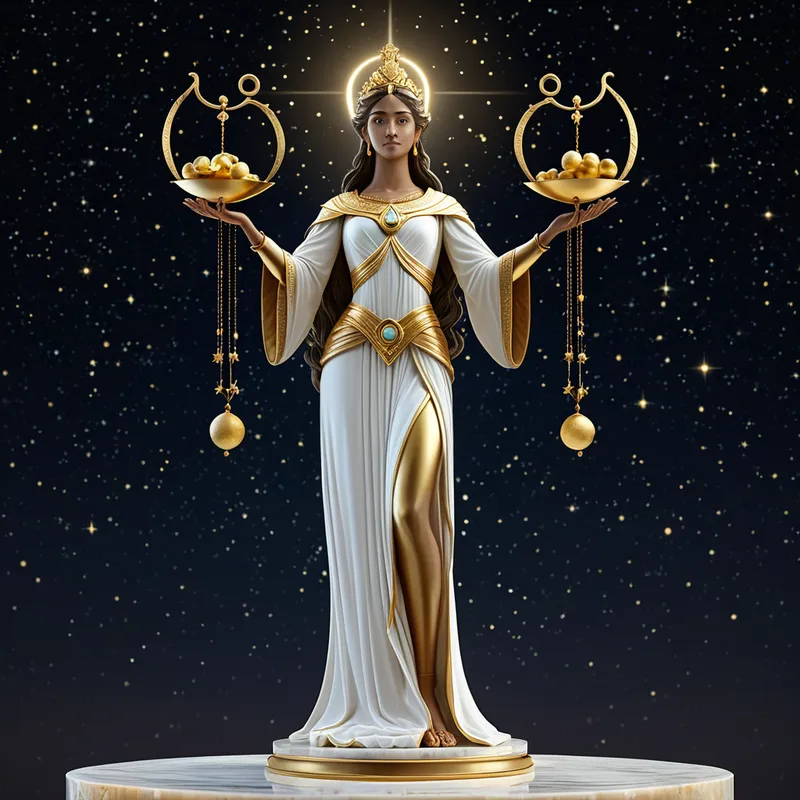
I stand before a vast, polished chrome scale in a silent, empty hall. On one pan, a pile of glowing, geometric data shards hums with clean, logical light. On the other, a dark, viscous liquid, like crude oil or forgotten grief, sits heavy and still. The scale is perfectly, impossibly level. I am terrified to breathe, knowing the slightest exhale will tip it.
Alchemical Interpretation: The dream presents a frozen moment of perfect, unsustainable tension between the crystalline logic of the mind and the dark, fluid weight of the unlived emotional body.

The False Lead
This theme is not about achieving a state of bland, static neutrality or “having it all.” It is not the superficial equilibrium of a well-managed schedule or the false peace of simply avoiding conflict. To mistake the dream’s call for balance as a mandate for compromise, for splitting the difference between your soul’s truth and the world’s demand, is the false lead. It is not about lessening one force to appease another, but about finding the precise, dynamic center where both can exist in their full, potent intensity without destroying the vessel that contains them. This is the difference between a ceasefire and a constitution.
Psychological Architecture
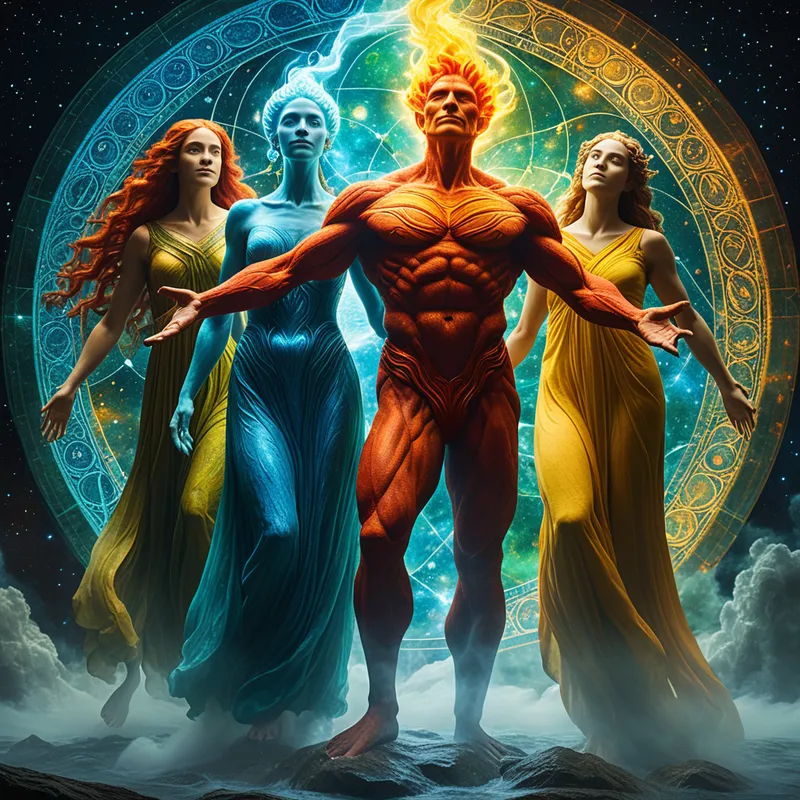
The deep work here is the reconciliation of exiled parts. Using the language of Internal Family Systems, the psyche’s “managers”—those parts that strive for control, order, and perfection—are often locked in a silent civil war with the “exiles”—the vulnerable, wild, emotional, or chaotic aspects we’ve buried for safety. The dream of balance is the Self’s intervention. It is the sovereign core of your being attempting to host a summit between the inner tyrant and the inner rebel, the eternal child and the severe critic. The shadow work is to acknowledge that your rigidity is not strength, but fear of your own fluidity; that your chaos is not freedom, but terror of your own capacity for order. Individuation here is the courageous act of becoming the container that can hold fire and water, stone and wind, without dissolving or exploding.
Mythic Resonance
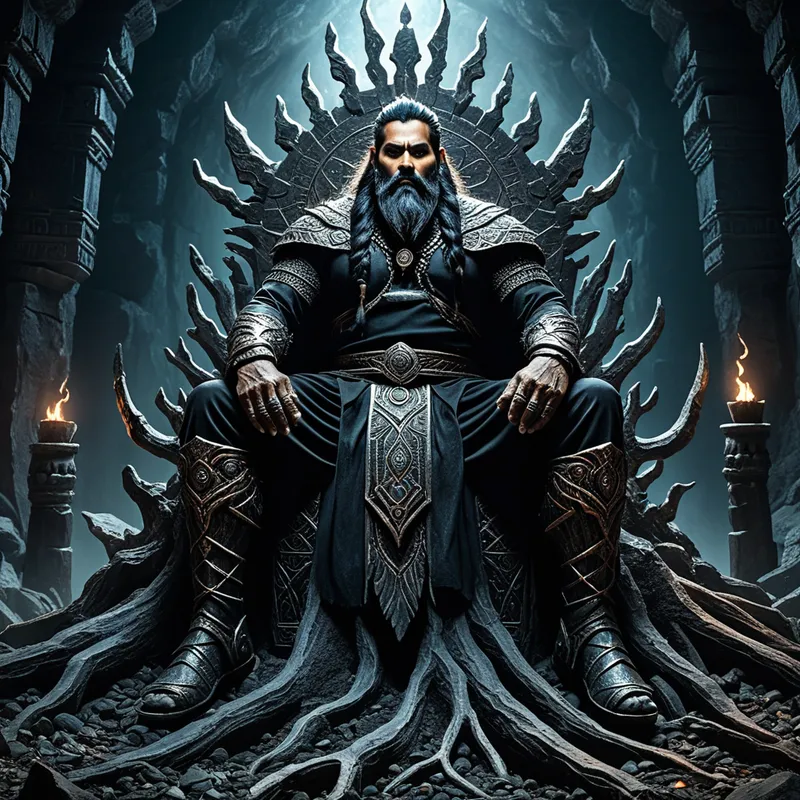
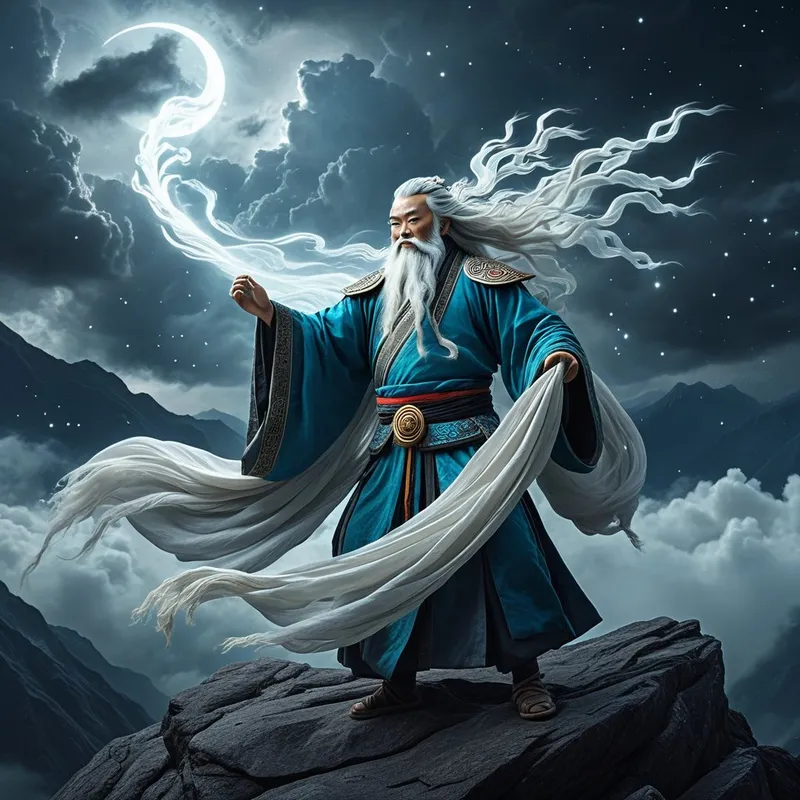
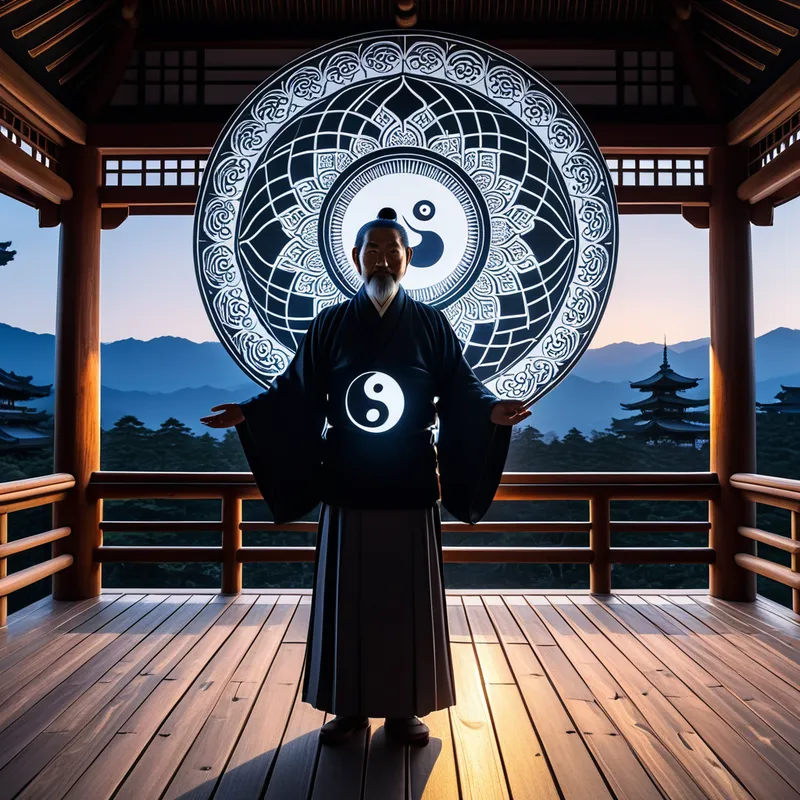
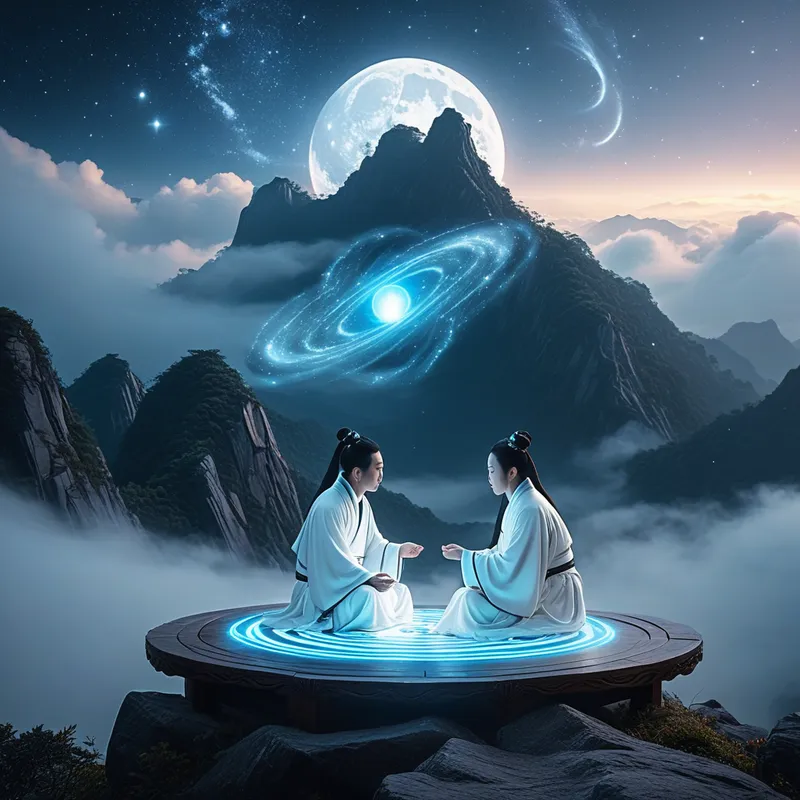
We see this eternal struggle in the Norse myth of Yggdrasil, the World Tree. Its roots gnawed by the dragon Nidhogg, its branches browsed by the stag Eikthyrnir, it is perpetually pulled between decay and vitality, between the chthonic underworld and the celestial realms of the gods. Yet, it stands. Its balance is not passive; it is a dynamic, suffering, and nourishing tension that holds the nine worlds in relation. Similarly, the Taoist concept of Yin and Yang is not a static symbol but a swirling dance of opposing yet complementary forces, each containing the seed of the other at its heart. The balance is in the flow, the mutual generation, the endless, necessary conversation between poles.
Symbolic Nodes
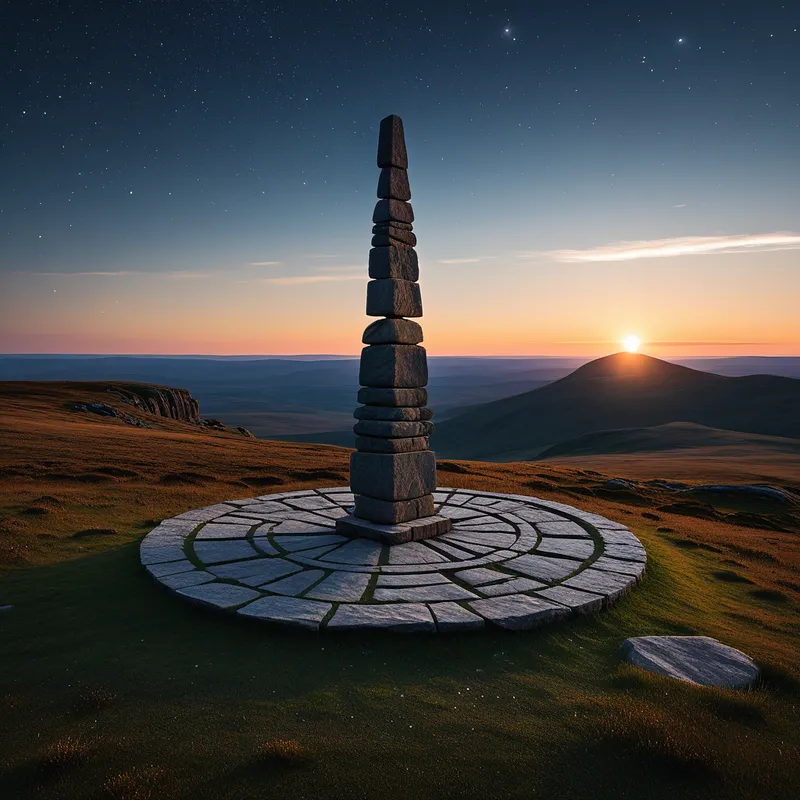
Common images in dreams of balance include: Tightropes, bridges, or narrow paths over abysses; scales, balances, or measuring devices; perfectly centered objects (a sphere, a single pillar); teetering towers of disparate objects; standing perfectly still in a howling wind or raging river; two animals or figures of opposing natures (e.g., a wolf and a lamb) sitting quietly together.
Archetypal Resonance
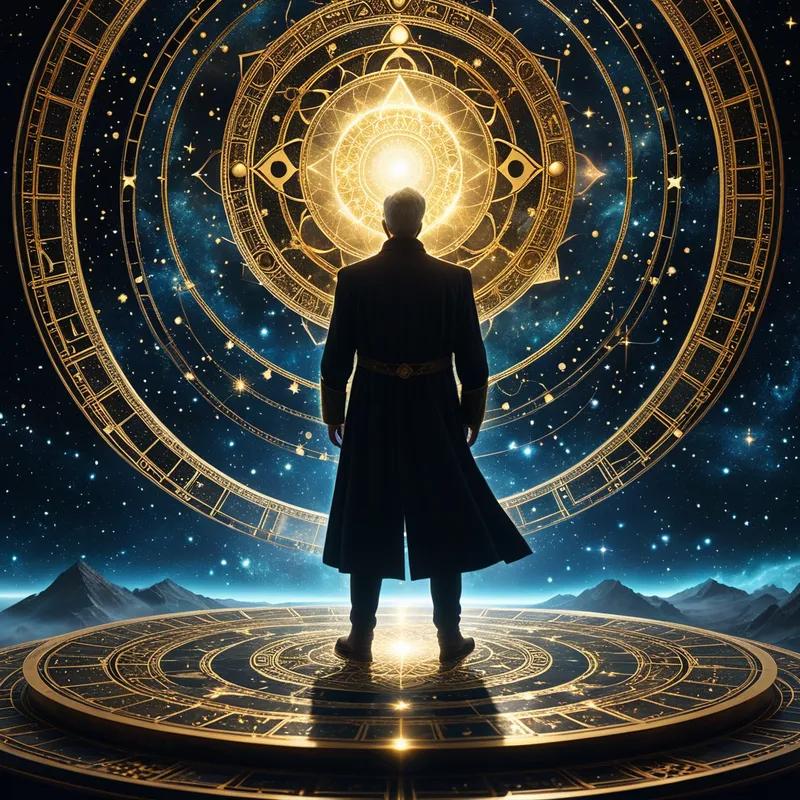
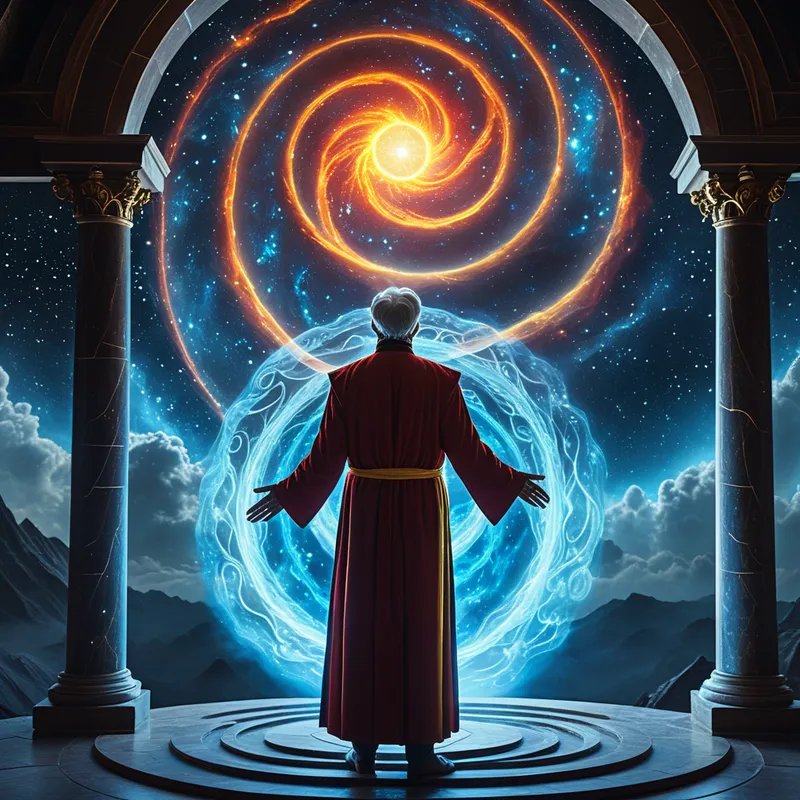
The core energy at play here is that of The Magician Archetype. The Magician is the archetypal force of transformation, the knower of the hidden principles that govern reality. Its shadow—the Manipulator or Illusionist—seeks balance through control, forcing equilibrium through sleight of hand and psychological coercion, creating a fragile, false peace. The true Magician’s work resonates perfectly with the somatic echo and alchemical potential of this theme. It feels the tension in the system not as a problem to be solved, but as the raw material for transmutation. The Magician does not choose between logic and emotion, order and chaos, but learns their secret language, discovering the precise fulcrum point—the axiom—where their opposition becomes a generative circuit. This archetype provides the vision and the toolset to perform the ultimate alchemy: turning inner conflict into conscious, creative power.
The Alchemical Process
The transmutation of imbalance into sovereignty requires the heat of conscious tension. This is the nigredo, the blackening. You must willingly step into the center of the conflict, allowing the full weight of both sides to press upon you—the grief of the orphan and the demands of the ruler, the passion of the lover and the discipline of the sage. The pressure is the sustained, non-judgmental awareness of this inner civil war without immediately taking a side. You hold the opposites in your awareness like a chemist holds volatile elements, applying the gentle, consistent heat of attention. In this crucible, the old, brittle identities—the “I am only this” or “I must never be that”—begin to dissolve. The albedo, the whitening, emerges as a new insight: these are not enemies, but complementary forces. Sovereignty is born when you realize you are not either pan of the scale, but the beam itself. You are the unmoved mover at the center of the storm, the space in which the dance occurs.
The Integration Protocol
Question 1: In my waking life, where do I feel the most visceral, bodily tension? What two opposing needs or truths might be straining against each other in that very spot?
Question 2: If the perfectly balanced image from my dream were to come to life and move, what would be its first, natural motion? What does that movement imply about the nature of the integration required?
Question 3: Which part of myself have I been treating as a “counterweight”—something to be merely tolerated or used to offset another part—rather than as a vital, sovereign voice with its own wisdom?
Action 1 (Somatic Centering): For five minutes, sit or stand completely still. Feel for the faintest sensation of internal swaying or listing—a pull forward/back, left/right. Without correcting it, simply breathe into that sensation. Imagine your breath adding gentle mass and presence to the opposite direction, not to fight the pull, but to meet it, until a spontaneous, effortless equilibrium emerges from the tension.
Action 2 (Unstructured Dialogue): Take two sheets of paper. At the top of one, write the name of the “voice” or energy that feels over-extended or rigid in you (e.g., The Controller). On the other, write its seeming opposite, the exiled energy (e.g., The Wild One). Let each write a letter to the other, not to argue, but to explain its deepest fear and its primary function. Then, write a third letter from your core Self, thanking each for their service and stating how both are needed.
Action 3 (Ritual of the Fulcrum): Find two small objects that symbolically represent the opposing forces in your dream or life. Place them apart from each other. Your task is not to bring them together, but to find or create a third object—a stone, a piece of wood, a written word on a slip of paper—that acts as a “fulcrum” or “mediating principle.” Place this third object between them. Sit with this arrangement, contemplating the new relationship formed by the introduction of this conscious, central element.
Final Validation
The path of true balance is not for the faint of heart. It asks you to dismantle the makeshift dams and shaky scaffolds you’ve built to keep yourself upright, and to instead learn the far more difficult art of standing in the river, of building with tension. It is terrifying to release control and trust a equilibrium you did not engineer. Yet, this is the dream’s profound gift: it calls you not to a life of less conflict, but to a psyche of greater capacity. The chaos and the order, the shadow and the light—they are not your jailers. They are the twin engines of your becoming. Your sovereignty is found not in silencing one, but in learning to pilot the ship they both power.