The Somatic Echo
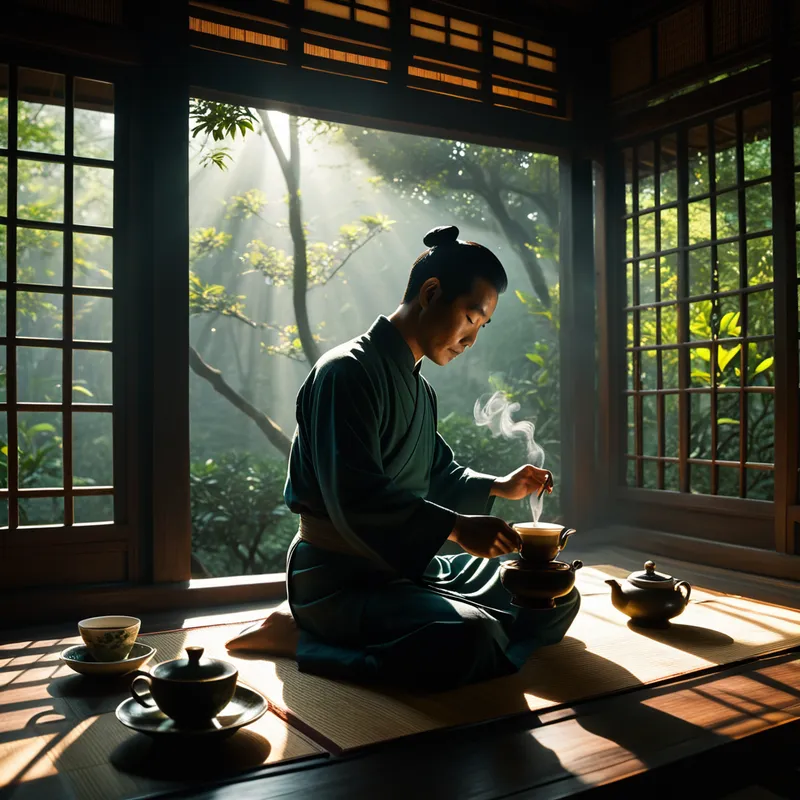
Before the mind conjures symbols, the body knows a ritual is near. It is a deep, cellular hum, a vibration in the marrow that feels like a gathering storm held in perfect stillness. There is a weight in the chest, not of anxiety, but of solemn gravity—as if your entire being is a vessel being filled with a dense, significant liquid. Your breath slows, becoming measured and intentional, as if rehearsing for a ceremony you have not yet been shown. The air around you feels charged, expectant. Your hands may feel empty yet purposeful, awaiting an object of power. This is the somatic echo of the psyche preparing for a sacred, irreversible act. It is the architecture of the soul sensing its own blueprint for change.
The Dreamer's Log (Case Vignette)
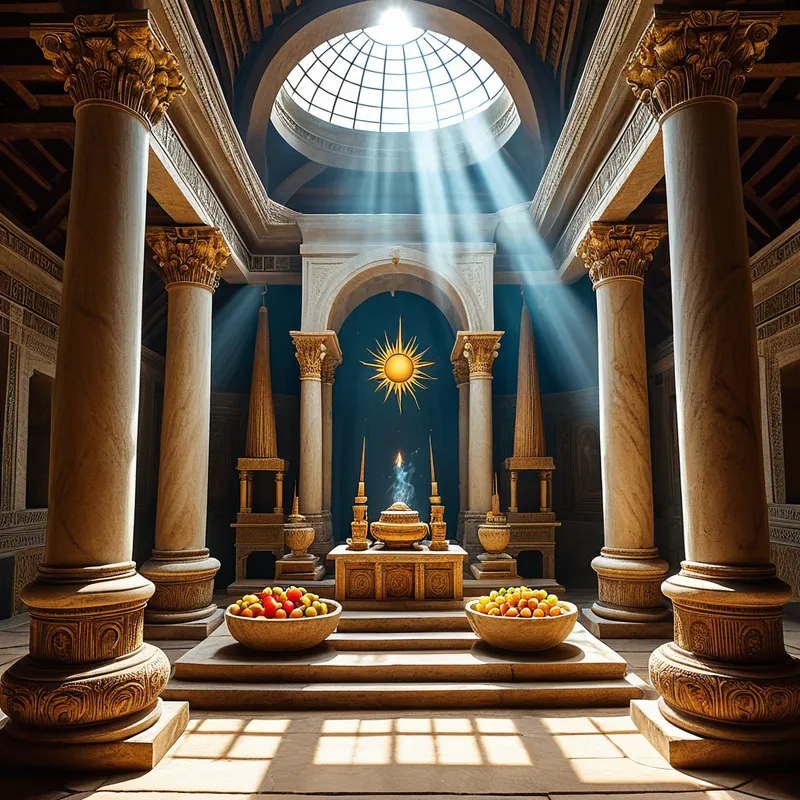
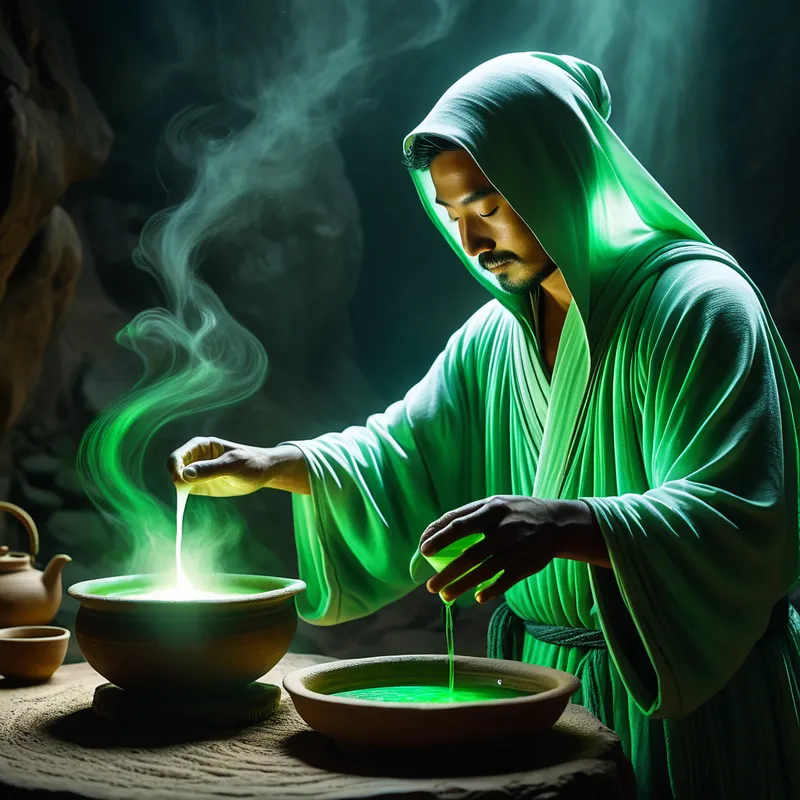
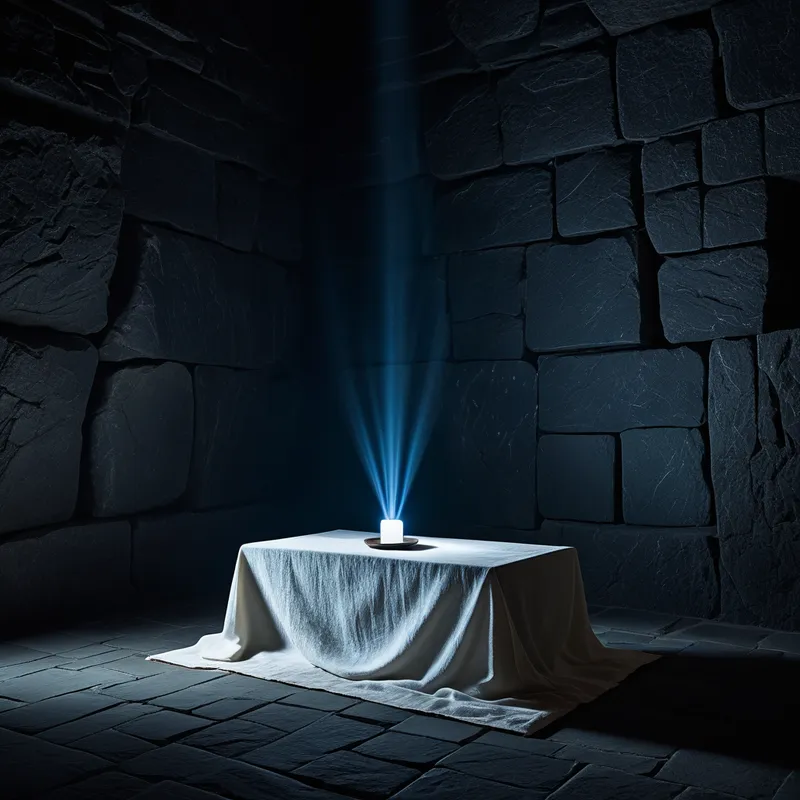
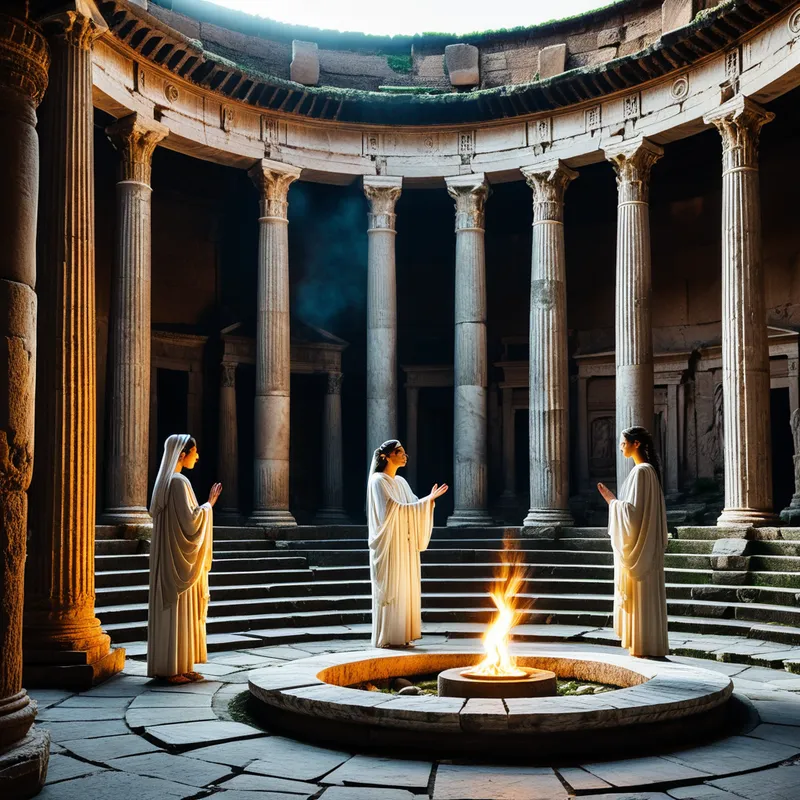
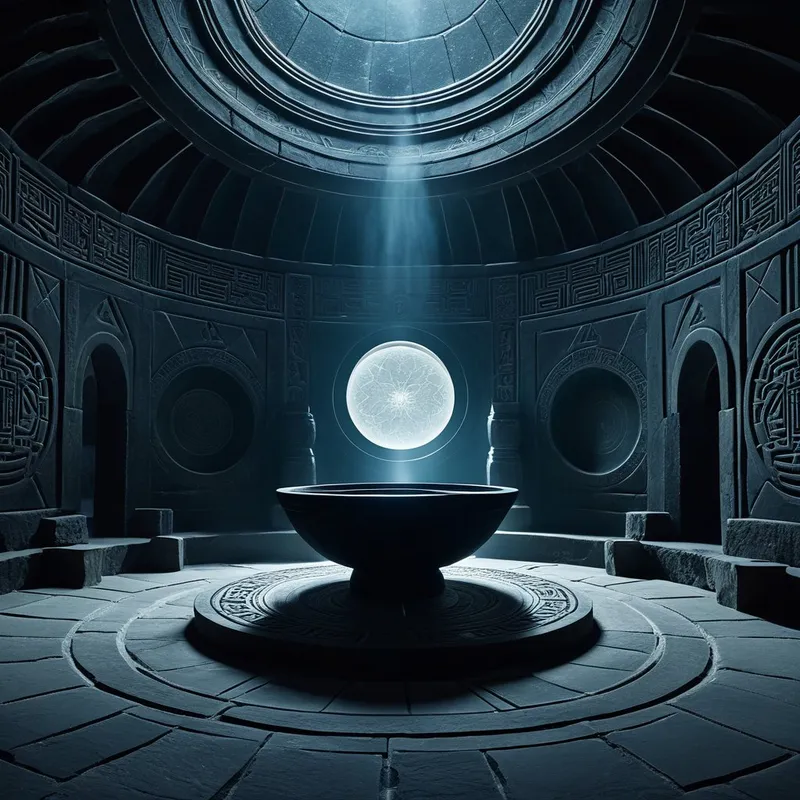
I am in a circular, windowless stone room. An obsidian altar holds a cracked porcelain bowl filled with a dark, viscous liquid. A voice I cannot see instructs me to pour the contents onto the floor. I hesitate, knowing it will stain the stone forever. I do it. The liquid spreads, not as a spill, but as a perfect, black circle that begins to glow from within.
Alchemical Interpretation: The dreamer is being guided by the unconscious to perform the sacred act of sealing a past wound, transforming its lingering poison into a permanent, illuminated foundation.
The False Lead
A dream of ritual is not a sign of obsessive compulsion or a mind trapped in meaningless repetition. The modern world often mistakes the sacred for the superstitious, the profound for the pathological. This is not about neurotic hand-washing or the mind’s broken record. The ritual in your dream is not a cage, but a crucible. It is the opposite of chaos; it is order imposed with divine intention. Do not misinterpret this profound structural shift as a call to mere habit. It is the psyche’s ancient technology for navigating transformation that is too vast for everyday logic to contain.
Psychological Architecture
To engage with a ritual dream is to enter the sanctum of your own becoming. Here, Shadow work is not a battle, but a liturgy. The parts of you that have been exiled—the grief you buried, the rage you silenced, the innocence you deemed too fragile—are not attacked, but invited. They are given roles in the ceremony. The internal family of the psyche gathers, not for a debate, but for a sacrament. The Orphan’s loneliness becomes the candle held in the dark. The Rebel’s fury becomes the fire that purifies the offering. This is the individuation process made visceral: you are not analyzing your fragments, you are officiating their reunion. The ritual is the living map of how these disparate selves can be reconciled into a new, sovereign whole. The altar is the point of contact between who you were and who you must become.
Mythic Resonance
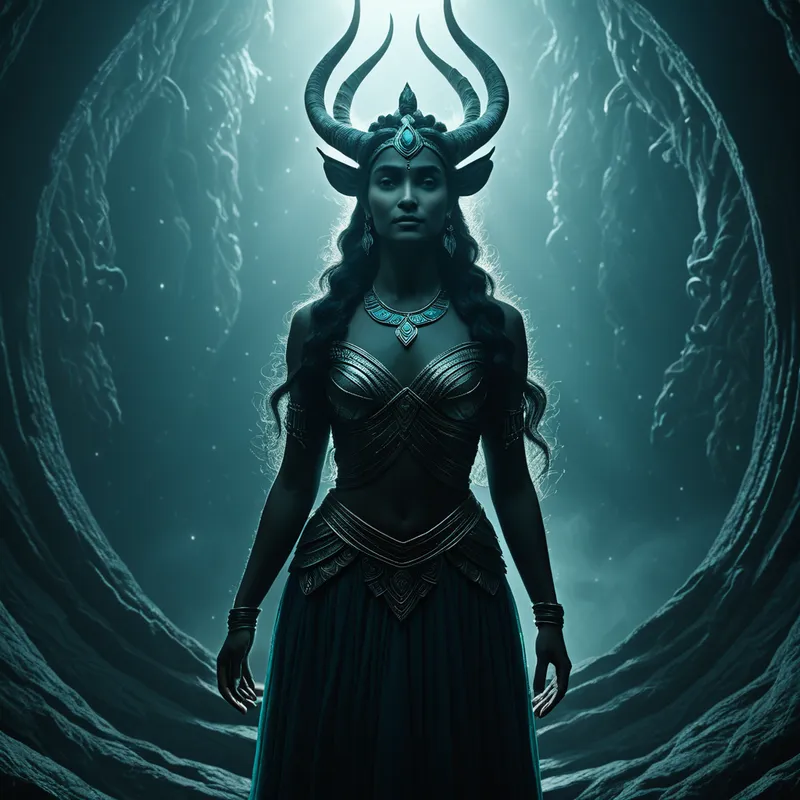
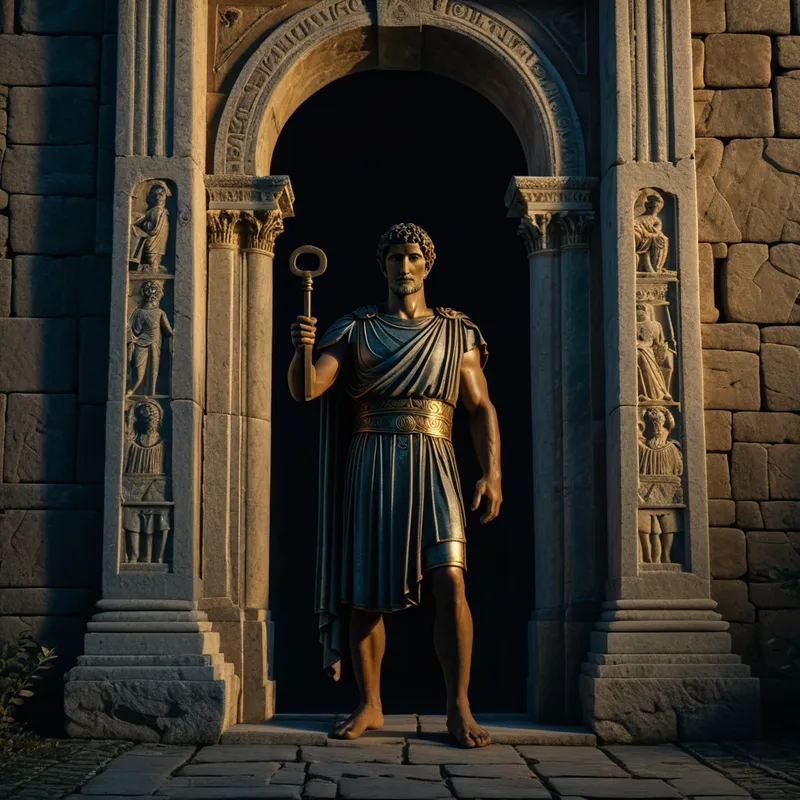
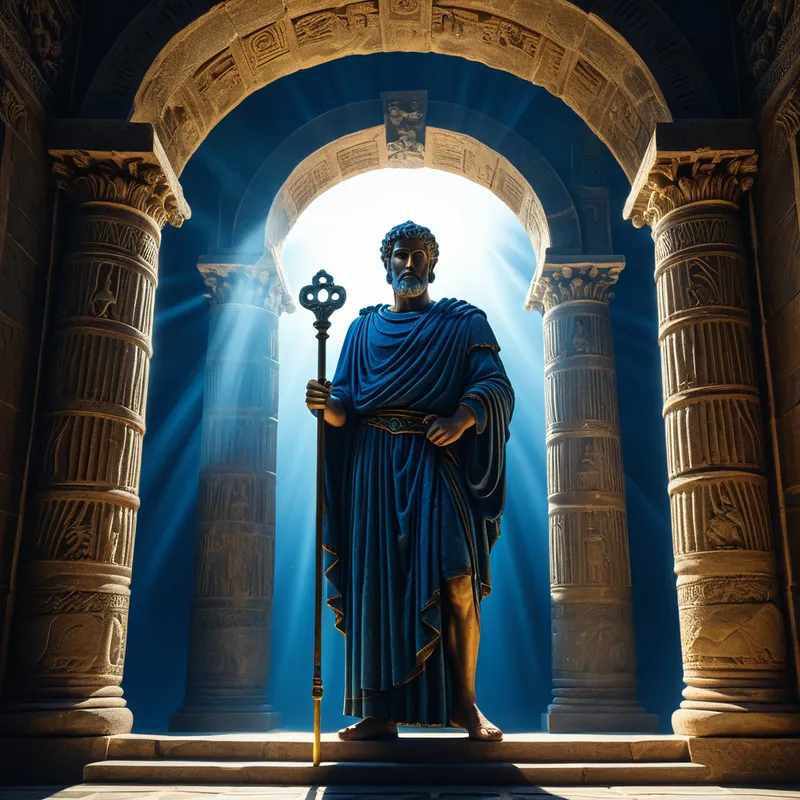
Consider the story of Inanna’s Descent. The Sumerian goddess does not simply wander into the underworld; she passes through seven gates, and at each, she is ritually stripped of a symbol of her power—her crown, her lapis beads, her royal robe. This is not a defeat, but a necessary deconstruction. Each removal is a sacred act, a ritualized surrender that transforms her identity, making her empty enough to confront her shadow sister, Ereshkigal, and be reborn. The ritual is the structure that makes the unthinkable journey possible. It provides the steps when there is no path. In our dreams, we are both Inanna and the gatekeeper, performing the stripping away and surrendering to it, all within the sanctified space of the psyche.
Symbolic Nodes
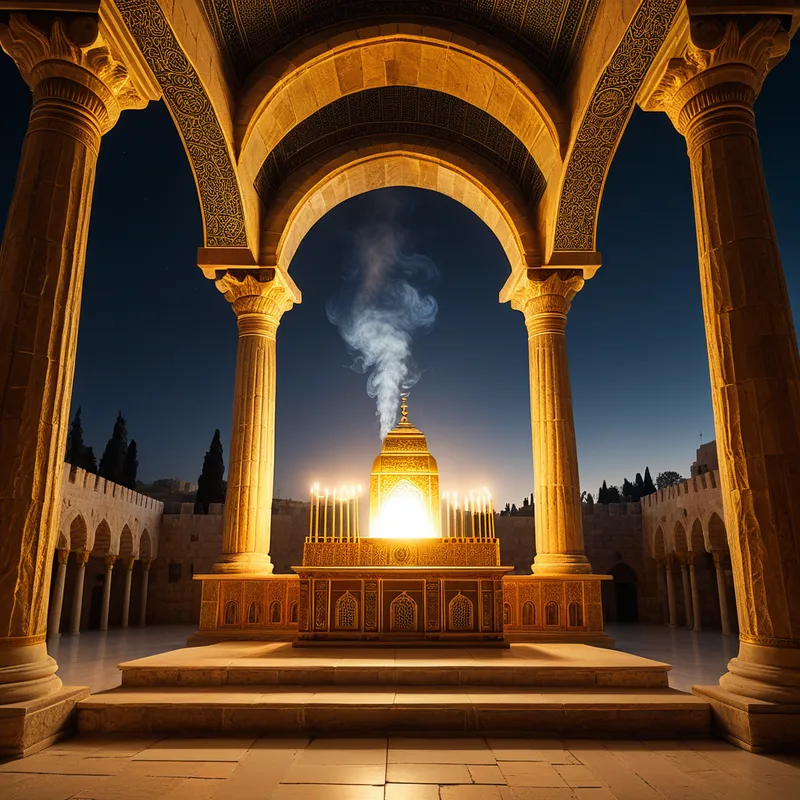
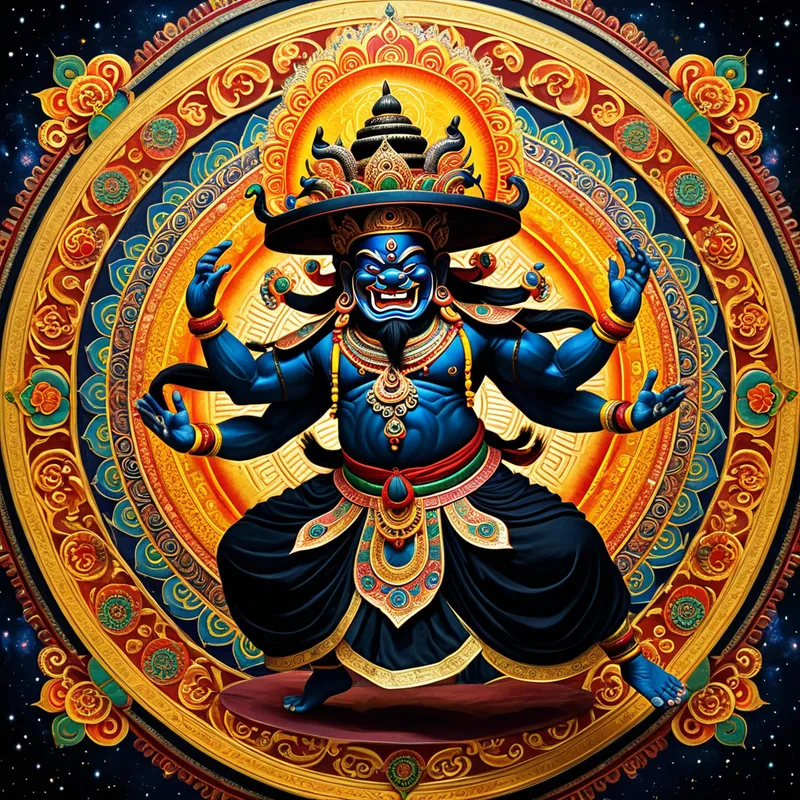
- Altars, Circles, & Mandalas: The creation of sacred space, a boundary between the profane and the profound.
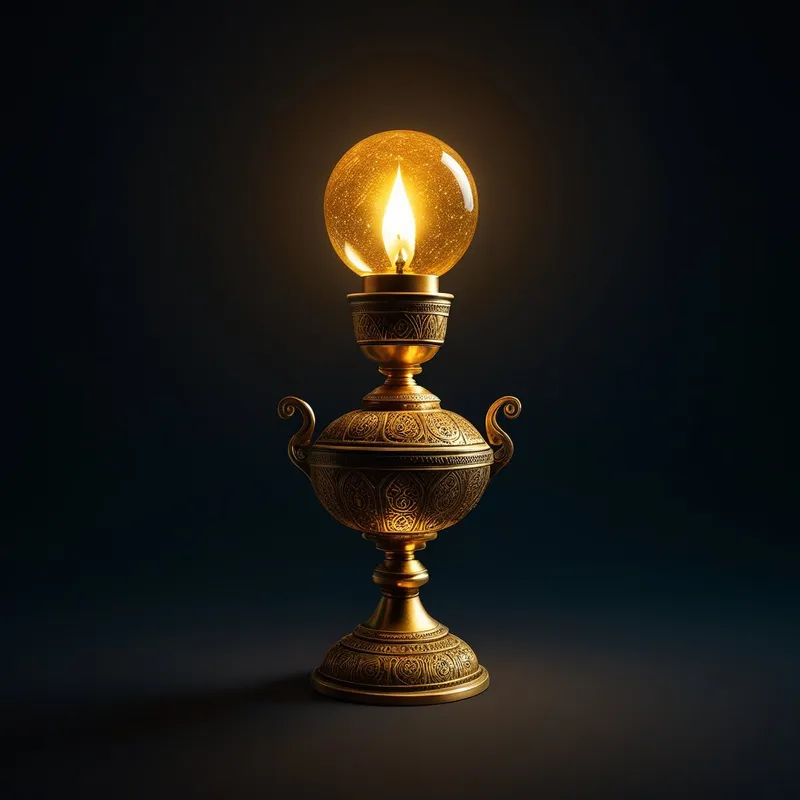
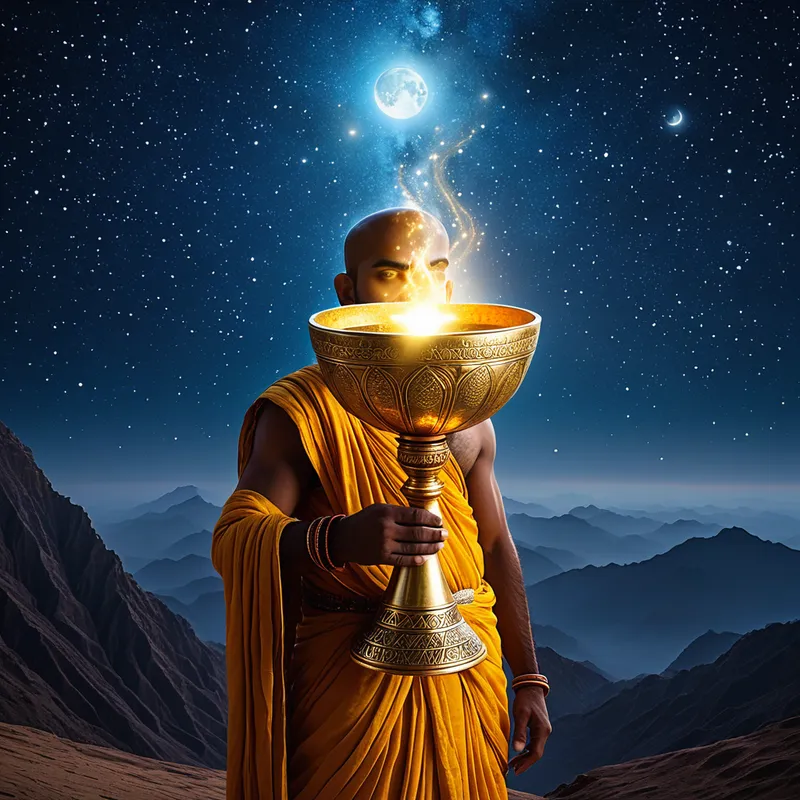
- Vessels (Bowls, Cups, Cauldrons): The container for the substance of transformation—often holding a liquid, a flame, or something precious.
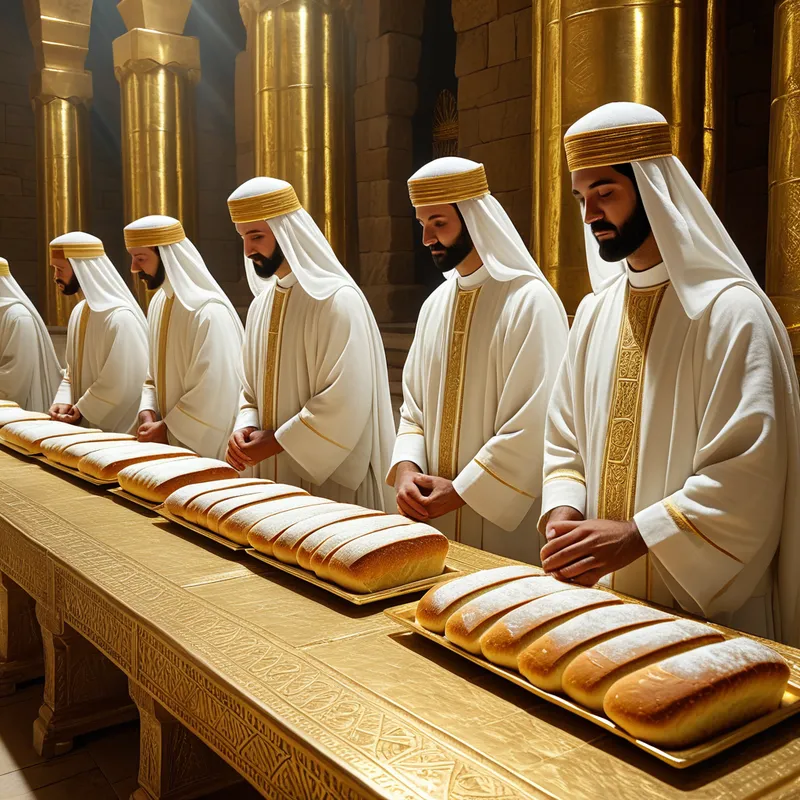
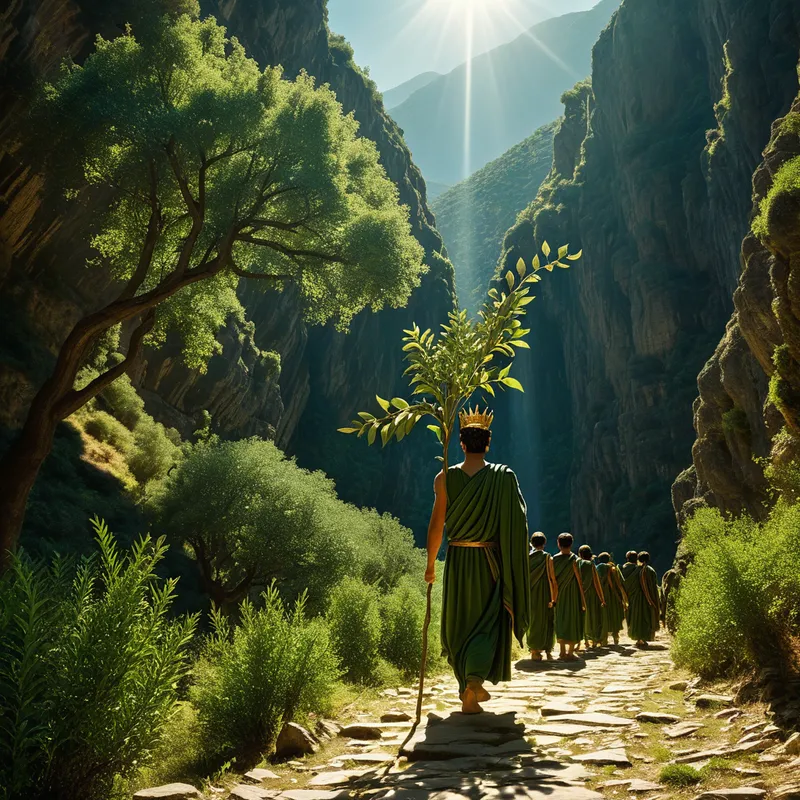
- Prescribed, Repetitive Actions: Washing, pouring, walking a specific path, lighting or extinguishing flames in a set order.
- Unseen Guides or Voices: The internalized authority of the deeper Self, providing the liturgy.
- Irreversible Acts: Breaking an object, spilling a liquid, making a permanent mark—signifying a point of no return.
Archetypal Resonance
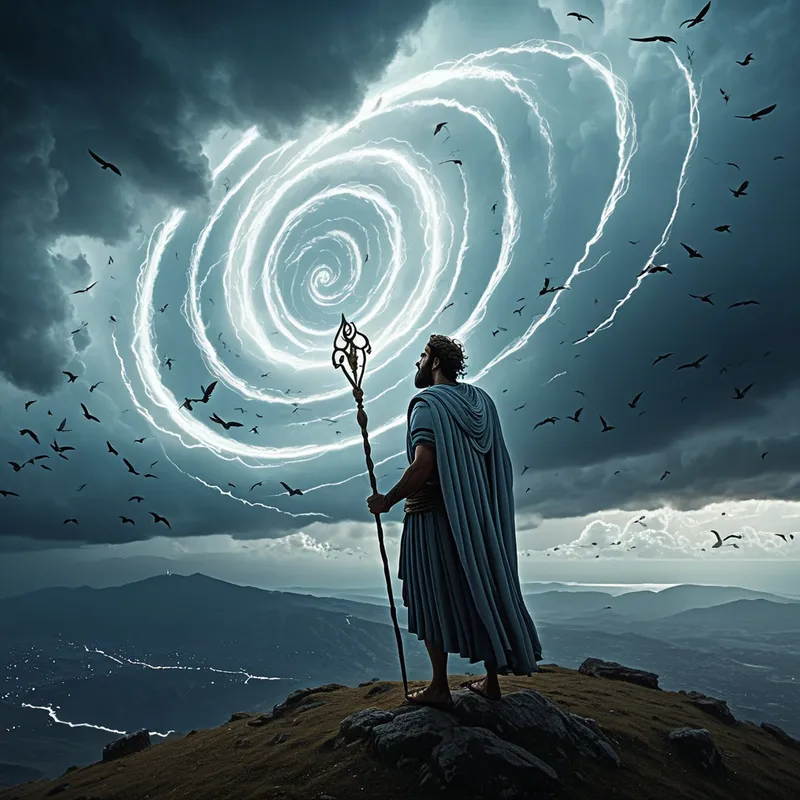
The energy of the Ritual dream is most purely channeled through The Magician Archetype. The Magician understands the hidden laws of reality and knows that with the right symbol, the right word, and the right action performed with perfect intention, transformation is not just possible—it is inevitable. The somatic echo of gravity and charged air is the Magician sensing the alignment of inner and outer worlds, preparing to wield that confluence. The ritual itself is the Magician’s technology, the alchemical procedure that transmutes base material (old trauma, outworn identity) into spiritual gold (integration, sovereignty). This archetype’s shadow—the Manipulator or Illusionist—appears when the ritual becomes a performance for power over others, rather than a sacred process of authentic inner change. The true Magician of the dream uses ritual not to manipulate the world, but to converse with the soul.
The Alchemical Process
The alchemy of ritual is the alchemy of Consecration. The raw, chaotic ore of experience—your pain, your longing, your memory—must be subjected to the intense heat of conscious attention and the pressure of symbolic form. This is the nigredo, the blackening: the moment in the dream when you are handed the bowl of dark liquid or told to enter the sacred circle. The terror or grief is not eliminated; it is sanctified. The pressure is the unwavering commitment to perform the act, despite knowing it will change everything. You pour the liquid. You speak the words. You light the fire. In that exact, intentional motion, the leaden weight of the past is instilled with a new meaning. It is no longer just your grief; it becomes the sacred offering. The albedo, the whitening, is the glow from the perfect black circle on the floor—the moment the transformed material reveals its latent, luminous structure. The ritual is the vessel that contains this volatile reaction, allowing death to become rebirth without destroying the psyche in the process.

The Integration Protocol
Question 1: What in my waking life feels like it is demanding a "point of no return"—a conscious, solemn act of acknowledgment or release that I have been avoiding?
Question 2: If the ritual in my dream is a healing ceremony, which exiled part of myself (a grief, a fear, a forgotten hope) is the central patient or offering on the altar?
Question 3: How does the specific, ordered sequence in the dream mirror a sequence needed in my own growth? What must happen first, second, and third for this transformation to hold?
Action 1 (Somatic Anchoring): For one minute each day, stand or sit with the exact posture and breath you felt in the dream's ritual space. Do nothing else. Simply inhabit the somatic echo of sacred intention, letting it recalibrate your body’s sense of ceremony.
Action 2 (Creative Liturgy): Using any medium—clay, ink, collage, sound—create a physical representation of the central ritual object from your dream (the bowl, the circle, the path). Do not aim for art; aim for embodiment. As you create, ask it silently, "What are you here to transform?"
Action 3 (Micro-Consecration): Choose one small, daily act (pouring your morning coffee, locking your door at night) and for one week, perform it with the silent, solemn intention of your dream ritual. Infuse this mundane action with the gravity of your inner ceremony, consecrating the ordinary as a vessel for the extraordinary.
Final Validation
It is natural to fear the altar. To stand before a ritual is to stand on the precipice of your own becoming, and that threshold is sacred terror. The mind may scream that it is all nonsense, a bizarre distraction. Honor that resistance, for it proves the ritual’s power—it would not defend so fiercely against something trivial. Then, take the next breath as your first sacred act. You are not being prepared for a sacrifice, but for a sovereignty. The ritual does not call you to be its victim, but to become, at long last, its priest.