The Alchemy of Endings: When Death Visits the Dreamscape
The Somatic Echo
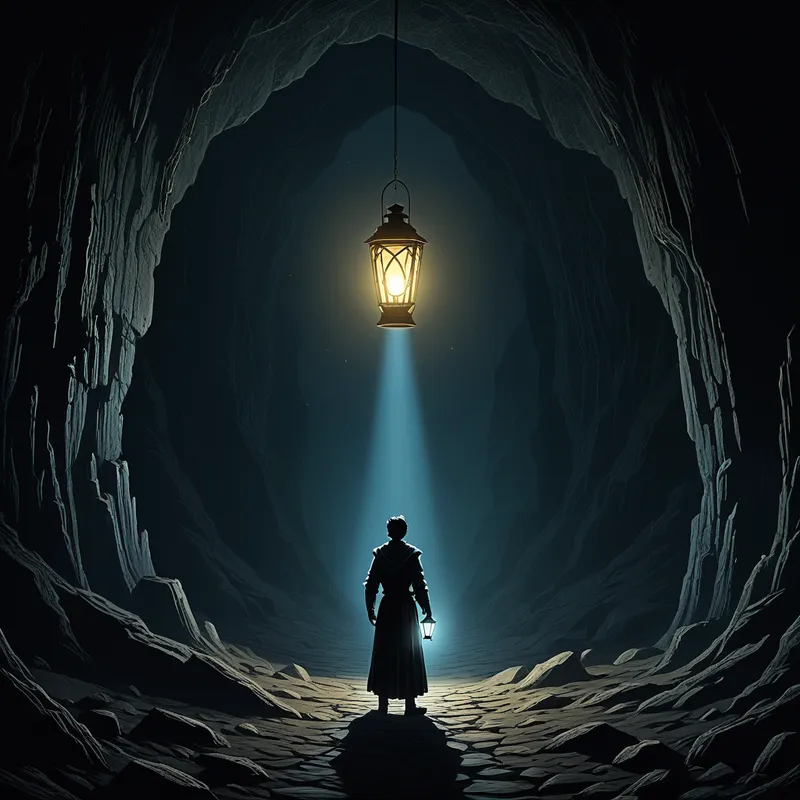
It begins not as a thought, but as a hollowing. A cold, silent space opens behind the sternum, a sudden vacuum where certainty once hummed. The breath catches, not in panic, but in a profound suspension, as if the body itself has forgotten the rhythm of life. The skin feels like parchment, thin and ancient, while the world outside the dream takes on a hyper-real, brittle clarity. This is the somatic echo of a death dream—a visceral premonition of a structural collapse happening deep within the psyche’s architecture. It is the feeling of a foundation giving way, not with a roar, but with a silent, irrevocable shift.
The Dreamer's Log
I stood in the ruins of a library I had built myself. The shelves, once full, were empty. In the center of the room, on the cold marble floor, lay a single, ornate brass key. I knew it was the key to this place, but the doors were gone. The ceiling was open to a starless night. I picked up the key, and it turned to ash in my hand.
Alchemical Interpretation: The dreamer’s conscious identity—the librarian of a curated self—has reached its terminus, and the key of old understanding is dissolving to make way for a new, unbounded relationship with knowledge.

The False Lead
This theme is not a prophecy of physical demise, nor is it a simple omen of "bad luck" or loss in the waking world. To interpret it as such is to mistake the map for the territory, the symbol for the literal event. The death that walks through your dream is not an external catastrophe, but an internal, necessary demolition. It is not about something being taken from you; it is about a part of you that has completed its tenure and must now be honorably decommissioned. The terror is real, but its object is a phantom. The grief is profound, but it is for a self you are being asked to outgrow.
Psychological Architecture
This is the deepest strata of Shadow work, where Individuation demands its pound of flesh. To become more of who you are, you must consent to the death of who you have been. This is not a single act, but a process of dissolution. The psyche, in its infinite wisdom, uses the imagery of death to initiate the dismantling of a complex—a cluster of identities, beliefs, and coping strategies that have become obsolete, yet are defended with the ferocity of a life force. You may dream of the death of a parent, a lover, or a childhood self. In the dream logic, this figure represents an internal authority, a binding narrative, or an adapted persona that your soul has outgrown. The grief you feel upon waking is the acknowledgment of that severance. It is the pain of a psychic organ being removed so a more authentic one can take its place. You are not losing a part of yourself; you are witnessing the alchemical separation of the essential from the circumstantial.
Mythic Resonance
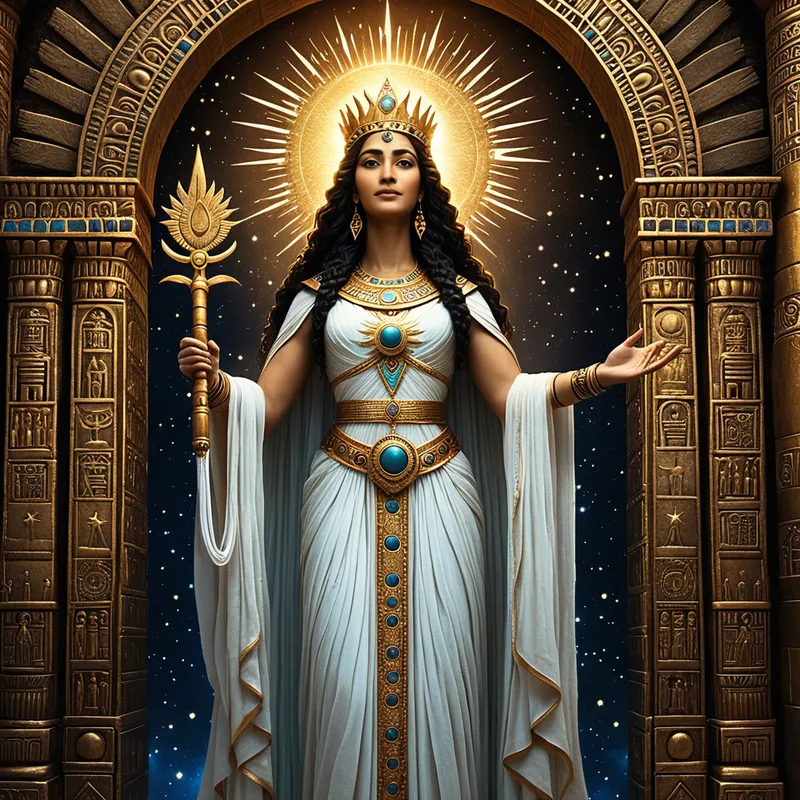
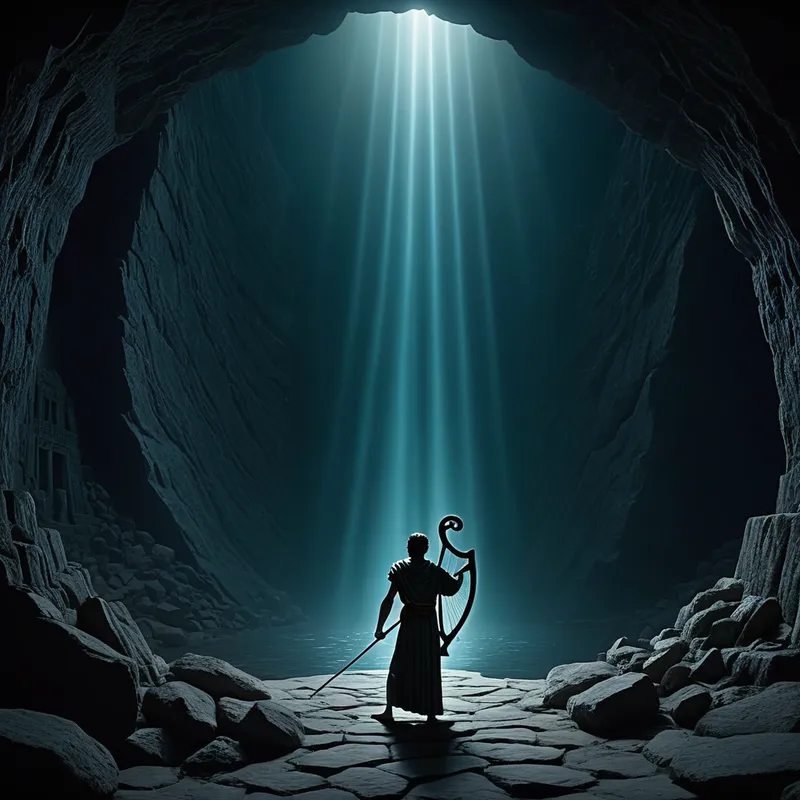
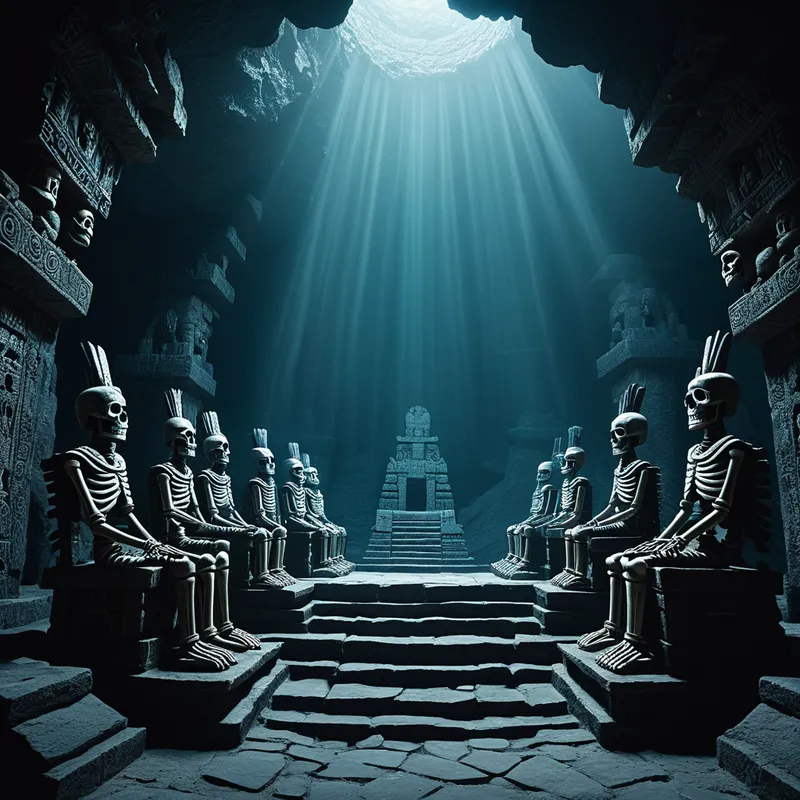
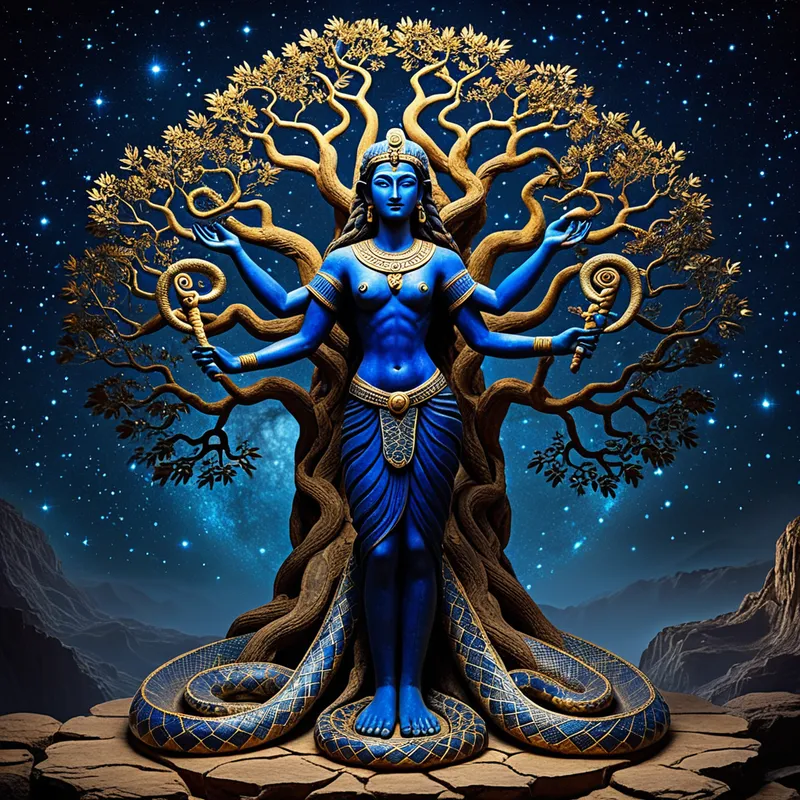
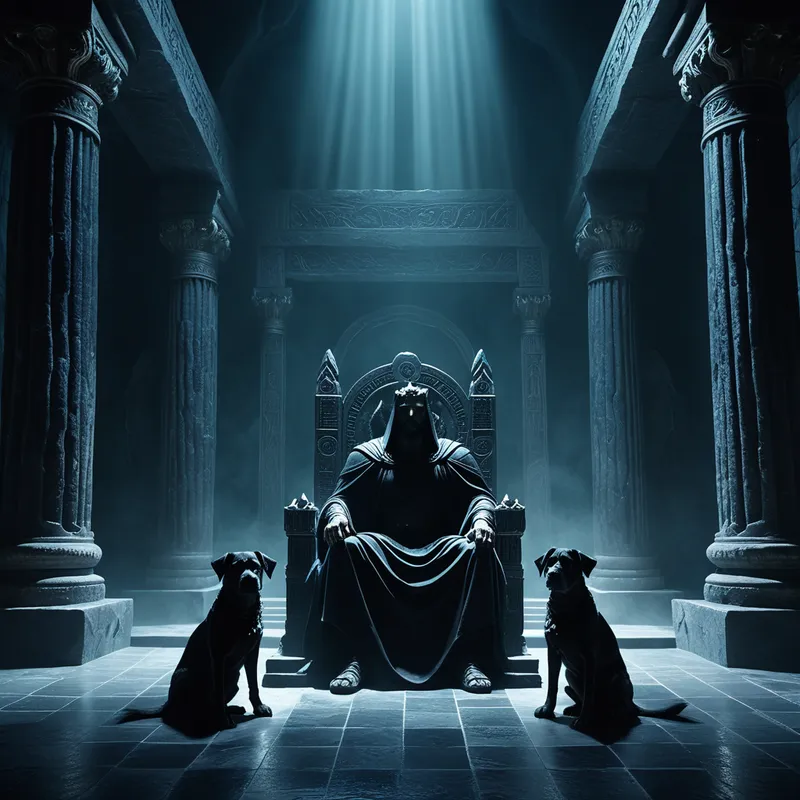
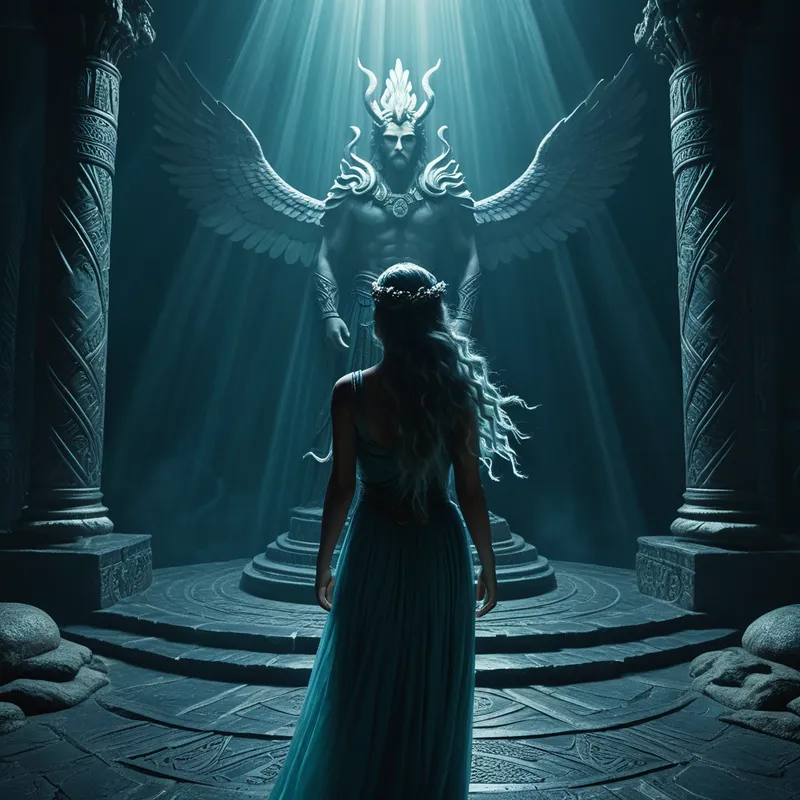
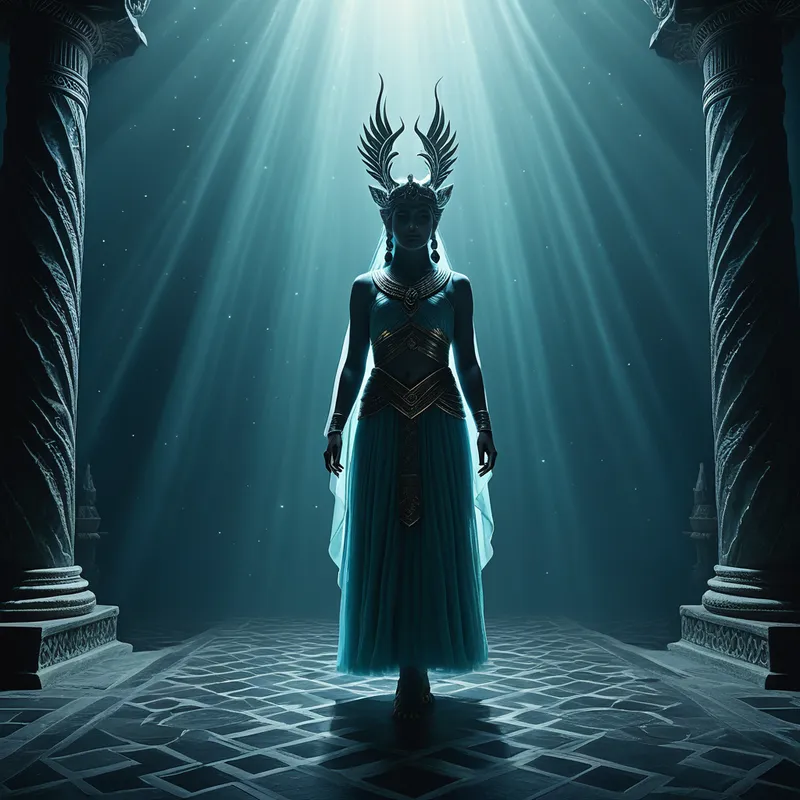
This universal process echoes in the descent of Inanna, the Sumerian goddess of heaven and earth, who must pass through seven gates to the underworld. At each gate, she is stripped of a royal garment or symbol of her power—her crown, her lapis lazuli necklace, her robe. She enters the realm of her sister, Ereshkigal, naked and bowed, and is hung on a hook as a corpse. This is not a punishment, but a prerequisite for her eventual resurrection and return with greater wisdom. Each stripped item represents a facet of her worldly identity that must die for her to access a deeper, sovereign power. Your dream is your personal gate. Each death symbol—the ended relationship, the closed door, the still body—is a garment you are being asked to surrender.
Symbolic Nodes
- Empty Rooms, Abandoned Houses: The architecture of a former self.
- Falling Teeth: The loss of a foundational ability to "chew" on or process life.
- Wilted or Blackened Plants: The end of a specific growth cycle or passion.
- Stopped Clocks, Dead Electronics: The cessation of a personal timeline or way of connecting.
- A Calm, Known Body: Often signifies the peaceful death of an inner figure or pattern, not a physical fear.
Archetypal Resonance
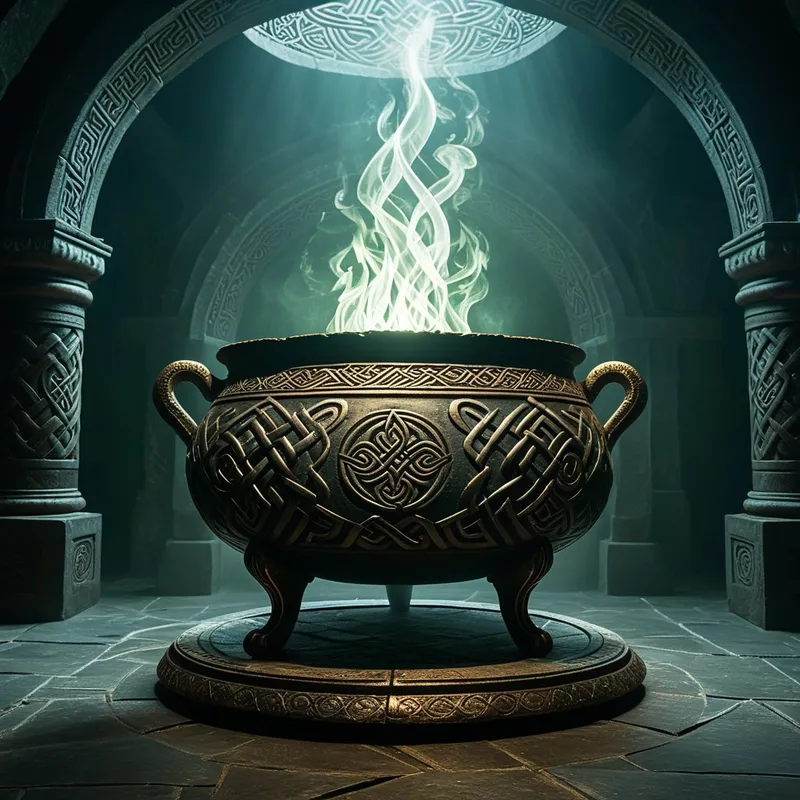
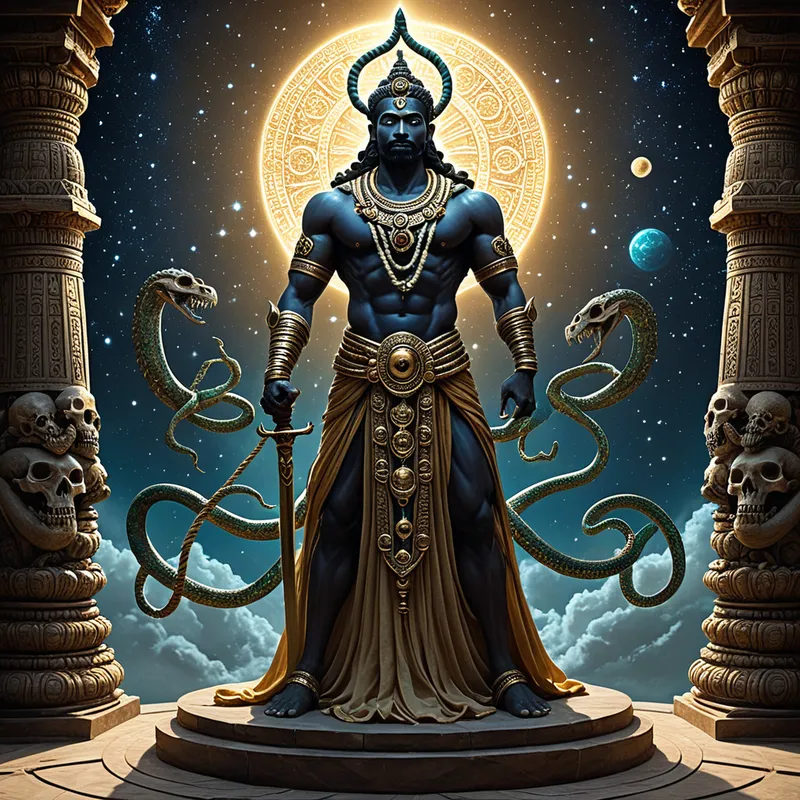
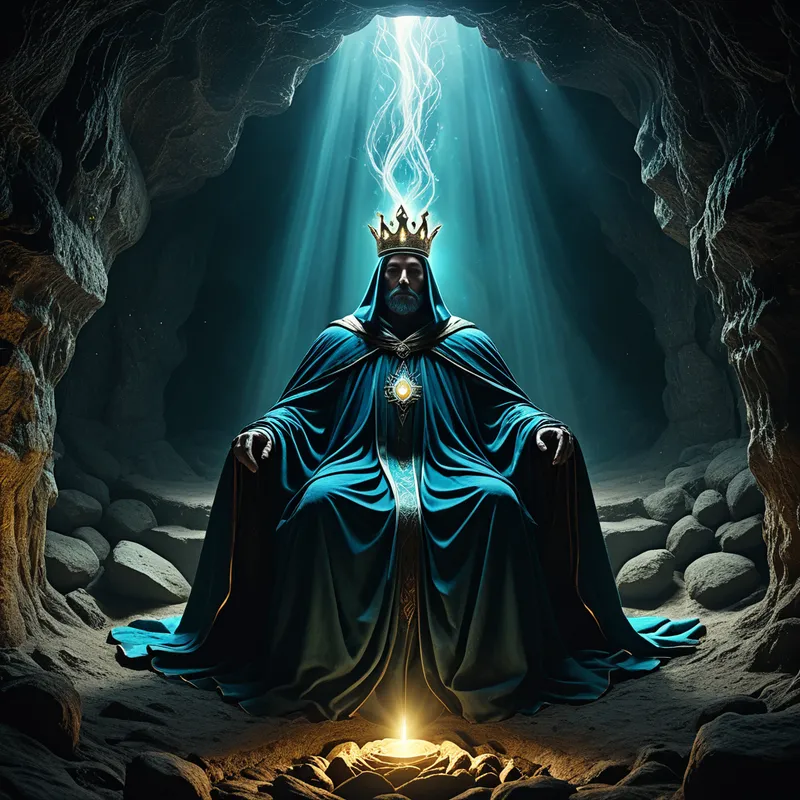
The energy of the death dream resonates most powerfully with The Magician Archetype, specifically in its shadow phase of deconstruction. The Magician’s domain is the fundamental transformation of reality through will and understanding. But before new form can be conjured, the old form must be utterly dissolved—this is the Shadow Magician’s necessary, ruthless work. The somatic echo of hollowing is the cauldron being scoured clean. The grief is the solve (to dissolve) in the alchemical solve et coagula. This archetype does not shy from this terrifying, interior demolition because it knows it is the non-negotiable first act of creation. The death dream is its ritual, dismantling the illusions of a fixed identity with the same focused intent it will later use to build anew.
The Alchemical Process
The transmutation here is from attachment to identity into sovereignty of being. The intense psychological heat required is the sustained courage to feel the grief, the terror, and the hollowing without rushing to fill the void. This is the pressure: to abide in the ambiguous, formless state between selves. You must let the old internal figure be buried, let the ash of the old key scatter. The alchemy occurs in the silent, patient endurance of this liminality. The psyche’s old structures, like limestone in acidic water, dissolve. What remains is not nothing, but the essential, insoluble core—your authentic will, stripped of its former costumes. This core is the philosopher’s stone in this process: the indestructible, conscious point from which a new self can be intentionally grown, rather than unconsciously assembled.

The Integration Protocol
Question 1: What familiar role, belief, or story about myself felt most absent or dead upon waking? What did it used to do for me?
Question 2: If the hollow space created by this dream were a vessel, what is the first, most authentic thing that wants to fill it? (Not what should, but what wants.)
Question 3: Where in my waking life have I been feeling like a ghost—present but not fully embodied, going through motions that no longer carry life?
Action 1 (Somatic Anchoring): For one minute, place a hand over the hollow space in your chest. Breathe into that hand, not to fill the void, but to acknowledge its presence. Whisper: "This space is real. I will not abandon it."
Action 2 (Unstructured Writing): Set a timer for seven minutes. Write a eulogy for what died in the dream. Address it directly: "You, my old [identity/pattern], I remember when you..." Do not edit. Let it be messy, grateful, angry, or relieved.
Action 3 (Outward Ritual): Find a small, natural object—a leaf, a stone, a twig. This represents the form that has passed. Hold it, thank it for its service, then return it to the earth (a park, a plant pot, a body of water). Do not replace it. Walk away and allow the act of non-replacement to be the ritual.
Final Validation
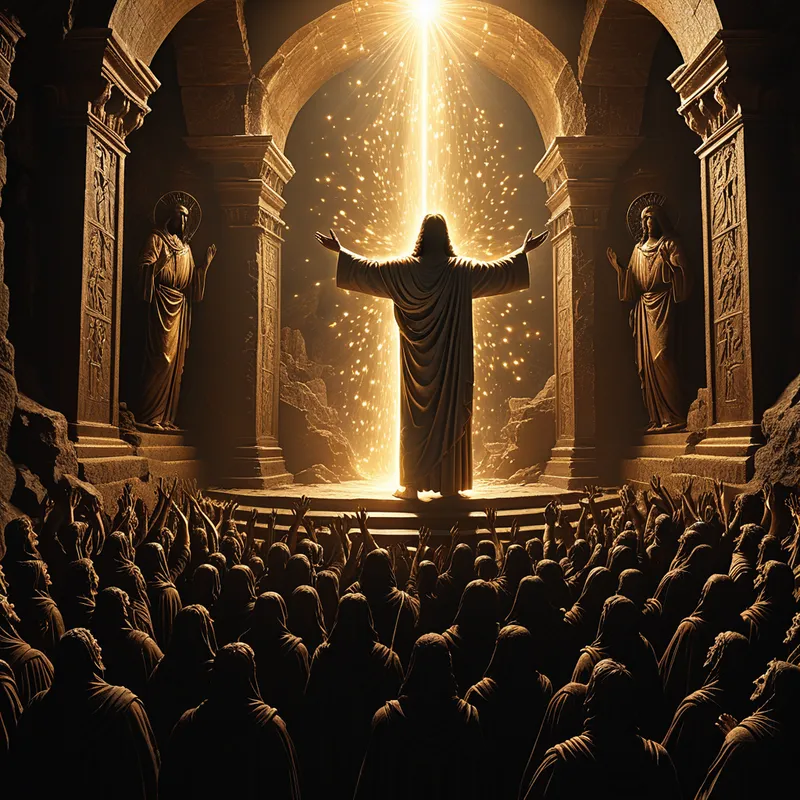
To dream of death is to be entrusted with a profound and difficult grace. It means your psyche is brave enough to undertake its own necessary endings. The fear is a testament to what was valued; the grief, a tribute to what was real. You are not breaking. You are being broken open. The sovereignty that awaits on the other side of this integration is not a louder version of your old self, but a quieter, more resilient, and infinitely more authentic presence—a self forged not from who you were told to be, but from who you remained when all else was allowed to fall away.