The Cóiste Bodhar Myth Meaning & Symbolism
A spectral coach heralds death, but its silent passage reveals a deeper truth about fate, acceptance, and the journey of the soul.
The Tale of The Cóiste Bodhar
Listen, and let the peat-fire smoke carry you to a time when the veil was thin. It was not a tale for the bright sun, but for the gloaming, when shadows grew long and the wind carried whispers from the Sídhe. In that hour, between the dog and the wolf, it would come.
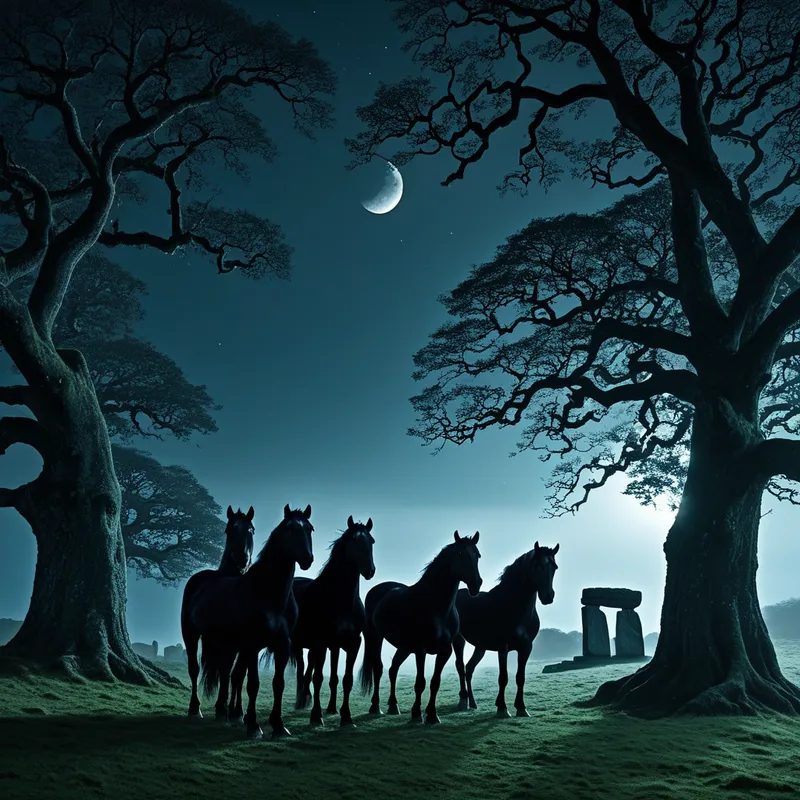
They called it the Cóiste Bodhar. No earthly craftsman forged its form. Its body was of black oak, older than the oldest ring-fort, polished to a sheen that drank the moonlight. Its fittings were tarnished silver, etched with spirals that led the eye into eternity. And it was drawn by steeds that chilled the blood—four great horses, black as a starless midnight, powerful and sleek, yet each one bore no head upon its shoulders. From their necks, no whinny could ever sound; from their hooves, no clatter ever echoed on the cobbled bóithrín or the soft moss of the forest floor.
It moved with a terrible, silent grace. It did not roll or rumble; it glided, a ship upon a sea of shadows. To see it was to feel the marrow in your bones grow cold, for its coming was never random. It was a summons. Its silent journey through the countryside—past the sleeping cottage, across the lonely ford, up the mountain track—was a map of fate being drawn. Where it stopped, a soul was called. A door between worlds opened, and a passenger, willing or not, was gathered for the final journey to Tír na nÓg or to the halls of Donn.
The story is told of a fisherman on the western shore, mending his nets by the last light. He felt the air grow still, the crash of the waves mute to his ears. Turning, he saw it emerge from a bank of sea mist, water dripping noiselessly from its wheels. It paused before his door. He did not scream, for a profound quiet had entered him. He laid down his net, nodded once to his sleeping home, and stepped inside. The door shut without a click. And the coach moved on, leaving behind only the sudden, shocking return of the wave's roar, and an empty threshold.
Cultural Origins & Context
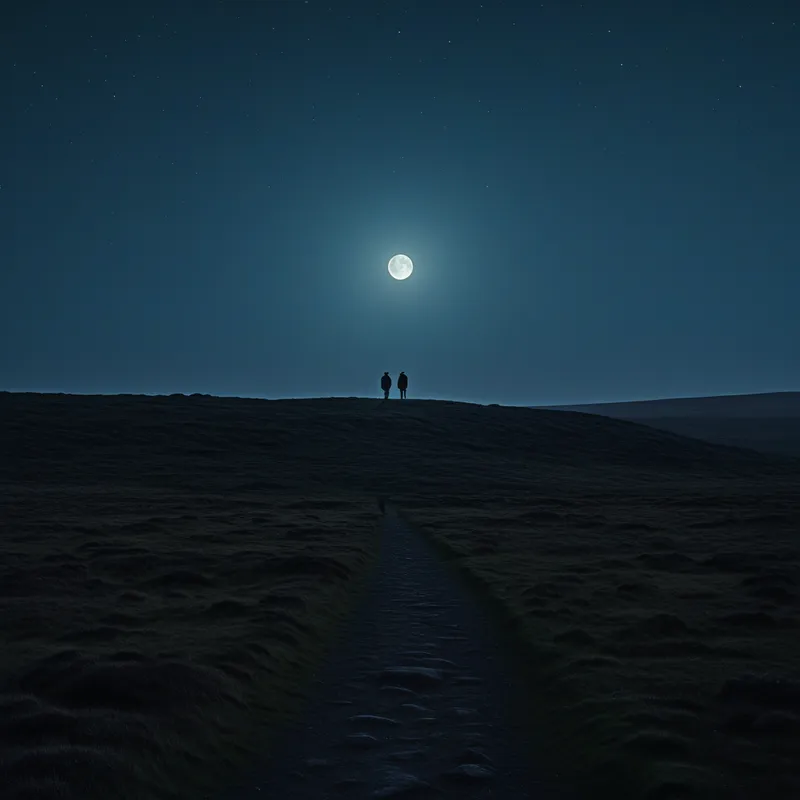
The Cóiste Bodhar is a creature of specifically Irish folklore, a potent example of the death omen. It belongs not to the grand mythological cycles of the Tuatha Dé Danann, but to the later, rich tapestry of folk belief passed down by the seanchaí—the traditional storytellers—around hearths and in crossroads villages. Its roots likely intertwine with pre-Christian beliefs about the journey of the soul, later colored by the Christian concept of the Slua Sí or "Fairy Host."
This myth functioned as more than a scary story. It was a societal and psychological anchor. In a world without modern medicine, where death was a frequent and intimate visitor, the Cóiste Bodhar provided a narrative structure for the inexplicable. It ritualized death, giving it a form and a protocol. Its appearance was absolute, a decree from the Otherworld that brooked no argument. This created a cultural framework for acceptance. To resist was folly; to meet it with dignity was the final act of courage. The myth taught that death was not an end, but a transition—a journey in a coach, albeit a silent and terrifying one, to another shore.
Symbolic Architecture
The Cóiste Bodhar is a masterful symbol of the unconscious psyche confronting the ultimate reality. Every element is a deliberate cipher.
The coach itself represents the vessel of the body and the personal psyche—a constructed vehicle that carries the essential self. Its blackness speaks of the unknown, the void, and the fertile darkness from which all life emerges and to which it returns. The headless horses are a profound symbol of instinctual power utterly divorced from the guiding, sensing apparatus of the conscious mind (the head). They represent the pure, blind, and unstoppable drive of fate, biology, and the deep unconscious, moving with a purpose the rational mind cannot hear or understand.
The most profound truths arrive not with a fanfare, but in a silence so complete it deafens the world.
The central, terrifying feature is its silence. In a world of noise, chatter, and protest, the Cóiste Bodhar is the arrival of an absolute fact that needs no explanation, argues no case, and offers no comfort. It is the sound of inevitability. Psychologically, it symbolizes those inner realities we cannot talk our way out of: the end of a life phase, the death of an identity, a deep depression, or a calling from the soul that demands we leave familiar shores. It is the antithesis of the ego's chatter, a silent summons from the Self.
The Dreamer's Resonance
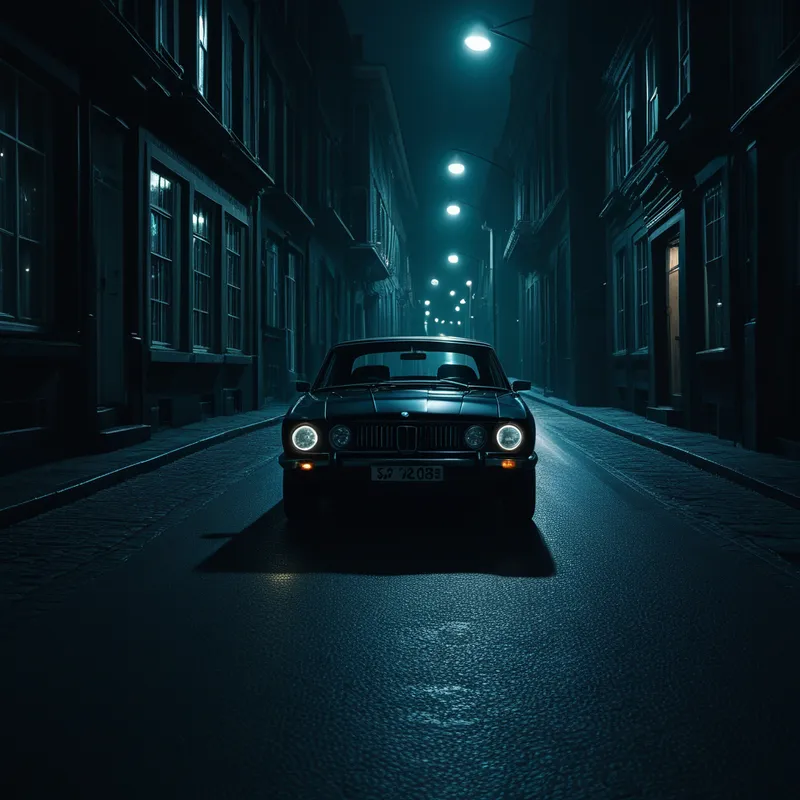
When the pattern of the Cóiste Bodhar glides into modern dreams, it rarely appears as a literal coach. Its symbolism is translated. One might dream of a sleek, modern car that makes no sound as it pulls up to the curb, its driver unseen. Or a silent elevator that arrives at one's floor unbidden. Perhaps it is a door in one's home that suddenly opens onto a dark, silent corridor that wasn't there before.
The somatic experience is key: a chilling stillness, a sense of absolute dread mixed with awe, and the paralysis of knowing something is here and it is for you. This dream signals that the psyche is grappling with a profound ending. It may not be physical death, but the death of a relationship, a career, a long-held belief, or an outworn version of the self. The unconscious is presenting the fact of this ending in its most uncompromising form. The dream asks the dreamer to stop arguing, stop rationalizing, and simply witness the arrival of this silent truth. The terror is not just of the end, but of the ego's impotence in the face of a deeper, archetypal process.
Alchemical Translation
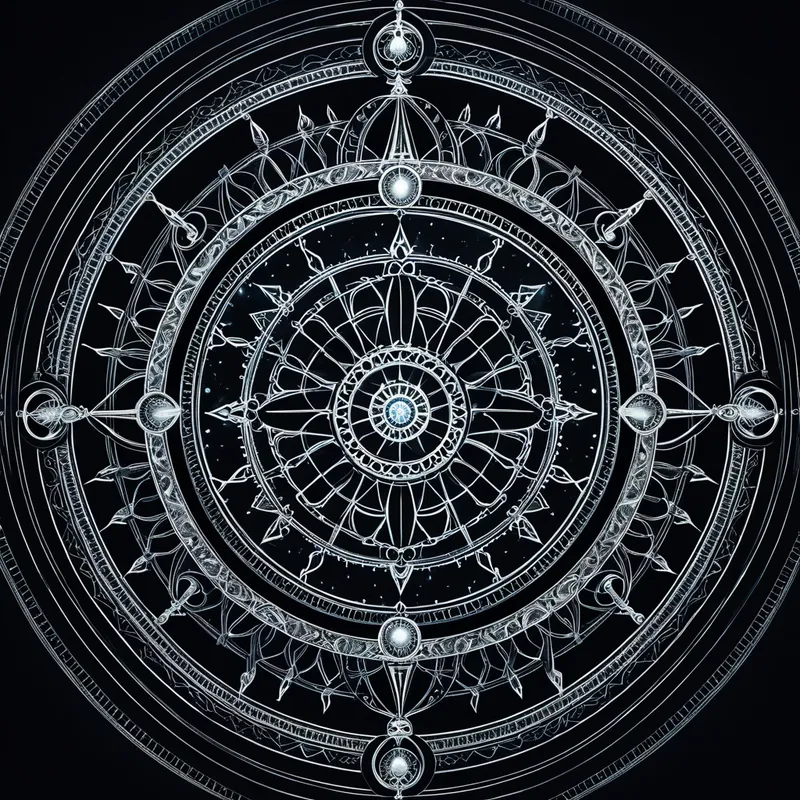
The journey with the Cóiste Bodhar is a stark model for the alchemical stage of nigredo—the blackening, the confrontation with the shadow and with mortality. In the process of individuation, we must all, eventually, step into our own silent coach.
The first alchemical step is the Recognition of the Summons. This is the moment on the moor, when one sees the coach and knows, in the gut, it has come for them. Psychologically, it is admitting, "This depression, this crisis, this calling—it is mine to face. It is not a mistake."
To individuate is to consent to be a passenger in your own dissolution, trusting the headless horses know a road your conscious mind cannot map.
The second step is the Silent Ascent. This is the act of getting in. It is the surrender of the ego's frantic control. One stops trying to diagnose, fix, or explain the dark night of the soul. One simply enters it, allowing the unconscious (the headless horses) to take the reins. This is not passive resignation, but active surrender to a process larger than the personal will.
The final step is the Journey Through the Nigredo. The coach's interior is unseen in the myths, for it is the subjective experience of transformation. Here, in the silent dark, the old identity is broken down. This is a terrifying, lonely, yet sacred space. The destination—Tír na nÓg or the halls of Donn—symbolizes the emergence on the other side: not as the same person who got in, but as one who has been reconstituted, closer to the essence of the Self. The Cóiste Bodhar teaches that before any rebirth, there must be a silent, dignified, and total embrace of the ending. The most profound transformations begin not with a battle cry, but with the closing of a silent door.
Associated Symbols
Explore related symbols from the CaleaDream lexicon: