The Dream of Connection: A Longing for Wholeness
The Somatic Echo
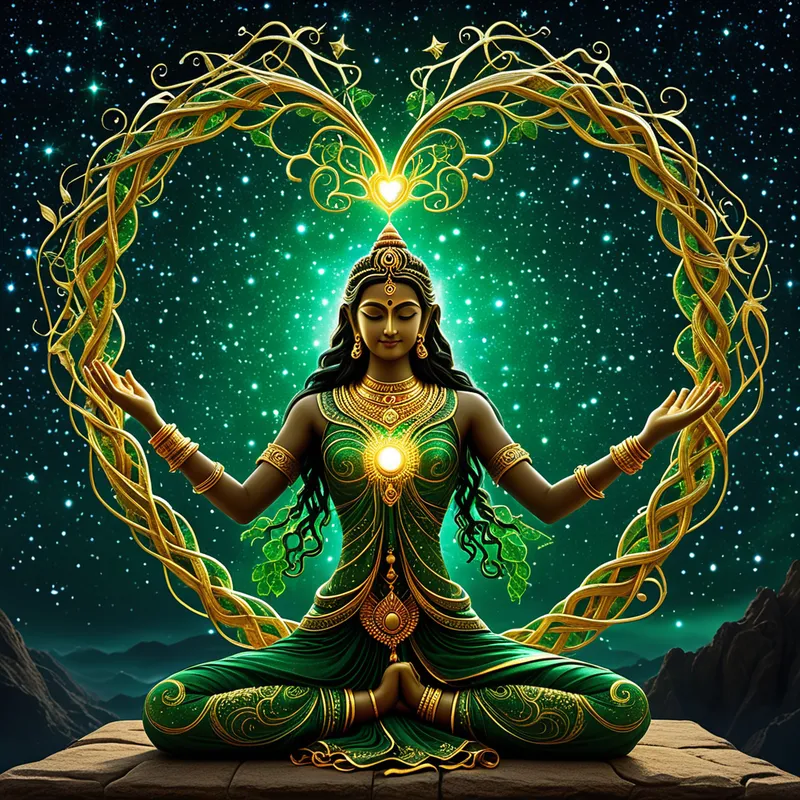
Before the mind conjures an image, the body knows the dream of connection. It is not a thought, but a felt sense—a hollow resonance in the solar plexus, a phantom weight in the hands that remember holding something now absent. It is the quiet hum of a system idling, awaiting a signal. The breath becomes shallow, as if the air itself is waiting to be shared. This is the pre-verbal ache of a circuit sensing its incompleteness, a neural pathway firing into an expected synapse that is no longer there. It is the visceral knowledge of a boundary—the skin—that both defines you and yearns, paradoxically, to be permeable. The echo is one of profound ambivalence: a deep pull toward union and an equally deep terror of dissolution. The body is the first dreamer, and its language is this silent, electric tension between isolation and fusion.
The Dreamer's Log
The city is endless rain and neon. You find a shattered public phone booth, its light flickering. You lift the receiver, knowing with dream-certainty who you must call. A dial tone, pure and clear, hums in your ear, but your fingers cannot press the numbers. They are not numbers, but symbols from a language you’ve forgotten. The tone persists, a golden thread in the static, connecting you to a void that is listening.
This is the alchemy of the almost-touch: the psyche rehearsing the courage to bridge the gap between memory and presence, between the known self and the unknown other.

The False Lead
A dream of connection is not a simple wish for companionship or a lament over loneliness. To mistake it for such is to confuse the symphony for a single note. This theme is not about the quantity of your relationships, but the quality of your relatedness. It is not a sign of neediness, but a signal of a profound structural shift occurring within the psyche’s architecture. The ache you feel is not a deficit, but the growing pains of a new capacity being forged. It is the difference between seeking another to complete you and recognizing the call to become complete in relation to. The false lead is to look outward for the missing piece; the true direction is to feel the shape of the emptiness within, for that is the mold into which a new form of consciousness will be poured.
Psychological Architecture
To dream of connection is to enter the sacred workshop where the Self is assembled. Here, the psyche’s internal family systems are in congress. Exiles—those wounded, lonely parts of us that hold old grief—send out desperate signals. Managers, who have built formidable walls of independence and busyness, try to jam the frequency. Firefighters distract with numbing or frantic activity. The dream is the diplomatic summit where these factions meet in the neutral territory of the unconscious.
This is the shadow work of individuation: the process of differentiating the "I" from the "we" of our conditioning, only to then consciously choose a deeper, more authentic "we" from that sovereign "I." It is the terrifying, glorious realization that true connection requires a solid center. You must become an island before you can be part of an archipelago. The grief in these dreams is often for the innocent, fused connections of childhood, which must die so that the adult, chosen connections can be born. The psyche is not seeking a mirror, but a witness—and to be witnessed, you must first stand in your own shape, distinct and whole.
Mythic Resonance
This universal firmware runs on ancient stories. Consider the myth of the Androgyne, from Plato’s Symposium: primordial beings, spherical and whole, were split in two by the gods. Our lifelong longing, the story says, is for our original other half. But the myth’s deeper truth is alchemical. The search is not for completion by another, but for the remembrance of a primordial state of wholeness within that allows for a new, conscious union. We are not broken pieces, but potentials seeking our own opposite polarity to generate the spark of consciousness itself.
Likewise, the Norse myth of the God Odin speaks to the cost of connection to deeper wisdom. To drink from the Well of Mímir, the source of all knowing, Odin had to pluck out his own eye and offer it. The connection to profound truth required a sacrifice of one mode of perception—a surrender of a part of the self—to gain a more holistic vision. The dream of connection often presents this same bargain: what familiar way of seeing yourself must you relinquish to perceive a greater web of meaning?
Symbolic Nodes
- Bridges, Ladders, Vines: Structures that span a divide, often testing stability.
- Telephones, Radios, Unplugged Cables: Technology of communication, either functioning, broken, or awaiting use.
- Thread, String, Nets, Webs: Filamentous bindings that can either entrap or lovingly hold.
- Clasped Hands, Almost-Touching Fingertips: The agony and ecstasy of proximity.
- Doors, Windows, Gates: Thresholds between separated spaces.
- Lost or Found Keys: The means to unlock or seal a passage between selves.
- Shared Breath, Wind, Synchronized Heartbeats: The invisible, rhythmic merging of life force.
Archetypal Resonance
The energy at the core of the connection dream is that of The Lover Archetype. The Lover is not merely about romance; it is the archetype of relatedness, passion, communion, and the appreciation of beauty in all bonds. Its somatic echo is that magnetic pull in the chest, the warmth of recognition, the deep yearning for fusion and intimacy. Its shadow—obsession, promiscuity, loss of self in the other—is the peril of the journey, the warning of what happens when the longing for connection bypasses the necessary stage of sovereign selfhood. The Lover’s alchemical potential is the transmutation of raw, needy desire into a conscious, creative force that forges bonds that honor both the individual and the union, generating beauty, empathy, and profound appreciation for the sacred otherness of the world.
The Alchemical Process
The transmutation here is of Longing into Belonging. The base material is the leaden, lonely ache of separation—the orphaned part of the psyche. The heat is applied through the conscious endurance of that ache without fleeing into distraction or false union. This is the nigredo, the blackening: sitting in the dark night of the soul where you feel utterly disconnected, allowing the grief of old ruptures to surface.
The pressure is the paradoxical demand to become more yourself, more distinct, while the longing pulls you toward another. This pressure-cooker forces a dissolution of the ego’s old strategies—the walls of independence, the clinginess of need. In the albedo, the whitening, a new clarity emerges: you see your own patterns of connection and disconnection. The final coagulation, the rubedo, is the birth of a new capacity. The transformed "gold" is not a person, but a state of being: the ability to stand in your own center, fully connected to yourself, and from that place, extend a thread of genuine contact that does not seek to possess, but to appreciate. The longing is not erased; it becomes the engine of a creative, ongoing choice to relate.

The Integration Protocol
Question 1: In the dream, what was the nature of the barrier between you and the desired connection? Was it broken, missing, locked, or simply terrifying to cross?
Question 2: If the feeling in the dream had a shape, a texture, and a location in your body, what would they be? Describe this somatic sculpture.
Question 3: What is one connection in your waking life—to a person, a passion, a part of yourself—that feels like it is waiting for you to "pick up the receiver"?
Action 1 (Somatic Mapping): For one week, carry a small, smooth stone in your pocket. Each time you feel a pang of longing, isolation, or deep appreciation for another, transfer the stone to your other pocket. Do not analyze, just move the stone. This grounds the ephemeral feeling into a physical, trackable ritual.
Action 2 (Unsent Letter): Write a letter to the "void that is listening" from your dream. Do not write to a person. Write to the quality of connection you desire. Describe its sound, its temperature, its presence. Use metaphor, not logic. Burn or bury the letter as an offering to your own unconscious.
Action 3 (Bridge Building): Create a simple, physical "bridge" using any materials (sticks, paper, wire, drawn lines). Place on it two small objects that represent two parts of yourself that feel disconnected (e.g., your ambitious self and your tired self). Leave the bridge in sight for three days, observing how your perception of the relationship between those parts subtly shifts.
Final Validation
The path of connection is the most vulnerable pilgrimage the soul can undertake. It asks you to hold the fundamental paradox of being human: that you are a separate, mortal cell, and yet you are made for communion with the vast, living organism of existence. To feel the terror and the grief of this divide is not a sign of failure, but of profound sensitivity to the truth of your condition. The dream is not mocking your isolation; it is initiating you into a deeper form of belonging—one that starts with the courageous, alchemical act of connecting to the vast and often orphaned continents within your own being. From that sovereign shore, you will finally see the other shores, and the sea that lovingly separates and joins you all.