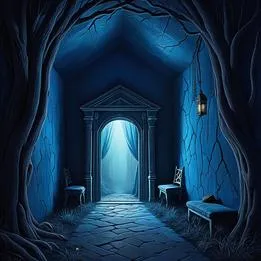
Nook
The Oracle's Essence
A small, secluded corner or recess in architecture, representing intimate space, hidden aspects of self, and personal retreat from the world.
Interpretive Themes
Modern Visibility
In contemporary life, nooks are often associated with cozy reading corners, minimalist design aesthetics, and digital spaces for personal content.
Cultural Lenses
Jungian
Learn More βRepresents the personal unconsciousβa hidden space where shadow aspects, memories, and archetypes reside. The nook symbolizes the need to explore and integrate these concealed parts of self for individuation.
Freudian
Learn More βSymbolizes the womb or maternal protection, representing regression to childhood security. May indicate sexual symbolism as a sheltered, intimate space connected to early developmental stages and hidden desires.
Gestalt
Learn More βRepresents parts of self that feel incomplete or hidden. The nook is an aspect of personality needing integrationβwhat feels secluded in the dreamer's awareness that requires acknowledgment and wholeness.
Cognitive
Learn More βReflects mental schemas for privacy and security processing. The nook represents cognitive frameworks for managing personal space, memory storage, and emotional regulation through environmental metaphors.
Evolutionary
Learn More βRooted in ancestral need for sheltered spaces for safety and rest. The nook represents adaptive behaviors for finding protected environments, crucial for survival, reproduction, and social bonding throughout human evolution.
East Asian
Learn More βIn traditional Chinese and Japanese architecture, tokonoma alcoves hold sacred scrolls and art, representing spiritual focus. Modern interpretations see nooks as spaces for meditation, study, and harmony with nature.
European
Learn More βMedieval inglenooks by fireplaces were family gathering spaces. Victorian era created cozy corners for reading and conversation, representing domestic comfort, privacy, and class-based leisure activities.
Middle Eastern
Learn More βMashrabiya window seats and courtyard niches provide private viewing spaces while maintaining modesty. Represents the balance between community observation and personal seclusion in Islamic architecture and social norms.
African
Learn More βCompound architecture creates intimate spaces within communal living. Nooks represent ancestral connection points, storage for ritual objects, and spaces for storytelling that preserve oral traditions and community wisdom.
Modern Western
Learn More βHygge-inspired cozy corners and home office nooks represent self-care culture. Digital nooks in social media profiles symbolize curated personal identities and the need for controlled self-presentation in connected societies.
Latin American
Learn More βPatio rincones and altar niches blend indigenous, African, and Catholic traditions. These spaces hold religious icons, family photos, and offerings, representing spiritual protection, ancestral memory, and domestic sacredness.
Global/Universal
Learn More βCross-culturally, nooks represent the human need for personal space within communal structures. From cave shelters to modern reading corners, they symbolize safety, introspection, and the balance between social connection and individual privacy.
Contextual Nuances
Finding hidden nook
Discovering inner resources.
Being trapped in
Feeling restricted.
Creating cozy nook
Building personal space.
Sharing nook
Vulnerability with others.
Abandoned nook
Lost connections.
Questions for Reflection
- "What aspects of yourself feel hidden or protected in your waking life?"
- "How does this nook represent your current need for privacy or connection?"
- "What memories or emotions are stored in your personal 'nooks'?"
- "Do you feel safe in your secluded spaces, or trapped by them?"
- "How might you create healthier personal boundaries represented by this nook?"
Related Weavings
The Portal is Always Open
Every dream is a personalized dispatch from the deep. Don't let yours fade into static.
Interpret Full Dream