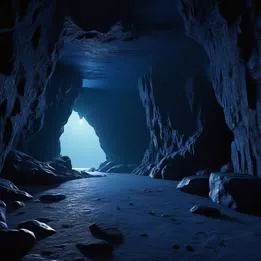
Cave
The Oracle's Essence
Caves often symbolize the unconscious mind, prompting introspection and exploration of one's inner self and shadow aspects.
Interpretive Themes
✧ Archetypal Essence
Explorer
Dominant Influence ( 80%)
The cave calls the soul inward, a journey to the center where treasures and terrors are unearthed.
The Light
The cave calls the soul inward, a journey to the center where treasures and terrors are unearthed.
The Shadow
The cave calls the soul inward, a journey to the center where treasures and terrors are unearthed.
Modern Visibility
In contemporary interpretations, caves can represent a safe haven for self-discovery, contemplation, or a retreat from societal pressures.
◈ Mythological Resonance
Reference Myth Meaning & Symbolism
Global/Universal traditionExplore the profound myth of Reference, the cosmic librarian who holds the universe's memory. Discover its psychological meaning for modern identity and the search for truth.
Chronos/Saturn Myth Meaning & Symbolism
Greek traditionThe hidden, womblike space where the future (Zeus) is protected and nurtured, symbolizing the unconscious where new potentials gestate in safety.
The First Toolmaker Myth Meaning & Symbolism
Multiple (Paleolithic) traditionThe womb of the unconscious where this primordial drama unfolds, a place of both shelter and profound, shaping darkness.
Ah Puch God of Death Myth Meaning & Symbolism
Mesoamerican traditionThe entrance to Xibalba and the womb of the earth, representing the descent into the unconscious, the place of shadow-work and primordial return.
Agloolik Spirit Under the Ice Myth Meaning & Symbolism
Inuit traditionThe underwater realm of Agloolik, representing the inner sanctum of the unconscious, a place of hidden wisdom and potential revelation.
Almas the Wild Man Myth Meaning & Symbolism
Mongolian traditionThe sheltered, hidden space Almas might lead a lost traveler to, representing the womb of the unconscious and a place of primal refuge and insight.
Aukele the Daring One Myth Meaning & Symbolism
Hawaiian traditionThe entrance to Milu, representing the portal to the unconscious, the womb of the earth where profound introspection and confrontation with shadow begin.
Bernardo Carpio Myth Meaning & Symbolism
Filipino traditionThe narrow pass between the mountains is a cave of initiation, a confined space where a solitary, world-altering psychological process occurs in darkness and pressure.
Bima's Journey to the Underworld Myth Meaning & Symbolism
Indonesian traditionThe entrance under the Beringin tree is the cave-mouth to the unconscious, a natural aperture leading from the surface world into the subterranean realms of mystery.
Chaac Rain God Myth Meaning & Symbolism
Mesoamerican traditionThe dark, primordial place where the gods' sorrow gathered, symbolizing the unconscious, the place of incubation, and the inner chamber where grief is held before transformation.
Bulan the Moon God Myth Meaning & Symbolism
Filipino traditionThe entrance to the underworld and the unconscious, a place of inward journey, containment, and the confrontation with what is hidden.
Chod Ritual Myth Meaning & Symbolism
Tibetan Buddhist traditionThe isolated, inward-turned space of practice, akin to the haunted ground, where one confronts the depths of the unconscious in solitude.
Dewa Ruci Myth Meaning & Symbolism
Indonesian traditionThe inner sanctum of the psyche, the secluded, womb-like space within the depths where the ultimate revelation and meeting with the divine self occurs.
Dobrynya Nikitich and the Dragon Myth Meaning & Symbolism
Slavic traditionThe deep, interior lair of the dragon, symbolizing the hidden recesses of the psyche where our most fundamental complexes and trapped potentials reside.
Dzogchen the Great Perfection Myth Meaning & Symbolism
Tibetan Buddhist traditionThe secluded space of the heart-mind where direct introduction to one's true nature occurs, away from the distractions of conceptual thought.
Erlik God of the Underworld Myth Meaning & Symbolism
Mongolian traditionThe entrance to Erlik's realm and a symbol of descent into the unconscious, a place of initiation, confrontation, and hidden knowledge.
Etugen Eeke Earth Mother Myth Meaning & Symbolism
Mongolian traditionThe womb of the Earth Mother, a place of deep introspection, primal safety, and connection to the dark, fertile origins of the unconscious.
Erlik Khan Siberian Myth Meaning & Symbolism
Siberian traditionThe entrance to the underworld and the unconscious; the place of descent where one confronts the foundational, often dark, aspects of existence.
Fudo-Myoo Myth Meaning & Symbolism
Shinto traditionThe deep, interior, often hidden space of practice and confrontation, where the alchemical work of facing one's own depths occurs.
Hwanung Descends from Heaven Myth Meaning & Symbolism
Korean traditionThe womb of the unconscious, the place of incubation, ordeal, and profound inner transformation where the old self is dissolved.
Ix Chel Moon Goddess Myth Meaning & Symbolism
Mesoamerican traditionA symbolic echo of Xibalba and the womb, a place of retreat, incubation, and accessing deep, subterranean wisdom associated with the goddess.
Jibril the Archangel Myth Meaning & Symbolism
Islamic traditionThe womb-like vessel of introspection, the sealed container where the old self is dissolved to make way for the new, representing the unconscious itself.
Julunggul Rainbow Snake Female Myth Meaning & Symbolism
Aboriginal Australian traditionSymbolic of Julunggul’s waterhole abyss and her belly, the dark, womblike container where dissolution and recombination of identity occur.
Judar and His Brothers Myth Meaning & Symbolism
Arabian traditionThe inner sanctum of the unconscious, the womb of the earth where the treasure/self is guarded by primal fears and complexes.
Kay Khosrow the Mystic King Myth Meaning & Symbolism
Persian traditionThe potential endpoint of his mountain journey, a classic symbol of the unconscious and the womb of rebirth into a non-corporeal state of being.
Kay Pacha Uku Pacha Hanan Pacha Myth Meaning & Symbolism
Incan traditionThe entrance to Uku Pacha, symbolizing descent into the unconscious, confrontation with the shadow, and the womb of rebirth.
Mangkukulam Myth Meaning & Symbolism
Filipino traditionThe hidden, interior space of initiation and confrontation with the shadow self, where the old identity is dissolved and the new knowledge is received.
Mimbi Caves Creation Myth Meaning & Symbolism
Aboriginal Australian traditionThe primary symbol of the myth, representing the sacred inner space carved from the unconscious, a sanctuary of cool darkness that holds the waters of life and the echo of creation.
Mithra the Sun God Myth Meaning & Symbolism
Persian traditionThe inner sanctum of the psyche, the ritual space where the most profound and transformative confrontations between consciousness and the unconscious must occur.
Mimi Spirits Myth Meaning & Symbolism
Aboriginal Australian traditionSymbolizes the rock shelters and crevices where Mimi dwell and teach, representing the womb of the unconscious mind where primordial wisdom is stored and accessed.
Mwari Creator God Shona Myth Meaning & Symbolism
African traditionThe sacred dwelling of Mwari, Matonjeni, representing the deep unconscious, the womb of potential, and the inner sanctum where one must go to hear the true voice of the Self.
Nana Buruku Myth Meaning & Symbolism
Yoruba traditionA symbol of her realm: a dark, enclosed, womb-like space that offers protection, mystery, and a connection to the primordial.
Nav, Prav, and Yav Myth Meaning & Symbolism
Slavic traditionAn entrance to Nav, a place of descent, incubation, and confrontation with the contents of the deep unconscious before returning to Yav.
Omoikane Deity of Wisdom Myth Meaning & Symbolism
Shinto traditionThe Ama-no-Iwato where Amaterasu hides, representing the unconscious, withdrawal, depression, or a necessary retreat where light/consciousness must undergo a period of gestation.
Okuninushi Myth Meaning & Symbolism
Shinto traditionThe underworld of Ne-no-kuni, a chthonic realm of death, testing, and profound transformation where the old self is dismantled.
Perun and Veles
Slavic traditionAn entrance to the realm of Veles, symbolizing the descent into the unconscious, the womb of transformation, hidden knowledge, and the birthplace of instinct.
Poukai the Giant Bird Myth Meaning & Symbolism
Maori traditionAnalogous to the cliffside nest, a dark, hidden recess where a monstrous aspect of the psyche resides, waiting to be brought to light.
Rustam Slays the White Div Myth Meaning & Symbolism
Persian traditionThe entrance to the deep unconscious, the place of trial, confrontation, and the ultimate source of transformative power, where the Shadow resides.
Samsin Halmoni Myth Meaning & Symbolism
Korean traditionSymbolic of the womb, the inner chamber, and the sacred, protected space where gestation and the mysterious work of creation occur under Samsin's watch.
Samshin Goddess of Birth Myth Meaning & Symbolism
Korean traditionThe secluded birth room symbolizes the womb, a protected psychic space where profound, vulnerable transformation can occur away from the outside world.
Seven Sleepers Arabian Version Myth Meaning & Symbolism
Arabian traditionThe primal sanctuary of the unconscious, a place of incubation, protection, and profound transformation where linear time holds no power.
Si Kabayan Myth Meaning & Symbolism
Indonesian traditionHis humble hut, representing a sanctuary of retreat, a place of non-participation in oppressive systems, and the womb of the unconscious where subversive strategies are born.
Sinbad the Sailor Myth Meaning & Symbolism
Islamic traditionThe womb of the earth and the tomb, representing regression, containment, and the necessary descent into the darkness of the underworld/ unconscious to find hidden wealth.
Supay God of Death Myth Meaning & Symbolism
Incan traditionThe entrance to Uku Pacha and the dwelling of Supay, symbolizing the descent into the unconscious, the womb of the earth, and the place of hidden revelation.
Taniwha Myth Meaning & Symbolism
Maori traditionSymbolic of the Taniwha's lair in deep pools or underwater holes, representing the womb of the unconscious where transformation occurs.
The Bahir Myth Meaning & Symbolism
Kabbalistic traditionThe place of descent, incubation, and confrontation with the primal self, representing the introverted journey into the unconscious.
The Ayar Brothers Myth Meaning & Symbolism
Incan traditionThe womb of the world and the unconscious, the place of origin from which all potential and all destiny emerges. To leave it is the first, necessary act of consciousness.
The Cave of Ashab al-Kahf Myth Meaning & Symbolism
Islamic traditionThe primary vessel of transformation and sanctuary, representing a sacred retreat into the unconscious for protection and psychic incubation.
The Ceiba World Tree Myth Meaning & Symbolism
Mesoamerican traditionThe symbolic entrance to the underworld realm of the roots, a place of initiation, darkness, and return to the source.
The Cave of Hira Myth Meaning & Symbolism
Islamic traditionThe primal womb of the unconscious and the sacred space of voluntary isolation where the ego dissolves to make room for a revelation from the deeper Self.
The Bunyip Myth Meaning & Symbolism
Aboriginal Australian traditionAnalogous to the Bunyip's underwater lair, a hidden, subterranean place of mystery, potential danger, and deep introspection.
The Desana People of Light Myth Meaning & Symbolism
Amazonian traditionThe hidden, interior space where fragments of the original light are stored, akin to the unconscious mind where ancestral memory and the soul's essence await discovery.
The Clever Men Karadji Myth Meaning & Symbolism
Aboriginal Australian traditionOften the setting for the Karadji’s trance, representing the womb of the earth, a place of deep introspection, and the entrance to the inner world.
The Dragon King of the Sea Myth Meaning & Symbolism
Korean traditionAnalogous to the underwater palace, a deep, interior space where one encounters the foundational archetypes and truths of the psyche.
The First Rain African Myth Meaning & Symbolism
African traditionThe passage into the underworld of the unconscious, the place of necessary dissolution where the old self is sacrificed to release new potential.
The Great Serpent Boiuna Myth Meaning & Symbolism
Amazonian traditionThe womb-like space of incubation within the Boiuna, symbolizing the protective, transformative darkness where the old self is dissolved and the new vision is forged.
The Great Khan's Golden Whip Myth Meaning & Symbolism
Mongolian traditionThe entrance to and landscape of the underworld, representing the deep, unconscious layers of the psyche where shadow material resides.
The Hawaiian Underworld Po Myth Meaning & Symbolism
Hawaiian traditionThe threshold and entrance to the underworld, representing a passage from the conscious world into the hidden depths of the psyche.
The Iron Shaman
Siberian traditionThe womb of rebirth and the crucible where the alchemical work occurs in darkness and isolation, away from the collective.
The Island of the Sun Myth Meaning & Symbolism
Incan traditionThe womb of the unconscious and the place of mystery; the point of emergence where potential becomes manifest, often after a period of gestation or hidden development.
The Jaguar Shaman
Amazonian traditionThe root-chamber or ritual space, representing the womb of the Earth and the psyche where the solitary, introspective work of transformation occurs.
The Journey to the West
Taoist traditionThe dark, subconscious lair of demons and hidden treasures, representing the necessity of descending into one's own shadow to retrieve vital psychic energy.
The Kojiki Creation Myth Meaning & Symbolism
Shinto traditionSymbolic of the Land of Yomi, the dark, subterranean realm of the dead and the shadow, where repressed or polluted aspects of the self reside.
The Mapinguari Ancient Sloth Myth Meaning & Symbolism
Amazonian traditionThe Mapinguari is often associated with caverns, symbolizing a return to the womb of the Earth, the place of deepest introspection and primal memory.
The Monkey and the Ogress Myth Meaning & Symbolism
Tibetan Buddhist traditionThe womb of the unconscious and the place of sacred union, where transformation occurs away from the light of ordinary awareness.
The Night of Power Sufi Myth Meaning & Symbolism
Sufi traditionThe interior sanctuary of the heart, representing retreat, introspection, and the purified vessel required to receive a profound truth.
The Mayan World Tree Myth Meaning & Symbolism
Mesoamerican traditionAnalogous to Xibalba and the realm of the roots; a place of descent, initiation, and contact with the chthonic powers and the unconscious.
The Origin of Fire Aboriginal Myth Meaning & Symbolism
Aboriginal Australian traditionThe hidden, guarded location of the original fire, representing the deep, unconscious recesses of the psyche where primal energy and potential are stored.
The Qliphoth Shadow Tree Myth Meaning & Symbolism
Kabbalistic traditionThe symbolic setting for the descent into the Qliphoth, a place of inward journey, confrontation with hidden truths, and incubation.
The Seven Sleepers of Ephesus Myth Meaning & Symbolism
Islamic traditionThe primal sanctuary and womb of rebirth; it represents the protective embrace of the unconscious where profound psychic transformation occurs outside of chronological time.
The Tiger and the Bear Myth Meaning & Symbolism
Korean traditionThe primal womb, the ritual crucible, and the psychological vessel where the old self is dissolved in darkness so the new self can gestate.
The Water Mother Siberian Myth Meaning & Symbolism
Siberian traditionThe womb-like, submerged space of the deep unconscious where the Water Mother dreams and creates the world-egg.
The World Tree Slavic Myth Meaning & Symbolism
Slavic traditionAnalogous to the underworld realm of Nav reached by the roots, a place of descent, introspection, and confrontation with the contents of the deep psyche.
The Witch of Endor Myth Meaning & Symbolism
Hebrew traditionThe dwelling of the Witch, a symbol of the unconscious, the womb of the earth, and the hidden place where secret knowledge and confrontation occur.
Tlaltecuhtli Earth Monster Myth Meaning & Symbolism
Aztec traditionOne of the many hungry maws of the Earth Monster, symbolizing entry into the dark, fertile, and dangerous depths of the earth and the unconscious.
Tohunga Keeper of Sacred Knowledge Myth Meaning & Symbolism
Maori traditionThe womb of the unconscious and the sacred repository where undiluted knowledge is stored, requiring a perilous journey inward to access.
Umai Earth Goddess Siberian Myth Meaning & Symbolism
Siberian traditionThe doorway into Umai's side, symbolizing the descent into the deep unconscious, a place of sanctuary, initiation, and discovery of the inner core.
Wandjina Spirit Beings Myth Meaning & Symbolism
Aboriginal Australian traditionThe sacred, womblike space of the rock shelter where the Wandjina reside, representing the unconscious, the place of mystery, and the portal to the Dreaming.
Yhi the Sun Goddess Myth Meaning & Symbolism
Aboriginal Australian traditionThe womb of the unconscious world, the deep, interior space where all life sleeps in potential until summoned forth by the penetrating gaze of awareness.
Yeshe Tsogyal Myth Meaning & Symbolism
Tibetan Buddhist traditionThe womb of transformation where she undertakes solitary retreat, symbolizing the necessary descent into the dark, introspective space of the unconscious for rebirth.
Yima the Golden Age King Myth Meaning & Symbolism
Persian traditionThe womb-like entrance to the Vara, a universal symbol of descent into the unconscious for the purpose of profound transformation and safeguarding.
Yuhwa and the Golden Light Myth Meaning & Symbolism
Korean traditionThe place of forced incubation and imprisonment, representing the necessary womb-like darkness where new potential is protected and gestates before it can be safely born.
Zmey Gorynych Myth Meaning & Symbolism
Slavic traditionThe deep, hidden repository of the dragon's hoard and captive treasures, symbolizing the unconscious where repressed potentials and shadow contents are stored.
Zipacna the Mountain Maker Myth Meaning & Symbolism
Mesoamerican traditionThe place of entrapment and transformation, representing the introverted, containing space of the unconscious where primal forces are confronted and altered.
Ameno-Uzume Dance of Dawn
Shinto traditionThe archetypal place of retreat, introspection, and hidden potential, but also of stagnation and fear of the outer world.
Al-Miraj the Horned Rabbit
Arabian traditionA natural sanctuary and place of deep introspection, analogous to the rabbit’s warren, where hidden truths and transformations are incubated.
Amaterasu's Cave
Shinto traditionA sanctuary for wounded introspection, where the vital self retreats from a violating world, creating external darkness through internal seclusion.
Amaterasu and Susanoo
Shinto traditionThe womb of transformation and the tomb of light; a place of necessary retreat for the wounded psyche to undergo its deepest alchemy.
Aladdin and the Magic Lamp
Arabian traditionThe underworld of the psyche where one confronts shadow and isolation to discover hidden treasure and emerge transformed.
Ali Baba and the Thieves
Islamic traditionThe hidden chamber of the unconscious, containing both the glittering treasure of potential and the dismembering dangers of the unintegrated Shadow.
Arjuna's Meditation
Indonesian traditionThe primal womb of transformation, a dark, protective interior where the seeker confronts the shadow and receives visions from the depths of the unconscious.
Esagila Temple of Marduk
Babylonian traditionA deep, interior, often dark space that represents the womb of the world, the subconscious, and the place of primordial encounter with the numinous.
Guru Rinpoche's Eight Manifestations
Tibetan Buddhist traditionA place of hidden treasure, solitary retreat, and profound inner revelation, where terma are concealed and the deepest wisdom is uncovered.
Kanaloa God of the Sea
Hawaiian traditionA womb-like entrance to the underworld of the psyche, a place of descent, incubation, and confrontation with what lies beneath the surface.
Lilinoe Goddess of Mists
Hawaiian traditionThe hidden, moist recess analogous to the mist-shrouded crater, a place of inward retreat, incubation, and encounter with the subterranean or unconscious aspects of self.
Mangas Demon Monsters
Mongolian traditionA primal entrance to the underworld of the unconscious, a place of initiation, confrontation with darkness, and potential emergence.
Marjanah and Ali Baba
Arabian traditionThe hidden chamber of the unconscious, containing both immense psychic wealth and the autonomous, guarding complexes that must be integrated.
Milarepa and the Demons
Tibetan Buddhist traditionThe womb of transformation and the vessel of solitude, where one retreats from the world to confront the raw, unadorned truth of the inner self.
Ninhursag
Sumerian traditionThe womb of the mountain, a sacred enclosure representing the dark, fertile interior where transformation and new beginnings are nurtured.
Patecatl God of Medicine
Aztec traditionThe dark, womb-like place of introspection and descent where one encounters the raw materials of the psyche and the spirits of the earth, akin to Patecatl’s jungle.
Prince Ahmad and the Fairy Peri Banou
Arabian traditionThe deep chasm Prince Ahmad descends, symbolizing the descent into the unknown depths of the psyche in search of wholeness.
Pele Goddess of Volcanoes
Hawaiian traditionHalemaʻumaʻu, the fire-pit, representing the deep, interior chamber of the psyche where the most potent and dangerous transformative energies reside.
Rigpa and the Nature of Mind
Tibetan Buddhist traditionThe inner sanctum of the heart-mind where the direct recognition of one’s true nature is discovered in silence.
Rostam and the Seven Labors
Persian traditionThe womb of the earth and the unconscious mind, a place of descent, confrontation with primal truths, and potential rebirth after a battle with the shadow.
Sinaa Spirit of Cliffs
Inuit traditionA natural sanctuary within a larger form, representing the womb of the earth, a place of introspection, hidden knowledge, and regenerative solitude.
Sinbad's Seven Voyages
Arabian traditionSophia's Fall from the Pleroma
Gnostic traditionThe material cosmos as a dark, confining prison, and also the interior space where one seeks the hidden spark of divine wisdom.
Terma Hidden Treasure Texts
Tibetan Buddhist traditionThe Condor Puma and Serpent
Incan traditionThe entrance to Uku Pacha, the inner world of the serpent, symbolizing the descent into the subconscious, the womb of rebirth, and contact with ancestral wisdom.
The Djinn of the Desert
Arabian traditionA hidden chamber within the vastness, symbolizing the secret recesses of the psyche where potent, archaic contents (like the Djinn) lie dormant.
The Forty Thieves
Islamic traditionThe hidden chamber of the unconscious, a repository of repressed treasures, memories, and primal fears, accessible only through a secret key.
The First Shaman Amazon
Amazonian traditionA place of descent into the underworld of the psyche, a womb for incubation, and a site of confrontation with primal truths.
The First Humans from the Womb of the Earth
Amazonian traditionThe natural aperture of the Earth, representing both the birth canal of the world and a portal to the underworld or the unconscious.
The First Fire Amazon
Amazonian traditionThe womb of the earth, a place of primordial origins, hidden knowledge, and confrontation with the foundational powers of the world.
The Fish and the World Below
Siberian traditionA natural womb of the earth, representing descent into the self, a place of incubation, revelation, and contact with primal, archetypal forces.
The Jinn in Islamic Cosmology
Islamic traditionA traditional dwelling of jinn and a symbol of the subconscious, the hidden recesses of the earth and the mind where primal forces and ancient knowledge reside.
The Light and Dark Worlds Manichaean
Gnostic traditionThe human body and the material world experienced as a confining prison, where the soul sits in forgetful captivity, awaiting the call to remember.
The Mammoth Underground God
Siberian traditionThe sacred interior, the womb of the world where the divine sleeps; a place of initiation into the mysteries of the deep self.
The Magic Lamp Aladdin
Islamic traditionThe womb of the unconscious, a place of perilous descent where the treasures of the psyche are hidden and guarded by shadow.
The Lotus Born Padmasambhava
Tibetan Buddhist traditionA place of solitary retreat, hidden practice, and the concealment of spiritual treasures, symbolizing the inward turn to discover latent wisdom.
The Mo'o Water Dragons
Hawaiian traditionA deep, enclosed space within the earth, representing the womb of the unconscious, a place of introspection, initiation, and encounter with primal truths.
The Naga Serpent Spirits
Tibetan Buddhist traditionThe hidden, subterranean chamber of the psyche where secret treasures are stored and profound inner work occurs, mirroring the Naga’s underground palaces.
The Shaman's Drum Journey
Inuit traditionA place of descent, incubation, and confrontation with the deep unconscious or primal sources of power.
The Shaman's Soul Journey
Siberian traditionThe entrance to the underworld, the place of descent into the unconscious, representing both the womb of potential transformation and the daunting mouth of the unknown.
The Stealing of Fire Siberian
Siberian traditionA place of primal shelter, potential hiding, and often the site where the first stolen ember is nurtured into a sustaining flame.
The Three Worlds Above and Below
Siberian traditionAn entrance to the Lower World, symbolizing descent into the subconscious, the womb of the earth, and the realm of primal origins and healing.
The Three Sacred Treasures of Japan
Shinto traditionThe womb of transformation and the place of retreat, where the spirit undergoes necessary darkness before emerging renewed.
The Three Worlds of the Amazon
Amazonian traditionThe entrance to Uku Pacha, a symbol of the womb of the earth, the unconscious mind, and the site of initiatory descent.
Uluru Creation Story
Aboriginal Australian traditionA hollow of emergence, memory, and refuge within the body of the sacred, representing the womb of the earth and the depths of the psyche.
Yurlunggur the Copper Python
Aboriginal Australian traditionThe womb of the earth and the unconscious; a place of initiation, hidden knowledge, and the dark, fertile containment where profound transformations begin.
Cultural Lenses
Jungian
Learn More →Caves are viewed as symbols of the unconscious mind and self-discovery. Often referenced in psychological analysis and therapeutic practices. In Jungian psychology, caves are spaces where inner conflicts can be worked through.
Latin American
Learn More →Caves were seen as entrances to the underworld and places of creation. Utilized in ceremonies to communicate with deities and ancestors. [Mesoamerican] Caves played a key role in Mesoamerican mythology as places of rebirth.
East Asian
Learn More →Caves have been used as meditation retreats, symbolizing inner peace. Employed for practicing asceticism and enlightenment. [Buddhist] Buddhist caves often house ancient texts and art, emphasizing the quest for knowledge.
European
Learn More →Caves are associated with the Otherworld and places of refuge. Sites of mythology and storytelling, linking to ancient traditions. [Celtic] Irish mythology often features caves as portals to other realms.
East Asian
Learn More →Caves are considered sacred spaces for meditation and spiritual awakening. Used for housing ascetics and the practice of profound spiritual contemplation. [South Asian] [Hindu] Rock-cut caves are significant in Hinduism, exemplified by significant archaeological sites like Ajanta and Ellora.
European
Learn More →Caves were often the dwelling places of gods and mythological figures. Sacred sites for myths, oracles, and divination practices. [Greek] Caves like the Cave of Trophonius were thought to be places where mortals could converse with the divine.
✦ The Oracle's Prediction
A profound insight or creative idea emerging from a period of solitude or introspection.
The need for, or benefit from, a retreat or rest period to recover energy.
Contextual Nuances
Finding refuge in a cave during a storm
A representation of seeking protection and comfort from life's challenges.
Exploring a dark cave filled with treasures
Indicates a journey into the unconscious, discovering hidden aspects of oneself.
Being trapped in a cave
Represents feeling overwhelmed or confined by fears or pressures in waking life.
Discovering a new pathway inside the cave
Symbolizes finding new solutions or opportunities in a challenging situation.
Meeting a wise figure inside the cave
Reflects a search for guidance and the manifestation of inner wisdom.
Integrative Mantra
"Affirmation"
Integration Ritual
Ritual Practice
Create a 'cave' under a table or desk by draping a dark blanket over it. Inside, place a candle (battery-operated for safety) and a notebook. Enter this space for 10 minutes. In the notebook, write one question you are afraid to ask yourself. Sit in silence. Then, write the first answer that arises, without judgment. Extinguish the candle and emerge, carrying the notebook out as a recovered artifact.
Questions for Reflection
- "What fears are you currently avoiding in your waking life?"
- "How do you feel about exploring your inner self?"
- "What aspects of your identity do you want to uncover?"
Related Weavings
The Portal is Always Open
Every dream is a personalized dispatch from the deep. Don't let yours fade into static.
Interpret Full Dream