The Dream of Harmony: An Alchemy of Wholeness
The Somatic Echo
It begins not as a thought, but as a sensation. A deep, resonant hum in the marrow of your bones, a vibration so low it feels like the planet’s own heartbeat. It is a profound, almost unsettling quiet at the center of a storm you didn’t know you were weathering. The body knows harmony first as a release of a tension you had grown so accustomed to, you’d mistaken it for structure. The jaw unclenches, the diaphragm descends fully for what feels like the first time in years, and the space between your thoughts widens into a clear, silent sky. This is not the passive calm of exhaustion, but the active, potent stillness of a system that has, for a fleeting moment, achieved perfect coherence. It is the somatic signature of disparate parts—the anxious child, the critical parent, the striving achiever—ceasing their argument and listening, finally, to the same fundamental song.
The Dreamer's Log
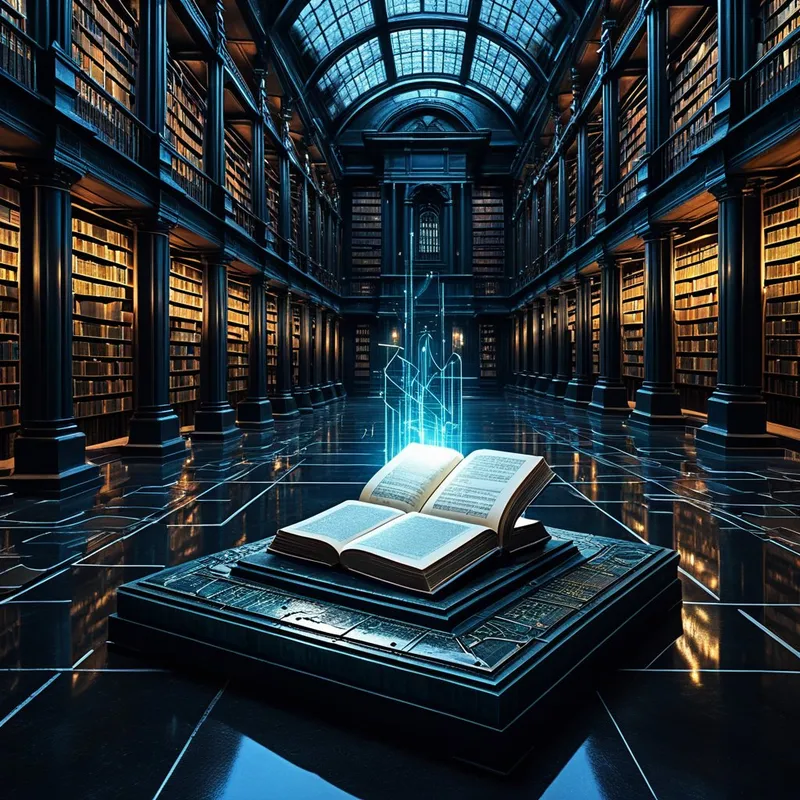
I stood in the center of a vast, silent library that existed outside of time. The shelves stretched into infinity, each holding a book bound in a different material: leather, stone, light, weeping bark. As I watched, one heavy tome of tarnished silver fell from a high shelf. It hit the polished black floor not with a crash, but with the sound of a deep bell. The floor swallowed it, and from the point of impact, rivers of liquid mercury began to flow, tracing paths to other books. Where the mercury touched them, their bindings softened and merged, forming a single, living manuscript whose pages turned in the wind of my own breath.
Alchemical Interpretation: The fall of the isolated, metallic self (the silver book) initiates a dissolution of rigid boundaries, allowing a latent, fluid intelligence (the mercury) to forge conscious connections between all disparate chapters of the psyche, creating a living text of the whole person.
The False Lead
Do not mistake this for mere peace, or the absence of conflict. That is entropy. True harmony is a dynamic, high-tension state—the precise, vibrating string, not the slack one. It is not the bland compromise of “getting along,” where sharp edges are sanded down into polite nothingness. That is the shadow of harmony, a suppression masquerading as unity. The dream of harmony is not asking you to make the voices in your head agree on everything. It is inviting you to become the conductor who recognizes the unique, necessary note each voice contributes to a symphony far grander than any one could imagine alone. It is the integration of conflict, not its eradication.
Psychological Architecture
This is the heart of the Individuation process: the move from a personality built around a central, defended identity (the ego-complex) toward a Self that can hold multiplicity. Shadow work here is not about battling monsters, but about retrieving exiles. Think of your psyche as an internal family system. The part of you that is fiercely independent views the part that longs for dependency with contempt. The ambitious driver sees the part that wants to rest as lazy sabotage. Each banishes the other to the shadow, creating internal civil war. Harmony emerges when the sovereign consciousness descends into this inner parliament and does the unthinkable: it listens. It allows the orphan’s grief to speak without the hero trying to fix it. It lets the rebel’s rage burn without the ruler immediately legislating it away. This is not passive acceptance; it is the active, courageous witnessing that transmutes raw, conflicting energy into differentiated function. The grief becomes depth. The rage becomes boundaried strength. The fear becomes alert presence. The architecture of the psyche is restructured from a kingdom with rebels at the gates to an ecosystem where every species has its niche and purpose.
Mythic Resonance
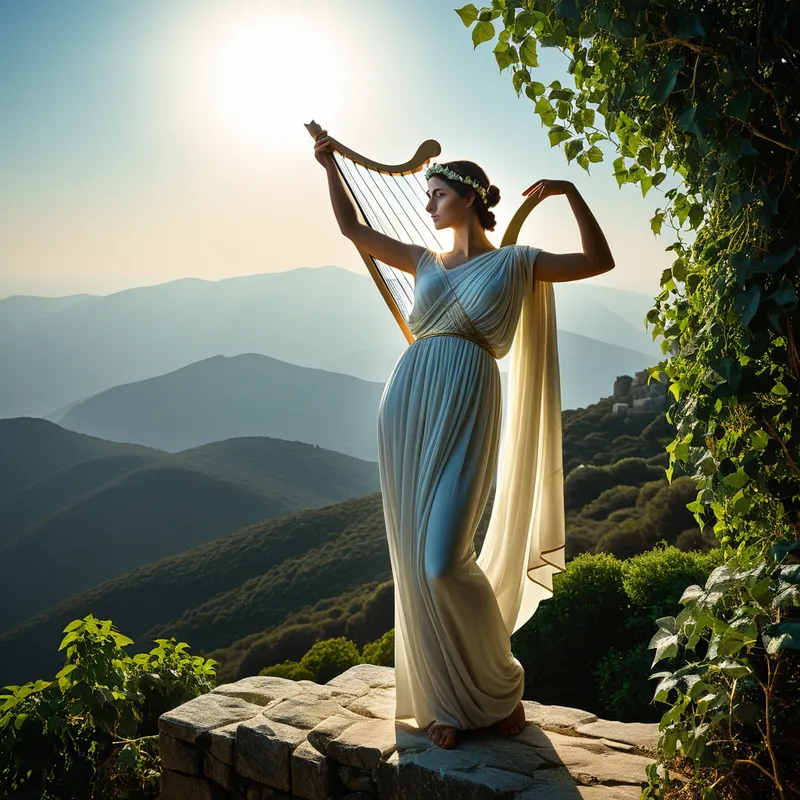
We see this in the Norse myth of the god Kvasir, born from the saliva of all the gods mingled in a vessel of peace. He becomes the wisest being, whose blood, later mixed with honey, becomes the mead of poetry—the intoxicating drink of inspiration. Harmony here is not a static state but a generative substance, born from the communal essence (the spit) of all divine forces, however discordant. It is a literal alchemical brewing of collective wisdom into creative spirit. Similarly, the Greek concept of Harmonia was not just a goddess; she was the daughter of Ares (War) and Aphrodite (Love), a union of the most violent and the most binding forces. Her very origin myth tells us that true harmony is the improbable, sacred child born from the marriage of irreconcilable opposites. It is the pattern that emerges when conflict and attraction are held in a tense, fertile embrace.
Symbolic Nodes
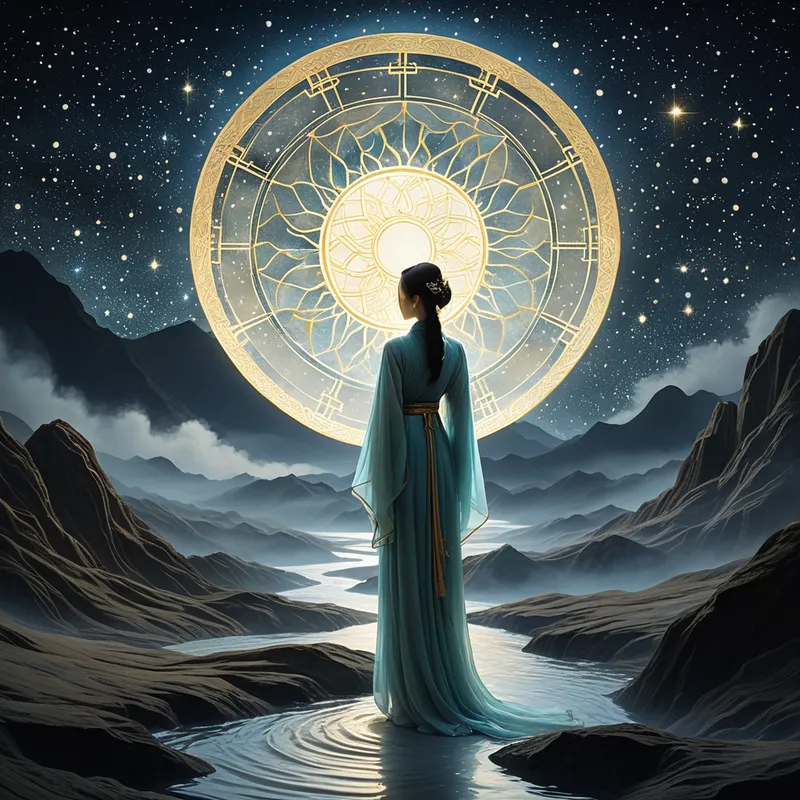
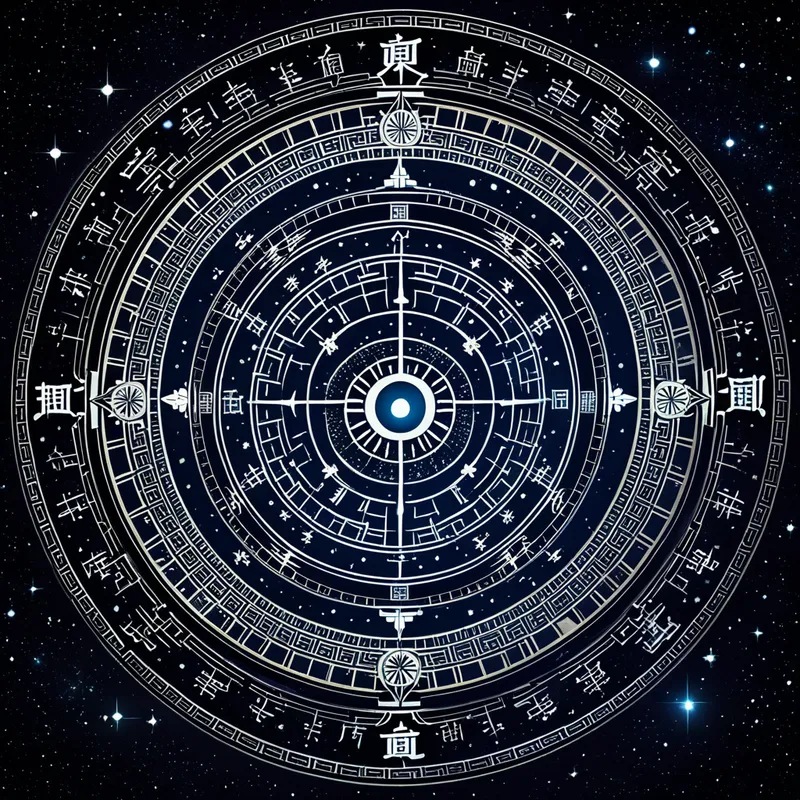
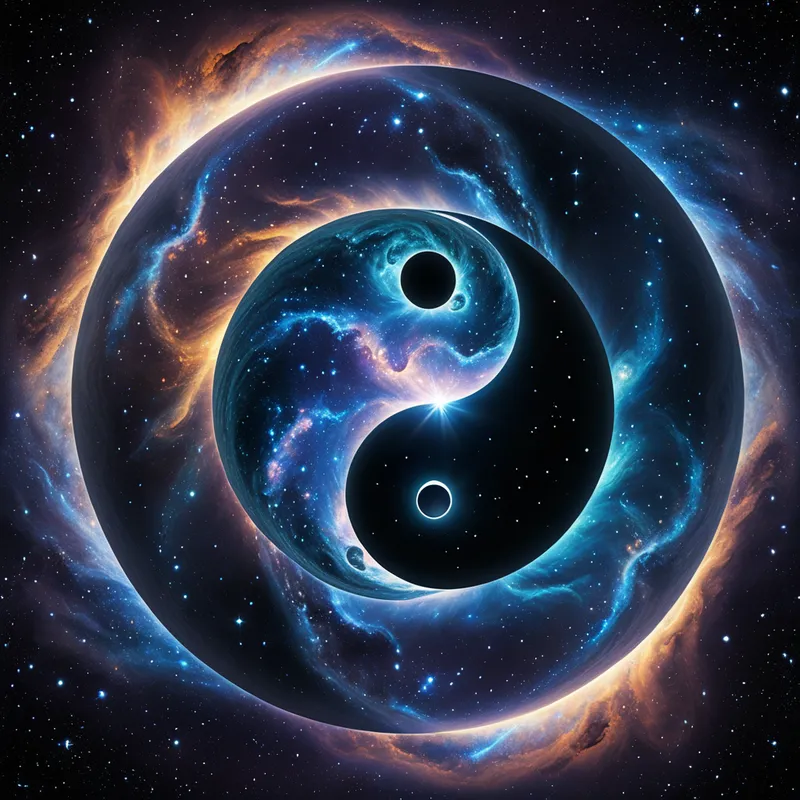
- Perfectly Interlocking Geometry: Mandalas, tessellations, mosaics where no piece is forced.
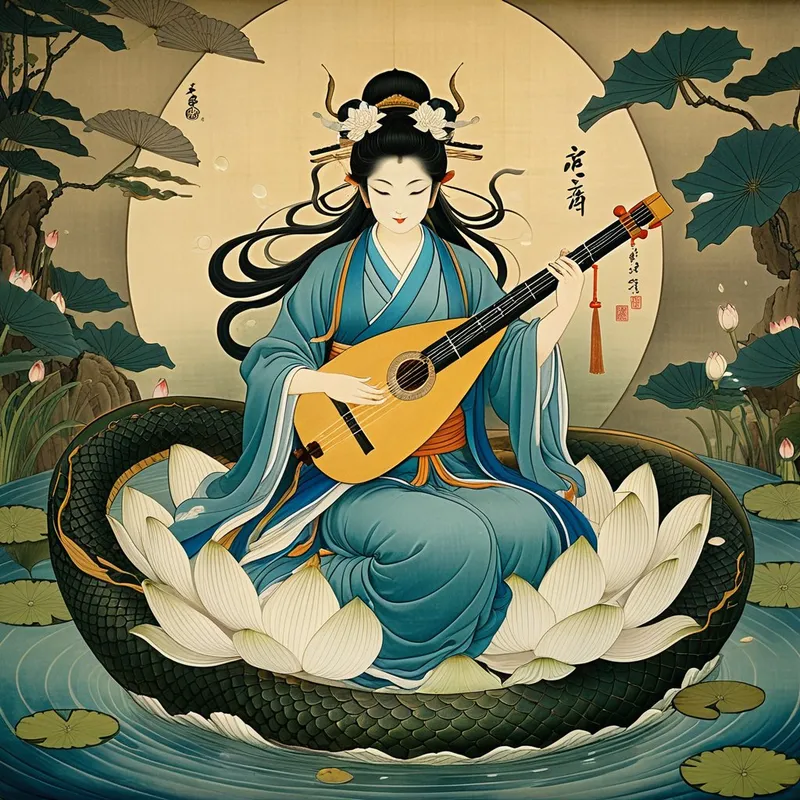
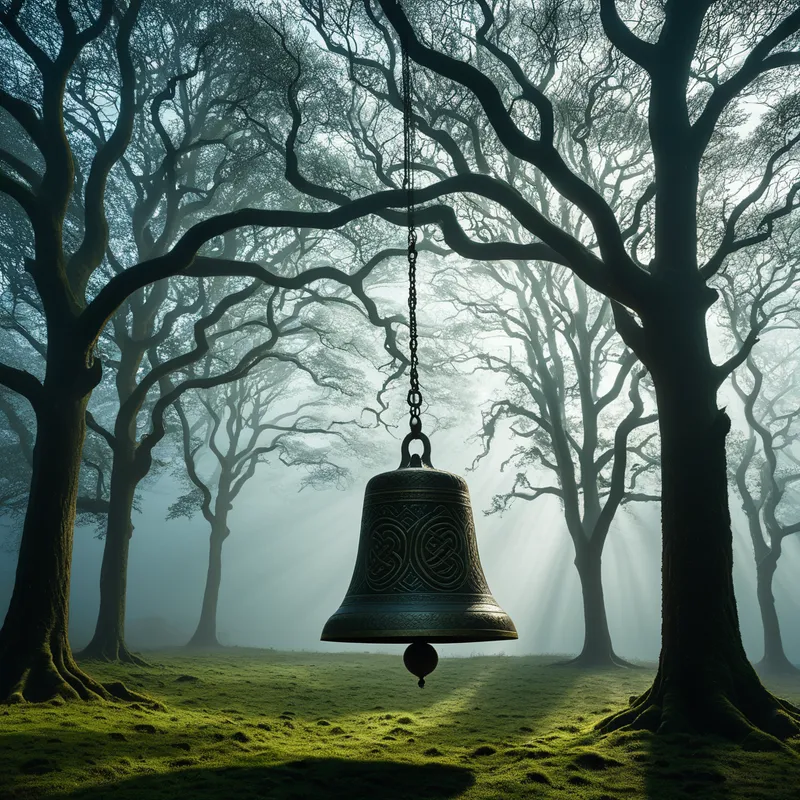
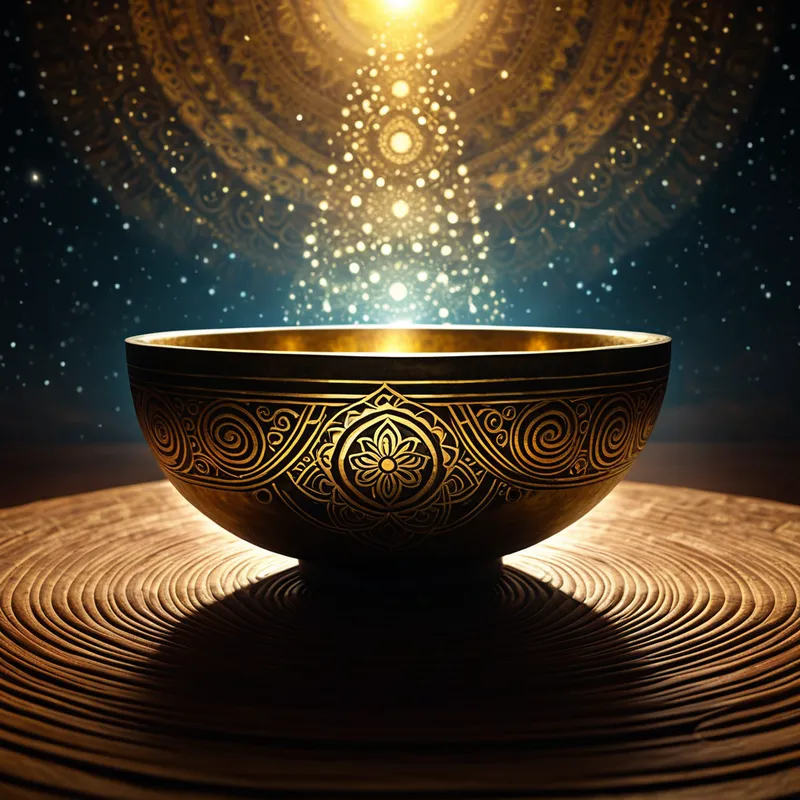
- Resonant Sound: A single, pure note that sustains; the hum of a crystal bowl; harmonious music emerging from chaos.
- Flowing Mergers: Two rivers converging without turbulence; ink dispersing in water creating beautiful patterns; metals alloying.
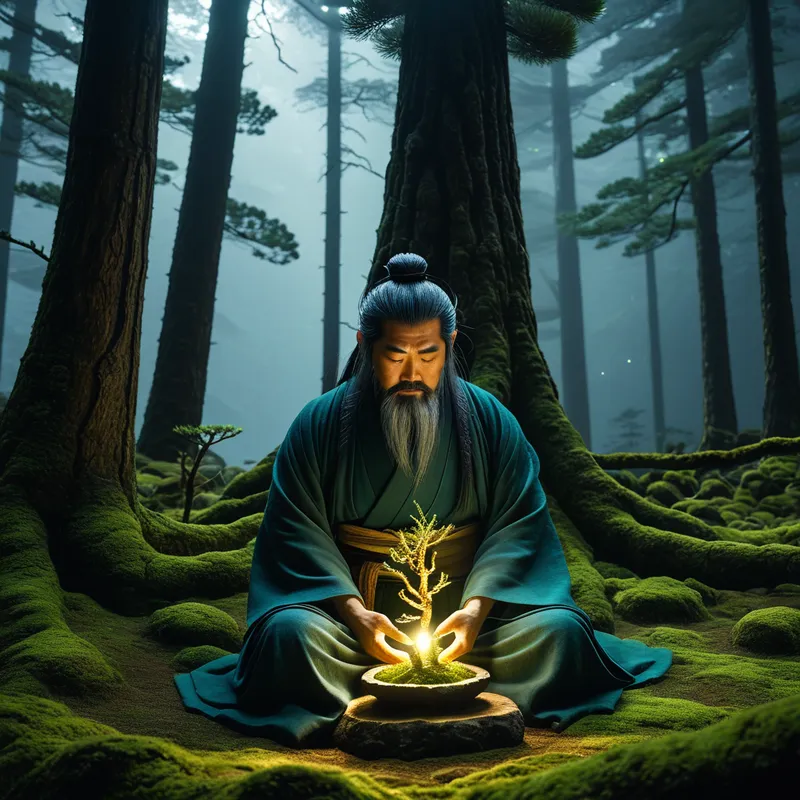
- Symbiotic Ecosystems: A lichen (algae and fungus as one); a grove of trees connected at the roots.
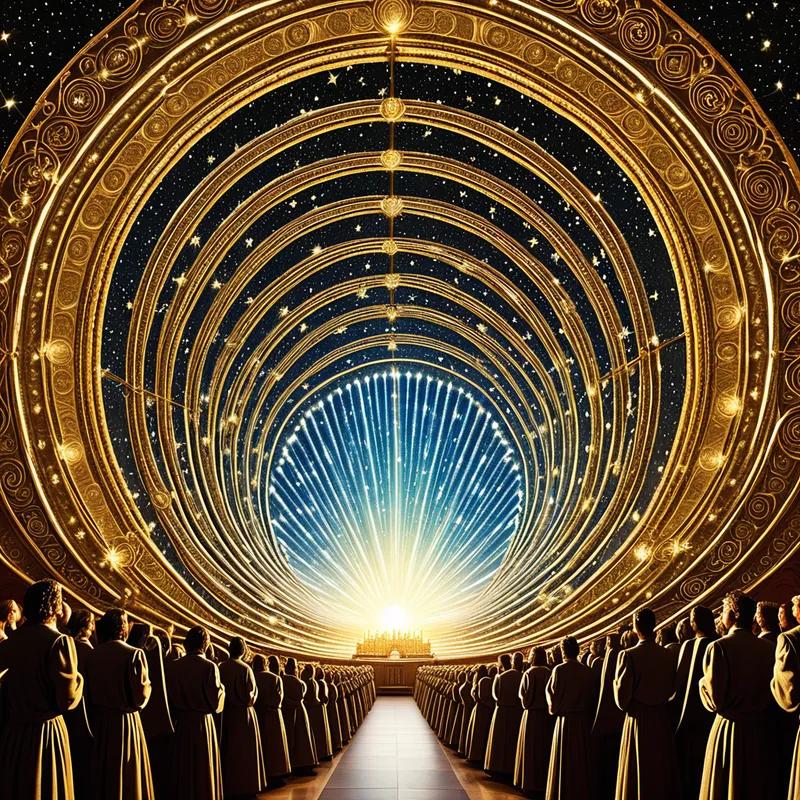
- The Silent, Empty Center: The eye of a storm; the still point of a turning wheel; a vast, quiet hall.
Archetypal Resonance
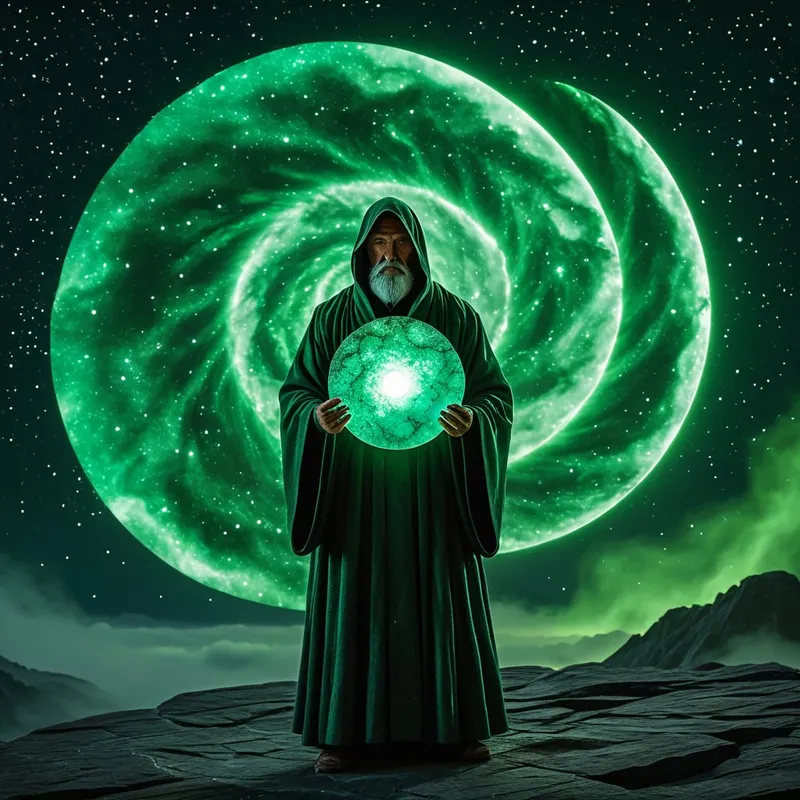
The Magician Archetype is the master of this domain. The Magician does not create harmony by imposing order from above, but by understanding the hidden laws and connections that already exist within a system—be it the psyche, a relationship, or the material world. The somatic echo of harmony—that deep, resonant hum—is the Magician tuning the instrument of the self, listening for the true note. The alchemical potential here is total: the Magician’s work is transmutation itself, taking the base metals of our conflicting impulses, our trauma and our joy, and, through the heat of conscious attention (the opus), arranging them into a golden, coherent whole. The Shadow Magician, the Manipulator, seeks a false harmony through control and illusion, forcing silence instead of cultivating symphony. The true Magician archetype active in a harmony dream is the signal that you are gaining the power to perceive and orchestrate the fundamental patterns of your own being.
The Alchemical Process
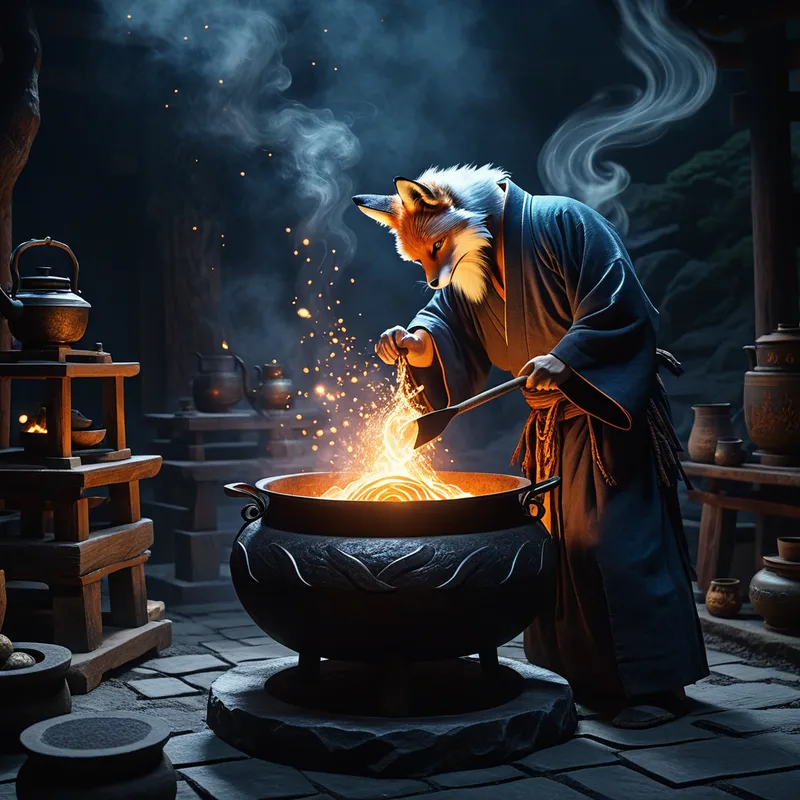
The alchemical vessel for harmony is the human heart-mind, and the fire is the acute discomfort of holding contradictions without rushing to resolve them. This is the nigredo, the blackening: the phase where you must fully admit the war within. The grief of the orphan, the fury of the rebel, the arrogance of the ruler—all must be felt in their full intensity, simultaneously. The pressure comes from refusing the ego’s old tricks: choosing sides, numbing out, spiritual bypassing with affirmations of “oneness.” The transmutation occurs in the albedo, the whitening, when you begin to witness these parts not as “you” but as phenomena within you. You become the silent, non-judgmental space in which they arise. In that space, a miracle occurs: their energy begins to change form. The fight softens into dialogue. The judgmental thought is seen, and in being seen, loses its charge. This is the distillation. The resulting rubedo, the reddening, is not a static harmony, but a living, breathing integration—a psyche that is resilient, fluid, and capable of containing multitudes without coming apart. The sovereignty gained is the sovereignty of the conductor, who is master of the music precisely because they are in service to it.
The Integration Protocol
Question 1: In your waking life, where do you feel the most visceral tension between two irreconcilable needs or values (e.g., safety vs. freedom, commitment vs. independence)? Can you name the internal "parts" that hold these positions?
Question 2: Recall the last moment you felt a deep, unforced sense of peace. What internal argument had ceased in that moment? Which part of you had stopped speaking, and which had finally been heard?
Question 3: If your psyche were an ecosystem, what exiled species (an emotion, a desire, a memory) needs to be reintroduced to restore balance? What fear keeps it in exile?
Action 1 (Somatic Mapping): Sit in quiet attention. Scan your body for a point of tension or discomfort. Instead of trying to relax it, bring curious, gentle awareness to it. Imagine giving that sensation a voice. What single word or phrase does it want to express? Let it be a sound, not a story. Simply listen.
Action 2 (Unstructured Council): Take three sheets of paper. At the top of each, write a name for a dominant inner voice (e.g., "The Critic," "The Pleaser," "The Wild Child"). Set a timer for five minutes per page. Let each voice write, draw, or scribble freely, expressing its core concern without interference from the others. Place the pages in a circle on the floor and sit in the center. Observe them not as you, but as members of your inner council.
Action 3 (Ritual of Synthesis): Find two small objects that symbolically represent two conflicting forces within you (e.g., a sharp stone for anger, a feather for vulnerability). In a private space, hold one in each hand. Feel their separate energies. Slowly, over several minutes, bring your hands together, allowing the objects to touch. Hold them cupped together. Your task is not to force them to merge, but to simply be the vessel that contains both. Breathe. Notice what new, third feeling arises from their proximity.
Final Validation
The longing for harmony is a profound and often painful ache, because it is the Self remembering its own wholeness from within the fragmented experience of the ego. It is hard, relentless work—this listening to the cacophony within without going mad. It requires a courage that feels like surrender. But know this: the very fact that you dream of harmony, that your soul presents you with images of merging rivers and interlocking light, is proof that the process is already underway within you. You are not building the symphony from scratch. You are learning, note by painful, glorious note, how to hear the one that has always been playing.