The Dream Theme of Faith: The Somatic Architecture of Trust
The Somatic Echo
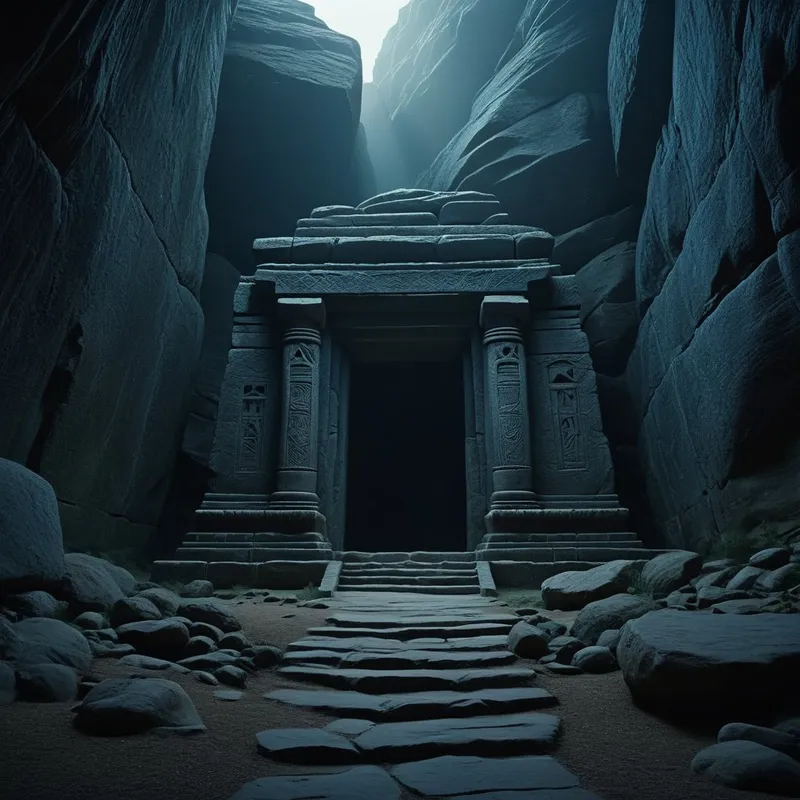
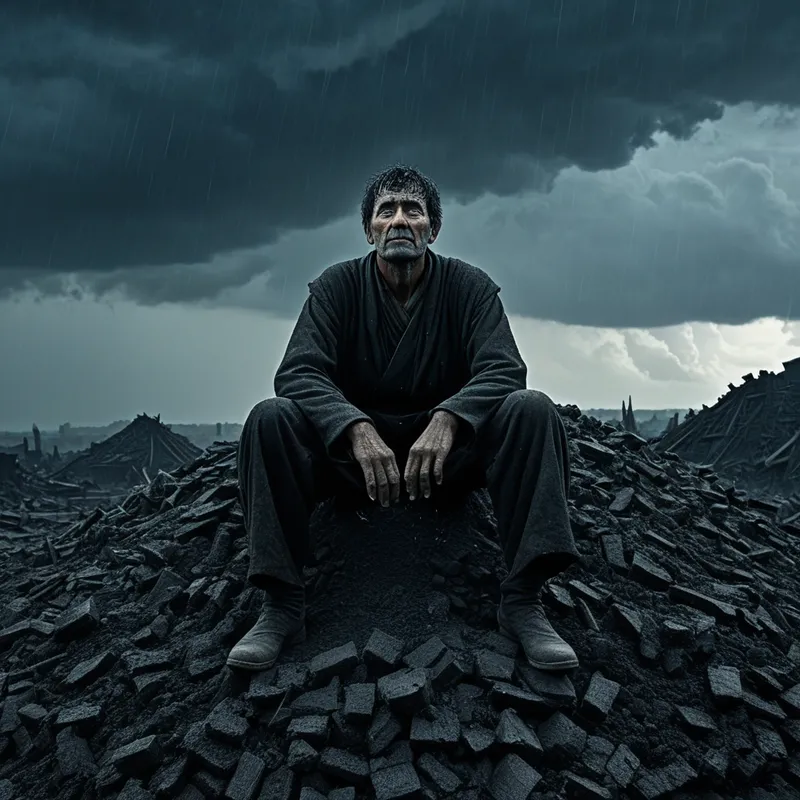
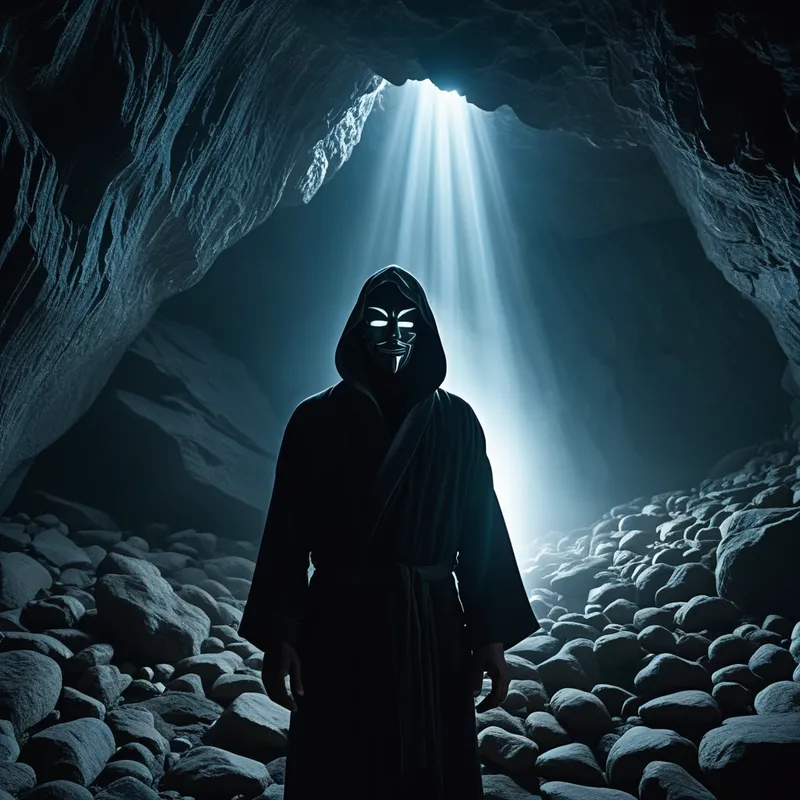
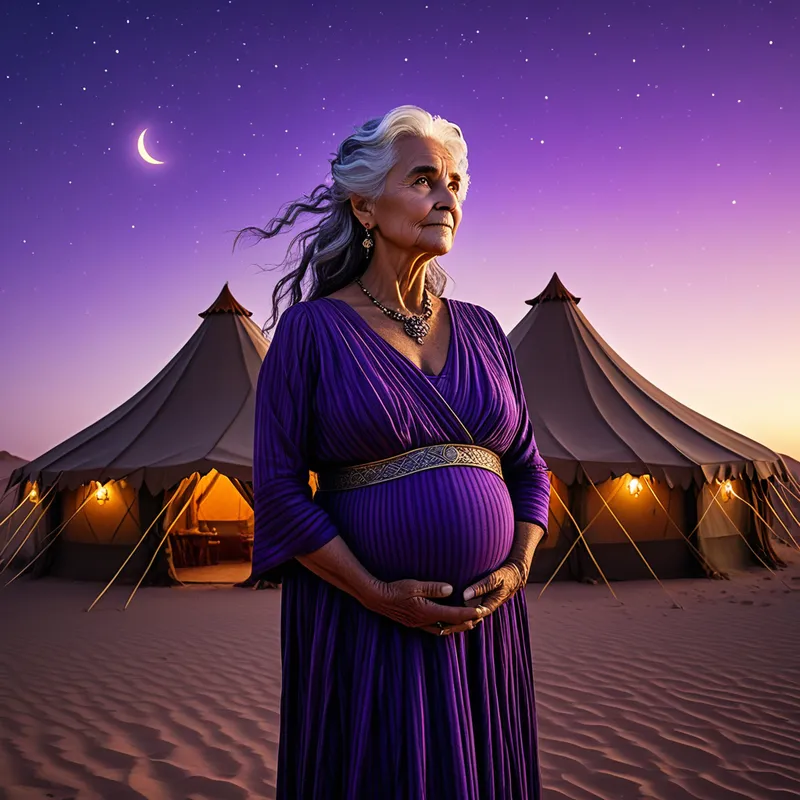
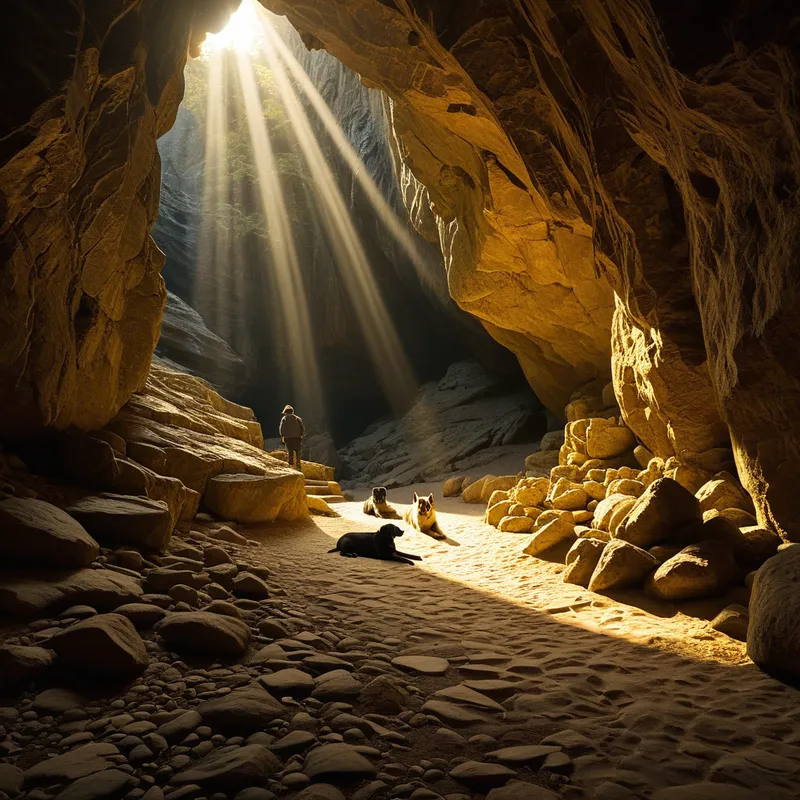
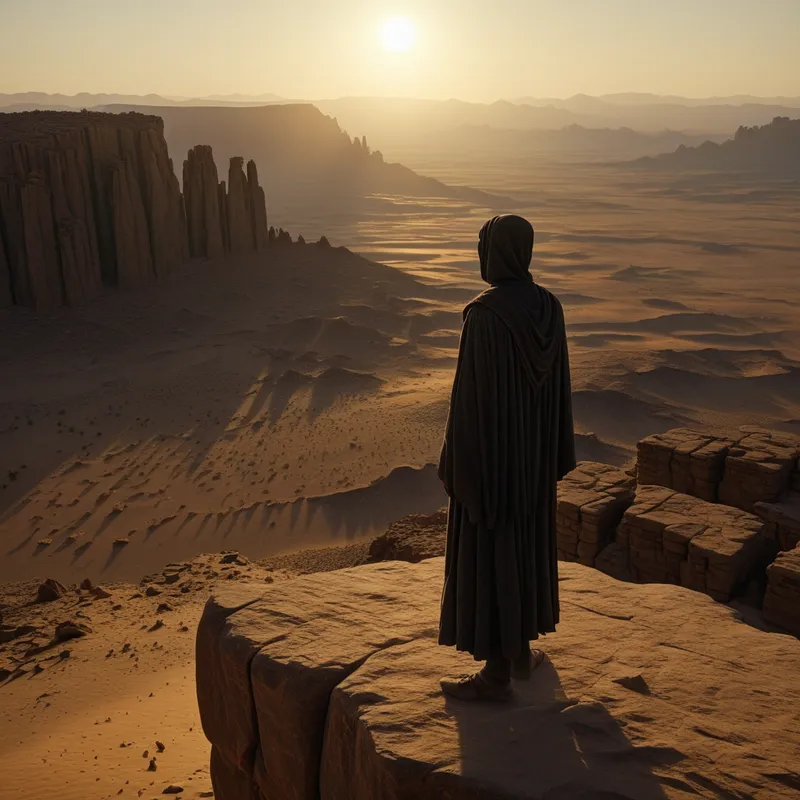
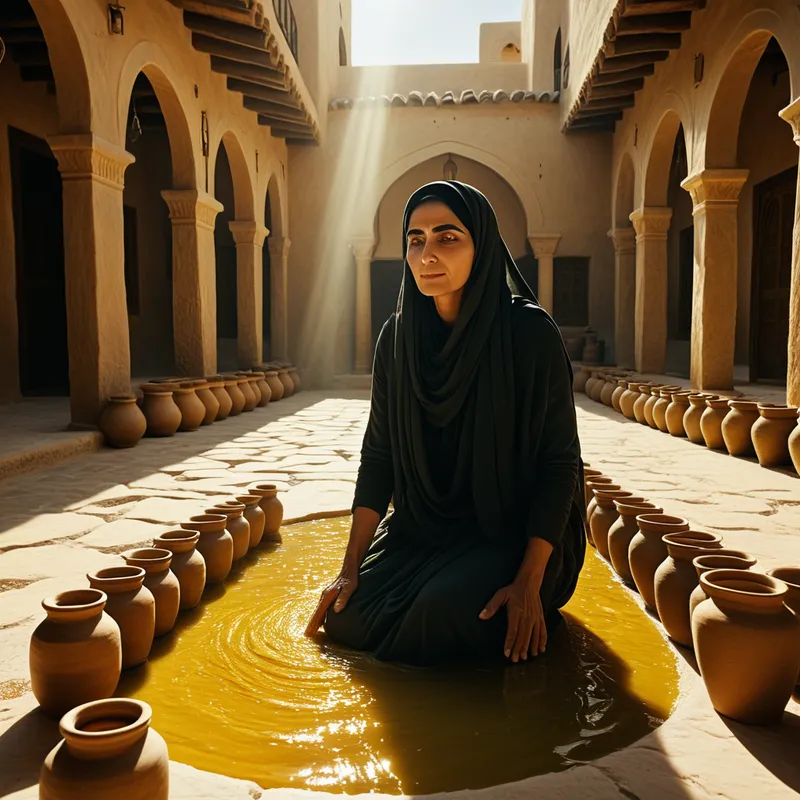
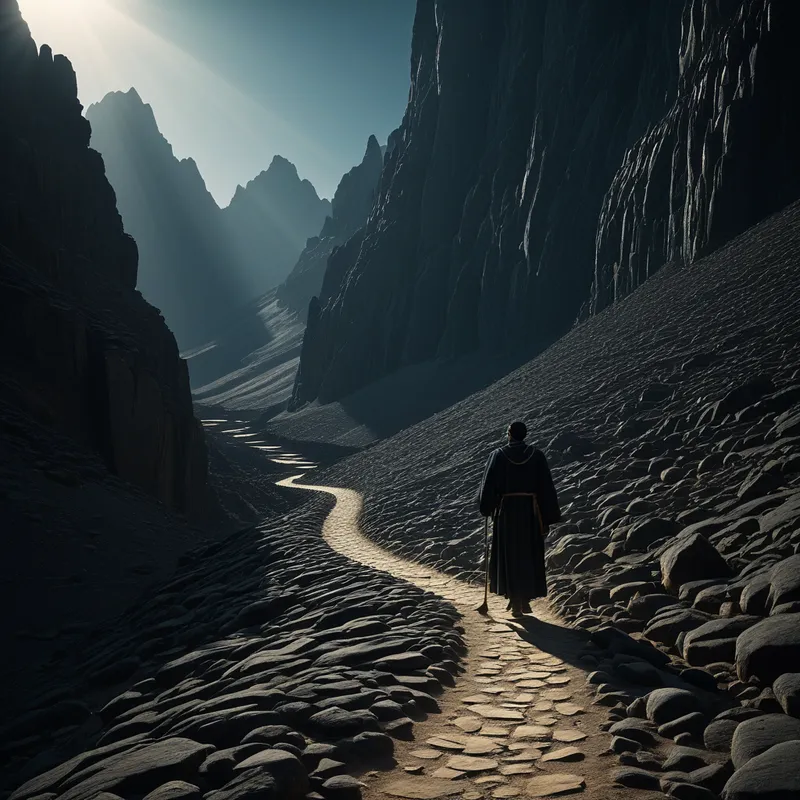
Before it is a thought, faith is a felt sense. It is not the mind’s assent to a proposition, but the body’s pre-verbal orientation to existence. In dreams, this theme announces itself not as a symbol, but as a climate. It is the specific gravity of the dream-space: a profound, hollow silence that is not empty, but pregnant. It feels like standing on a cliff’s edge in total darkness, sensing the vastness before you not as a threat of falling, but as a promise of space. The breath becomes shallow, not from fear, but from a deep listening. The chest cavity feels both cavernous and anchored, a hollow bone through which a strange wind might whistle a forgotten tune. This is the somatic echo of faith—the visceral experience of a foundational trust in the process of being, even when all familiar landmarks have dissolved into shadow.
The Dreamer's Log (Case Vignette)
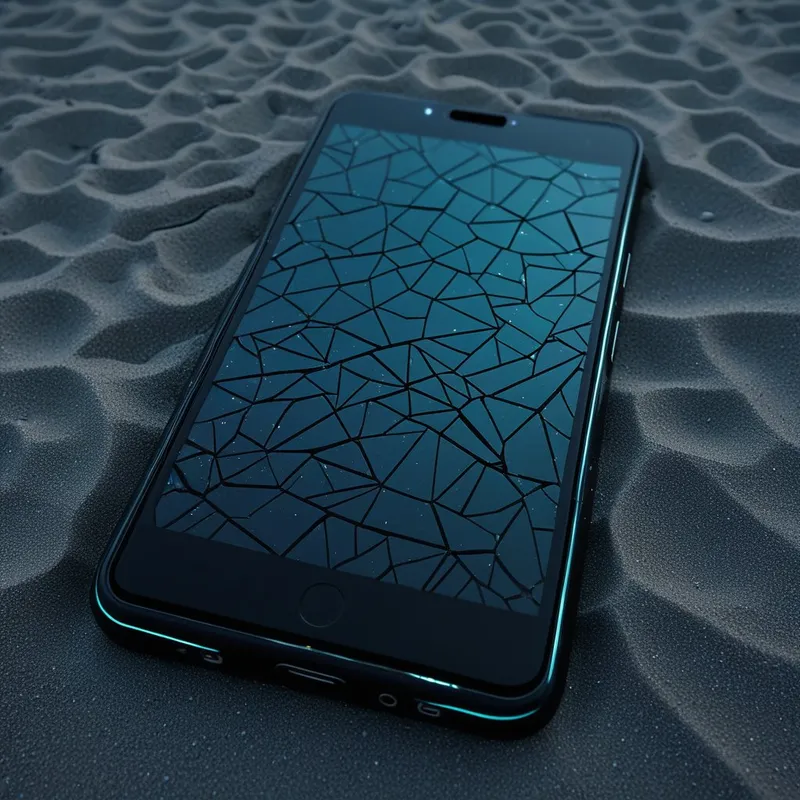
I am holding my smartphone, but the screen is a web of deep, black cracks. I try to swipe, to call, to search, but the glass is shattered and unresponsive. Then, from within the fractures, a soft, gold light begins to pulse, like a heartbeat from the center of the device. A voice, my own but deeper, says, "The signal is not out there."
Alchemical Interpretation: The dream transmutes the modern anxiety of disconnection (the broken screen) into a revelation that the source of guidance and connection is an internal, somatic signal, waiting to be heard once the external interface fails.
The False Lead
Faith, in the dreaming psyche, is not belief. Belief is a cognitive structure, a map drawn from past experience. Faith is the willingness to step off the map entirely. This theme is not about religious doctrine, nor is it a spiritual bypass urging blind optimism in the face of genuine grief. It is not the denial of the Shadow, but the profound courage to turn and face it with the unproven hypothesis that meaning can be forged in the encounter. To mistake faith for passive hope is to miss its radical, alchemical core: it is the active, often terrifying, choice to remain present to a process whose outcome is fundamentally unknown.
Psychological Architecture
The work of faith is the deepest kind of Shadow integration. It occurs when the conscious ego—the part of us that manages, plans, and insists on knowing—has been humbled. Its strategies have failed. The internal family of the psyche is in disarray: the inner Orphan wails at abandonment, the Shadow Ruler demands impossible control, the Hero is exhausted from battles that cannot be won. Faith emerges in the silent council that follows the collapse. It is the ego’s relinquishment of its throne, not to chaos, but to a broader, wiser intelligence of the Self. This is the Individuation process in its most raw form: you are not building a stronger fortress of personality, but discovering you are the entire, mysterious territory in which both fortress and wildness exist. The architecture of faith is the slow, somatic realization that you are not the figure in the landscape, you are the landscape itself—capable of holding both the earthquake and the subsequent, unexpected bloom.
Mythic Resonance
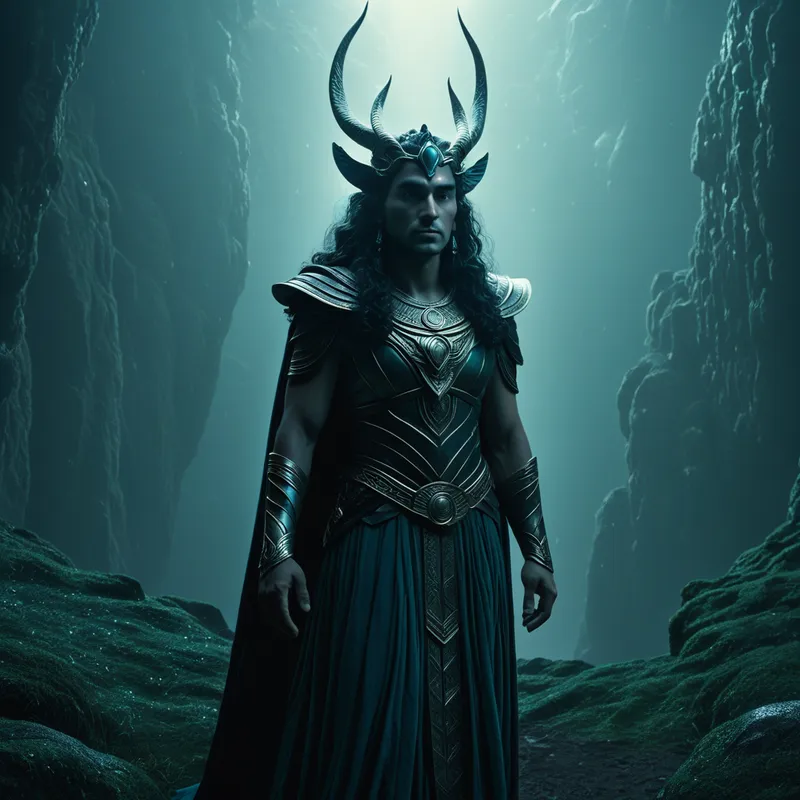
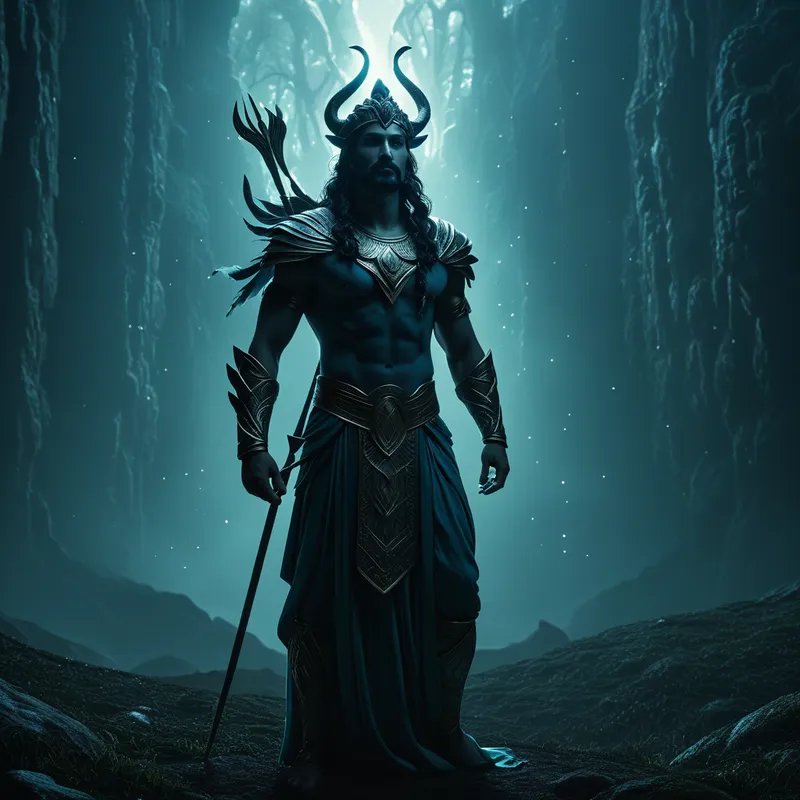
Consider the Norse myth of the god Tyr. To bind the monstrous wolf Fenrir, who threatened to devour the cosmos, the gods needed a chain of impossible strength. Fenrir, cunning and distrustful, would only submit to being bound if one of the gods placed a hand in his jaws as a pledge of good faith. Only Tyr, the god of law and justice, had the courage to do so. When the bindings held and Fenrir was trapped, the wolf closed his jaws, severing Tyr’s hand. This is not a myth of reward, but of sacred contract. Faith is that hand in the maw—the conscious, sacrificial act of trust made with full knowledge of potential loss, because the integrity of the whole (the binding of chaos) depends on it. It is the ultimate sovereign act, where personal sovereignty is willingly risked for a transcendent order.
Symbolic Nodes
- Bridges (especially crumbling or half-built): The psyche in the act of constructing connection across an abyss of doubt.
- Seeds, Eggs, or Wombs in barren places: Latent potential existing precisely where no evidence for life can be seen.
- Guides who are silent, blind, or animal: Wisdom that comes not from instruction, but from following an innate, non-rational knowing.
- Falling, not into an abyss, but into light or water: The surrender of control into a supportive, though unknown, medium.
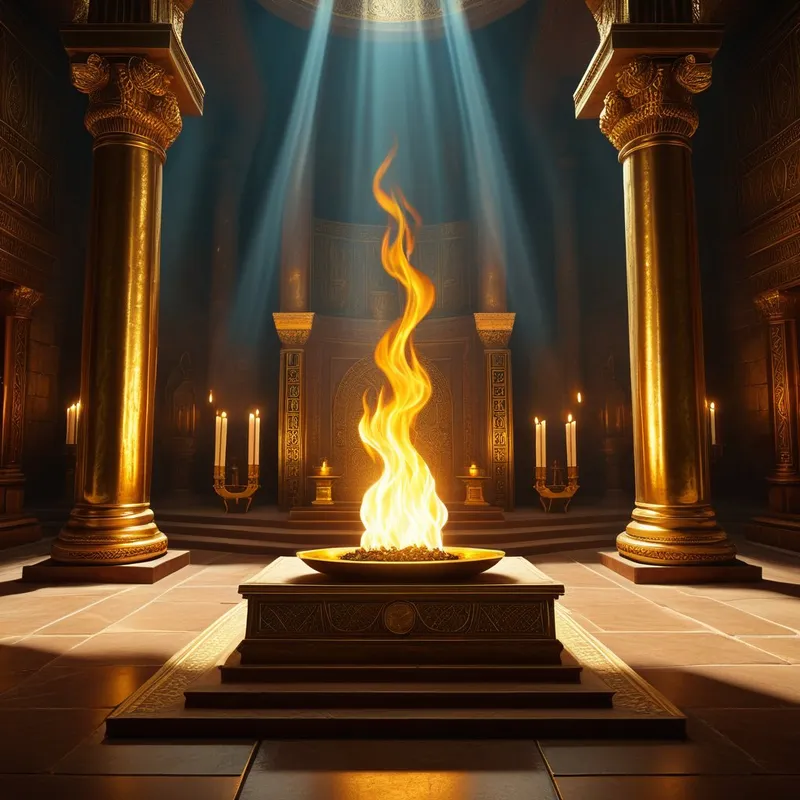
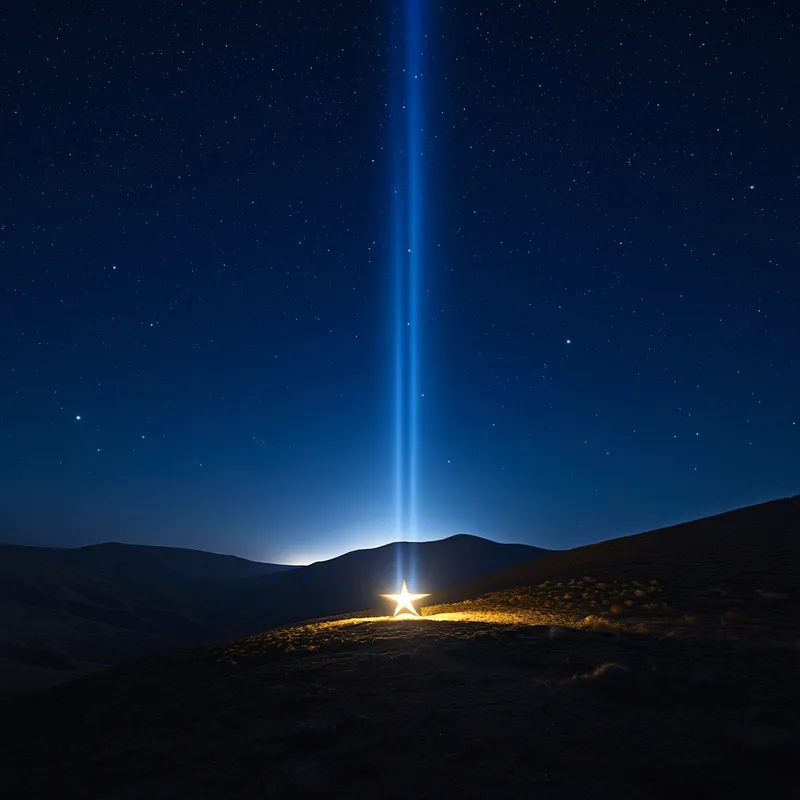
- A single, unwavering point of light in profound darkness: The somatic anchor of the Self amidst the dissolution of conscious constructs.
Archetypal Resonance
The energy of faith resonates most powerfully with The Innocent Archetype—not its shadow of naive denial, but its core essence of fundamental trust. The Innocent does not trust because it is ignorant of danger, but because its orientation is to the foundational goodness of existence itself. This archetype’s somatic echo is that of lightness, breath, and an open heart—the very sensations that arise when we stop armoring against a fall and discover we are held by something deeper than ground. Its alchemical potential lies in its radical simplicity: it bypasses the complex negotiations of the ego and accesses a pre-conscious trust in the process of becoming. In the crucible of a faith dream, the Innocent is not childish, but child-like—the part of us that can, despite all evidence and history, say "yes" to the next unknown moment.
The Alchemical Process
The transmutation here is of terror into sovereignty, and it requires the most intense heat of all: the heat of sustained paradox. You must hold two impossible truths simultaneously: the utter reality of your fear, grief, and uncertainty, and a commitment to a process you cannot direct or foresee. This is the psychological equivalent of the alchemical solve et coagula—dissolve and coagulate. First, you must fully dissolve the rigid structures of control, the ego’s desperate plans. This dissolution feels like death, a free-fall. The pressure is the unbearable tension of not-knowing. The transmutation occurs in the moment you stop trying to grab at falling rocks and instead feel the quality of the air rushing past. In that somatic shift—from resisting the fall to feeling its sensation—the coagula begins. A new center forms, not of control, but of orientation. Sovereignty is not reclaimed; it is discovered as something that was never lost, only obscured by the frantic architecture of belief.

The Integration Protocol
Question 1: In your waking life, where are you, like Tyr, being asked to place your "hand in the maw"—to risk something precious (control, a known identity, a outcome) for the sake of a deeper integrity you cannot yet see?
Question 2: What is the oldest, most familiar feeling in your body when you are afraid of being lost or unsupported? Can you describe its texture, temperature, and weight without trying to change it?
Question 3: If the faith your dream points to is not a belief in something external, but a trust in an internal process, what is that process currently asking of you? Not to do, but to stop doing?
Action 1 (Somatic Anchoring): For one minute, three times a day, place a hand over your heart and simply feel its beat. Do not try to calm it or change your breath. Just witness the persistent, rhythmic signal of life continuing, independent of your thoughts. This is the pulse from the cracked screen.
Action 2 (Unstructured Writing): Set a timer for 10 minutes. Write from the perspective of the "barren place" in your dream (the desert, the dark room, the empty plain). Let it speak. What does it contain that is not visible? What is it waiting for? Do not write as yourself looking at it, write as it.
Action 3 (Ritual of the Seed): Find a small stone or seed. Hold it and imbue it with a current fear or uncertainty. Go outside, to any patch of earth. Dig a small hole, place the object inside, and cover it. Do not mark it. Perform this as a literal act of surrendering that specific worry to the unseen, slow, alchemical processes of the earth.
Final Validation
To dream of faith is to stand in the most vulnerable and potent place in the human psyche. It means the old gods—your certainties, plans, and proven strategies—have fallen silent. This is not a small thing. It is terrifying, and that terror is real. Honor it. And then, feel for the subtle, somatic shift beneath it. The sovereignty that awaits is not of the conqueror, but of the navigator who has traded a map for a built-in compass, who trusts the needle’s pull even when the destination is over the horizon of knowing. You are not being asked to believe in a fiction. You are being asked to trust the reality of your own becoming. The dream is the first echo of that new, inner north.