
Marah Myth Meaning & Symbolism
The Israelites find a pool of bitter water in the desert. Moses, guided by God, throws a tree into it, transforming bitterness into sweetness.
The Tale of Marah
The sun was a hammer, and the desert was its anvil. For three days, the dust of the Reed Sea had settled on their shoulders, a gritty memory of salvation now swallowed by a greater thirst. The great multitude—a people born from bricks, now wandering between slavery and promise—moved as a single, parched beast. Hope, that fragile skin of water in a leather bag, had long been drunk dry.
Their tongues were thick leather, their throats lined with sand. Children’s cries were rasping whispers. Then, a shout, raw and cracking, tore through the column. Water!
A ripple of desperate life surged forward. They stumbled, they ran, they fell toward the low place in the wilderness where a pool lay, its surface catching the cruel sun. It was called Marah. The first to reach its edge plunged their hands in, bringing the precious liquid to their lips.
And then, the groans. Not of relief, but of betrayal. The water was bitter. Acrid. It was a poison promise, a mockery in the wasteland. The cry went up, a wave of anguish crashing back toward the heart of the camp. "What shall we drink?" they wailed, turning their sun-blinded eyes to the man who had led them from the iron furnace, to Moses.
Moses stood before the bitter pool, the weight of their despair heavier than Pharaoh's chariots. He did not command them to drink. He did not reason with their thirst. He turned away from the multitude and their bitter cries, and he cried out to the I AM. His prayer was not eloquent; it was the stark signal of a leader at the end of his own resources.
And the answer came. Not as a thunderclap, but as a showing. A simple, weathered tree, growing perhaps at the water's edge, was indicated. Without ceremony, without a grand ritual, Moses took the wood. He cast it into the heart of the bitterness.
The people watched, their complaint a held breath. The waters did not part. The ground did not shake. But a change, silent and deep, began. The acrid scent that hung over Marah softened. A man, daring all, bent and cupped the water. He sipped. His eyes, wide with shock, then relief, met those of his neighbor. It was sweet. The tree had made the bitter waters sweet.
There, at Marah, a statute was given. A simple, profound covenant: "If you will diligently listen to the voice of the I AM your God, and do what is right in his eyes, and give ear to his commandments... I will put none of the diseases on you that I put on the Egyptians, for I am the I AM, your healer." The healing of the water became the promise of a deeper healing. And then they moved on, to a place of twelve springs and seventy palm trees, a lush gift named Elim, where the memory of bitterness made the sweet water taste of grace.

Cultural Origins & Context
This episode is recorded in the Book of Exodus, Chapter 15, verses 22-27. It occurs immediately after the triumphant Song of the Sea, a high-point of collective faith and victory. The narrative deliberately plunges from ecstasy into existential crisis, a pattern deeply true to the wilderness journey and the human condition.
The story functioned as foundational memory for a nation forming its identity. It was not merely a miracle tale but a torah—an instruction. Passed down through oral tradition and later scribal preservation, it served multiple societal functions: it explained the origin of divine statutes, it validated the leadership of Moses through his role as intercessor, and most importantly, it provided a theological framework for suffering. The wilderness was not just a geographical location but a spiritual state, a testing ground where the people’s newfound freedom collided with their ingrained slave mentality of complaint and dependency. Marah became a archetypal landmark on their moral and spiritual map, a place where faith was not about grand deliverance but about trusting the remedy offered in the midst of bitterness.
Symbolic Architecture
At its core, Marah is an alchemical parable of transformation. The bitter waters represent the inevitable, toxic residues of life: the disappointments that follow great triumphs, the promises that turn sour, the internal bitterness of old wounds, resentment, and unmet expectations. It is the psychological "come-down," the shadow side of any liberation.
The cure for the poison is not found away from the poison, but is revealed within the poisoned field itself.
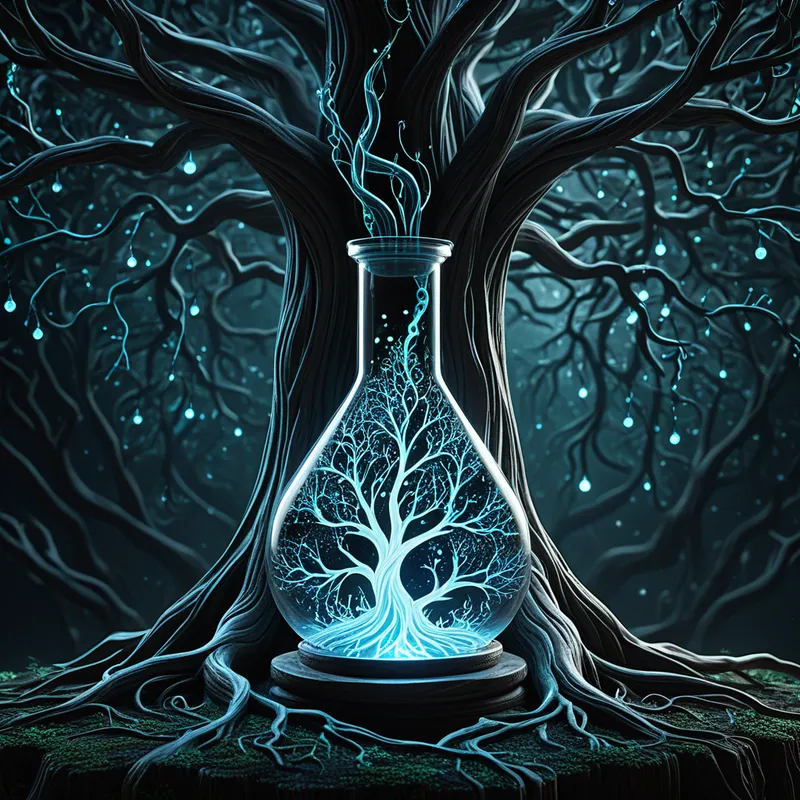
The tree is the central symbol of transmutation. In ancient Near Eastern thought, wood/trees are often associated with life, wisdom, and healing. Here, it is the instrument of divine grace, but its application requires human agency (Moses’s act). Psychologically, this represents the corrective principle—the insight, the perspective, the "word" or "law" (Torah) that must be integrated into the bitter experience to transform it. It is not about avoiding the bitter emotion or memory, but about introducing a new, structuring consciousness into it.
The sequence is critical: Complaint -> Cry (to God) -> Revelation of the Remedy -> Application -> Transformation -> Instruction. The healing of the water precedes the giving of the law, suggesting that emotional or spiritual healing often makes us receptive to deeper wisdom. The final promise, "I am the I AM, your healer," reframes the entire event: the deity is not just a warrior who drowns armies, but a physician who sweetens internal desolation.
The Dreamer's Resonance
When this myth resonates in the modern psyche, it often manifests in dreams of finding contaminated water—a poisoned well, a polluted ocean, a beautiful stream that tastes of metal or ash. The dreamer feels profound thirst and equal revulsion. This is the somatic signature of a bitter complex: an emotional or relational pool from which the dreamer must drink (engage with) but which is currently toxic.
The dream may also feature a lone, significant tree by the water, or the act of throwing an object into a liquid to cleanse it. These are signals of the psyche's innate movement toward healing. The bitterness could be a long-held resentment, the aftertaste of a betrayal, or the cynicism that follows a failed hope. The dream of Marah indicates the dreamer is at the point of recognizing this bitterness consciously. The complaint has been fully voiced in the waking life; now the unconscious is presenting the scenario of its potential transformation. The emotional "taste" of the dream is key—the shift from despair to tentative hope mirrors the internal alchemy beginning to stir.

Alchemical Translation
The journey of individuation is, in part, a journey through personal Marahs. We all, after our "exodus" from a confining state (a job, a relationship, an old identity), encounter the bitter waters of disorientation and regret. The old life, though oppressive, had a perverse sweetness of familiarity. The new freedom is terrifying and its first offerings often seem poisoned.
The alchemical work is modeled precisely in the myth. First, one must fully taste the bitterness—not rationalize it away. This is the honest complaint, the admission of despair. Then, one must cry out, which psychologically means turning the problem over to the Self (the inner I AM), the greater organizing principle of the psyche, beyond the ego. The answer is rarely dramatic; it is the quiet showing of the "tree."
The wood cast into the water is the conscious act of applying insight to wound, of bringing the healing symbol into direct contact with the poisoned affect.
This "tree" could be a commitment to therapy (a healing structure), a creative practice that metabolizes pain, a spiritual discipline, or a simple but difficult decision to forgive. Applying it feels like an act of faith—there is no guarantee it will work. But the myth promises that this conscious, symbolically-rich action initiates a transmutation. The bitterness is not erased; it is made sweet, meaning it is integrated and becomes a source of wisdom and compassion. The final stage, the arrival at Elim with its abundant springs, represents the psychic state where the transformed bitterness now nourishes a more resilient and grateful life. The healer is not an external god, but the wholeness of the Self, revealed precisely in the mending of what was broken.
Associated Symbols
Explore related symbols from the CaleaDream lexicon: