The Inner City: Dreams of Civilization and the Architecture of Self
The Somatic Echo
Before the mind conjures images of cities, grids, or ruins, the body knows. It is a deep, structural pressure—a weight in the bones, not of fatigue, but of bearing. It feels like the silent hum of a distant power grid beneath your feet, a vibration that organizes your cells into compliance. It is the tightness across the shoulders, the burden of carrying an invisible order. Conversely, it can be a terrifying lightness, a vertigo of foundations giving way, a somatic free-fall where the internal compass spins wildly, searching for a north that is no longer there. This is the visceral ground from which dreams of civilization grow: the profound, often wordless negotiation between the inherited structures within us and the wild, sovereign territory of the soul.
The Dreamer's Log (Case Vignette)
In the dream, I am the sole custodian of a vast, abandoned data center. The server racks, towering like monoliths, hum with a forgotten purpose. My task is not to reboot the system, but to carefully, reverently, power it down for the last time, feeling the vibration in the floor cease one sector at a time.
Alchemical Interpretation: This is the psyche initiating the sacred decommissioning of an internal operating system that has served its purpose but now only generates noise, preparing the cleared space for a new, more organic intelligence to root.

The False Lead
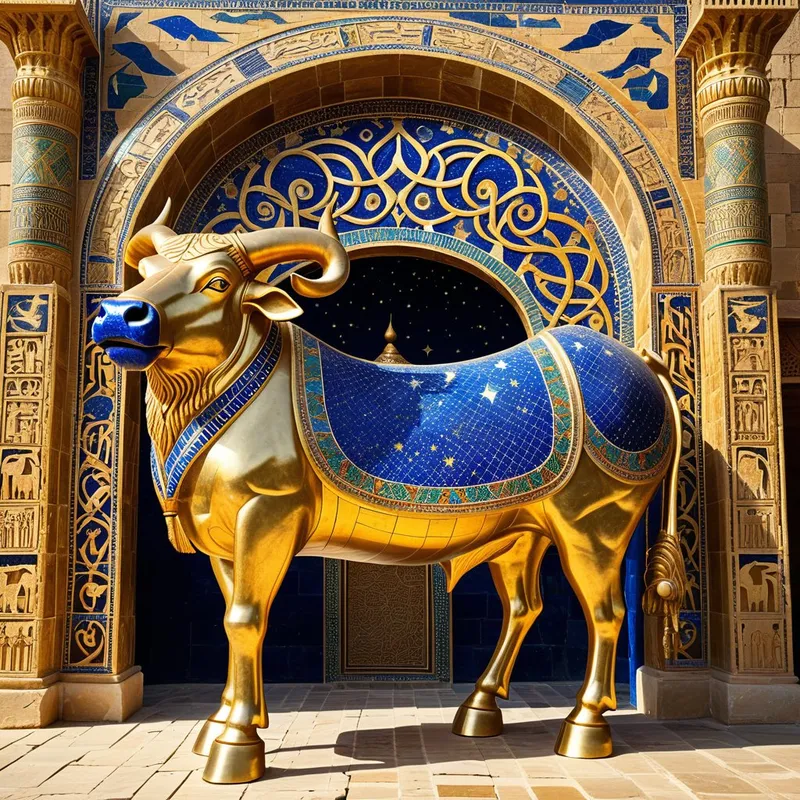
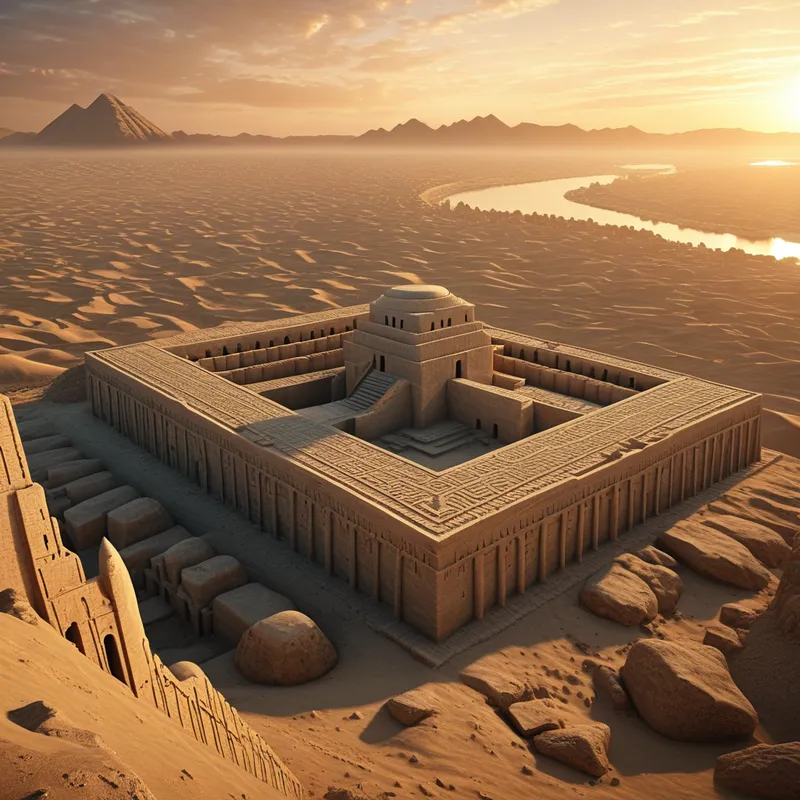
A dream of civilization is not a simple portent of societal collapse or a nostalgic yearning for the past. It is not merely about external politics or technology. To interpret it as such is to mistake the map for the territory. The crumbling city is rarely a prophecy of world events; it is the felt experience of a personal paradigm dissolving. The gleaming metropolis is not just ambition; it is the psyche’s blueprint for a new internal order. The dream is pointing inward, to the civilization you have built—or inherited—within: the laws of your behavior, the governance of your emotions, the infrastructure of your beliefs, and the sometimes-oppressive architecture of your persona.
Psychological Architecture
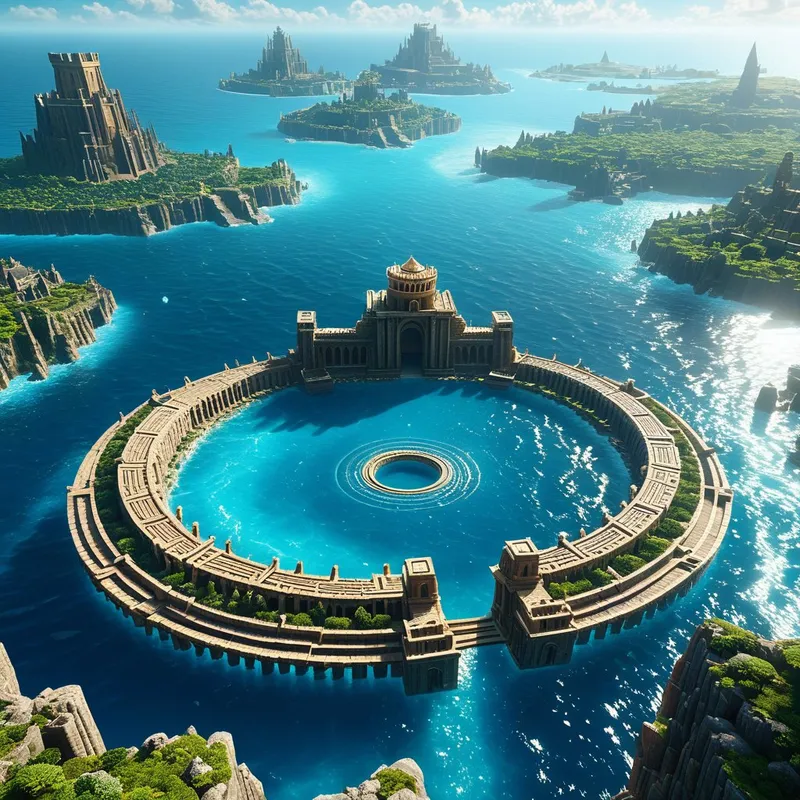
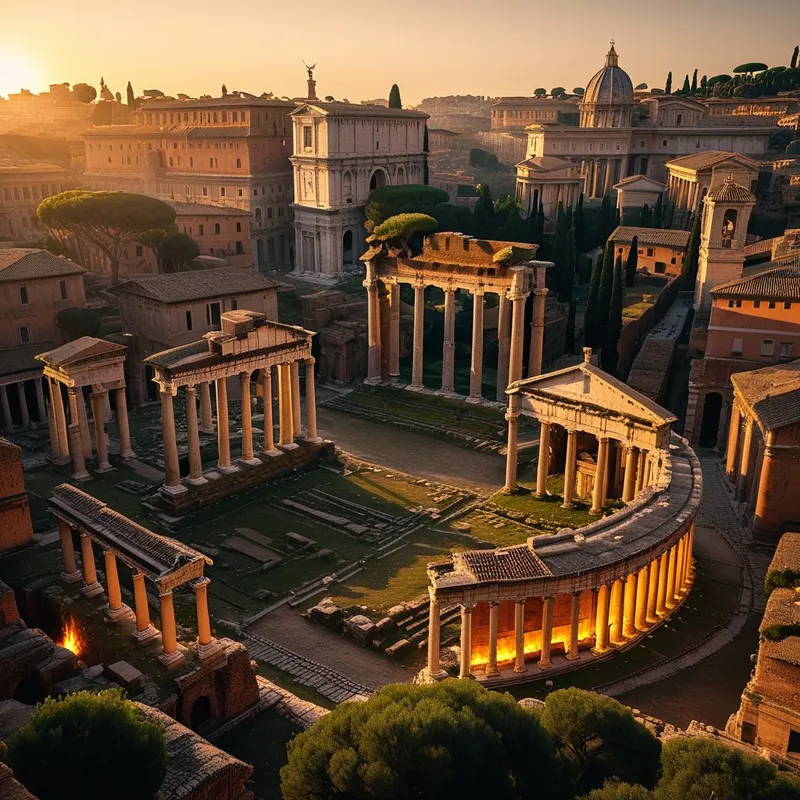
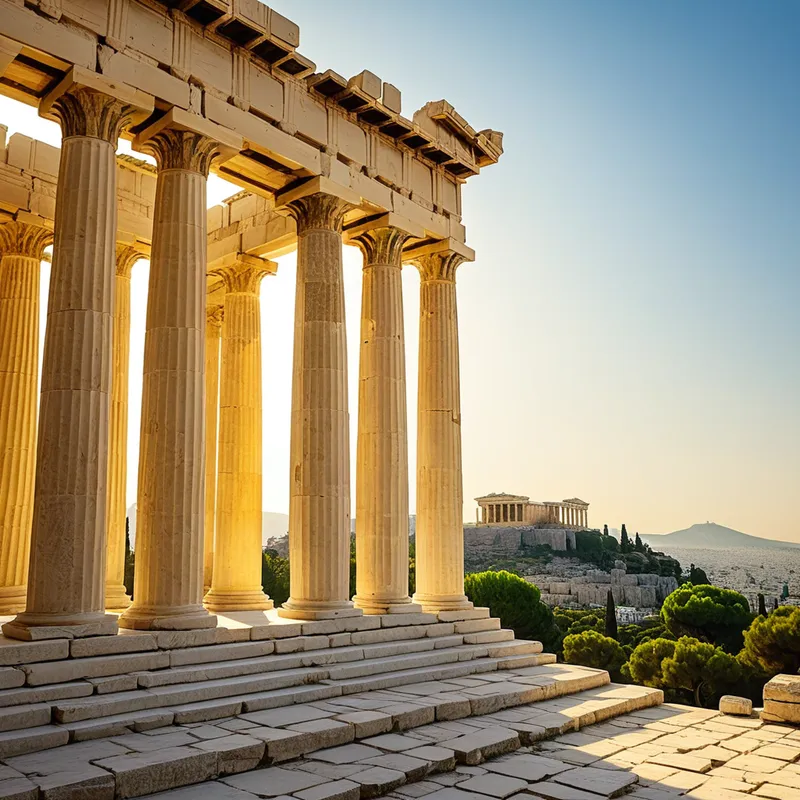
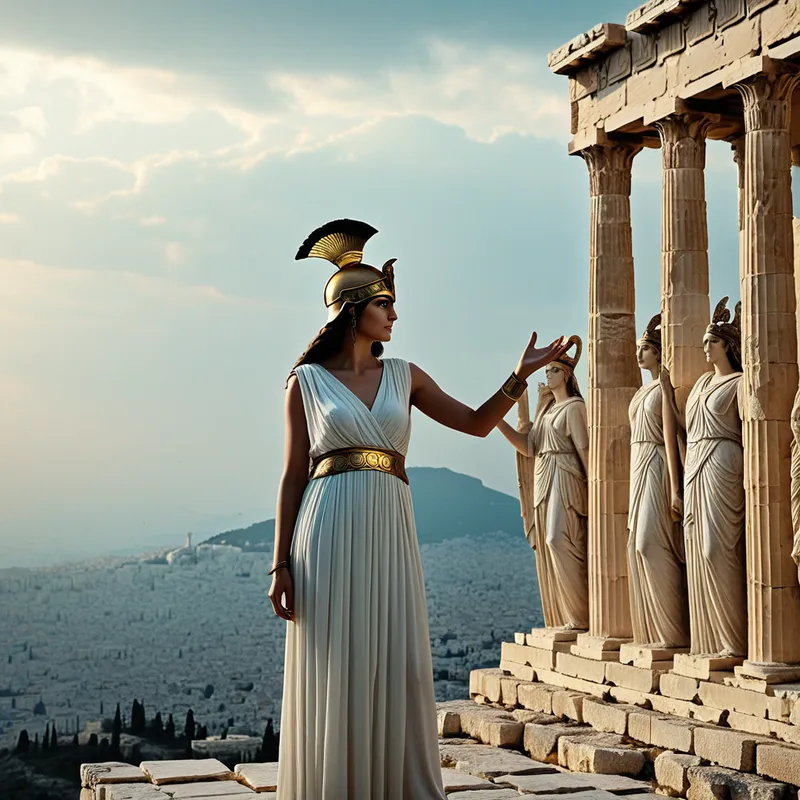
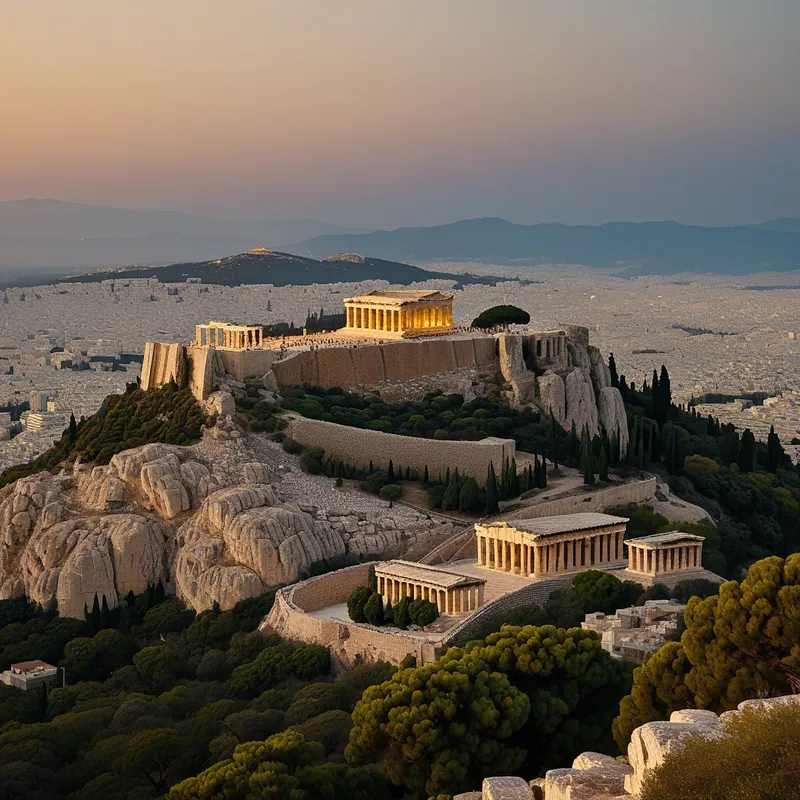
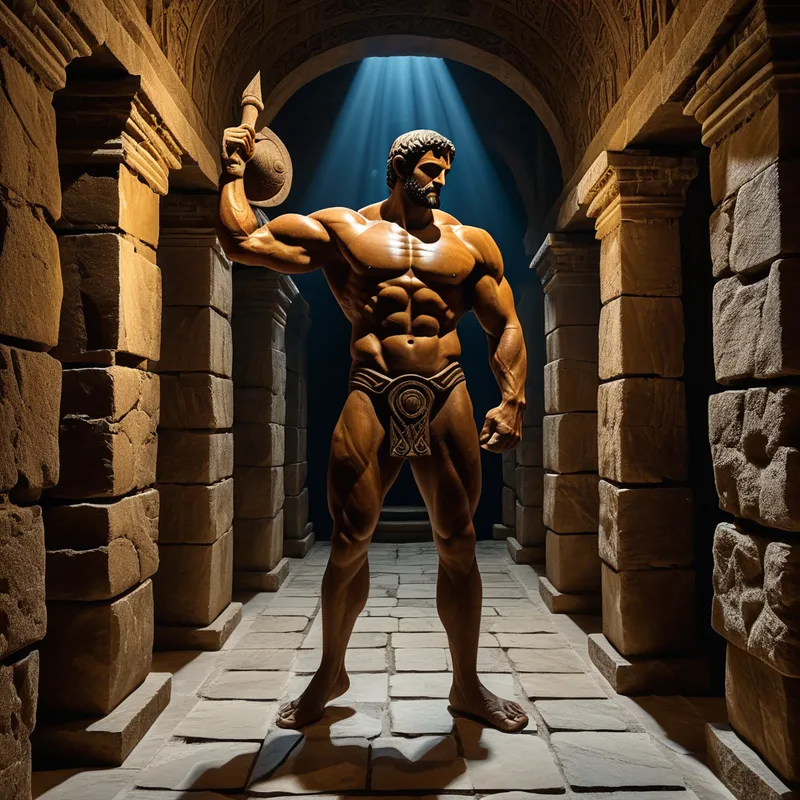
To dream of civilization is to be summoned to the most profound shadow work: an audit of the inner kingdom. Here, the individuation process is not a lonely walk in the woods, but the fraught, necessary work of urban planning in the soul. We each contain a sprawling, ancient city. Some districts are well-lit and orderly, governed by the conscious ego—the efficient, modern downtown of productivity and social grace. But beneath this, in the catacombs and neglected neighborhoods, live the exiled parts: the orphaned grief, the rebellious fury, the primitive instincts walled off for being "uncivilized."
The dream asks: Who is the ruler of this inner city? Is it the tyrannical Shadow Ruler, demanding perfect control, repressing any spark of chaos or creativity that threatens its rigid grid? Or is it a nascent, integrated sovereignty that can listen to the reports from all districts—the artistic quarter (Creator), the guardian walls (Caregiver), the wild parks (Explorer)—and govern with wisdom rather than force? The pressure of the dream is the pressure of integration: the groaning of walls as new psychic territories demand recognition and a seat at the council.
Mythic Resonance
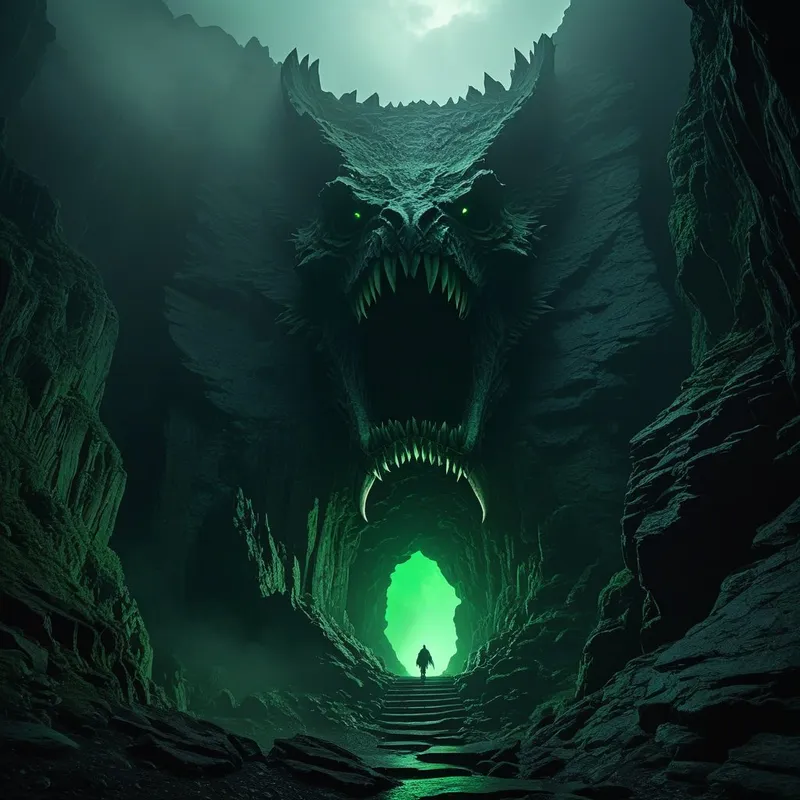
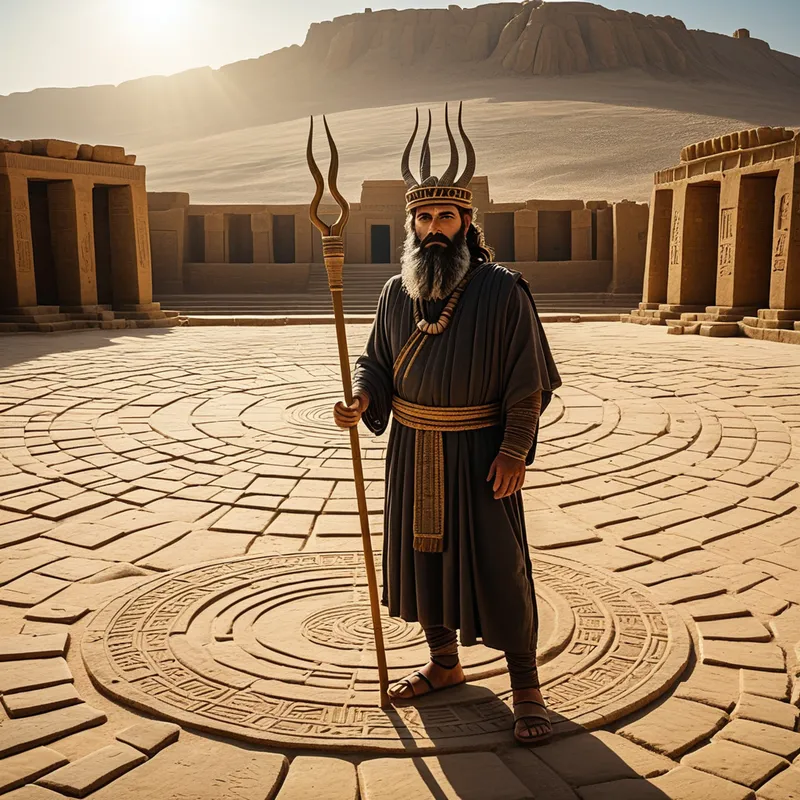
This internal drama echoes in the myth of the Minotaur in the Labyrinth. The labyrinth is not just a prison; it is a civilization of sorts—a perfectly engineered, impenetrable structure built by the master architect Daedalus to contain a monstrous truth (the shadow born of broken sovereignty). The hero Theseus must enter not to destroy the entire city, but to navigate its logic, confront what it hides, and re-emerge with a new understanding. The civilization-dream is your labyrinth. The monster is not an external beast, but a foundational, untamed aspect of your own nature that the current "civilized" order within you has deemed unacceptable and locked away. The dream is the thread of Ariadne—a somatic feeling, a symbolic image—guiding you to the center of your own constructed maze for a transformative encounter.
Symbolic Nodes
- Cities & Ruins: The current state of your psychic structure—thriving, decaying, overcrowded, or abandoned.
- Grids, Maps, & Blueprints: The conscious plans, rules, and cognitive frameworks that organize your life.
- Infrastructure (Bridges, Roads, Power Lines): The connections (or disconnections) between different parts of yourself, and the flow (or blockage) of vital energy (libido, creativity, emotion).
- Towers & Monuments: Lofty ideals, ambitions, or rigid identifications that may elevate you but also isolate you from the grounded, human parts of your being.
- Crowds & Masses: The collective forces within—the voices of expectation, tradition, or the many sub-personalities vying for attention.
Archetypal Resonance
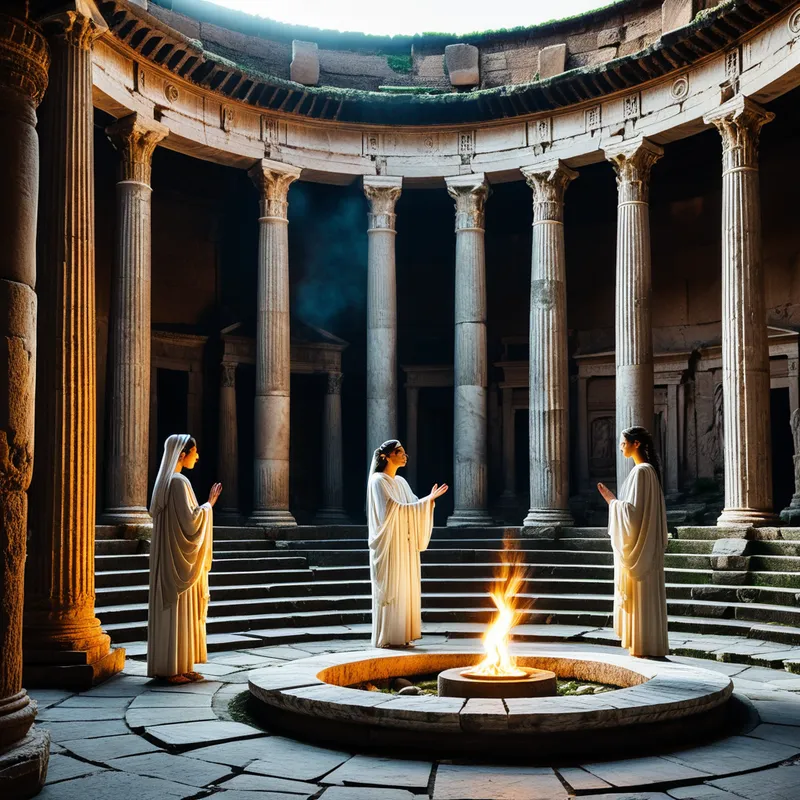
The energy at the core of the civilization dream is most potently that of The Ruler Archetype. This is not about political power, but the innate human drive for inner order, responsibility, and self-governance. The somatic echo—the weight of bearing or the vertigo of collapse—is the Ruler’s burden: the profound responsibility for the state of one's own kingdom. The alchemical potential lies in the transformation from the Shadow Ruler—the inner tyrant that enforces control through rigidity, fears chaos, and exiles dissenting emotions—into the integrated Sovereign. The Sovereign Ruler does not dominate the inner landscape but administers it with justice, creates structures that allow for both order and wildness, and ultimately takes responsibility for the wellbeing of the entire, complex realm of the Self.
The Alchemical Process
The transmutation here is the alchemy of Structure. The prima materia is the raw, often chaotic, experience of your inner life. The intense heat and pressure are provided by the conscious confrontation with your own internal governance—feeling the suffocation of outdated rules, the grief for exiled parts, the terror of the unknown that comes with dismantling a familiar, even if painful, order. The nigredo is the dream of ruin, the feeling of systemic failure. The albedo is the clear-eyed audit: mapping the inner city without judgment. The citrinitas is the vision of a new, more authentic order. The final rubedo is not the creation of a perfect, static utopia within, but the attainment of Sovereign Fluidity—the capacity to consciously, compassionately, and creatively reorganize your internal structures in response to the evolving truth of your soul, holding order and chaos in a dynamic, generative tension.

The Integration Protocol
Question 1: When you feel the "weight of civilization" in your body, what specific rule, expectation, or internal protocol feels most burdensome? Name it not as an idea, but as a physical law in your inner world.
Question 2: If your psyche were a city, which district is most glorified and well-maintained (e.g., the District of Achievement), and which is walled off, neglected, or in ruins (e.g., the Quarter of Spontaneity or the Grief Marshes)?
Question 3: What one "law" in your inner kingdom could you temporarily suspend, not to create chaos, but to observe what natural, organic impulse or truth tries to emerge in its absence?
Action 1 (Somatic Cartography): When you feel the structural pressure, stop. Place your hands on a wall or the solid ground. Feel its real, external structure. Then, turn your awareness inward and ask: "What internal wall am I leaning against, or what ground feels like it's giving way?" Do not analyze; just feel the metaphor in your body for 60 seconds.
Action 2 (Unstructured Blueprint): Take a large sheet of paper. Without planning, let your hand draw the map of your inner civilization. Let lines become roads, shapes become districts, scribbles become wild lands. Use no words. Let the map draw itself. Where is the center? Where are the barriers? Where is the light?
Action 3 (Ritual of Decommissioning): Identify one small, concrete "piece of infrastructure" in your life that represents an outdated inner rule (e.g., a rigid daily checklist, a social media habit that fuels comparison). Perform a simple, deliberate ritual to "decommission" it for a week. State your intention aloud as you consciously stop the activity. Notice what feelings, thoughts, or new impulses use the freed-up psychic bandwidth.
Final Validation
It is a terrifying and lonely responsibility to be the architect of your own soul's civilization, to feel the cracks in foundations you did not consciously lay. The dream of ruin is not a sign of failure, but a sign of profound sensitivity—you are feeling the tremors of growth that must, by necessity, break old forms. You are not collapsing. You are being asked to become a different kind of builder. The sovereignty offered is not over others, but over the very materials of your being: the right to design, with increasing consciousness and compassion, a world within that can finally, authentically, call you home.