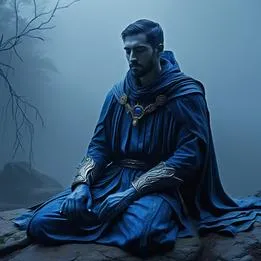
Hero
The Oracle's Essence
A hero embodies strength, courage, and the ability to overcome significant challenges.
Interpretive Themes
✧ Archetypal Essence
Hero
Dominant Influence ( 85%)
The Hero archetype embodies the journey of overcoming challenges to achieve transformation and integration.
The Light
The Hero archetype embodies the journey of overcoming challenges to achieve transformation and integration.
The Shadow
The Hero archetype embodies the journey of overcoming challenges to achieve transformation and integration.
Modern Visibility
In contemporary society, the concept of a hero can also relate to personal milestones and everyday acts of bravery.
◈ Mythological Resonance
Heracles Myth Meaning & Symbolism
Greek traditionThe demigod who completed twelve seemingly impossible labors, transforming his tragic flaws into legendary strength through disciplined effort.
Gilgamesh Myth Meaning & Symbolism
Mesopotamian traditionThe king who journeyed to the ends of the earth seeking immortality, only to return transformed by the wisdom of mortality and friendship.
Vimānas Myth Meaning & Symbolism
Hindu traditionEmbodied by Lord Rama, representing the conscious ego that engages with conflict to restore dharma and rightful relationship to the divine vehicle (the Self).
Aliguyon Myth Meaning & Symbolism
Filipino traditionAliguyon embodies the hero who evolves beyond mere physical conquest to achieve the greater victory of psychological integration and social harmony.
Alyosha Popovich Myth Meaning & Symbolism
Slavic traditionIn Alyosha, the Hero archetype is redefined; his heroism lies in cunning and intellectual victory, proving that the mantle can be worn by the clever as well as the strong.
Aji Saka Myth Meaning & Symbolism
Indonesian traditionThe conscious ego that ventures into chaos to establish order and meaning, embodying the will to transform both the world and the self.
Aipaloovik Evil Sea Spirit Myth Meaning & Symbolism
Inuit traditionThe angakkuq embodies the Hero archetype, not through physical combat, but through the supreme courage required to face a metaphysical enemy with spiritual tools.
Amarok the Wolf Spirit Myth Meaning & Symbolism
Inuit traditionThe boy embodies the hero archetype not through slaying a monster, but through having the courage to face the majestic source of his own fear and lack, and to be changed by it.
Ariun Gal Sacred Fire Myth Meaning & Symbolism
Mongolian traditionThe archetypal force that undertakes the impossible journey for the sake of the community, modeling the ego's necessary but ultimately sacrificial role in the process of individuation.
Asha and Druj Myth Meaning & Symbolism
Persian traditionThe archetype embodied by every individual who consciously engages in the inner struggle, choosing to confront their inner Druj and labor to build their inner Asha.
Aukele the Daring One Myth Meaning & Symbolism
Hawaiian traditionAukele himself, embodying the archetype that answers the call to venture into the unknown for a boon that serves something greater than the self.
Bernardo Carpio Myth Meaning & Symbolism
Filipino traditionBernardo embodies the hero archetype not through active conquest, but through infinite endurance, sacrificing his freedom for the stability of the world.
Barong and Rangda Myth Meaning & Symbolism
Indonesian traditionNot as a conqueror, but as the individual or community who dares to stand in the field of tension between these two forces.
Badr Basim and the Sea Myth Meaning & Symbolism
Arabian traditionThe archetypal pattern embodied by Badr Basim, who ventures into the unknown to retrieve a treasure (integration) for the benefit of his entire being.
Bima's Journey to the Underworld Myth Meaning & Symbolism
Indonesian traditionBima embodies the hero archetype not in his external battles, but in his willingness to undertake the perilous inward journey for the sake of ultimate truth and wholeness.
Burkhan Khaldun Sacred Mountain Myth Meaning & Symbolism
Mongolian traditionNot as conqueror, but as the one who receives grace and has the humility to formally acknowledge it, binding personal destiny to a greater order.
Chinggis Khan's Origin Myth Meaning & Symbolism
Mongolian traditionThe one who is called to reunite the fragmented archetypal inheritance, endure the dissolution of the old self, and manifest the original destiny in the world.
Dewa Ruci Myth Meaning & Symbolism
Indonesian traditionBima as the archetypal seeker whose strength is tested not against external foes, but against the inner demons and illusions of the deep unconscious.
Dobrynya Nikitich and the Dragon Myth Meaning & Symbolism
Slavic traditionThe archetypal force of the ego that accepts the sacred duty to confront chaos, undergoing transformation to restore order to the inner and outer worlds.
Erra and Ishum Myth Meaning & Symbolism
Babylonian traditionIshum in his role as the courageous counselor who confronts ultimate chaos not with force, but with steadfast consciousness and ethical purpose.
Gajah Mada Myth Meaning & Symbolism
Indonesian traditionThe archetypal pattern Gajah Mada embodies, though his story subverts the simple triumph, presenting a hero whose victory is complex and stained.
Geser Khan Myth Meaning & Symbolism
Mongolian traditionThe archetypal pattern of the divine mandate incarnate, representing the ego's journey to align with the greater Self and undertake the necessary trials for wholeness.
Gayomart the First Mortal Myth Meaning & Symbolism
Persian traditionGayomart as the primordial hero whose struggle and fall establishes the pattern for human existence, facing the ultimate adversary not to win a battle, but to initiate a species.
Guaracy Sun God Brazilian Myth Meaning & Symbolism
Amazonian traditionGuaracy as the archetypal figure who answers a cosmic call, faces the ultimate sacrifice, and through his act fundamentally alters the world for all.
Hasan and Husayn at Karbala Myth Meaning & Symbolism
Islamic traditionHusayn redefines the archetype, where heroism is not measured by victory in battle, but by the unwavering stance of conscience against impossible odds.
Hushang and Fire Discovery Myth Meaning & Symbolism
Persian traditionThe archetype embodied by Hushang, representing the part of the self that ventures forth, confronts chaos, and returns with a boon for the greater community.
Hong Gildong Myth Meaning & Symbolism
Korean traditionThe archetype Gildong embodies, but in its rebel form, defined by challenging unjust authority to establish a new standard of justice and belonging.
Ibalon Myth Meaning & Symbolism
Filipino traditionThe tripartite hero (Baltog, Handiong, Bantong) models the complete arc of the individuation journey: confrontation, integration, and resolution.
Ibong Adarna Myth Meaning & Symbolism
Filipino traditionDon Juan, who embodies the archetypal process of enduring ordeal, integrating help (the hermit, Maria Blanca), and returning with the boon to restore his world.
Hou Yi the Divine Archer Myth Meaning & Symbolism
Taoist traditionHou Yi epitomizes this archetype, not in an untarnished way, but in its full tragic dimension—the one who acts for the whole and bears the personal cost of that action in solitude.
Isfandiyar the Invincible Hero Myth Meaning & Symbolism
Persian traditionThe central archetype of Isfandiyar, representing the ego's quest for perfection and glory, which ultimately becomes its own tragic trap when divorced from human vulnerability.
Kupe Discovers Aotearoa Myth Meaning & Symbolism
Maori traditionKupe as the archetypal figure who answers the call, faces the monster, and secures a new homeland for the future of the self.
Kur the Underworld Dragon Myth Meaning & Symbolism
Sumerian traditionThe archetype of Ninurta, representing the conscious will and courage required to engage with deep chaos for the sake of renewal and creation.
Labaw Donggon Myth Meaning & Symbolism
Filipino traditionThe central archetype of Labaw Donggon, representing the primal drive for glory and conquest, which must ultimately be humbled and re-contextualized to achieve true wholeness.
Lam-ang Myth Meaning & Symbolism
Filipino traditionThe conscious will and striving ego, destined for greatness but destined, too, for a humbling fall that leads to true integration.
Mithra the Sun God Myth Meaning & Symbolism
Persian traditionMithra as the archetypal figure who undertakes a necessary, world-renewing task, representing the ego's journey to confront and integrate the powerful forces of the unconscious.
Naadam Festival Origin Myth Meaning & Symbolism
Mongolian traditionThe archetypal force that confronts formlessness and, through sacred contest, establishes the rules and structures that make a coherent world and self possible.
Nezha the Child God Myth Meaning & Symbolism
Taoist traditionThe one who acts for a cause beyond personal safety, challenging monstrous injustice and in doing so, redefining the boundaries of the possible.
Nanahuatl the Humble Sun Myth Meaning & Symbolism
Aztec traditionNanahuatl embodies this archetype not through martial strength, but through the ultimate courage of self-sacrifice for the renewal of the world.
Niheu and Kana Myth Meaning & Symbolism
Hawaiian traditionEmbodied by both brothers as a dyad; the archetype is split between conscious cunning (Niheu) and unconscious, transformative power (Kana), requiring both for success.
Ninigi and the Descent from Heaven Myth Meaning & Symbolism
Shinto traditionNinigi as the divine scion who undertakes the foundational task of connecting heaven and earth, establishing a new order.
Ninurta Slaying the Asag Myth Meaning & Symbolism
Sumerian traditionNinurta is the archetypal hero who ventures into chaos on behalf of the collective, facing the ultimate danger of psychic dissolution for the sake of renewal.
Ondal and Princess Pyeonggang Myth Meaning & Symbolism
Korean traditionThe archetype realized through the myth, representing the journey from devalued potential to integrated, purposeful strength and social contribution.
Paikea and the Whale Myth Meaning & Symbolism
Maori traditionPaikea as the figure who endures the ultimate trial and, through alignment with a greater power, secures a future for his people.
Pachacuti and the Empire Myth Meaning & Symbolism
Incan traditionPachacuti as the archetypal world-transformer; the aspect of the psyche that accepts the call to total responsibility and radical change.
Popol Vuh Creation Myth Meaning & Symbolism
Mesoamerican traditionThe dual archetype of the Hero Twins, who undertake the perilous journey, face death, and transform it for the benefit of the whole world.
Poukai the Giant Bird Myth Meaning & Symbolism
Maori traditionThe conscious aspect of the self that chooses to undertake the perilous journey of confrontation, armed with strategy and sacred intent.
Rostam and Sohrab Myth Meaning & Symbolism
Persian traditionThe central archetype, here fractured into two generations, representing both the established ego’s strength and the emerging self’s idealistic power, locked in fatal conflict.
Rustam Slays the White Div Myth Meaning & Symbolism
Persian traditionRustam as the embodiment of the conscious will and courage required to undertake the perilous task of confronting the deepest aspects of the self.
Ruatapu's Flood Myth Meaning & Symbolism
Maori traditionThe conscious aspect (Kahutia-te-rangi) that undergoes a transformative ordeal, not through brute force, but through adaptive surrender to a greater power.
Shahnameh Epic Introduction Myth Meaning & Symbolism
Persian traditionFerdowsi is the archetypal Hero of culture, whose quest is not to slay a beast but to resurrect and preserve the spiritual lineage of his people.
Shaka Zulu and the Prophecy Myth Meaning & Symbolism
African traditionThe archetypal journey from rejected outcast to nation-founder, embodying the struggle to realize a destined, transformative identity against all odds.
Siduri the Alewife Myth Meaning & Symbolism
Babylonian traditionGilgamesh’s archetypal role, which is ultimately redefined by Siduri from a conqueror of death to a fully lived human life as the true heroic act.
Sinchi Roca Myth Meaning & Symbolism
Incan traditionThe initial stage of Sinchi Roca's journey, which must be completed and evolved beyond into the archetype of the Ruler for the cycle to be whole.
Sivka-Burka Myth Meaning & Symbolism
Slavic traditionThe archetype embodied through the process, not through innate strength, but through endurance, cunning, and the forging of a sacred pact.
Svyatogor Myth Meaning & Symbolism
Slavic traditionThe archetypal identity of strength and independence which, when inflated, becomes a prison from which the true Self must be liberated.
Sundiata the Lion King Myth Meaning & Symbolism
West African traditionThe archetypal pattern Sundiata fulfills, one who leaves the known world, faces ultimate trials, and returns with a boon to restore balance to their community.
Tahmuras the Demon Binder Myth Meaning & Symbolism
Persian traditionNot as a warrior of destruction, but as a sovereign of integration, whose courage lies in facing the unknown with wisdom and transformative purpose.
Tama-nui-te-ra the Great Sun Myth Meaning & Symbolism
Maori traditionEmbodied by Māui, representing the audacious aspect of the ego that confronts overwhelming archetypal powers for the benefit of the whole community.
Sundiata Keita Epic Myth Meaning & Symbolism
African traditionThe archetypal pattern Sundiata fulfills: rising from lowly or impaired beginnings, overcoming monumental trials, and achieving a victory that benefits not just himself but his entire community.
Takemikazuchi Myth Meaning & Symbolism
Shinto traditionTakemikazuchi as the archetypal agent who executes the difficult, non-negotiable task of imposing structure for a greater purpose.
The Archery Contest of the Gods Myth Meaning & Symbolism
Mongolian traditionThe archetype of the conscious ego that undertakes the supreme test, not for glory, but to fulfill a cosmic function and bring order into being.
The Bridge of Sirat Myth Meaning & Symbolism
Islamic traditionEvery soul undertaking the crossing embodies the hero archetype, facing the ultimate ordeal alone for the sake of eternal integration.
The Buryat Creation Myth Myth Meaning & Symbolism
Siberian traditionThe part of the psyche that voluntarily descends into the unknown to retrieve what is needed for growth, embodying courage and the spirit of sacrifice.
The Bull of Heaven
Babylonian traditionEmbodied by Gilgamesh, representing the conscious ego’s audacious, often hubristic, struggle to assert human will and order against overwhelming archetypal forces.
The Chi Personal Spirit Igbo Myth Meaning & Symbolism
African traditionThe archetype of the one who undertakes a difficult journey for a great goal; every individual in dialogue with their Chi is the hero of their own mythic life.
The Cosmic Battle of Light and Dark Myth Meaning & Symbolism
Persian traditionThe archetypal role of every human in the Zoroastrian worldview, a soldier in the cosmic war whose primary weapon is moral choice and righteous action.
The Death of Sundiata Myth Meaning & Symbolism
West African traditionThe archetype that completes its cycle not in endless battle, but in the conscious, willing surrender of its own title and form, achieving true immortality through dissolution into the collective.
The Div Akvan Myth Meaning & Symbolism
Persian traditionThe archetypal force, embodied by Rostam, that consciously engages with chaos, not to destroy it utterly, but to transform its relationship to the conscious world.
The Dragon King Zahhak Myth Meaning & Symbolism
Persian traditionEmbodied by Fereydun, representing the destined aspect of the Self that integrates collective will and divine guidance to restore order and justice.
The Flood Myth of Mongolia Myth Meaning & Symbolism
Mongolian traditionThe archetypal force that confronts collective catastrophe not with brute force, but through willing self-transformation for a greater whole.
The First Horse Race Myth Meaning & Symbolism
Mongolian traditionThe aspect of the psyche that answers the call to engage with the great challenge, moving from passive suffering to active, relational struggle.
The Firebird Myth Meaning & Symbolism
Slavic traditionIvan Tsarevich as the archetypal figure who answers the call to adventure, faces the shadow, and returns transformed for the benefit of his world.
The First Sunrise Myth Meaning & Symbolism
Filipino traditionApolaki perfectly embodies this archetype, undertaking a perilous journey for a boon (light) that benefits his world, transforming it forever through his courageous, self-sacrificing act.
The Flying Ship Arabian Myth Meaning & Symbolism
Arabian traditionThe humble youth who answers the call to the impossible, embodying the archetype of transformation through faith, perseverance, and integration.
The Founding of Goryeo Myth Meaning & Symbolism
Korean traditionWang Geon as the receptive vessel for the divine call, whose heroism lies not in brute force but in accepting and enacting a sacred responsibility.
The Great Khan's Golden Whip Myth Meaning & Symbolism
Mongolian traditionThe Khan in his aspect as the one who ventures into the unknown territory of the psyche to retrieve a boon for his people (the integrated self).
The Hummingbird and the Sun Myth Meaning & Symbolism
Amazonian traditionThe mythic role embodied by the hummingbird, representing the part of the psyche that answers the call to adventure against all odds for the benefit of the whole.
The Kecak Dance Origin Myth Meaning & Symbolism
Indonesian traditionRepresented by Hanuman and Rama, it is the archetypal force of devoted service, cunning strength, and righteous action that is invoked to defeat inner chaos.
The Legend of the Kiwi Bird Myth Meaning & Symbolism
Maori traditionAn unconventional hero who triumphs not through conquest, but through acceptance, humility, and steadfast service in obscurity.
The Mountain of the Magnet Myth Meaning & Symbolism
Arabian traditionThe archetypal figure who, through cunning and respect for the force, learns to navigate the peril rather than defy it, achieving wisdom through near-annihilation.
The Origin of the First Rooster Myth Meaning & Symbolism
Korean traditionThe celestial being embodies this archetype through its selfless act of descending to perform a perpetual, foundational service for humanity.
The Origin of Wrestling Myth Meaning & Symbolism
Mongolian traditionThe embodied consciousness, Bökh-Baatar, who answers the call to engage the formless giant, modeling courage and strategic intelligence.
The River God He Bo Myth Meaning & Symbolism
Taoist traditionEmbodied by Yu the Great, this archetype represents the conscious ego’s courageous journey to confront chaos and retrieve order for the benefit of the whole community (psyche).
The Snow Lion of Tibet Myth Meaning & Symbolism
Tibetan Buddhist traditionEmbodies the journey of confronting fear and transcending limitation, aligning with the Snow Lion's role as the archetypal conqueror of inner obstacles.
The Sword of Ali Myth Meaning & Symbolism
Arabian traditionAli embodies this archetype, not through seeking glory, but through his unwavering commitment to justice and his role as the divinely-supported champion.
The Tungus Flood Myth Meaning & Symbolism
Siberian traditionThe individual ego called to undertake a perilous mediation between the human realm and the overwhelming forces of the transpersonal psyche.
The Two Suns Myth Siberian Myth Meaning & Symbolism
Siberian traditionEmbodied by the shaman, who undertakes the perilous journey to confront cosmic chaos for the salvation of his people and the restoration of balance.
The White Rock of Huanacauri Myth Meaning & Symbolism
Incan traditionManco Cápac embodies this archetype not through brute strength, but through endurance, piety, and the capacity to bear the weight of a divine mandate.
The Yawari Jaguar Ritual Myth Meaning & Symbolism
Amazonian traditionYawari’s initial archetype, who must venture beyond the known village of the ego to confront a supreme challenge in service of his people.
Whakatau the Avenger Myth Meaning & Symbolism
Maori traditionWhakatau as the archetype of the individual who undertakes a necessary, terrible task to restore balance, moving from passive suffering to active, responsible agency.
Xbalanque and the Sun Myth Meaning & Symbolism
Mesoamerican traditionXbalanque as the archetypal figure who undertakes a perilous quest for the benefit of his people, facing supernatural foes and undergoing apotheosis.
Wisanggeni Myth Meaning & Symbolism
Indonesian traditionWisanggeni embodies the hero's journey in its most internalized form, battling not external monsters but the entrenched gods of the psychic establishment to claim his selfhood.
Yamantaka Myth Meaning & Symbolism
Tibetan Buddhist traditionManjushri, in his manifestation as Yamantaka, performs the ultimate heroic act: confronting the universal fear of death itself for the liberation of all beings.
Zal and the Simorgh Myth Meaning & Symbolism
Persian traditionZal becomes the hero not through conventional strength first, but through the wisdom gained in exile, returning to mediate between the divine and human worlds.
Zhar-Ptitsa Myth Meaning & Symbolism
Slavic traditionIvan Tsarevich, the archetypal figure who answers the call, faces the darkness, and is utterly transformed by the quest for the sublime.
Zmey Gorynych Myth Meaning & Symbolism
Slavic traditionThe archetypal force of the conscious ego, called to undertake a perilous journey into the unknown to confront and integrate a overwhelming shadow.
Zipacna the Mountain Maker Myth Meaning & Symbolism
Mesoamerican traditionThe archetype of the Twins, representing the conscious ego’s journey to confront and order chaotic unconscious elements for a greater purpose.
Aladdin and the Magic Lamp
Arabian traditionThe figure who journeys from a state of lack, through trials of power and loss, to a hard-won state of integrated sovereignty.
Anzu and the Tablet of Destinies
Babylonian traditionThe designated champion who ventures into the domain of usurped power to restore balance, often armed with cleverness as much as strength.
David and Goliath
Hebrew traditionThe one who answers the call to confront the collective shadow, not from a place of established power, but from a place of authentic connection and skill.
Esagila Temple of Marduk
Babylonian traditionThe archetypal figure who undertakes a great journey or task to restore order, retrieve a lost treasure, or achieve a transformative goal for themselves or their community.
General Eulji Mundeok
Korean traditionOne who defends the community through exceptional acts, not merely of strength, but of transcendent intelligence and sacrifice.
Gesar of Ling
Tibetan Buddhist traditionThe archetypal pattern of the individual who journeys into chaos to retrieve order, embodying the call to integrate the disparate parts of the self and the world.
Gilgamesh and the Bull of Heaven
Babylonian traditionThe archetypal figure who, through extraordinary action and often grievous hubris, challenges the established boundaries of the possible and redefines the relationship between the human and the divine.
High John the Conqueror
African Diaspora traditionThe archetypal force within that embarks on a difficult journey, faces trials, and returns with a boon for the self or the community.
Gilgamesh at the World's End
Babylonian traditionGilgamesh embodies the heroic archetype not in his triumph, but in his profound failure and the wisdom forged in its aftermath.
Ilya Muromets and Nightingale the Robber
Slavic traditionThe awakened individual who journeys from a state of lack or paralysis to confront and integrate the monstrous shadows that block the path to wholeness.
Inanna and the Huluppu Tree
Sumerian traditionThe archetypal figure who confronts chaos and shadow with decisive action, serving a purpose greater than himself.
Ivan Tsarevich and the Firebird
Slavic traditionThe archetypal figure, Ivan Tsarevich, who answers the call, faces supernatural trials, and returns transformed for the benefit of his world.
Marduk Slays Tiamat
Babylonian traditionThe conscious agency that ventures into the unknown or confronts a monstrous status quo to secure a boon, establish new order, or redeem a community.
Marduk Forty Nine Names
Babylonian traditionThe champion who answers the call of the terrified collective, faces the ultimate monster, and returns with the boon of a new world.
Maui Fishes Up the Islands
Hawaiian traditionThe aspect of the psyche that undertakes a seemingly impossible task for the benefit of the wider world or self.
Maui Snares the Sun
Hawaiian traditionThe figure who ventures beyond the known world to confront a supreme power, facing great risk to secure a boon for his community.
Maui Slows the Sun
Maori traditionThe archetypal figure who ventures beyond the known world to secure a boon for his community, mediating between human need and cosmic power.
Maui and Hine-nui-te-po
Maori traditionMaui as the figure of extraordinary ambition and capability, whose defining act becomes a tragic failure that establishes a law for all humanity.
Maui Fishes Up the North Island
Maori traditionThe one who ventures into the unknown on a quest that benefits the collective, facing great trials to bring back a boon for all.
Maui Lasso of the Sun
Hawaiian traditionThe figure who ventures beyond the known world to confront a overwhelming power, securing a boon for the collective.
Maui Hawaiian
Hawaiian traditionThe demigod who ventures into the unknown on behalf of his people, performing feats that redefine the world, yet who is ultimately bound by a sacred, tragic limit.
Momotaro Peach Boy
Shinto traditionThe archetypal figure who answers a call to adventure, integrates disparate allies, and returns from the realm of chaos with a restorative boon for the community.
Ngatoroirangi and the Fires of Tongariro
Maori traditionThe one who ventures into the unknown, faces dissolution, and through their extremity calls forth a divine transformation that benefits the whole world.
Quetzalcoatl and Tezcatlipoca Rivalry
Aztec traditionThe figure who engages in the great struggle, not to achieve final victory, but to navigate the tension between cosmic opposites and embody the quest for consciousness.
Rostam and the Seven Labors
Persian traditionThe archetypal figure who ventures beyond the known world into the realm of supernatural wonder, confronts and overcomes formidable forces, and returns with the power to bestow boons upon his community.
Sun Wukong the Monkey King
Taoist traditionThe one who ventures beyond the known boundary, faces transformative trials, and returns with a boon for themselves or their world.
The Ballgame of the Hero Twins
Mesoamerican traditionThe archetypal figure who ventures into the unknown to confront a profound disorder, often sacrificing the personal self for the renewal of the collective whole.
The Battle of the Mountains
Maori traditionThe archetypal figure who engages in a great struggle, not always victorious in a conventional sense, but whose journey defines and reorders their world.
The Garuda Tibetan
Tibetan Buddhist traditionThe aspect of the psyche that undertakes the perilous journey for a sacred cause, embodying courage, sacrifice, and the overcoming of immense obstacles.
The Hero Twins in Xibalba
Mesoamerican traditionThe archetypal figure who ventures into the unknown to confront a profound challenge, often achieving a victory that transforms the self and the world.
The Lotus Born Padmasambhava
Tibetan Buddhist traditionThe figure who ventures into the chaotic unknown, faces supreme challenges, and returns with a boon to transform his community or land.
The Night Journey Isra and Miraj
Islamic traditionThe archetypal figure who answers a call to adventure, traverses a threshold into the unknown, and returns transformed with a boon for their community.
The War of Ogun and Shango
Yoruba traditionThe archetypal figure who navigates great conflict, often integrating opposing forces within themselves to achieve a boon for the community.
The Winged Horse Buraq Arabian
Arabian traditionThe one who answers the call to a transformative journey, faces the unknown, and returns with a boon or wisdom for their community.
Vucub Caquix the False Sun
Mesoamerican traditionEmbodied by the Twins, the archetypal force that acts not for personal glory but to restore cosmic balance, using wit and patience to dismantle arrogant power.
Zhong Kui Demon Slayer
Taoist traditionAn archetypal figure who ventures beyond the conventional boundaries of the known world to confront great darkness, often at great personal cost, for the benefit of the community.
Cultural Lenses
European
Learn More →Ancient heroes are central figures in mythology, representing the human condition. Worship and storytelling in ancient rituals. [Greek] Heroes often engaged in epic quests reflecting societal values.
Jungian
Learn More →The hero's journey is a central archetype explored in psychoanalysis. Prominent in literature and personal development contexts. Represents the path to self-actualization.
✦ The Oracle's Prediction
You will face a significant professional challenge that, if met with courage, will lead to advancement.
A period of intense personal growth will culminate in a breakthrough of self-understanding.
Contextual Nuances
Becoming a hero in the dream
Indicates a desire to take control and positively impact one's life.
Encountering a known hero
Represents qualities you aspire to embody.
Witnessing heroic acts
May trigger reflection on personal values and aspirations.
Failing to be a hero
Indicates feelings of inadequacy or fear of failure.
Fighting alongside a hero
Symbolizes support systems in facing challenges.
Integrative Mantra
"Affirmation"
Integration Ritual
Ritual Practice
Write three challenges you currently face on separate slips of paper. Fold each and place them in a bowl of water. Light a candle and, as you remove each paper, speak aloud one quality you possess to meet that challenge. Burn the wet papers in the candle flame, watching the steam and smoke rise together.
Questions for Reflection
- "What qualities do I admire in others?"
- "How can I embrace my inner hero?"
Related Weavings
The Portal is Always Open
Every dream is a personalized dispatch from the deep. Don't let yours fade into static.
Interpret Full Dream