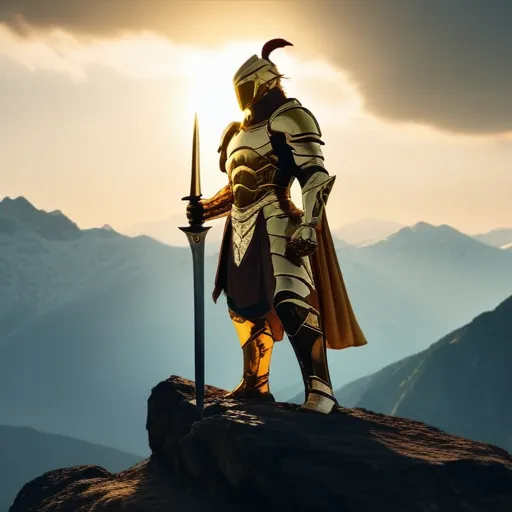
The Hero Archetype
"Where there's a will, there's a way."
Motto
"Where there's a will, there's a way."
Desire
To prove worth through courageous action.
Fear
Weakness, vulnerability, or "wimping out."
Strategy
Become as strong and competent as possible.
Shadow
The Bully, The Cruel Destroyer.
The Psychological Core & Essence
The Hero (also known as the Warrior, Crusader, Rescuer, or Superhero) is the archetype of focused energy, boundary assertion, and the overcoming of obstacles. While the Sage seeks to understand the dragon, the Hero seeks to slay it. While the Caregiver seeks to nurture the child, the Hero seeks to defend it. This archetype is the active principle of the ego, the volitional force that believes: “I exist, I matter, and I can change my reality through effort.”
The Foundational Drive: The Will to Triumph
At its core, the Hero is fueled by the desire to prove one’s worth through competence and courage. It is not enough to simply “be”; the Hero must do. This archetype is awakened by challenge. A life without struggle feels meaningless to a Hero-dominant personality; peace feels suspiciously like stagnation. They need a mountain to climb, a cause to fight for, or a record to break. Implicit in the Hero’s worldview is the belief that the world is a dangerous, chaotic place, and only the strong survive—or at least, only the strong get to determine the future.
“The cave you fear to enter holds the treasure you seek.” — Joseph Campbell
This drive manifests as discipline, grit, and a refusal to give up. When the Orphan gives up in despair, the Hero digs deeper. The Hero is the antidote to passivity and victimization. It is the psychological muscle that allows us to leave the comfort of the “Known World” (the family, the village, the status quo) and venture into the “Unknown” to bring back something of value. It is the part of you that sets the alarm for 5:00 AM, that speaks up when something is unfair, and that gets back up after being knocked down.
Childhood Development & The Origin Story: The “Protector” or “Competitor”
The Hero often originates in childhood environments where strength was rewarded or weakness was punished. The “Origin Story” of the Hero almost always begins with a rupture in safety—a realization that the parents cannot protect them (or are the source of danger), so they must protect themselves.
- The Defender: Perhaps the child had to defend themselves against a bully, or perhaps they had to “save” a fragile parent from their own addiction or depression. They learned early that “If I am strong, bad things won’t happen.”
- The Achiever: Alternatively, they may have been raised in a hyper-competitive environment where love was conditional on achievement. “If I win the trophy, Dad will be proud. If I lose, I am invisible.”
- The Body Armor: This creates a “body armor” of competence. The young Hero learns to repress fear, pain, and vulnerability, viewing them as liabilities. Tears are swallowed. Pain is ignored. The motto becomes: I don’t need anyone; I can handle it myself.
Ego, Soul, and Self Orientations: The Three Tiers of Heroism
The Hero is not static; it evolves as the individual matures.
- The Ego Hero (The Winner): Focuses on external validation and dominance. Winning the game, beating the competition, getting the promotion, having the best body. The battle is against “the other.” The goal is superiority and survival. This is the Hero of Terminator or The Wolf of Wall Street.
- The Soul Hero (The Knight): Focuses on service, duty, and honor. Fighting for a cause greater than oneself. Protecting the weak, serving the truth, defending the community. The battle is against injustice. This is the Hero of King Arthur or Wonder Woman. The goal is not to win for oneself, but to win for the tribe.
- The Self Hero (The Spiritual Warrior): Focuses on the internal battle. Conquering one’s own demons, ego, and fear. The battle is against one’s own shadow. This is the highest form of the archetype, where the sword cuts through illusion. This is the Hero of The Bhagavad Gita or the Shaolin Monk. The goal is integration and mastery of the self.
Deep Historical & Mythological Roots: The Architecture of Strength
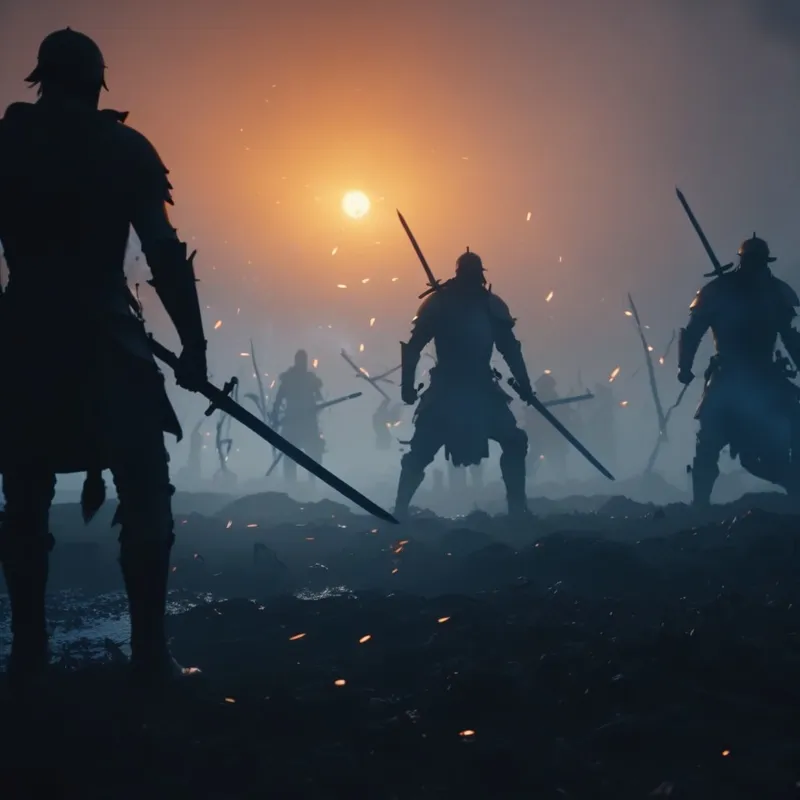
The Hero is arguably the most celebrated archetype in human history, forming the backbone of almost every culture’s greatest myths. Joseph Campbell called this structure the Monomyth or “The Hero’s Journey,” noting that the story of the hero is actually the story of the human soul’s evolution.
The Sumerian Epic: Gilgamesh and the Fear of Death
The oldest written story in human history, the Epic of Gilgamesh (c. 2100 BC), is a classic Hero’s Journey. Gilgamesh begins as an arrogant king (The Ego Hero) who bullies his people. It is only through the friendship of Enkidu and the subsequent death of his friend that Gilgamesh is propelled into his true quest: the search for immortality. He fights monsters, travels to the ends of the earth, and dives to the bottom of the ocean. In the end, he fails to achieve physical immortality but gains wisdom (The Self Hero). His journey teaches that the Hero’s greatest enemy is not external beasts, but the internal fear of death.
Greek Mythology: Hercules and the 12 Labors
Hercules is the ultimate archetype of Physical Heroism. His story is one of atonement. He performs his “12 Labors”—slaying the Nemean Lion, cleaning the Augean stables, capturing Cerberus—not for glory, but to purify himself of a past sin (the murder of his family in a fit of madness). Psychologically, this represents the idea that “Heroic Work” (discipline, service, struggle) is the way we cleanse the psyche of guilt and chaos.
- Achilles: Represents the Hero of Glory and the tragic flaw. He chooses a short life of eternal fame over a long life of obscurity. His “Heel” represents the vulnerability that even the invincible Hero feels—the one spot where the armor doesn’t cover the human soul.
- Ares vs. Athena: The Greeks distinguished between Ares (the bloodlust of war, the berserker rage) and Athena (the strategy of war, the disciplined mind). The mature Hero moves from Ares to Athena.
The Knightly Tradition: St. George and the Dragon
In the Middle Ages, the Hero transformed into the Knight. St. George slaying the Dragon is one of the most potent psychological images in the Western canon.
- The Dragon: Represents the “Devouring Mother,” the unconscious instincts, or the chaotic forces of nature that threaten to swallow the ego.
- The Princess: Represents the “Anima” or the “Soul”—the precious, feeling part of the self that is held captive by fear.
- The Spear: Represents the focused power of the conscious will. The Hero does not bargain with the Dragon; he pierces it. This symbolizes the Ego’s necessary conquest over the subconscious to establish a distinct identity.
Eastern Traditions: The Spiritual Warrior
In the Bhagavad Gita, the warrior Prince Arjuna collapses on the battlefield, paralyzed by the thought of killing his kinsmen. Lord Krishna (the Self) teaches him the path of the Spiritual Warrior. He teaches that Arjuna must fight, not out of anger or desire for victory, but because it is his Dharma (Sacred Duty). He must act without attachment to the outcome. This redefines Heroism from “Violence” to “Right action performed perfectly.” The enemy is not the other soldiers, but Arjuna’s own doubt and attachment.
Cinematic Case Studies: Mirrors of the Will
To fully grasp the nuance of the Hero, we must look at its most potent cultural reflections in cinema. These are not just “movies”; they are modern myths that teach us how to navigate the Hero’s terrain.
Maximus Decimus Meridius (Gladiator): The Stoic Hero
Maximus represents the Hero of Duty. He does not want power; he wants to go home to his harvest. However, when the Shadow Tyrant (Commodus) destroys his world, Maximus does not crumble. He descends into the underworld (slavery/gladiator pits) and rises again through pure competence.
- The Lesson: Maximus teaches us that the Hero’s power comes from discipline and service to a higher ideal (Rome/Family). His strength is not in his anger, but in his stillness. He is the “General” even when he is a slave. He shows us that you can strip a Hero of his rank, his family, and his freedom, but you cannot strip him of his will.
Neo (The Matrix): The Messiah Hero
Neo represents the transition from the Orphan (“I don’t fit in, something is wrong with the world”) to the Hero. His journey is internal. He must believe he is “The One” before he can physically defeat the Agents.
- The Lesson: The Hero’s greatest weapon is Perception. The Agents (the system) are only powerful as long as Neo plays by their rules (physics). The moment he realizes the rules are optional (wakes up), he becomes invincible. This is the Metaphysical Hero—the one who hacks reality itself through the power of belief.
Ellen Ripley (Aliens): The Primal Protector
Ripley is the ultimate example of the Maternal Hero. She is not a soldier by trade; she is a survivor. Her Heroism is triggered not by a desire for glory, but by the need to protect the child (Newt).
- The Lesson: “Get away from her, you B*tch!” This iconic line captures the essence of the Heroine. She shows that the most dangerous warrior is not the one who loves war, but the one who loves peace so much they will burn the world down to protect it. She integrates the Caregiver’s love with the Hero’s flamethrower.
The Anti-Hero: The Modern Shadow
In the 20th and 21st centuries, our trust in the “Shining Knight” has eroded. Enter the Anti-Hero.
- The Punisher / John Wick: The Hero who uses “Villainous” methods (murder, torture) for a “Just” cause. They represent our rage at a legal system that fails to protect the innocent. They do the “dirty work” the civilized world ignores.
- Walter White (Breaking Bad): The Tragic Hero. He starts with a Heroic goal (provide for his family) but gets seduced by the Shadow (Pride/Power). “I did it for me.” He shows us how the Hero’s drive for competence (“I am the best meth cook”) can devour the soul if not checked by the Heart.
Modern Manifestations: The Soldier, The Athlete, The Activist
In our contemporary world, the Hero has shapeshifted. We no longer slay literal dragons, but the energy of the Warrior is everywhere.
The First Responder (The Protector)
Firefighters, paramedics, and soldiers represent the Hero’s willingness to sacrifice personal safety for the collective good. They run toward the explosion while everyone else runs away. This is the Hero as the “Immune System” of society. Psychologically, this manifests in individuals who always volunteer to take the hardest shift or who step in to break up a fight.
The High-Performance Athlete (The Gladiator)
Major League sports are our modern Colosseum. The Athlete represents the Hero’s obsession with Mastery of the Body. The grueling training montage, the strict diet, the playing through pain—these are all rituals of the Hero. We watch sports because we want to see the human will triumph over physical limitations. We want to believe that if we work hard enough, we too can fly.
The Entrepreneur and “Hustle Culture”
The modern business world is saturated with Hero language. “Crushing it,” “Killing the competition,” “Guerrilla marketing,” “Hostile takeover.” The Entrepreneur is the Hero who sets out into the wilderness (the market) to build a Kingdom (the company) from nothing. The risk of bankruptcy is the modern equivalent of death in battle. The shadow side here is “Burnout”—the Hero who pushes so hard they collapse, forgetting that they are biological organisms, not machines.
The Social Justice Warrior (The Crusader)
The Hero archetype is deeply present in activism. The Crusader sees the world in binary terms: Oppressor vs. Oppressed. They are fighting a “Systemic Dragon.” This Hero is fueled by righteous indignation and a desire to save the victim (the marginalized). While noble, this manifestation risks falling into the “Binary Trap” where everyone who disagrees is EVIL, losing the nuance of the Sage.
Video Games: The Hero Simulator
It is no accident that the most popular video game genres (RPGs, Shooters) are Hero simulators. We are starved for the Hero’s journey in our sedentary, safe office lives. We crave the feeling of “Leveling Up,” of getting “Better Gear,” and of slaying a “Boss” that requires skill to defeat. Video games provide a safe container for the Hero energy that has nowhere to go in modern suburbia.
The Trajectory: The 12 Steps of the Hero’s Journey (Applied)
Joseph Campbell’s “Monomyth” is not just for screenwriters; it is a map for your own life crises. Here is how the Hero archetype navigates a modern challenge (e.g., Starting a Business or Quitting an Addiction).
- The Ordinary World: You are comfortable but unsatisfied. The “Status Quo.” (e.g., Sitting on the couch, working a 9-5 you hate).
- The Call to Adventure: A disruption occurs. An idea, a crisis, or an opportunity. (e.g., You get laid off, or you have a “million dollar idea”).
- Refusal of the Call: Fear sets in. “I can’t do this. It’s too risky. I’m not ready.” The “Inner Orphan” pleads for safety.
- Meeting the Mentor (The Sage): You find a guide. A book, a coach, or an older friend who gives you the “Magic Map.” (e.g., You read a book on entrepreneurship).
- Crossing the Threshold: The point of no return. You commit. (e.g., You quit your job or sign the lease). The Hero is now active.
- Tests, Allies, and Enemies: The “Training Montage.” You face initial failures. You find out who your real friends are. The “Fake Friends” (enemies) try to drag you back to the bucket.
- Approach to the Inmost Cave: The fear returns, deeper this time. You realize how hard this actually is. The “Imposter Syndrome” kicks in.
- The Ordeal (The Dragon Fight): The darkest moment. Bankruptcy, relapse, or public failure. The Ego must die here. You must decide: Do I give up, or do I change who I am to survive this?
- The Reward (Seizing the Sword): You survive the ordeal. You make the first sale. You stay sober for 30 days. You gain the “Elixir” of confidence.
- The Road Back: The danger isn’t over. You have to integrate this new “You” into the old world. People from your past might not recognize or like your new strength.
- Resurrection: The final test. One last crisis to prove you have truly changed. (e.g., A massive competitor tries to crush you). You stand firm.
- Return with the Elixir: You have succeeded. You now share your wealth/wisdom with the tribe. The Hero looks back and realizes the journey was never about the business; it was about becoming the person who could build the business.
The Archetype in the Dream World: The Call to Arms
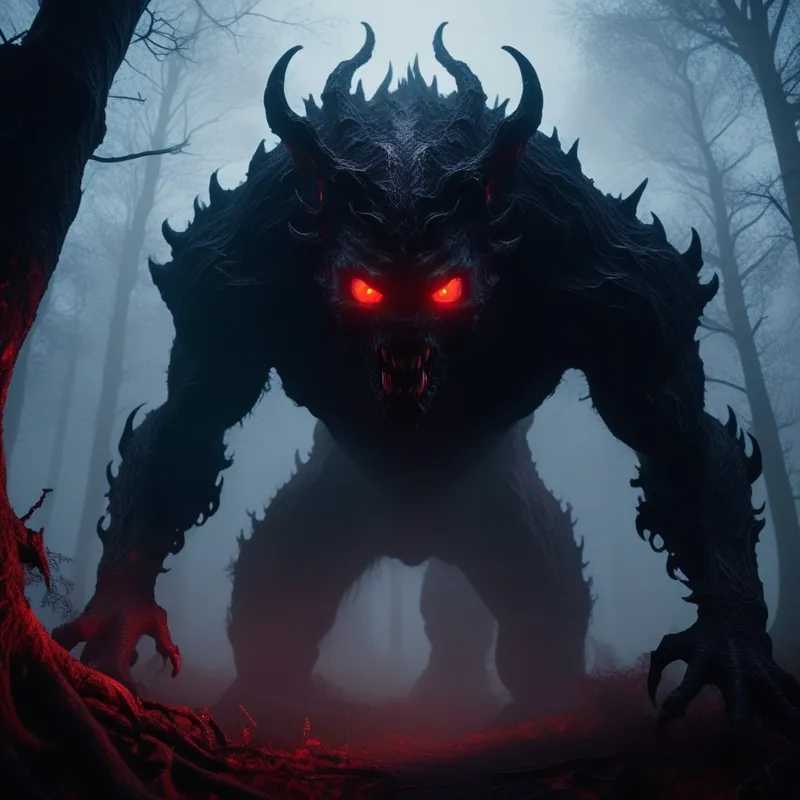
When the Hero appears in your dreams, it is a call to action. Your subconscious is yelling at you that Passivity is no longer an option. You are being summoned to take a stand.
The Conflict Dreams
- Being Chased: The most common Hero dream. If you run, you are in the “Orphan” state. The dream will recur until you stop, turn around, and face the pursuer. The moment you face the monster, it often shrinks or transforms into a harmless object. The “Monster” is simply your own un-integrated power chasing you.
- Fighting Back: If you dream of punching, kicking, or shooting an attacker, this is a sign of increasing psychological health. It means your “Boundary Function” is coming online. You are learning to say “No” to the forces (internal or external) that want to consume you.
The Weapon Symbolism
- The Sword: Represents the Intellect—sharp, cutting, dividing truth from lies. Finding a sword means you are ready to make a difficult decision (to “cut” something out of your life).
- The Shield: Represents Faith or Boundaries. The ability to deflect negativity without taking it personally.
- The Gun: Represents distant power. Dealing with a problem without getting your hands dirty? Or explosive, dangerous anger?
- The Magic Weapon: Finding a glowing object implies that your power comes from a spiritual source, not just brute force.
The Impossible Task
Dreams of climbing a vertical mountain, crossing a raging river, or carrying a heavy load are “Tests of Will.” The dream is a simulation. It is training your perseverance. If you fail in the dream, pay attention to why. Did you give up? Did you get distracted? Did you try to do it alone when you needed help?
Being Rescued vs. Rescuing
- If you are rescuing someone: You are integrating your Hero. The person you are rescuing (a child, a lover, an animal) represents the vulnerable part of yourself that you are finally taking care of.
- If you are BEING rescued: Your inner Hero is projected onto someone else. You are feeling helpless and waiting for a savior. This is a wake-up call to take back your own agency.
Archetypal Tension & Polarity: Action vs. Nurture
The Hero sits on the axis of Power and Action. Its polar opposite is The Caregiver.
- The Hero separates. It asserts “I am distinct.” It uses force to change the environment to fit the will. It thrives on conflict and challenge. Its motto is “I Will.”
- The Caregiver connects. It asserts “We are one.” It uses love to accept the environment and nurture growth. It thrives on harmony and safety. Its motto is “We Are.”
The Necessary Tension
A complete human being needs both.
- Hero without Caregiver: Becomes a ruthless tyrant, a bully, or a lonely workaholic. They can win the war but lose their marriage. They treat their children like soldiers and their body like a machine. They have no mercy, for themselves or others. They eventually shatter from brittleness.
- Caregiver without Hero: Becomes a doormat, a martyr, or an enabler. They cannot say “No.” They get burned out taking care of everyone else because they lack the “Sword” of boundaries to protect their own energy. They are “nice” but ineffectual.
The Integration: The “Warrior-Nurse” or the “Protective Parent.” This is the person who can fight fiercely to protect their family (Hero) but come home and be tender and nurturing (Caregiver). It is the ability to be “Strong enough to be gentle.”
Life Stages & Triggers: The Call to Adventure
The Hero archetype is not always active. It wakes up when specific life conditions demand it.
The Severance (Leaving Home)
The first major Heroic act is leaving the mother/father. This requires “killing” the psychological dependence on the parents. Moving out, joining the military, going to college—these are Heroic assertions of “I can survive on my own.”
The Crisis (The Dragon Appears)
“Hard times create strong men.” The Hero is often dormant in comfort. It takes a crisis—a diagnosis, a divorce, a job loss, a lawsuit—to wake the Hero up. When the status quo is shattered, the Hero steps forward and says, “I will handle this.” The “Dragon” is whatever threatens your life or lifestyle.
The Competition (The Rival)
Nothing wakes up a Hero like a nemesis. A rival at work, a competitor in sports, or even a sibling rivalry. The desire to “Be Better Than X” is a crude but effective fuel for the Hero. It forces you to polish your skills and find your edge.
The Injustice (The Call to Service)
Witnessing an act of bullying or injustice can bypass the analytical mind and trigger a visceral Heroic response. The “Mama Bear” energy is the Hero in its protective aspect.
Signs of Arrival & Waking Synchronicity
How do you know if you are currently in a Hero cycle?
Internal Shifts
- Fed Up: You reach a breaking point. “I’m not taking this anymore.” Passivity becomes intolerable.
- The Eye of the Tiger: You feel a cold, focused surge of energy. You stop complaining and start planning. You wake up early. You clean your room aggressively.
- Binary Vision: You start seeing things in black and white. “You are either with me or against me.” “Success or Failure.” This lack of nuance is necessary for mobilization (it’s hard to fight a war if you are seeing the enemy’s valid childhood trauma).
External Synchronicities
- Weaponry: You find a knife on the street. You are gifted a sword. You keep seeing images of shields or armor.
- Conflict: Suddenly, everyone wants to fight you. You get into arguments. You get sued. The universe is bringing you “Sparring Partners” to test your strength.
- Martial Arts: You feel a sudden compulsion to join a boxing gym or take Krav Maga. You want to hit something.
- Songs: You keep hearing anthems about winning, survival, or fighting. “Eye of the Tiger,” “Don’t Stop Believing,” “Titanium.”
The Shadow Side: The Destructive Destroyer
The Shadow Hero emerges when the will to power is disconnected from the heart and the conscience.
The Bully (Sadism)
The Bully uses strength to dominate the weak rather than protect them. They get a thrill from inflicting pain or fear. This is the weak ego posturing as a strong one. “Might makes right.”
The Workaholic (Masochism)
The Hero turned against the self. The Workaholic views their own body and needs as “the enemy” to be conquered. They starve themselves, sleep-deprive themselves, and work until they collapse, all to “prove” their toughness. They are running from the silence.
The Binary Thinker
Demonizing the opposition. “I am Good, they are Evil.” This justifies any atrocity. This is the Shadow of the Crusader who burns the village to save it. It leads to fanaticism, holy wars, and the inability to compromise.
The Coward (The Inverted Hero)
The refusal to fight when fighting is necessary. Passive-aggressiveness. Letting others abuse you and calling it “being nice.” This is the Hero who has thrown away their sword. The anger doesn’t go away; it turns inward as depression or leaks out as sarcasm and sabotage.
Integration & Empowerment Rituals: The Way of the Warrior
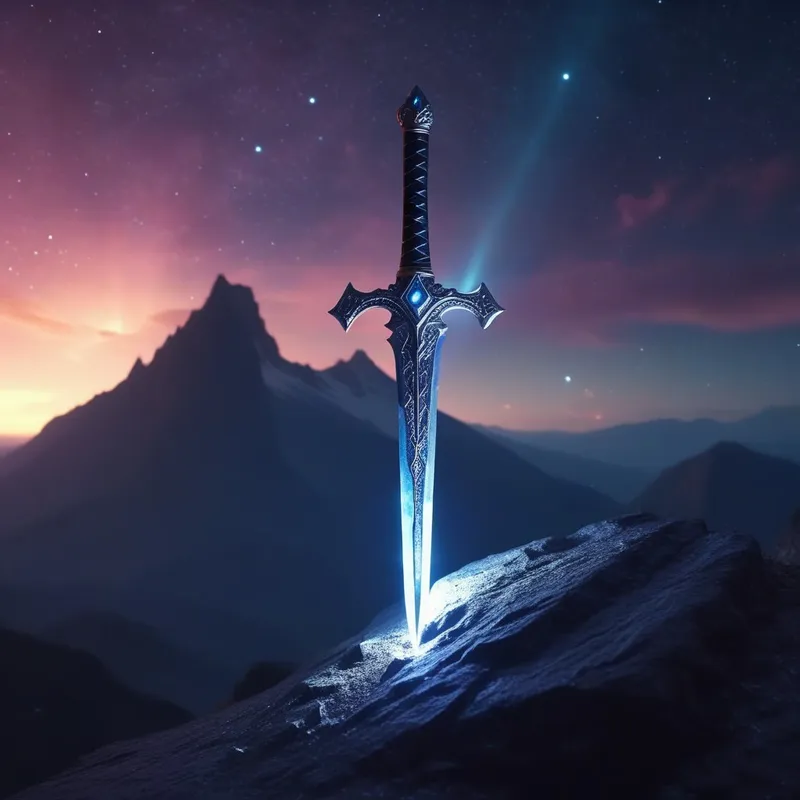
To cultivate the Hero without falling into the Shadow, one must practice conscious discipline.
Physical Discipline: “Steel the Body”
The Hero lives in the body, not the head. You cannot think your way into being a Hero; you must act your way there.
- The Ritual: Weightlifting, martial arts, or endurance running. The goal is to voluntarily encounter pain and resistance, and then push through it. When you are under a heavy barbell, you are negotiating with gravity. You are proving to your nervous system that “I can handle pressure.”
The “Cold Shower” Protocol
Do one thing every day that you do not want to do.
- The Ritual: Take a freezing cold shower. Wake up 30 minutes earlier. Clean the disgusting thing you’ve been avoiding. This trains the “Will Muscle.” It teaches the brain: “I am the master of my impulses, not the slave of them.”
Define Your Code
A Hero without a code is a mercenary. A mercenary fights for whoever pays the most (money, approval, pleasure). A Warrior fights for a principle.
- The Ritual: Write down your “Code of Honor.” What are the 3 lines you will never cross? What are the 3 things you are willing to die for (metaphorically)? e.g., “I will never lie to save face.” “I will always protect the person getting bullied.”
Shadow Boxing (Processing Rage)
Rage is the fuel of the Hero. If you suppress it, it becomes cancer. If you spray it on others, it becomes abuse.
- The Ritual: Give your “Destroyer” a safe playground. Sprint until your lungs burn. Scream into a pillow. Hit a heavy bag. Write a “Burn Letter” where you say the most hateful, violent things you are feeling, and then literally burn the paper. Honoring the rage allows it to transform into clean resolve.
The Dreamer’s Toolkit: Deepening the Inquiry
- Identify the Dragon: What is the specific fear or task in my waking life that I am avoiding? Name it. That is your Dragon.
- Evaluate Your Armor: In your life right now, are you too armored (closed off, unfeeling, rigid)? Or are you too soft (defenseless, thin-skinned)?
- Active Imagination: Close your eyes. Imagine a warrior version of yourself standing before you. What weapon are they holding? What is the look in their eyes? Ask them: “Where do you need to be applied in my life?”
- Reframing: Look at your current “Problem” and rename it a “Quest.” Look at your “Enemy” and rename them a “Guardian of the Threshold.” How does this change your emotional reaction?
- The Victory: Visualize not just the battle, but the peace after the battle. What does the Hero look like when the war is over?
Relationship Dynamics: The Hero in Love
The Knight in Shining Armor
The Hero loves to “Save” the partner. They are attracted to “Damsels” (or Dudes) in distress.
- The Trap: This creates codependency. If the Hero fixes the partner, the partner no longer needs the Hero, so the Hero (unconsciously) sabotages the partner’s healing to remain needed. Or, the Hero grows resentful of the “burden” they volunteered to carry.
- The Goal: Move from “Rescuing” to “Empowering.” Stand beside your partner facing the world, not in front of them shielding them from reality.
The Stoic Wall
The Hero often hides vulnerability to avoid looking “weak.”
- The Trap: The partner feels shut out. The Hero seems like an unfeeling statue. “I’m being strong for you!” the Hero says. “I don’t need you to be strong, I need you to be real!” the partner replies.
- The Goal: Realize that showing emotional vulnerability is a higher form of courage than physical toughness. It takes more guts to cry than to fight.
Archetypal Synergy: The Hero’s Allies
- Hero + Sage (The General): Strategic warfare. Fighting smart, not just hard. The Sage lists the options; the Hero makes the decision.
- Hero + Lover (The Paladin): The Passionate Crusader. Fighting for the heart. This softens the Hero’s edge and gives them a reason to live, not just a reason to die.
- Hero + Magician (The Innovator): Transforming reality through aggressive will and vision. “I will make this happen by pure force of mind.” (e.g., Steve Jobs).
The Neurobiology of Courage: Amygdala vs. PFC
The Hero is not someone who lacks fear; they are someone whose Prefrontal Cortex (PFC) has learned to override the Amygdala.
The “Go” Signal
When we face a threat, the Amygdala triggers the “Fight or Flight” response. The Hero is the one whose brain chooses “Fight.”
- Dopamine and Risk: Research shows that Heroes (and extreme athletes) often have a higher density of dopamine receptors. They are “Reward-Dependent.” To them, the “High” of victory is worth the “Risk” of death.
- Stress Inoculation: The Hero’s brain has been “hardened” through repeated exposure to manageable stress. This is what we call Grit. It is the physiological ability to keep the “Executive Function” (PFC) active while the body is screaming in terror.
The “Body-Mind” Loop
The Hero uses physical action to regulate their chemistry. “If I move, I am not a victim.” By assuming a “Power Pose” or taking aggressive action, the Hero forces their brain to release Testosterone and drop Cortisol. They physically change their biology through their behavior.
Global Elements: The Hero and the World
The Hero & War: The Necessary Evil
The Hero views war as the ultimate “Testing Ground.”
- The Power: Heroic societies (like Sparta or the Roman Republic) view the soldier as the highest ideal. The Hero provides the Defensive Shield that allows the Sage to study and the Creator to build.
- The Shadow: “Militarism.” When the Hero stops being a shield and starts being a spear, seeking out conflict for its own sake.
The Hero & Money: The Power to Act
To the Hero, money is Resources for the Campaign.
- The Strategy: Use capital to “scale the victory.” They don’t want money for comfort; they want money for influence. They want to “Win the Market.”
- The Wisdom: Wealth is a weapon. If a good man doesn’t have it, a bad man will.
The Hero & Death: The Good Death
The Hero is obsessed with how they will be remembered.
- The Vision: “To live forever through my deeds.” The Hero would rather die “on their feet” than live “on their knees.” They view death as the final “Obstacle” to be met with dignity.
The Hero’s Dictionary: Terms of Engagement
- Fortitude: Strength of mind that enables a person to encounter danger or bear pain or adversity with courage.
- Dharma: Right action. In many traditions, the Hero’s duty to fight is a spiritual obligation.
- Hubris: Excessive pride that leads to a Hero’s downfall. The classic “Shadow” trap.
- Stoicism: The philosophy of the Hero. Focus on what you can control (your will) and ignore what you cannot (the world).
- Agency: The belief that you are the “Author” of your life. The Hero’s primary superpower.
- Valor: Great courage in the face of danger, especially in battle.
The Modern Superhero: The Mythological Expansion
In the 20th century, the Hero grew to “Super” proportions (Superman, Batman, Captain America).
The Caped Crusader (The Shadow Hero)
Batman represents the Hero who has integrated the Shadow. He uses the symbols of fear (The Bat) to fight the forces of chaos. He is the Dark Knight—a Hero who refuses to let the “Internal Wound” (the death of his parents) turn him into a Villain.
The Man of Steel (The Divine Hero)
Superman represents the Hero as a God-like figure who chooses to be a servant. He is the ultimate “Gift” archetype. He shows us that the greatest test of Heroism is not gaining power, but Mastering it and using it for others.
Conclusion: The Final Victory
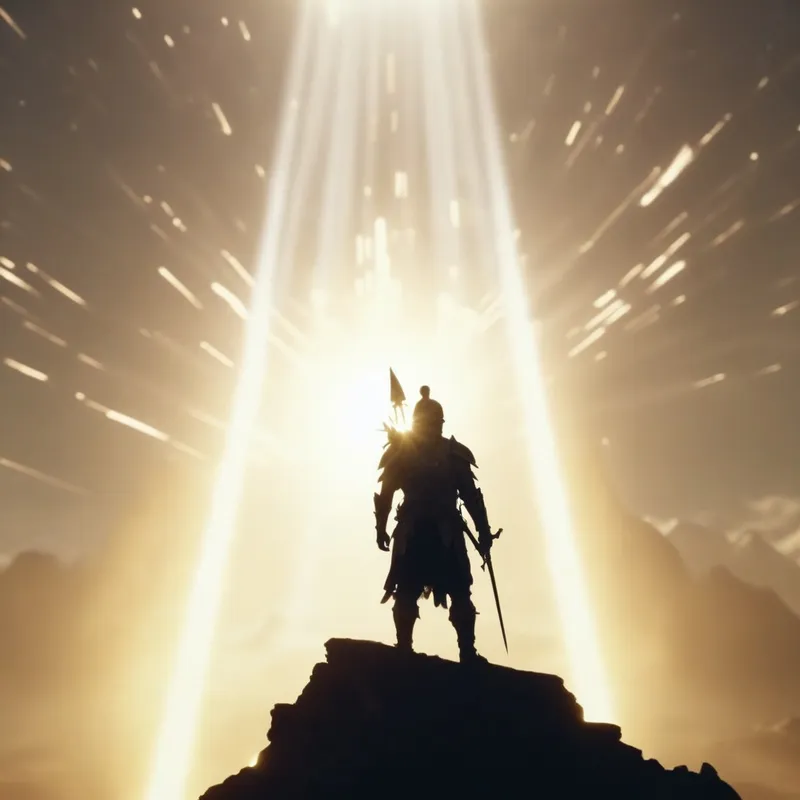
The Hero wins the kingdom. They slay the dragon. They prove to their father (and themselves) that they are worthy. They stand on the mountain peak, victorious.
But then, silence falls. The applause fades. The Hero realizes that “winning” hasn’t filled the void in their heart. The armor that saved their life is now heavy, isolating, and chafing. They are lonely. They realize that they have conquered the world, but they have no one to share it with. They begin to crave connection, peace, and rest. They are ready to lay down the sword and pick up the child. The Warrior enters the garden.
The realization that “Power is not enough” opens the gate to The Caregiver.
Mythological Resonance (673)
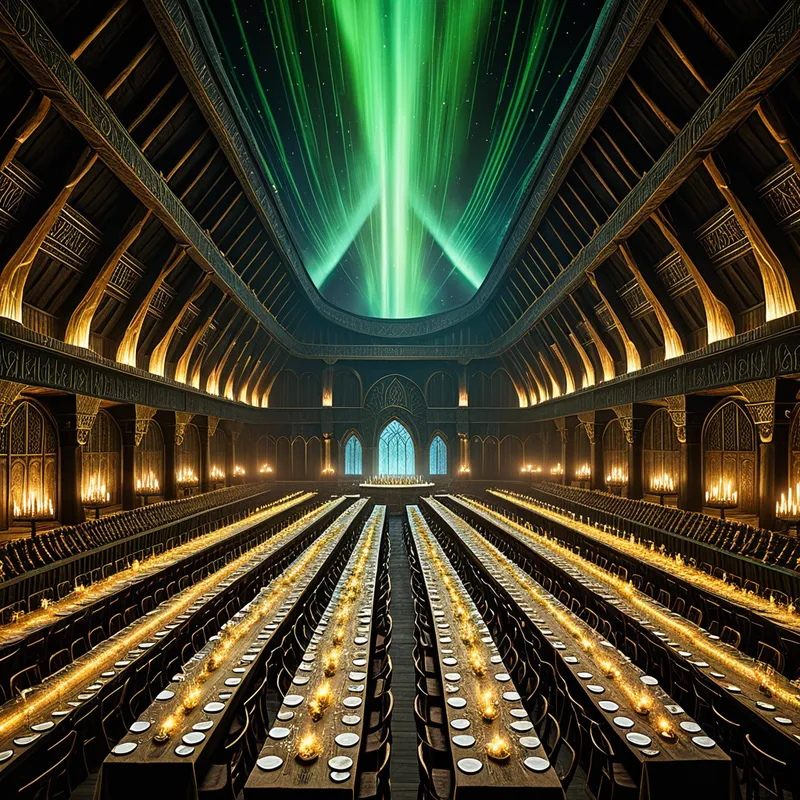
Valhalla's Feasting Hall Myth Meaning & Symbolism
The slain are chosen by Odin to feast and fight in a golden hall, preparing for the final battle at the world's end.
Read Myth →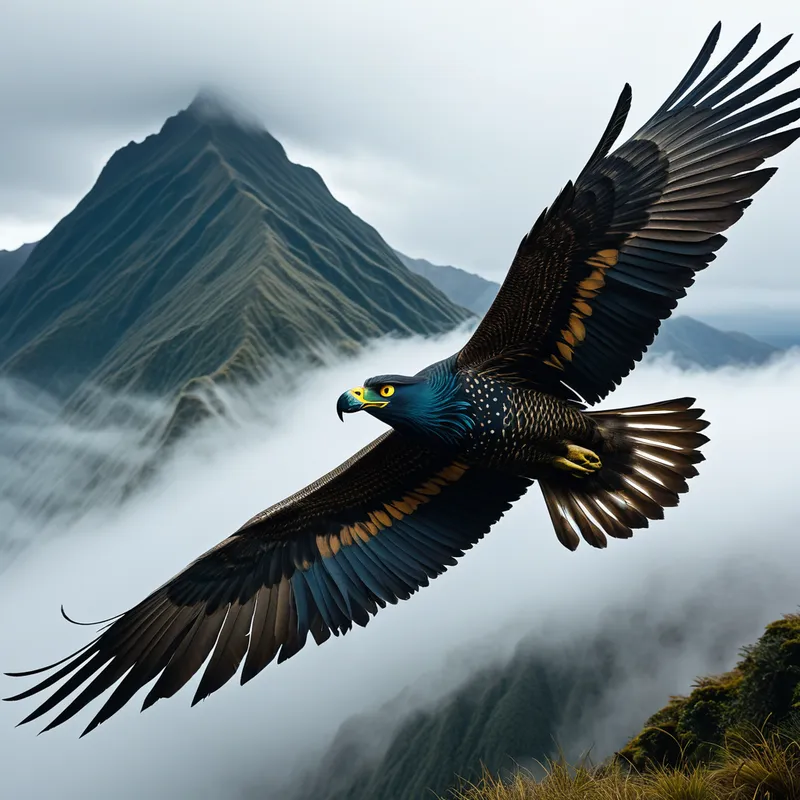
Poukai the Giant Bird Myth Meaning & Symbolism
A tale of a monstrous bird that terrorized a tribe, defeated by a hero who mastered its own power, symbolizing the conquest of inner chaos.
Read Myth →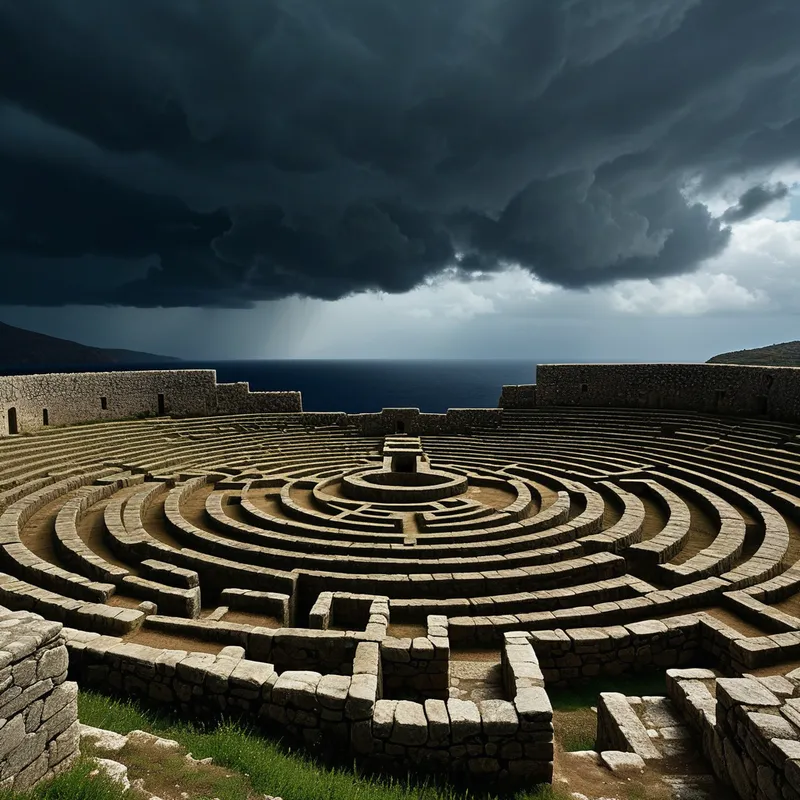
Minotaur's Labyrinth Myth Meaning & Symbolism
A king's broken oath births a monster, confined in a maze of stone. A hero enters, armed with a thread and divine aid, to face the beast and end the bloody tribute.
Read Myth →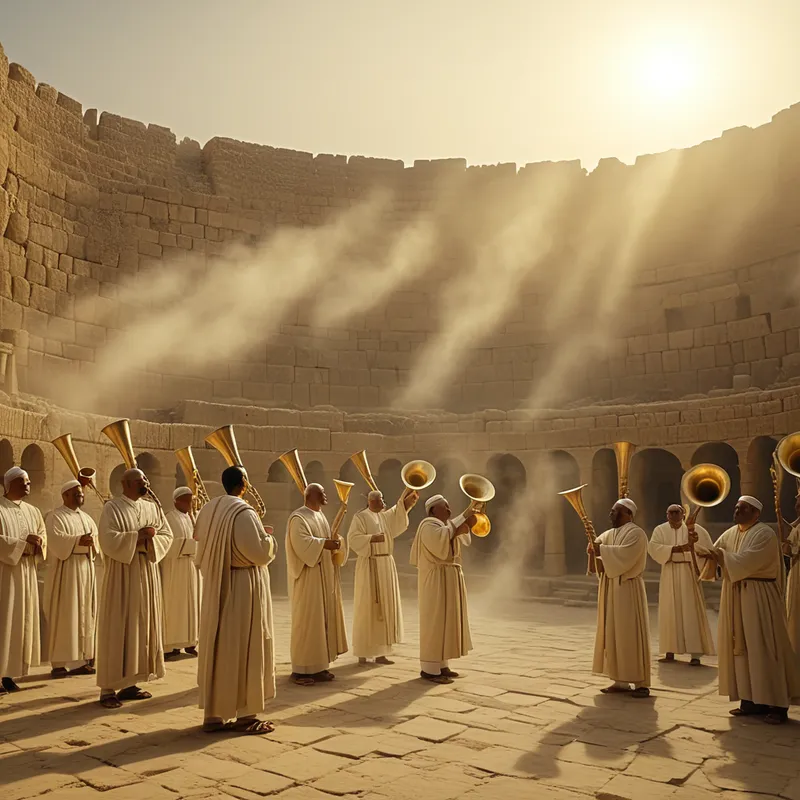
Joshua's Trumpets Myth Meaning & Symbolism
Joshua leads Israel to circle Jericho for seven days. On the seventh, their trumpets sound and the city's walls fall, a testament to faith over force.
Read Myth →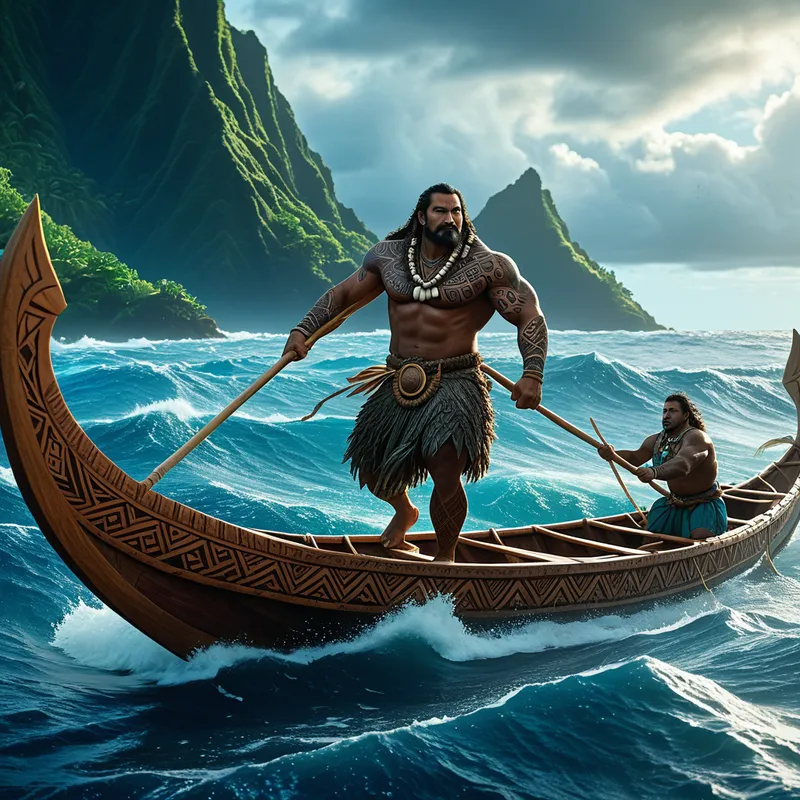
Maui's Fish Myth Meaning & Symbolism
The trickster demigod Maui uses a magical jawbone to fish the North Island of Aotearoa from the ocean depths, a tale of audacious creation.
Read Myth →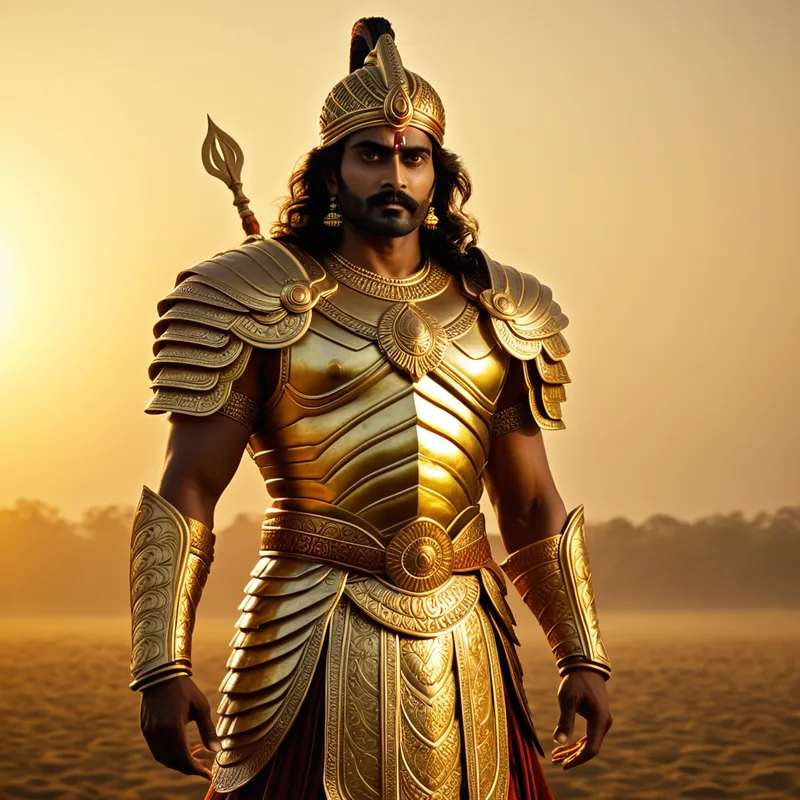
Karna Myth Meaning & Symbolism
A radiant warrior, born with divine armor, is cast into a life of obscurity, forever bound by a loyalty that leads to his tragic, glorious end.
Read Myth →No myths match your search.
Showing 6 of 673
Discover Your Own Archetype
Take our comprehensive assessment to reveal the dominant and shadow archetypes governing your subconscious.
Start Free Assessment