The Somatic Echo of Tradition
Before the mind can name it, the body knows. The dream of Tradition announces itself not as a thought, but as a weight. It is a deep, gravitational pull in the solar plexus, a density that feels both ancient and personal. It can manifest as the stiffening of the spine, a rigidity that whispers of postures inherited but not chosen. Or it might be a hollow ache in the chest, the ghost of an empty ritual, a form followed long after its spirit has fled. This is the somatic echo—the body’s memory of patterns, rules, and rhythms that were installed in us before we had a language to question them. It is the architecture of the past, built into our very bones and breath.
The Dreamer's Log
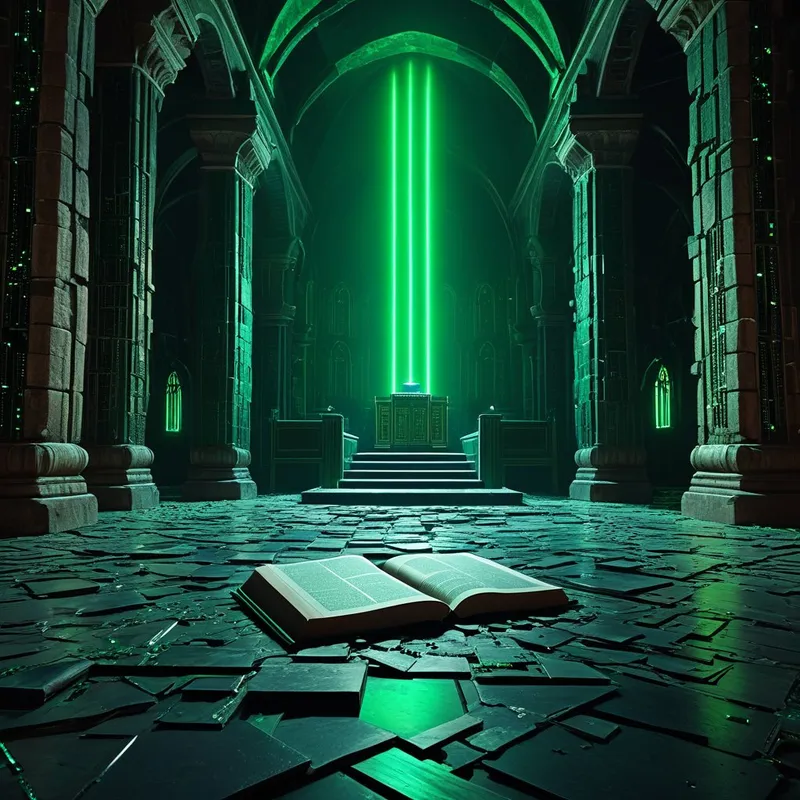
I am in a vast, silent library that is also a cathedral. The shelves are stone, the books bound in leather and iron. I am compelled to copy a text from a massive, illuminated tome onto a blank, modern tablet. But my stylus writes in a language I don’t understand, and the ink bleeds through the tablet’s glass, staining my hands with symbols that feel both sacred and imprisoning.
Alchemical Interpretation: The dreamer is caught in the act of transcribing an inherited script into a contemporary vessel, revealing a psyche grappling with the translation—or betrayal—of a legacy it can no longer read but feels obligated to carry.
The False Lead
This is not a dream about simple nostalgia or a desire to “go back.” That is a surface tremor. The deep quake of a Tradition dream is not a yearning for the past, but a confrontation with the living past—the parts of our internal family system that operate on autopilot, governed by unexamined laws. It is not about rejecting your heritage in a fit of adolescent rebellion, nor is it about blindly upholding it in a posture of fearful loyalty. The false lead is to mistake the structure for the substance, the ritual for the meaning, the map for the territory. This dream points to a necessary, often terrifying, audit of the psychic software you’ve been running.
Psychological Architecture: The Shadow Council
Within each of us sits a silent council. These are not mere memories, but active sub-personalities—the Internal Family Systems we might call the Ancestral Voices, the Keepers of the Way, the Unquestioned Rules. Their original function was protection, cohesion, survival. “This is how we have always done it,” they intone, “and it has kept us safe.” In dreams of Tradition, this council is being summoned to the stand. The Shadow work here is the profound and lonely task of differentiation: separating your own voice from the chorus, your own desire from the mandate, your own truth from the doctrine.
This is the core of Individuation in this realm. It is not a destruction of the old council, but a restructuring of its authority. You must look each Voice in the eye and ask: “Do you serve my life, or does my life serve you?” The grief that arises is not for the tradition itself, but for the self that was shaped—and sometimes confined—within its walls. The terror is the vertigo of freedom, the sheer silence that follows when the inherited instructions finally go quiet.
Mythic Resonance
We see this eternal process in the myth of Ariadne and the Labyrinth. The labyrinth is the ultimate symbol of a complex, inherited tradition—a designed, inescapable system built by a past authority (Daedalus for Minos). To be born into it is to be born into its confusing, monstrous logic. The hero Theseus represents the conscious ego seeking to slay the inner monster (the Minotaur, the devouring, unconscious aspect of the legacy). But it is Ariadne, the king’s daughter, who provides the thread. She is the part of the tradition itself that knows its own flaw, its own exit. She is the thread of consciousness, the innovative insight born from within the system that allows one to navigate it, conquer its shadow, and ultimately leave it transformed. The dream of Tradition is the dream of finding your Ariadne’s thread.
Symbolic Nodes
- Ancient Books/Scrolls: Unquestioned laws, encoded wisdom, or dogma.
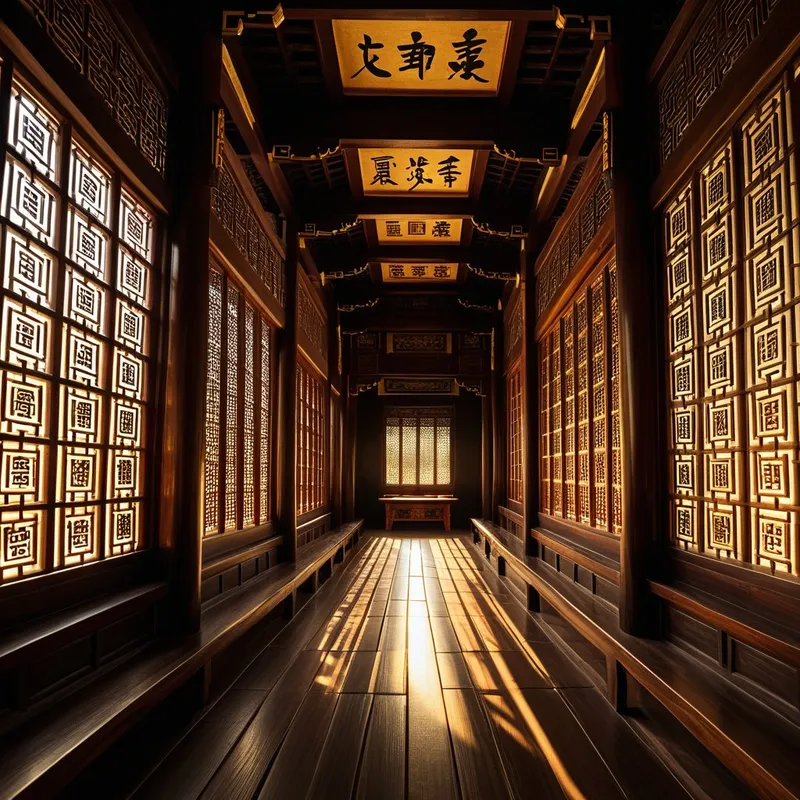
- Empty Ritual Spaces (altars, temples, courtrooms): The form of a practice whose living meaning has departed.
- Heirlooms that are Broken or Heavy: Inherited gifts that have become burdens or obligations.
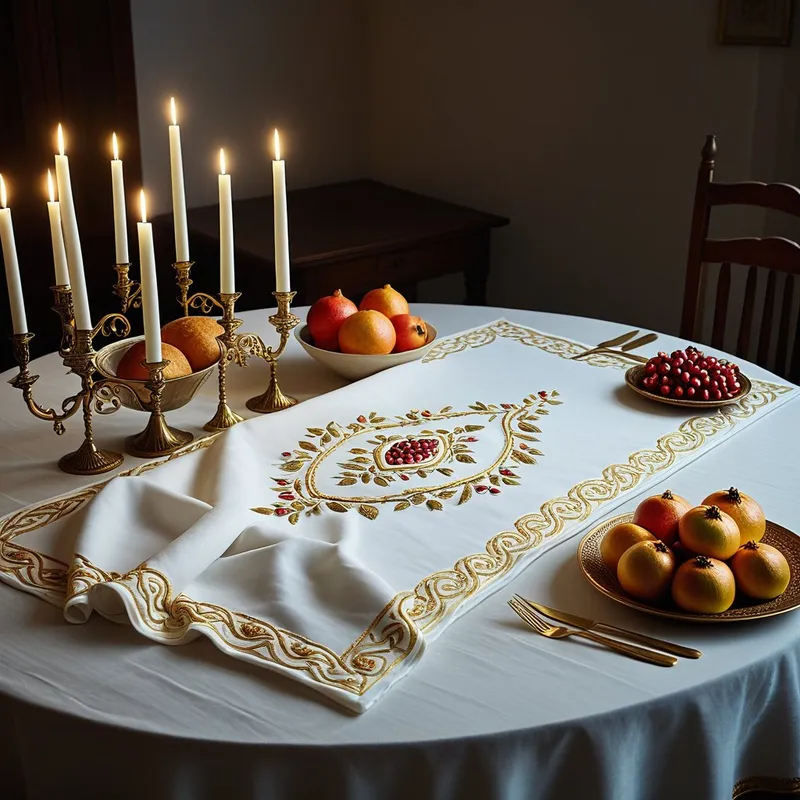
- Family Tables that Stretch Endlessly: The weight of collective expectation and role-playing.
- A Language You Cannot Speak but Must Recite: The feeling of performing an identity that is not authentically your own.
- Frozen or Petrified Gardens: Traditions that have ceased to grow and now only preserve.
Archetypal Resonance
The dream of Tradition most powerfully resonates with The Ruler Archetype and its shadow counterpart. The Ruler’s core energy is about establishing order, creating structure, and stewarding a legacy. In its mature form, it builds a stable, just internal kingdom. But in its Shadow Ruler manifestation, it becomes the internal tyrant, the control-freak enslaved by its own laws, demanding loyalty to a system that may no longer serve life. The somatic echo of rigidity and weight is the body feeling the rule of this Shadow Ruler. The alchemical potential lies in dethroning the tyrant so the true Sovereign can emerge—the one who has the authority to examine, amend, and consciously choose which laws will govern the inner realm, transforming blind obedience into wise stewardship.
The Alchemical Process: The Sacred Audit
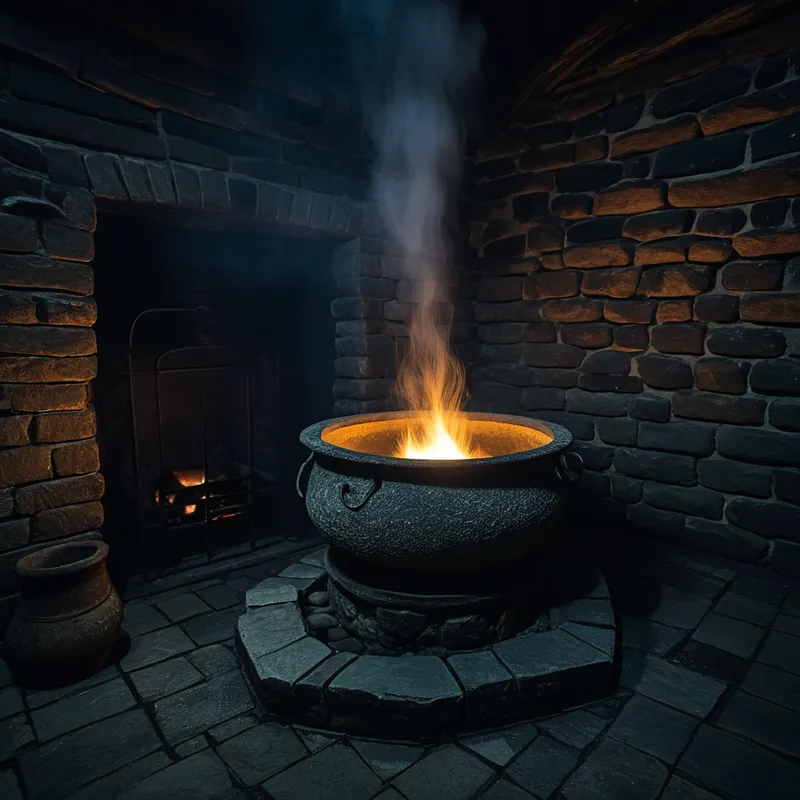
The transmutation here is from Inherited Law to Personal Sovereignty. The required heat is the intense, uncomfortable pressure of conscious examination—the “Sacred Audit.” You must place every inherited belief, every automatic behavior, every familial “should” into the crucible of your present, lived experience. The fuel for this fire is often righteous anger or profound grief: anger at the constraints, grief for the self that was not permitted.
The alchemy occurs in the moment you realize a tradition is not a monolith, but a collection of individual choices, now fossilized. You apply the heat of your own questioning: “Does this ritual still connect me to meaning, or only to memory?” “Does this rule protect my vitality, or merely the stability of a ghost?” The pressure separates the gold—the timeless, life-affirming essence—from the dross of empty habit and fear-based control. What emerges is not a rebel without a cause, but a sovereign with a consciously crafted constitution.

The Integration Protocol
Question 1: In the dream, where did you feel compulsion versus choice? Locate that sensation in your waking body when you enact a "traditional" behavior.
Question 2: If the tradition in your dream were a person, what is the one question they would be most afraid of you asking?
Question 3: What tiny, beautiful, or useful thing would be lost if you fully released this internal structure? Can you preserve that essence in a new, personal form?
Action 1 (Somatic Grounding): When you feel the "weight" of an inherited expectation, stop. Place both feet firmly on the ground. Breathe deeply into your belly, and on each exhale, imagine roots growing from your feet, not into your family's past soil, but into the bedrock of your present moment.
Action 2 (Creative Re-authoring): Take a central symbol from your dream (the book, the table, the heirloom). Draw or paint it, but alter one fundamental element. Change its material, its size, its context. As you create, ask yourself: "What law am I amending with this stroke?"
Action 3 (Ritual of Conscious Choice): Choose one small, daily tradition you perform unthinkingly (how you make your tea, the route you walk, a nightly routine). For one week, perform it with absolute, exaggerated mindfulness. Then, on the seventh day, consciously change one element of it. Observe the internal reactions—the voices that protest or applaud.
Final Validation
To dream of Tradition is to be called to a work that is both sacred and deeply unsettling. It asks you to become an archaeologist of your own soul, sifting through layers of inherited blueprint. This is not disloyalty; it is the highest form of respect—to take a legacy so seriously that you ensure its living spirit, not its dead form, continues. The difficulty is real, for you are not just changing your mind; you are re-negotiating your place in the tapestry of time itself. But in that re-negotiation, you stop being a footnote in someone else's story and begin authoring a lineage that is authentically, courageously, your own.