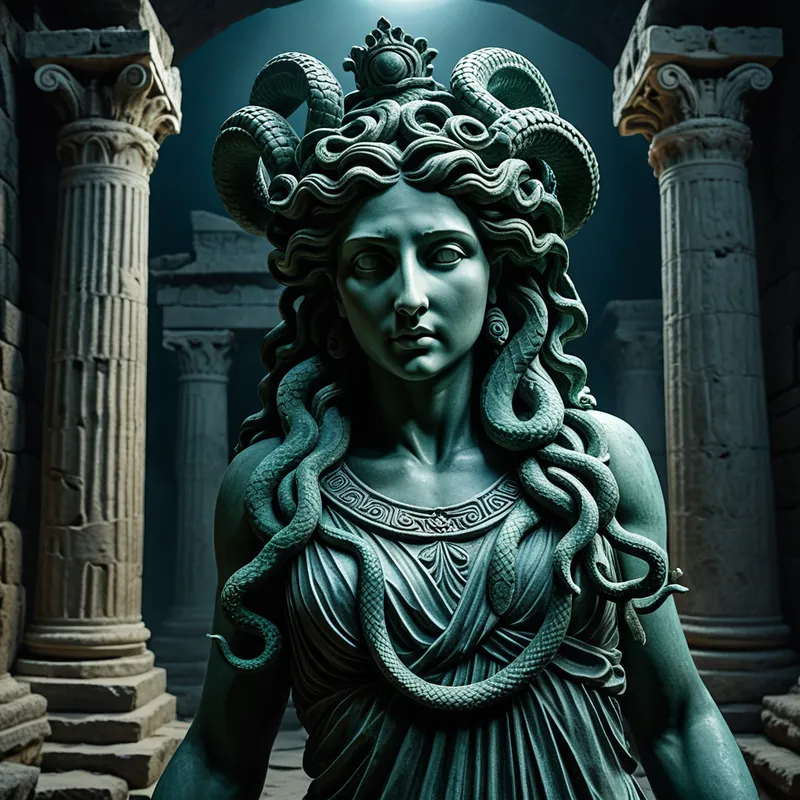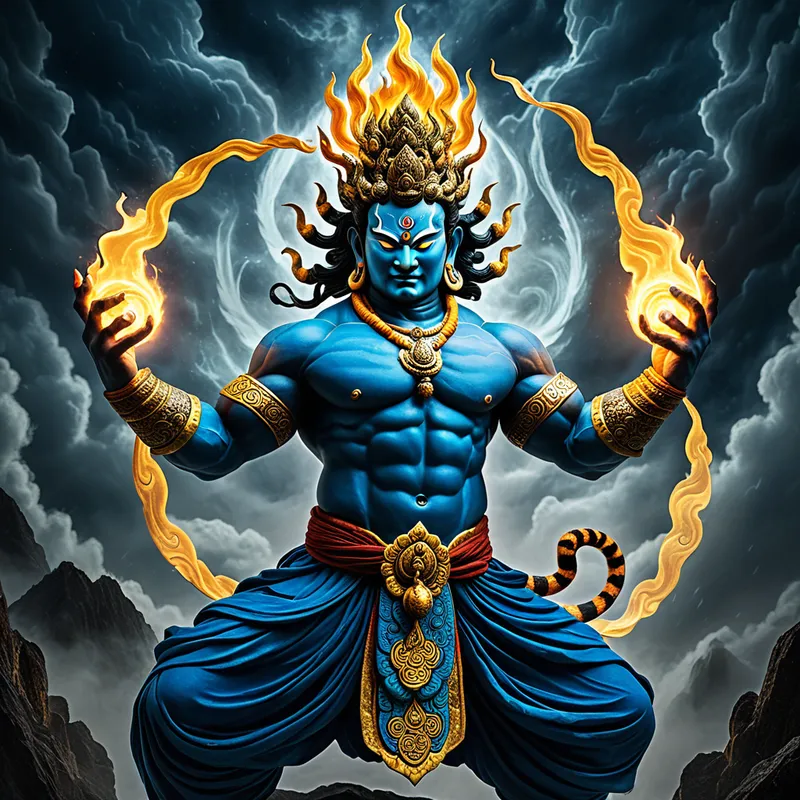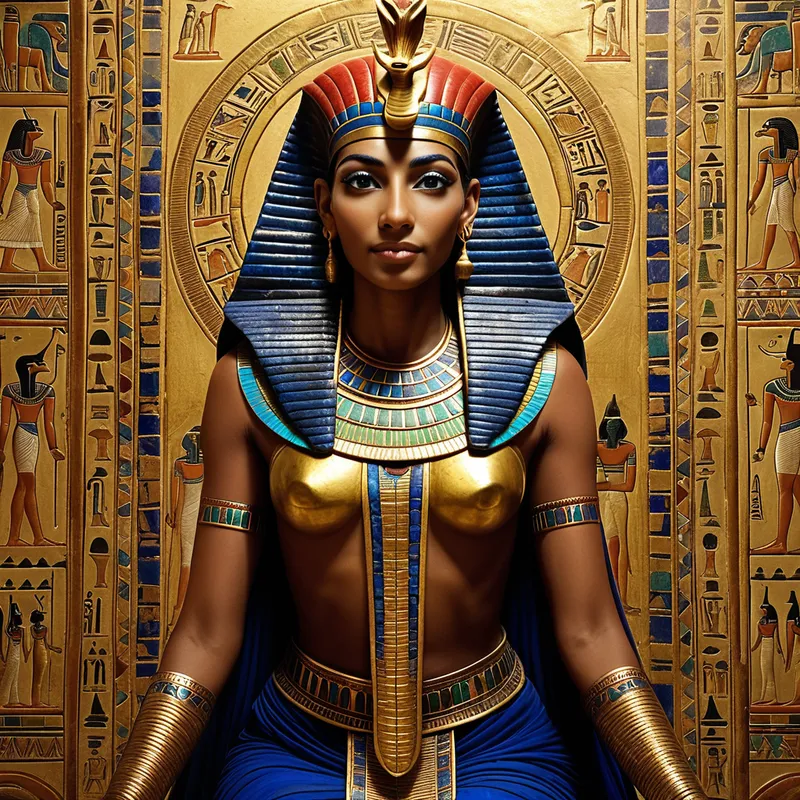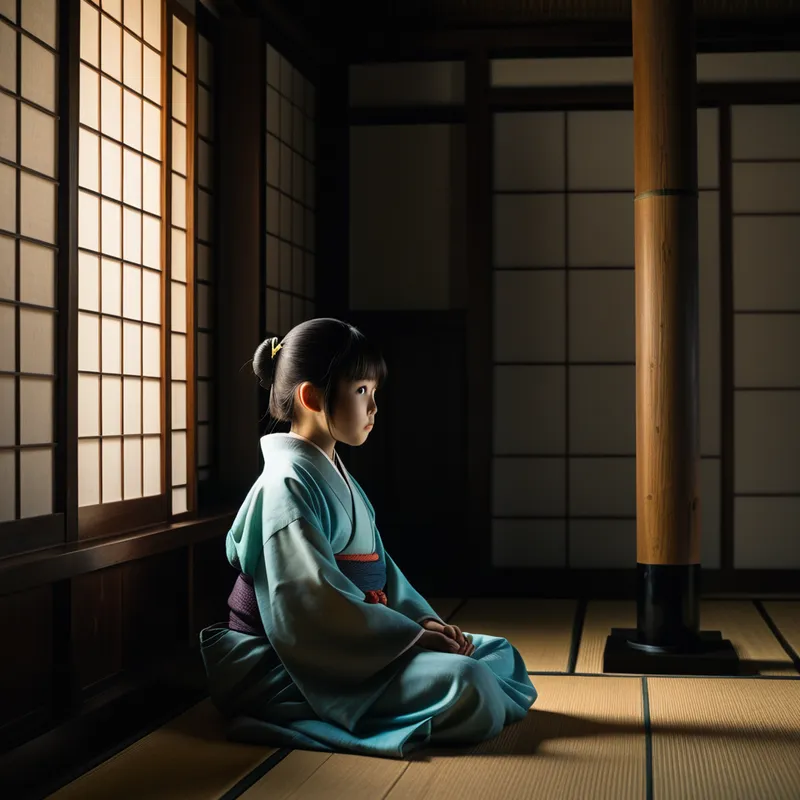
The Somatic Echo
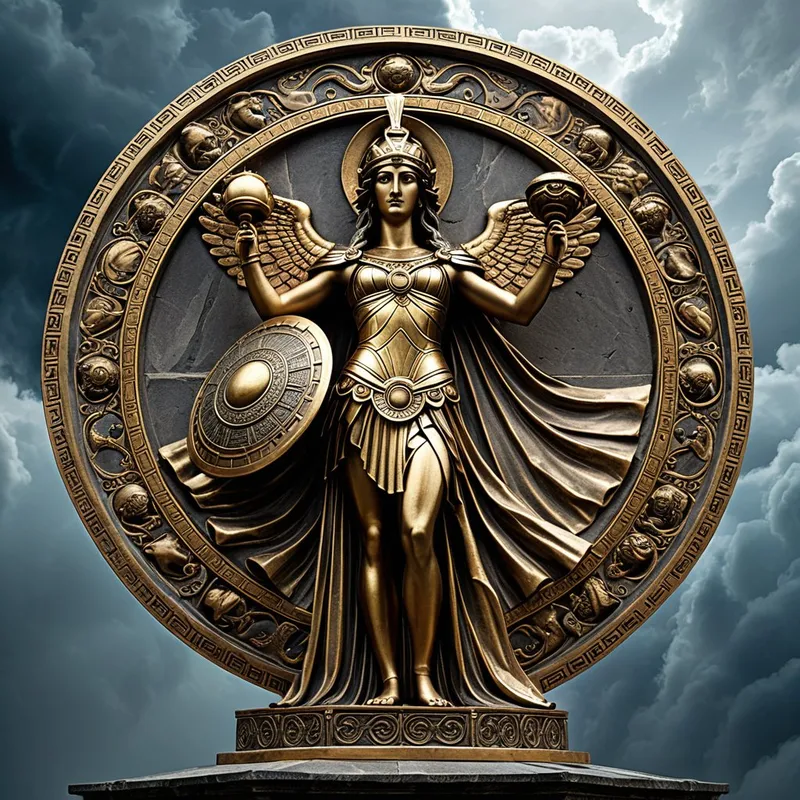
Before the image of a wall, a shield, or a locked door forms in the mind, the body knows the theme of Protection. It is a low hum in the solar plexus, a subtle clenching of the jaw that has become so familiar it feels like silence. It is the sensation of the shoulders rolling forward, not in defeat, but in a practiced, ancient contraction—a living carapace. The breath becomes shallow, held in the upper chest, as if the lungs themselves are fortresses under siege. This is not the adrenaline spike of fear, but the deep, tectonic pressure of a system perpetually braced for impact. It is the somatic signature of a psyche that has learned, through a thousand small fractures, that the world is a thing from which one must be kept separate to remain whole. The dream begins here, in this silent, muscular prayer for safety.
The Dreamer's Log
The dreamer finds themselves in a cavernous, abandoned data-center. Rows of monolithic black servers hum with a low, anxious frequency. Their task is clear: they must find and activate the "primary firewall," but the central terminal is locked behind a series of ever-shifting, translucent barriers that repel touch with a soft, electric sting. The more they try to force their way through, the more the barriers multiply, until they are encased in a silent, shimmering cage of their own making.
This is the alchemy of Protection inverted: the defense system, meant to guard the core, has become the very architecture of the prison.

The False Lead
Protection is not merely the dream of building a higher wall. To interpret it as a simple instruction to "guard yourself better" is to mistake the symptom for the cure. The dream is not endorsing your fortifications; it is conducting a structural audit of them. It asks not if you are protected, but what you are protecting, and at what cost to the territory of your own soul. A dream of a crumbling wall is not a prophecy of impending attack, but a revelation of a boundary that has outlived its purpose, one that now blocks the light as effectively as it once blocked the storm. The theme critiques the isolation inherent in absolute safety, pointing toward a more profound security found not in impermeability, but in resilient, conscious connection.
Psychological Architecture
Beneath the dream of shields and walls lies the Shadow work of the interior citadel. We each house an internal family—exiles holding old wounds, managers who run the defenses, firefighters who numb the breach. The dream of Protection is often the cry of an exiled part, one that experienced a fundamental failure of safety, now held in a vault deep within. The psyche's architecture then builds outward from this vault: layers of personality designed to ensure that particular wound is never touched again. The Manager becomes the ever-vigilant sentry; the Firefighter becomes the moat of distraction or dissociation.
Individuation here is the perilous, compassionate journey into that inner vault. It is not to demolish the walls, but to sit with the exile in its darkness, to finally provide the presence that was missing. This is the alchemical dissolution: the rigid boundary, once charged with keeping pain out, begins to soften as it is repurposed to hold pain within—with love, not fear. The fortress transforms into a sanctuary. The wall, no longer needed to define "me" against "not-me," can become a membrane—a site of conscious exchange where sovereignty is maintained not by brute force, but by the clarity of choice.
Mythic Resonance
Consider the myth of the Gordian Knot. A complex, impenetrable tangle bound the yoke of an ancient chariot, with an oracle declaring that whoever could undo it would rule all of Asia. Many tried and failed, meticulously picking at its endless loops. The knot was the ultimate symbol of defensive complexity, a problem designed to be unsolvable through conventional means of unpicking and analysis—the very methods of the overcautious protector. Alexander, confronted with it, did not seek to understand its every twist. He drew his sword and cut through it. His action was not one of brute destruction, but of transcendent re-framing. He refused to be bound by the rules of the puzzle as presented. The dream of Protection often presents us with our own Gordian Knots: intricate, lifelong defensive patterns. The myth whispers that true sovereignty sometimes requires the courage to sever, not just to shore up; to redefine the problem of safety entirely.
Symbolic Nodes
- Walls, Shields, Armor: The classic imagery of boundary and barrier.
- Locks, Keys, Passcodes: Mechanisms of controlled access and secrecy.
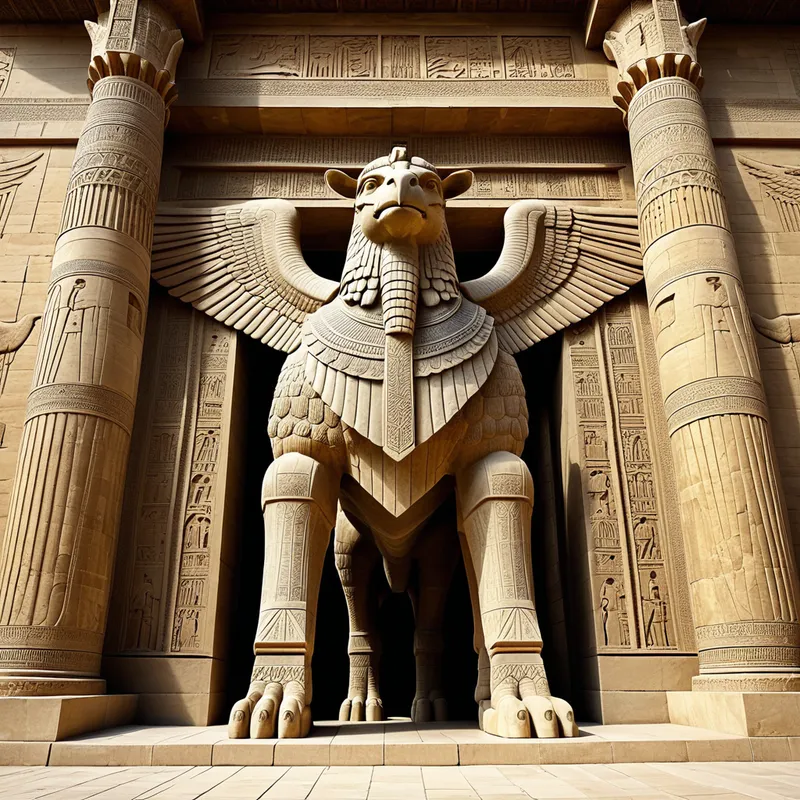
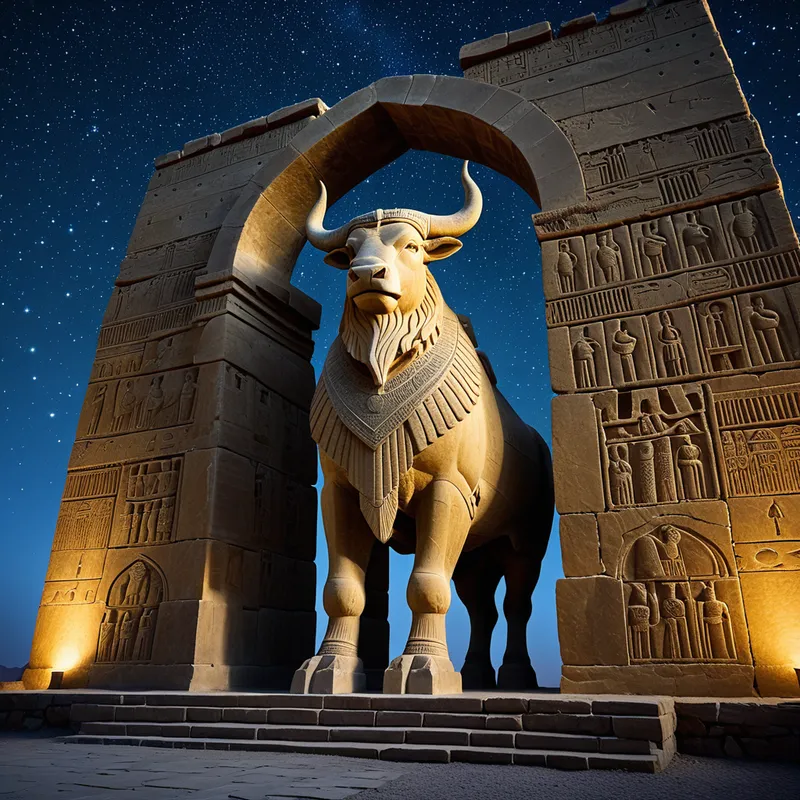
- Guardians (Animals, People, Automatons): The externalized protectors of the psyche.
- Fortresses, Safe Rooms, Bunkers: The architecture of retreat and isolation.
- Force Fields, Energy Barriers: More subtle, energetic boundaries.
- Cocoons, Eggs, Wombs: Protective containers for transformation and gestation.
- Bubbles, Domes: Boundaries that are transparent yet separating.
- Mazes, Labyrinths: Defensive structures that confuse and delay.
Archetypal Resonance
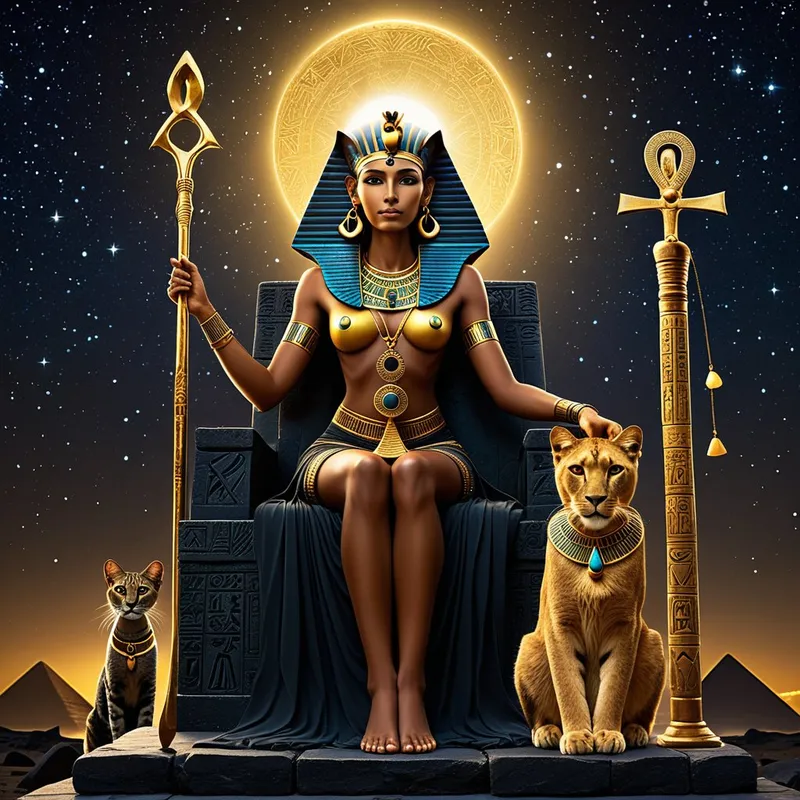
The energy at the core of the Protection theme is that of The Caregiver Archetype. Its impulse is to nurture, to safeguard, to hold space for vulnerability. In its mature form, it creates a sanctuary where growth can occur. In the somatic echo of bracing and clenching, we feel the shadow of this archetype at work: the Shadow Caregiver, manifesting as the Martyr or the Smotherer. This shadow does not protect to foster life, but to control it; its safety is a cage lined with the velvet of concern. The dream presents the architecture of this shadow—the walls that smother, the locks that isolate. The alchemical potential lies in submitting this shadow to the heat of conscious awareness, transforming its frantic, controlling energy into the grounded, compassionate presence of the true Caregiver. This is the shift from building a bunker to tending a garden, where protection becomes the creation of conditions for thriving, not just surviving.
The Alchemical Process
The transmutation of Protection is one of the most intense psychological fires. The prima materia is the terror of the original wound and the grief for a world perceived as fundamentally unsafe. The alchemical heat is applied through a conscious, voluntary vulnerability—leaning into the very slight tremble in the hands, allowing a trusted other to see behind a usually guarded facade, or simply sitting in meditation with the raw, exiled feeling without immediately building a story or a defense around it.
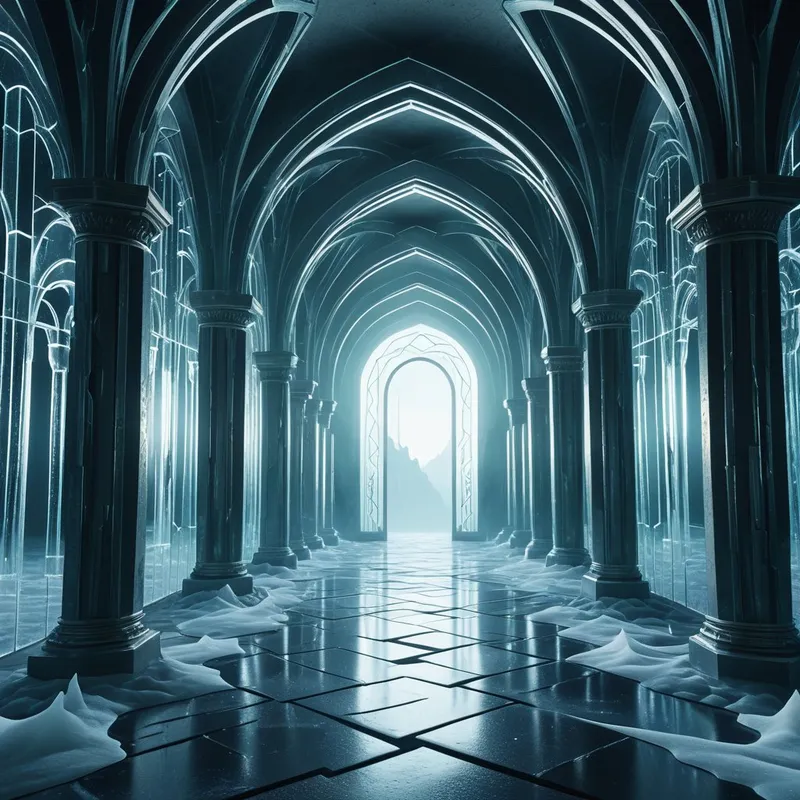
This heat feels like dying. It is the dissolution of a known identity—the "I who am safe because I am separate." Under this pressure, the rigid, crystalline structures of the old defenses begin to crack and soften. They do not vanish; they change state. The wall of "never again" becomes the resilient membrane of "I can handle this." The moat of isolation becomes a flowing river of connection with clear banks. The locked vault becomes a well-lit inner chamber. The sovereign self that emerges is not a harder self, but a more fluid, adaptive, and ultimately unassailable one. Its protection is inherent in its capacity to feel, to integrate, and to choose its engagements from a center of gravity, not from a posture of fear.
The Integration Protocol
Question 1: In my waking life, where do I feel the most visceral, bodily sense of being "braced" or "on guard"? What tiny, daily stimulus triggers this ancient posture?
Question 2: If my dream's protective structure (the wall, the shield, the lock) could speak, what would its primary mission be? What is it so desperately trying to keep in, or keep out?
Question 3: What one small, beautiful, or vulnerable thing inside me might be worth all this formidable architecture? Can I sense the exiled part that the fortress was built to protect?
Action 1 (Somatic Unbracing): For five minutes, sit or stand quietly. Scan your body for the signature of protection—the clenched jaw, the raised shoulders, the hardened belly. Breathe into those spaces not to force relaxation, but to offer acknowledgment. Whisper internally, "I feel you holding. Thank you. You can stand down now." Notice any subtle shift.
Action 2 (Mapping the Fortress): Take a large piece of paper and draw, not a scene, but a schematic of your dream's protective architecture. Use abstract shapes: lines for walls, circles for safe zones, jagged marks for threats. Label the components with feelings, not just names ("The Wall of Resentment," "The Moat of Busyness"). This externalizes the internal system.
Action 3 (Ritual of Permeability): Find a small, natural object—a stone, a leaf, a feather. Hold it and imbue it with the energy of one old, rigid boundary you wish to soften. Then, go to a threshold—a doorway, a garden gate, the shore of a body of water. Consciously state your intent to transform defense into discernment. Leave the object there, or if at water's edge, let it go, symbolizing the release of that static structure back into the flow.
Final Validation
To dream of Protection is to feel the immense weight of the self you have had to become to survive. Honor that weight. Do not judge the fortress; it was built with the intelligence of a soul under siege. The path forward is not one of blame for the walls, but of profound gratitude for their service, coupled with the gentle, unwavering courage to begin drafting new blueprints. The most profound protection you will ever know is not the absence of threat, but the unshakable presence of a Self that can meet all things from a place of deep, fluid, and compassionate sovereignty. The sanctuary is not built around you. It is built from you.