The Inner Pilgrimage: The Alchemy of the Journey Dream
It begins not as a thought, but as a tremor in the deep tissue of being. A restlessness in the marrow. A subtle, gravitational pull from a point just behind the sternum, a psychic north star you cannot yet see. This is the somatic echo of the Journey dream—a cellular itch for motion, a pre-verbal knowing that the ground beneath your feet is no longer the ground of your becoming. It is the body’s intelligence sensing a rift between the life you are living and the life that is calling to be lived. Before there is a map, there is this magnetic ache. Before there is a destination, there is the undeniable urge to depart.
The Dreamer's Log
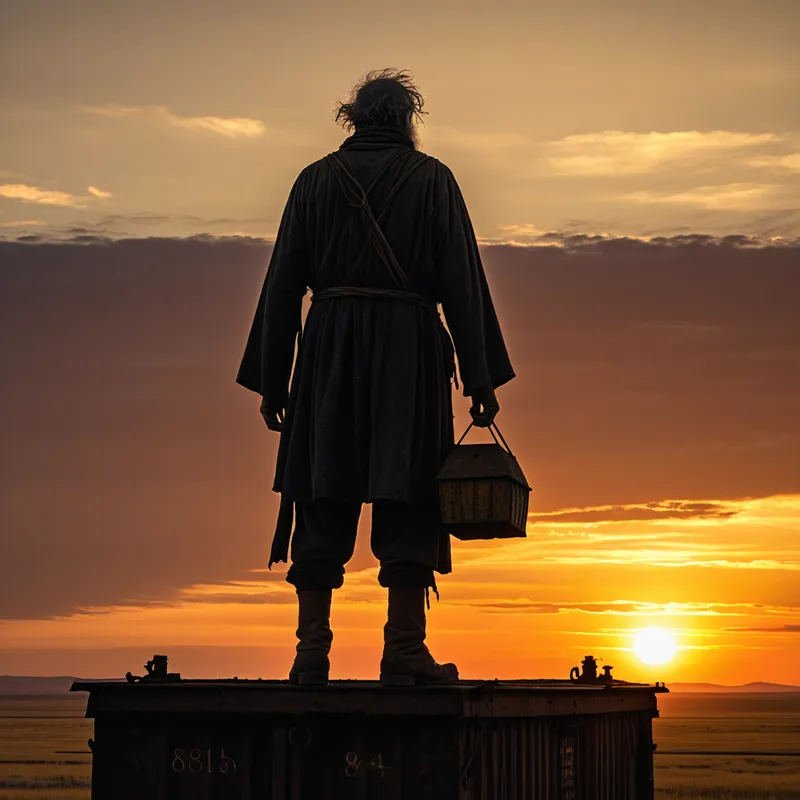
The dreamer stands on a rain-slicked city street at dusk, holding a single, worn leather suitcase that feels both impossibly heavy and utterly empty. A train whistle sounds from a station they cannot see, and the streetlights flicker on, each one casting a pool of light that seems to lead nowhere. They know they must choose a direction, but the suitcase’s clasps are fused shut, and they have forgotten what they packed.
This is the alchemy of preparation meeting paralysis: the psyche has issued the call to journey, but the conscious self has not yet consented to unpack the burdens it insists on carrying.

The False Lead
This theme is not about literal travel, a desire for escape, or a simple premonition of a life change. To mistake the Journey dream for a mere travelogue is to confuse the map with the territory. The restless feeling is not a symptom of boredom, but a signal of a profound structural shift within the internal family system. It is not about running from, but being called toward—even if that ‘toward’ is initially shrouded in the fog of the unknown. A dream of being lost is not a prophecy of failure; it is often the necessary precondition for finding a path the waking self could never have engineered.
Psychological Architecture
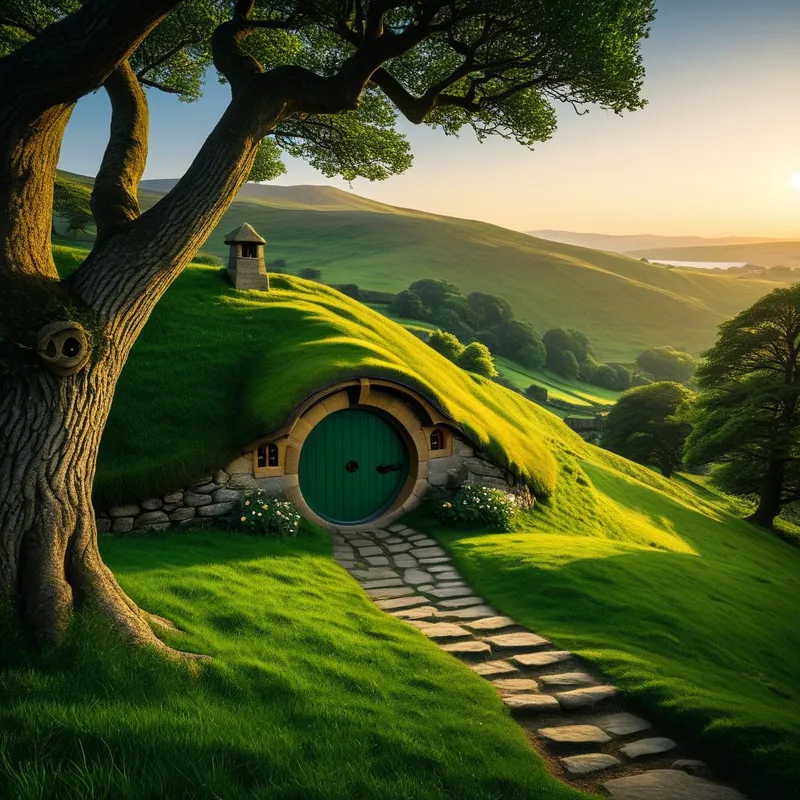
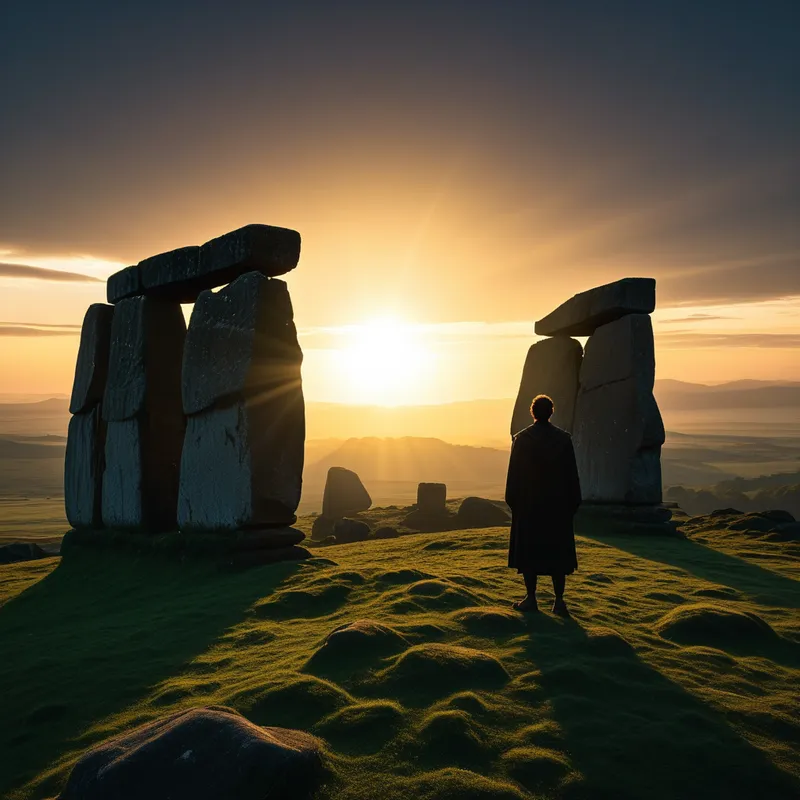
The Journey is the primary architecture of Individuation. It is Shadow work in motion. To journey in the dreamscape is to consent to leave the familiar village of the persona—the well-trodden paths of “who you are supposed to be”—and enter the wild forests of the unconscious. Here, you do not simply encounter your Shadow; you walk with it. It becomes the strange companion, the sudden storm, the blocked path, the unexpected guide. The road itself is the process of integration. Every fork represents a split-off part of the self—a disowned ambition, a buried grief, a sequestered talent. The act of walking, of continuing despite the obscurity, is the ego’s gradual surrender to a larger orchestration. You are not building a new self so much as you are uncovering the sovereign shape that has always existed beneath the accumulated sediment of expectation and trauma.
Mythic Resonance
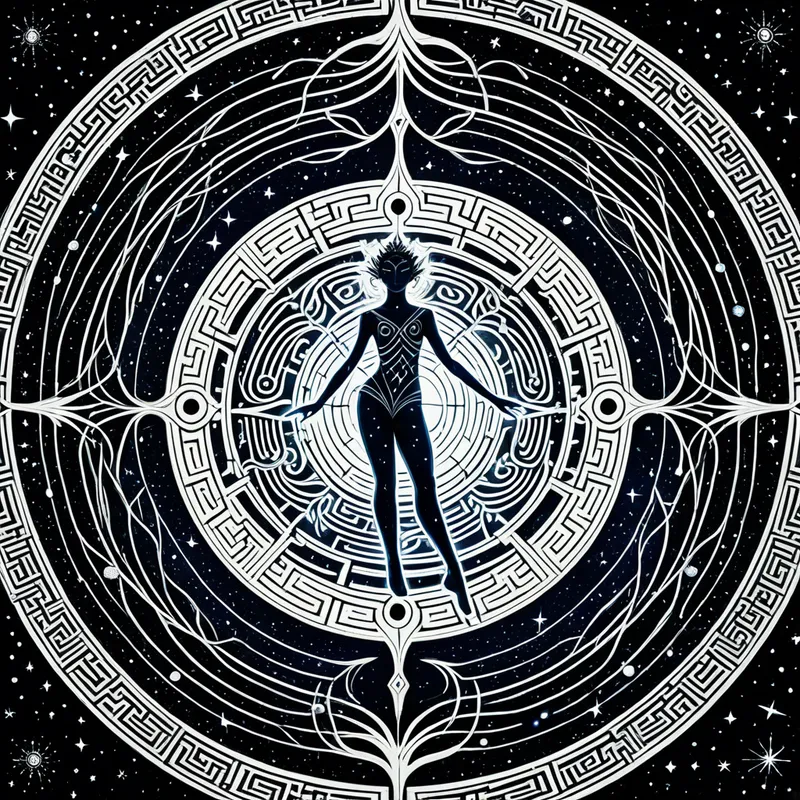
This process is our oldest story. It is the firmware of the human soul. Consider the Sumerian goddess Inanna’s descent to the underworld. Her journey was not a lateral move but a vertical plunge into the realm of her sister, Ereshkigal, the fierce queen of the dead. At each of the seven gates, she is stripped—of her crown, her jewels, her robes—until she arrives naked and bowed. This is not punishment, but the essential, brutal alchemy of the true journey: the dismantling of all identifying marks of the upper-world persona to meet the raw, foundational truth of the self. She does this not to conquer the underworld, but to witness it, and in doing so, becomes whole. Our journey dreams are personal echoes of this divine protocol: we are summoned to be stripped, to be humbled, and to return not with a trophy, but with a depth of being.
Symbolic Nodes
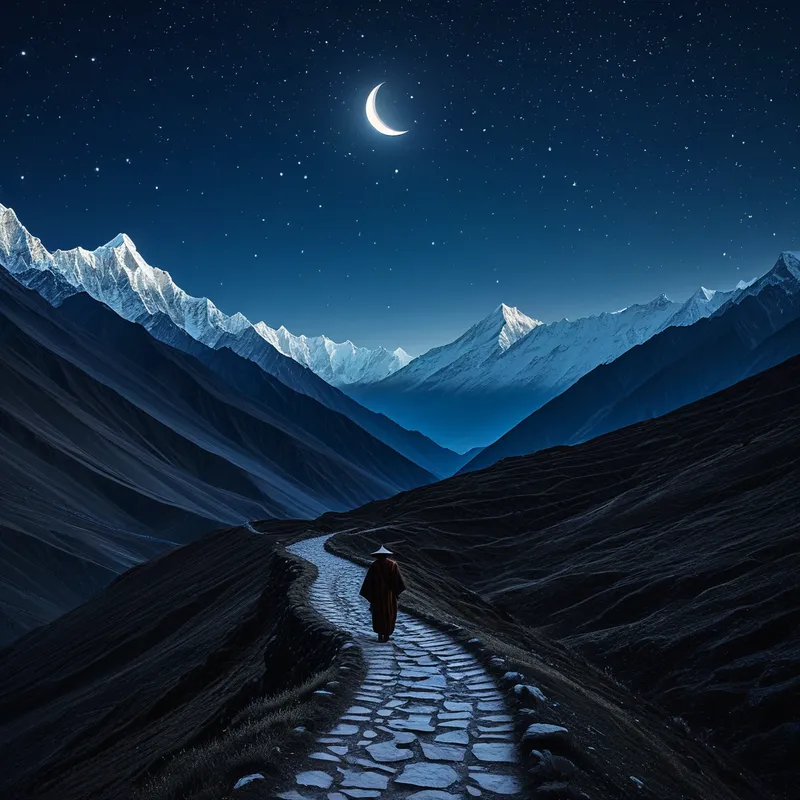
- Roads, Paths, Tunnels: The trajectory of the psyche’s intent. A winding path suggests complexity; a straight road, direct purpose; a tunnel, a passage through the unknown.
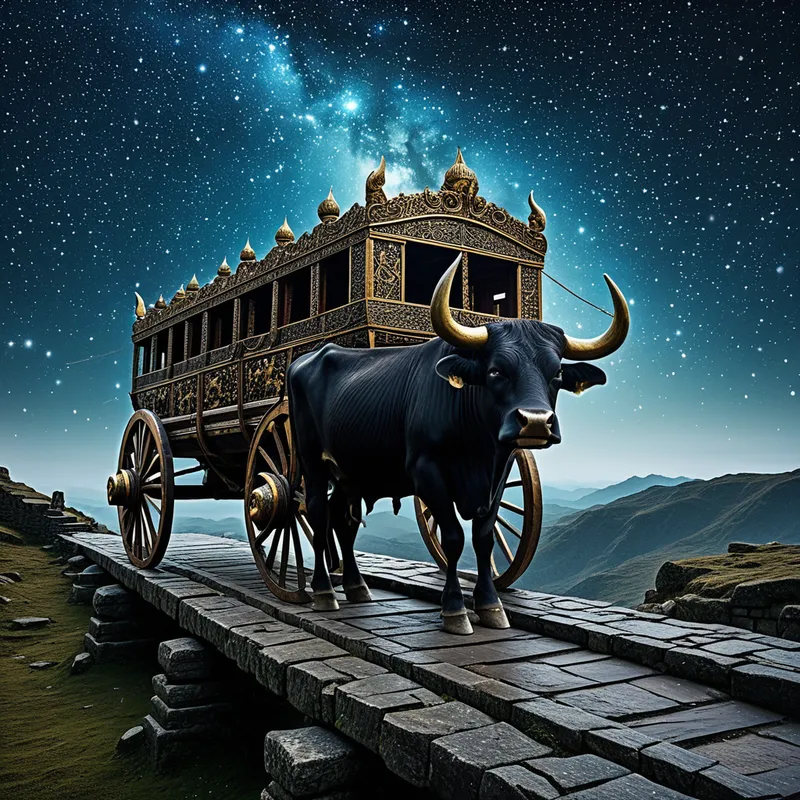
- Vehicles (Trains, Cars, Ships): The conscious mechanisms of progression and control (or lack thereof). A runaway train implies a process feeling out of control; a ship, navigating emotional depths.
- Bridges & Crossroads: Points of transition and critical decision. A crumbling bridge tests faith in the process; a crossroads demands a choice between aspects of the self.
- Suitcases, Bags, Bundles: The burdens, resources, and identities we carry. An overpacked bag speaks of unnecessary weight; an empty one, of feeling unprepared for the task of self-discovery.
- Maps, Compasses, Guides: The search for internal navigation and wisdom. A useless map reflects distrust of inner guidance; the sudden appearance of an animal guide signals the emergence of instinctual wisdom.
Archetypal Resonance
The energy that pulses at the heart of the Journey dream is that of The Explorer Archetype. Its somatic echo is that magnetic pull in the chest, the restlessness in the hands and feet—the body’s innate desire to seek the horizon. The Explorer does not journey for conquest, but for discovery; its core question is “What is out there?” which, in the inner landscape, translates to “What is in here?” The alchemical potential of this archetype lies in its courage to trade the security of the known for the authenticity of the frontier. However, when this energy is repressed or feared, it manifests as its shadow: the Aimless Wanderer, who moves to avoid rather than to find, mistaking motion for progress and accumulating experiences without ever arriving at meaning. The Journey dream calls the Explorer forth, challenging it to move with purpose into the terra incognita of the self.
The Alchemical Process
The transmutation here is of Stasis into Pilgrimage. The raw, leaden material is the soul-crushing weight of inertia—the life that has become a repeating loop, the identity that has hardened into a shell. The intense heat and pressure required are supplied by the very discomfort of the dream itself: the anxiety of being lost, the frustration of the broken vehicle, the loneliness of the empty road. This is the nigredo, the blackening. The fire is the conscious willingness to feel that disorientation fully, to stop fighting the lostness and instead to kneel down and examine the soil of this unfamiliar place. The alchemical shift occurs when you realize the journey is not about reaching a destination “out there,” but about the transformation of the traveler from within. The road re-makes you. The silver is found in the development of inner-direction; the gold, in the realization that you are both the pilgrim and the path.

The Integration Protocol
Question 1: Where in my waking life do I feel that same somatic pull or restlessness I experienced in the dream? What frontier is whispering to me?
Question 2: What is in the “suitcase” I am carrying? What burdens (obligations, old stories, identities) am I insisting are essential for this next phase, and what might happen if I tried to leave one behind?
Question 3: If my current life path is a road, what is its condition? Is it wide and open, narrow and treacherous, or has it simply faded into an overgrown field?
Action 1 (Somatic Cartography): For five minutes, sit in silence and place your hand over your sternum. Breathe into that space. Without any narrative, simply track any sensations—pulls, vibrations, temperatures, pressures. Imagine you are drawing a map based solely on this internal weather. This grounds the journey in the body.
Action 2 (Unpacking Ritual): Physically take a bag or box. Write down on small pieces of paper the “items” you feel you are carrying (e.g., “my father’s expectations,” “the fear of failure,” “the mask of competence”). Hold each one, thank it for its service, and then consciously choose to burn, bury, or release it into moving water. This externalizes and completes the act of shedding.
Action 3 (Pathmaking Expression): Using any medium—paint, collage, digital art, or even arranging found objects on the floor—create an abstract, non-linear map of your inner landscape. Do not plan it. Let shapes, colors, and textures represent your current emotional territories, blockages, and points of light. This allows the unconscious to reveal its own topography.
Final Validation
The road in the dream can be terrifying in its emptiness, its uncertainty. To feel unmoored is not a sign of weakness, but a testament to the courage of your psyche, which is dismantling a world that has become too small for your spirit. It is honoring a deeper truth than comfort. You are not lost. You are in the sacred, alchemical process of being re-located—piece by integrated piece—into the vast and sovereign geography of your true self. The journey is the destination, and every step is a homecoming.