The Alchemy of Love in Dreams
The Somatic Echo
Before an image forms, before a story unfolds, the dream of love announces itself in the body. It is not the flutter of infatuation, but a deeper, tectonic resonance. It feels like a sudden, profound warmth radiating from the center of the chest—not a heat, but a liquid gold light that dissolves the habitual armor around the heart. The breath deepens involuntarily, as if the lungs remember a more ancient rhythm. There is a softening in the jaw, a release in the shoulders, a sense of gravity shifting from the anxious mind down into the grounded pelvis. Conversely, its absence or distortion manifests as a hollow, aching vacuum behind the sternum, a physical yearning so acute it feels like a structural void, a missing load-bearing wall in the architecture of the self. This is the somatic truth: love, in the dreamscape, is first and always an experience of profound connection or profound lack, written directly onto the nervous system.
The Dreamer's Log
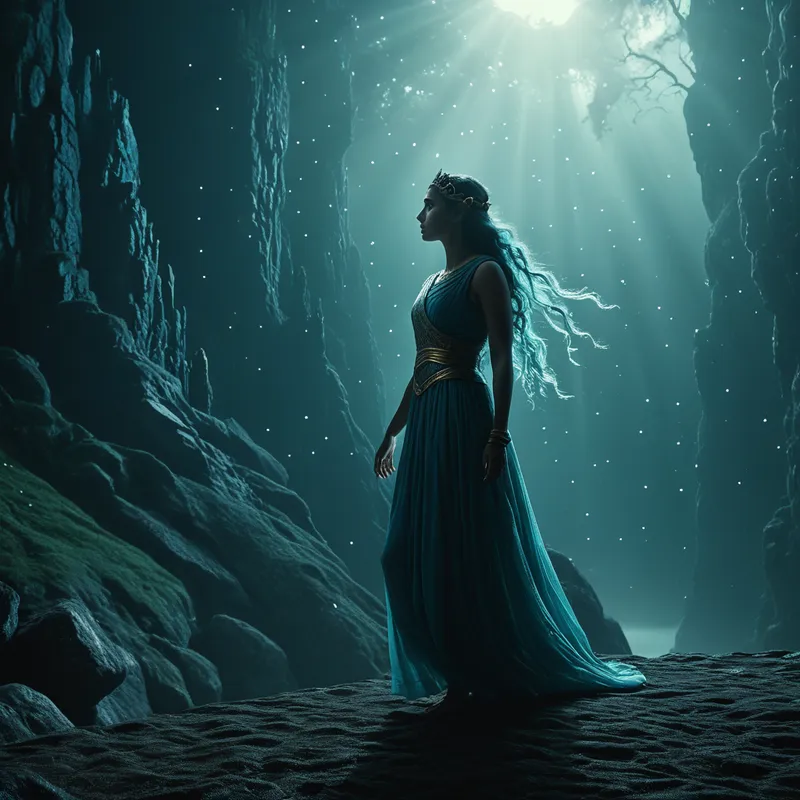
She stands in an endless, dark hall with a floor of cracked obsidian. In her hands, she cradles a wounded bird made of shattered light. With each heartbeat from her palms, a fragment mends, until the bird is whole. It does not fly away. It looks at her, and its gaze is her own, and then it dissolves into her chest, leaving only a single, glowing white feather on the ground.
This dream is not about saving another, but the alchemical recovery of a luminous, fragile part of her own spirit she had exiled for being too vulnerable.

The False Lead
The dream of love is most commonly mistaken for its cultural caricature: a script of romance, completion by another, or sentimental reunion. This is the false lead. The psyche does not deal in Hallmark narratives. When a dream presents a beloved figure, a passionate embrace, or a soulmate’s gaze, it is rarely about that person. It is using that intense relational energy as a metaphor for an internal process. The terror is not of losing the other, but of losing the chance to integrate what that other represents within you. The grief is not for an external absence, but for the decades you have spent at war with the very qualities—vulnerability, nurturing, passion, devotion—that the dream-lover embodies. To interpret it literally is to bypass its sacred function: the call to inner union.
Psychological Architecture
Beneath the tender imagery lies the rigorous, often brutal, architecture of Individuation. Love in dreams is the psyche’s primary tool for Shadow work. That radiant dream-lover? They are likely a carrier of your disowned golden shadow—your unexpressed capacity for beauty, creativity, or deep feeling. The toxic or abandoning partner? They mirror your own shadow of neglect, self-betrayal, or inner tyranny. The dream puts you in relation with these fragments because integration happens in relationship. The mind can acknowledge a trait, but only the heart can reconcile with it.
This is Internal Family Systems rendered in mythic language. The dream-lover is an exiled "part" seeking to return home to the Self. The longing you feel is the Self’s longing for its own wholeness. The entire dream narrative is a negotiation between protectors (fears, cynicism, old wounds) and these exiled exiles. The embrace, the healing, the merging—these are symbols of the Self’s compassionate, loving authority finally welcoming a lost subsystem back into the internal family. It is the end of a civil war you forgot you were fighting.
Mythic Resonance
We see this eternal process in the myth of Eros and Psyche. Psyche’s tasks are not tests of worth for marriage; they are the brutal, loving alchemy required for a mortal soul (Psyche) to become worthy of union with the divine principle of connection (Eros). She must sort the seeds (discernment), gather the golden fleece (harness volatile energy), fetch water from the Styx (confront the underworld), and finally descend to the underworld itself (integrate the shadow). Only then, having been forged by these acts of love-in-action, does she become immortal, and her union with Eros becomes eternal. The myth is not a love story between two beings. It is a blueprint for the soul’s journey to love itself into divinity.
Symbolic Nodes
- The Heart (literal or symbolic): Often shown as a chamber, a locket, a glowing orb, or a wounded organ. Represents the core of feeling and vulnerability.
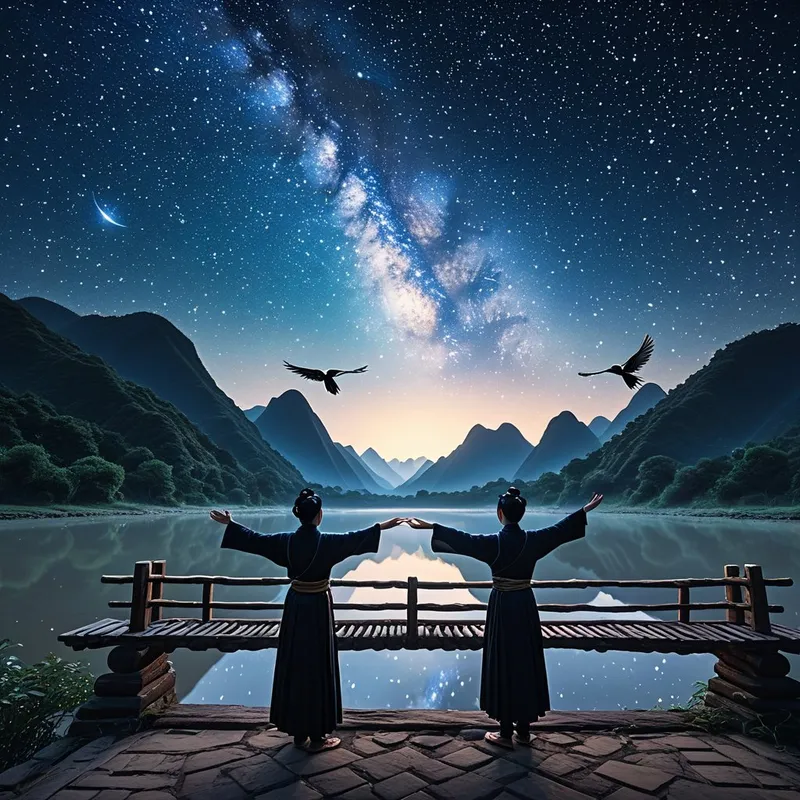
- Bridges, Doorways, and Thresholds: The architecture of connection and the courage to cross into new internal territory.
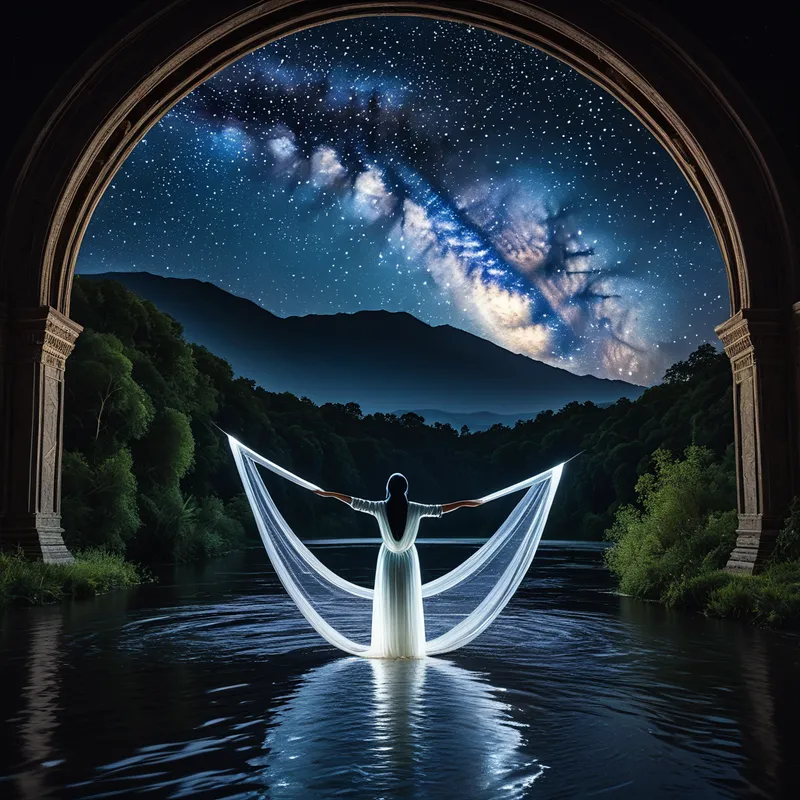
- Water (especially calm, deep pools or merging streams): The unconscious and the fluid dissolution of boundaries.
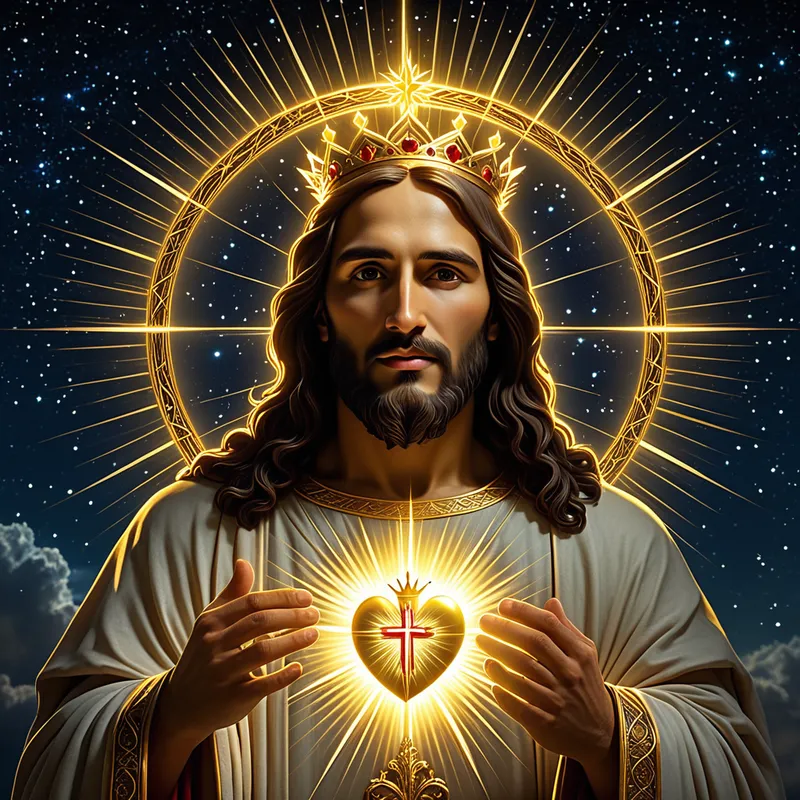
- Gold, Honey, and Warm Light: The alchemical product of integrated love—value, sweetness, and conscious radiance.
- The Wounded Animal or Child: The exiled, vulnerable part of the self that requires compassionate attention.
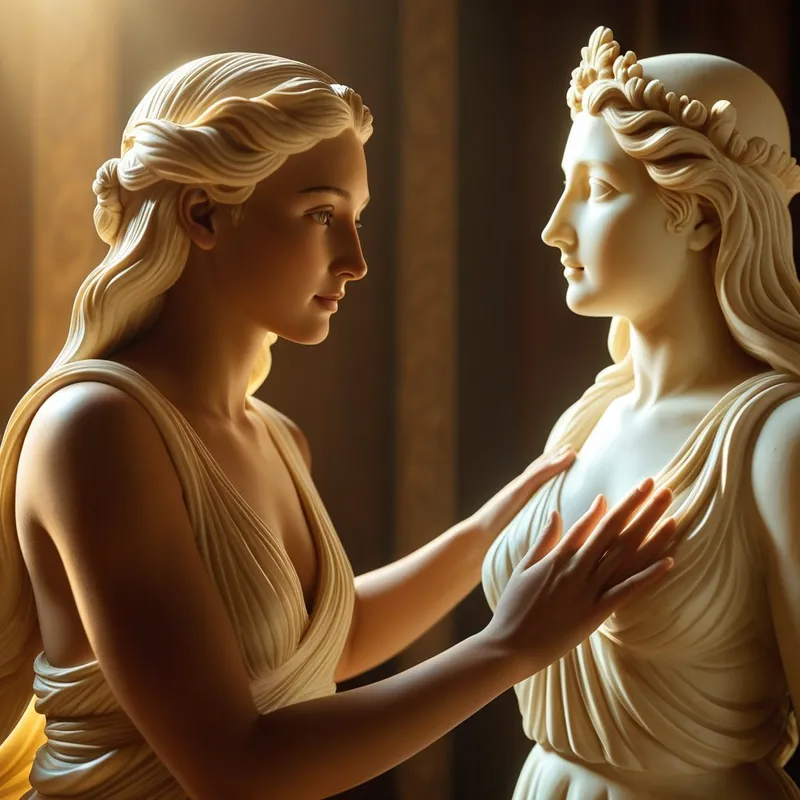
- The Mirror or Reflection: The moment of self-recognition, where the other is revealed as the self.
Archetypal Resonance
The energy at the core of this dream theme is The Lover Archetype. This is not the shadow Lover of obsession or promiscuity, but the Lover in its full, archetypal potency: the principle of Eros, the force that connects, values, and creates intimacy through deep appreciation. Its somatic echo is that of magnetic pull, resonant warmth, and heartfelt yearning. Its alchemical potential lies in its power to unite what is separated. In the dream, the Lover archetype is activated not to find a mate, but to drive the psyche toward inner union—to fall in love with the forsaken, the hidden, and the wounded within. It is the archetype that whispers, "This too belongs. This too is beautiful. Draw it close." It is the engine of valuation that makes integration not just a psychological task, but a sacred, desirable one.
The Alchemical Process
The alchemical transmutation here is the turning of yearning into belonging. The raw, leaden materia is the aching sense of lack, the ghost-limb pain of disconnection—from self, from life, from essence. The nigredo, the blackening, is the heat of confronting this void, allowing the grief of your own self-abandonment to surface. The albedo, the whitening, is the reflective work of seeing every dream-figure as an aspect of yourself.
The specific, intense pressure required is the sustained holding of contradiction. You must hold the profound love for the dream figure alongside the knowing that it is you. You must feel the ecstasy of union while maintaining the consciousness that this is an internal event. This pressure cooks off the impurities of projection and dependency. What remains, in the rubedo or reddening, is the philosopher's stone: a Self that can hold its own multiplicity in a state of compassionate, loving relationship. The sovereignty gained is not isolation, but the ultimate capacity for connection—because you are no longer desperately seeking in another what you have learned to cherish in yourself.
The Integration Protocol
Question 1: If the figure of love in my dream were a quality or capacity within me, what would it be? (e.g., is it my untended creativity, my buried sensuality, my capacity for fierce protection?)
Question 2: Where in my waking life have I exiled or disowned this quality? What fears or old rules demanded its suppression?
Question 3: How would my daily experience of reality shift if this quality were fully welcomed, loved, and integrated into my conscious identity?
Action 1 (Somatic Reclamation): For five minutes upon waking, place your hand over your heart. Do not seek a feeling. Simply hold the space. Breathe into the area, imagining that liquid gold light from the dream filling the chamber of your chest, with no goal other than to occupy the territory.
Action 2 (Creative Dialogue): Using your non-dominant hand, draw or write a letter from the dream-love figure (the person, the animal, the symbol) to you. Then, write or draw your response. Let logic go. This is diplomacy with an exiled part.
Action 3 (Ritual of Union): Find two objects that represent, to you, the "you" in the dream and the "loved one" in the dream. Over the course of a week, move them gradually closer together on an altar or shelf. On the seventh day, place them in contact, side by side or intertwined. Acknowledge the union as an internal fact.
Final Validation
To dream of love in its deepest sense is to be assigned the most beautiful and terrifying of tasks: to end the war with yourself. It will feel like a cruel joke to yearn so deeply for a union that must be forged within, not found without. That difficulty is real. Honor the ache, for it is the compass. Then, take the dream not as a promise of a savior, but as a map—a map leading you back to the many shattered, shining fragments of your own soul, waiting in the darkness of your inner world to be gathered, healed, and loved by the only one who can: you. This is the alchemy. This is the love story you were born to live.