The Somatic Echo
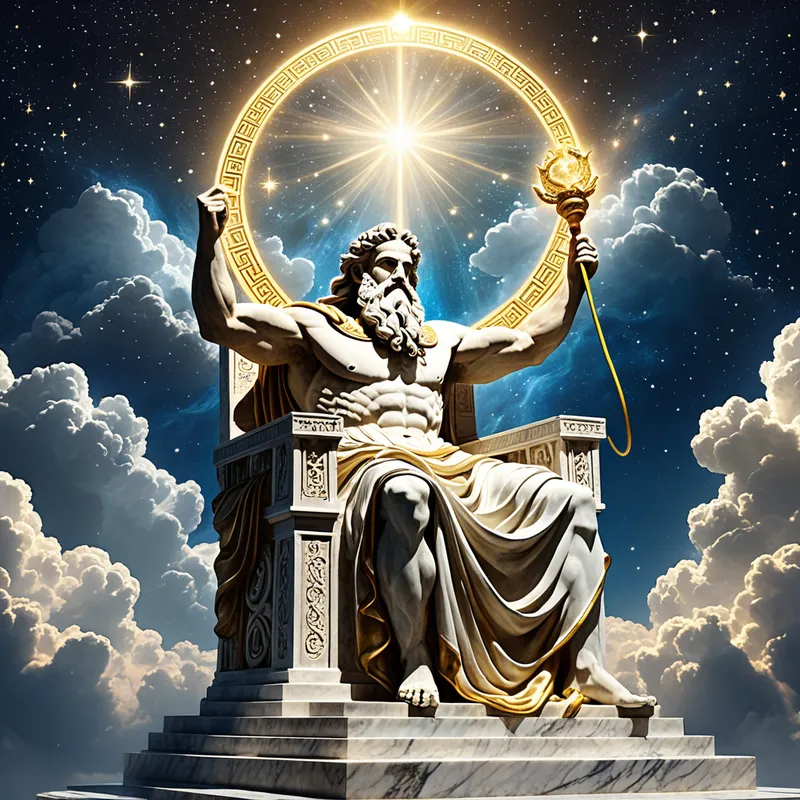
Before the mind conjures the judge, the king, or the faceless committee, the body knows. It is a specific, hollow tension in the solar plexus—a cavity where your own voice should resonate, now occupied by a phantom weight. The shoulders brace for a command that never comes aloud. The jaw sets, not in defiance, but in a silent, pre-programmed acquiescence. It feels like being a room in a house you own, yet you are waiting for permission to rearrange the furniture. This is the somatic ground from which dreams of authority grow: not a fear of external power, but the visceral memory of an internal power ceded. The dream is the echo of that abdication, returning to you for review.
The Dreamer's Log
I am standing in a vast, silent control room, all polished obsidian and glowing blue schematics. The central command chair is empty. Alarms are blaring, screens flashing red with catastrophic system failures, but I am frozen before the console. My security clearance, displayed on every screen, reads: “REVOKED.” I know exactly which sequence of keys would stabilize everything, but my hands refuse to move.
Alchemical Interpretation: The dream reveals not a lack of capability, but a self-imposed exile from the seat of one’s own innate command, where the internal system has mistaken protocol for permission.

The False Lead
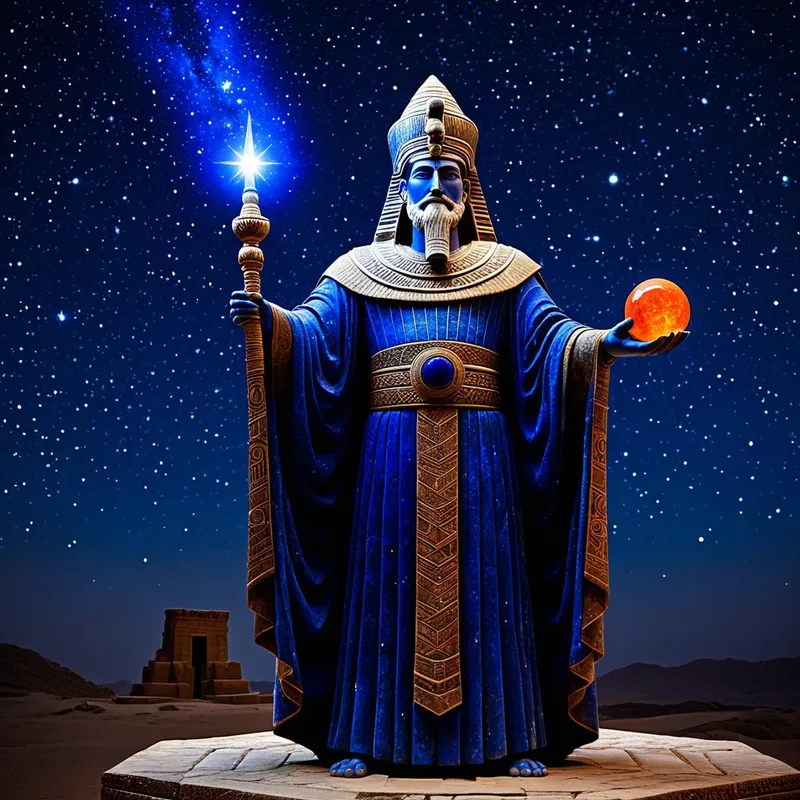
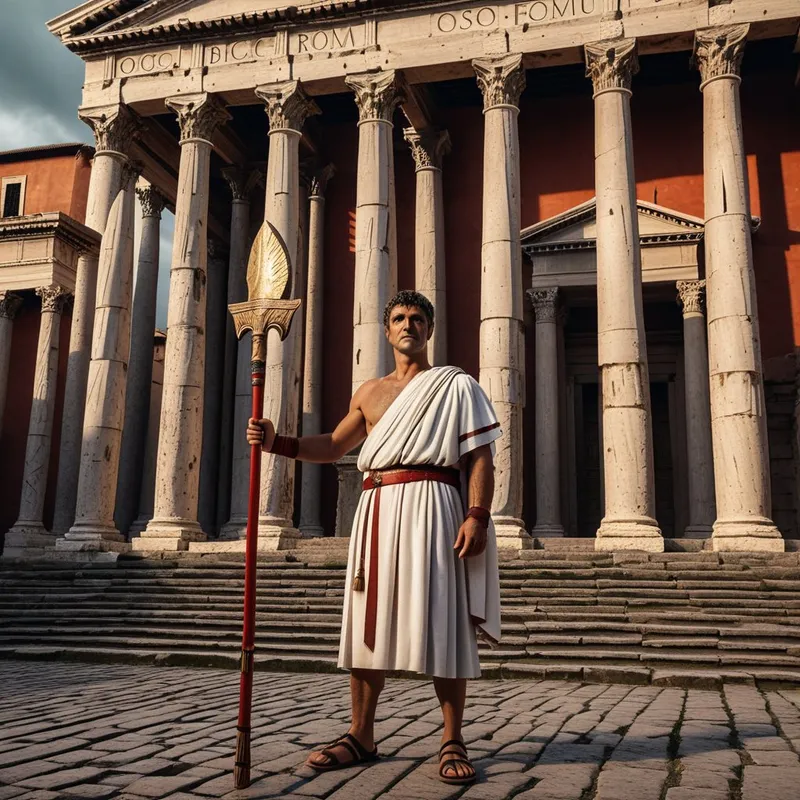
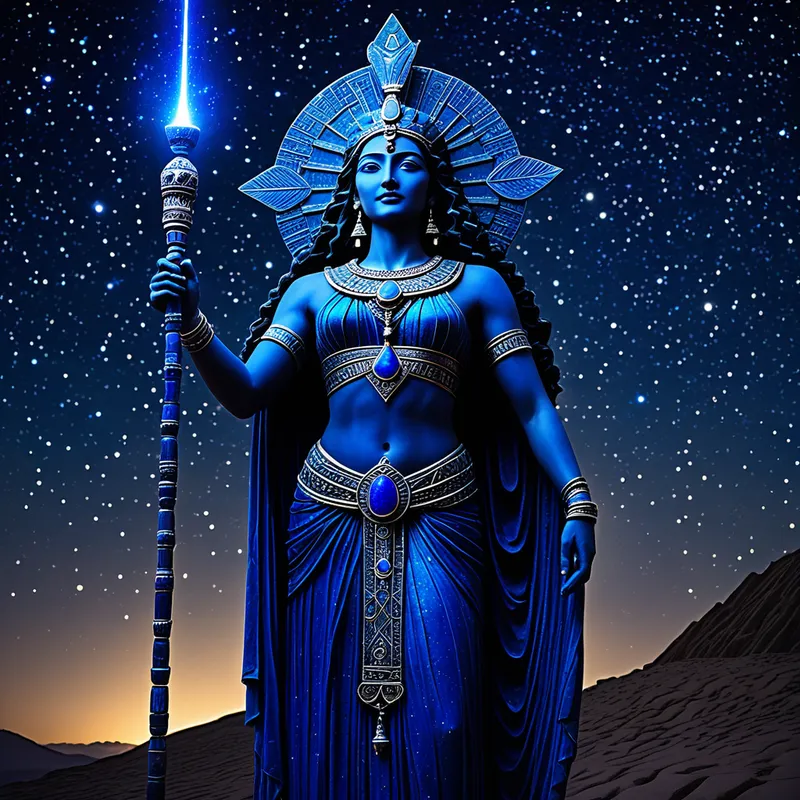
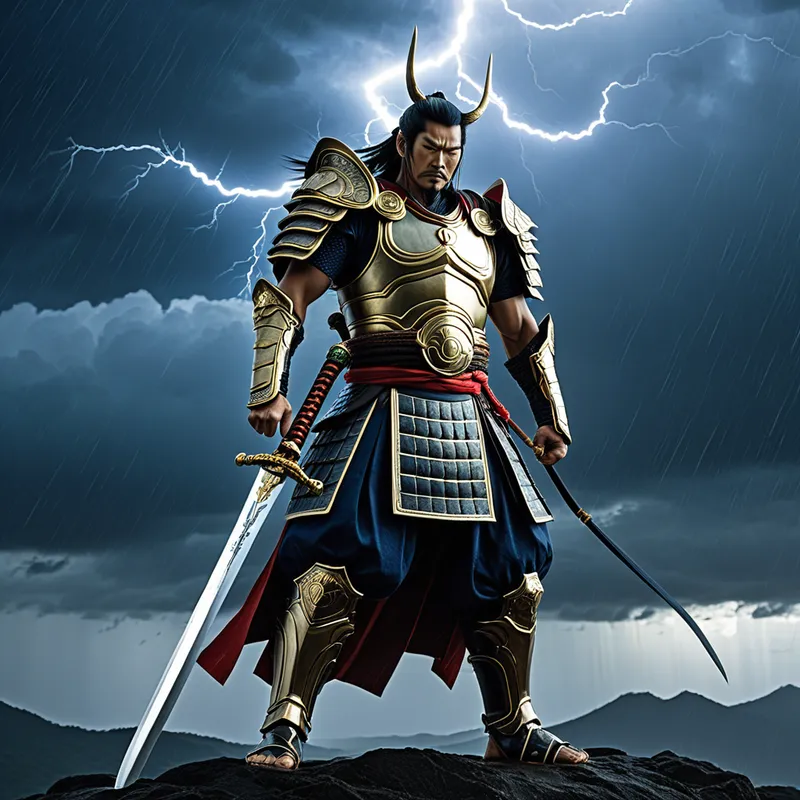
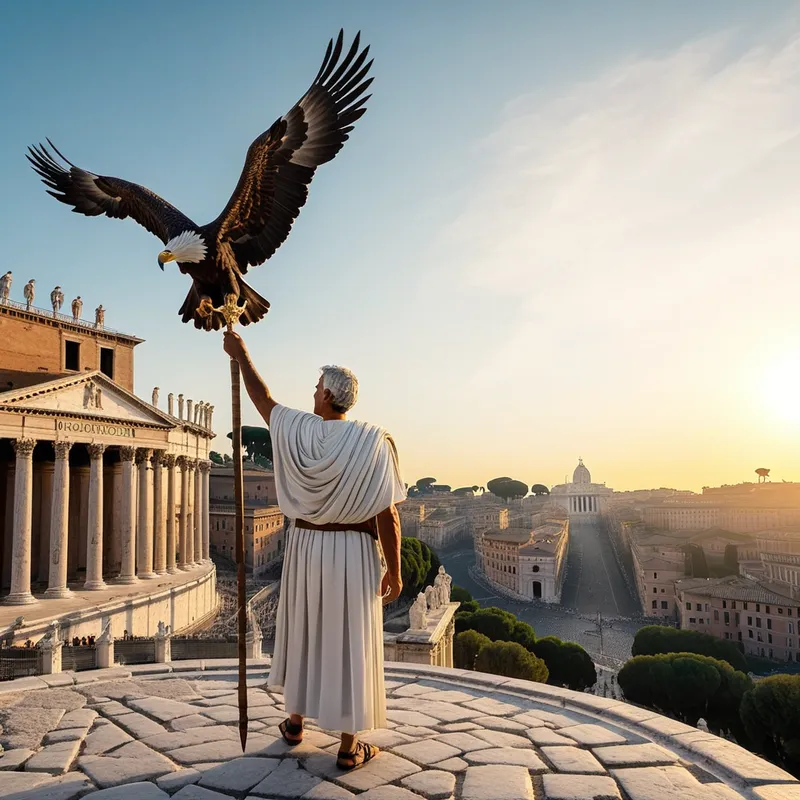
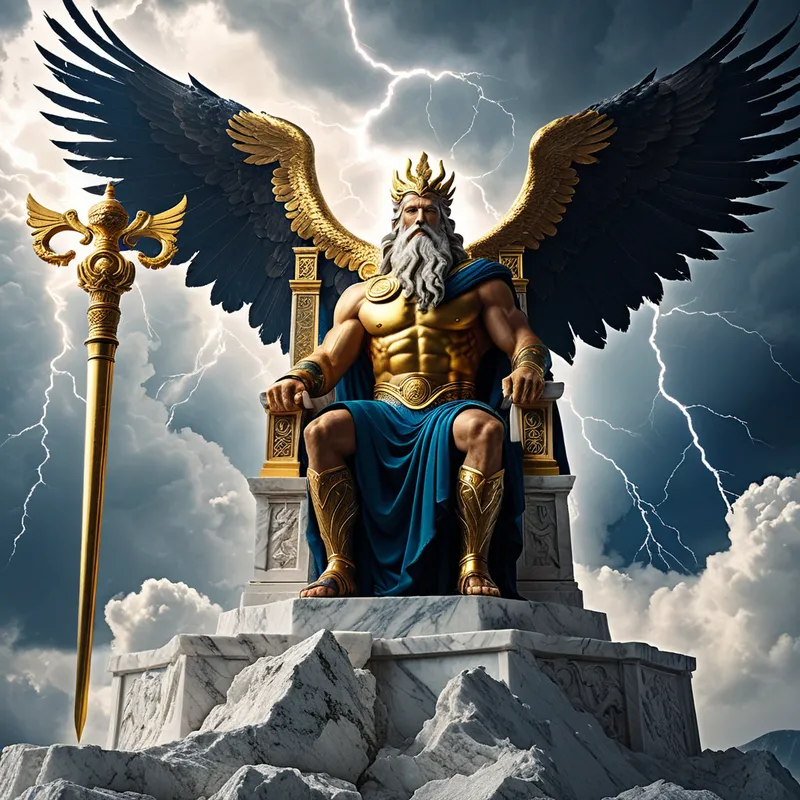
Do not mistake this for a simple dream about your boss, a parent, or a political figure. Those are but the costumes the psyche borrows. The core theme of Authority is not about your relationship to external hierarchies, but about the internal governance of your own being. It is not a portent of conflict with a person in power, but a profound signal of a conflict within your own psychic power structure. A dream of a tyrannical figure is not predicting a bully; it is showing you the shadow of the Ruler archetype that you have either internalized as your oppressor or refuse to embody as your sovereign.
Psychological Architecture
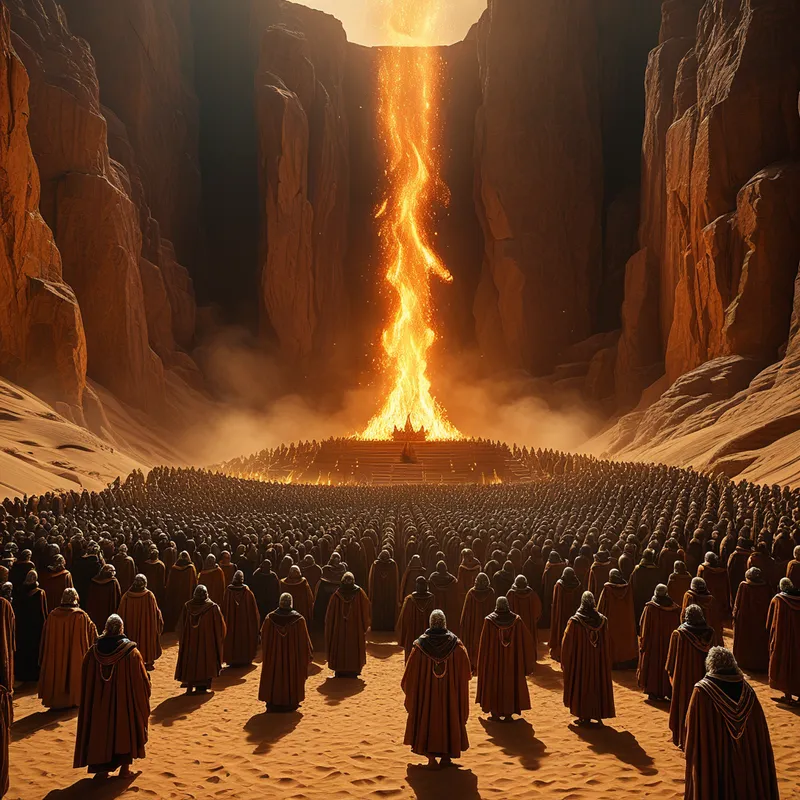
To dream of authority is to be summoned to the deepest chambers of shadow work. Here, we encounter the exiled parts of ourselves that we placed under the rule of an internal regime for the sake of order, safety, or belonging. Perhaps the creative fire was deemed too chaotic and placed under the lock of logic. Maybe the vulnerable heart was deemed too fragile and placed under the martial law of cynicism. This internal family system is governed by a cabinet of exiles and managers, and the “authority figure” in the dream is often the spokesperson for this entire, fractured government.
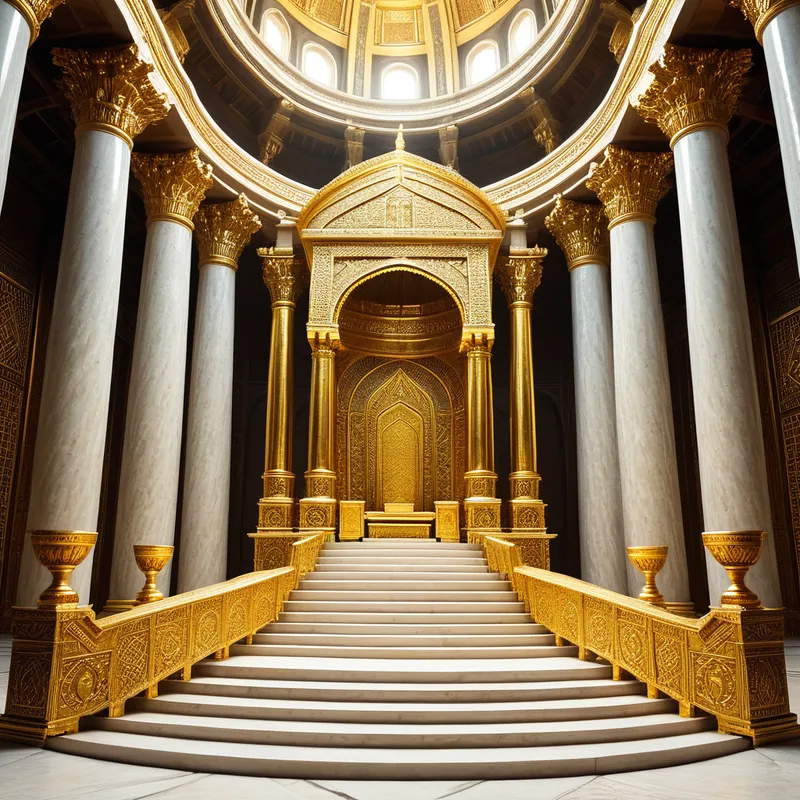
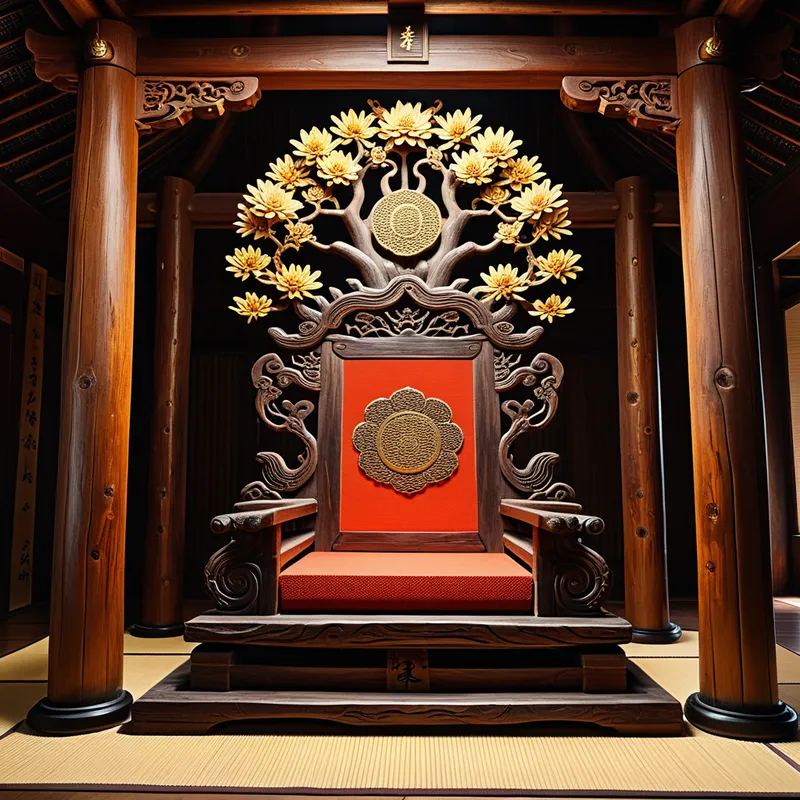
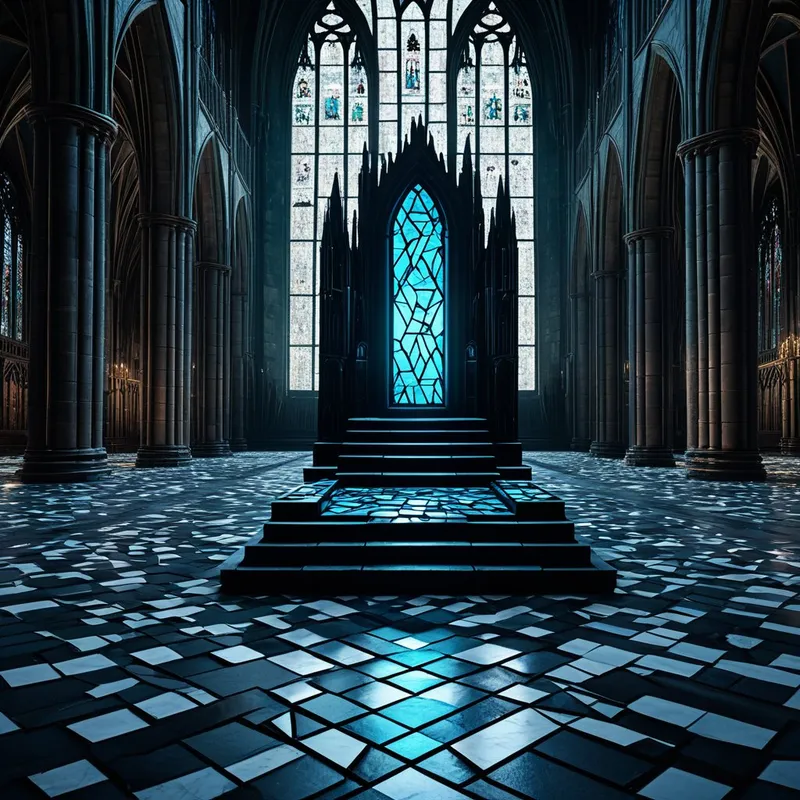
The individuation process here is a quiet, relentless coup. It is not about destroying the internal government, but about changing its constitution—from a autocracy of fear to a sovereignty of conscious integration. You must meet each exiled part, not as a rebel storming the gates, but as the rightful heir returning to a long-abandoned throne room. You listen to the fears of the internal tyrant (who only ever wanted to protect you from chaos) and the grief of the orphaned parts. The shift is from being a subject of this internal authority to becoming its conscious author.
Mythic Resonance
We see this eternal drama in the myth of Theseus and the Minotaur. The labyrinth is not just a physical trap; it is the convoluted, self-constructed prison of a psyche ruled by a foreign, monstrous authority (King Minos’s demand for tribute). Theseus does not merely slay the beast. He must first be given the thread by Ariadne—a symbol of connection to his own conscious, loving intelligence (the anima). The victory is not in the violence, but in the capacity to navigate the maze of one’s own imposed constraints and find the way back out, reclaiming his city’s—and by extension, his own—sovereignty. The authority (Minos) is defeated not in his palace, but in the reclamation of one’s own internal navigation system.
Symbolic Nodes
- Empty Thrones, Locked Doors, Revoked Badges: Symbols of self-disinheritance, of an available power left unnerved.
- Shouting into a Void, Unheard Testimony: The experience of one’s own voice being rendered inert within one’s psyche.
- Malfunctioning Systems You Are Forbidden to Fix: The intuitive knowledge of how to heal one’s life, blocked by internal protocol.
- Being Judged by a Faceless Panel or Committee: The internalization of abstract, societal “shoulds” and “musts” as a governing body.
- Receiving a Decree or Lifelong Sentence: The feeling of a core life narrative being authored by an external script.
Archetypal Resonance
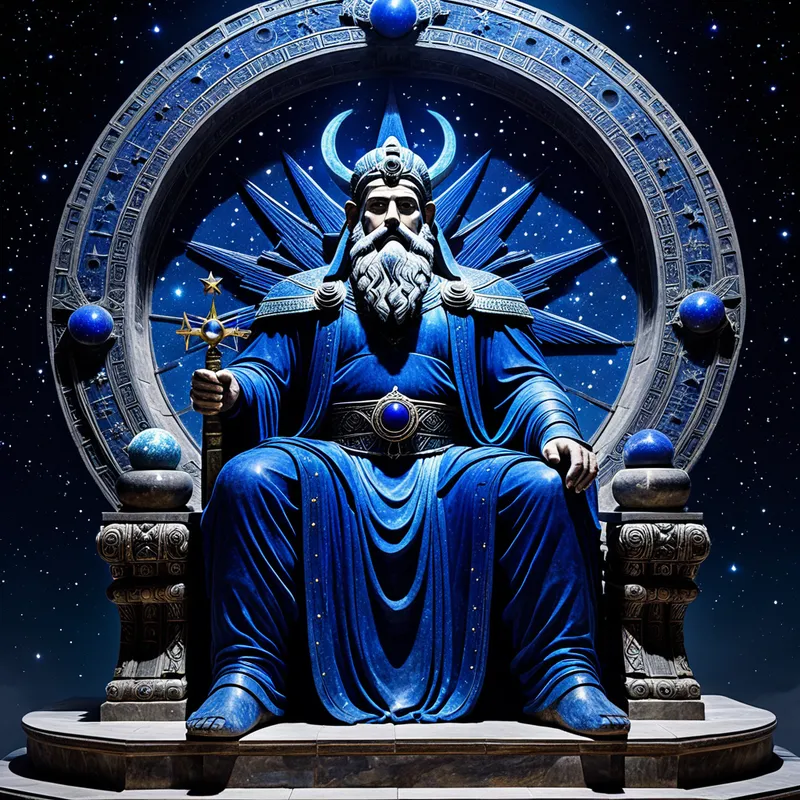
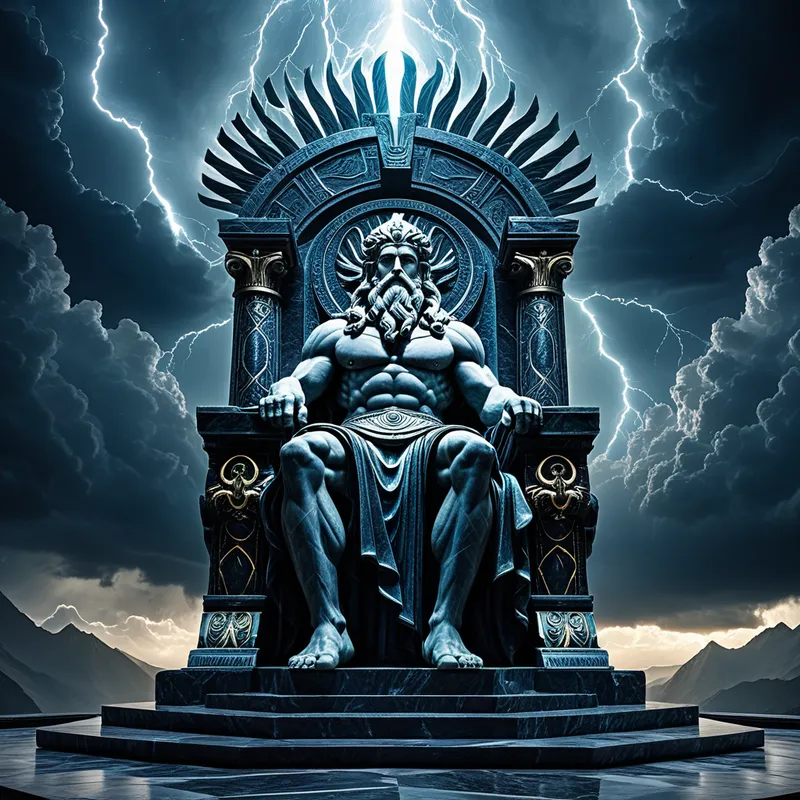
The core energy here resonates most powerfully with The Shadow Ruler.
The Shadow Ruler manifests not as the absence of authority, but as its corruption—the internalized tyrant, the control-freak, or the passive subject who has surrendered all sovereignty. Its somatic echo is that hollow tension, the brace against a command that originates from within. Its alchemical potential lies in its transmutation into the integrated Ruler. This is not about gaining power over others or even over oneself in a domineering way. It is about the profound responsibility of conscious self-governance: establishing inner order based on authentic values, providing for and protecting the wholeness of the psyche, and creating a realm (your life) where all internal parts have a dignified place. The heat required for this transmutation is the courageous confrontation with the exiled, orphaned parts that the Shadow Ruler was built to suppress.
The Alchemical Process
The alchemical vessel for this theme is the psyche itself, under the intense pressure of conscious contradiction. The prima materia is the raw experience of powerlessness, the grief of self-betrayal, the terror of the internal tyrant. The heat is applied when you consciously choose to feel the full weight of that hollow tension in your solar plexus without rushing to obey or rebel against it. You hold the tension between the part of you that demands rigid control and the part that yearns for wild, ungoverned freedom.
The transmutation occurs in the moment of sovereign perception. It is the instant you look at the internal “committee” judging you and realize, “I am the architect of this courtroom. I called this session. And I can adjourn it.” The leaden feeling of being sentenced turns to the gold of self-authorization. The old, brittle structures of internal authority—built on compliance, fear, or borrowed ideologies—dissolve in the light of this awareness, not into chaos, but into a new, more fluid and authentic order. You are no longer a subject in your own kingdom. You become the source of its laws.
The Integration Protocol
Question 1: In the dream, where did the authority’s perceived right to command come from? A badge, a title, a size, a voice? How have I granted that same “right” to an internal voice in my waking life?
Question 2: If the authority figure in the dream were a protector, what is it trying to shield me from by being so rigid or demanding? What chaos does it fear?
Question 3: What is one small, “unauthorized” action I could take—a thought I could think, a feeling I could allow, a minor choice I could make—that would feel like a quiet, sovereign decree from my true self?
Action 1 (Somatic Reclamation): Sit quietly and place your hand on your solar plexus. Breathe into that space, feeling the hollow or the tension. With each exhale, imagine you are not dissolving the tension, but filling that cavity with a soft, warm, golden light—the light of your own un-asked-for presence. Do this for three minutes.
Action 2 (Creative Decree): Take a blank page. At the top, write: “The Unauthorized Manuscript.” Then, write or draw for ten minutes with no goal, no “correct” style, and no internal editor allowed. Let it be messy, nonsensical, or trivial. The act is the message; you are authorizing expression without the need for external—or internal—validation.
Action 3 (Ritual of Sovereignty): Find a small stone or object. Hold it and state aloud one law you are revoking within yourself (e.g., “I revoke the law that says I must be perfect to be worthy”). Then, state one new decree you are enacting (e.g., “I decree that my worth is inherent and present now”). Bury the stone or place it on a windowsill, symbolizing the old law being returned to the earth and the new one being exposed to the light.
Final Validation
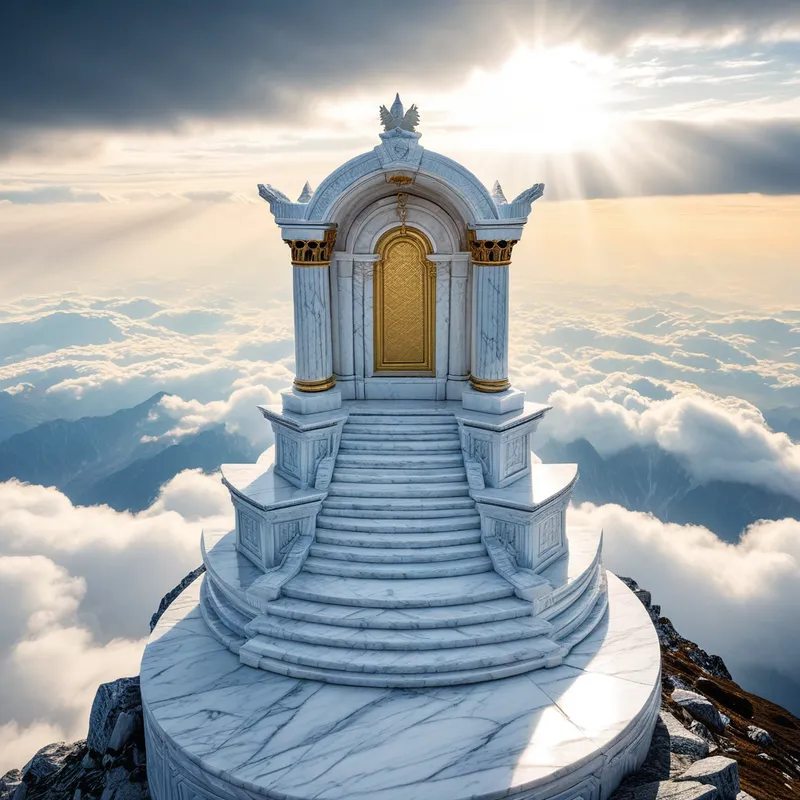
To dream of authority is to touch one of the most tender and consequential wounds of the human journey: the place where we learned to hand our scepter away. It is profoundly difficult, for it asks you to dethrone the very internal structures you built for survival. Honor that difficulty. And then, know this: the very fact that this theme arises in the sovereign nation of your dreams is not a sign of weakness, but an invitation from your deepest self. It is the call to end the civil war within, to gather your exiled parts, and to finally, gently, take your seat. The throne has been waiting. It was always yours.