The Alchemy of Survival: When the Dream Demands You Live
The Somatic Echo
It begins not as a story, but as a tremor in the foundation. A cold, metallic taste at the back of the throat. A constriction in the solar plexus, a fist of instinct clenching tight. The breath becomes shallow, a resource to be hoarded. The body knows the score long before the mind can name the threat. This is the somatic echo of the survival dream—a primal, pre-verbal alarm that reverberates through the bone-marrow. It is the psyche’s most ancient system booting up, bypassing the polite narratives of the daytime self to broadcast a direct signal: the structure you inhabit is under siege. The walls you thought were stone are paper. The ground is no longer solid. This visceral shudder is the first and truest text of the dream, a message written in the language of adrenaline and ancestral memory. It is the feeling of being an organism, not a persona, reminded of its fundamental contract with existence.
The Dreamer's Log
The dreamer is running, not from a monster, but from the slow, silent spread of a grey, lichen-like substance that consumes everything it touches—walls, light, sound. Their only sanctuary is a small, cracked porcelain mask they clutch to their chest, believing it holds the last clean breath. They wake with their own heart hammering against their ribs, a trapped bird.
This is not a dream of escape, but of a terrifying, alchemical compression: all that is non-essential—the distractions, the false identities, the borrowed breath—is being stripped away, leaving only the irreducible, fragile core that must be protected at all costs.

The False Lead
The survival dream is often mistaken for a simple nightmare of persecution or bad luck. It is not. The external threat—the pursuer, the flood, the falling building—is rarely the point. To interpret it as a prophecy of doom or a sign of mere anxiety is to miss the profound structural shift it announces. This dream is not about the world trying to kill you; it is about a part of you that must die for the essential you to live. The terror is not of annihilation, but of the necessary, brutal dissolution that precedes true sovereignty. It is the difference between fearing a storm and recognizing you are the eye of the hurricane, the still point where a new pressure system is born.
Psychological Architecture
Beneath the chase scene lies a deep process of Shadow work and Individuation. The psyche, in its wisdom, orchestrates a crisis. It collapses the comfortable, familiar internal landscape—the roles of the good employee, the reliable friend, the perpetual child—to force a confrontation with the bedrock. Who are you when all titles are revoked? What remains when every strategy fails? This is the architecture of the survival dream: it dismantles the false self, the complex of adaptations built to please, to belong, to avoid pain. In that rubble, you meet the Orphaned parts of yourself—not as victims, but as raw, unaccommodated life force. The dream is the psyche’s ruthless, loving method of initiating a dialogue with these exiles. It asks, through sheer visceral imperative: What within you is truly non-negotiable? What spark will you protect with your last conscious thought? The answer forges the core of the individuated self.
Mythic Resonance
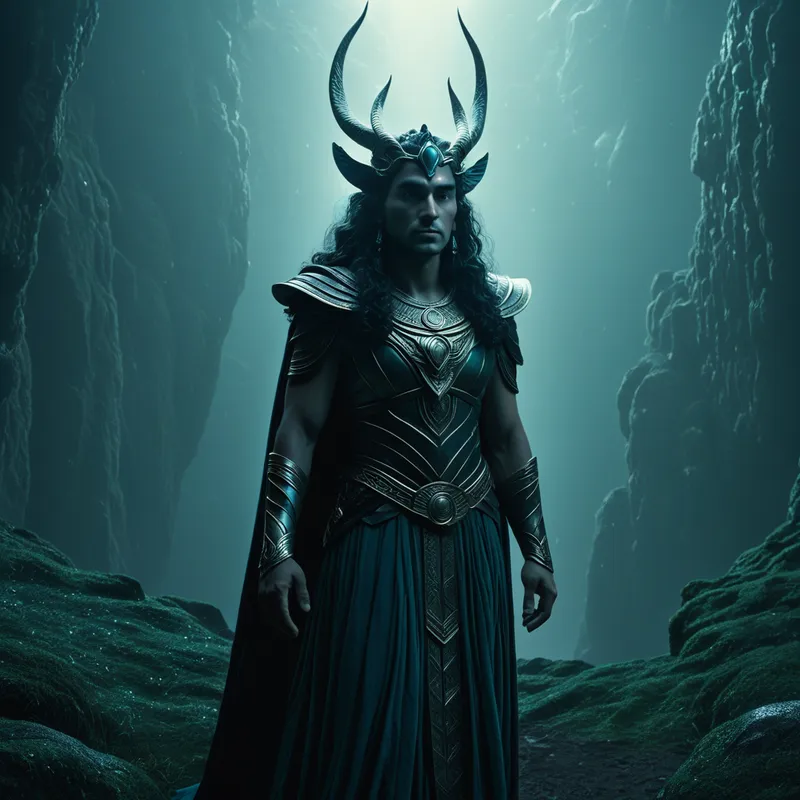
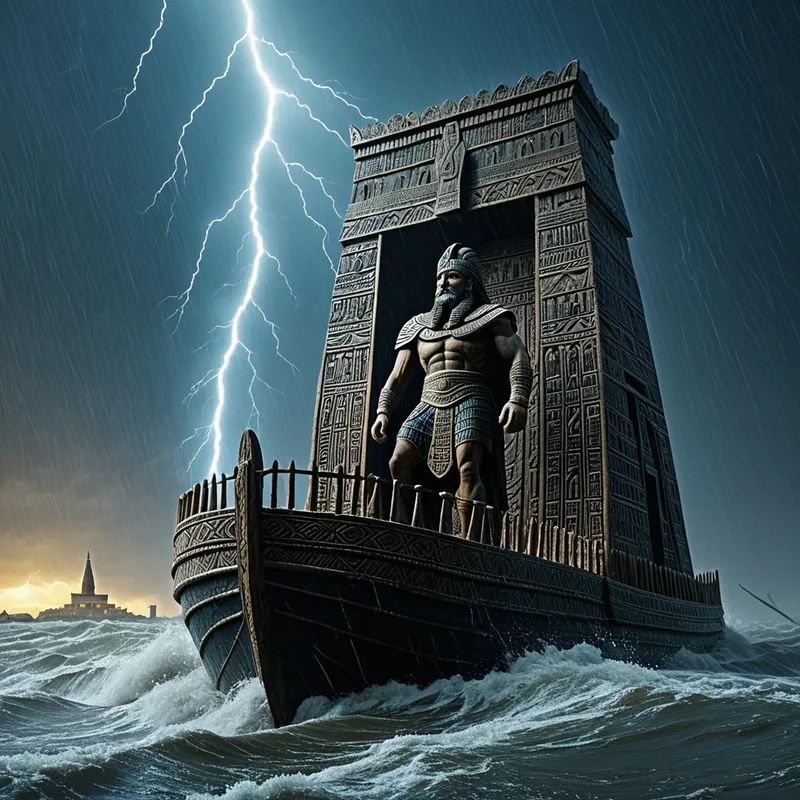
We see this eternal process in the myth of Inanna’s Descent. The Queen of Heaven does not go to the Underworld to fight, but to submit. At each of the seven gates, she is stripped—her crown, her lapis beads, her royal robe—until she arrives naked and bowed before her sister, Ereshkigal, and is hung upon a hook as a piece of rotting meat. This is not defeat; it is the ultimate survival protocol. To return, to be resurrected with greater power and wisdom, she must first be reduced to her bare, suffering essence. There is no bypassing the hook. The survival dream is your personal gate, your necessary stripping. It is Ereshkigal’s realm claiming all that is no longer true, so that what is eternal may finally be revealed.
Symbolic Nodes
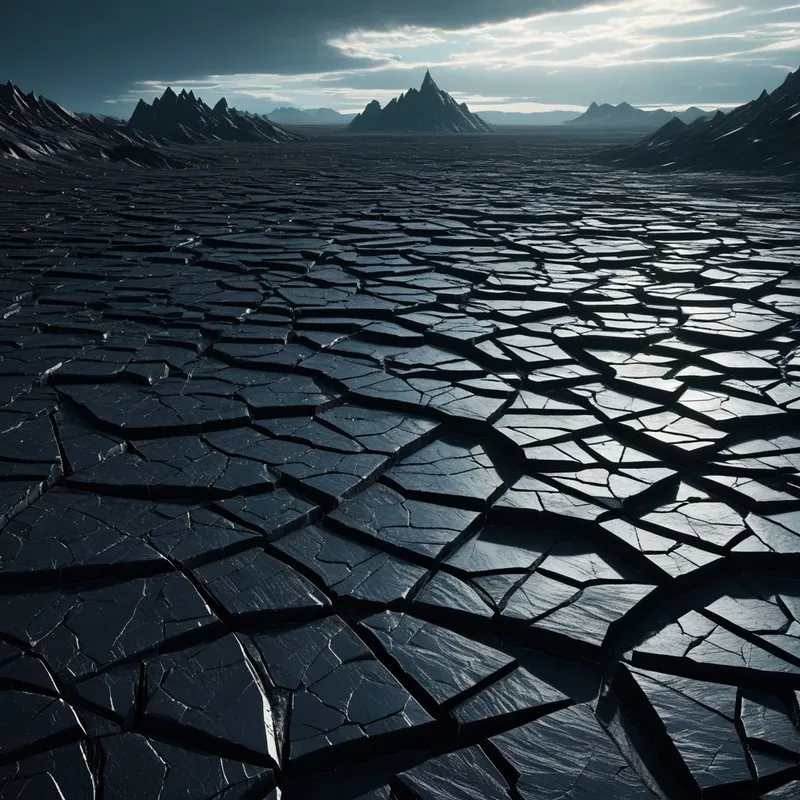
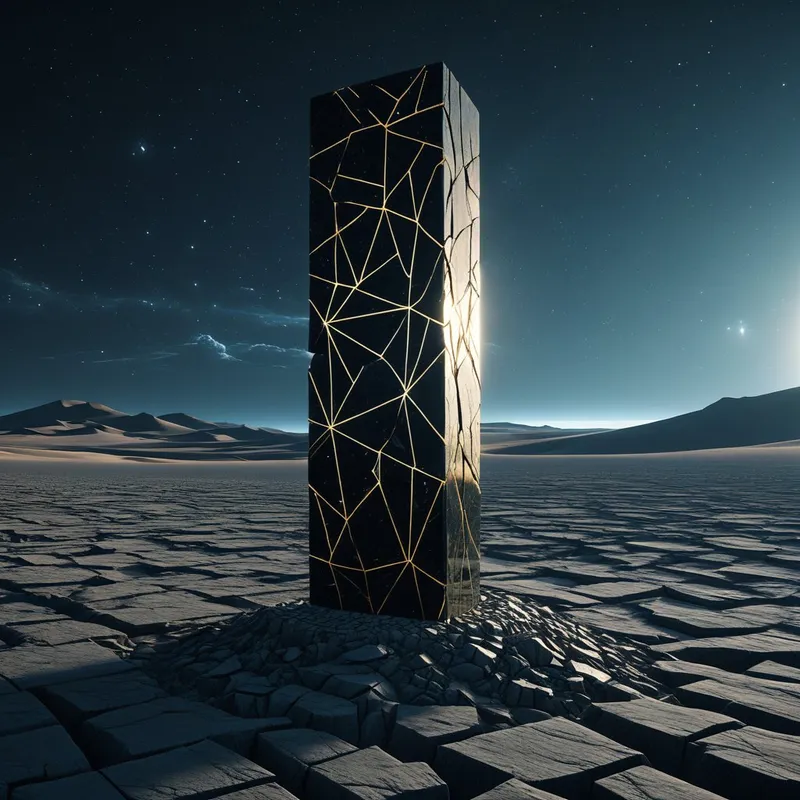
- Barren Landscapes/Closed Spaces: Cracking deserts, frozen tundras, shrinking rooms. The environment of scarcity, reflecting a perceived lack of internal or external resources.
- Failing Tools & Broken Technology: Guns that won’t fire, phones with dead batteries, cars that stall. The collapse of relied-upon systems and coping mechanisms.
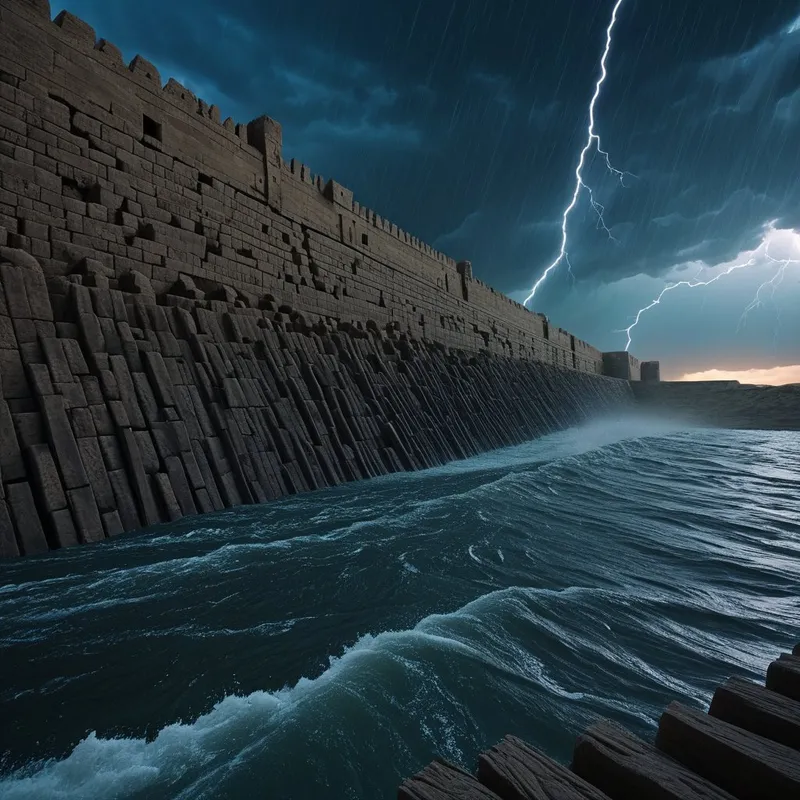
- Elemental Onslaught: Unstoppable waves, walls of fire, consuming darkness. The overwhelming force of repressed emotion or life circumstances.
- The Last Sanctuary: A single locked door, a tiny boat, a flickering candle. The symbol of the irreducible, precious core self that must be defended.
- The Silent Pursuer: An entity or force that is relentless but often faceless or slow-moving. The embodied pressure of an unavoidable truth or change.
Archetypal Resonance
The Orphan Archetype is the central conductor of this psychic symphony. Not its shadow victim, but its essential, realist core: the Survivor. The Orphan knows, in its bones, that the world offers no guaranteed safety, that foundations can crack, and that belonging must sometimes be found within before it can be recognized without. The somatic echo—that deep, lonely clench in the gut—is the Orphan’s primal radar activating. Its alchemical potential lies precisely in this unflinching realism. From the raw, exposed nerve of survival instinct, it forges a profound self-reliance and a compassion born of knowing what it means to be stripped bare. It is the archetype that, having touched the void, learns to generate its own gravity.
The Alchemical Process
The transmutation here is from reacting to threat to embodying sanctuary. The required heat and pressure are generated by the dream’s relentless focus. It applies the solve—the dissolution—by relentlessly attacking everything false. The fear, the grief, the sheer terror of being unmade is the nigredo, the blackening. This is not a flaw; it is the essential fuel. The alchemical fire is the sustained, conscious attention you bring to that felt sense of collapse after you wake. Do not flee from the tremor in your hands; lean into it. Ask it what it is protecting. In this conscious engagement, the albedo, the whitening, begins: the realization that the core self, symbolized by that last sanctuary in the dream, was never truly fragile. It was just buried. The survival dream’s ultimate goal is the rubedo, the reddening: the birth of a psychic sovereignty so grounded in your own essential nature that external circumstances can no longer threaten your fundamental existence. You become the unassailable ground, not the thing trembling upon it.
The Integration Protocol
Question 1: In the dream, what was the one thing you were most desperate to protect or reach? Not the obvious escape, but the specific object, person, or place that felt like your last piece of self.
Question 2: If the threatening force in the dream (the pursuer, the element, the silence) had a voice, what single, brutal truth might it be trying to deliver to you?
Question 3: Where in your waking life do you feel that same somatic echo—the shallow breath, the clenched gut—and what outdated structure (a belief, a role, a relationship) is that echo warning is no longer safe to inhabit?
Action 1 (Somatic Anchoring): For one minute upon waking, do not move. Locate the most intense physical sensation left by the dream. Place your hand there. Breathe into that spot, not to change it, but to acknowledge its message. Whisper, “I feel you. We are here.”
Action 2 (Unstructured Cartography): With non-dominant hand, draw the landscape of your survival dream. Do not draw figures or events. Draw the terrain only—the shapes, the textures, the boundaries. Use colors that feel right, not ones that look right. Let the map reveal where the pressure points and hidden sanctuaries truly lie.
Action 3 (Sanctuary Ritual): Physically create a small, tangible representation of your dream’s “last sanctuary.” It could be a smooth stone placed on your desk, a specific candle lit for 5 minutes, or a word written on a slip of paper and tucked into your wallet. Let this object be an anchor, a reminder that the core self you defended in the dream is present and protectable here, now.
Final Validation
The path of the survival dream is arduous. It asks you to walk into the heart of your own perceived fragility and hold vigil there. This is not a small thing. To feel the ground dissolve beneath you is a terror the body does not forget. But recognize this difficulty as the measure of the transformation at hand. The psyche does not wage such brutal, internal wars for trivial gains. It is recruiting every ounce of that fear, that instinct, that primal will to live, and directing it toward a single, alchemical purpose: to burn away the architecture of the adapted self so that the indestructible, sovereign self can finally stand revealed. You are not being hunted. You are being forged.