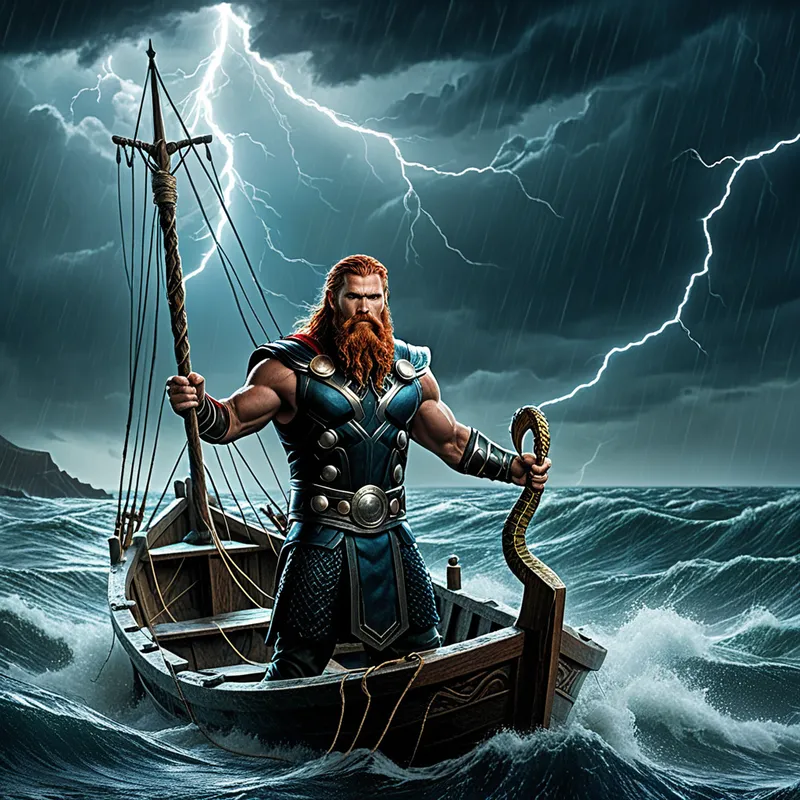
The Forge of Wholeness: Dreaming of Conflict
The Somatic Echo
Before the dream forms, the body knows. It is a tightening in the solar plexus, a low-grade hum in the jaw, a subtle clenching along the spine. It’s not fear, not yet. It is the somatic prelude to a meeting—a gathering of disparate forces within you. This is the echo of internal friction, the visceral signal that two or more parts of your being have arrived at an impasse. They are not at war; they are in council, and the chamber is your nervous system. The tension is not a flaw, but a potential energy, a charge waiting to be grounded into a new form of understanding. To feel this echo is to stand at the threshold of your own becoming.
The Dreamer's Log
You are walking down a long, pristine white hallway. At the end is a door you desperately need to open, but you have no key. A figure made of shifting shadows stands blocking it, arms crossed. You feel a surge of frustration, then a deep, unexpected grief. You look down and see a heavy, ornate brass key in your own hand, warm to the touch.
The dream reveals that the conflict is not with an external obstacle, but with the unrecognized part of yourself holding the very power you seek.

The False Lead
Conflict in dreams is not a prophecy of external disaster, nor is it merely a replay of yesterday’s argument. To interpret it as a simple warning of "bad luck" or an impending fight is to mistake the map for the territory. This is not your psyche predicting trouble; it is your psyche doing its most essential work. The tension is not a sign of breakdown, but of breakthrough-in-progress. It is the necessary friction between who you have been and who you are being called to become. The dream is not showing you a problem to avoid, but a process to engage.
Psychological Architecture
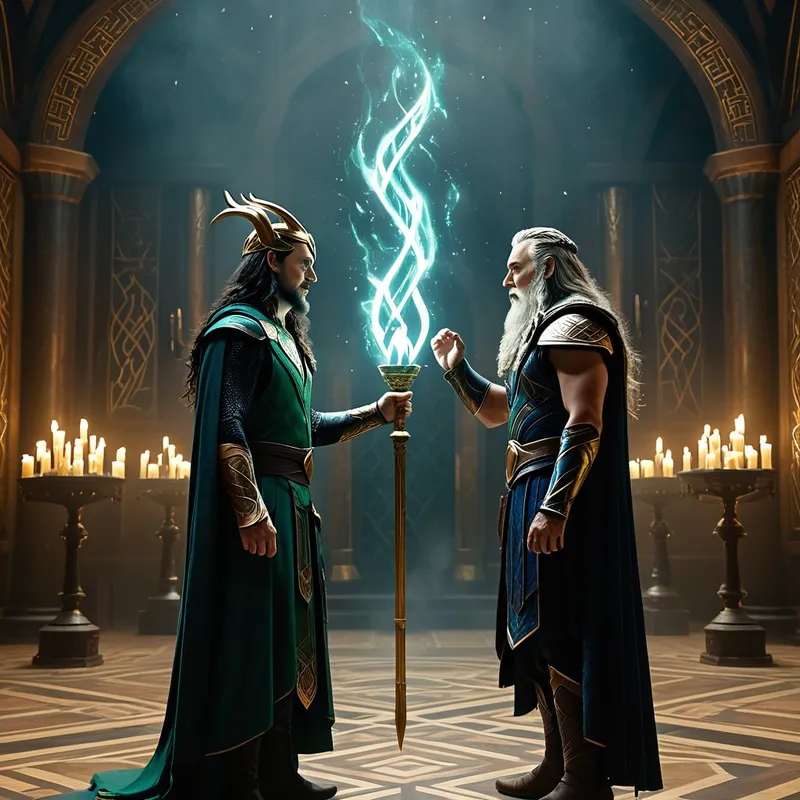
Beneath the surface drama of argument or chase lies the profound architecture of Individuation—the lifelong process of integrating the unconscious into the conscious self. Here, conflict is the primary tool. Think of your psyche not as a monolithic self, but as an internal family system, a council of distinct sub-personalities or parts. The righteous critic, the vulnerable child, the ambitious striver, the weary protector: each has a voice, a need, a truth. In waking life, we often exile the voices that cause discomfort. In dreams, they are summoned to the round table.
The shadow work here is not about battling a monstrous "other," but about recognizing that the opposing force in the dream—the menacing stranger, the withholding authority, the relentless pursuer—is a disowned part of you. It carries a quality you have refused to acknowledge: your own ruthlessness, your need for dependency, your unexpressed grief or rage. The conflict arises because this exiled part is demanding citizenship in your psyche. It will not be ignored. The pressure you feel is the strain of a psychological structure that has become too small, too rigid, trying to contain a wholeness that is struggling to be born.
Mythic Resonance
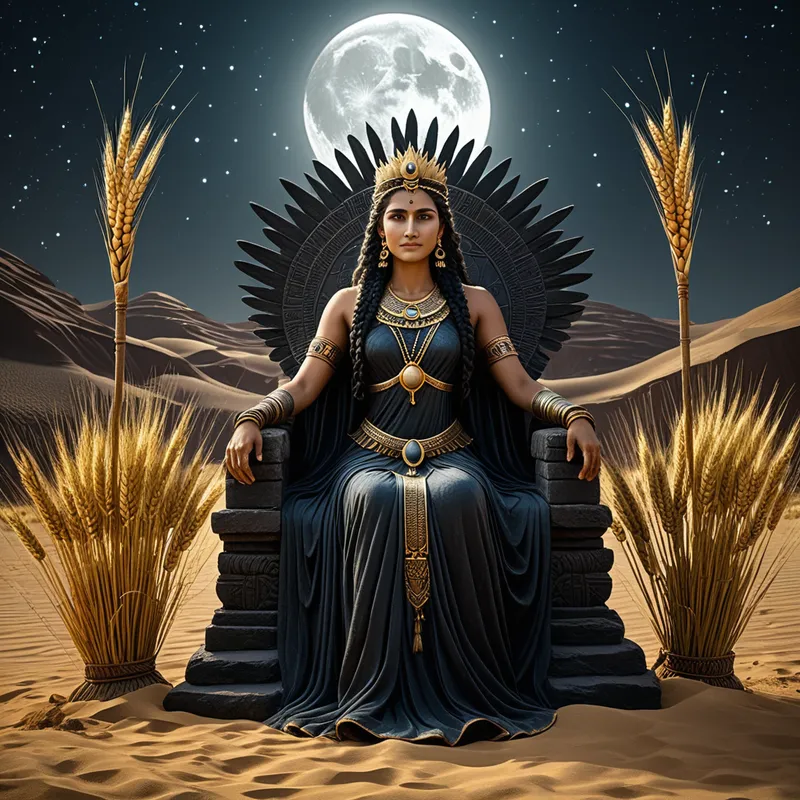
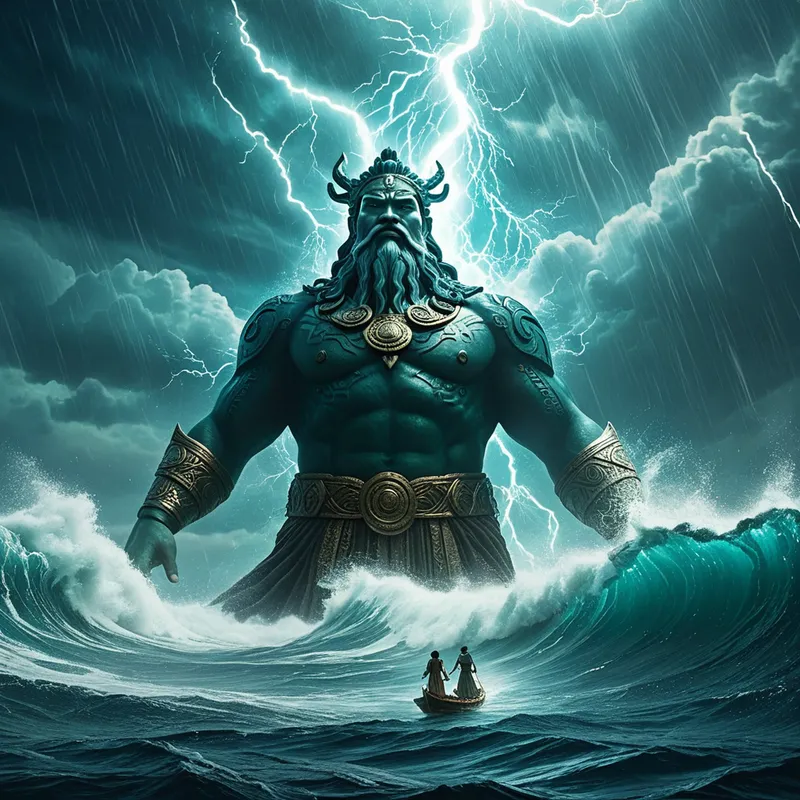
This universal process echoes in the oldest stories. Consider the Babylonian epic of Marduk and Tiamat. The world begins not in harmony, but in a primal, watery chaos embodied by the goddess Tiamat. From this undifferentiated unity, generations of gods are born, whose noise and activity eventually disturb her. She becomes the monstrous adversary, the chaos that must be confronted. Marduk, a god of a newer order, does not simply destroy her. He faces her in cosmic conflict, uses the winds to inflate her, and from her divided body, he creates the structured cosmos: heaven from one half, earth from the other.
The myth is not about good defeating evil. It is about the necessary, terrifying conflict between undifferentiated potential (Tiamat) and the impulse toward conscious order (Marduk). The structured world—your conscious identity—can only be built from the substance of the primal whole you must first engage and differentiate. Your dream conflict is your personal Marduk-Tiamat moment, where the chaos of your unlived life must be met, not fled, to become the material of your world.
Symbolic Nodes
- Being Chased: The pressure of an unlived life, a disowned trait, or unresolved past gaining on your conscious awareness.
- Arguments with Strangers or Loved Ones: Internal debates between different values, needs, or parts of the self projected outward.
- War or Battle Scenes: A major internal schism, a "civil war" within the psyche between opposing ideologies or life paths.
- Locked Doors/Impassable Barriers: A conscious limitation or belief system blocking access to a new part of yourself or your potential.
- Broken Tools or Weapons: The failure of old coping mechanisms or strategies in the face of a new internal demand.
- Two Animals Fighting: The clash of primal instincts or base drives (e.g., fear vs. desire, aggression vs. passivity).
Archetypal Resonance
The energy of conflict is most potently embodied by The Rebel Archetype. Not its shadow aspect of mere destruction, but its core essence: the revolutionary force that dismantles outmoded structures so that something more authentic can emerge. The Rebel’s somatic echo is that same charge in the gut, the adrenaline of "no more." Its core drive is not chaos for chaos's sake, but the overthrow of an internal tyranny—the rigid rules, inherited beliefs, and self-imposed limitations that constitute your personal status quo. In the alchemy of conflict, the Rebel is the necessary catalyst that applies the heat of defiance to the frozen patterns, initiating the breakdown that must precede renewal. It is the archetypal force that gives you permission to finally confront the shadow at the door.
The Alchemical Process
The transmutation of conflict follows the ancient formula: Solve et Coagula—Dissolve and Coagulate. The intense psychological heat and pressure (the nigredo) is generated by holding the tension of the opposites within your awareness, without rushing to choose a side or silence a voice. This is the fire of the forge.
First, Dissolve. You allow the old, brittle identity—the one that says "I never get angry" or "I must always be in control"—to be softened and broken apart by the truth of the conflicting feelings. This feels like a kind of death, a disorientation. The grief in the dream is the signal of this dissolution.
Then, Coagulate. From the dissolved elements, a new synthesis is formed. The aggressive drive and the compassionate drive find a middle path as assertive protection. The orphaned vulnerability and the rigid independence coalesce into interdependent strength. The new whole is more complex, more resilient, and more sovereign because it contains what was once at war. The key appears in your hand only after you feel the grief of the old door dissolving.

The Integration Protocol
Question 1: In the dream, what did the opposing force want? Not what it did, but what its deeper intention or need might have been.
Question 2: If the two sides of this conflict were to form an alliance, what new, third thing could they create together that neither could achieve alone?
Question 3: Where in my waking life do I feel this same somatic echo—that specific tightness or charge—and what internal "part" of me might be speaking through it?
Action 1 (Somatic Grounding): When you feel the somatic echo of conflict in waking life, stop. Place a hand on the area of tension. Breathe into it for three cycles, not to make it leave, but to acknowledge its presence. Silently ask, "What are you here to tell me?"
Action 2 (Unstructured Writing): Set a timer for 10 minutes. Write a dialogue between the two opposing figures or forces from your dream. Let them speak to each other without your conscious censorship. Do not force a resolution; simply let them exchange words.
Action 3 (Ritual of Synthesis): Find two small objects that symbolically represent the two sides of your dream conflict (e.g., a sharp stone and a soft feather). Spend a moment with each, then physically bind them together with a cord or place them in a small pouch, acknowledging the creation of a new, composite talisman from their union.
Final Validation
To dream of conflict is to be entrusted with a difficult and sacred labor. It is wearying, frightening work to hold the fragments of yourself at odds and believe they can become a whole. This fatigue is real. This confusion is valid. You are not breaking; you are being broken open. The forge is hot, the metal is under the hammer, and the shape emerging is uniquely, irrevocably yours. The conflict is not the end of your peace. It is the very process by which a deeper, more earned sovereignty is being fashioned—a wholeness that includes all of your wars, and has made a treaty with itself.