The Dream of Guardianship: From Fortress to Sovereignty
The Somatic Echo
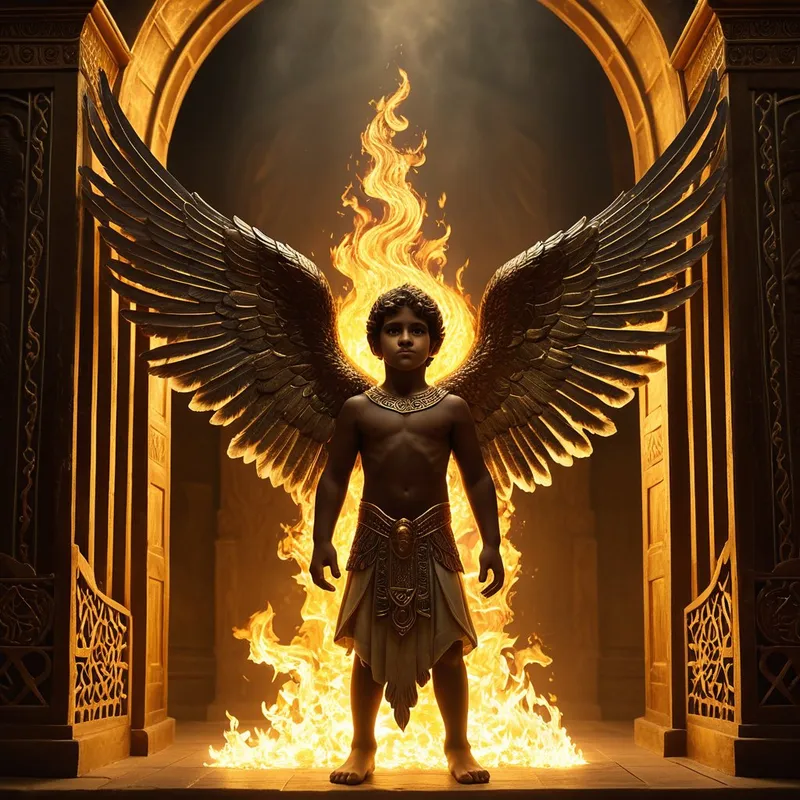
Before the image of a sentinel, a locked gate, or a shielded child forms in the mind, the dream of guardianship announces itself in the body. It is a specific, paradoxical gravity. There is a weight—a dense, anchoring pressure in the solar plexus, as if a stone of responsibility has been swallowed and settled there. Yet, simultaneously, there is a lightness, a subtle expansion in the chest, a breath held not in fear, but in the quiet awe of a boundary being honored. It is the feeling of standing at the edge of a sacred grove, knowing you are both the protected and the perimeter. The skin becomes a sensitive membrane, not to threat, but to presence. This is the somatic prelude to a profound internal reorganization: the system preparing to transfer authority from an externalized guardian to an internalized one.
The Dreamer's Log (Case Vignette)
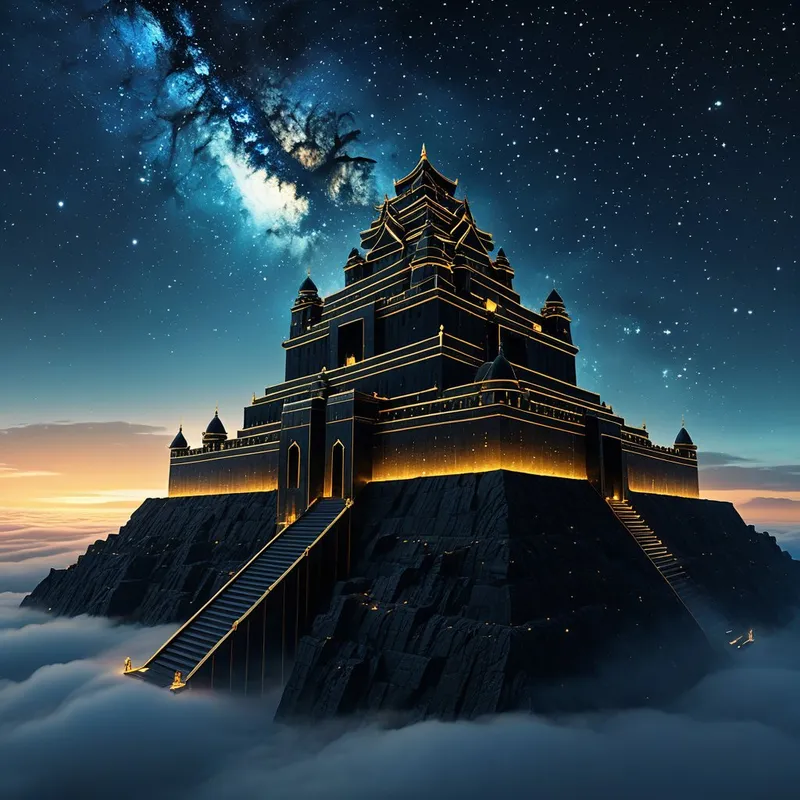
I stood at the edge of a silent, moonlit plaza. In the center, on the lowest step of a ziggurat that vanished into cloud, lay a single, heavy iron key. I knew it was mine to take, but I did not move. I was waiting for permission from a guardian I could not see, whose absence was more palpable than any presence.
This dream is not about finding a key, but about the alchemical dissolution of the internalized permission-slip, where the watcher on the perimeter must be invited inside and integrated before the next step can be taken.

The False Lead
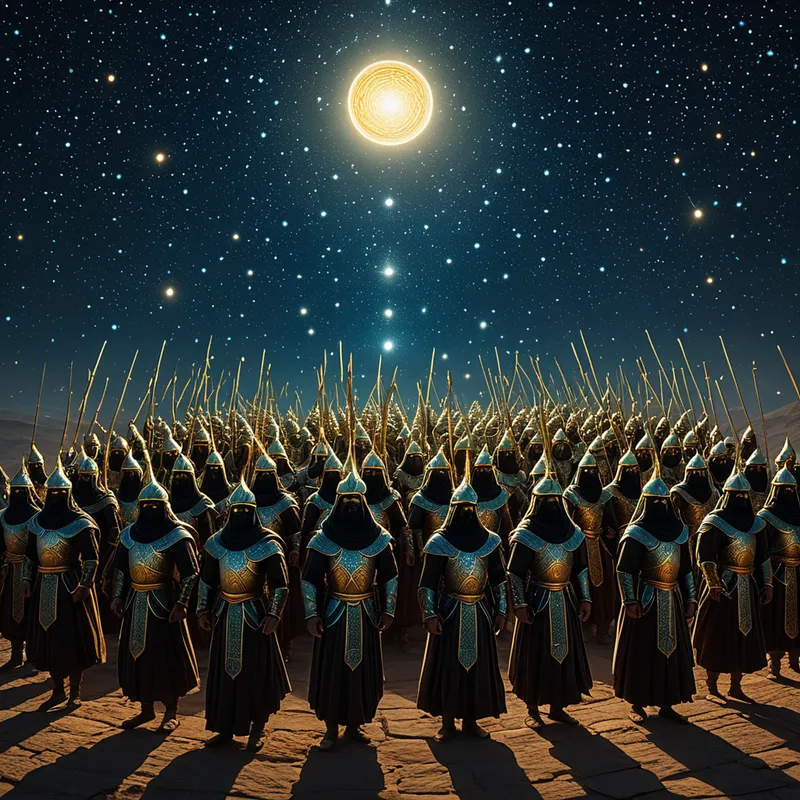
Guardianship is not about dependency, nor is it a dream of passive safety. To mistake it for a wish for a savior is to misread the entire text. The dream is not saying, “I need to be saved.” It is asking, “What part of me has believed it could not save itself?” The guardian figure—be it a soldier, a wall, a fierce animal, or an absent permission-granting authority—is not an external solution arriving. It is an internal structure being revealed. This is the critical distinction: the dream highlights the architecture of your own internal protection systems, not their failure. The terror or grief sometimes associated is not about the guardian’s failure, but about the terrifying and glorious prospect of becoming it.
Psychological Architecture
The work here is shadow work of the most intimate kind. It involves meeting the exiled parts of the self that have, for a lifetime, been assigned the role of “the one who needs guarding.” The fearful child, the naive innocent, the fragile artist—these are not weaknesses to be walled off, but potentials waiting for recognition from a mature, internal authority. Guardianship dreams signal the moment when the psyche’s “internal family system” is ready for a coup of consciousness. The protective manager parts—the inner critic, the hyper-vigilant strategist—who have been standing guard with exhausting diligence, are being called to the negotiating table. Their energy is not to be dismissed, but transmuted. The alchemy lies in the hero’s journey turning inward: the part that fought external dragons must now lay down its arms and become the steward of the inner kingdom. Individuation here is the process of claiming the throne that has always been empty, realizing you were both the waiting heir and the loyal knight sworn to protect that heir’s slumber.
Mythic Resonance
Consider the myth of Psyche and Eros. Psyche is placed in a luxurious, guarded palace by her invisible husband, Eros. She is provided for, protected, but kept in deliberate ignorance—she is not allowed to see him. Her guardianship is a beautiful prison. Her journey toward wholeness begins not when the protection fails, but when she actively breaches its terms, lighting the lamp to gaze upon her lover. The guardian (the condition of ignorance) is overthrown by her own seeking, initiating her series of impossible tasks—the alchemical trials that forge her into a goddess in her own right. The myth is not about Eros saving her; it is about Psyche outgrowing the need for the form of protection he offered, integrating its essence (love) through her own earned sovereignty.
Symbolic Nodes
- Walls, Gates, Bridges, Thresholds: Architectures of boundary and passage.
- Keys, Seals, Sigils: Objects of authorized access or binding.
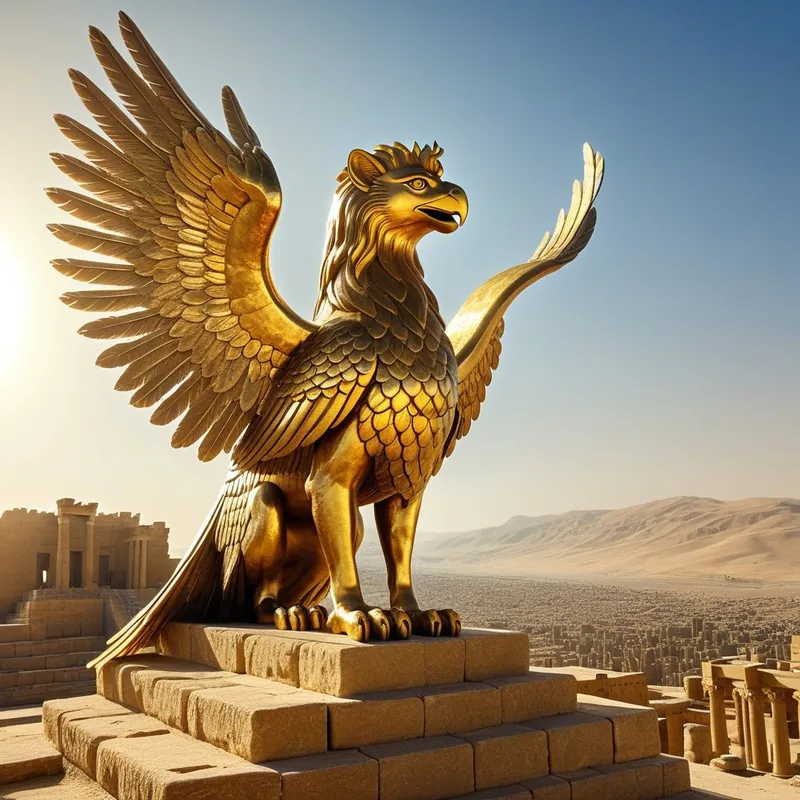
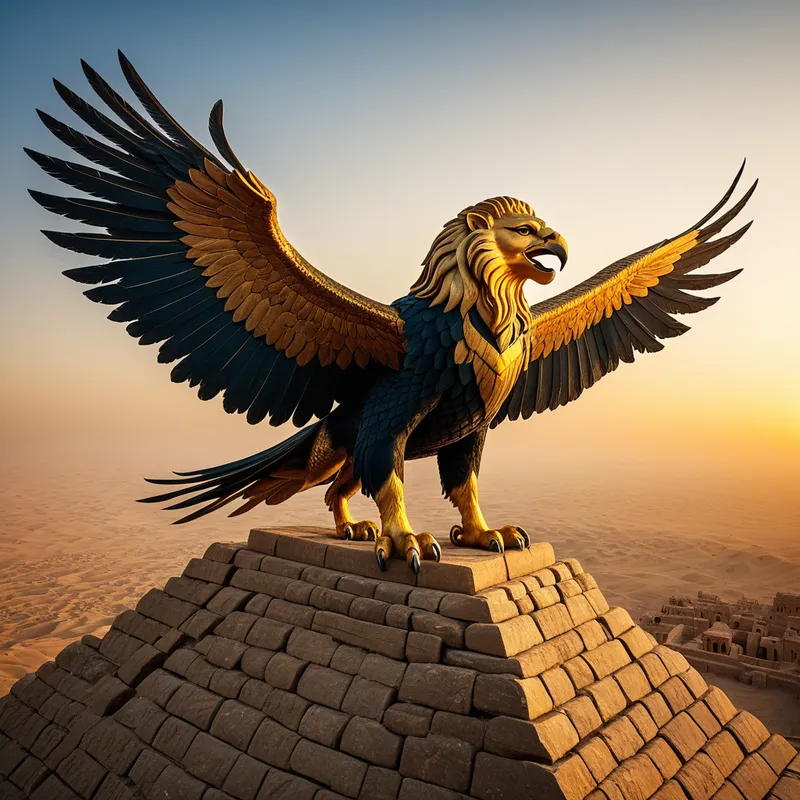
- Sentinient Statues, Automatons, Sleeping Giants: Protectors awaiting activation or command.
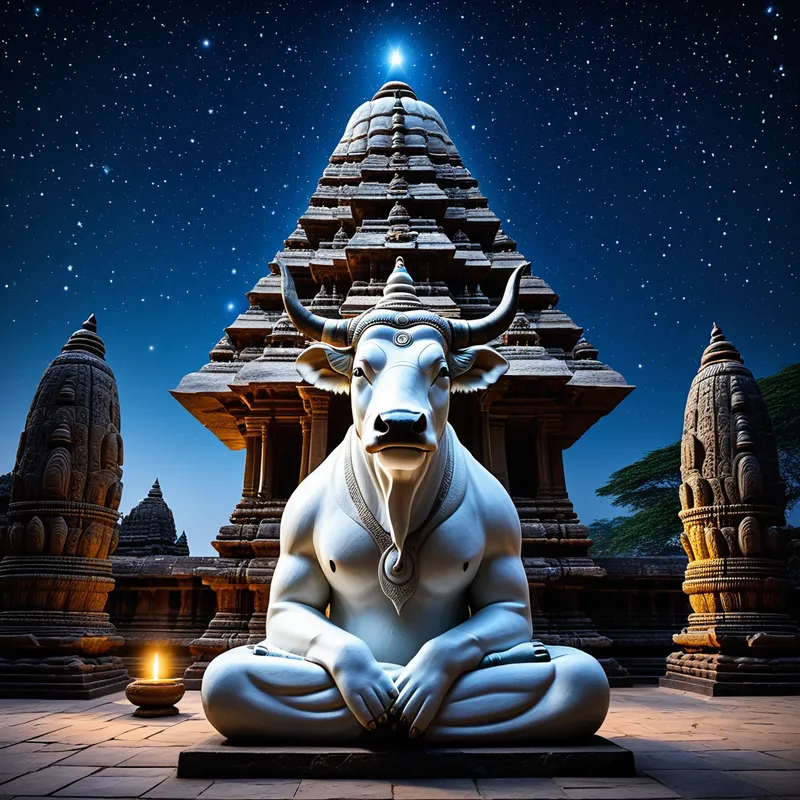
- Fierce Animals (Lions, Wolves, Bulls): Instinctual, untamed protective force.
- An Empty Throne, An Unoccupied Guard Post: The vacancy of authority.
- A Shield held by no one, A Sword embedded in stone: Potential protection awaiting a claim.
Archetypal Resonance
The energy at the core of the Guardianship dream is that of The Ruler Archetype, specifically in its nascent, emerging state. The shadow ruler—the Tyrant or Control-Freak—is often the overactive, externalized guardian we project onto the world or install as an inner critic, mistaking rigid control for true protection.
The Ruler archetype resonates because this theme’s somatic echo is the weight and space of sovereignty. The pressure in the solar plexus is the felt sense of responsibility coming online; the expansive breath is the authority to set boundaries and create order. The alchemical potential is the transformation of chaos (the unprotected inner child) into a cosmos (a self-governed psyche). The guardian in the dream is the Ruler’s loyal regent, holding the kingdom until the true sovereign—the integrated Self—awakens to claim it. The dream is the coronation ceremony, often experienced as a trial, because to accept the crown is to accept the end of blaming external forces for one’s internal state.
The Alchemical Process
The transmutation here is from Fortress to Sovereignty. The prima materia is the raw grief and terror of perceived vulnerability. The heat is applied through a conscious, voluntary dissolution of the old guardian identity. This is the intense pressure of asking: “If I am not the one who needs saving, and I am not the weary soldier saving others… who am I?” It requires sitting in the terrifying silence of the empty throne room, feeling the absence of both the tyrant and the savior. The alchemical fire is the willingness to let the old, rigid walls of “protection” (which were also prisons) crack and erode. In that dissolution, the base metal of dependency is separated out. What remains and is reconstituted is not a stronger wall, but a centered, resilient core—the philosopher’s stone of Self-Governance. The guardian does not vanish; it is invited inward, its vigilant energy transformed into the clear-eyed discernment and compassionate boundaries of a true sovereign.
The Integration Protocol
Question 1: In the dream, what was the guardian protecting? Name it not as a person, but as a quality, a feeling, or a forgotten potential within you.
Question 2: If that guardian figure could speak its deepest, most exhausted truth—not its duty, but its unvoiced longing—what would it say?
Question 3: What is one small, everyday situation where you currently seek “permission” or external validation, and what would it feel like to silently grant it to yourself from a place of inner authority?
Action 1 (Somatic Reclamation): For one minute, stand with your feet firmly planted. Place one hand on your solar plexus and one on your heart. Breathe into the space between them, imagining you are not filling an emptiness, but occupying a presence. Feel the weight and the space of your own authority in your body.
Action 2 (Creative Council): Draw, paint, or digitally create two simple symbols. One represents your old “guardian” (a wall, a lock, a stern face). The other represents your emerging “sovereign” (a crown, a key, a balanced scale). Place them on a page and draw a third symbol in the center that represents the transmutation of the first into the second.
Action 3 (Ritual of Authorization): Find a small, ordinary object—a stone, a ring, a particular pen. Declare it, privately, your “Sigil of Sovereignty.” For one week, each time you feel indecision or seek external validation, hold or look at this object. Let it be a tactile anchor to the internal authority you are integrating. After the week, retire or repurpose it; the anchor will then be within you.
Final Validation
It is profoundly difficult to dismantle the walls you once begged for, to silence the inner guard you once relied upon for a sense of safety. To feel the vulnerability of that open space is the work of a lifetime, condensed into a night’s vision. Honor the fear; it is the last loyal salute of a retiring protector. Then, take the breath that expands your chest. That breath is not just air—it is the atmosphere of your own kingdom. You are not being left unguarded. You are being asked, at last, to come home and rule.