The Dream of Loyalty: From Somatic Contract to Sovereign Vow
The Somatic Echo
Before the mind can parse the narrative, the body knows the dream of loyalty. It is not a thought but a weight—a specific, localized density in the chest, a constriction around the heart that feels less like emotion and more like architecture. It is the ghost of a handshake you never made, the imprint of a promise etched into the fascia. The breath becomes shallow, held in a chamber of unspoken terms. The shoulders carry an invisible mantle, its fabric woven from expectation and silent debt. This is the somatic echo of a contract, a binding agreement written not on paper but in the very clay of your being. It speaks of systems held in tension, of parts of the self bound by ancient, unexamined oaths. The feeling is one of being tethered, a profound connection that can either root you in strength or anchor you in the depths.
The Dreamer's Log
The dreamer stands in a stark, minimalist room of polished black stone. On a cold plinth before them rests a fragmented data-crystal, its core flickering with corrupted light. To its side sits a single, full glass of deep red wine, untouched and perfect. A voice, neither internal nor external, states a simple, impossible command: "You must drink the crystal and preserve the wine." A profound, weary grief settles in, the grief of a choice that is no choice at all.
Alchemical Interpretation: The psyche presents the impossible bind of a loyalty that demands the consumption of fractured, poisonous information (the crystal) while preserving the pure, intoxicating potential of relationship (the wine) in sterile, untouchable stasis.

The False Lead
A dream of loyalty is not a simple parable of betrayal or steadfastness. It is not about the surface drama of a friend’s lapse or a partner’s infidelity, though these may be its costumes. The terror here is not of external abandonment, but of an internal schism. The false lead is to interpret it as a commentary on others’ faithfulness, projecting the conflict outward. The true territory is within: it is the conflict between different internal families—the part that swore an oath to an old identity, the part that longs for liberation, the part that fears the collapse of an entire inner world if the vow is examined. It is the grief of realizing a foundational loyalty may be to a ghost, a construct, or a cage you mistook for a castle.
Psychological Architecture
To work with loyalty in dreams is to enter the silent council chamber of the psyche. Here, various sub-selves—the Internal Family—hold seats. One part, perhaps the Inner Guardian, pledged fealty long ago to a cause: to keep the peace at any cost, to uphold the family narrative, to never outshine a parent, to remain the reliable one. This vow became law, the bedrock of identity. But another part, the Explorer or the Sovereign, has grown in the shadows. Its needs—for autonomy, for authentic expression, for a new path—are now in direct conflict with the Guardian’s oath.
The shadow work is not to slay the Guardian, but to approach its throne. It is to sit with this loyal protector and listen to the original trauma, the ancient fear that necessitated such a rigid vow. "If I do not hold this line," it whispers, "everything will dissolve." The individuation process is the agonizing, sacred task of re-negotiating the contract. It is telling the Guardian, "Your service is honored, but the kingdom has changed. The old threat is gone. I need you now not as a warden of a frozen vow, but as a protector of my becoming." This is the restructuring of the inner government, moving from autocracy ruled by one frozen promise to a fluid sovereignty where all parts are heard, and loyalty is ultimately pledged to the consciousness that holds them all.
Mythic Resonance
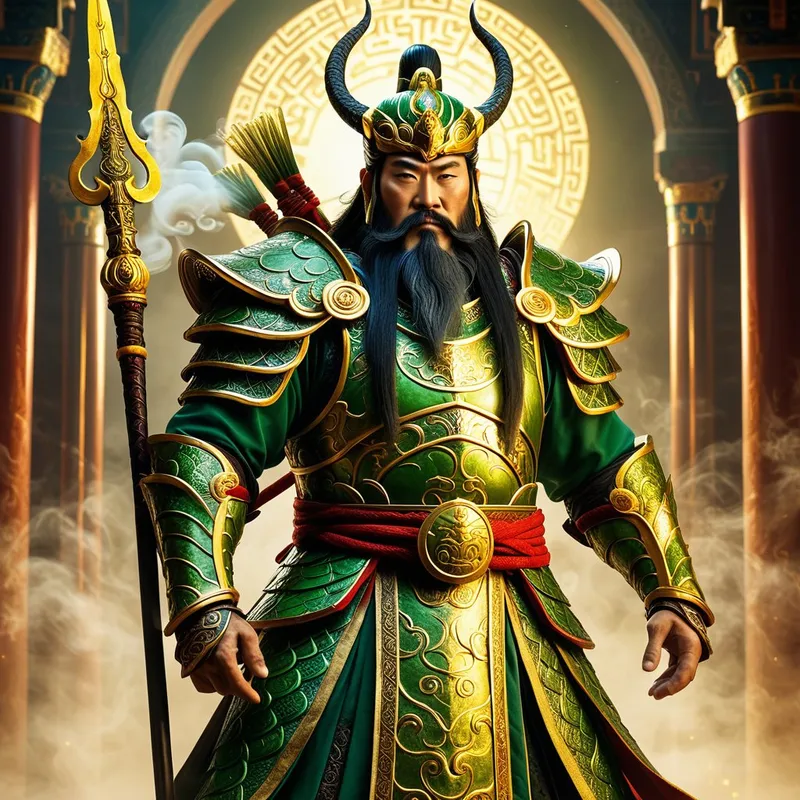
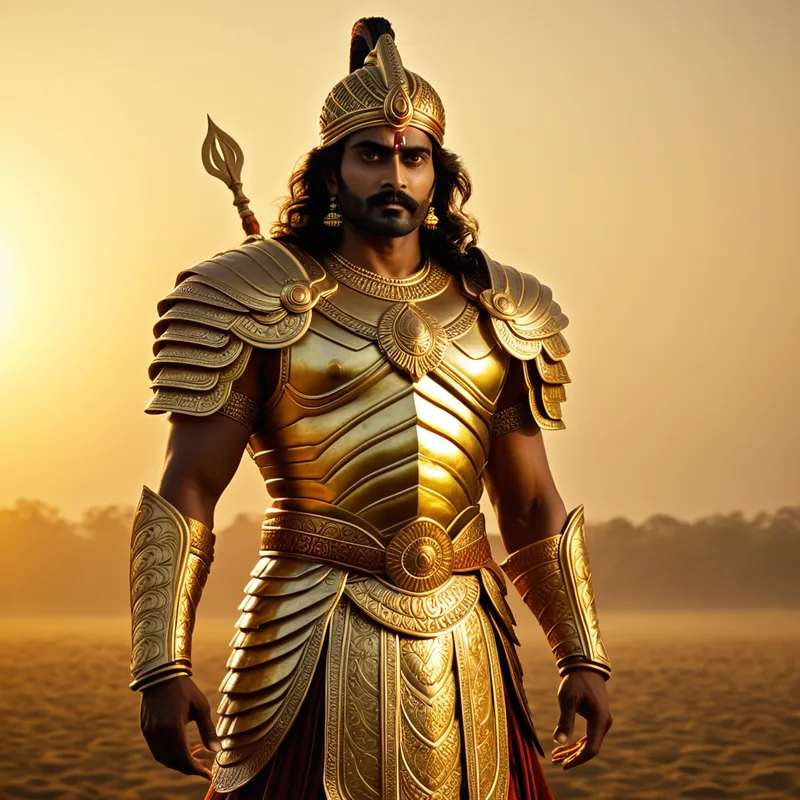
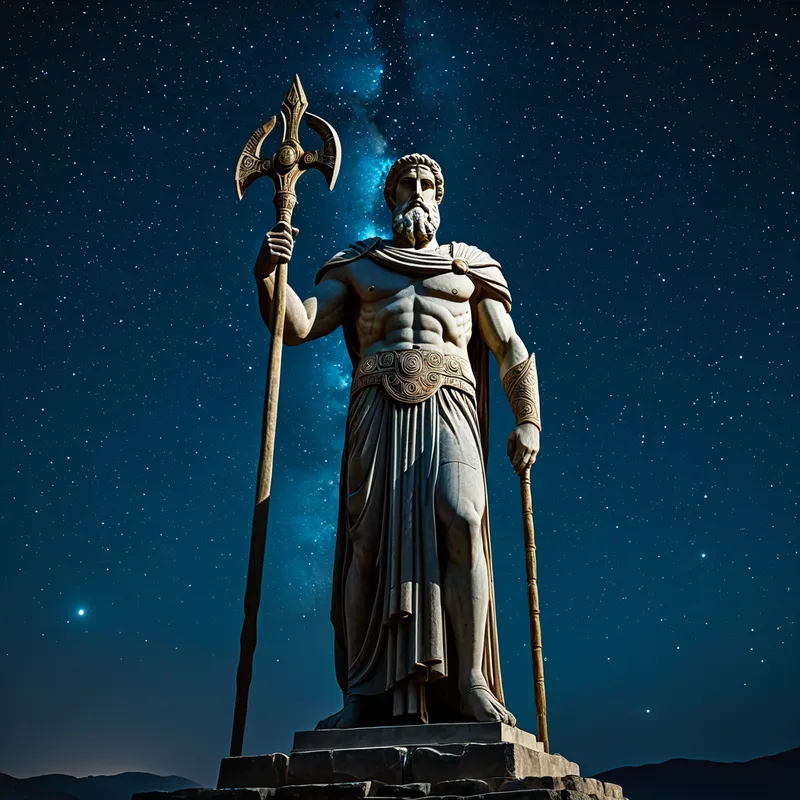
We see this eternal drama in the myth of Achilles. His loyalty is fatally divided. He is loyal to his personal honor and his beloved Patroclus, yet he is also bound by his oath to Agamemnon and the Greek cause. When Agamemnon insults him, Achilles faces the impossible bind: to break his loyalty to the army (rendering himself an outcast) to preserve his loyalty to his own worth. His withdrawal is not mere sulking; it is the somatic and psychic collapse of a system built on conflicting vows. The tragedy unfolds not because he is disloyal, but because the architecture of his loyalties contains a fatal flaw—they are not integrated under a conscious, sovereign self. He is a collection of powerful oaths at war with each other.
Similarly, the Arthurian legend of The Knights of the Round Table is a grand experiment in layered loyalty—to the king, to the code of chivalry, to God, and to the personal quest for the Grail. The table’s fracture is inevitable, not from a lack of loyalty, but from its multidimensional, often contradictory, demands. Lancelot’s loyalty to Guinevere conflicts with his loyalty to Arthur; the quest for the Grail demands a loyalty to a divine mystery that supersedes all earthly bonds. These myths are not about choosing the right loyalty, but about the psyche-shattering tension of holding multiple, profound commitments within one human vessel.
Symbolic Nodes
- Keys, Locks, and Vaults: The mechanisms of binding and securing agreements.
- Ties, Knots, Chains, and Bridges: The connectors, which can be lifelines, restraints, or sacred bonds.
- Signed Documents, Seals, and Blood Oaths: The formalization of the vow.
- Two Paths Diverging: The classic image of conflicting loyalties.
- A Heart in a Cage or a Glass Case: The protected or imprisoned core of feeling.
- A Broken Tool or Weapon that Must Still be Used: The burden of an outdated promise.
- A House with a Secret, Locked Room: The part of the self or history held in loyal silence.
Archetypal Resonance
The energy of the loyalty dream resonates most deeply with The Ruler Archetype in its shadow and integrated forms. The Shadow Ruler is the internal tyrant that enforces the old, rigid contract with an iron will, demanding order and compliance above all else, fearing the chaos of a renegotiated self. Its loyalty is to the map of the kingdom, not the living, changing land. The somatic echo of this shadow is the stiffened spine, the clenched jaw, the weight of the crown as a burden.
The alchemical potential lies in transmuting this into the integrated Sovereign. This Ruler’s loyalty is not to a frozen set of rules, but to the healthy functioning and evolution of the entire inner realm. It understands that true loyalty is to the process of sovereignty itself—the conscious, compassionate governance of one’s multifaceted being. It forges vows that are alive, adaptable, and ultimately directed inward, pledging fealty to the authentic Self that can hold both the Guardian’s protectiveness and the Explorer’s longing. The shift is from being a subject of an old oath to becoming the monarch of a living psyche.
The Alchemical Process
The alchemical transmutation of loyalty is the process of The Dissolution of the Compacted Oath. The raw material is the prima materia of that somatic weight—the dense, leaden feeling of obligated fidelity. The heat is applied through conscious contradiction. It is the searing friction created when you fully acknowledge two truths: "I feel bound by this," and "This bond is harming my life." This is the nigredo, the blackening, a descent into the grief of the loyal protector within and the grief of the part it has been restraining.
The pressure is the sustained, compassionate attention—the solve et coagula (dissolve and coagulate)—applied to the internal conflict. You do not break the oath in rage; you dissolve its glue in the solvent of understanding. You listen to the fear that created it. You witness the cost of maintaining it. In this crucible of self-witnessing, the compacted, unconscious loyalty begins to fracture. Its energy is not destroyed but released. The coagulation is the slow, careful re-forming of that energy into a new, conscious vow—a loyalty to your own integrity, to your becoming, to the truth of your current life, not the ghost of a past necessity. The gold produced is Sovereign Choice: the ability to commit from a place of free, conscious alignment, not unconscious bondage.

The Integration Protocol
Question 1: In the dream, what or whom did I feel most obligated to, and what part of myself (e.g., the inner child, the achiever, the peacekeeper) originally swore that oath?
Question 2: If that loyal part of me were a person in my life today, what would it be most afraid would happen if it was released from its duty?
Question 3: What new, conscious vow could I make to my own wholeness that would honor the original protective intent of the old loyalty, while finally setting it free?
Action 1 (Somatic Unbinding): Sit quietly and locate the physical sensation of the "loyalty weight" in your body. Instead of trying to breathe into it to relax it, gently ask it, "What are you holding together?" Do not seek an answer in words. Wait for a shift, an image, or a memory. Simply acknowledge what arises.
Action 2 (Creative Re-Negotiation): Draw, paint, or sculpt the "contract" from your dream or feeling. Use symbols, not words. Then, using a different color or material, alter the artwork. Add elements that represent release, renegotiation, or a new, more flexible agreement. This is a direct dialogue with the psyche in its native, symbolic language.
Action 3 (Ritual of Conscious Choice): Find a small stone. Hold it and imbue it with the energy of the old, compacted loyalty. Speak to it, thanking it for its service and stating its original purpose. Then, take it to a crossroads—a literal intersection, a shoreline, a forest edge. Leave it there, symbolically returning the unconscious oath to the liminal space of choice. Walk away without looking back, consciously choosing your next step.
Final Validation
To dream of loyalty is to touch the very foundations of your psyche. It is harrowing work, for it asks you to become an archaeologist of your own soul, brushing dust from vows made in different eras of your life, under different duress. The grief and terror are real—they are the tremors of the inner world as its tectonic plates shift. But this is not a sign of breaking; it is the signal of a profound re-founding. You are not being disloyal to your past by outgrowing its contracts. You are being ultimately loyal to the truth of your own existence, forging a sovereignty where your commitments are chosen, alive, and serve the magnificent, ever-unfolding being you are becoming. The final loyalty is to the consciousness that can hold it all.