Architecture & Places

Pavilion Dream Meaning

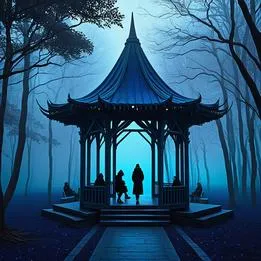
A temporary or ornamental structure representing shelter, gathering, and transition between public and private spaces.

Common Appearances & Contexts

Context Emotion Interpretation
Empty pavilion Loneliness Missing social connections.
Crowded pavilion Overwhelm Social pressure concerns.
Damaged pavilion Anxiety Support systems failing.
Decorated pavilion Joy Celebratory life phase.
Locked pavilion Frustration Inaccessible opportunities.
Floating pavilion Wonder Transcendent possibilities.
Ancient pavilion Reverence Connection to tradition.
Melting pavilion Fear Temporary nature reality.
Glowing pavilion Hope Guidance available.
Rotating pavilion Confusion Changing perspectives.
Mirrored pavilion Self-awareness Reflection on identity.
Singing pavilion Harmony Inner peace achieved.

Interpretive Themes

Cultural Lenses

Jungian Perspective

View Context →

Represents the Self as a temporary container for consciousness, a meeting place between conscious and unconscious realms where individuation processes occur.

Freudian Perspective

View Context →

Symbolizes the female reproductive system or womb, with its open yet sheltered structure representing sexual desires and birth fantasies.

Gestalt Perspective

View Context →

Represents the dreamer's current life situation as a temporary structure, with its condition reflecting how one organizes their experiences and relationships.

Cognitive Perspective

View Context →

Manifestation of memory consolidation, often representing recent social experiences or problem-solving attempts regarding community and shelter needs.

Evolutionary Perspective

View Context →

Primitive shelter memory activating survival instincts, representing safe gathering spaces crucial for human cooperation and protection from elements.

East Asian Perspective

View Context →

Traditional garden pavilions represent harmony with nature, philosophical contemplation spaces, and temporary retreats from worldly affairs in Chinese, Japanese, and Korean cultures.

South Asian Perspective

View Context →

Mandapas in Hindu temples and wedding pavilions symbolize sacred space, ritual transition, and the temporary nature of earthly existence in Indian traditions.

Middle Eastern Perspective

View Context →

Iwan structures in Persian architecture represent royal authority, shaded gathering spaces in desert climates, and transitional zones between public and private domains.

European Perspective

View Context →

Garden follies and bandstands symbolize aristocratic leisure, romantic ideals, and temporary entertainment structures in parks and estates since the Renaissance.

African Perspective

View Context →

Community gathering spaces under thatched roofs represent oral tradition preservation, elder wisdom sharing, and temporary shelter during ceremonies across various cultures.

North American Perspective

View Context →

Picnic shelters and park pavilions symbolize community recreation, family gatherings, and democratic access to public leisure spaces in contemporary society.

Latin American Perspective

View Context →

Plaza kiosks and festival structures represent community celebration, temporary market spaces, and cultural gathering points during religious and civic festivities.

AI-Powered

Interpret Your Full Dream

Beyond this symbol, every dream carries a unique story. Share your dream for a personalized AI-powered interpretation.