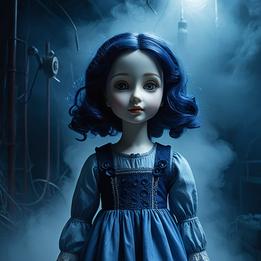
Dolly
A doll representing childhood innocence, creativity, or artificiality; often symbolizes nurturing, control, or artistic expression.
Dolly Dream Meaning
A doll representing childhood innocence, creativity, or artificiality; often symbolizes nurturing, control, or artistic expression.
Interpretive Themes
Childhood Innocence
highMay reflect longing for simpler times.
Creativity and Artifice
highSymbolizes human creation and imitation.
Control and Manipulation
mediumCould indicate desire for influence.
Identity and Reflection
mediumQuestions authenticity and self-image.
Nostalgia and Memory
lowLinks to unresolved childhood feelings.
Mythological Resonance
Pygmalion
GreekSculptor who fell in love with his own creation, the statue Galatea, which Aphrodite brought to life, representing the boundary between art and life, creation and reality.
Golem
Jewish folkloreAnimated being created from clay, representing human attempt to create life, the ethical responsibilities of creation, and the danger of creations exceeding their maker's control.
Cultural Lenses
Jungian Perspective
View Context →Represents the 'puer/puella' archetype—eternal child energy symbolizing creativity and potential, but also immaturity. In modern context, it may indicate a need to integrate playful, authentic aspects of self.
Freudian Perspective
View Context →Often symbolizes childhood sexuality or parental figures, with dolls representing fetish objects or substitutes for real relationships. Modernly, it may reflect unresolved Oedipal/Electra complexes or attachment issues.
Gestalt Perspective
View Context →The dolly is a projection of the dreamer's own traits—perhaps a disowned part of self (like vulnerability or creativity). In modern therapy, it encourages dialogue with this 'part' for integration.
Cognitive Perspective
View Context →A mental schema for 'caregiving' or 'play,' activated during sleep to process daily experiences. Modern research views it as memory consolidation related to childhood or creative tasks.
Evolutionary Perspective
View Context →Rooted in primal nurturing instincts and social bonding through play, enhancing group cohesion. In modern society, it may symbolize adaptive behaviors for caregiving or social mimicry.
Global/Universal Perspective
View Context →Cross-culturally, dolls often serve as ritual objects (e.g., voodoo dolls, Japanese hina ningyo) for magic or education. Modernly, they symbolize universal themes of creation and control across societies.
East Asian Perspective
View Context →In traditions like Japan's 'ningyo,' dolls are spiritual vessels or protective charms, historically used in rituals. Modernly, they reflect cultural aesthetics and collectibility, blending art with tradition.
South Asian Perspective
View Context →Dolls like Indian 'gudiya' are tied to festivals (e.g., Navratri) and storytelling, symbolizing deities or moral lessons. Today, they represent cultural heritage and educational tools in a globalized world.
Middle Eastern Perspective
View Context →Historically, dolls were rare due to religious interpretations, but used in folk tales and as educational toys. Modern context sees them as symbols of globalization and changing social norms.
European Perspective
View Context →From ancient Greek 'korai' to Victorian dolls, they symbolized ideals of beauty and domesticity. Modernly, they evoke nostalgia and critique of gender roles in Western consumer culture.
African Perspective
View Context →Dolls like Akan 'akua'ba' are fertility symbols and ritual objects, historically used in rites of passage. In contemporary settings, they represent cultural identity and artistic expression.
Modern Western Perspective
View Context →Heavily influenced by pop culture (e.g., Dolly Parton, Barbie), symbolizing celebrity, feminism, and consumerism. Reflects tensions between authenticity and artificiality in digital age.
Historical Authorities
Want a deeper analysis?
Get a personalized interpretation of your entire dream including this symbol.
Interpret My DreamThe Oracle's Prediction
Combine multiple symbolsA relationship will be tested by issues of authenticity versus performance.
Timeframe
Seasonal (~3 Months)
Intensity
Deep
A creative or spiritual project will require you to distinguish between imitation and authentic expression.
Timeframe
Lunation (~29 Days)
Intensity
Deep
Common Appearances & Contexts
| Context | Emotion | Interpretation |
|---|---|---|
| Context Broken dolly | Emotion Sadness | Interpretation Loss of innocence. |
| Context Singing dolly | Emotion Joy | Interpretation Creative expression emerging. |
| Context Giant dolly | Emotion Fear | Interpretation Overwhelming childhood issues. |
| Context Repairing dolly | Emotion Hope | Interpretation Healing past wounds. |
| Context Multiple dollies | Emotion Confusion | Interpretation Identity fragmentation. |
| Context Dolly in water | Emotion Anxiety | Interpretation Emotional overwhelm. |
| Context Dolly on stage | Emotion Pride | Interpretation Desire for recognition. |
| Context Dolly speaking | Emotion Surprise | Interpretation Unconscious messages surfacing. |
| Context Dolly as gift | Emotion Love | Interpretation Receiving care. |
| Context Dolly factory | Emotion Awe | Interpretation Mass production of self. |
| Context Dolly in mirror | Emotion Unease | Interpretation Self-reflection distorted. |
| Context Dolly leading | Emotion Trust | Interpretation Guided by innocence. |
Interpret Your Full Dream
Beyond this symbol, every dream carries a unique story. Share your dream for a personalized AI-powered interpretation.