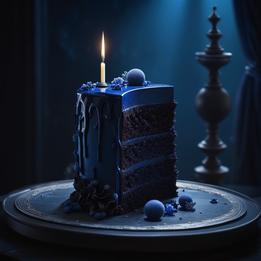
Cake
A cake symbolizes celebration, indulgence, and the sweetness of life, often reflecting personal achievements or significant events.
Cake Dream Meaning
A cake symbolizes celebration, indulgence, and the sweetness of life, often reflecting personal achievements or significant events.
Interpretive Themes
Celebration
highCakes are traditionally used in parties and significant occasions.
Indulgence
mediumCakes can evoke feelings of guilt or joy depending on context.
Achievement
highCan signify the recognition of hard work or success.
Nostalgia
mediumCertain cakes may evoke personal stories or past events.
Generosity
lowSymbolizes the joys of giving and receiving.
Mythological Resonance
The wedding feast of Peleus an
The wedding feast of Peleus and Thetis, where Eris's golden apple sparked divine discord, turning celebration into contention.
Cultural Lenses
Jungian Perspective
View Context →Cakes represent the richness of the psyche and fulfillment. Dreams may reveal desires for self-actualization. Cakes as symbols of integration and balance.
European Perspective
View Context →Cakes signify celebrations such as birthdays and weddings. Common in various societal rituals. [Western] Central to many social customs.
East Asian Perspective
View Context →Cakes (especially wagashi) represent seasonal beauty. Specific cakes are used in ceremonies and festivals. [Japanese] Incorporates elements of art and aesthetics.
East Asian Perspective
View Context →Cakes are used in festivals celebrating harvest and prosperity. Food offerings are central to spiritual rituals. [South Asian] [Hindu] Reflects social gatherings and conviviality.
European Perspective
View Context →Cakes symbolize celebration and the importance of family. Typically integral to family gatherings and holidays. Food serves as a love language.
European Perspective
View Context →In Norse culture, feasting on cakes symbolizes the celebration of life's achievements and the communal aspect of joy.
Middle Eastern Perspective
View Context →In Ancient Egypt, cakes made of honey and grain were offerings to the gods, representing gratitude and the sweetness of life.
European Perspective
View Context →In Christian symbolism, cake often represents the joy of feasting, particularly during significant holidays like Christmas and Easter.
Jungian Perspective
View Context →In Jungian psychology, cake can symbolize the unconscious desires for pleasure and celebration, as well as the need to integrate contrasting aspects of the self.
East Asian Perspective
View Context →In Chinese celebrations, cake often represents prosperity and good fortune, especially during birthdays and weddings.
African Perspective
View Context →In many African cultures, cake is a ceremonial food that signifies community and togetherness during significant life events.
East Asian Perspective
View Context →In Japan, cakes are not only food items but also an art form, symbolizing the beauty and transience of life.
South Asian Perspective
View Context →In Indian celebrations, cake signifies joy and prosperity, becoming an integral part of festivities like weddings and anniversaries.
Historical Authorities
Want a deeper analysis?
Get a personalized interpretation of your entire dream including this symbol.
Interpret My DreamThe Oracle's Prediction
Combine multiple symbolsA deepening of bonds through shared joy or a significant social gathering.
Timeframe
Seasonal (~3 Months)
Intensity
Deep
Risk of overindulgence leading to neglect of deeper needs.
Timeframe
Immediate (Next 48h)
Intensity
Deep
Common Appearances & Contexts
| Context | Emotion | Interpretation |
|---|---|---|
| Context Baking a cake for a friend | Emotion Joy | Interpretation Might reflect feelings of love and connection. |
| Context Eating a piece of cake alone | Emotion Guilt | Interpretation Can signify indulgence without reward. |
| Context Celebrating a birthday with cake | Emotion Happiness | Interpretation Symbolizes personal milestones and connections. |
| Context A cake falling apart | Emotion Disappointment | Interpretation Might reflect feelings of failure or missed opportunities. |
| Context Cutting a cake at a wedding | Emotion Excitement | Interpretation Symbolizes commitment and new beginnings. |
| Context Giving away pieces of a cake | Emotion Generosity | Interpretation Can signify sharing blessings with others. |
| Context Making a cake for a significant event | Emotion Anticipation | Interpretation Signifies preparation and excitement for upcoming events. |
| Context Being offered an extravagant cake | Emotion Surprise | Interpretation Can indicate unexpected rewards or pleasures. |
| Context Choosing the cake flavor at a celebration | Emotion Deliberation | Interpretation Symbolizes decision-making regarding personal desires. |
| Context Stacking multiple layers of cake | Emotion Pride | Interpretation Reflects achievement and personal growth. |
Interpret Your Full Dream
Beyond this symbol, every dream carries a unique story. Share your dream for a personalized AI-powered interpretation.