Objects & Tools

Theater Dream Meaning

The theater represents the performance of life, creativity, and the exploration of one's inner self through roles and narratives.

Common Appearances & Contexts

Context Emotion Interpretation
Performing on stage Nervousness Reflects fear of judgment and desire to showcase abilities.
Watching a play Engagement Indicates a longing for inspiration or entertainment in waking life.
Being in the audience Anticipation May signify a desire for connection or to witness changes occurring around us.
Setting up the stage Excitement Represents preparation for new beginnings or changes in life.
Seeing a famous actor Admiration Can represent aspirations or role models influencing personal goals.
Behind the scenes Anxiety Suggests feeling unprepared or overwhelmed in managing life's complexities.
Creating a play Joy Highlights creativity and empowerment in expressing one's own story.
Forgetting lines Panic Communicates fears of inadequacy and the pressure to perform well.
Theater filled with people Stress May reflect feeling overwhelmed by expectations from others.
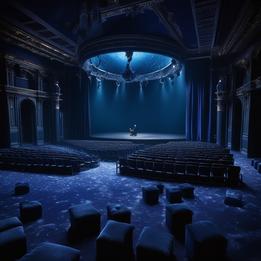
Empty theater Loneliness Indicates feelings of isolation and the desire for connection.
A rehearsal scene Hopefulness Symbolizes readiness for new endeavors or changes.
Falling from the stage Fear Indicates anxiety about losing control or failing in public.
Curtain call Fulfillment Signifies acknowledgment of efforts and personal accomplishments.
Watching an emotional scene Empathy Reflects one's own emotional struggles and growth.
Rehearsing lines with others Collaboration Expresses a desire for teamwork and shared experiences.

Interpretive Themes

Cultural Lenses

Jungian Perspective

View Context →

The theater is seen as a representation of the inner psyche where various archetypes perform. Dream analysis often uses theater motifs to decode complex emotional and psychological states. Jung emphasized the concept of the theater as a space for projection and interpretation of internal conflicts.

European Perspective

View Context →

Theaters were centers of cultural and religious activities, portraying myths and moral lessons. Used in festivals to celebrate gods and convey communal stories. [Greek] Dreams involving theaters may reflect a search for moral understanding or collective societal values.

East Asian Perspective

View Context →

Theater has a long tradition in expressing cultural narratives through dance and drama. Often related to festivals celebrating life, love, and community stories. [South Asian] [Indian]

African Perspective

View Context →

Theater encompasses storytelling traditions rooted in oral history and community identity. Often used in ceremonies reflecting tribal culture and history.

European Perspective

View Context →

Emphasized humanism, reflecting individual experience and societal issues through plays. Theater was a space for public discourse and cultural evolution. [Renaissance]

Modern Western Perspective

View Context →

Theater represents aspects of consumerism and individual expression. Avenue for artistic exploration and social critique.

Jungian Perspective

View Context →

In Jungian psychology, the theater symbolizes the stage of the psyche, where the dreamer enacts different roles representing various aspects of the self; it reflects the ego's desire for recognition and the deeper unconscious motives.

European Perspective

View Context →

In ancient Greek culture, theater was seen as a sacred space for exploring human emotions, fate, and morality, emphasizing catharsis and communal experience.

European Perspective

View Context →

During the Renaissance, theater represented the exploration of human experience and individualism, showcasing the blending of art, philosophy, and the quest for truth.

North American Perspective

View Context →

In Native cultures, storytelling through performance is a means of transmitting history, morality, and social values, emphasizing connection with community and the spirit world.

East Asian Perspective

View Context →

In Chinese culture, traditional theater such as Peking opera reflects the harmony between conflict and resolution, often emphasizing social roles and morality within family and society.

Modern Western Perspective

View Context →

In postmodern thought, theater challenges traditional narratives and authenticity, blending reality and performance, and raising questions about identity and representation.

African Perspective

View Context →

In many African cultures, theater is a communal activity that serves to educate and heal, reinforcing cultural identity and values through performance.

European Perspective

View Context →

Roman theater reflected societal values, politics, and the human condition through comedy and tragedy, highlighting issues of power, morality, and public spectacle.

AI-Powered

Interpret Your Full Dream

Beyond this symbol, every dream carries a unique story. Share your dream for a personalized AI-powered interpretation.