The Alchemy of Solitude: Forging the Sovereign Self in the Dreaming Void
The Somatic Echo
Before the mind forms the image of an empty room, a deserted street, or a silent phone, the body knows. It is a specific, hollow density in the chest, not the sharp pang of loneliness, but a cooler, more spacious ache. The breath feels self-contained, echoing in the cavern of the ribs. The skin becomes a distinct frontier, a membrane separating an inner atmosphere from the outer world with a new, almost tangible clarity. There is a weight to the hands, a sense that they move through a medium thicker than air. This is the somatic signature of solitude entering the psyche’s workshop—not as an emotion, but as a condition, a climate. It is the feeling of the system going offline from the network of others, not in failure, but in deliberate, deep recalibration.
The Dreamer's Log (Case Vignette)
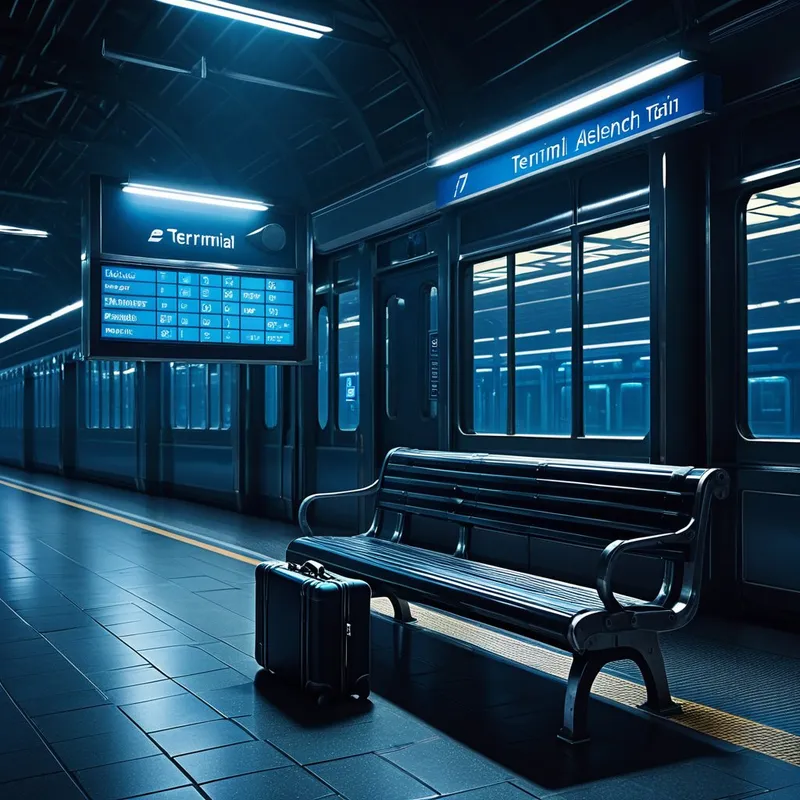
I am in a vast, abandoned train station, all polished chrome and echoing marble. A single suitcase, mine, sits on a bench. The departure board flickers, then displays only one destination: TERMINAL. No one is here to see me off, and I understand, with a calm dread, that I am both the passenger and the station itself.
This dream is an alchemical vessel where the dreamer encounters the foundational truth that the final journey of integration is one they must authorize and occupy alone.
The False Lead
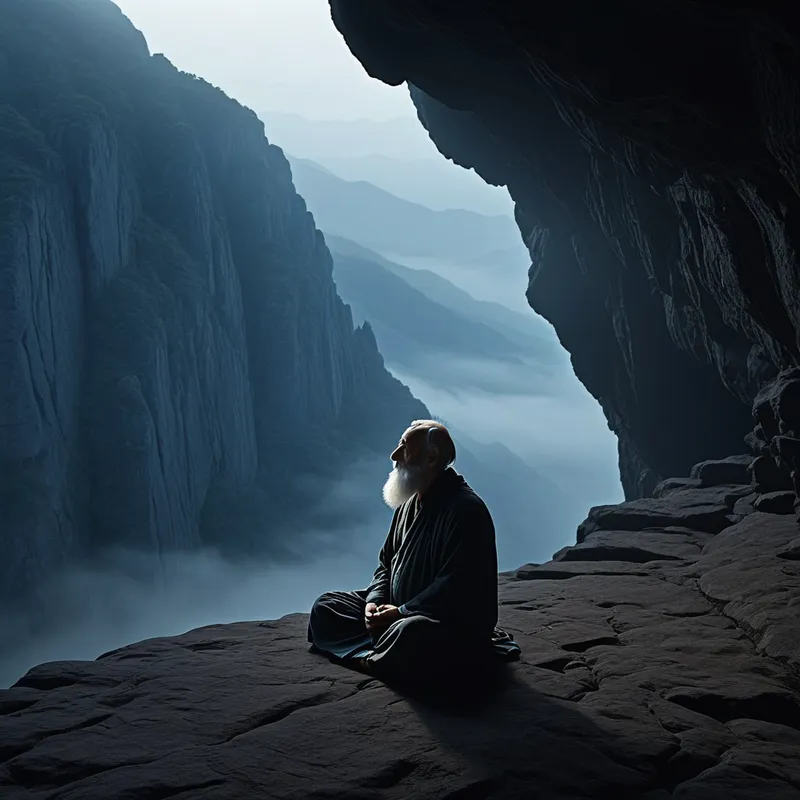
Solitude in dreams is not loneliness. This is the critical, initial distillation. Loneliness is a grief for connection absent; it looks outward, seeking a missing piece. Solitude, in its profound archetypal form, is an inward gaze. It is not the poverty of company, but the rich, terrifying fullness of one’s own presence. To mistake this theme for mere social failure or rejection is to pathologize a sacred process. The ache is not for another, but for the unrecognized self that is beginning to coalesce in the quiet. It is the difference between an empty house and a sanctum.
Psychological Architecture
When solitude emerges in dreams, it signals the psyche initiating a profound structural audit. The internal family of subpersonalities—the inner critic, the pleaser, the eternal child, the performer—has fallen silent. Their constant chatter, their negotiations for attention and safety, have ceased. In this sudden quiet, the central "I" is left standing in the empty council chamber of the soul. This is the essence of Shadow work within solitude: not facing monsters in the dark, but facing the sheer, unmediated fact of your own consciousness without distraction.
It is the Individuation process in its most raw phase. The persona, the mask worn for the world, has nothing to reflect against and begins to dissolve. What remains is not nothingness, but a foundational awareness. This is often experienced as terror because we are addicted to the relational noise that defines us. Solitude strips that away, forcing a confrontation with the core self—the prima materia of the psyche—before it has been shaped into something socially legible. The architecture here is one of deconstruction to the load-bearing walls. The grief felt is for the loss of the more comfortable, defined, yet false edifices.
Mythic Resonance
We see this eternal process in the myth of the Grail Quest. The knight—Perceval or Galahad—must ultimately leave the fellowship of the Round Table and enter the Forest Perilous alone. The collective project, the camaraderie of shared purpose, cannot complete the final sacred task. The forest is not populated with foes, but with a profound, echoing silence that forces the quester to rely on intuition, not protocol. The guiding words, "If you meet the Buddha on the road, kill him," speak to this same alchemical solitude. Even the highest external truth must be dissolved in the private crucible of direct experience to become genuine wisdom. The mythic firmware is clear: sovereignty is conferred in isolation.
Symbolic Nodes
- Vast, Empty Interior Spaces: Cathedrals, train stations, libraries, empty theaters.
- Self-Contained Objects: A single lit window in a dark city, a capsule, a sealed vessel, a mirror reflecting only itself.
- Silent Communication Devices: Phones that don't ring, computers with blank screens, radios emitting only static.
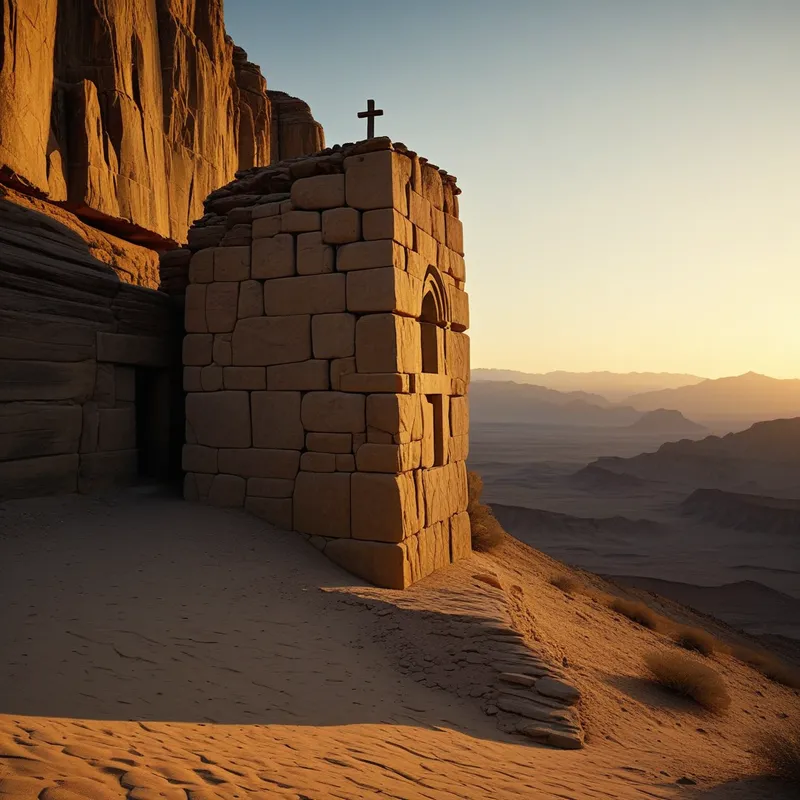
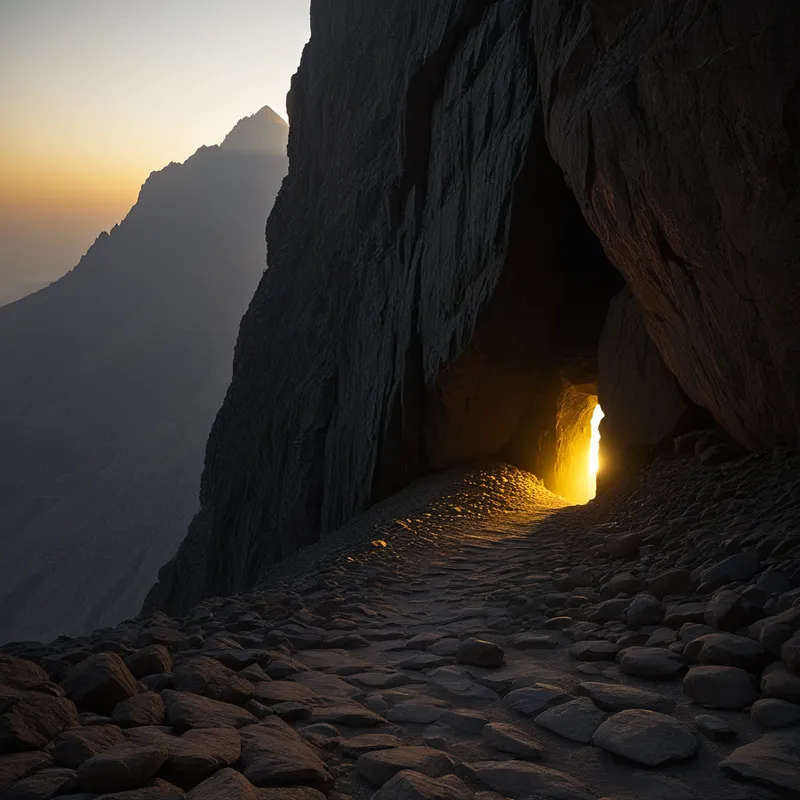
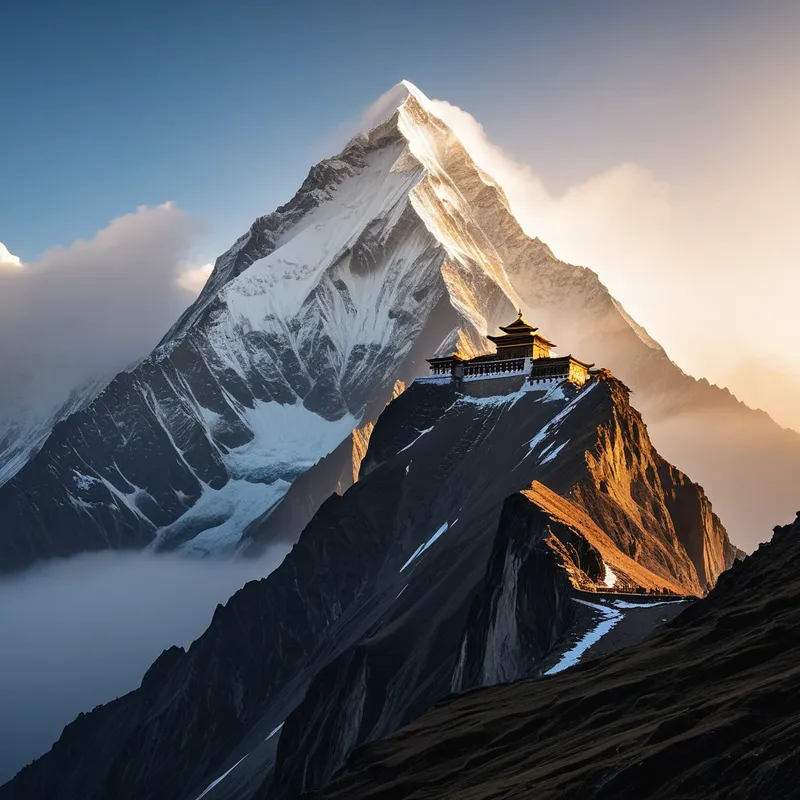
- Barren, Beautiful Landscapes: Tundras, deserts, mountain peaks, the surface of the moon.
- Enclosed Transparency: Aquariums, display cases, glass rooms—seen but fundamentally separate.
Archetypal Resonance
The core energy of profound solitude resonates most deeply with The Sage Archetype in its formative, pre-manifestation phase. The Shadow Sage—dogmatic, judgmental, isolated in a tower of certainty—is what the psyche risks becoming if this solitude is refused or misunderstood. But the active essence is the Sage-in-potential, the philosopher on the verge of genuine insight.
The Sage does not seek knowledge from the chorus, but from the silent dialogue between consciousness and existence. The somatic echo—the cool, spacious density—is the Sage’s laboratory, the vas hermeticum sealed for the great work. The alchemical potential lies precisely in this withdrawal. It is the necessary precondition for distillation. Without the withdrawal from the noise of collective opinion and personal history, the "pure water" of insight cannot separate from the "dregs" of borrowed belief. Solitude is the Sage’s first and most critical operation: creating the void in which a new, personal cosmology can coalesce.
The Alchemical Process
The transmutation here is from the lead of isolated consciousness into the gold of sovereign selfhood. The intense psychological heat is applied by sustaining the gaze inward. The pressure is the refusal to flee the quiet, to numb the echo with distraction or counterfeit connection.
The process follows three stages:
- Separatio: The dream images perform this first. The psyche is isolated from its usual relational context. This feels like a death, a freezing.
- Solutio: In the sustained silence, the hardened structures of the conditioned self—"who I am with others"—begin to dissolve in the solvent of pure attention. This is the stage of grief and disorientation.
- Coagulatio: From this formless, rich solution, a new center begins to precipitate. It is not built from ideas, but crystallizes from direct experience of being. This is the birth of the authentic "I," capable of relationship not from need, but from genuine abundance.
The terror is the dissolution. The sovereignty is the coagulation.

The Integration Protocol
Question 1: In the solitude of the dream, what part of me was relieved to be free of an audience? Not what was afraid, but what breathed more easily?
Question 2: If the empty space in the dream is not a lack, but a container, what is it meant to hold that is too precious or too nascent for the crowded daylight world?
Question 3: Who would I be if the relationships that currently define me were temporarily removed from the equation? What shape wants to emerge from that quiet?
Action 1 (The Sovereign Hour): For one hour, create a literal container of solitude. No devices, no media, no input. Do not "do" anything productive. Simply sit with the quality of attention you experienced in the dream. Let the internal noise rise and fall without engaging it. You are not meditating; you are occupying the station.
Action 2 (Cartography of the Interior): Create a simple, abstract drawing or diagram of the empty space from your dream. Use only lines, shapes, and shades. Where is the pressure? Where is the openness? Then, without narrative, place a single small mark or color on the page representing the "you" that was present there. This is not art; it is a somatic map of your inner architecture.
Action 3 (The Unsent Letter): Write a letter from the perspective of the self you encountered in the solitary dream space. Let it speak to the "you" that navigates the social world. What does it know? What does it need? What does it see from its vantage point? Do not send it; the communication is internal, completing a circuit.
Final Validation
The path of solitude is the most demanding pilgrimage the psyche can undertake, for it walks away from every external landmark. To feel its chill is not a sign of brokenness, but of a profound courage stirring at the root of being. This is the ego's winter, necessary for the germination of a soul. Honor the ache. It is the friction of a new world turning inside you, grinding against the shell of the old. The integration is not about ending the solitude, but about learning to inhabit it as a sovereign—to rule the quiet kingdom of yourself, so you may eventually connect with others not as a refugee seeking warmth, but as a diplomat from a realized nation.