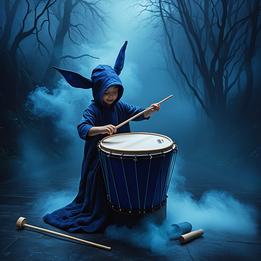
Toy Drum
A playful instrument symbolizing creativity, rhythm, and youthfulness, often seen as a means of expression.
Toy Drum Dream Meaning
A playful instrument symbolizing creativity, rhythm, and youthfulness, often seen as a means of expression.
Interpretive Themes
Creativity
highThe drum represents the unique ways one expresses themselves.
Rhythm of Life
highDrumming provides a metaphor for finding one's own pace in life.
Childhood Joy
highReflects cherished memories and aspirations of innocence.
Community Connection
mediumDrumming can unite individuals in joyful expression and collaboration.
Communication
mediumRepresents the power of music as a language of emotion.
Mythological Resonance
Pan
GreekThe god of wild nature played the syrinx (pipes), embodying rustic music and uninhibited joy that stirs the soul.
Djembe Drum
AfricanUsed in rituals and gatherings, it symbolizes community, communication, and the heartbeat of the tribe.
Cultural Lenses
African Perspective
View Context →Drumming has deep roots in African culture, often symbolizing storytelling and communal events. Used in ceremonies and gatherings to convey messages and connect with ancestors. Drums signify community and continuity of tradition.
East Asian Perspective
View Context →Drumming is a traditional medium in cultural festivals and celebrations. Drums are used in dances and rituals representing seasons and life cycles. [Asian Cultures] A source of rhythm and joy in communal festivities.
European Perspective
View Context →Drumming often accompanies folk music and storytelling. Participatory music in social gatherings enhancing community relationships. [Celtic] Represents the lively spirit of celebration.
Jungian Perspective
View Context →Drums are often used as a tool for exploring the unconscious mind in therapeutic contexts. Facilitates deeper self-discovery processes. Drumming induces trance-like states that reveal inner thoughts.
Historical Authorities
Want a deeper analysis?
Get a personalized interpretation of your entire dream including this symbol.
Interpret My DreamThe Oracle's Prediction
Combine multiple symbolsA new friendship or rekindled connection will bring joy and shared creativity.
Timeframe
Immediate (Next 48h)
Intensity
Deep
Common Appearances & Contexts
| Context | Emotion | Interpretation |
|---|---|---|
| Context Playing joyfully with friends | Emotion Bliss | Interpretation Highlights the importance of social connections and shared joy. |
| Context Being part of a marching band | Emotion Pride | Interpretation Reflects feelings of accomplishment and belonging within a group. |
| Context Creating a beat alone | Emotion Contentment | Interpretation Signifies personal discovery and self-exploration. |
| Context Performing for an audience | Emotion Nervousness | Interpretation Questions self-worth and readiness to share one’s creativity. |
| Context Drum circle with strangers | Emotion Excitement | Interpretation Indicates openness to new experiences and communal bonding. |
| Context Fixing a broken drum | Emotion Frustration | Interpretation Represents attempts to restore creativity or tackle obstacles in expressing oneself. |
| Context Learning new drum techniques | Emotion Determination | Interpretation Symbolizes the pursuit of mastery and honing skills. |
| Context Competing in a drumming contest | Emotion Anxiety | Interpretation Represents fear of judgment and need for validation. |
| Context Hearing distant drumming sounds | Emotion Longing | Interpretation Might indicate a desire to reconnect with one’s creative self. |
| Context Playing a rhythm experimentingly | Emotion Curiosity | Interpretation Encourages a willingness to explore new possibilities in life. |
Interpret Your Full Dream
Beyond this symbol, every dream carries a unique story. Share your dream for a personalized AI-powered interpretation.