Objects & Tools

Tomahawk Dream Meaning

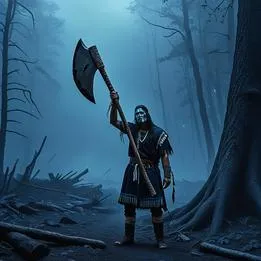
A Native American hand axe used as both a tool and weapon, symbolizing survival, conflict, and cultural identity.

Common Appearances & Contexts

Context Emotion Interpretation
Throwing tomahawk Frustration Releasing pent-up anger.
Receiving tomahawk Empowerment Gaining strength or tools.
Losing tomahawk Vulnerability Feeling defenseless or unprepared.
Crafting tomahawk Pride Building personal resources.
Tomahawk as gift Honor Symbol of trust or respect.
Broken tomahawk Despair Loss of capability or identity.
Tomahawk in battle Anxiety Facing conflict or competition.
Tomahawk for hunting Determination Pursuing goals or sustenance.
Tomahawk on display Nostalgia Reflecting on heritage or past.
Sharpening tomahawk Preparation Getting ready for challenges.
Tomahawk in ceremony Reverence Spiritual or ritual significance.
Tomahawk as threat Fear Feeling endangered or attacked.

Interpretive Themes

Cultural Lenses

Jungian Perspective

View Context →

Represents the shadow archetype—unconscious aggression or primal instincts. As a tool, it symbolizes the ability to shape reality, urging integration of raw, instinctual energies for wholeness.

Freudian Perspective

View Context →

A phallic symbol denoting masculine aggression, sexual energy, or power dynamics. May reflect repressed desires for dominance or fear of castration in competitive or intimate contexts.

Gestalt Perspective

View Context →

Seen as a projection of the dreamer's own 'cutting' abilities—to make decisions, sever ties, or assert boundaries. Encourages owning one's capacity to act or divide aspects of life.

Cognitive Perspective

View Context →

A mental schema for problem-solving or threat assessment, derived from cultural or media exposure. Dreams may process real-life conflicts, rehearsing responses to perceived dangers or challenges.

Evolutionary Perspective

View Context →

Taps into ancestral survival mechanisms—tool use and weaponry for hunting or defense. Reflects innate fears of predation or needs for resource acquisition, highlighting adaptive behaviors.

North American Perspective

View Context →

Deeply tied to Native American cultures as a ceremonial and practical item, symbolizing sovereignty, tradition, and resistance. In modern contexts, it can represent cultural appropriation or pride.

European Perspective

View Context →

Historically viewed through colonial lenses as a 'savage' weapon, but in folklore, akin to axes symbolizing craftsmanship or thunder gods like Thor. Today, it may denote wilderness or historical conflict.

Modern Western Perspective

View Context →

Often romanticized in media as a symbol of rugged individualism or survivalism. In sports and hobbies, it represents skill and focus, while in politics, it can evoke debates on cultural symbols.

Global/Universal Perspective

View Context →

A universal symbol of the axe family, representing creation and destruction duality. Across cultures, it signifies tools for building communities or weapons for defense, echoing human ingenuity and conflict.

East Asian Perspective

View Context →

Similar to axes in Chinese or Japanese symbolism, associated with authority (e.g., execution tools) or forestry. In dreams, it might reflect discipline, cutting away impurities, or fears of punishment.

African Perspective

View Context →

Resonates with traditional throwing knives or axes used in rituals and warfare, symbolizing leadership, protection, and ancestral spirits. In dreams, it can indicate spiritual guidance or communal defense.

Latin American Perspective

View Context →

Linked to indigenous tools like the macuahuitl or colonial conflicts, representing resilience and cultural fusion. In modern contexts, it may symbolize struggles for identity or environmental harmony.

AI-Powered

Interpret Your Full Dream

Beyond this symbol, every dream carries a unique story. Share your dream for a personalized AI-powered interpretation.