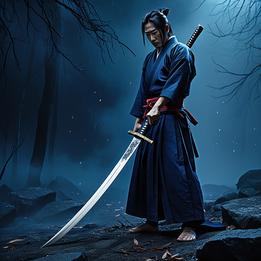
Tanto
A traditional Japanese short sword or dagger, historically used by samurai as a secondary weapon or for close combat and ritual suicide (seppuku).
Tanto Dream Meaning
A traditional Japanese short sword or dagger, historically used by samurai as a secondary weapon or for close combat and ritual suicide (seppuku).
Interpretive Themes
Cultural Lenses
Jungian Perspective
View Context →Represents the shadow self—hidden, sharp aspects of personality that can be destructive or protective. Symbolizes individuation through confronting inner darkness and integrating aggressive instincts.
Freudian Perspective
View Context →Phallic symbol representing masculine aggression, sexual potency, or castration anxiety. May indicate repressed violent urges, power struggles, or unresolved conflicts with authority figures.
Gestalt Perspective
View Context →Projects the dreamer's ability to 'cut through' problems or relationships. The tanto is an extension of self—how one wields it reveals approach to conflict resolution and personal boundaries.
Cognitive Perspective
View Context →Mental schema for threat assessment and problem-solving. Represents cognitive 'tools' for dealing with immediate dangers or making decisive, sharp judgments under pressure.
Evolutionary Perspective
View Context →Survival tool triggering ancient fight-or-flight responses. Symbolizes evolved instincts for close-quarters defense, territory protection, and social hierarchy establishment through threat display.
East Asian Perspective
View Context →In Japanese culture, embodies bushido values—honor, loyalty, and sacrifice. Historically used for seppuku (ritual suicide) to restore honor. Modernly represents craftsmanship heritage and martial discipline.
European Perspective
View Context →Parallels medieval daggers or dirks—symbols of nobility, betrayal prevention, or last-resort defense. In heraldry, represents readiness for combat and protection of honor.
Modern Western Perspective
View Context →Often romanticized in media as a symbol of exotic martial prowess or anime aesthetics. Can represent fascination with Japanese culture, collector's passion, or fantasy of disciplined power.
Global/Universal Perspective
View Context →Archetypal short blade representing personal defense, intimate violence, or ceremonial passage. Cross-culturally, small knives symbolize practical survival, ritual sacrifice, or concealed threat.
South Asian Perspective
View Context →Resonates with katar (punch dagger) traditions—symbols of warrior caste, divine protection, and swift justice. In rituals, represents cutting through ignorance or evil influences.
Middle Eastern Perspective
View Context →Echoes jambiya or khanjar daggers—symbols of manhood, social status, and tribal loyalty. Often gifted at coming-of-age ceremonies, representing protection and honor obligations.
African Perspective
View Context →Similar to throwing knives or ritual blades used in initiation ceremonies. Symbolizes transition to adulthood, spiritual protection, or authority within community hierarchies.
Want a deeper analysis?
Get a personalized interpretation of your entire dream including this symbol.
Interpret My DreamCommon Appearances & Contexts
| Context | Emotion | Interpretation |
|---|---|---|
| Context Receiving a tanto | Emotion Awe | Interpretation Acceptance of responsibility. |
| Context Drawing a tanto | Emotion Determination | Interpretation Preparing to confront. |
| Context Sharpening a tanto | Emotion Focus | Interpretation Refining inner strength. |
| Context Losing a tanto | Emotion Vulnerability | Interpretation Feeling unprotected. |
| Context Gifting a tanto | Emotion Respect | Interpretation Transfer of trust. |
| Context Broken tanto | Emotion Shame | Interpretation Failed honor. |
| Context Bloodied tanto | Emotion Guilt | Interpretation Consequences of actions. |
| Context Sheathing a tanto | Emotion Relief | Interpretation Conflict resolution. |
| Context Ancient tanto | Emotion Reverence | Interpretation Connecting to heritage. |
| Context Forging a tanto | Emotion Pride | Interpretation Creating personal power. |
| Context Threatening with tanto | Emotion Anger | Interpretation Asserting dominance. |
| Context Ceremonial tanto display | Emotion Awe | Interpretation Ritual significance. |
Interpret Your Full Dream
Beyond this symbol, every dream carries a unique story. Share your dream for a personalized AI-powered interpretation.