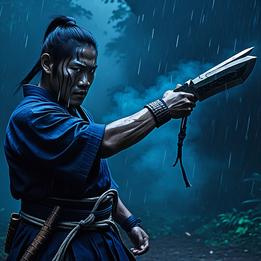
Tekko
A traditional Okinawan hand weapon, often made of metal or wood, worn over knuckles for striking. Symbolizes personal defense, martial discipline, and concealed power.
Tekko Dream Meaning
A traditional Okinawan hand weapon, often made of metal or wood, worn over knuckles for striking. Symbolizes personal defense, martial discipline, and concealed power.
Interpretive Themes
Cultural Lenses
Jungian Perspective
View Context →Represents the 'shadow' aspect of the psyche - the capacity for aggression and defense that must be integrated consciously. As a hand weapon, it symbolizes taking matters into one's own hands psychologically.
Freudian Perspective
View Context →Phallic symbol representing masculine aggression and penetration. The act of wearing it suggests sublimation of sexual energy into defensive or combative behavior, possibly indicating castration anxiety or defense mechanisms.
Gestalt Perspective
View Context →The dreamer's projection of their need for boundaries or self-assertion. Each part of the tekko (metal, straps, spikes) represents different aspects of how the dreamer constructs their personal defenses in waking life.
Cognitive Perspective
View Context →Mental schema for 'preparedness' or 'self-protection' activated during sleep. The brain processes recent experiences of vulnerability or conflict, creating this symbol as a problem-solving metaphor for establishing safety.
Evolutionary Perspective
View Context →Ancient survival mechanism symbolizing hand-to-hand combat preparedness. Represents the evolutionary advantage of tool use for defense, triggering primal instincts for territory protection and physical confrontation readiness.
East Asian Perspective
View Context →Specifically Okinawan in origin, representing kobudo (traditional weapons) heritage. Historically used when peasants were forbidden swords, symbolizing resourcefulness and cultural resistance under oppression, now preserved in martial arts.
Modern Western Perspective
View Context →Seen as exotic martial arts equipment or collector's item. Represents fascination with Eastern traditions, self-defense culture, or fantasy combat aesthetics, often divorced from original cultural context and practical use.
European Perspective
View Context →Comparable to brass knuckles or cestus in Western tradition - often associated with street fighting or illicit combat. Historically viewed as crude or dishonorable compared to swords, representing pragmatic rather than noble defense.
Global/Universal Perspective
View Context →Universal symbol of hand-held personal defense tools. Across cultures, similar implements exist (brass knuckles, cestus, kakute), representing the human universal need for close-quarters protection and the empowerment of the fist.
South Asian Perspective
View Context →Similar to Indian bagh nakh (tiger claws) or Japanese tekko-kagi, representing animal-inspired weapons. Connects to concepts of shakti (divine feminine power) and the harnessing of primal force through disciplined practice.
African Perspective
View Context →Parallels to traditional African knuckle weapons like the Zulu knobkerrie adaptations. Represents community defense, initiation rites where weapons signify adulthood, and the spiritual belief that weapons carry ancestral protection.
Latin American Perspective
View Context →Viewed through lens of self-defense in contexts of social inequality. May symbolize grassroots resistance, personal sovereignty in challenging environments, or the martial arts diaspora connecting to Asian cultural influences.
Want a deeper analysis?
Get a personalized interpretation of your entire dream including this symbol.
Interpret My DreamCommon Appearances & Contexts
| Context | Emotion | Interpretation |
|---|---|---|
| Context Being attacked | Emotion Fearful | Interpretation Last-resort self-defense tool. |
| Context Training session | Emotion Focused | Interpretation Skill development and mastery. |
| Context Finding tekko | Emotion Curious | Interpretation Discovering hidden capabilities. |
| Context Losing tekko | Emotion Vulnerable | Interpretation Feeling defenseless or unprepared. |
| Context Giving tekko | Emotion Protective | Interpretation Empowering someone else. |
| Context Receiving tekko | Emotion Empowered | Interpretation Being granted protection. |
| Context Broken tekko | Emotion Defeated | Interpretation Failed defense system. |
| Context Forging tekko | Emotion Creative | Interpretation Crafting personal defenses. |
| Context Wearing tekko | Emotion Confident | Interpretation Ready for confrontation. |
| Context Tekko as gift | Emotion Honored | Interpretation Receiving trust and protection. |
| Context Multiple tekko | Emotion Overwhelmed | Interpretation Excessive defensive needs. |
| Context Ancient tekko | Emotion Awed | Interpretation Connecting with tradition. |
Interpret Your Full Dream
Beyond this symbol, every dream carries a unique story. Share your dream for a personalized AI-powered interpretation.