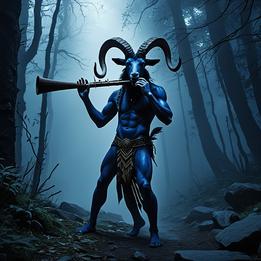
Satyr
A mythological creature from Greek lore, half-man and half-goat, representing untamed nature, primal instincts, and unrestrained revelry.
Satyr Dream Meaning
A mythological creature from Greek lore, half-man and half-goat, representing untamed nature, primal instincts, and unrestrained revelry.
Interpretive Themes
Primal Instincts
highRepresents raw, untamed human nature.
Freedom from Restraint
highSymbolizes breaking conventional rules.
Shadow Self
mediumEmbodies hidden desires and impulses.
Creative Chaos
mediumLinks wildness to artistic expression.
Nature Connection
lowSymbolizes earth-based spirituality.
Cultural Lenses
Jungian Perspective
View Context →Represents the shadow archetype—unconscious primal instincts and repressed desires that need integration for wholeness. Historically linked to Dionysian mysteries, now symbolizes individuation.
Freudian Perspective
View Context →Symbolizes the id—unrestrained libido and pleasure principle. Historically associated with sexual repression, in modern context represents subconscious sexual urges seeking expression.
Gestalt Perspective
View Context →Represents disowned parts of self—wildness or spontaneity being rejected. Historically seen as 'other,' now symbolizes integration of fragmented personality aspects.
Cognitive Perspective
View Context →Embodies schemas about instinct versus control. Historically a cautionary figure, now represents cognitive dissonance between societal expectations and natural impulses.
Evolutionary Perspective
View Context →Symbolizes ancestral survival instincts—territoriality, mating drives, and group bonding rituals. Historically adaptive, now may represent maladaptive primal urges in modern society.
European Perspective
View Context →In Greek mythology, companion of Dionysus representing ecstatic worship and nature spirits. Historically feared as chaotic, now romanticized in fantasy as symbol of freedom.
Modern Western Perspective
View Context →Often appears in fantasy media as symbol of hedonism or connection to nature. Historically demonized, now represents counterculture values and rejection of puritanical norms.
Global/Universal Perspective
View Context →Cross-cultural trickster figure representing boundary between human and animal. Historically appears as faun or nature spirit, now symbolizes universal tension between civilization and wildness.
East Asian Perspective
View Context →Similar to mountain spirits or trickster figures in folklore. Historically represents dangerous wilderness energies, now sometimes appears in anime as chaotic neutral characters.
Middle Eastern Perspective
View Context →Related to jinn or desert spirits in pre-Islamic traditions. Historically seen as dangerous shape-shifters, now represents untamable aspects of nature in regional folklore.
African Perspective
View Context →Parallels nature deities like Legba or trickster figures. Historically represents mediation between worlds, now symbolizes connection to ancestral lands and untamed life forces.
Latin American Perspective
View Context →Blends with indigenous nature spirits and European folklore. Historically represents syncretic beliefs, now appears in magical realism as symbol of earthy wisdom and passion.
Want a deeper analysis?
Get a personalized interpretation of your entire dream including this symbol.
Interpret My DreamCommon Appearances & Contexts
| Context | Emotion | Interpretation |
|---|---|---|
| Context Chasing through forest | Emotion Exhilarated | Interpretation Embracing wild freedom. |
| Context Playing pan flute | Emotion Joyful | Interpretation Creative expression unleashed. |
| Context Drinking wine | Emotion Euphoric | Interpretation Abandoning inhibitions. |
| Context Being pursued | Emotion Fearful | Interpretation Shadow self emerging. |
| Context Leading a dance | Emotion Powerful | Interpretation Primal energy mastery. |
| Context Hiding in shadows | Emotion Guilty | Interpretation Secret desires surfacing. |
| Context Transforming appearance | Emotion Confused | Interpretation Identity in flux. |
| Context Breaking rules | Emotion Defiant | Interpretation Rebelling against norms. |
| Context Communing with animals | Emotion Peaceful | Interpretation Natural harmony achieved. |
| Context Seduction attempt | Emotion Passionate | Interpretation Unchecked desire manifesting. |
| Context Laughing uncontrollably | Emotion Manic | Interpretation Chaotic energy release. |
| Context Teaching others | Emotion Wise | Interpretation Instinctual knowledge sharing. |
Interpret Your Full Dream
Beyond this symbol, every dream carries a unique story. Share your dream for a personalized AI-powered interpretation.